7 Strategies to Get Your URL Indexed by Google and Cited in AI Search
A practical guide to url of google.
Get AI search visibility report instantlyStart Free →
Master Google indexing with guides on Search Console, sitemaps, crawl budget, and fixes that get new pages discovered and indexed within minutes.
89 articles
A practical guide to url of google.
Slow indexing costs you organic traffic every single day your content goes undiscovered. This guide gives marketers, founders, and SEOs a clear, repeatable framework for diagnosing why Google Not Indexing New Content Fast is happening on their site and applying targeted fixes — from crawl and sitemap issues to modern indexing tools — so new content gets found faster and stays found.
A Google ranker is the complex system of algorithms and machine-learning models Google uses to evaluate and rank web pages for search queries. This guide breaks down how the ranking system works—from crawling and indexing to scoring signals—helping content creators understand why quality writing alone isn't enough to earn top search placement and what factors actually determine which pages win.
Getting indexed faster by Google requires a combination of technical fixes and proactive signaling strategies that move your pages from invisible to rankable. This step-by-step guide covers seven actionable methods — including fixing crawl barriers, submitting sitemaps, and leveraging tools like IndexNow and the Google Indexing API — to help marketers, founders, and agencies eliminate indexing delays and start driving organic traffic sooner.
A slow Google crawl rate means your new content and updates remain invisible in search results while competitors gain ground, creating a compounding SEO disadvantage. This guide explains the core reasons Google crawls some sites slowly—from server performance and crawl budget waste to technical barriers—and provides actionable fixes to help search engines discover and index your pages faster.
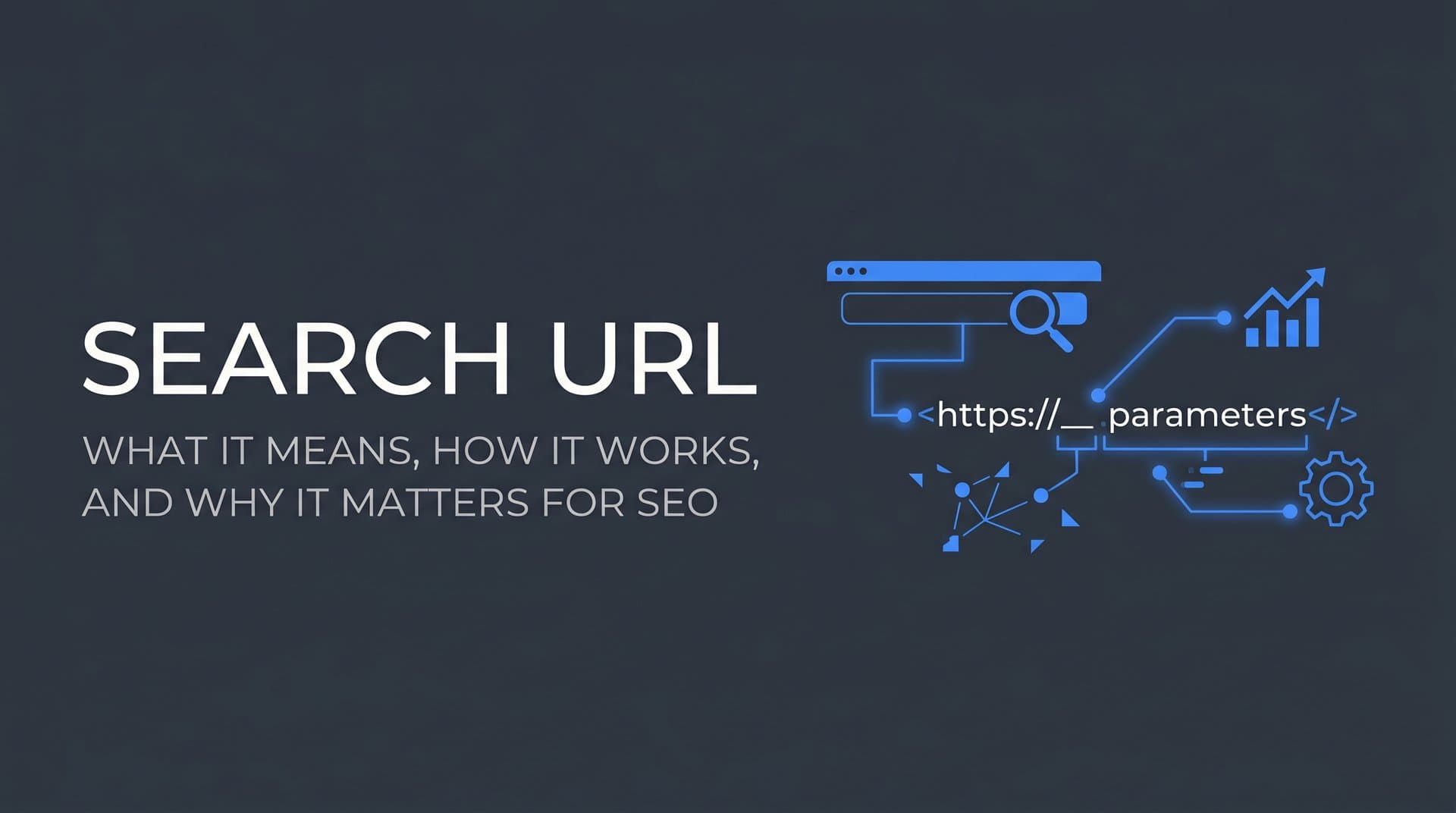
A search URL is the dynamically generated web address that encodes your query, location, and intent every time you use a search engine—and understanding how it works is foundational to SEO strategy. This guide breaks down search URL structure, how search engines process parameters, and why mastering this invisible infrastructure helps marketers improve crawl efficiency, organic visibility, and AI-driven search performance.
A Googlebot simulator reveals how Google's crawler actually sees your site, exposing hidden issues like blocked resources and JavaScript rendering failures that prevent pages from ranking. This guide covers seven actionable strategies for using a Googlebot simulator to diagnose crawlability problems, accelerate indexing, and ensure your content is discoverable by both traditional search engines and AI models.
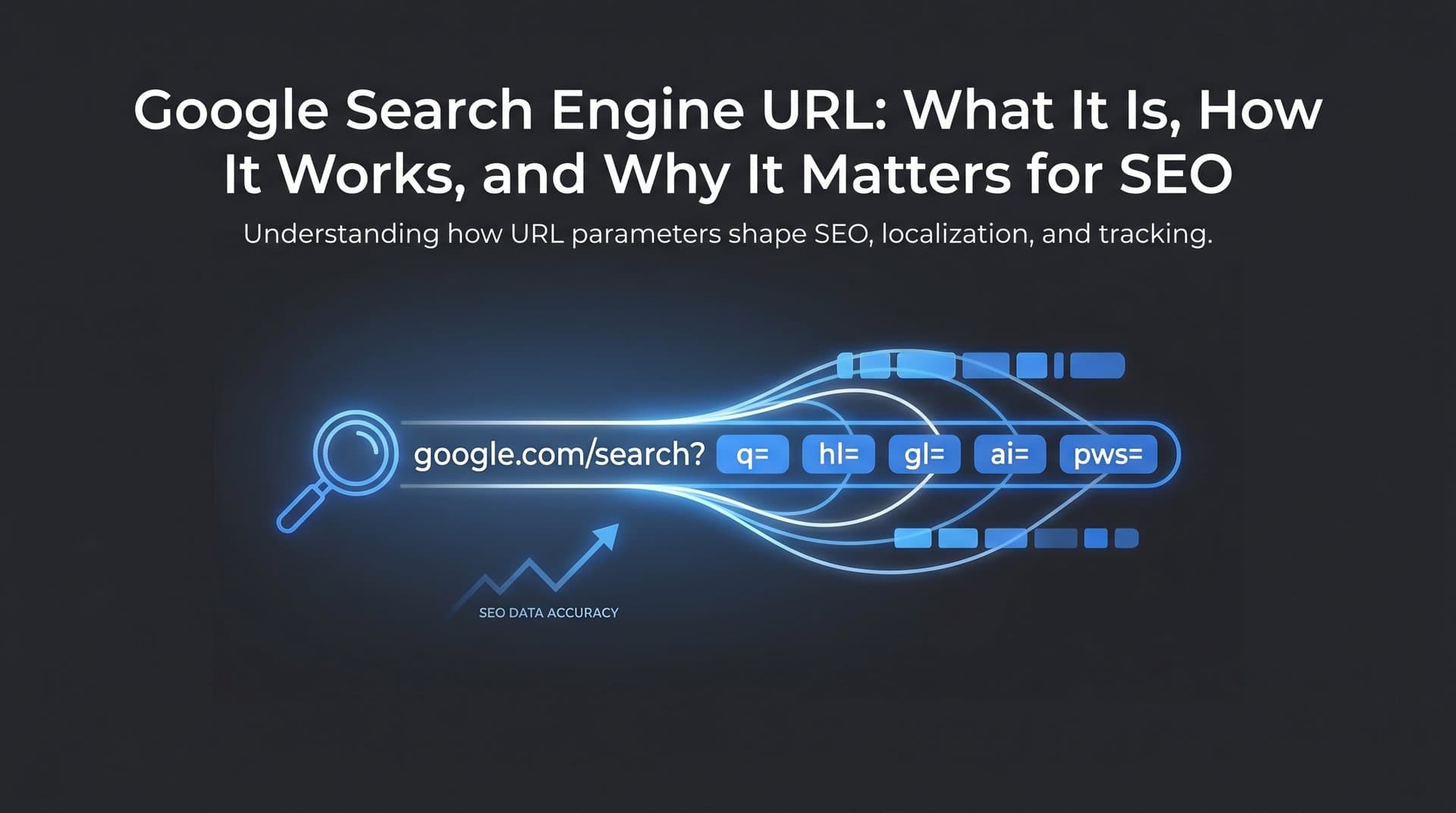
Understanding the Google search engine URL goes beyond basic web navigation—each parameter in the address bar signals language, location, and search format that directly shapes your SEO data accuracy. This guide breaks down the full anatomy of Google search URLs, explaining how localization, personalization, and emerging AI features affect keyword tracking, international SEO audits, and competitive research for marketers and agencies.
The Chrome address bar prompt "search Google or type a URL" represents two distinct navigation methods with real implications for marketers and website owners. Understanding the difference between direct URL entry and search-based discovery helps professionals better interpret traffic sources, measure brand recognition, and optimize content strategy in an increasingly AI-driven search landscape.

When someone types a search query today, the results come from a sprawling ecosystem far beyond Google — including AI platforms like ChatGPT, Perplexity, and Claude. This guide explains how modern search discovery works and what brands must do to remain visible across every surface where users type your search here and expect answers.
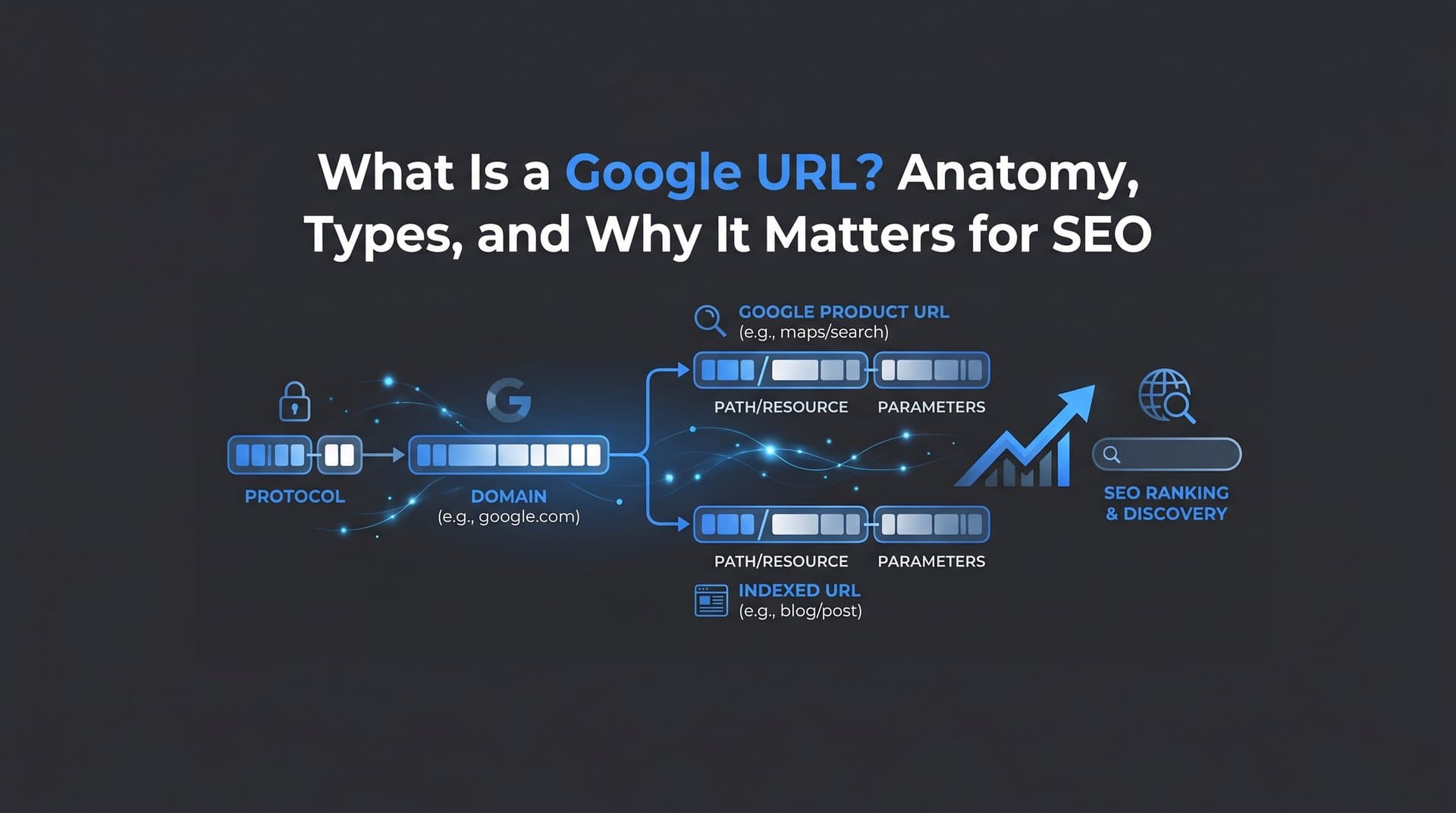
Understanding what a Google URL is—both the web addresses Google uses across its products and the external URLs it crawls and indexes—is essential for SEO success. This guide breaks down URL anatomy, types, and how proper URL structure directly impacts your content's ability to rank and get discovered in Google Search.
The "search or type web address" prompt in your browser is more than a simple input field—it's the gateway that shapes how users discover content online. This guide explores how the omnibox works, how browsers interpret different types of input, and why understanding user search behavior in that bar matters for marketers and website owners navigating the evolving AI search landscape.