Your keyword strategy is only as strong as the tools behind it. A solid keywords tool box isn't just one platform — it's a curated collection of research, tracking, and optimization tools working together to surface opportunities, benchmark competitors, and get your content in front of the right audience.
In 2026, that definition has expanded. Keyword research now extends beyond Google rankings to how AI models like ChatGPT, Claude, and Perplexity reference brands and content. The smartest marketers are building toolkits that cover both traditional SEO and this emerging AI visibility layer.
When selecting the tools below, the criteria were straightforward: keyword discovery depth, competitive analysis capabilities, AI and GEO optimization features, ease of use, and pricing value across different budget levels. Whether you're a solo founder, a growing marketing team, or an agency managing multiple clients, there's a combination here that fits.
1. Sight AI
Best for: Marketers who need AI visibility tracking alongside SEO content generation and indexing.
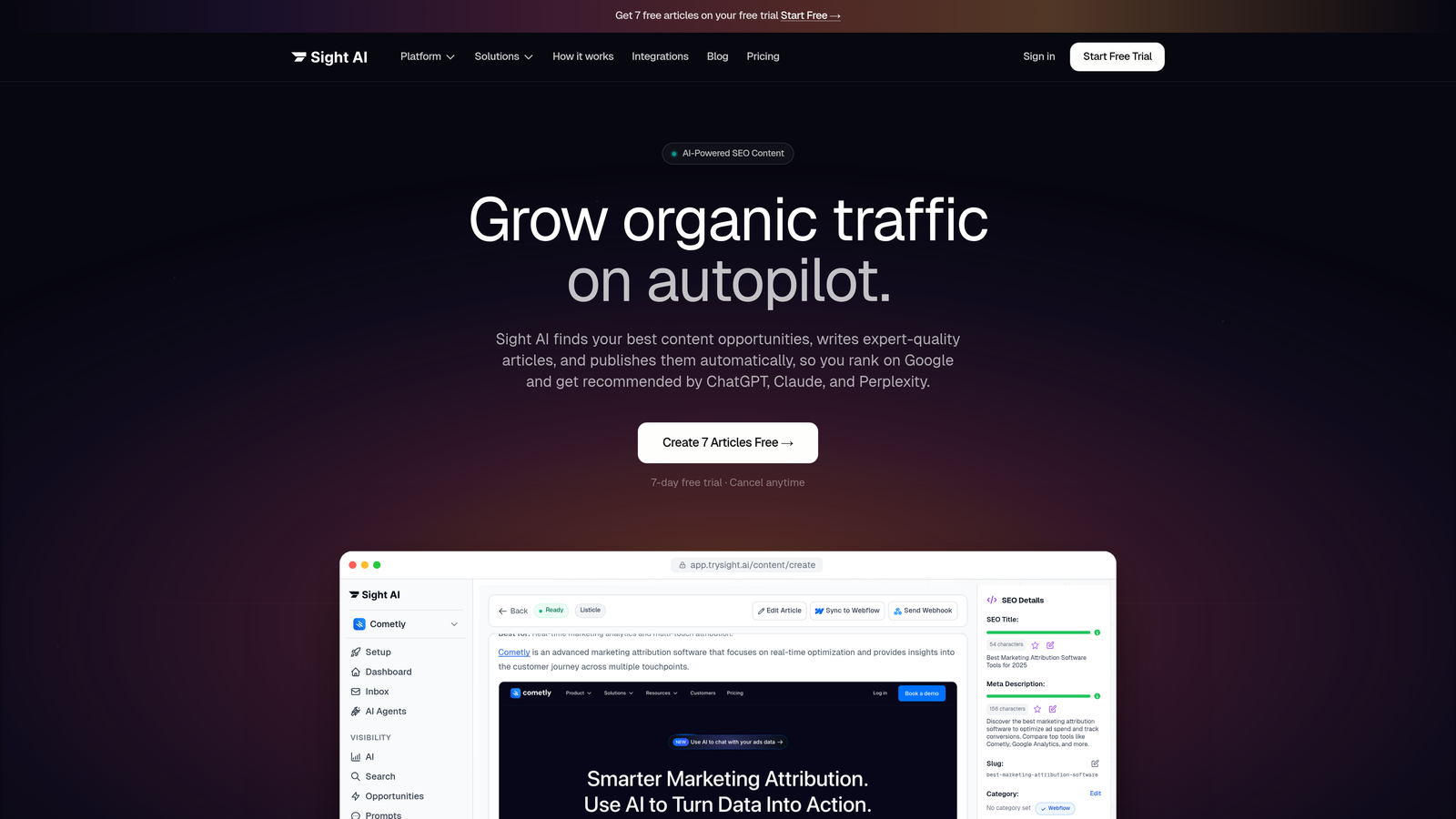
Sight AI is an AI-native platform that combines brand mention tracking across AI models, a multi-agent content writer, and automated website indexing in one place.
Where This Tool Shines
Most keyword toolboxes stop at Google. Sight AI starts where others leave off: tracking how AI platforms like ChatGPT, Claude, and Perplexity actually talk about your brand. That's a meaningful distinction in a landscape where AI-generated answers are increasingly the first thing users see.
The platform's content generation side is equally practical. With 13+ specialized AI agents, it produces SEO and GEO-optimized articles — listicles, guides, explainers — and can publish them automatically through Autopilot Mode. It's built for teams that want to move fast without sacrificing quality or discoverability.
Key Features
AI Visibility Score: Tracks your brand's mentions and sentiment across 6+ AI platforms, giving you a clear picture of how AI models perceive and reference your brand.
AI Content Writer: 13+ specialized agents generate SEO and GEO-optimized content formats, from long-form guides to structured listicles, with Autopilot Mode for hands-off publishing.
IndexNow Integration: Automated sitemap updates and IndexNow submission push new content to search engines faster, reducing the lag between publishing and indexing.
Sentiment Analysis and Prompt Tracking: Monitors not just whether AI models mention your brand, but how — capturing tone, context, and the prompts that surface your content.
CMS Auto-Publishing: Connects directly to your CMS so generated content goes live without manual intervention, keeping your publishing cadence consistent.
Best For
Marketers, founders, and agencies who recognize that keyword strategy in 2026 means more than ranking on Google. If you want to understand and improve how AI models reference your brand — while simultaneously scaling content output — Sight AI fills a gap that traditional SEO tools simply don't address.
Pricing
Visit trysight.ai for current plans and pricing details.
2. Ahrefs
Best for: In-depth keyword research, backlink analysis, and competitive content intelligence.
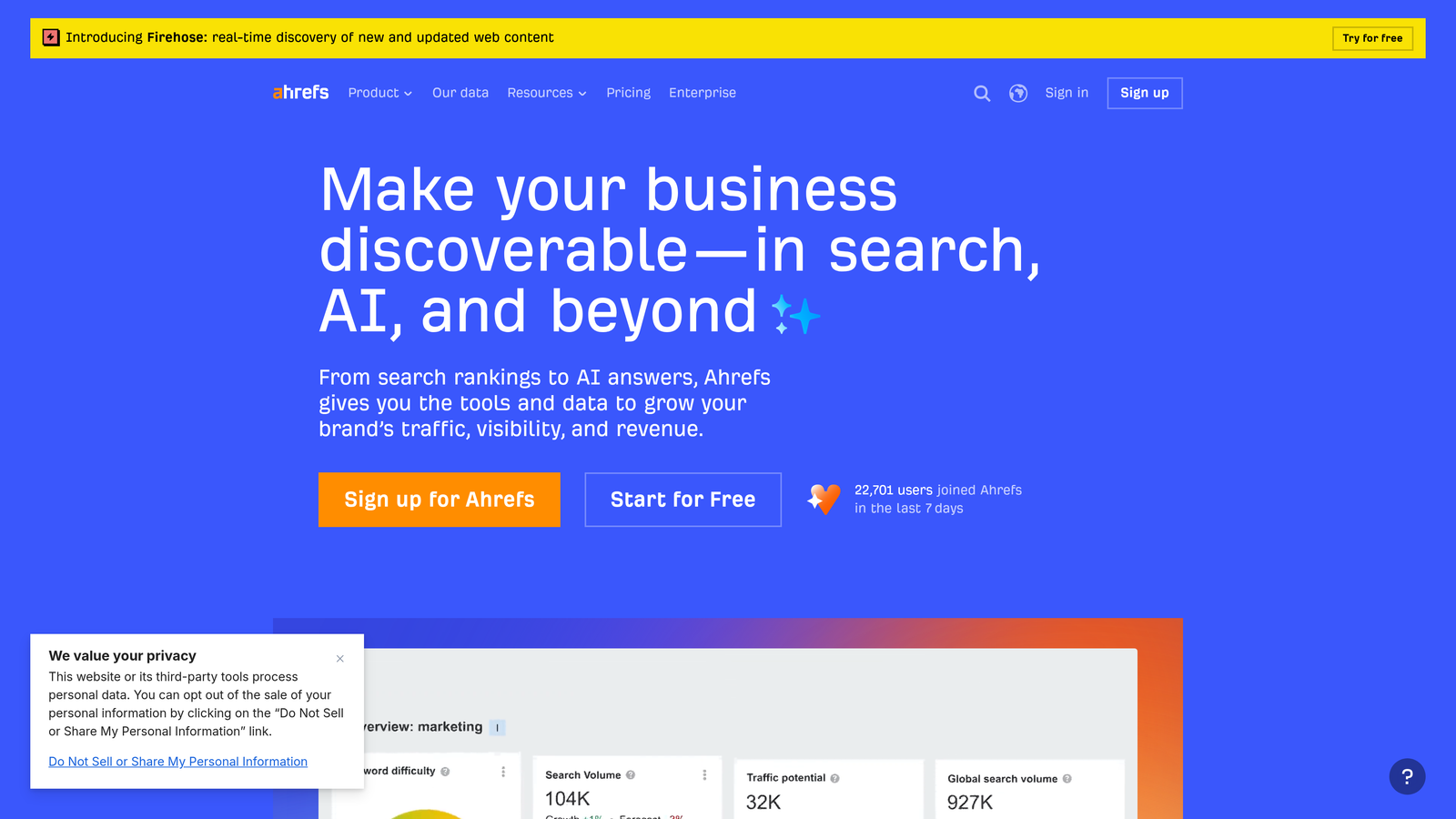
Ahrefs is an industry-leading SEO toolset known for its massive backlink index, powerful Keywords Explorer, and comprehensive site audit capabilities.
Where This Tool Shines
Ahrefs built its reputation on backlink data, but its Keywords Explorer has become just as essential. The clickstream-enhanced search volume data gives you more accurate traffic estimates than most tools, and the SERP overview lets you quickly assess whether a keyword is realistically winnable.
Content Explorer is a feature that often gets underrated. It lets you search for top-performing content by topic across the web, which is invaluable when you're trying to identify content gaps or understand what's already earning links in your niche.
Key Features
Keywords Explorer: Clickstream-enhanced search volume data with keyword difficulty scores and detailed SERP analysis for any target keyword.
Content Explorer: Searches billions of pages to find the highest-performing content by topic, helping identify link-worthy content opportunities.
Site Explorer: Access to one of the largest live backlink indexes available, with detailed referring domain and anchor text analysis.
Rank Tracker: Monitors keyword positions across desktop and mobile, with visibility trend charts and SERP feature tracking.
Site Audit: Crawls your site to surface technical SEO issues with prioritized recommendations for fixing them.
Best For
SEO professionals and content teams who need reliable keyword data, serious backlink research, and competitive content analysis. Particularly strong for teams running link-building campaigns alongside content strategies.
Pricing
Starts at $129/month for the Lite plan. Higher tiers unlock additional seats, more data rows, and advanced features like API access.
3. Semrush
Best for: All-in-one digital marketing research covering SEO, PPC, and competitive analysis.
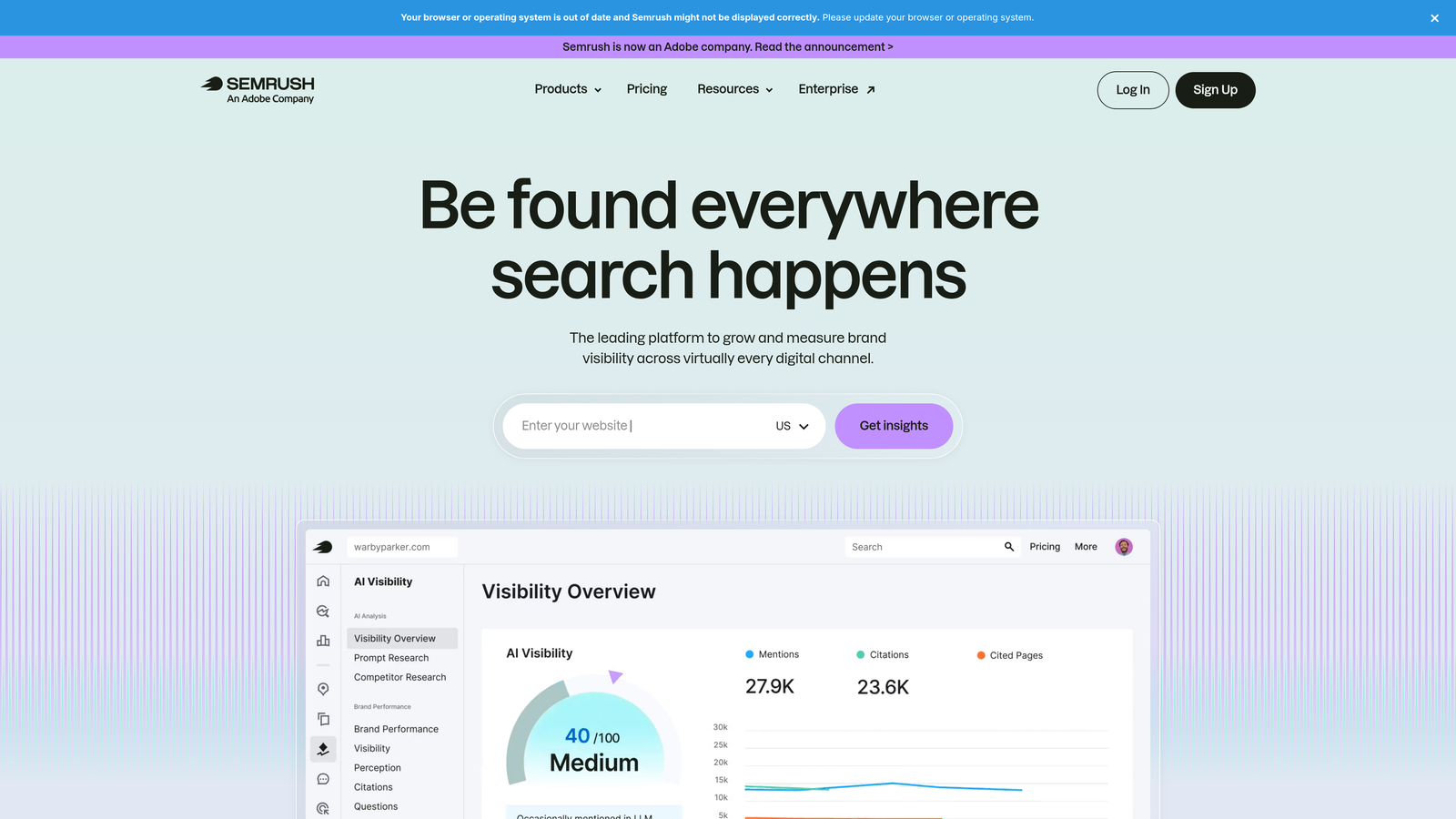
Semrush is a comprehensive digital marketing suite offering keyword research, competitive analysis, rank tracking, and PPC intelligence in a single platform.
Where This Tool Shines
Semrush's Keyword Magic Tool is one of the largest keyword databases available, making it especially useful when you're mapping out broad topic clusters or exploring long-tail opportunities at scale. The sheer volume of keyword suggestions it generates can surface angles you wouldn't find in smaller databases.
Where Semrush really differentiates itself is the integration between SEO and paid search data. If your team runs both organic and PPC campaigns, having keyword difficulty, CPC estimates, and ad copy analysis in the same interface saves meaningful time.
Key Features
Keyword Magic Tool: Access to over 25 billion keywords with filtering by intent, difficulty, volume, and related variations.
Keyword Gap Analysis: Compares your keyword profile against competitors to identify opportunities you're missing.
Position Tracking: Daily rank updates across locations and devices with SERP feature monitoring.
Topic Research and Content Template: Generates content briefs based on top-ranking pages for any target keyword.
PPC Intelligence: Analyzes competitor ad strategies, ad copy, and keyword bids for paid search campaigns.
Best For
Marketing teams and agencies managing both organic and paid search, especially those who need a single platform to handle keyword research, competitive analysis, and content planning without switching tools.
Pricing
Starts at $139.95/month for the Pro plan. Business and Agency plans are available at higher price points with expanded limits and features.
4. Moz Pro
Best for: Keyword prioritization with a balanced view of volume, difficulty, and click-through potential.
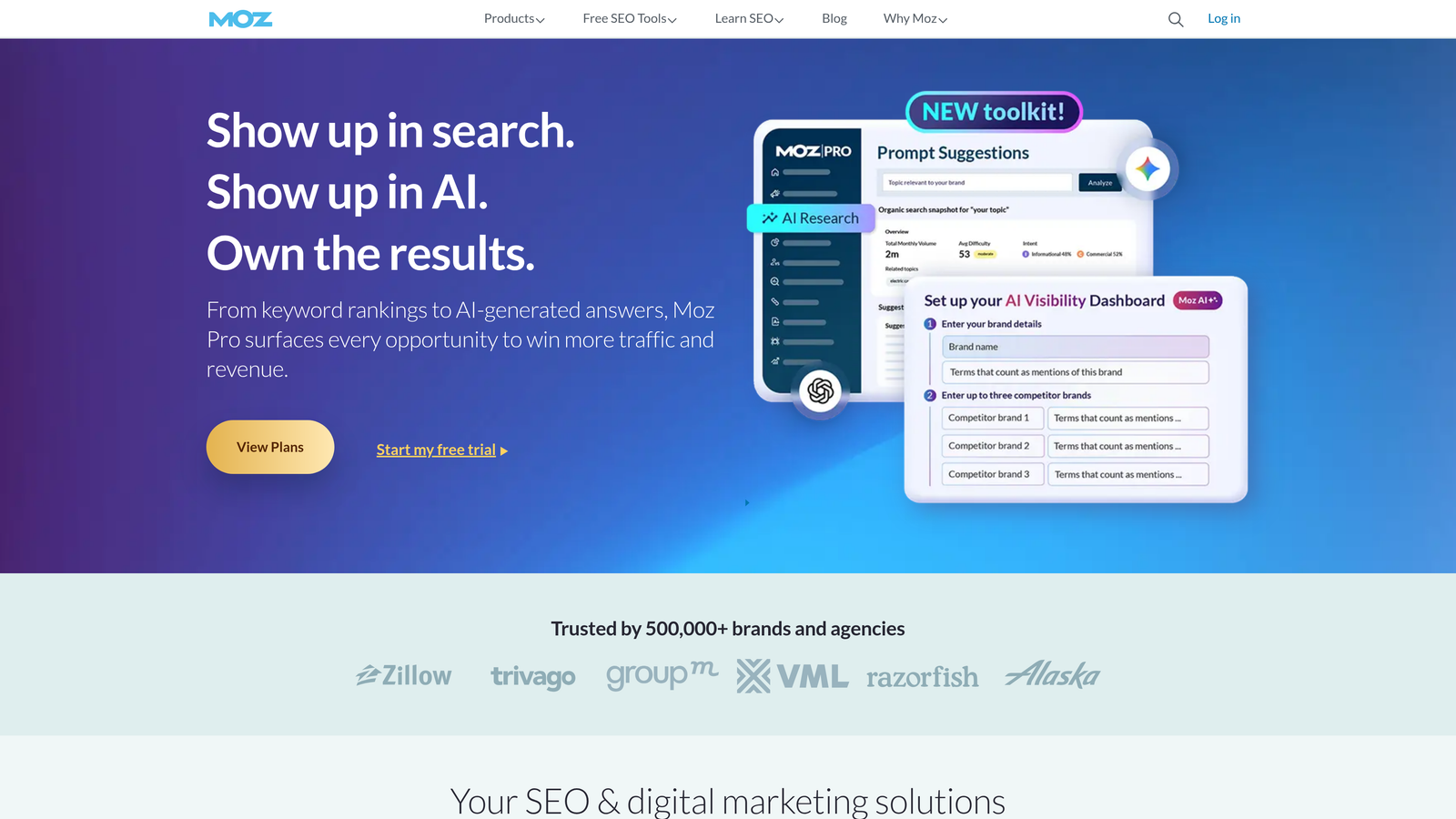
Moz Pro is a well-established SEO platform offering keyword research with proprietary difficulty and priority scores, plus Domain Authority benchmarking.
Where This Tool Shines
Moz's Priority Score is genuinely useful for teams that struggle with keyword selection. Rather than forcing you to manually weigh search volume against difficulty, it combines those signals with CTR potential into a single score that helps you quickly identify the most actionable opportunities.
Domain Authority and Page Authority remain widely used benchmarks across the industry, making Moz a practical choice for competitive benchmarking and link prospecting even if you use other tools for primary keyword research.
Key Features
Priority Score: Proprietary metric combining search volume, keyword difficulty, and CTR opportunity into a single actionable number.
Keyword Explorer: Keyword research with SERP analysis, ranking feature detection, and related keyword suggestions.
Domain Authority Metrics: Industry-standard DA and PA scores for competitive benchmarking and link prospecting.
On-Page Optimization: Page-level recommendations for improving content relevance and technical SEO signals.
Link Explorer: Backlink research with spam score filtering and link opportunity identification.
Best For
SEO teams and small-to-mid-size businesses that want a streamlined research workflow with clear prioritization guidance. Also a solid choice for teams that rely on DA/PA as benchmarks in client reporting.
Pricing
Starts at $49/month for the Starter plan, making it one of the more accessible full-featured SEO platforms in this category.
5. Google Keyword Planner
Best for: Getting search volume and CPC data directly from Google's own advertising ecosystem.
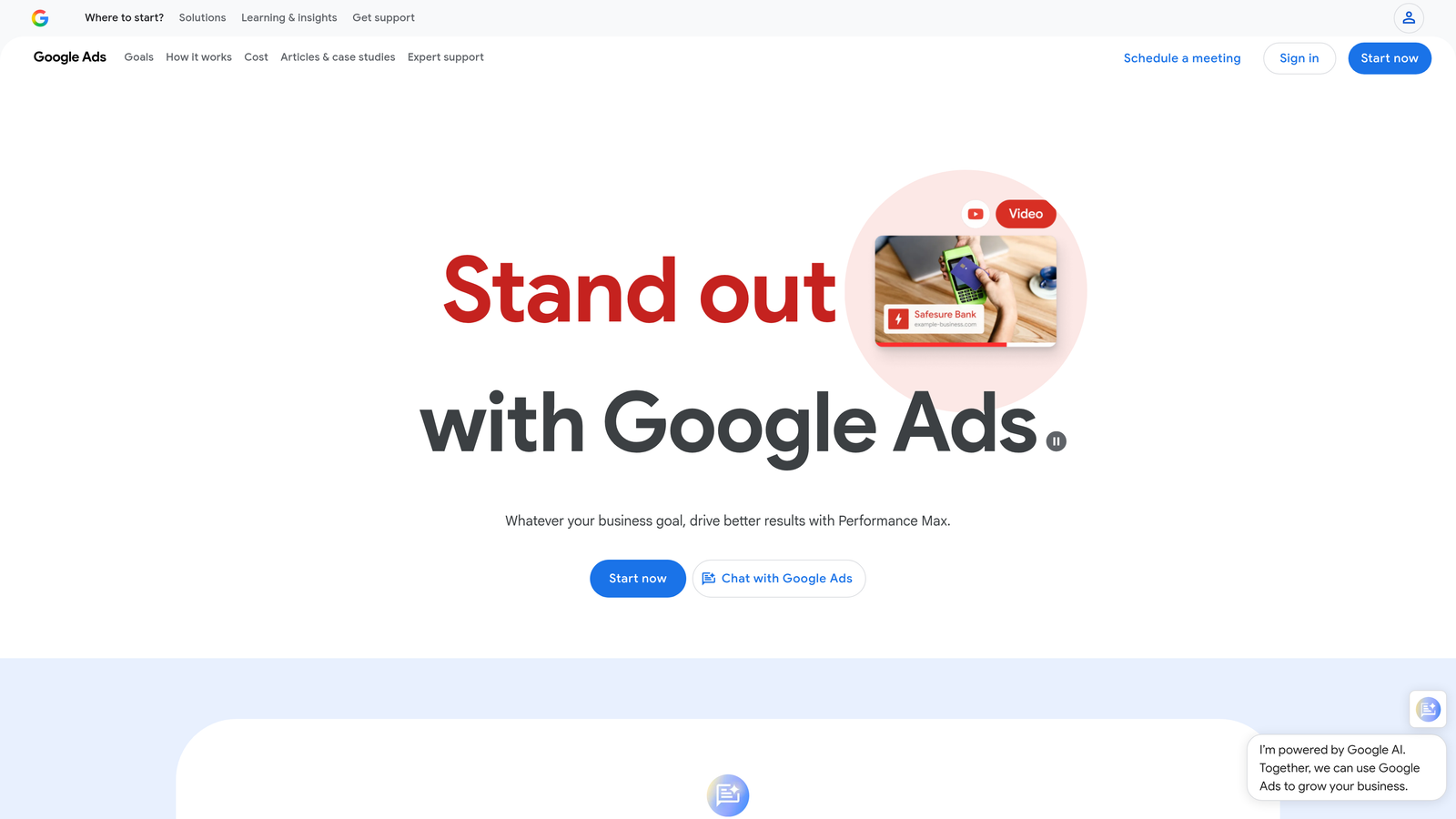
Google Keyword Planner is Google's free keyword research tool providing search volume ranges, competition levels, and CPC estimates directly from Google Ads data.
Where This Tool Shines
No third-party tool can claim a more authoritative data source than Google itself. Keyword Planner pulls directly from Google Ads data, which means the volume ranges and competition indicators reflect actual search behavior on the world's largest search engine. For validating keyword ideas or understanding seasonal trends, it's hard to beat.
The forecast tool is particularly handy for paid search planning, letting you model expected clicks and impressions before committing budget. Even for organic SEO, the trend data helps identify whether a keyword is growing, stable, or declining in interest.
Key Features
Search Volume Ranges: Volume estimates sourced directly from Google's own data, with monthly trend breakdowns.
Competition Indicators: Low, medium, and high competition labels based on advertiser activity for each keyword.
CPC Estimates: Bid range data useful for assessing commercial intent even in organic keyword research.
Keyword Idea Generation: Surfaces related keyword suggestions from seed terms or URLs.
Forecast Tool: Projects clicks, impressions, and cost for keyword lists based on current bid and budget inputs.
Best For
Anyone running Google Ads who needs keyword data without additional tool costs, and organic SEOs who want to cross-reference volume data against Google's own numbers. Best used alongside a more detailed third-party tool rather than as a standalone research solution.
Pricing
Free, though access requires a Google Ads account. No active ad spend is required to use the tool.
6. Ubersuggest
Best for: Budget-conscious marketers who need keyword research, content ideas, and basic competitive analysis.
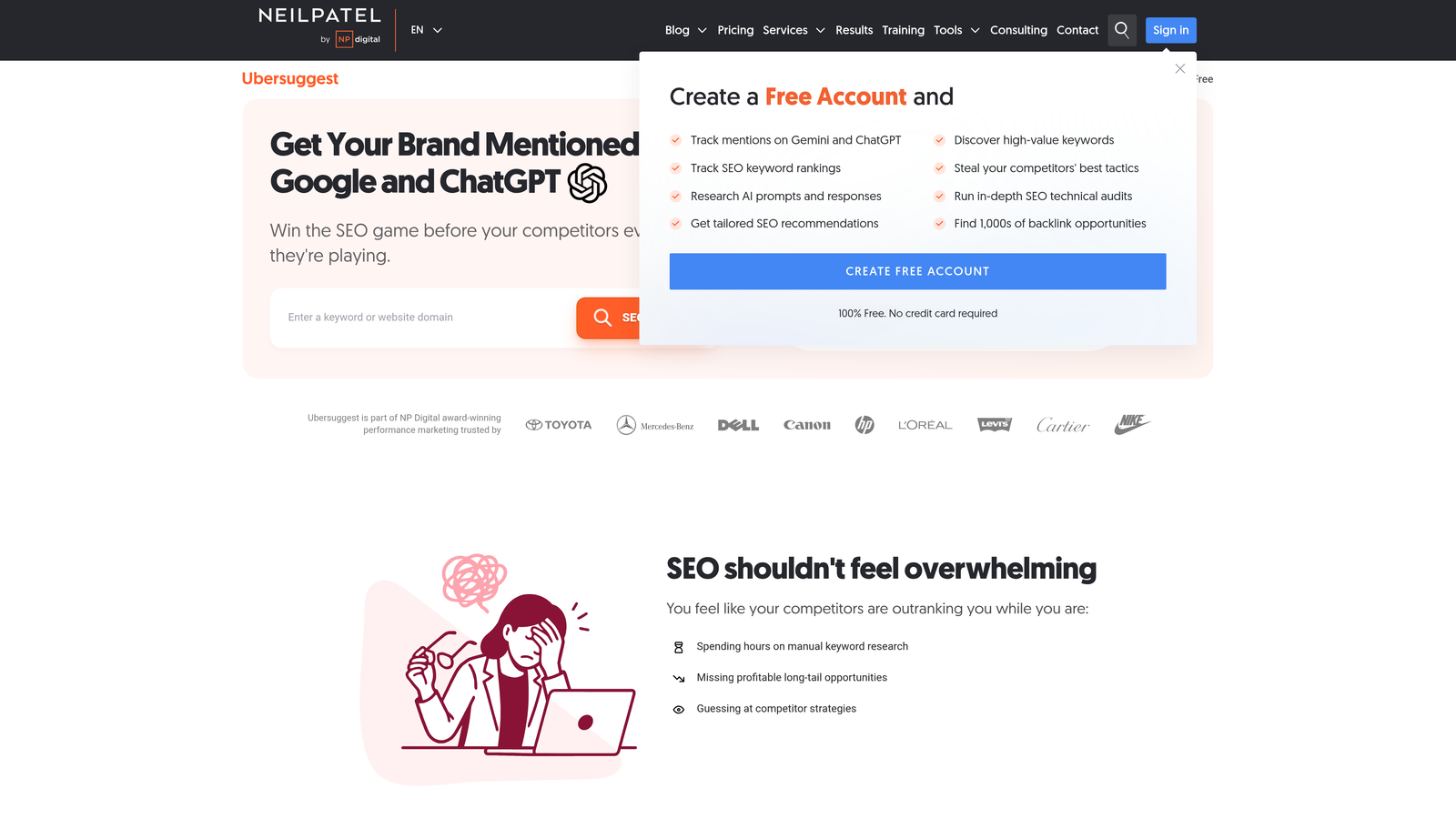
Ubersuggest is a budget-friendly keyword research tool from Neil Patel offering keyword suggestions, content ideas, and basic competitive analysis.
Where This Tool Shines
Ubersuggest punches above its price point for solo marketers and small teams. The content ideas feature is particularly practical: it surfaces top-performing pages for a given keyword and shows estimated traffic, backlinks, and social shares, giving you a quick read on what's working in any niche.
The Chrome extension adds real-time keyword data directly in Google search results, which makes it easy to evaluate keywords as you naturally browse and research — no need to constantly switch between tabs and platforms.
Key Features
Keyword Suggestions: Volume, CPC, and difficulty data for keyword ideas generated from any seed term.
Content Ideas: Top-performing pages for target keywords with traffic estimates and backlink counts.
Domain Overview: Traffic and keyword estimates for any domain, useful for quick competitive checks.
Site Audit: Basic technical SEO audit with prioritized issue recommendations.
Chrome Extension: Displays keyword volume and CPC directly in Google search results for on-the-fly research.
Best For
Freelancers, small business owners, and early-stage startups that need functional keyword research without the cost of enterprise platforms. A good starting point before graduating to Ahrefs or Semrush as budgets grow.
Pricing
Free tier available with daily search limits. Paid plans start at $12/month, with lifetime deal options periodically available.
7. SE Ranking
Best for: Agencies and teams needing flexible rank tracking, keyword clustering, and white-label reporting.
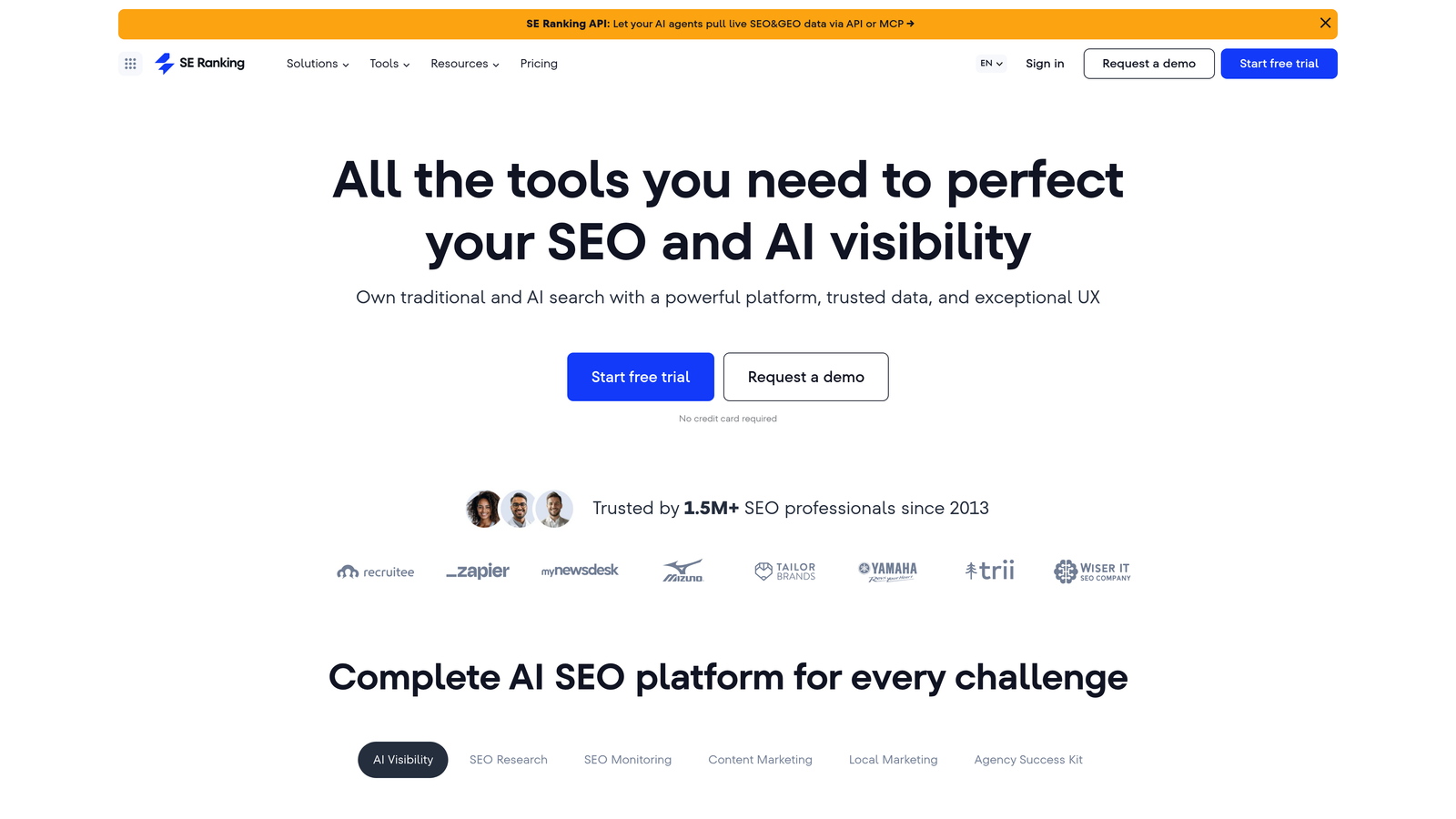
SE Ranking is a versatile SEO platform with precise rank tracking, keyword grouping, and a full suite of competitive research and on-page audit tools.
Where This Tool Shines
SE Ranking's rank tracker stands out for its flexibility. You can set check frequency based on your needs — daily, every three days, or weekly — which helps manage costs while keeping data fresh for the keywords that matter most. This makes it practical for agencies managing large keyword sets across multiple clients.
The keyword grouping and clustering features are genuinely useful for content planning. Rather than managing a flat list of keywords, you can organize them into topic clusters, which maps naturally to a pillar-and-cluster content strategy.
Key Features
Rank Tracker: Flexible check frequency with location-specific tracking across desktop and mobile devices.
Keyword Grouping and Clustering: Organizes keywords into thematic clusters for more structured content planning.
Competitive Research: Organic and paid keyword overlap analysis against any competitor domain.
On-Page SEO Checker: Page-level audit with actionable recommendations tied to specific target keywords.
White-Label Reporting: Customizable reports with agency branding for client deliverables.
Best For
Digital agencies and in-house teams that need reliable rank tracking across many keywords and clients, with the reporting flexibility to present data professionally without heavy manual work.
Pricing
Starts at $65/month for the Essential plan. Higher tiers expand keyword limits, check frequency options, and available seats.
8. Mangools (KWFinder)
Best for: Beginners and intermediate users who want intuitive keyword difficulty analysis without a steep learning curve.
Mangools is a beginner-friendly SEO suite centered around KWFinder, offering visual keyword difficulty scoring and clear SERP insights.
Where This Tool Shines
KWFinder's visual difficulty scoring is one of the clearest in the industry. Instead of presenting a raw number and leaving you to interpret it, the interface uses color-coded indicators that make it immediately obvious whether a keyword is approachable or highly competitive. For users new to keyword research, this removes a lot of guesswork.
The suite approach also means you get rank tracking, backlink analysis, and domain metrics without needing separate subscriptions. Each tool in the Mangools suite is purpose-built and focused, which keeps the interface clean and fast compared to more sprawling platforms.
Key Features
KWFinder: Visual keyword difficulty scoring with search volume trends and related keyword suggestions.
SERPChecker: Detailed SERP analysis including domain authority, page authority, and backlink counts for ranking pages.
SERPWatcher: Daily rank tracking with a Dominance Index that summarizes overall keyword performance at a glance.
LinkMiner: Backlink analysis with link strength indicators and anchor text breakdowns.
SiteProfiler: Quick domain metrics overview for competitive research and link prospecting.
Best For
Bloggers, small business owners, and newer SEO practitioners who want a complete toolkit that's genuinely easy to use. Also a solid choice for freelancers who need a professional-grade toolset at a reasonable price point.
Pricing
Starts at $29.90/month for the Mangools Basic plan, with annual billing available at a reduced rate.
9. SpyFu
Best for: Competitive intelligence, revealing competitor keyword strategies and ad histories over time.
SpyFu is a competitive intelligence tool specializing in exposing competitors' keyword strategies, ad history, and ranking changes over time.
Where This Tool Shines
SpyFu's historical data is its biggest differentiator. You can look back years at a competitor's ranking history, see which keywords they've consistently held positions for, and identify where they've gained or lost ground. That longitudinal view reveals strategic patterns that a current snapshot simply can't show.
The ad history feature is equally revealing. Seeing which ads a competitor has run repeatedly — and for how long — is a strong signal of what's converting for them. That intelligence is valuable whether you're running paid campaigns or just trying to understand the commercial landscape around your target keywords.
Key Features
Competitor Keyword Research: Full organic and PPC keyword profiles for any domain, with ranking history and traffic estimates.
Historical Ranking Data: Years of keyword ranking history for competitive trend analysis.
Ad History and Copy Analysis: View competitors' past ad campaigns and identify which copy they've consistently used.
Keyword Grouping: Smart keyword recommendations organized for both content and campaign planning.
Backlink Outreach Tools: Contact information for link prospecting, making outreach campaigns more actionable.
Best For
Marketers focused on competitive strategy who want to understand not just what competitors rank for, but how their keyword and ad strategies have evolved. Particularly useful for teams entering competitive niches who need to learn from established players quickly.
Pricing
Starts at $39/month for the Basic plan, making it one of the more affordable competitive intelligence tools in this category.
10. Keyword Surfer
Best for: Quick, in-SERP keyword research without leaving your browser or spending anything.
Keyword Surfer is a free Chrome extension that displays keyword volume, CPC, and related terms directly in Google search results for instant research.
Where This Tool Shines
The biggest advantage of Keyword Surfer is pure convenience. When you're browsing search results, the data is already there: search volume, CPC, related keywords, and even estimated organic traffic for the pages you're looking at. There's no switching tabs, no logging into a platform, and no account required.
For content creators and bloggers who do a lot of their research naturally through browsing, this extension transforms every Google search into a lightweight keyword research session. It's not a replacement for a full-featured tool, but it fills the gap perfectly for quick validation and idea generation.
Key Features
In-SERP Volume and CPC: Search volume and cost-per-click data displayed directly on Google search results pages.
Related Keyword Suggestions: A sidebar of related terms with their own volume data for every search you run.
Organic Traffic Estimates: Estimated monthly traffic for each page ranking in the top results.
Content Metrics: Word count and keyword density data for top-ranking pages, useful for content benchmarking.
Zero Cost, No Account Needed: Fully functional without any signup or subscription.
Best For
Anyone who wants a lightweight keyword research layer on top of their normal browsing. Ideal as a complementary tool alongside a more comprehensive platform, or as a starting point for those just beginning to explore keyword research.
Pricing
Completely free. Install the Chrome extension and it works immediately with no account or payment required.
Which Tool Belongs in Your Keywords Tool Box?
The honest answer is that the best keywords tool box is rarely a single tool. It's a combination chosen to match your goals, budget, and where your audience actually finds you.
Here's a quick way to think about it by use case:
For AI visibility and content generation: Sight AI is the only tool on this list that tracks how AI models like ChatGPT, Claude, and Perplexity reference your brand. If your strategy needs to account for AI-generated search answers — and in 2026, it should — this fills a gap nothing else here addresses.
For enterprise-grade keyword research: Ahrefs and Semrush are the industry standards. Ahrefs edges ahead on backlink data and content research; Semrush wins when you need PPC and organic intelligence in one place.
For free options that actually work: Google Keyword Planner gives you data straight from the source, and Keyword Surfer adds a research layer to every Google search without costing anything. Together, they form a surprisingly capable free foundation.
For budget-friendly full suites: Mangools and Ubersuggest both deliver solid keyword research, rank tracking, and competitive data at price points that won't strain a small team's budget. Mangools has the cleaner interface; Ubersuggest offers more flexibility on the free tier.
For competitive intelligence: SpyFu's historical data makes it the go-to when you need to understand how competitors have built their keyword presence over time, not just where they stand today.
The trend worth paying attention to is this: keyword strategy used to mean ranking on Google. Now it means showing up across Google, AI assistants, and AI-powered search experiences. Tools that only track traditional SERPs are working with an incomplete picture of where your audience is actually finding answers.
Start tracking your AI visibility today and see exactly where your brand appears across top AI platforms. Stop guessing how AI models like ChatGPT and Claude talk about your brand — get the visibility, uncover the content opportunities, and automate your path to organic traffic growth with a keywords tool box built for how search actually works in 2026.