Finding the right keywords is only half the battle. The real edge in modern SEO comes from understanding the constellation of related terms, questions, and semantic variations surrounding your core topics. This is what builds topical authority, closes content gaps, and increasingly, gets your brand surfaced by AI models like ChatGPT and Perplexity when users ask relevant questions.
Manual brainstorming gets you started, but it rarely uncovers the long-tail clusters, intent variations, and question-based queries that drive real organic traffic. The right related keywords generator does that heavy lifting automatically, giving you data-backed suggestions you can act on immediately.
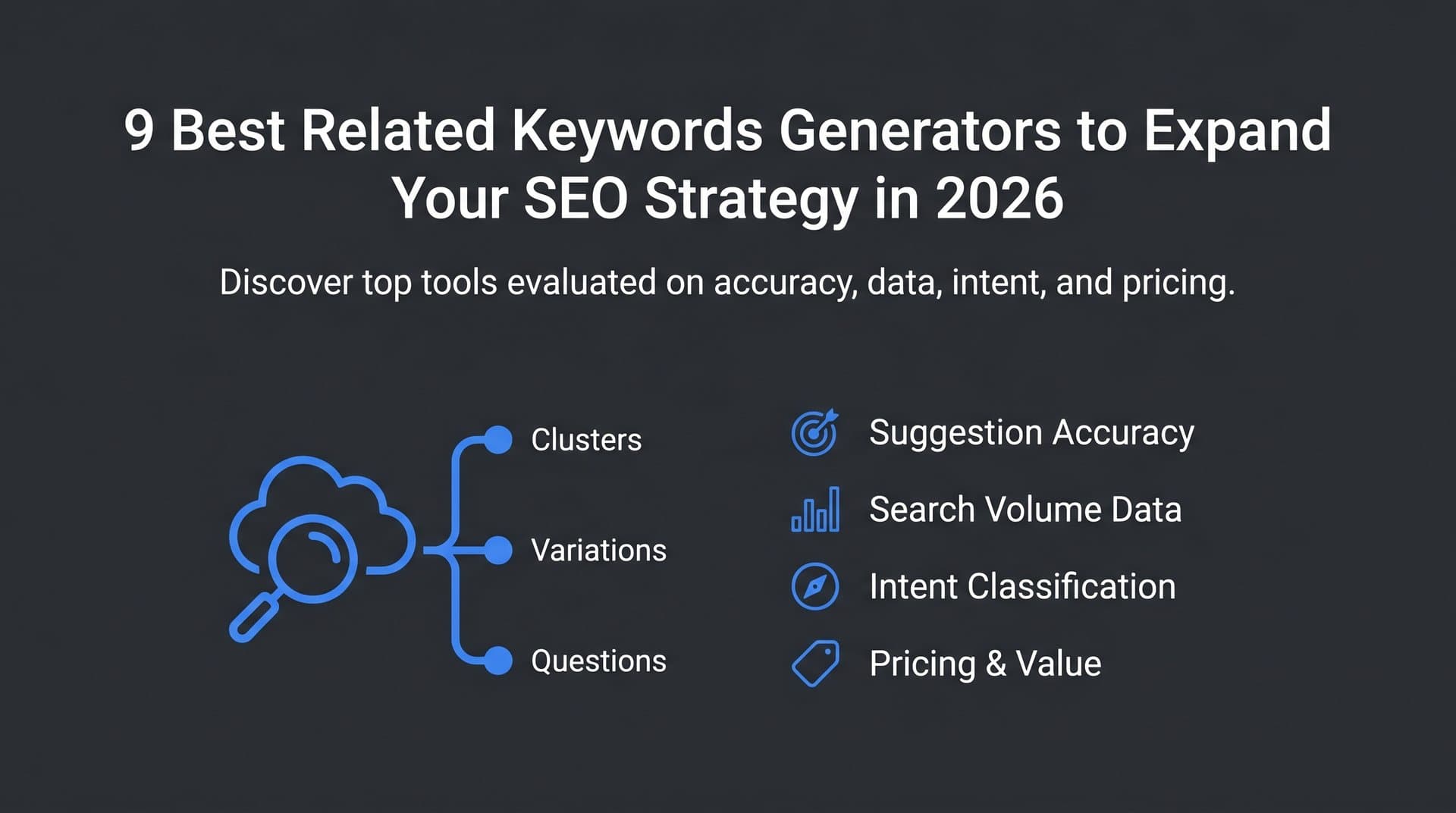
The tools on this list were selected based on the breadth and accuracy of their keyword suggestions, data richness (search volume, difficulty, intent classification), workflow integration, pricing accessibility, and unique differentiators. Whether you need a full-suite SEO platform, a dedicated question-mining tool, or an AI-powered system that takes you from keyword to published article, there is an option here for you.
1. Sight AI
Best for: Marketers and agencies who want to go from keyword clusters to published, AI-optimized content in one platform.
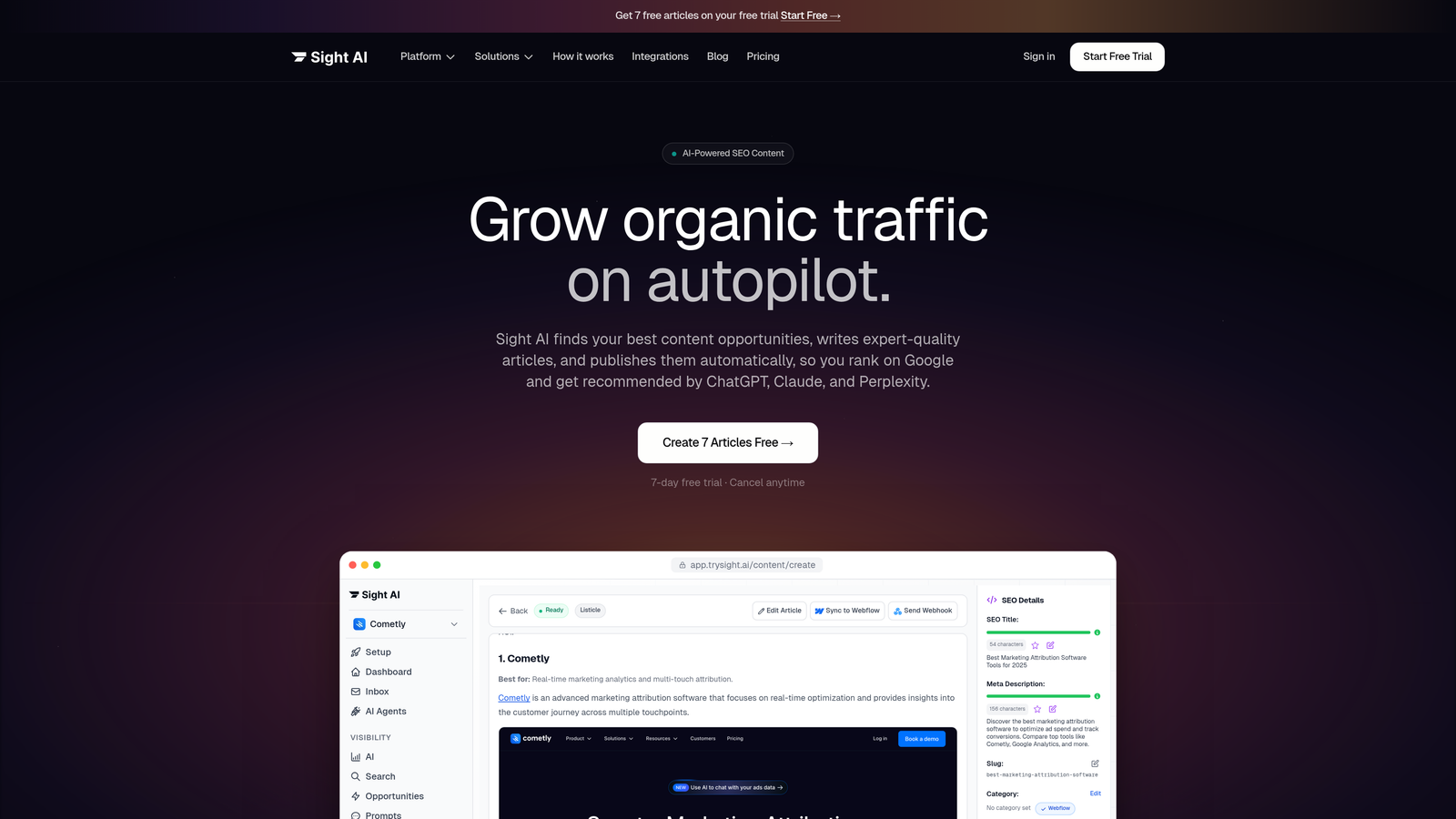
Sight AI is an AI-powered SEO and content platform that combines keyword and content intelligence with AI Visibility tracking and a 13+ agent content writing system.
Where This Tool Shines
Most keyword tools stop at the data. Sight AI is built around the question of what you actually do with that data. Its AI Content Writer uses over 13 specialized agents to transform keyword clusters into fully structured, SEO and GEO-optimized articles, including listicles, guides, and explainers, without requiring you to manually brief a writer or stitch together outputs from multiple tools.
What genuinely sets it apart is the AI Visibility layer. While other tools show you how you rank on Google, Sight AI tracks how your brand appears across major AI platforms including ChatGPT, Claude, and Perplexity. For teams investing in generative engine optimization (GEO), this closes a gap that no traditional keyword tool addresses.
Key Features
AI Visibility Score: Tracks brand mentions and sentiment across ChatGPT, Claude, Perplexity, and 6+ AI platforms so you know exactly how AI models talk about you.
13+ Specialized AI Writing Agents: Each agent is optimized for a specific content format, producing SEO and GEO-ready articles that are structured for both search engines and AI retrieval.
Autopilot Mode: Hands-off content production that takes you from keyword input to a published, optimized article with minimal manual intervention.
IndexNow Integration: Automatically notifies search engines of new content and updates sitemaps, accelerating discovery and indexing speed.
CMS Auto-Publishing: Pushes finished content directly to your CMS, streamlining the entire keyword-to-content pipeline.
Best For
Sight AI is best suited for growth-focused marketers, SaaS founders, and agencies that want to scale content production without scaling headcount. If you are already thinking about GEO alongside traditional SEO, it is one of the few platforms built with both in mind from the ground up.
Pricing
Visit trysight.ai for current plans and pricing details. Plans are designed to accommodate solo operators through to agency teams.
2. Semrush Keyword Magic Tool
Best for: SEO professionals who need deep keyword data with advanced filtering and topical clustering.
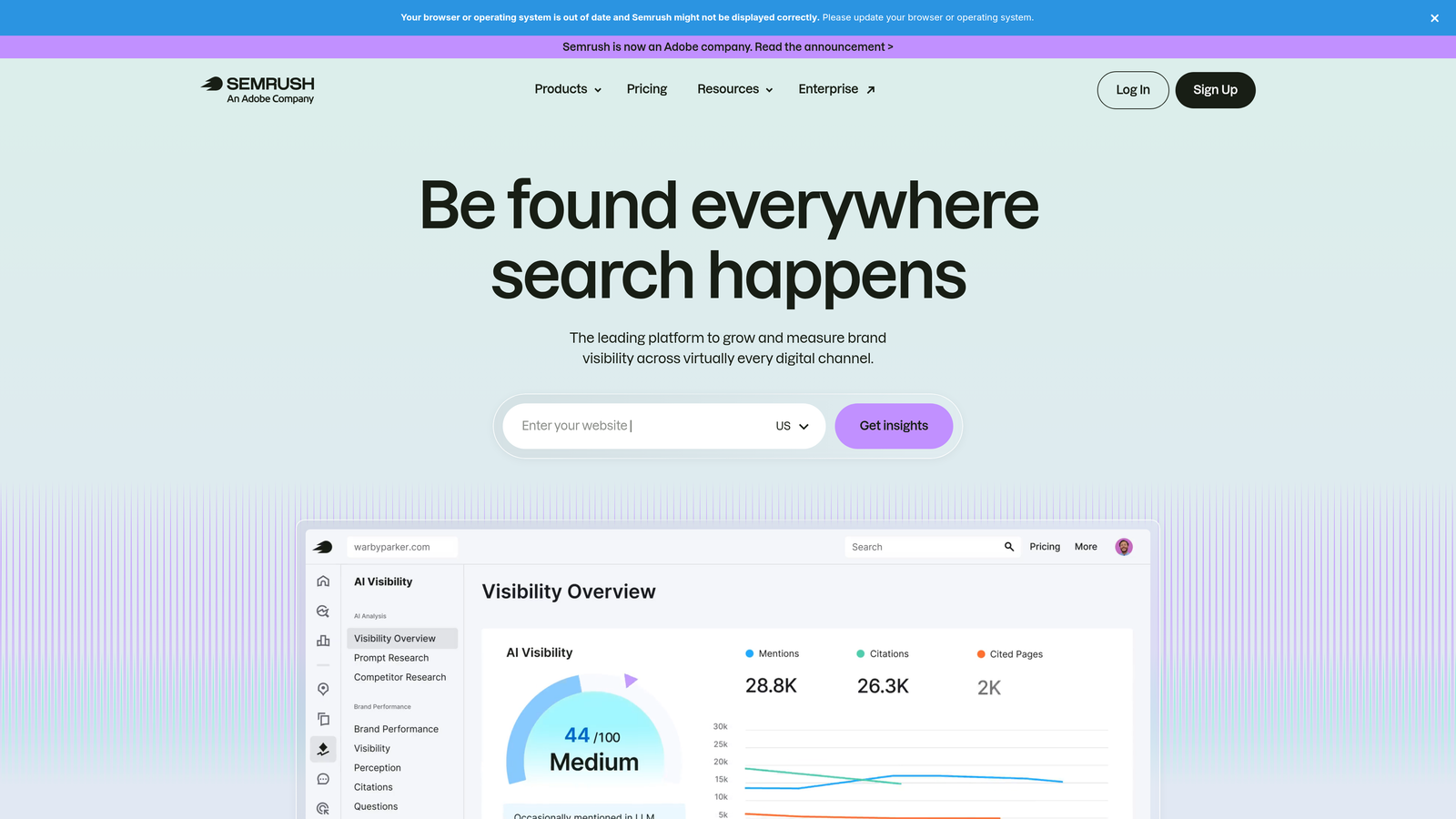
Semrush is an industry-leading SEO suite whose Keyword Magic Tool is one of the most comprehensive related keyword generators available.
Where This Tool Shines
The sheer scale of Semrush's keyword database is its defining strength. With over 26 billion keywords, you can surface related terms, question variants, and broad match ideas that smaller databases simply do not contain. The automatic grouping feature organizes suggestions into topical clusters, which is genuinely useful for planning content silos rather than targeting keywords one at a time.
Intent classification is another standout. Semrush labels each keyword as informational, navigational, commercial, or transactional, so you can quickly filter for the right type of content to create rather than manually guessing user intent.
Key Features
26+ Billion Keyword Database: Related, question-based, and broad match suggestions at a scale few tools can match.
Automatic Topical Clustering: Groups keyword suggestions into related content clusters for smarter site architecture planning.
Intent Classification: Labels each keyword by search intent to guide content type decisions.
SERP Feature Tracking: Shows which SERP features (featured snippets, PAA boxes) appear for each keyword.
Suite Integration: Connects directly with Semrush's content editor, rank tracker, and site audit tools.
Best For
Established SEO teams and agencies that need a full-suite platform and are willing to invest in a premium tool. Semrush is particularly strong for competitive research alongside keyword discovery.
Pricing
Free with limited access; Pro plan starts at approximately $139.95/month. Higher tiers unlock more data and user seats.
3. Ahrefs Keywords Explorer
Best for: SEOs who prioritize keyword difficulty accuracy and semantic content research.
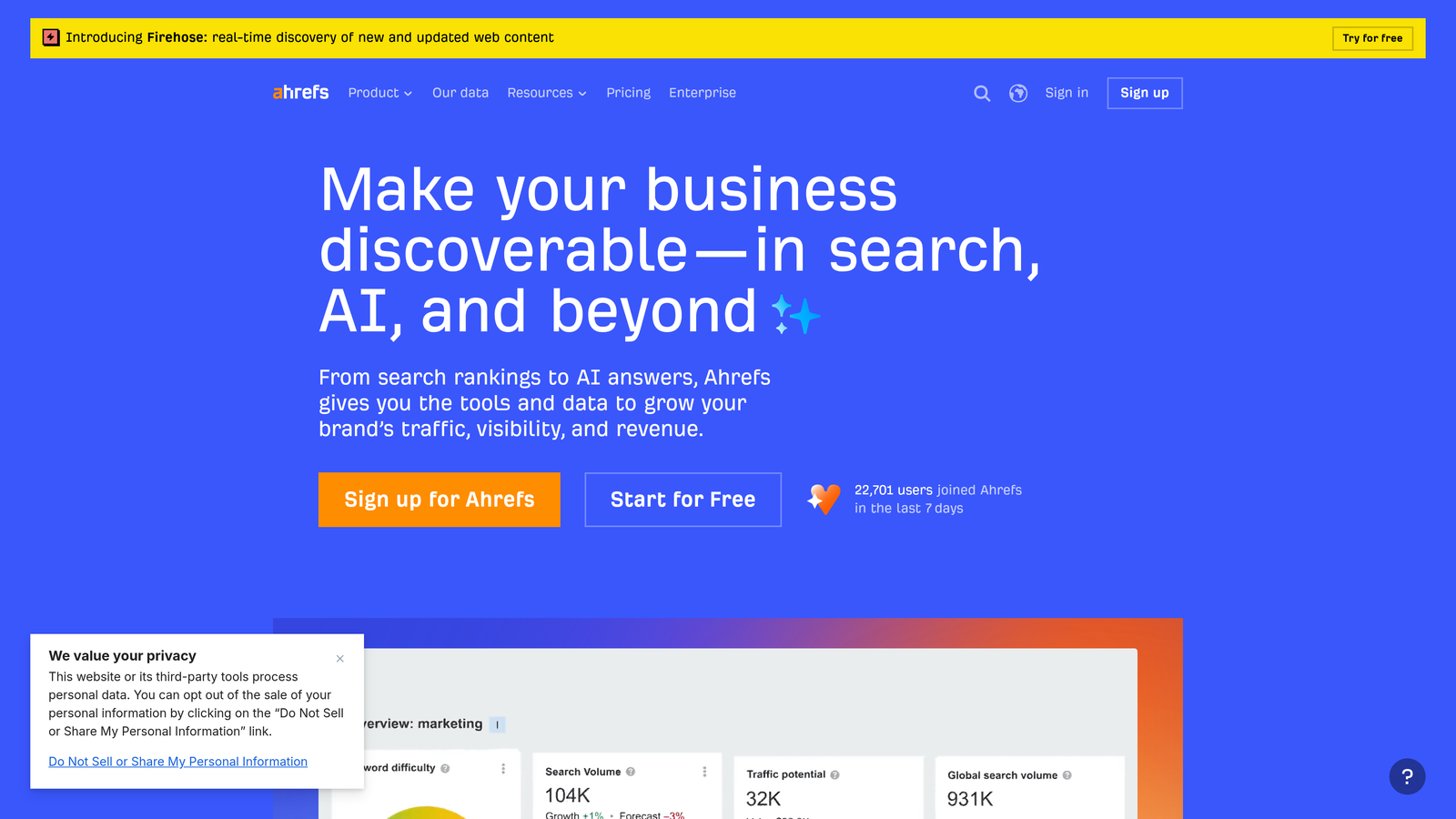
Ahrefs is a widely respected SEO platform whose Keywords Explorer is known for precise difficulty scoring and uniquely useful semantic reports.
Where This Tool Shines
Ahrefs offers two reports that are particularly valuable for related keyword research: "Also rank for" shows what other keywords the top-ranking pages are already targeting, and "Also talk about" surfaces semantically related terms that appear frequently in ranking content. Together, these give you a content brief's worth of related ideas from a single seed keyword.
The Keyword Difficulty score is consistently cited as one of the more reliable in the industry because it is grounded in actual backlink data rather than simplified proxies. Click metrics add another layer, showing realistic CTR expectations beyond raw search volume.
Key Features
"Also Rank For" Report: Reveals additional keywords that top-ranking pages are already capturing traffic for.
"Also Talk About" Report: Surfaces semantically related terms found in ranking content for deeper topical coverage.
Accurate Keyword Difficulty: Backlink-based difficulty scoring that reflects real ranking effort.
Click Metrics: Shows actual click-through data so volume numbers are put in realistic context.
Multi-Platform Coverage: Keyword data for Google, YouTube, Amazon, Bing, and more.
Best For
SEO professionals and content strategists who want accurate data and semantic depth. Ahrefs is especially strong for teams building content clusters around competitive topics.
Pricing
Starter plan begins at approximately $29/month; Standard at approximately $129/month with significantly more data and features.
4. Google Keyword Planner
Best for: Anyone who wants free, first-party Google search data for related keyword discovery.
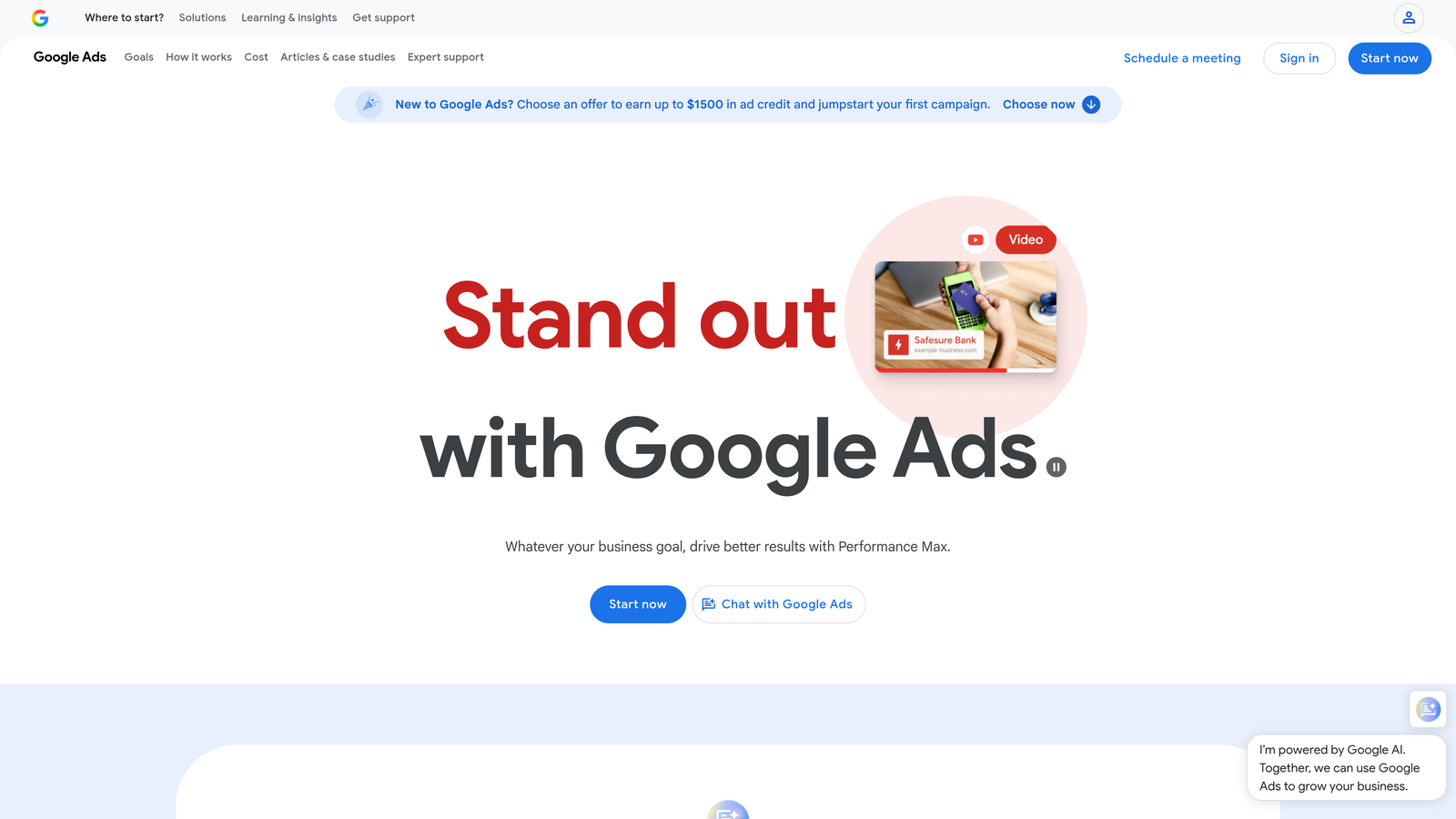
Google Keyword Planner is the only tool on this list that draws directly from Google's own index, making it uniquely authoritative for volume estimates.
Where This Tool Shines
No third-party tool can replicate what Google Keyword Planner offers: search volume and competition data sourced directly from Google. When you enter a seed term or URL, it returns related keyword suggestions drawn from the same data that powers Google Ads targeting, which means the suggestions are grounded in real search behavior rather than modeled estimates.
The forecasting features are particularly useful for understanding seasonal patterns and trend trajectories, which helps with editorial calendar planning beyond just current-month volume.
Key Features
First-Party Google Data: Volume and competition metrics sourced directly from Google's index, not modeled approximations.
Related Keyword Suggestions: Generates related terms from seed keywords or a target URL.
Trend Forecasting: Seasonal and trend data to inform timing of content creation.
Location and Language Targeting: Localizes keyword data by country, region, or city for geo-targeted research.
Completely Free: Accessible with any Google Ads account, no ad spend required.
Best For
Budget-conscious marketers, beginners, and anyone who wants to validate keyword ideas with Google's own data. Also useful as a cross-reference alongside third-party tools.
Pricing
Free. A Google Ads account is required, but no active ad spend is necessary to access the tool.
5. Ubersuggest
Best for: Freelancers and small business owners who need solid keyword data without a large monthly subscription.
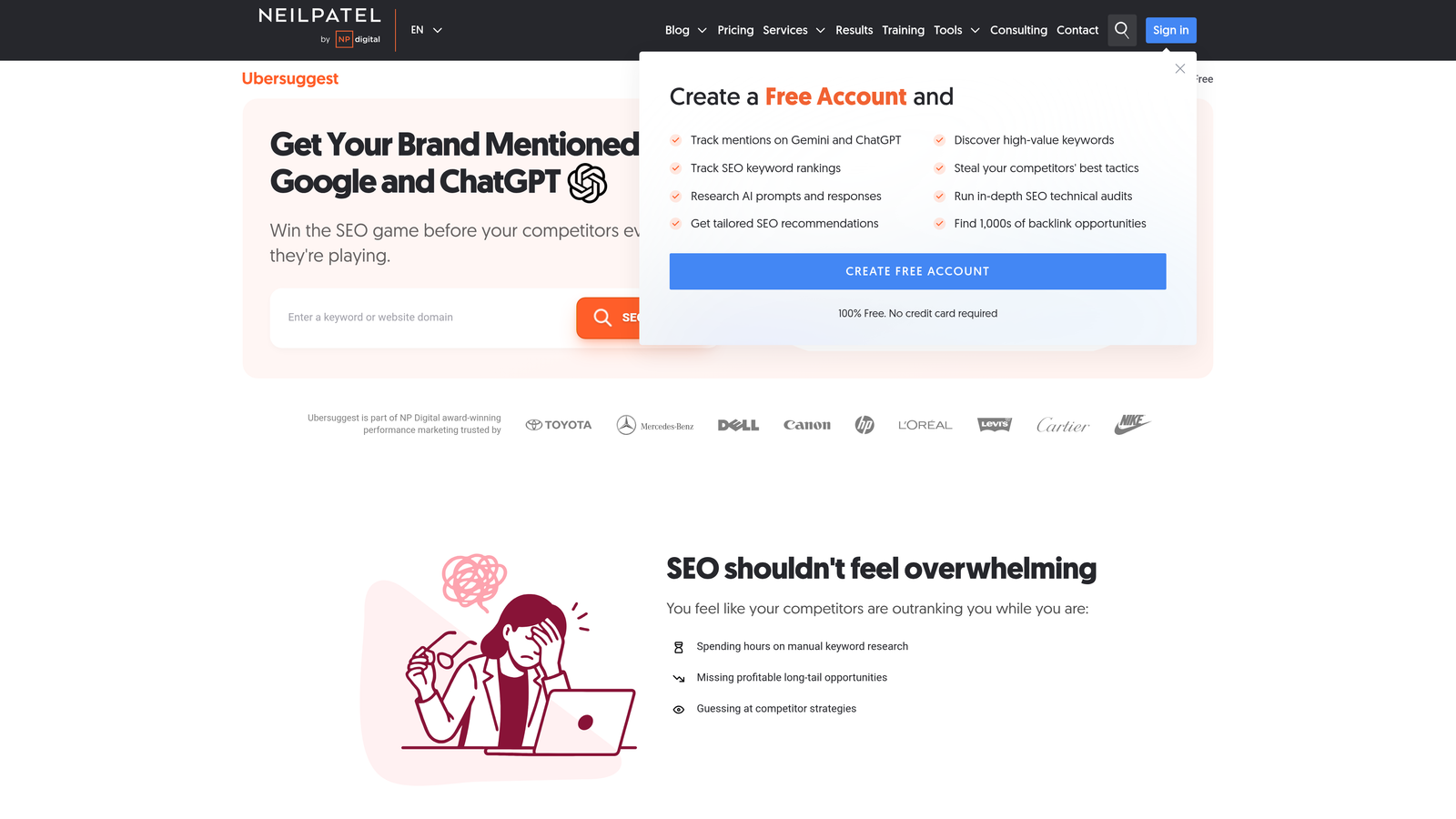
Ubersuggest is a budget-friendly keyword research tool by Neil Patel that covers related keyword suggestions, content ideas, and basic competitive analysis.
Where This Tool Shines
Ubersuggest hits a practical sweet spot between feature depth and affordability. Its related keyword suggestions come with search volume, CPC, and SEO difficulty scores, giving you enough data to prioritize without overwhelming you with metrics. The content ideas section is a genuinely useful addition, showing top-performing articles for a given keyword so you can see what is already working before you invest in creating something similar.
The lifetime pricing option is a standout for budget-conscious users who want to avoid recurring subscription costs entirely.
Key Features
Related Keyword Suggestions: Volume, CPC, and difficulty data for each suggested term.
Content Ideas: Shows high-performing articles for a keyword to inform your content angle.
Domain Analysis: Basic competitive intelligence at the domain level.
Chrome Extension: Surfaces keyword data directly in Google search results pages.
Lifetime Pricing: One-time purchase option that eliminates ongoing subscription costs.
Best For
Freelancers, bloggers, and small business owners who need reliable keyword research without committing to a premium monthly plan. A good entry point for those new to SEO tooling.
Pricing
Limited free searches available daily; Individual plan starts at approximately $12/month, with lifetime access options available.
6. AlsoAsked
Best for: Content strategists building topical clusters around question-based queries and featured snippet opportunities.
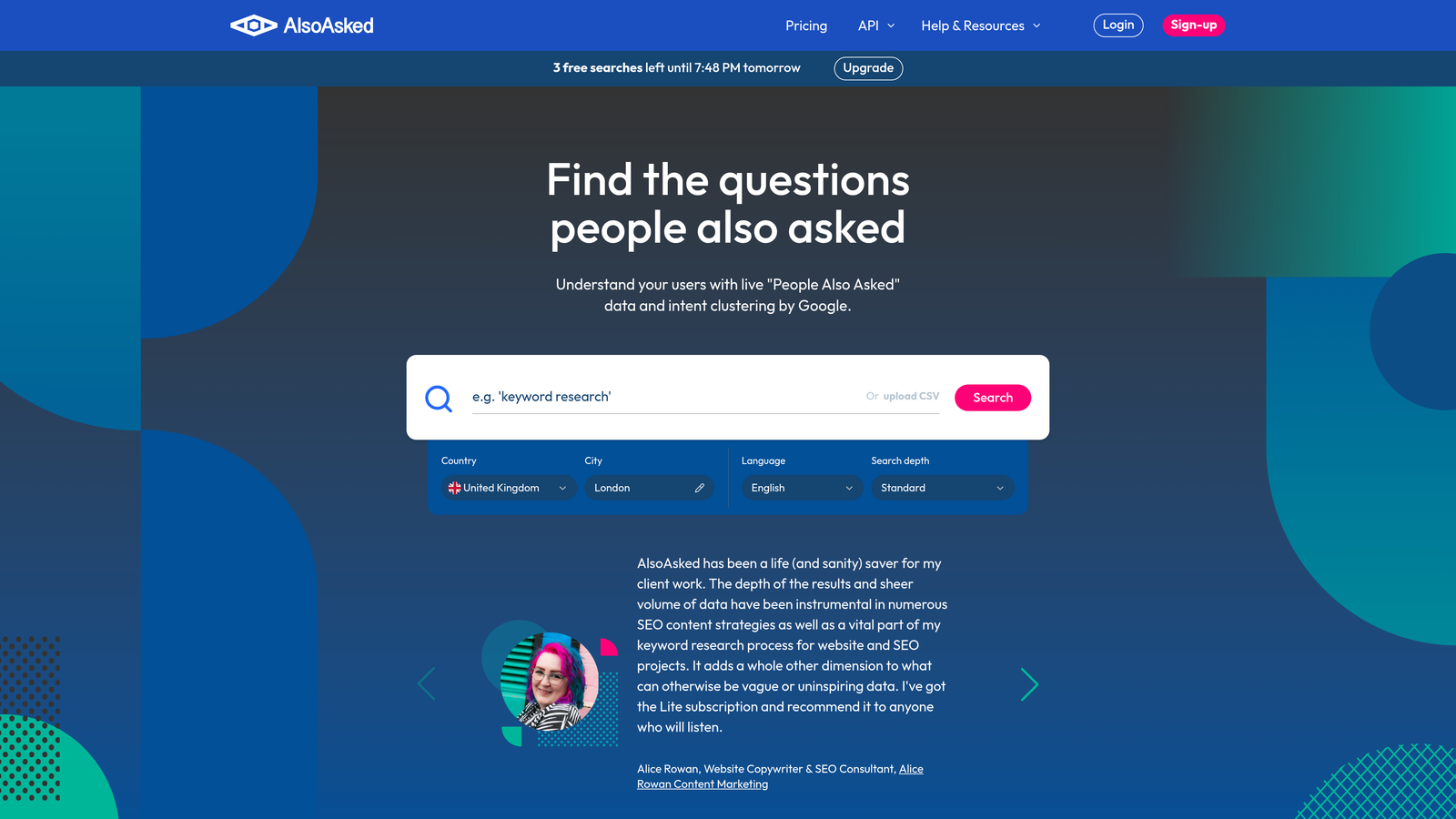
AlsoAsked is a specialized tool that maps People Also Ask (PAA) data into visual branching trees, showing how Google connects related questions around any topic.
Where This Tool Shines
PAA boxes are one of the most visible features in modern search results, and AlsoAsked is purpose-built to mine them. The visual tree format makes it immediately clear how questions branch and relate to each other, which is far more useful for content planning than a flat list of keywords. You can see at a glance which sub-questions belong under a parent topic and structure your content accordingly.
This tool is particularly relevant for GEO strategy. AI models like ChatGPT and Perplexity frequently surface answers to the exact question types that PAA data captures, so mapping these questions helps you create content that AI systems are more likely to reference.
Key Features
Visual PAA Tree: Interactive branching visualization of question relationships across multiple depth levels.
Multi-Level Depth: Explores second and third-tier related questions beyond the immediate PAA results.
CSV and Image Export: Easy export for integration into content calendars and editorial briefs.
Region and Language Targeting: Localizes question data for international content strategies.
FAQ Schema Planning: Question clusters map directly to FAQ schema implementation opportunities.
Best For
Content strategists, SEO writers, and anyone focused on featured snippets, FAQ sections, or building topical authority through comprehensive question coverage.
Pricing
Limited free searches available; paid plans start at approximately $15/month depending on search volume needs.
7. KeywordTool.io
Best for: Marketers who need long-tail keyword variations across multiple platforms, not just Google.
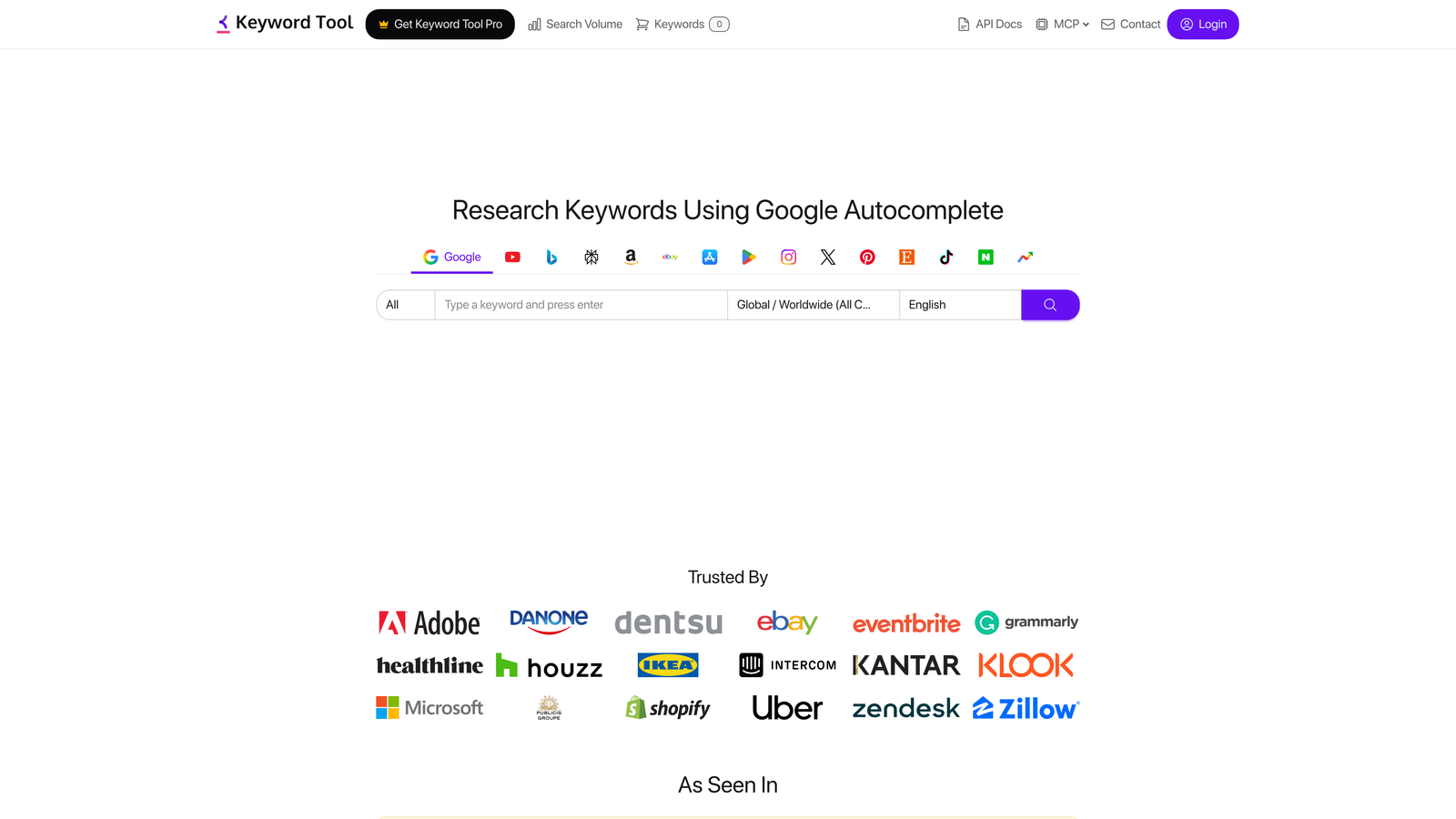
KeywordTool.io is an autocomplete-based keyword generator that pulls related suggestions from Google, YouTube, Bing, Amazon, Instagram, and several other platforms.
Where This Tool Shines
The multi-platform angle is what makes KeywordTool.io distinctive. While most keyword tools are Google-centric, this one generates autocomplete-based suggestions from eight or more search engines and platforms simultaneously. If your content strategy spans YouTube, Amazon product listings, or social platforms, having keyword data specific to each context is genuinely useful rather than just a nice-to-have.
For long-tail keyword discovery specifically, the autocomplete approach tends to surface highly specific, lower-competition phrases that broader database tools can sometimes underrepresent.
Key Features
Multi-Platform Coverage: Autocomplete suggestions from Google, YouTube, Bing, Amazon, Instagram, and more in one interface.
Long-Tail Volume: Generates hundreds of variations per seed term, surfacing highly specific phrases.
Negative Keyword Filtering: Useful for PPC campaigns where irrelevant terms need to be excluded.
Competitor Analysis: Available on Pro plans for domain-level keyword intelligence.
API Access: Programmatic keyword research for teams building custom workflows or tools.
Best For
E-commerce marketers, YouTube creators, and multi-channel content teams who need keyword data tailored to platforms beyond Google. Also strong for PPC teams managing negative keyword lists.
Pricing
Free tier shows keyword suggestions without volume data; Pro plans start at approximately $89/month for full metrics and features.
8. SE Ranking
Best for: Growing teams that want an all-in-one SEO platform with keyword suggestions, content editing, and rank tracking under one subscription.
SE Ranking is a full-featured SEO platform with a keyword suggestion module that surfaces similar, related, and long-tail keywords alongside a built-in content editor and integrated rank tracker.
Where This Tool Shines
SE Ranking's keyword tool offers three distinct suggestion modes: similar keywords, related keywords, and long-tail variations. This structured approach makes it easy to build out a comprehensive keyword map without needing to run multiple separate queries. The data returned includes search volume, keyword difficulty, and CPC, giving you enough to prioritize effectively.
The built-in content editor with NLP-based optimization recommendations is a practical addition. Rather than exporting keywords to a separate writing tool, you can move from keyword research to content optimization within the same platform, which reduces workflow friction considerably for smaller teams.
Key Features
Three Suggestion Modes: Similar, related, and long-tail keyword suggestions for thorough keyword mapping.
Full Keyword Metrics: Volume, difficulty, and CPC for every suggested keyword.
NLP Content Editor: Built-in editor with optimization recommendations based on natural language processing.
Integrated Rank Tracker: Monitor keyword performance without switching platforms.
SERP and Competitor Analysis: Per-keyword competitive intelligence to assess ranking feasibility.
Best For
Small to mid-sized SEO teams and agencies looking for a cost-effective alternative to Semrush or Ahrefs that still covers the full workflow from keyword research through rank tracking and content optimization.
Pricing
Essential plan starts at approximately $65/month, making it a competitive option for teams that need multi-feature coverage without premium pricing.
9. AnswerThePublic
Best for: Content brainstorming sessions focused on question-based queries, comparisons, and conversational keyword variations.
AnswerThePublic is a visual keyword brainstorming tool that maps questions, prepositions, comparisons, and alphabetical variations around a seed keyword in a distinctive visualization wheel.
Where This Tool Shines
AnswerThePublic excels at the early ideation stage of content planning. The visual wheel format groups keyword variations by type (who, what, where, when, why, how, which) and by preposition (for, with, without, near), giving you an immediate overview of how real people phrase their searches around a topic. This is particularly useful for creating content that answers conversational queries, which aligns well with how AI models interpret and respond to user prompts.
The search listening alerts feature adds ongoing value by notifying you when new keyword trends emerge around your monitored topics, turning the tool from a one-time brainstorm aid into a continuous trend monitor.
Key Features
Visual Wheel and List Views: Organizes keyword variations by question type, preposition, and comparison for instant pattern recognition.
Search Listening Alerts: Monitors topics over time and notifies you of emerging keyword trends.
CSV Export: Easy export for integration into content calendars and editorial planning tools.
Multi-Language and Region Support: Covers keyword variations across multiple languages and markets.
Ubersuggest Integration: Now part of the NP Digital ecosystem, with data connections to Ubersuggest for volume and difficulty metrics.
Best For
Content marketers, copywriters, and strategists who want to quickly map the full landscape of questions and conversational phrases around a topic. Particularly useful for FAQ content, blog ideation, and voice search optimization.
Pricing
Limited free searches per day; Individual plan starts at approximately $11/month, making it one of the more accessible paid options on this list.
Which Related Keywords Generator Is Right for You?
The tools above cover a wide spectrum of use cases, and the right choice depends on where you are in your SEO workflow and what you need to accomplish next.
If you are looking for a platform that takes you from keyword discovery all the way to published, AI-optimized content while also tracking how your brand appears across AI models, Sight AI is the most complete option on this list. It is especially valuable for teams investing in both traditional SEO and generative engine optimization simultaneously.
For raw keyword database depth and competitive research, Semrush and Ahrefs remain the industry benchmarks. Semrush edges ahead for intent classification and topical clustering; Ahrefs stands out for semantic research and difficulty accuracy. SE Ranking offers a compelling middle ground for growing teams that need both without the premium price tag.
If question-based content is your focus, AlsoAsked and AnswerThePublic are complementary rather than competing tools. AlsoAsked maps PAA data with precision; AnswerThePublic gives you the broadest brainstorm view fastest. Google Keyword Planner remains the only free option with first-party data, making it a smart cross-reference regardless of which paid tool you use.
For budget-conscious users, Ubersuggest and AnswerThePublic both offer meaningful functionality at accessible price points. KeywordTool.io is the go-to when you need keyword data that extends beyond Google into YouTube, Amazon, and other platforms.
The common thread across all these tools is that keyword discovery is just the starting point. What you do with those keywords, how quickly you can create content around them, and whether that content gets surfaced by both search engines and AI models, is where the real competitive advantage lives. Start tracking your AI visibility today and see exactly where your brand appears across top AI platforms, so your keyword strategy translates into measurable presence wherever your audience is searching.