If you're still manually checking keyword rankings or exporting CSVs every Monday morning, you're leaving serious efficiency on the table. For agencies managing hundreds of clients, SaaS platforms embedding rank data into their products, and in-house SEO teams automating reporting pipelines, a reliable ranking checker API isn't a luxury: it's infrastructure.
But here's what's changing fast. Tracking where you appear on Google's ten blue links is no longer the full picture. As AI-powered search experiences from ChatGPT, Perplexity, and Claude increasingly influence how users discover brands, forward-thinking teams need visibility into both traditional SERP positions and AI-generated recommendations.
The tools below were selected based on API reliability, data freshness, pricing scalability, documentation quality, and whether they extend beyond classic rank tracking into emerging AI search visibility. Here are the top Google ranking checker APIs worth building around in 2026.
1. Sight AI
Best for: Teams tracking brand visibility across both AI search platforms and traditional SEO.
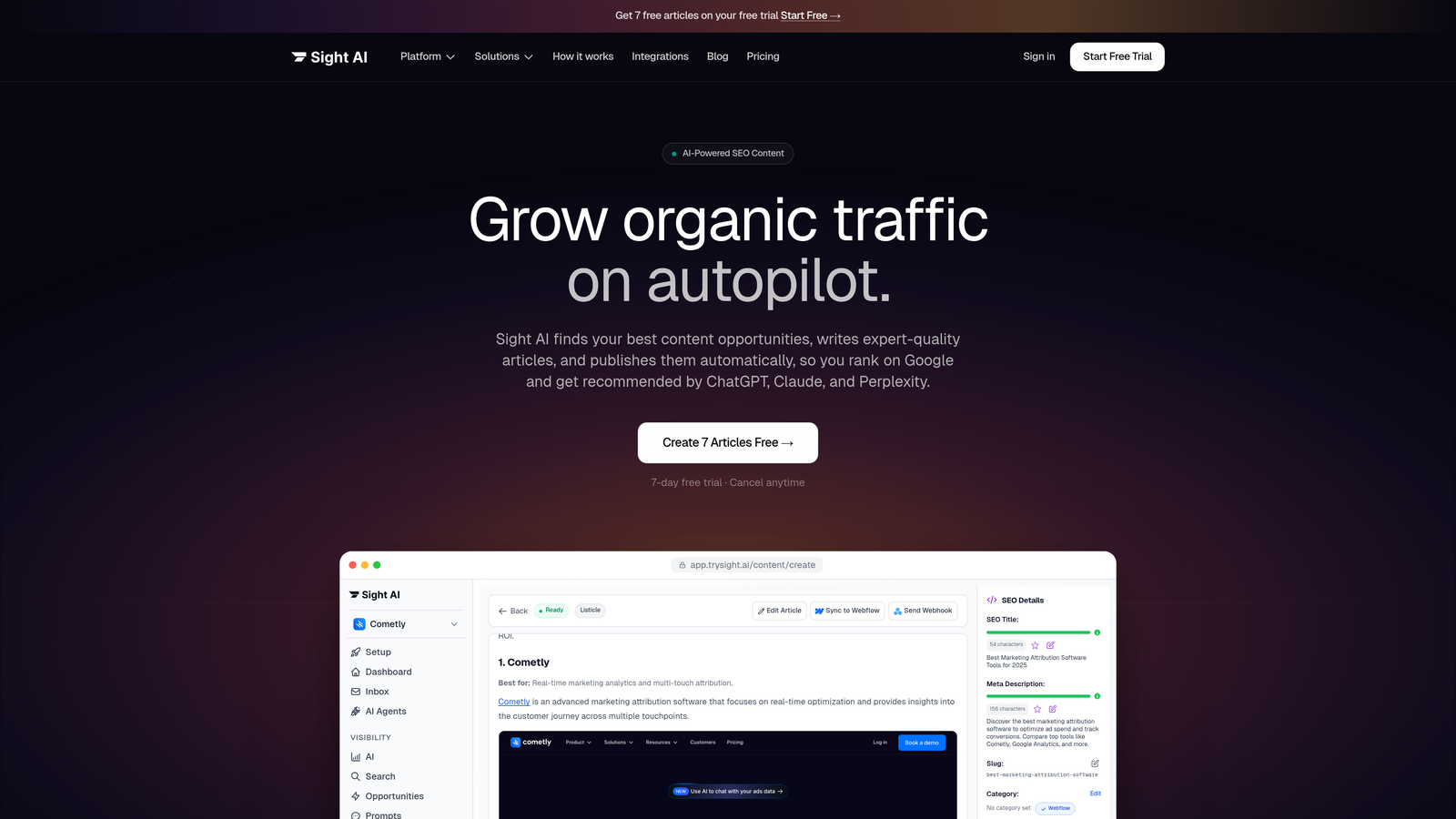
Sight AI is an AI visibility tracking platform that monitors brand mentions across major AI models while combining website indexing automation and AI-powered content generation.
Where This Tool Shines
Most ranking tools tell you where you appear on Google. Sight AI tells you what ChatGPT, Claude, and Perplexity are actually saying about your brand when users ask relevant questions. That's a fundamentally different kind of visibility, and it's becoming increasingly important as AI search reshapes how people discover products and services.
What makes Sight AI particularly practical is that it doesn't just surface the problem: it gives you tools to act on it. The integrated AI Content Writer and automatic indexing capabilities mean you can identify a content gap, generate an optimized article, and push it live without leaving the platform.
Key Features
AI Visibility Score: Tracks how your brand appears across 6+ AI platforms including ChatGPT, Claude, and Perplexity, with sentiment analysis to understand the tone of those mentions.
Prompt Tracking: Shows which specific user queries trigger brand mentions in AI models, so you know exactly where you're winning and where you're invisible.
Website Indexing with IndexNow: Automates sitemap updates and integrates with IndexNow to accelerate content discovery by search engines.
AI Content Writer: Features 13+ specialized AI agents for generating SEO and GEO-optimized articles including listicles, guides, and explainers.
Autopilot Mode: Enables automated content publishing workflows so your content pipeline runs without constant manual intervention.
Best For
Marketers, founders, and agencies who recognize that SEO in 2026 means optimizing for both Google and AI search. Particularly strong for teams who want a single platform to track AI mentions, generate optimized content, and ensure that content gets indexed and discovered quickly.
Pricing
Visit trysight.ai for current pricing plans. The platform combines AI visibility tracking, content generation, and indexing tools in one subscription.
2. SEMrush API
Best for: Enterprise teams needing comprehensive keyword tracking and competitive intelligence at scale.
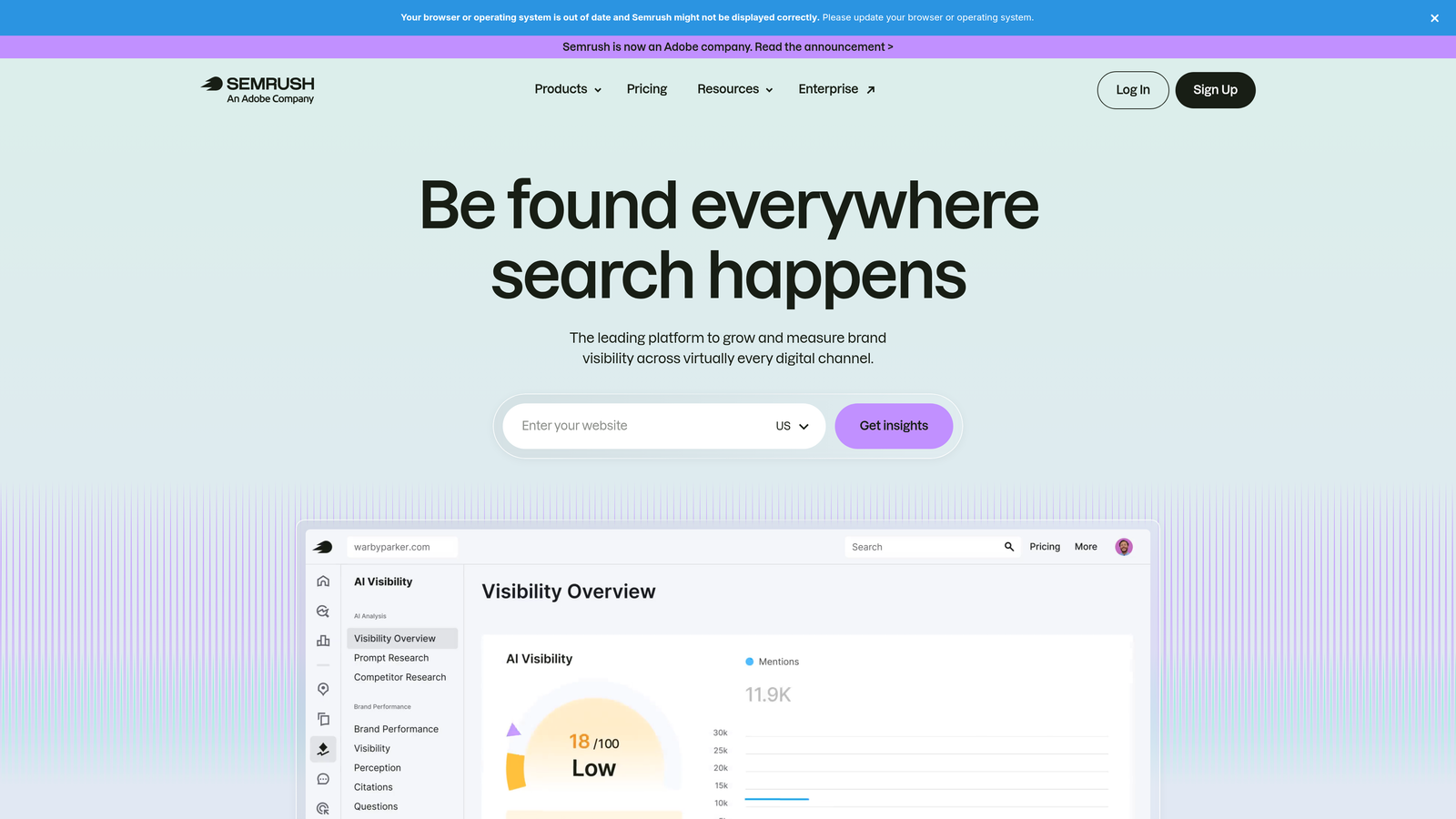
SEMrush is an enterprise SEO platform offering deep API access for keyword position tracking, SERP feature monitoring, and domain analytics across a massive global database.
Where This Tool Shines
SEMrush's API is one of the most comprehensive in the industry, largely because the underlying dataset is enormous. With coverage across 140+ country databases and years of historical ranking data, it's built for teams that need reliable, large-scale rank tracking as part of a broader competitive intelligence workflow.
The SERP feature detection capabilities are particularly strong. Beyond raw position data, the API surfaces whether you're appearing in featured snippets, People Also Ask boxes, local packs, or other rich results, which matters a lot when click-through rates vary dramatically by SERP feature.
Key Features
Keyword Position Tracking: Monitor rankings across 140+ country databases with consistent, reliable data refresh cycles.
Historical Ranking Data: Access trend analysis and historical position data to identify long-term ranking patterns and algorithm impact windows.
SERP Feature Detection: Identify appearances in featured snippets, PAA boxes, local packs, and other rich SERP elements.
Competitor Gap Analysis: API endpoints for domain-level and keyword-level competitor comparison, useful for building automated gap reports.
Batch Processing: Handle high-volume rank checks efficiently with batch API calls designed for large keyword sets.
Best For
Enterprise SEO teams and agencies that need a single API to power comprehensive reporting dashboards covering rankings, competitor analysis, and SERP features across multiple markets.
Pricing
API access is included with the Business plan at $499.95/month. Custom enterprise pricing is available for higher volume requirements.
3. Ahrefs API
Best for: SEO teams that want rank tracking enriched with best-in-class backlink and traffic data.
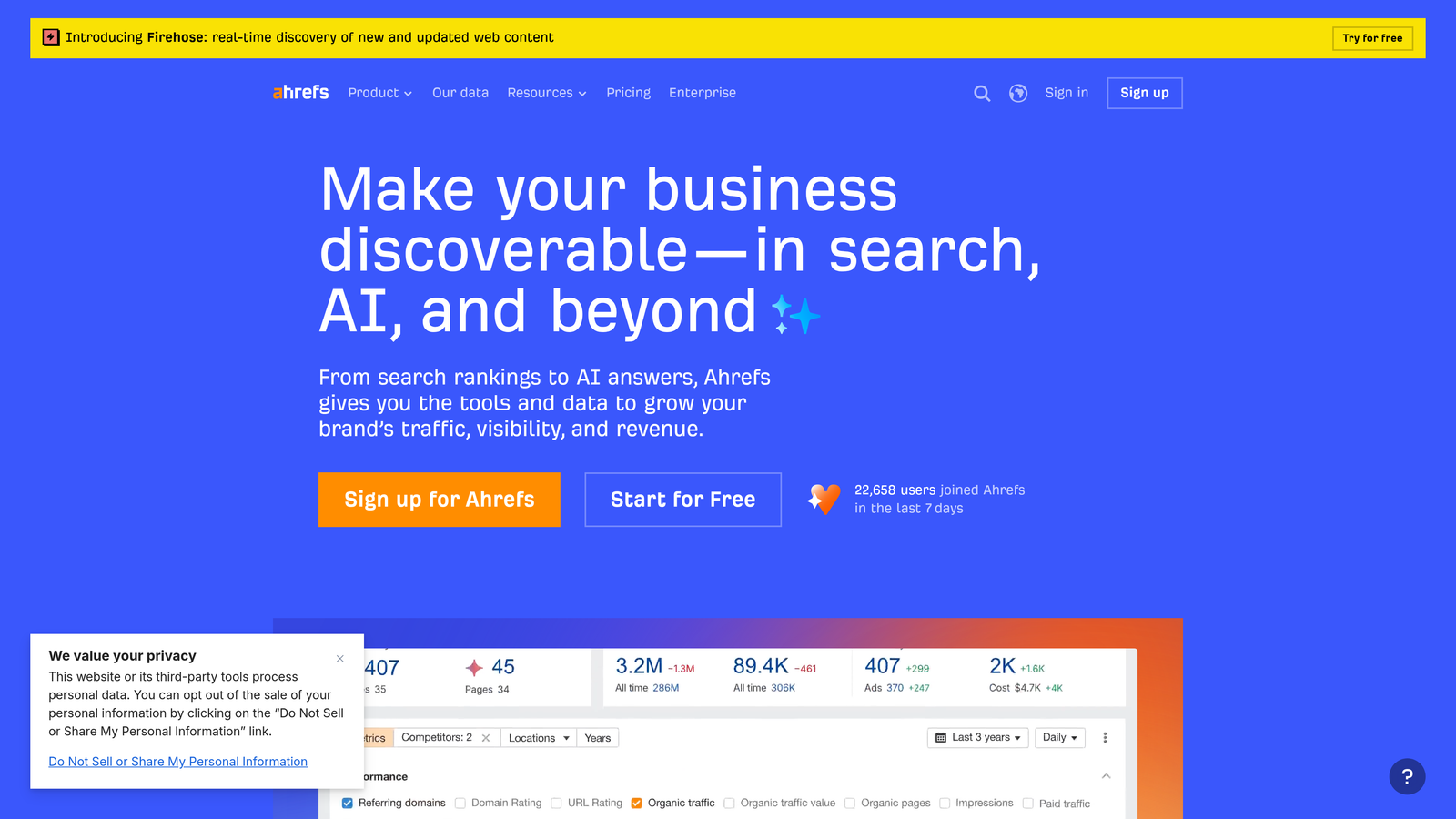
Ahrefs is a comprehensive SEO toolset with API access that combines rank tracking with industry-leading backlink intelligence and clickstream-based traffic estimates.
Where This Tool Shines
Ahrefs built its reputation on backlink data, and that strength flows directly into its API. When you pull rank tracking data from Ahrefs, you can correlate position changes with link profile shifts in ways that other platforms simply can't match. That context makes it significantly easier to diagnose why rankings moved, not just that they did.
The clickstream-based organic traffic estimates are another differentiator. Rather than relying purely on search volume proxies, Ahrefs incorporates real user behavior data to estimate traffic potential, giving you a more grounded view of what ranking improvements actually mean for your business.
Key Features
Rank Tracking with Backlink Context: Correlate keyword position data with domain rating and backlink profile changes for richer diagnostic insights.
Clickstream Traffic Estimates: Access organic traffic estimates grounded in real user behavior data rather than pure volume modeling.
SERP Overview Endpoints: Pull keyword difficulty scores and SERP snapshots to assess competitive landscape programmatically.
Content Explorer Endpoints: Identify content gap opportunities and high-performing content within specific topics at scale.
Batch Keyword Analysis: Run large keyword set analyses efficiently through the API for automated reporting pipelines.
Best For
SEO teams and agencies where backlink analysis is central to the strategy, and who want rank tracking data that connects directly to link-building and content gap workflows.
Pricing
API access is available on the Enterprise plan. Contact Ahrefs directly for pricing, as it scales based on usage volume and specific endpoint requirements.
4. DataForSEO API
Best for: Developers and tool builders who need granular SERP data without committing to monthly minimums.
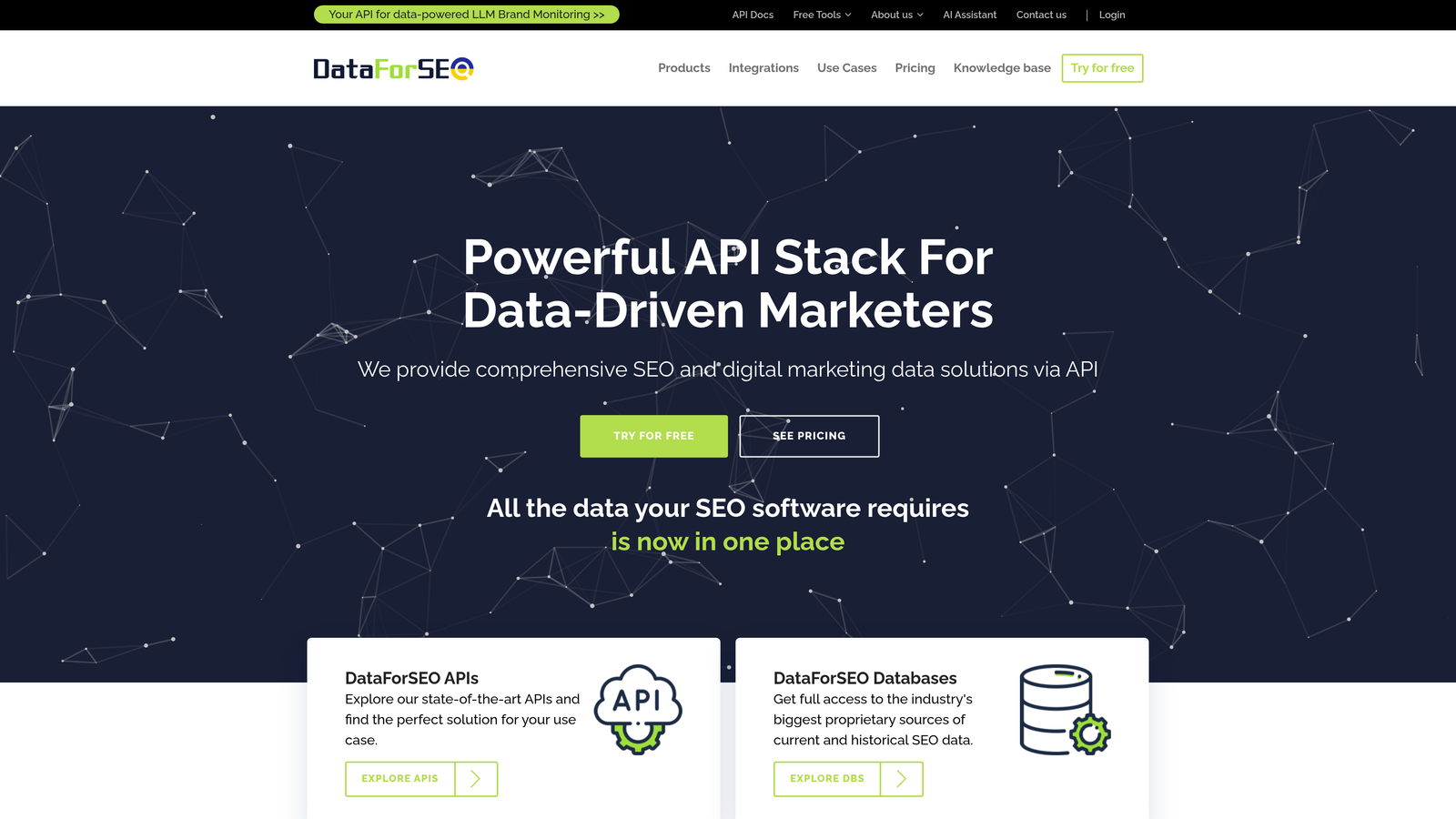
DataForSEO is a developer-focused API platform offering flexible, pay-per-task SERP data endpoints across Google, Bing, Yahoo, and local search results.
Where This Tool Shines
DataForSEO is built for builders. If you're constructing a white-label SEO dashboard, embedding rank data into a SaaS product, or running a research operation with highly variable query volumes, the pay-per-task model removes the friction of paying for capacity you don't always use.
The breadth of endpoints is impressive. Beyond standard SERP results, you can pull Google Maps data, Shopping results, News results, and more, all with structured output that doesn't require significant parsing work on your end.
Key Features
Pay-Per-Task Pricing: No monthly minimums on most endpoints, making it cost-effective for variable-volume use cases and early-stage product builds.
Multi-Surface Endpoints: Access Google SERP, Maps, Shopping, and News data through a unified API interface.
Real-Time and On-Demand Retrieval: Choose between real-time SERP scraping and scheduled on-demand data collection depending on your freshness requirements.
White-Label Friendly: No branding restrictions on the data, making it well-suited for agencies building client-facing tools.
Broad Geographic Coverage: Supports 200+ Google locations and multiple search engines for geo-targeted rank tracking.
Best For
Developers, tool builders, and agencies creating custom SEO applications who need flexible pricing and broad data coverage without the overhead of a full-platform subscription.
Pricing
Pay-per-task starting at $0.0006 per task using a prepaid balance model. No monthly minimums on most endpoints, making entry costs very low.
5. SerpApi
Best for: Developers who need clean, structured JSON from live SERP scraping with minimal setup.
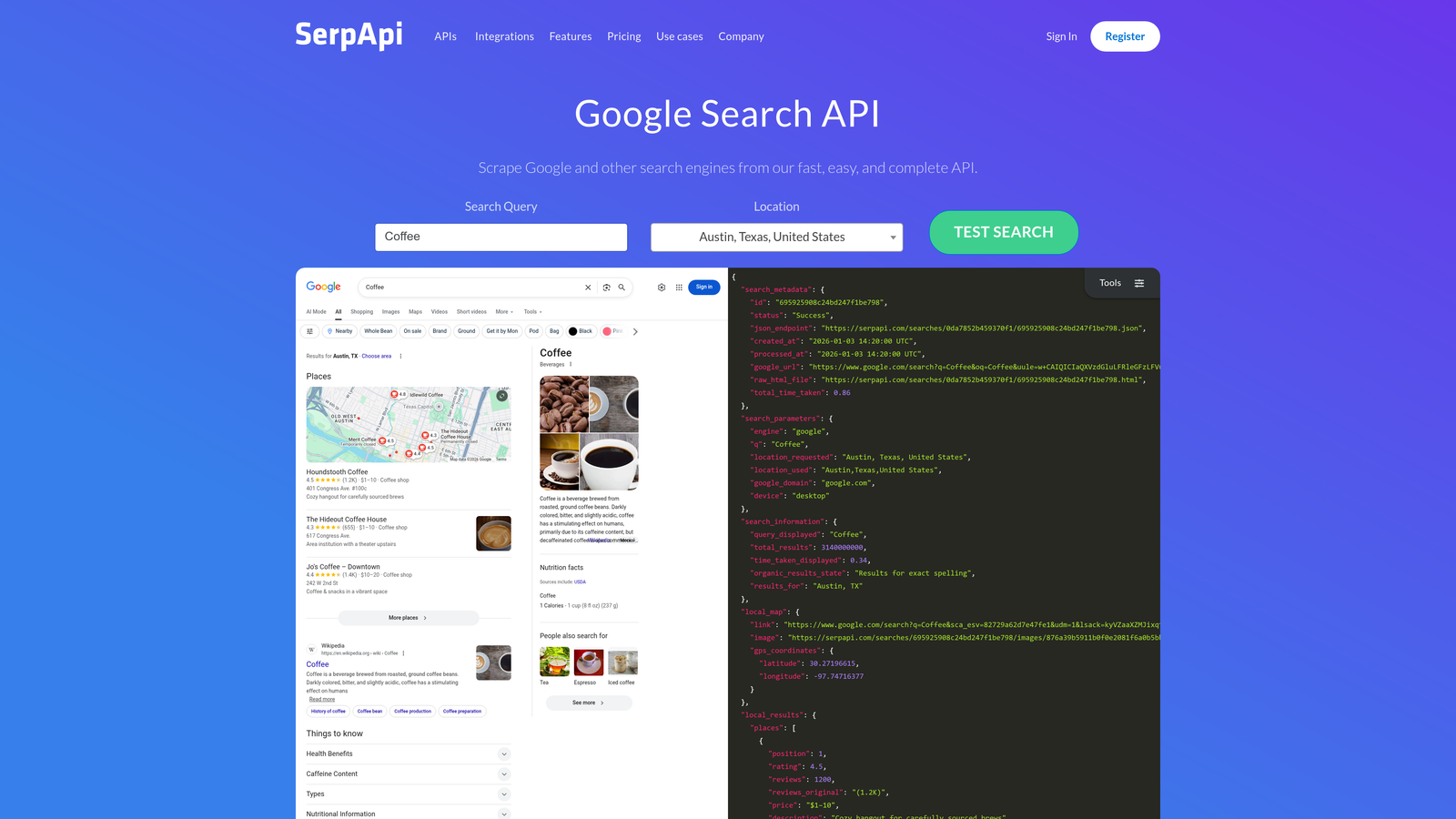
SerpApi is a real-time SERP scraping API that returns structured JSON data from Google, Bing, Baidu, and other major search engines, handling all the proxy and CAPTCHA complexity for you.
Where This Tool Shines
SerpApi's core value proposition is simplicity. You send a query, you get back clean JSON. All the messy infrastructure work, proxy rotation, CAPTCHA solving, anti-bot evasion, happens on their end. For development teams that want to move fast without building and maintaining scraping infrastructure, that's a significant time savings.
The playground tool is a nice touch for teams evaluating the API. You can test queries against real SERPs before writing a single line of integration code, which speeds up scoping and reduces surprises during implementation.
Key Features
Structured JSON Output: Returns clean, consistently structured data from live SERP scraping without requiring custom parsing logic.
Multi-Engine Support: Covers Google, Bing, Baidu, Yahoo, Yandex, and additional engines through a unified API.
Google-Specific Endpoints: Dedicated endpoints for Google Maps, Shopping, Jobs, and Scholar results beyond standard web search.
Playground Testing Tool: Test queries and inspect response structures interactively before committing to integration.
Automatic Infrastructure Management: Handles proxy rotation and CAPTCHA solving automatically, removing scraping maintenance burden from your team.
Best For
Development teams building rank tracking tools, research applications, or content monitoring systems who want reliable SERP data without managing scraping infrastructure.
Pricing
Free tier available with 100 searches per month. Paid plans start at $50/month for 5,000 searches, scaling up based on volume.
6. Moz API
Best for: Teams that rely on Domain Authority metrics alongside standard rank tracking data.
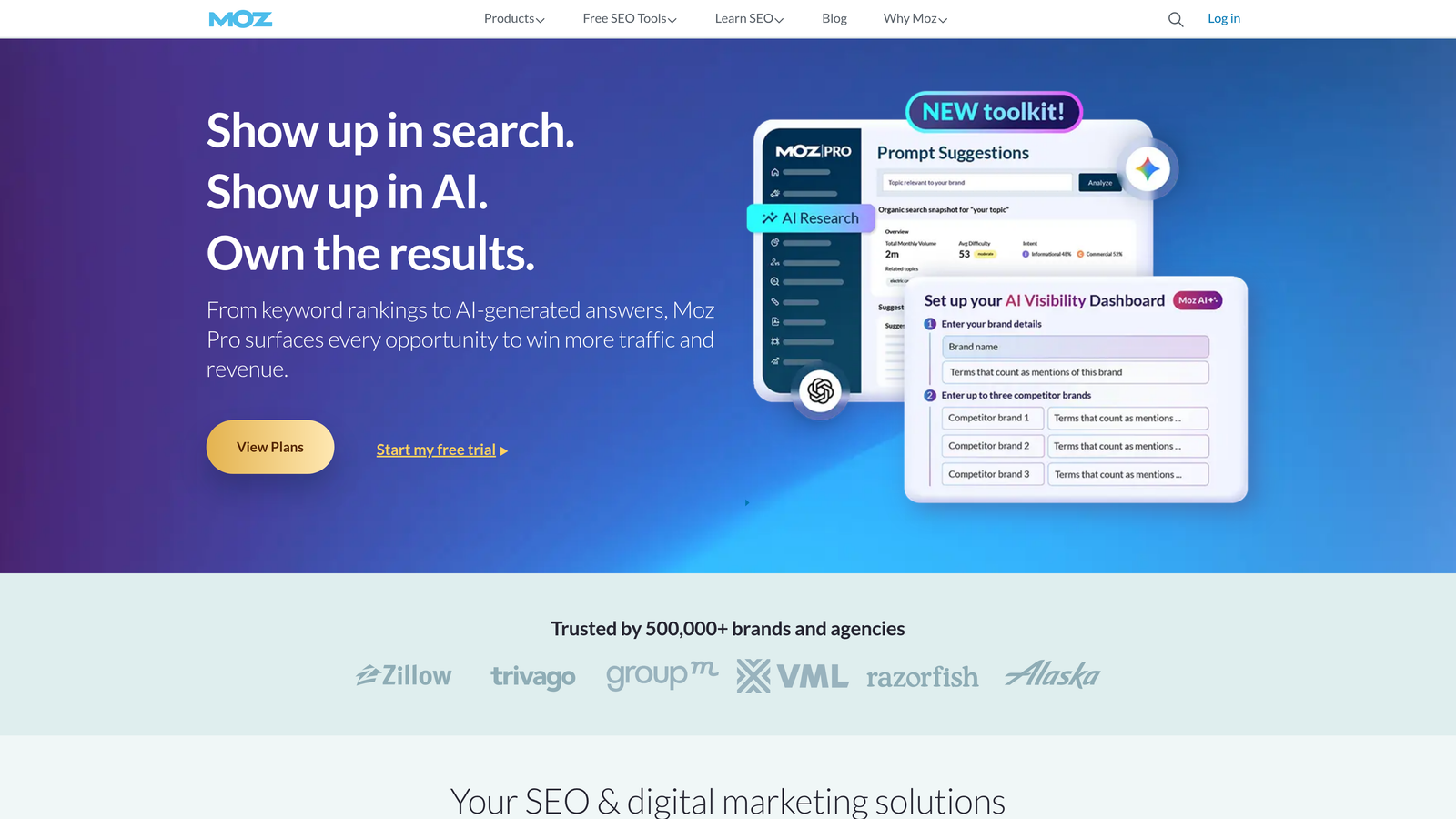
Moz is an SEO platform offering API access to rank tracking, proprietary authority metrics, and link data through a well-documented REST interface.
Where This Tool Shines
Moz's Domain Authority and Page Authority metrics have been industry standards for years, and that's the primary reason teams reach for the Moz API. If your reporting workflows or client dashboards are built around DA as a benchmark, pulling it programmatically through the API keeps everything consistent and automatable.
The API documentation is notably clear, with well-defined rate limits and straightforward authentication. For teams that have been burned by poorly documented APIs, that reliability matters more than it might seem during evaluation.
Key Features
Domain Authority and Page Authority: Access Moz's proprietary DA and PA metrics programmatically for competitive benchmarking and reporting.
Links API: Pull link data including spam scores and anchor text distributions for backlink analysis workflows.
Keyword Ranking Data: Track keyword positions with SERP feature annotations to understand the full competitive landscape.
Well-Documented REST API: Clear documentation with explicit rate limits, making integration planning straightforward.
Free Tier Access: Limited free API access available for testing and low-volume use cases before committing to a paid plan.
Best For
SEO teams and agencies where Domain Authority is a key reporting metric, and who want a clean, well-documented API for combining rank tracking with link intelligence.
Pricing
Free tier available for limited API access. Paid API access starts with Moz Pro at $99/month, with higher tiers for increased limits.
7. AccuRanker API
Best for: Agencies and teams needing on-demand rank refresh rather than waiting for daily updates.
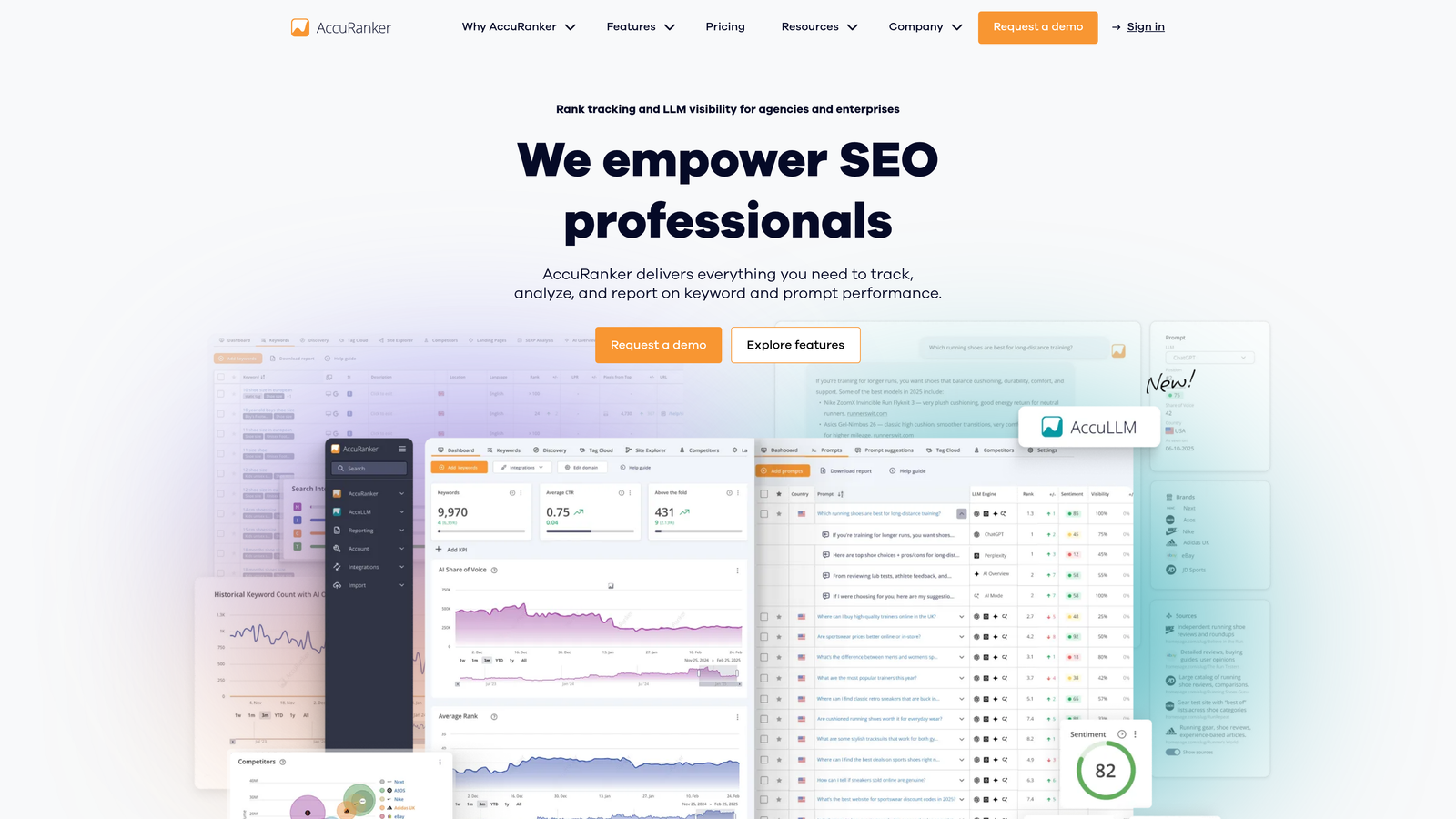
AccuRanker is a high-frequency rank tracking platform with on-demand refresh capabilities and a fast API built for teams that can't afford to wait on stale data.
Where This Tool Shines
Most rank tracking tools update on a daily or weekly schedule. AccuRanker lets you trigger a fresh rank check on demand, which is a meaningful operational advantage when you're monitoring a site through an algorithm update, a major campaign launch, or a technical migration and you need current data now, not tomorrow morning.
The API response times are consistently fast, which matters when you're building dashboards that clients or internal stakeholders are actively refreshing. Slow API calls create a poor user experience that reflects on your product, not just the underlying data provider.
Key Features
On-Demand Rank Refresh: Trigger fresh rank checks at any time rather than waiting for scheduled daily updates.
SERP Feature Tracking: Monitor share-of-voice and SERP feature appearances alongside raw position data.
Fast API Response Times: Optimized for dashboard integrations where latency directly affects user experience.
Multi-Engine Coverage: Track rankings across Google, Bing, and YouTube through a single API.
Tagging and Segmentation: Organize large keyword sets with tags for filtered reporting and segmented analysis via the API.
Best For
Agencies building client dashboards and in-house teams managing high-stakes campaigns where data freshness is critical and daily update cycles aren't sufficient.
Pricing
Plans start at $129/month for 1,000 keywords. API access is included on all plans, with pricing scaling based on keyword volume.
8. Serpstat API
Best for: Smaller teams and growing agencies looking for a budget-friendly all-in-one SEO API.
Serpstat is an SEO platform offering API access for rank tracking, keyword research, competitor analysis, and site audit capabilities at accessible price points.
Where This Tool Shines
Serpstat punches above its price point. For teams that need rank tracking, keyword clustering, competitor comparison, and basic site audit data all accessible through a single API, it delivers solid coverage without the enterprise-level price tag that SEMrush or Ahrefs carry.
The keyword clustering endpoints are a particular differentiator. Grouping keywords by semantic relevance programmatically is a time-consuming manual task, and having that capability available through the API opens up some useful automation possibilities for content planning workflows.
Key Features
Keyword Rank Tracking: Monitor keyword positions with trend visualization data accessible through the API.
Keyword Clustering Endpoints: Group keywords by semantic relevance programmatically for content planning and topical mapping.
Competitor Domain Comparison: Pull competitor analysis data for domain-level benchmarking through dedicated API endpoints.
Site Audit API: Access technical SEO audit data programmatically for automated health monitoring workflows.
Affordable Pricing Tiers: Multiple plan levels designed to scale with smaller teams and agencies as they grow.
Best For
Smaller agencies, growing in-house teams, and budget-conscious operators who need broad SEO API coverage without committing to enterprise-level subscription costs.
Pricing
API access starts from the Team plan at $119/month. Higher tiers are available for increased API limits and additional capabilities.
9. BrightData SERP API
Best for: Enterprise teams running high-volume, geo-targeted SERP data collection at massive scale.
BrightData is an enterprise-grade SERP data collection API backed by one of the world's largest proxy infrastructures, designed for organizations that need to collect ranking data at very high volumes across precise geographic targets.
Where This Tool Shines
When you're talking about millions of SERP queries per day across dozens of countries and cities, most APIs hit their limits. BrightData's proxy infrastructure, built across a global residential and datacenter network, is engineered for exactly this kind of scale. Success rates remain high even at volumes that would cause other solutions to degrade significantly.
The geo-targeting precision is another standout capability. If you need to check rankings as they appear to users in specific cities, zip codes, or neighborhoods, BrightData's infrastructure makes that level of granularity achievable at scale, which is particularly valuable for local SEO monitoring across multi-location brands.
Key Features
Enterprise Proxy Infrastructure: Backed by a massive global network delivering high success rates for SERP scraping even at extreme volumes.
Precise Geo-Targeting: Retrieve SERP results as they appear to users in virtually any location worldwide, down to city and neighborhood level.
Structured Data Output: Returns parsed, structured SERP data rather than raw HTML, reducing processing overhead on your end.
Automatic Anti-Bot Handling: Manages CAPTCHAs and anti-scraping measures automatically at scale.
Extreme Scalability: Architected to handle millions of queries per day without performance degradation.
Best For
Enterprise organizations, large agencies, and data companies running high-volume SERP monitoring operations that require geo-targeted precision and infrastructure that scales without reliability tradeoffs.
Pricing
Pay-per-result starting at $0.001 per request. Custom enterprise plans are available for organizations with very high volume requirements.
Which Tool Is Right for Your Stack?
The right Google ranking checker API depends on what you're actually trying to build and how your SEO strategy is evolving.
For teams building custom dashboards or embedding rank data into SaaS products, DataForSEO and SerpApi offer the most developer-friendly experience with flexible pricing that doesn't punish you during low-volume periods. Both are solid foundations for product builders who need clean data without infrastructure headaches.
For enterprise competitive intelligence, SEMrush and Ahrefs remain the dominant choices. Their depth of historical data, SERP feature detection, and complementary datasets (backlinks, traffic estimates, keyword gaps) make them hard to displace at scale. AccuRanker is the clear winner when data freshness is the primary constraint: on-demand refresh is a genuine operational advantage during algorithm updates or major campaigns.
For high-volume geo-targeted operations, BrightData is in a category of its own. If you're running millions of location-specific SERP checks, the infrastructure to do that reliably is BrightData's core product. And for teams where budget is a real constraint, Serpstat delivers surprisingly broad coverage at a price point that makes it accessible for growing agencies.
But here's the thing: all of these tools focus on traditional Google rankings. As AI search becomes a primary discovery channel, monitoring where your brand appears in ChatGPT, Claude, and Perplexity responses is becoming just as important as tracking your position on page one.
That's where Sight AI fills a gap none of the others address. It's the only platform in this list built to track AI visibility alongside content generation and indexing automation, giving you a unified workflow from "where do we appear?" to "here's the content that will improve it" to "it's live and indexed."
Start tracking your AI visibility today and see exactly where your brand appears across top AI platforms. Stop guessing what ChatGPT and Claude are saying about you when your customers ask the questions that matter most.