Enterprise content marketing demands more than basic publishing tools. At scale, marketing teams juggle content creation across dozens of contributors, maintain brand consistency across global markets, and prove ROI to stakeholders who expect measurable results.
The right platform can mean the difference between a content operation that drives revenue and one that drowns in spreadsheets and approval bottlenecks.
This guide evaluates top enterprise-grade platforms based on AI capabilities, workflow automation, analytics depth, and integration flexibility. Whether you're scaling a lean team or coordinating content across multiple business units, these platforms represent the strongest options for enterprise content marketing in 2026.
1. Sight AI
Best for: Enterprises prioritizing AI search visibility and future-proofing their content strategy.
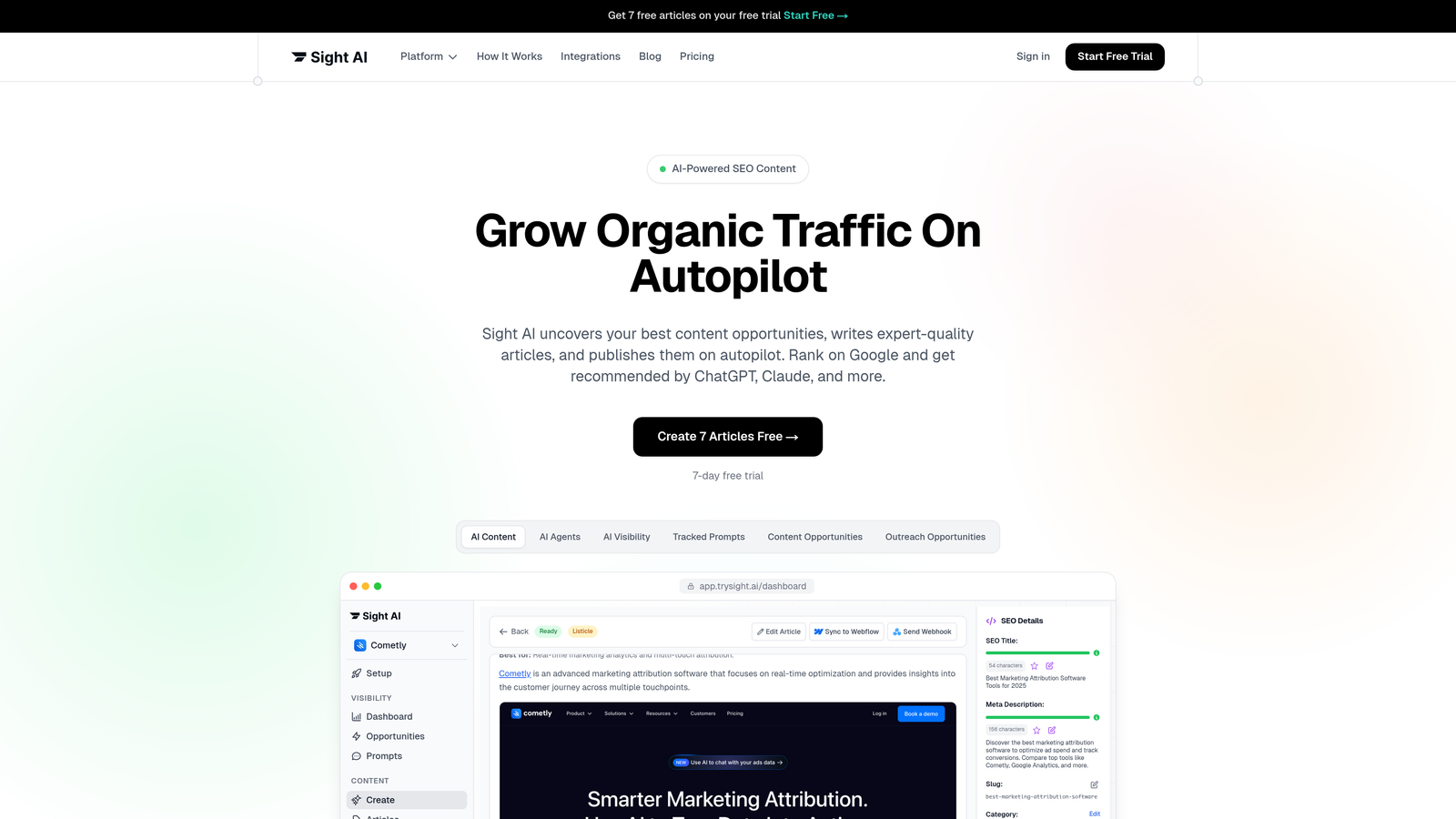
Sight AI is an AI-powered platform that tracks brand mentions across AI models while generating optimized content at scale.
Where This Tool Shines
Most enterprise content platforms focus exclusively on traditional search optimization, but Sight AI addresses a critical gap: visibility in AI-powered answer engines. When potential customers ask ChatGPT, Claude, or Perplexity about solutions in your space, you need to know whether your brand gets mentioned and how it's being described.
The platform's 13+ specialized AI agents work together to produce content that performs in both traditional SEO and generative engine optimization (GEO). This dual-optimization approach ensures your content investment delivers results as search behavior continues shifting toward AI-powered platforms.
Key Features
AI Visibility Score: Track how ChatGPT, Claude, Perplexity, and 6+ other AI platforms mention your brand with sentiment analysis and prompt tracking.
13+ Specialized AI Agents: Generate SEO/GEO-optimized content including listicles, guides, and explainers with agents specialized for different content types.
Autopilot Mode: Enable hands-off content production with automated generation, optimization, and publishing workflows.
IndexNow Integration: Accelerate search engine discovery with automated sitemap updates and instant indexing notifications.
CMS Auto-Publishing: Connect directly to your content management system for seamless publishing without manual uploads.
Best For
Marketing teams at SaaS companies, agencies, and technology brands who recognize that AI search is reshaping how buyers discover solutions. Particularly valuable for organizations producing high volumes of content who need to track performance across both traditional and AI-powered search platforms.
Pricing
Contact Sight AI for enterprise pricing tailored to your content volume and team size.
2. Contently
Best for: Organizations needing access to vetted freelance talent and end-to-end content production management.
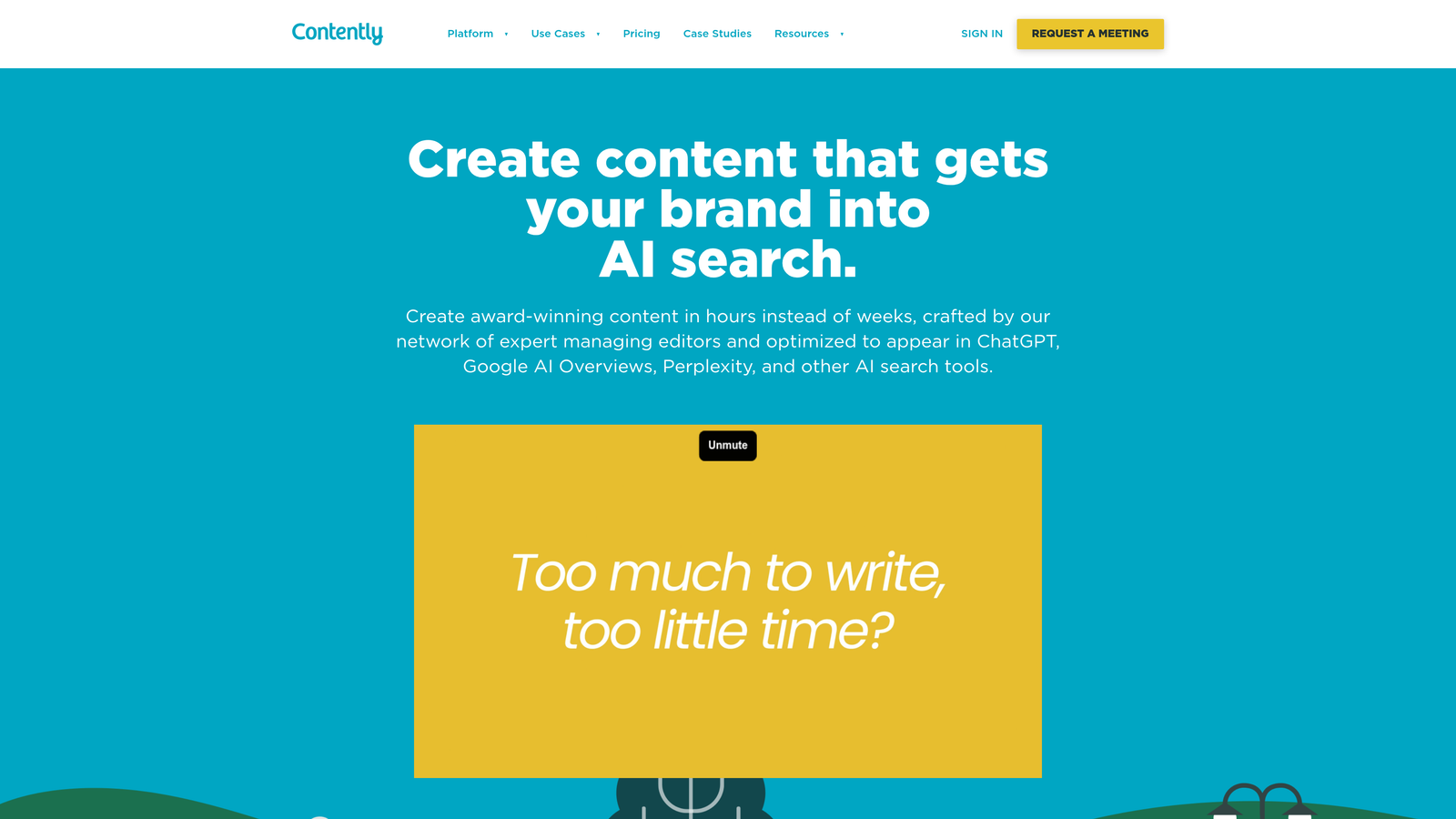
Contently is an enterprise content marketing platform combining talent marketplace access with strategic planning and performance analytics.
Where This Tool Shines
Contently solves the talent acquisition challenge that plagues enterprise content teams. Instead of spending weeks vetting freelancers or relying on agencies with markup pricing, you get immediate access to pre-screened writers, designers, and video producers who've been vetted by Contently's team.
The platform's workflow tools ensure brand consistency even when working with dozens of external contributors. Style guides, approval chains, and performance tracking keep quality high while your team focuses on strategy rather than project management minutiae.
Key Features
Vetted Creator Network: Access thousands of pre-screened freelance writers, designers, and multimedia creators with verified portfolios and performance ratings.
Strategic Planning Tools: Build content strategies with audience research, topic ideation, and editorial calendar management in one interface.
Workflow Automation: Configure approval chains, revision requests, and publishing schedules to eliminate manual coordination.
Performance Analytics: Track engagement metrics, content ROI, and creator performance to optimize your content investment.
Brand Governance: Enforce style guides and brand voice across all contributors with automated compliance checks.
Best For
Enterprise marketing teams producing high volumes of diverse content types who need flexible access to specialized talent without the overhead of managing a large in-house creative team or expensive agency relationships.
Pricing
Custom enterprise pricing based on content volume and creator network access requirements.
3. Percolate by Seismic
Best for: Enterprises aligning marketing content with sales enablement and revenue operations.
Percolate by Seismic is a content orchestration platform focused on campaign planning and brand governance with tight sales-marketing integration.

Where This Tool Shines
Percolate excels at breaking down the traditional silos between marketing content creation and sales content usage. When your sales team can actually find and use the content marketing produces, you see measurable impact on pipeline velocity and deal closure rates.
The platform's campaign planning interface gives marketing leaders visibility into content production across teams, geographies, and business units. Brand governance controls ensure consistency even when dozens of marketers are creating content simultaneously for different campaigns.
Key Features
Campaign Planning: Visual campaign management with content calendar coordination across teams and channels.
Digital Asset Management: Centralized storage and organization of marketing assets with version control and usage rights tracking.
Brand Governance: Enforce brand guidelines, legal compliance, and approval workflows across all content production.
Sales Content Distribution: Enable sales teams to discover, customize, and share marketing content directly from the platform.
Marketing Resource Management: Track budgets, resources, and team capacity across multiple campaigns and initiatives.
Best For
B2B enterprises with complex sales cycles where marketing and sales alignment directly impacts revenue. Particularly valuable for organizations with distributed marketing teams needing centralized brand control.
Pricing
Enterprise pricing available on request, typically structured based on user count and feature modules selected.
4. Kapost (Upland Software)
Best for: B2B companies managing complex content operations across long buying journeys.
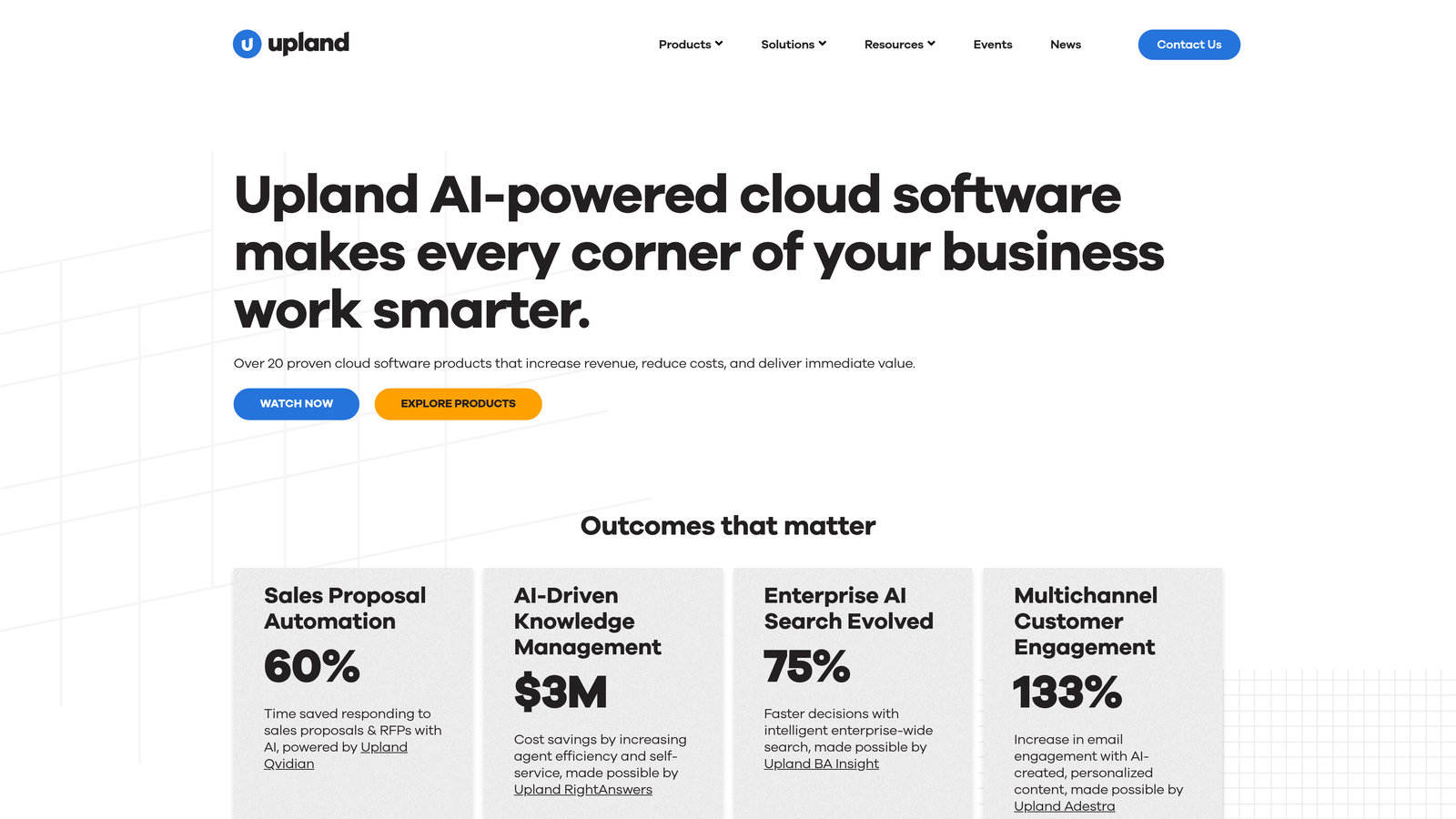
Kapost is a content operations platform specializing in production workflows and performance measurement for B2B content marketing.
Where This Tool Shines
Kapost understands that B2B content marketing isn't about individual pieces performing in isolation. It's about orchestrating content across awareness, consideration, and decision stages while tracking how each piece contributes to pipeline and revenue.
The platform's content scoring capabilities help teams identify which assets actually move prospects through the funnel. This data-driven approach replaces guesswork with evidence about what content formats, topics, and distribution channels deliver business results.
Key Features
Production Workflow Automation: Configure custom workflows for content creation, review, approval, and publishing with role-based permissions.
Editorial Calendar: Coordinate content planning across teams with visibility into production status and deadlines.
Content Scoring: Track engagement metrics and attribute content performance to pipeline and revenue outcomes.
Multi-Channel Distribution: Publish and track content performance across website, email, social, and third-party platforms.
Marketing Automation Integration: Connect with platforms like Marketo, HubSpot, and Eloqua to track content influence on lead progression.
Best For
B2B marketing teams at companies with multi-touch attribution models who need to prove content's contribution to pipeline and revenue rather than just tracking vanity metrics like page views.
Pricing
Contact Upland Software for pricing based on user count and integration requirements.
5. Skyword
Best for: Global enterprises managing multilingual content programs with subject matter expert contributors.
Skyword is a content marketing platform connecting brands with industry experts while managing complex global content operations.
Where This Tool Shines
Skyword's creator network focuses on subject matter expertise rather than just writing ability. When you're producing content about complex topics, you need contributors who understand the nuances of your industry, not just generalist writers following a brief.
The platform's multilingual capabilities extend beyond simple translation. Skyword helps you localize content strategy for different markets, accounting for cultural differences in how audiences consume content and make purchasing decisions.
Key Features
Expert Creator Network: Access industry specialists and thought leaders who bring authentic expertise to content creation.
Multilingual Management: Coordinate content production, translation, and localization across multiple languages and markets.
Content Ideation Tools: Research trending topics, identify content gaps, and develop data-driven content strategies.
Performance Optimization: Track content performance across markets and channels with recommendations for optimization.
Global Localization: Adapt content strategy and messaging for regional audiences with local market insights.
Best For
Enterprise brands operating in multiple countries who need authentic, expert-level content that resonates with local audiences while maintaining global brand consistency.
Pricing
Custom pricing based on program scope, market coverage, and creator network access requirements.
6. Welcome (formerly NewsCred)
Best for: Marketing teams prioritizing visual campaign planning and extensive martech integration.
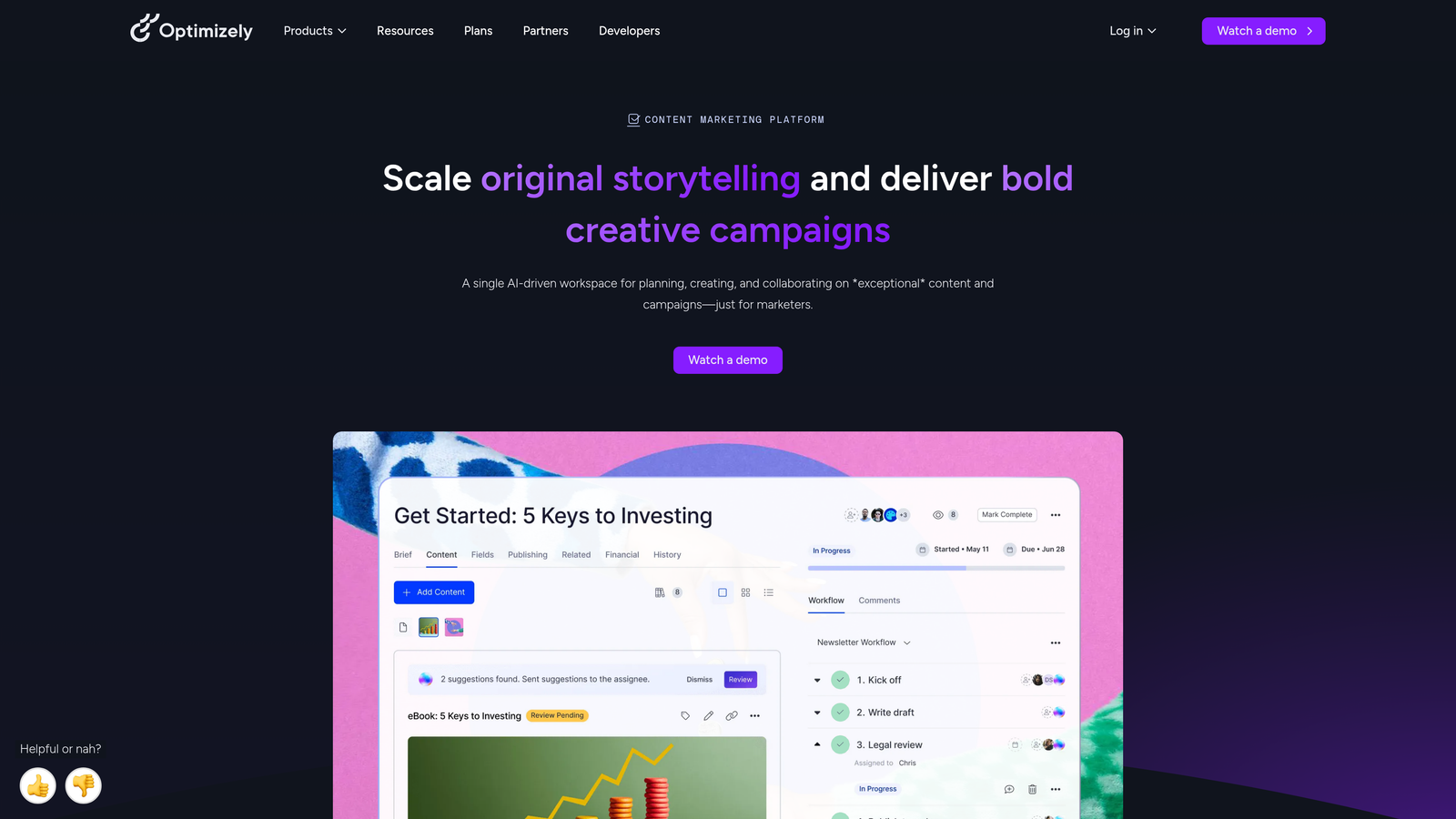
Welcome is a content marketing platform emphasizing visual workflow management and integration with enterprise marketing technology stacks.
Where This Tool Shines
Welcome's visual planning interface makes complex campaigns manageable. Instead of drowning in spreadsheets, marketing leaders see campaign timelines, content dependencies, and team workload at a glance.
The platform's integration capabilities stand out in crowded martech environments. With connections to over 1,000 marketing tools, Welcome becomes the orchestration layer that ties together your existing technology investments rather than creating another data silo.
Key Features
Visual Campaign Planning: Drag-and-drop interface for planning campaigns with timeline views and dependency mapping.
Content Collaboration: Real-time collaboration with commenting, proofing, and approval workflows built into the platform.
Marketing Calendar: Unified view of all marketing activities across channels, campaigns, and teams.
1,000+ Integrations: Connect with existing marketing tools including CRM, analytics, social media, and advertising platforms.
Resource Planning: Track team capacity, workload distribution, and resource allocation across projects.
Best For
Enterprise marketing organizations with complex technology stacks who need a central orchestration platform that connects existing tools rather than replacing them.
Pricing
Enterprise plans available on request, typically priced based on user count and integration requirements.
7. Sprinklr
Best for: Enterprises managing unified customer experience across social media and content channels.
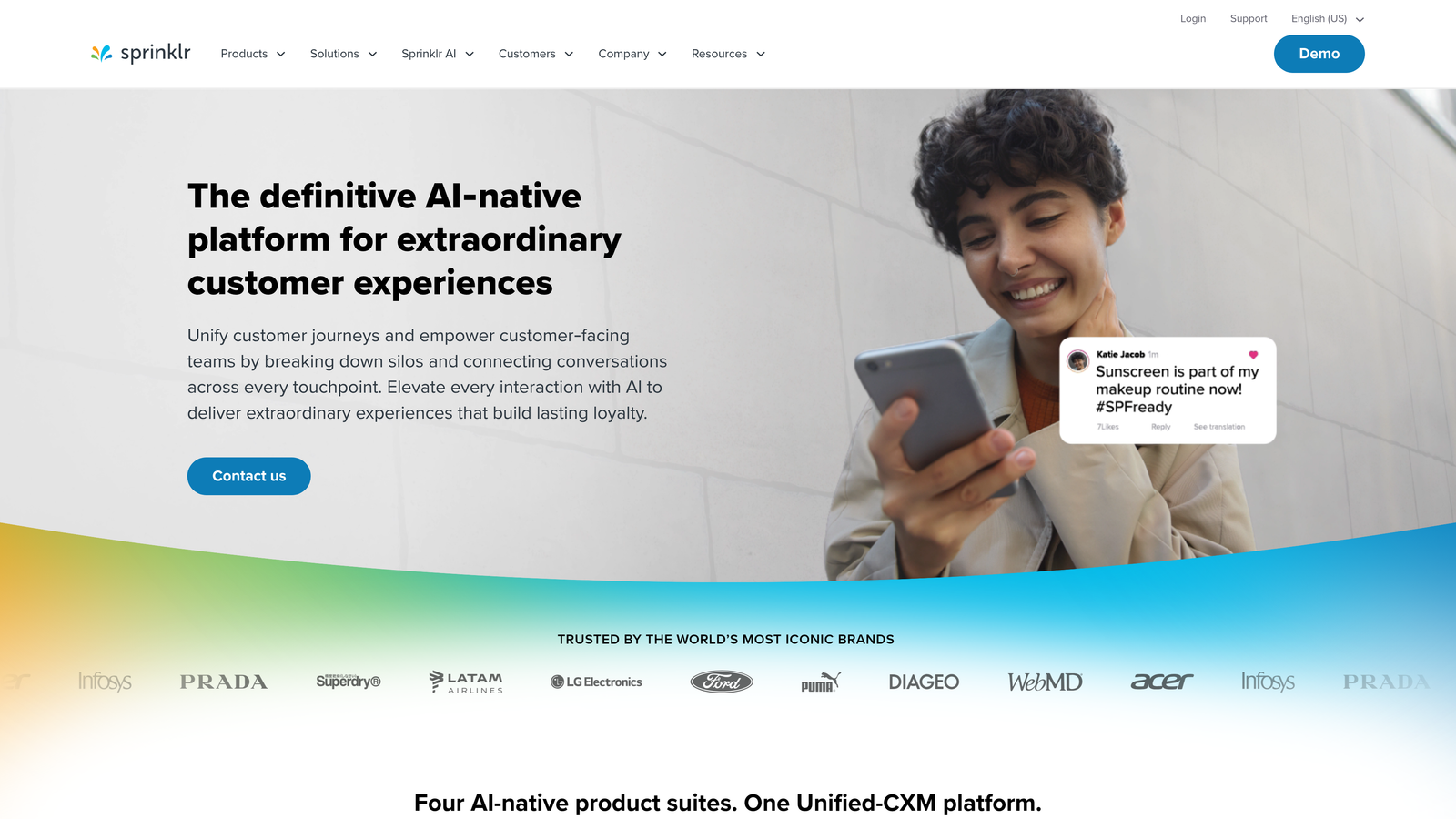
Sprinklr is a customer experience management platform combining social media management with content marketing capabilities and AI-powered insights.
Where This Tool Shines
Sprinklr recognizes that content marketing and social media management aren't separate functions. They're interconnected elements of customer experience that should be managed through unified workflows and analytics.
The platform's AI-powered content recommendations help teams identify what topics, formats, and messaging resonate with specific audience segments. This intelligence flows from social listening data, engagement patterns, and customer feedback captured across touchpoints.
Key Features
Unified Social and Content: Manage content creation, social publishing, and community engagement in one platform.
AI-Powered Recommendations: Get content topic suggestions, optimal posting times, and messaging guidance based on audience data.
Enterprise Governance: Configure approval workflows, compliance controls, and brand guidelines across global teams.
Customer Experience Analytics: Track how content and social interactions influence customer satisfaction and brand perception.
Omnichannel Distribution: Publish and manage content across social platforms, websites, and digital channels from one interface.
Best For
Global brands with significant social media presence who need to coordinate content strategy across social and owned channels while maintaining strict governance and compliance standards.
Pricing
Enterprise pricing based on selected modules, user count, and social account management requirements.
8. Adobe Experience Manager
Best for: Enterprises requiring sophisticated personalization and deep Adobe ecosystem integration.
Adobe Experience Manager is an enterprise content management system offering headless CMS capabilities with AI-powered personalization at scale.
Where This Tool Shines
Adobe Experience Manager delivers personalization capabilities that go far beyond basic segmentation. Adobe Sensei's AI analyzes user behavior, preferences, and context to serve individualized content experiences across devices and channels.
The platform's headless architecture gives development teams flexibility to deliver content through any channel or device while maintaining centralized content management. This matters for enterprises with complex digital ecosystems including websites, mobile apps, IoT devices, and emerging platforms.
Key Features
Headless and Traditional CMS: Choose between traditional page-based management or headless content delivery for maximum flexibility.
Adobe Sensei AI: Automate content tagging, enable predictive personalization, and optimize content performance with built-in AI.
Digital Asset Management: Manage, organize, and distribute creative assets with integration to Adobe Creative Cloud.
Multi-Site Management: Coordinate content across multiple websites, brands, and languages from one platform.
Creative Cloud Integration: Enable seamless workflows between content creation in Creative Cloud and publishing in Experience Manager.
Best For
Large enterprises with complex digital experience requirements, significant creative production workflows, and existing investments in Adobe's marketing and creative technology stack.
Pricing
Enterprise licensing based on usage, typically structured around page views, users, and feature modules selected.
9. Sitecore Content Hub
Best for: Enterprises needing comprehensive digital asset management with end-to-end content lifecycle control.
Sitecore Content Hub is a digital asset and content management platform offering AI-powered content intelligence for large-scale operations.
Where This Tool Shines
Sitecore Content Hub treats digital assets as strategic business resources rather than files in folders. The platform's AI-powered tagging and search capabilities mean teams can actually find and reuse assets instead of recreating content that already exists somewhere in your organization.
The content lifecycle management approach provides visibility from initial creation through distribution, performance tracking, and eventual archiving. This governance matters for enterprises managing thousands of assets across multiple brands, markets, and campaigns.
Key Features
Digital Asset Management: Centralized storage, organization, and distribution of all marketing assets with advanced metadata and search.
Content Lifecycle Management: Track assets from creation through approval, distribution, performance measurement, and archiving.
AI-Powered Intelligence: Automate content tagging, enable smart search, and get recommendations for asset reuse and optimization.
Marketing Resource Management: Plan campaigns, allocate budgets, and coordinate resources across teams and projects.
Content Analytics: Track asset usage, performance metrics, and ROI across channels and campaigns.
Best For
Enterprise organizations with extensive digital asset libraries, complex approval workflows, and multiple teams needing controlled access to brand-approved content and creative resources.
Pricing
Enterprise licensing model based on user count, storage requirements, and feature modules selected.
Making the Right Choice
Selecting an enterprise content marketing platform depends on your team's primary pain points and strategic priorities.
For organizations prioritizing AI search visibility and future-proofing their content strategy, Sight AI offers unique capabilities in tracking how AI models reference your brand while generating optimized content at scale. This becomes increasingly critical as search behavior shifts toward AI-powered platforms.
Teams needing extensive freelancer networks and talent management should evaluate Contently or Skyword. Contently provides broader access to generalist creators, while Skyword specializes in subject matter experts for complex industries.
Sales-marketing alignment favors Percolate, particularly for B2B organizations where content needs to serve both marketing campaigns and sales enablement. Kapost offers similar benefits with stronger focus on attribution and pipeline influence.
Adobe Experience Manager and Sitecore serve enterprises with complex digital experience requirements, existing technology investments in those ecosystems, and sophisticated personalization needs. These platforms require significant implementation resources but deliver unmatched flexibility for large-scale operations.
Welcome stands out for teams drowning in martech complexity who need an orchestration layer connecting existing tools. Sprinklr makes sense for brands where social media and content marketing are deeply interconnected elements of customer experience.
Start by auditing your current content workflow bottlenecks. Identify whether your challenges stem from talent access, workflow inefficiency, technology fragmentation, or performance measurement gaps. Then request demos from platforms addressing those specific pain points.
The investment in the right platform pays dividends in team efficiency, content performance, and measurable business impact. But the wrong platform creates expensive technical debt and workflow friction that hampers your content operation for years.
As AI continues reshaping how audiences discover and consume content, consider platforms that help you adapt to this shift. Start tracking your AI visibility today and see exactly where your brand appears across top AI platforms. Understanding how ChatGPT, Claude, and Perplexity reference your brand gives you the intelligence to optimize content strategy for the future of search.