Managing content across multiple channels shouldn't feel like wrestling with a dozen different systems. Yet most teams find themselves copying and pasting between platforms, losing track of content versions, and struggling to maintain brand consistency across their digital presence.
The modern content landscape demands more than basic publishing tools. Teams need platforms that can handle everything from initial ideation to final distribution, while keeping everyone aligned on deadlines, brand guidelines, and performance metrics.
Today's best platforms go far beyond simple content storage. They integrate with your existing marketing stack, provide real-time collaboration features, and offer the analytics needed to optimize content performance. Some excel at workflow automation, others at multi-channel distribution, and a few provide the AI-powered insights that help teams create more engaging content.
The challenge isn't finding a content management platform—it's finding the one that fits your team's specific workflow, budget, and growth plans. Here are eight leading platforms shaping how teams approach content management in 2026.
1. Sight AI
Best for: Marketing teams and agencies seeking AI-powered content optimization with automated SEO workflows and multi-platform search visibility tracking.
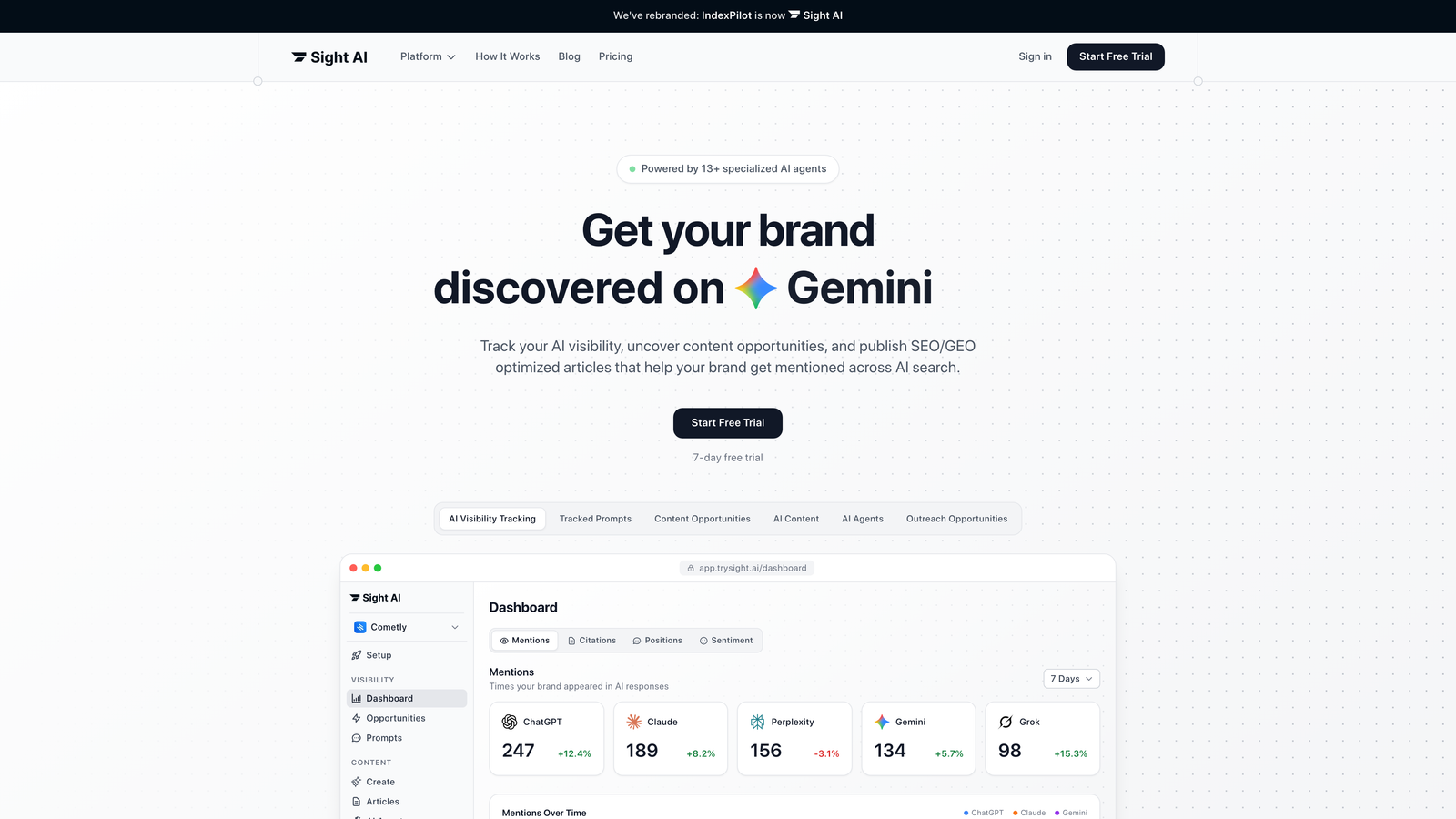
Sight AI represents a new category of content management platform that combines traditional content organization with advanced artificial intelligence capabilities designed specifically for the evolving search landscape.
Where This Tool Shines
Sight AI addresses a critical gap in modern content management: optimizing for both traditional search engines and emerging AI-powered search tools like ChatGPT, Claude, and Perplexity. While most platforms focus exclusively on Google rankings, Sight AI tracks how your content performs across the entire discovery ecosystem.
The platform's AI agents work continuously in the background, analyzing your content against current ranking factors and providing real-time optimization suggestions as you write. This proactive approach means you're improving content during creation rather than discovering issues after publication.
Key Features & Capabilities
AI Visibility Tracking: Monitor how AI models mention and recommend your brand across ChatGPT, Claude, and Perplexity with sentiment analysis and prompt tracking.
AI Content Generation: Create SEO and GEO optimized long-form articles using 13+ specialized AI agents with autopilot mode for hands-free publishing.
Automated Indexing: Instant IndexNow submissions and always-updated sitemaps ensure search engines discover your content immediately after publication.
Multi-Platform Analytics: Unified dashboard showing performance across traditional search engines and AI-powered search tools in one view.
Content Opportunity Mapping: AI-powered gap analysis identifies topics where your competitors rank but you don't, prioritizing high-impact content opportunities.
Best For / Ideal Users
Perfect for marketing teams and content agencies managing high-volume content operations who need to stay competitive as search evolves beyond traditional Google rankings. Particularly valuable for SaaS companies, digital agencies, and businesses where organic visibility directly impacts revenue growth.
Teams without dedicated SEO specialists benefit significantly from the platform's automated optimization guidance, accessing expert-level recommendations without additional hiring.
Pricing
Offers flexible pricing tiers designed for teams of all sizes, with plans scaling based on content volume and feature requirements. Enterprise options available for larger organizations requiring advanced capabilities and dedicated support.
2. HubSpot Content Hub
Best for: Marketing teams needing integrated CRM and content management capabilities
HubSpot Content Hub provides a comprehensive solution that connects content management directly with customer relationship management, making it easier to create personalized content experiences.
Where This Tool Shines
HubSpot Content Hub excels at bridging the gap between content creation and customer data, allowing teams to deliver personalized experiences based on actual visitor behavior and CRM information. The platform tracks every content interaction—from blog post views to landing page conversions—and connects these touchpoints to specific contacts in your database.
The real power emerges when content adapts dynamically based on who's viewing it. A first-time visitor sees educational content, while a returning prospect gets product-focused material. This behavioral intelligence transforms generic content into targeted experiences that move prospects through your funnel more effectively.
Key Features & Capabilities
Smart Content Personalization: Dynamically adjust content based on visitor lifecycle stage, location, device, or any CRM property without creating multiple versions.
Integrated A/B Testing: Test headlines, CTAs, and page layouts directly within the platform with automatic winner selection based on conversion goals.
Drag-and-Drop Editor: Build responsive pages and blog posts without coding while maintaining brand consistency through locked templates and modules.
SEO Recommendations: Real-time suggestions for improving on-page SEO, including keyword optimization, meta descriptions, and content structure guidance.
Multi-Language Management: Create and manage content across multiple languages with URL structure control and language-specific SEO optimization.
Workflow Automation: Set up approval processes, content review cycles, and automated publishing schedules that keep teams aligned without manual coordination.
Best For / Ideal Users
Marketing teams already invested in HubSpot's ecosystem gain maximum value since content performance data flows directly into their existing workflows and reporting dashboards. The platform eliminates data silos that plague teams using separate content and CRM systems.
B2B companies focused on lead generation particularly benefit from the closed-loop reporting that connects specific content pieces to pipeline and revenue. You can finally answer which blog posts actually drive conversions rather than just traffic.
Growing businesses that need their content infrastructure to scale alongside their marketing operations appreciate how the platform handles increasing complexity without requiring technical resources for every change.
Pricing
Starts with a free tier that includes basic content management features, with paid plans beginning around $45 per month for additional capabilities. Enterprise features require higher-tier subscriptions with custom pricing available for larger organizations.
3. Contentful
Best for: Developer-friendly teams requiring headless CMS flexibility and omnichannel content delivery
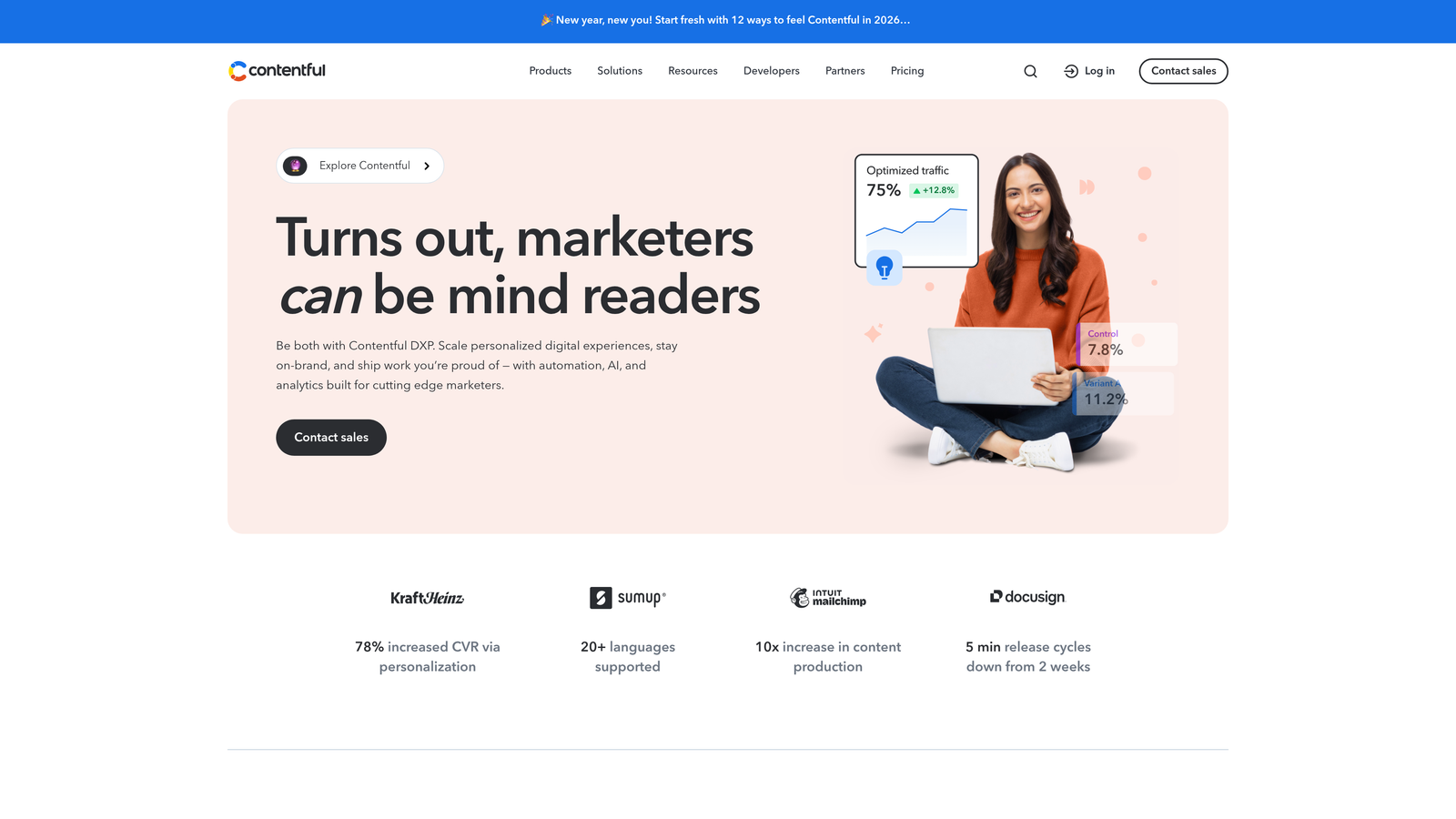
Contentful pioneered the headless CMS approach, transforming how teams think about content management by completely separating content from presentation.
Where This Tool Shines
Contentful's API-first architecture gives developers unprecedented freedom to build custom content experiences while content creators work in an intuitive interface. The platform excels at omnichannel strategies—create content once, then deliver it seamlessly across websites, mobile apps, smartwatches, digital kiosks, or any future platform that emerges.
What sets Contentful apart is its sophisticated content modeling system. You can structure complex content types with relationships between different elements, ensuring consistency whether that content appears on your website, in your mobile app, or on a digital display. The platform's real-time preview capabilities let content teams see exactly how their work will appear across different channels before publishing.
Key Features & Capabilities
Headless Architecture: Complete separation of content from presentation enables maximum deployment flexibility across any platform or device.
Powerful APIs: RESTful and GraphQL APIs provide developers with flexible options for retrieving and manipulating content programmatically.
Advanced Content Modeling: Create sophisticated content structures with relationships, validations, and custom field types that maintain consistency across all touchpoints.
Real-Time Collaboration: Multiple team members can work simultaneously with automatic conflict resolution and version history tracking.
Extensive Marketplace: Access hundreds of pre-built integrations with popular tools and services, plus the ability to build custom extensions.
Enterprise Security: SOC 2 Type II compliance, role-based access controls, and audit logs meet enterprise security requirements.
Best For / Ideal Users
Perfect for development teams and digital agencies building custom applications where content needs to flow across multiple platforms. Particularly valuable for enterprises with complex content distribution requirements—think retail brands managing product information across web, mobile, in-store displays, and partner channels.
Companies with strong technical resources who need maximum flexibility in how content gets presented will find Contentful's approach liberating. If your content strategy involves emerging platforms or custom applications, the headless architecture future-proofs your content investment.
Pricing
Free tier available for small projects and testing. Team plans start around $489 per month with increased content types, locales, and API calls. Enterprise pricing scales based on specific requirements, usage levels, and support needs.
4. WordPress VIP
Best for: Enterprise organizations requiring scalable WordPress solutions with enterprise-grade security and reliability
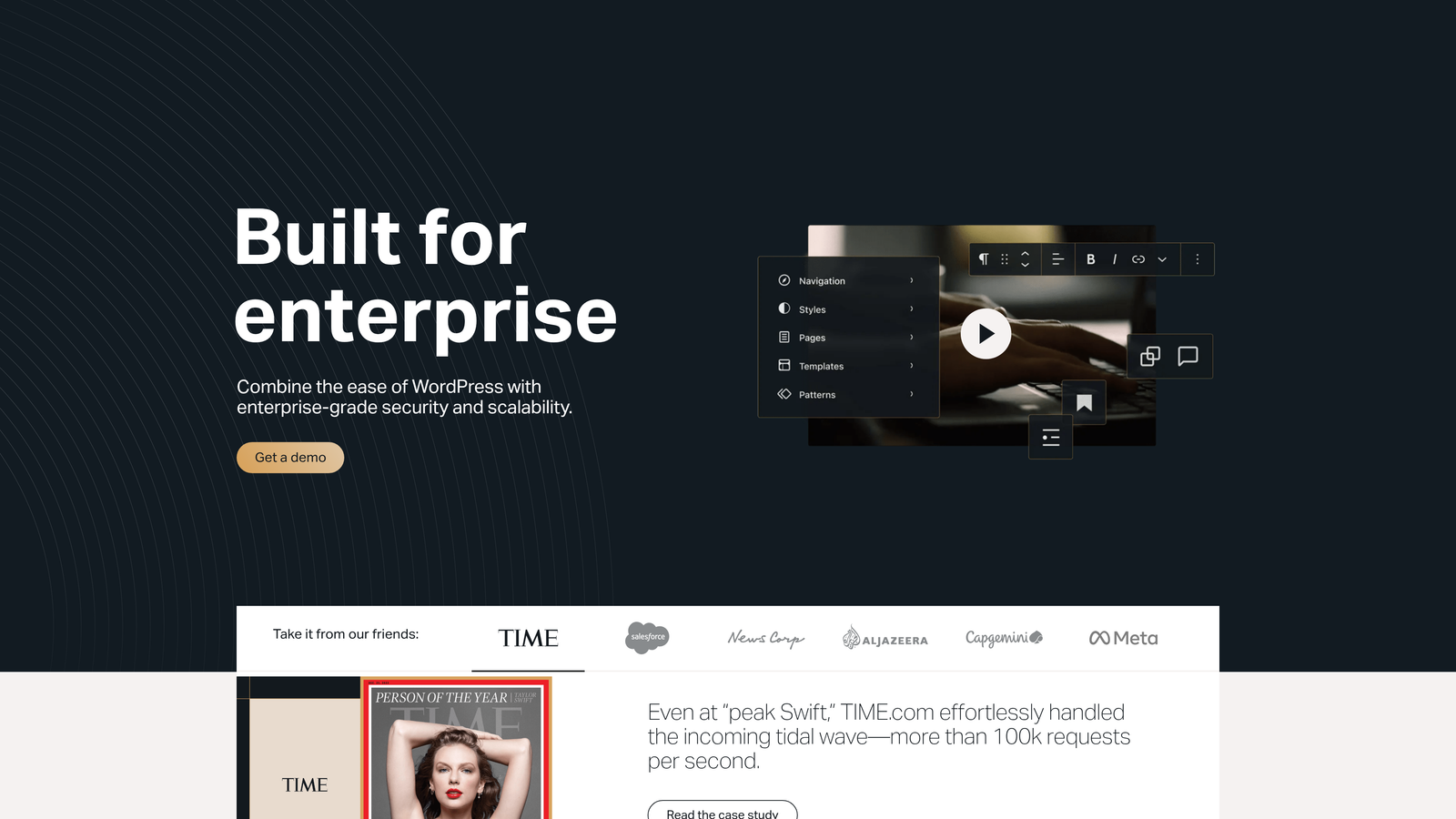
WordPress VIP provides enterprise-grade WordPress hosting and management, combining the familiar WordPress interface with infrastructure designed for high-traffic, mission-critical websites.
Where This Tool Shines
WordPress VIP transforms the world's most popular CMS into an enterprise-ready platform without sacrificing the flexibility that makes WordPress valuable. The platform automatically handles massive traffic spikes—think product launches or viral content—while maintaining consistent performance through advanced caching and auto-scaling infrastructure.
What sets WordPress VIP apart is how it bridges the gap between content teams who love WordPress's ease of use and IT departments who need enterprise security and compliance. Your content creators work in the familiar WordPress editor they already know, while your technical team gets SOC 2 compliance, dedicated support from WordPress experts, and infrastructure that scales to billions of visitors without manual intervention.
Key Features & Capabilities
Auto-Scaling Infrastructure: Handles traffic spikes automatically without manual configuration or performance degradation during high-demand periods.
Enterprise Security & Compliance: SOC 2 certified with continuous security monitoring, automated updates, and compliance features required for large organizations.
Performance Optimization: Advanced caching layers and CDN integration ensure fast page loads even under heavy traffic loads.
Expert Support: Dedicated support team with deep WordPress expertise available to help with technical challenges and optimization.
Plugin Ecosystem Access: Maintains compatibility with WordPress's extensive plugin library while ensuring security and performance standards.
Best For / Ideal Users
Designed for large enterprises, media companies, and high-traffic websites that need WordPress flexibility combined with enterprise reliability. Particularly valuable for organizations with existing WordPress expertise who are scaling beyond what standard hosting can support.
Perfect for companies managing multiple high-traffic sites, media organizations handling breaking news traffic spikes, or enterprises requiring strict security compliance while maintaining content team productivity.
Pricing
Custom enterprise pricing based on traffic volume, feature requirements, and support needs. Investment typically starts in the thousands per month, reflecting the enterprise-level infrastructure and dedicated support included.
5. Drupal
Best for: Complex websites requiring extensive customization and multilingual support
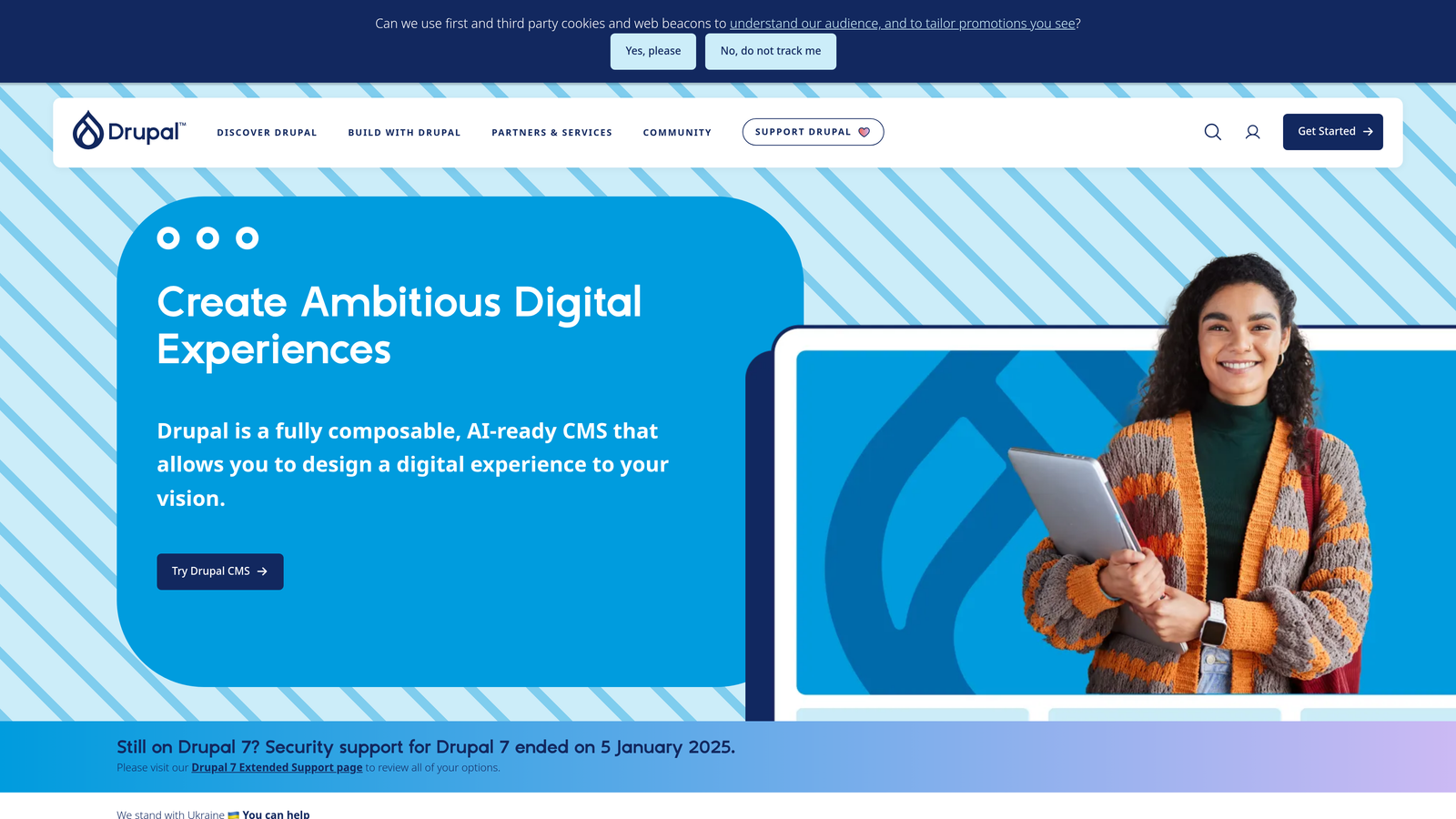
Drupal offers one of the most flexible and powerful content management systems available, particularly suited for organizations with complex content structures and advanced technical requirements.
Where This Tool Shines
Drupal's modular architecture allows for virtually unlimited customization, making it possible to build complex content workflows and user experiences that would be difficult to achieve with other platforms. The system excels at handling multiple content types, complex user permissions, and advanced taxonomy systems.
Its multilingual capabilities are among the best available, supporting organizations that need to manage content across different languages and regions while maintaining consistency and workflow efficiency. Government agencies and international organizations particularly benefit from Drupal's ability to handle complex translation workflows and region-specific content variations.
Key Features & Capabilities
Highly Customizable Modular Architecture: Build exactly the functionality you need through thousands of available modules and custom development options.
Advanced User Permissions and Workflow Management: Create sophisticated approval processes with granular control over who can create, edit, and publish different content types.
Exceptional Multilingual and Internationalization Support: Manage content in multiple languages with built-in translation workflows and locale-specific configurations.
Powerful Taxonomy and Content Organization Tools: Structure complex content relationships using advanced taxonomy systems and custom content type definitions.
Strong Security Framework with Regular Updates: Benefit from a dedicated security team that provides regular updates and maintains one of the most secure CMS platforms available.
Extensive API Capabilities for Integrations: Connect with external systems through robust REST and JSON:API implementations for headless and decoupled architectures.
Best For / Ideal Users
Best suited for government organizations, educational institutions, and large enterprises with complex content requirements. The platform works well for organizations managing multiple websites from a single installation or those requiring sophisticated content governance.
Ideal for teams with strong technical capabilities who need maximum flexibility and customization options. Organizations with dedicated development resources can leverage Drupal's extensibility to build exactly the content management solution they need.
Perfect for projects requiring strict security compliance, complex user permission structures, or advanced multilingual content management across multiple regions and departments.
Pricing
Open-source software that's free to use, though implementation, hosting, and ongoing maintenance require technical expertise or professional services. Total cost of ownership varies significantly based on complexity and support needs, with enterprise implementations often requiring substantial investment in development and infrastructure.
6. Sanity
Best for: Modern development teams prioritizing real-time collaboration and structured content
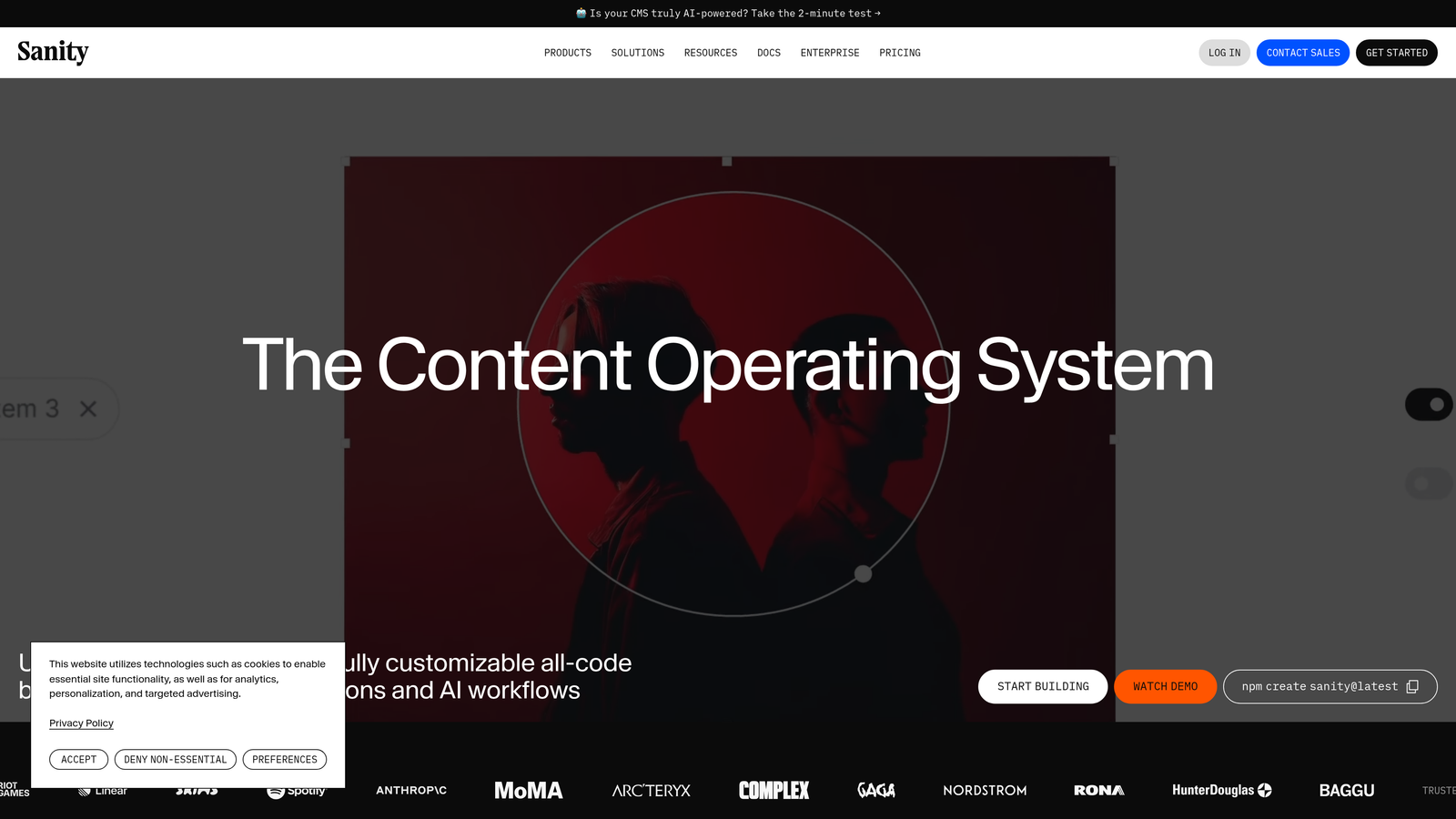
Sanity delivers a fully customizable content operating system that empowers developers to build AI-powered applications while giving content teams an intuitive editing experience.
Where This Tool Shines
Sanity's real-time collaborative editing eliminates the version control nightmares that plague traditional content management. Multiple team members can work on the same content simultaneously, with changes appearing instantly and conflicts resolved automatically. This isn't just about avoiding the "who has the latest version" problem—it fundamentally changes how teams work together.
The platform's structured content approach ensures consistency across your entire content ecosystem. Instead of storing content as rigid pages, Sanity treats content as flexible data that can be reused anywhere. Write a product description once, and it automatically appears on your website, mobile app, and marketing materials with perfect consistency.
Key Features & Capabilities
Content Lake Architecture: Centralized content storage that powers multiple applications and channels simultaneously.
Real-Time Collaboration: Live editing with instant updates and automatic conflict resolution for distributed teams.
Portable Text Editor: Rich text editing that maintains structure and formatting across different platforms.
AI Integration Ready: Built-in support for AI agents and automations to enhance content workflows.
Customizable Studio: Fully configurable editing interface that adapts to your team's specific needs.
GROQ Query Language: Powerful content retrieval system for complex data relationships and filtering.
Best For / Ideal Users
Perfect for development teams building content-rich applications who need maximum flexibility without sacrificing editor experience. Digital agencies managing multiple client projects benefit from Sanity's ability to create custom content models for each unique situation.
Startups and scale-ups appreciate how Sanity grows with them—start simple and add complexity as needs evolve. Product teams building omnichannel experiences find the structured content approach invaluable for maintaining consistency across web, mobile, and emerging platforms.
Pricing
Free tier available for small projects and experimentation. Paid plans start around $99 per month for growing teams, with enterprise pricing available for organizations requiring advanced features, dedicated support, and custom SLAs.
7. Webflow
Best for: Design-focused teams wanting visual development without coding limitations
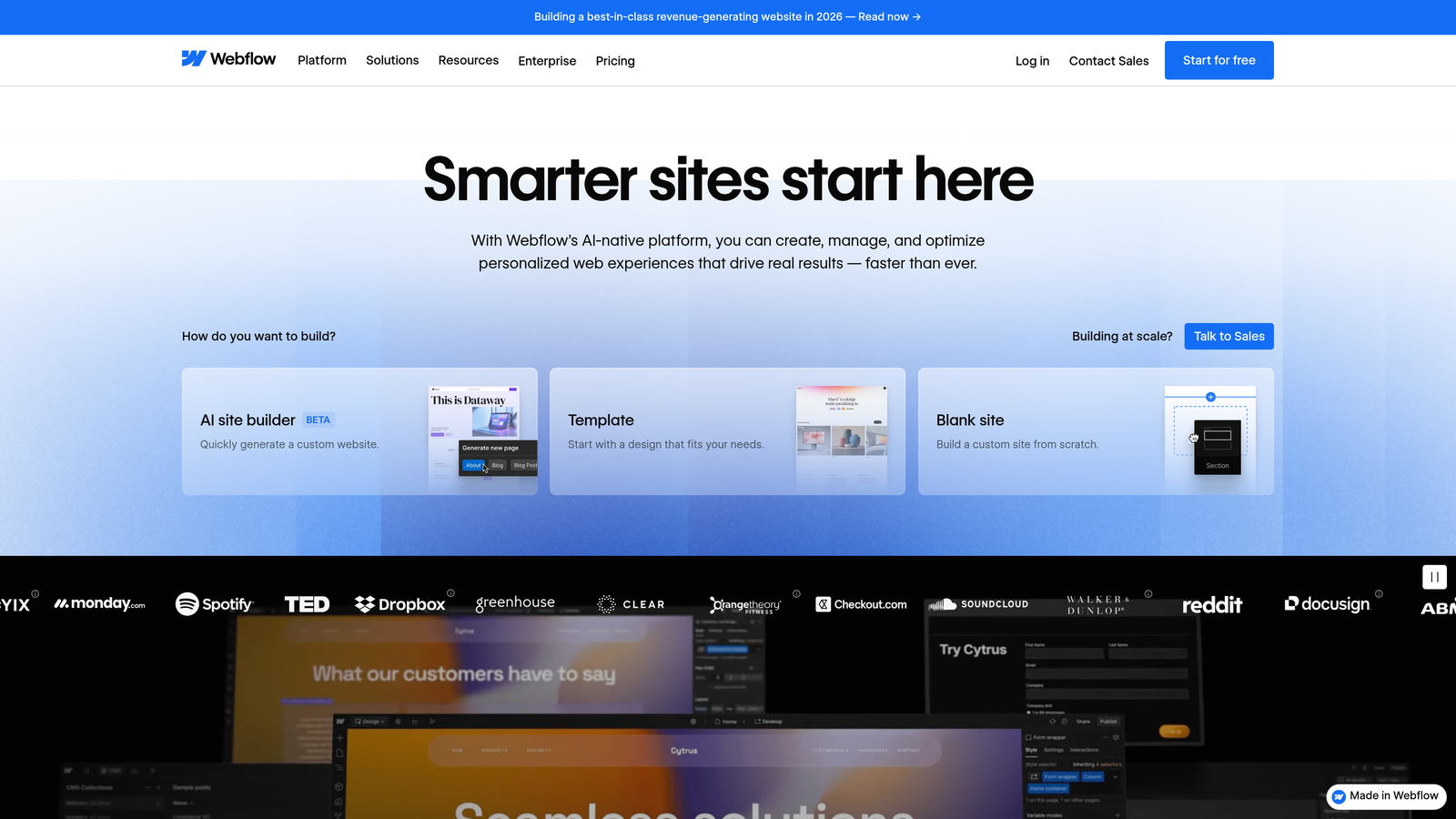
Webflow bridges the gap between design and development, allowing teams to create sophisticated websites and content experiences through visual design tools while generating clean, production-ready code.
Where This Tool Shines
Webflow empowers designers to build complex, responsive websites without writing code while maintaining the precision and control that developers demand. The platform's visual CMS transforms content management into an intuitive design experience, where editors can update dynamic content within beautifully crafted templates without breaking layouts or compromising design integrity.
The platform particularly excels at creating marketing websites and landing pages that need pixel-perfect design execution. Teams can implement sophisticated animations, interactions, and responsive behaviors through visual controls, eliminating the typical back-and-forth between designers and developers. The built-in hosting infrastructure delivers excellent performance through a global CDN, while automatic SSL certificates and security features provide enterprise-grade protection without additional configuration.
Key Features & Capabilities
Visual Design System: Create production-ready websites with complete control over HTML, CSS, and JavaScript through an intuitive visual interface that generates clean code.
Responsive Design Tools: Build device-specific layouts with precision breakpoint controls and preview designs across multiple screen sizes in real-time.
Dynamic CMS: Manage structured content through a flexible content management system that integrates seamlessly with custom designs and templates.
Advanced Interactions: Implement complex animations, scroll effects, and user interactions without writing JavaScript code through visual animation controls.
Built-In Hosting: Deploy sites instantly with automatic scaling, global CDN distribution, and comprehensive security features included.
SEO Optimization: Control meta tags, generate automatic sitemaps, and optimize page speed with built-in tools designed for search visibility.
Best For / Ideal Users
Ideal for design agencies that need to deliver visually stunning websites without extensive development resources. Perfect for marketing teams who want complete design control while maintaining the ability to update content quickly without developer assistance.
Particularly valuable for businesses launching product pages, marketing campaigns, or brand websites where design quality directly impacts conversion rates and brand perception.
Pricing
Plans start around $14 per month for basic sites, with CMS functionality available in higher tiers starting at $23 per month. Business plans offering advanced features begin at $39 monthly, with enterprise options available for organizations requiring custom solutions and dedicated support.
8. Ghost
Best for: Publishers and content creators focused on performance and simplicity
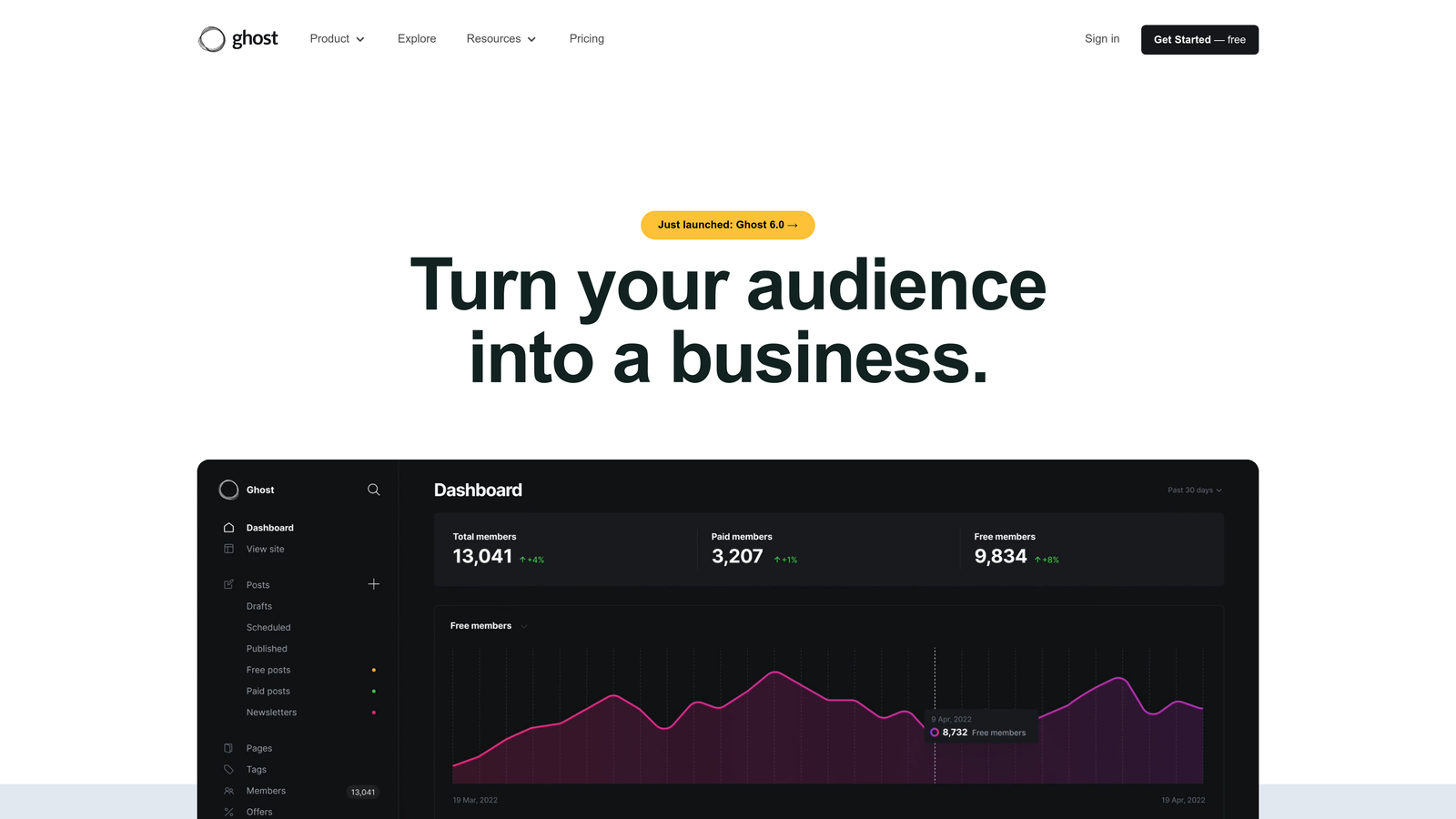
Ghost provides a streamlined publishing platform designed specifically for content creators who want to focus on writing and audience building without unnecessary complexity.
Where This Tool Shines
Ghost prioritizes speed and simplicity, offering a clean writing experience that helps content creators focus on their work rather than wrestling with complex interfaces. The platform loads exceptionally fast and provides built-in SEO optimization, making it easier for content to rank well in search results.
Its membership and subscription features allow creators to monetize their content directly, while the email newsletter integration helps build and maintain audience relationships. The platform's modern architecture ensures excellent performance even under heavy traffic loads, with major publications like Platformer, 404Media, and The Browser relying on Ghost for their content delivery.
Key Features & Capabilities
Lightning-Fast Performance: Optimized loading times ensure readers get instant access to content without waiting.
Distraction-Free Editor: Clean writing interface removes clutter and helps creators maintain focus on their content.
Built-In Monetization: Native membership and subscription tools enable direct revenue generation without third-party platforms.
Integrated Newsletters: Email functionality built directly into the platform eliminates the need for separate newsletter services.
SEO Optimization: Advanced SEO features and analytics help content perform better in search results.
Modern Themes: Responsive, customizable themes provide professional design without requiring development expertise.
Best For / Ideal Users
Perfect for independent publishers, content creators, and businesses focused on content marketing and audience building. The platform excels for newsletter writers who want to own their audience relationships rather than relying on third-party platforms.
Ideal for teams that want powerful publishing capabilities without unnecessary complexity. Works particularly well for media organizations and journalists who need reliable performance and straightforward content management.
Ghost has facilitated over $100,000,000 in creator revenue, demonstrating its effectiveness for monetization-focused content businesses.
Pricing
Managed hosting starts around $9 per month for basic plans, with higher tiers offering advanced features like custom integrations and priority support. Self-hosted option available for free with technical setup required.
Making the Right Choice
The right content management platform depends on where your team is today and where you're heading. If AI-powered search visibility matters to your strategy, Sight AI provides the optimization tools that help content perform across both traditional and emerging search platforms. For teams already invested in HubSpot's ecosystem, Content Hub's CRM integration creates powerful personalization opportunities that standalone platforms can't match.
Technical capabilities should drive your decision as much as features. Development-heavy teams benefit from the flexibility of Contentful or Sanity, where custom integrations and headless architecture support complex applications. Marketing teams without extensive technical resources often find better results with visual platforms like Webflow or the structured simplicity of Ghost.
Consider your content volume and collaboration needs carefully. Real-time editing in Sanity eliminates version control headaches for distributed teams. WordPress VIP handles enterprise-scale traffic that would overwhelm smaller platforms. Drupal's advanced permissions support complex approval workflows that growing organizations eventually need.
The content landscape continues evolving rapidly, with AI integration becoming table stakes rather than a differentiator. Platforms that help you optimize for multiple search ecosystems—not just Google—position your content for long-term discoverability. Start tracking your AI visibility today to understand how your content performs across the full spectrum of search experiences your audience actually uses.