If you've ever published a well-researched article only to watch it sit on page three while a thinner competitor piece ranks above it, semantic keyword coverage is likely part of the problem. Search engines and AI models don't just match exact phrases — they assess whether your content demonstrates genuine topical authority through the full cluster of related terms, entities, and concepts surrounding your topic.
The term "LSI keywords" technically refers to a legacy indexing method, but the underlying principle is very much alive. Modern search algorithms and AI answer engines like ChatGPT, Perplexity, and Claude all rely on semantic relationships to evaluate content depth. Getting this right means the difference between ranking and being cited — and increasingly, those two goals are converging.
Here are the top LSI keyword generators and semantic content tools worth using in 2026, evaluated on keyword depth, AI-readiness, content integration, and overall value for SEO and content teams.
1. Sight AI
Best for: Teams that want to connect semantic content strategy directly to AI search visibility outcomes.
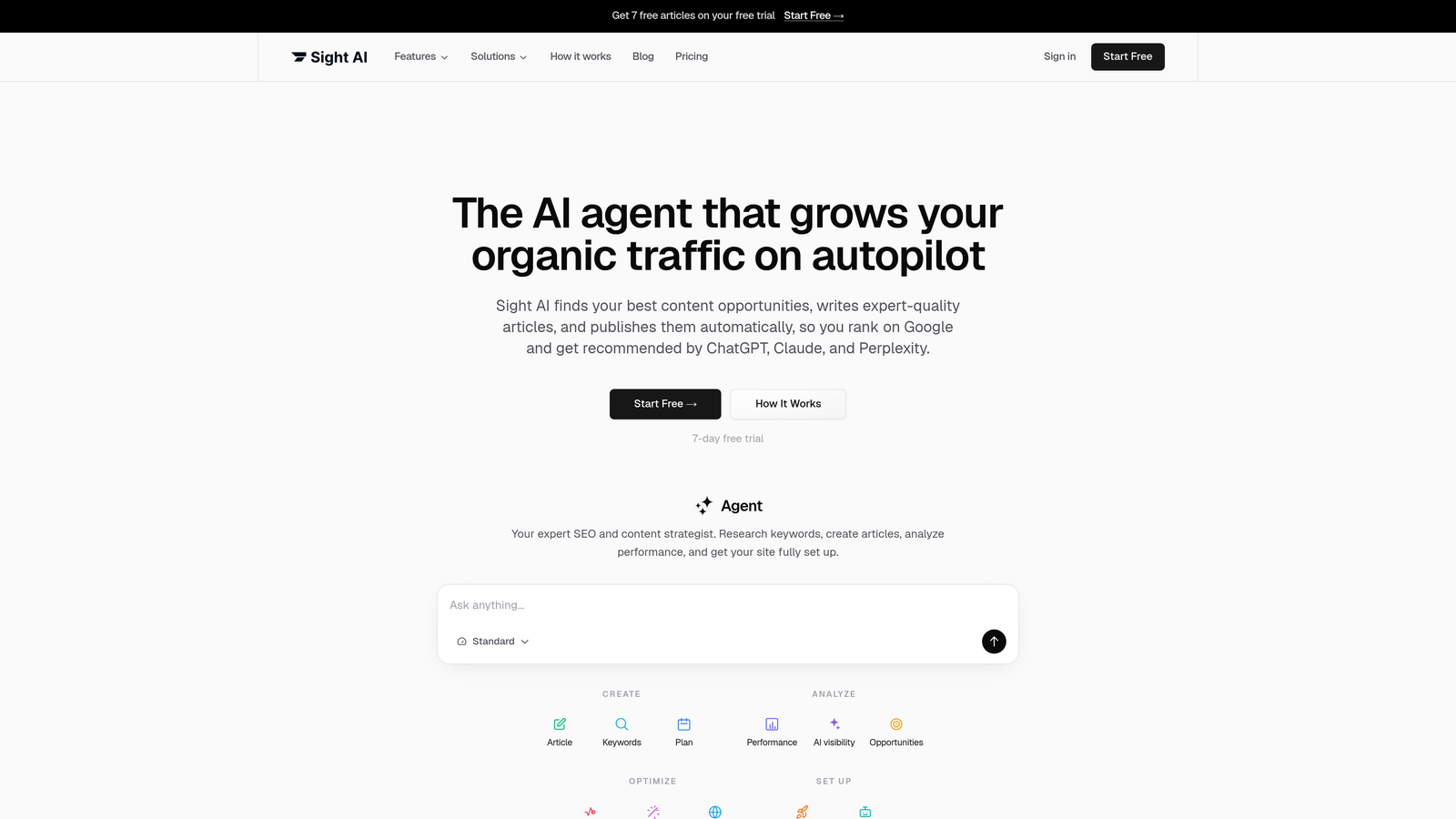
Sight AI is an all-in-one AI-powered platform that combines semantic content generation, AI visibility tracking, and automated website indexing — helping brands rank in traditional search and get cited by AI models like ChatGPT, Claude, and Perplexity.
Where This Tool Shines
Most LSI keyword tools stop at surfacing related terms. Sight AI takes the next step by actually building those semantic relationships into the content it generates. Its 13+ specialized AI agents produce articles with natural topical depth, structured to satisfy both traditional search algorithms and the comprehensiveness standards that AI answer engines apply when selecting sources to cite.
The AI Visibility Score adds a layer that no traditional keyword tool offers: real-time tracking of how your brand is mentioned across six or more AI platforms. This creates a feedback loop where you can see which semantic topics are driving AI-generated citations and adjust your content strategy accordingly. It's the closest thing to a direct line between keyword strategy and AI search outcomes.
Key Features
13+ Specialized AI Agents: Generate SEO and GEO-optimized articles — listicles, guides, explainers — with natural semantic depth baked in from the start, not added as an afterthought.
AI Visibility Score: Tracks brand mentions across ChatGPT, Claude, Perplexity, and three or more additional AI platforms, giving you a clear picture of your AI search presence.
Prompt Tracking: Reveals which specific semantic queries and prompt patterns surface your brand in AI-generated responses — reverse-engineering the language that drives AI citations.
IndexNow Integration: Automatically submits new content to search engines for rapid discovery, reducing the lag between publishing and indexing.
Autopilot Mode: Hands-off content generation and CMS publishing for teams that need to scale output without scaling headcount.
Best For
Marketers, founders, and agencies who want to optimize for both traditional search rankings and AI-driven answer engines simultaneously. Particularly strong for teams that have outgrown standalone keyword tools and need an integrated platform connecting content creation to measurable AI visibility outcomes.
Pricing
Paid plans available. Visit trysight.ai for current pricing details, as plans are updated regularly.
2. Writesonic
Best for: Content teams that want to move quickly from keyword research to finished draft in a single integrated workflow.
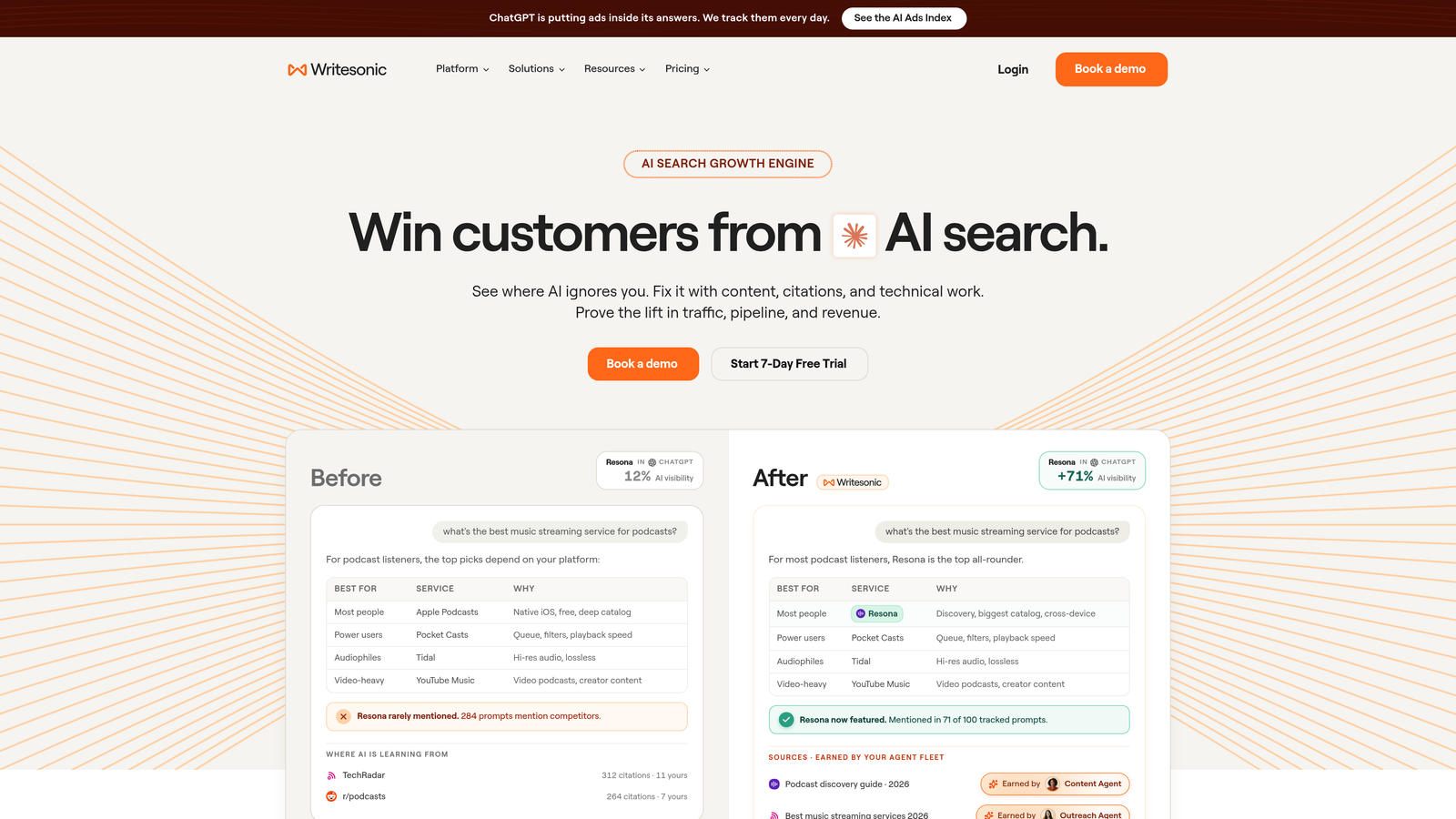
Writesonic is an AI content platform that integrates keyword research with content generation, enabling teams to produce semantically rich articles at scale.
Where This Tool Shines
Writesonic's strength is workflow compression. Rather than jumping between a keyword tool, a content brief builder, and a writing assistant, teams can handle the full process inside one platform. The AI article writer doesn't just insert keywords mechanically — it weaves related semantic terms into drafts in a way that reads naturally while improving topical coverage.
Chatsonic, its conversational AI interface, is particularly useful for exploratory keyword and topic research. You can ask it to surface related concepts, identify semantic gaps in existing content, or suggest supporting subtopics — all in a conversational format that's faster than navigating traditional keyword tools.
Key Features
AI Article Writer: Incorporates related keyword suggestions directly into content drafts, reducing manual optimization work after generation.
Chatsonic: A conversational interface for keyword ideation, topic research, and semantic cluster exploration.
SEO-Focused Templates: Pre-built content templates designed with semantic keyword integration in mind, useful for maintaining structural consistency at scale.
Brand Voice Customization: Ensures semantic positioning stays consistent with your brand's established language and tone across all generated content.
Best For
Content marketers and agencies that prioritize speed-to-draft and want an integrated keyword-to-content workflow. Less suited for teams that need deep standalone keyword analysis or AI search visibility tracking.
Pricing
Free plan available. Paid plans start at approximately $16/month — verify current pricing directly on the Writesonic website, as plans change frequently.
3. AirOps
Best for: Technically inclined SEO teams that want to build custom semantic keyword workflows tailored to their specific research process.
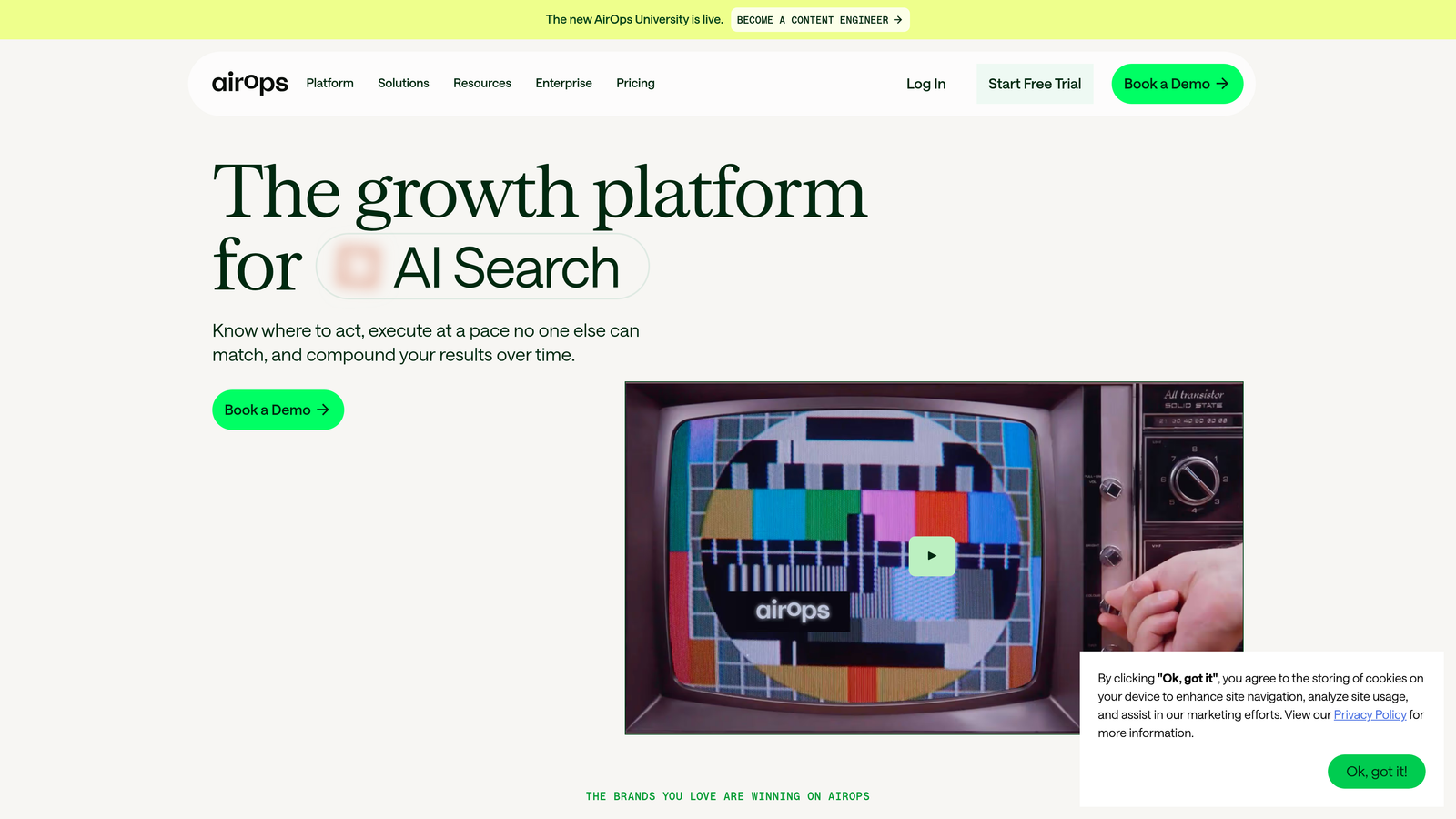
AirOps is a workflow automation platform that lets SEO and content teams build custom AI pipelines for semantic keyword clustering, content briefs, and research workflows.
Where This Tool Shines
AirOps isn't a plug-and-play LSI keyword tool — it's a platform for building your own. That distinction matters for teams with specific research methodologies or data sources they want to incorporate. You can configure pipelines that pull semantic keyword data, cluster it by topic, and output structured content briefs automatically, all without writing code.
The real advantage is repeatability. Once you've built a semantic keyword workflow that works, you can run it across dozens of topics with consistent structure. For agencies managing content at scale, this kind of systematized approach to semantic research can significantly reduce the time spent on brief creation.
Key Features
Custom AI Workflow Builder: Design your own semantic keyword research and clustering pipelines without engineering support.
External Data Source Integration: Pull in data from third-party tools and APIs to enrich keyword context within your workflows.
Reusable Content Brief Templates: Build brief structures with semantic keyword fields baked in, ensuring writers always have the topical context they need.
Team Collaboration Features: Share workflows and templates across content teams for consistent, scalable operations.
Best For
SEO teams and agencies comfortable with workflow configuration who want to systematize semantic keyword research. Less ideal for users looking for a simple, out-of-the-box keyword discovery experience.
Pricing
Free tier available. Paid plans vary — verify current pricing on the AirOps website before committing.
4. Profound
Best for: Brands that need to understand how they and their competitors are represented across AI-generated search responses.
Profound is an AI search analytics platform that reveals how brands and topics are represented across AI-generated responses, providing reverse-engineered semantic keyword intelligence.

Where This Tool Shines
Profound approaches semantic keyword intelligence from an unusual angle: instead of suggesting related terms based on search volume data, it analyzes what language AI models actually use when discussing topics in your category. This gives you a picture of the semantic vocabulary that matters in AI-mediated search environments, not just traditional web search.
The content gap analysis is particularly valuable. By showing you where competitors appear in AI-generated responses but your brand does not, Profound helps you identify the specific topical clusters you need to build authority around. It's a strategic planning tool as much as a keyword tool.
Key Features
AI Platform Representation Tracking: Monitors how your brand and topic category are discussed across major AI platforms, surfacing the semantic language patterns in use.
Content Gap Identification: Highlights topics where competitors are being cited by AI models but your brand is absent, revealing clear content priorities.
AI Search Share of Voice: Category-level reporting on how much of the AI-generated conversation your brand is capturing versus competitors.
Semantic Topic Surfacing: Extracts the related terms and concepts AI models associate with your brand and category, informing keyword strategy.
Best For
Marketing teams and agencies focused on AI search strategy who want data-driven insight into which semantic topics to prioritize for AI visibility. Works well alongside traditional keyword tools rather than as a standalone replacement.
Pricing
Pricing available on request. Verify current plans directly on the Profound website.
5. Peec
Best for: Brands monitoring how AI models contextualize their mentions and looking to improve the semantic associations surrounding their name.
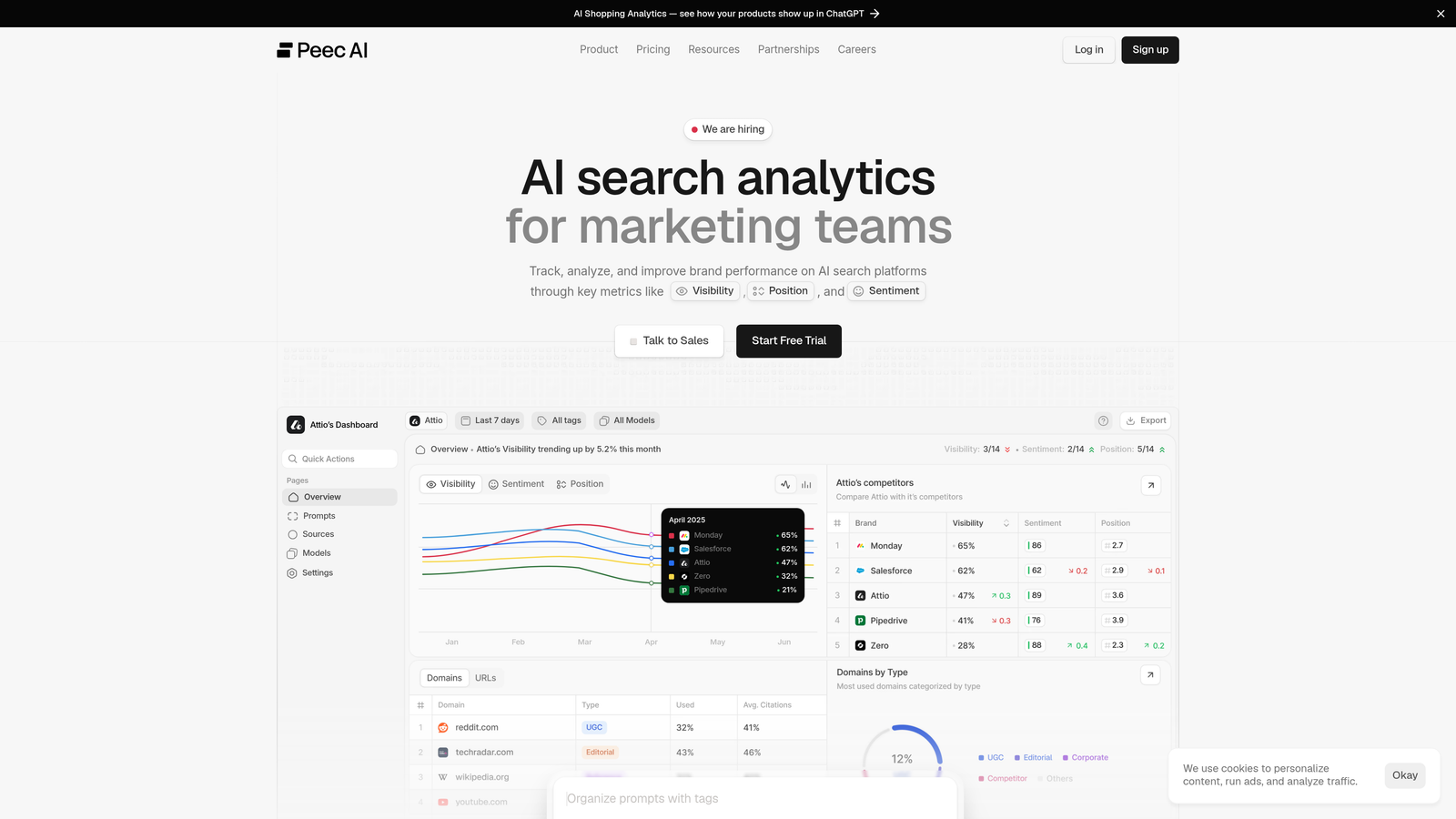
Peec is an AI visibility monitoring tool that tracks how brands appear in AI-generated content, revealing the contextual semantic language surrounding brand mentions.
Where This Tool Shines
Peec focuses on the context around brand mentions in AI responses, not just whether a mention occurred. This distinction matters for semantic keyword strategy because it tells you which related terms and topics AI models consistently associate with your brand — and whether that association is accurate, favorable, or missing key elements of your positioning.
Competitor tracking adds another strategic dimension. By analyzing how AI models describe competitors in your category, you can identify semantic territory they're owning and decide whether to challenge it or carve out differentiated positioning through targeted content.
Key Features
Brand Mention Monitoring: Tracks appearances across AI model outputs, giving you consistent visibility into your AI search presence over time.
Semantic Context Analysis: Examines the language and related terms surrounding each brand mention, not just the mention itself.
Sentiment Tracking: Evaluates whether AI-generated mentions frame your brand positively, neutrally, or negatively.
Competitor Positioning Analysis: Reveals how AI models describe competitors, helping you identify semantic gaps and opportunities in your content strategy.
Best For
Brand managers and content strategists who want to understand and actively shape how AI models contextualize their brand. Useful for both defensive monitoring and proactive semantic content planning.
Pricing
Verify current pricing directly on the Peec website.
6. Promptwatch
Best for: SEO and content teams who want to understand the actual query language driving AI-generated brand citations.
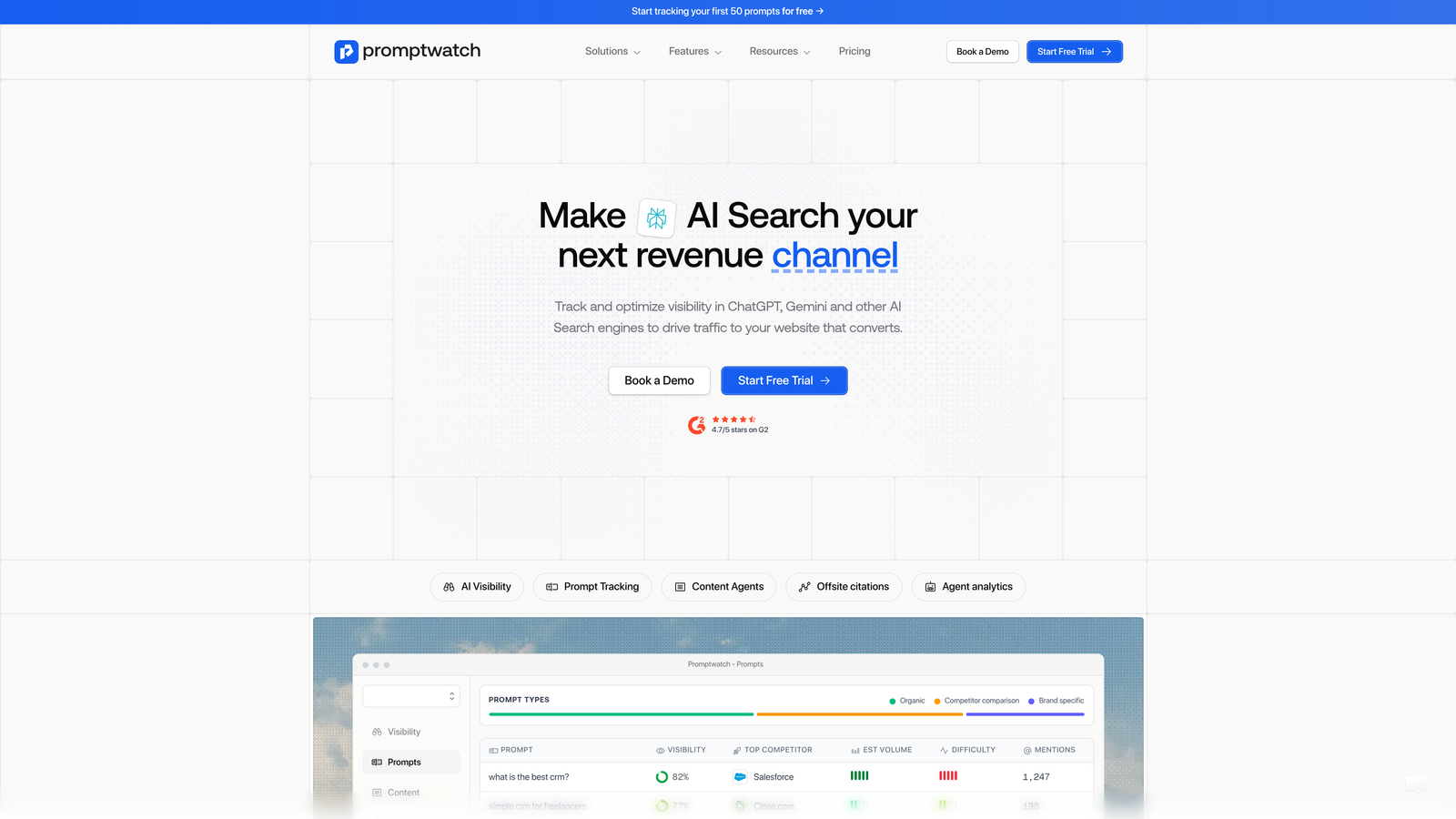
Promptwatch is a prompt-level AI tracking tool that maps which queries and semantic language patterns drive brand mentions in AI model responses.
Where This Tool Shines
Promptwatch operates at the prompt level, which is a genuinely different layer of analysis from most AI visibility tools. Rather than just tracking whether your brand appears in AI responses, it identifies which specific user queries triggered those appearances. This is the semantic keyword equivalent of search query data — you're seeing the actual language patterns that connect user intent to your brand in AI-mediated environments.
For content strategy, this is actionable in a direct way. If you can see that your brand surfaces when users ask AI models about a specific topic cluster, you know which semantic territory to defend and expand. If you're absent from certain query types where you should logically appear, you have a clear content brief.
Key Features
Prompt-Level Tracking: Identifies the specific queries that surface your brand in AI model responses, providing granular semantic intent data.
Semantic Query Language Analysis: Reveals the vocabulary and phrasing patterns that drive AI-generated brand citations, informing keyword and content strategy.
Performance Monitoring Over Time: Tracks how prompt-level visibility changes as you publish new content, creating a feedback loop between content investment and AI search outcomes.
Content Strategy Insights: Translates prompt data into actionable content recommendations based on real AI query patterns rather than assumptions.
Best For
Content strategists and SEO professionals who want granular data on the semantic query patterns driving AI search visibility. Particularly useful for brands in competitive categories where understanding the precise language of AI-generated recommendations matters.
Pricing
Verify current pricing directly on the Promptwatch website.
Which Tool Fits Your Strategy
The right tool depends on where you're trying to win. These six options cover meaningfully different ground, and for many teams, the answer is a combination rather than a single platform.
If you're building custom semantic research workflows, AirOps gives you the flexibility to systematize your process. If you want integrated keyword-to-draft content generation, Writesonic compresses the workflow effectively. For AI search analytics and understanding the semantic landscape of AI-generated responses, Profound, Peec, and Promptwatch each offer specialized tracking from different angles — topic representation, brand context, and prompt-level query data respectively.
The broader pattern worth noting: as AI answer engines become a primary discovery channel, the gap between "ranking for a keyword" and "being cited by an AI model" is narrowing. Traditional LSI keyword strategy and modern GEO optimization are converging. The tools that serve both goals simultaneously are becoming significantly more valuable than those that serve only one.
Sight AI is built specifically for that converged reality. Its AI agents generate content with the semantic depth required for traditional rankings while structuring articles to earn citations in AI-generated responses. The AI Visibility Score and prompt tracking close the loop by showing you whether your content investments are actually moving the needle across AI platforms.
For teams that want to stop guessing how AI models like ChatGPT and Claude talk about their brand and start making data-driven decisions about semantic content strategy, the combination of generation and visibility tracking in one platform is difficult to replicate by stitching together point solutions.
Start tracking your AI visibility today and see exactly where your brand appears across top AI platforms — then use that intelligence to build content that earns its place in both traditional search results and AI-generated answers.