Long form content consistently outperforms shorter pieces in search rankings, but creating comprehensive 2,000+ word articles at scale remains one of the biggest challenges for marketing teams. The resource drain is real: research takes hours, writing demands focus, and maintaining quality across dozens of articles stretches even the most capable teams thin.
A long form article generator for SEO can transform this bottleneck into a competitive advantage—when used strategically.
The difference between mediocre AI-generated content and articles that actually rank lies not in the tool itself, but in how you deploy it. Many teams rush to generate content without a framework, producing generic articles that disappear into the depths of search results. Others treat generators as magic solutions that require no strategic input, only to discover their content fails to connect with readers or search algorithms.
This guide reveals seven battle-tested strategies that help marketers, founders, and agencies leverage long form generators to build topical authority, capture featured snippets, and drive sustainable organic traffic growth. These approaches work because they combine the efficiency of AI generation with the strategic thinking that separates ranking content from noise.
1. Build Topic Clusters Instead of Isolated Articles
The Challenge It Solves
Publishing scattered articles on random topics might generate some traffic, but it rarely builds the authority needed to rank for competitive keywords. Search engines increasingly reward websites that demonstrate comprehensive expertise in specific areas through interconnected content networks. When you publish isolated articles without a cohesive structure, you miss the compounding effect that makes topic clusters so powerful for SEO.
The Strategy Explained
Topic clusters organize your content around pillar pages and supporting articles that link together strategically. Your pillar page covers a broad topic comprehensively, while cluster content explores specific subtopics in depth. A long form content generator accelerates this approach by enabling you to create the entire cluster systematically rather than piecing it together over months.
Think of it like building a neighborhood instead of constructing random houses across a city. When search engines crawl your site, they discover a concentrated area of expertise with clear pathways between related concepts. This architecture signals topical authority far more effectively than disconnected content.
The key is planning your cluster architecture before generation begins. Map your pillar topics, identify supporting subtopics, and determine internal linking structures. This upfront investment ensures every generated article serves a strategic purpose within your broader content ecosystem.
Implementation Steps
1. Identify 3-5 pillar topics central to your business where you want to establish authority and competitive rankings.
2. Research 8-12 supporting subtopics for each pillar by analyzing competitor content, keyword research tools, and common customer questions.
3. Create detailed content briefs for your pillar page and cluster articles, specifying how each piece connects to others through internal links.
4. Generate cluster content systematically, starting with pillar pages and working through supporting articles in logical order.
5. Implement strategic internal linking as you publish, ensuring every cluster article links to the pillar and related cluster pieces.
Pro Tips
Start with one complete cluster before expanding to others. This focused approach lets you refine your generation process and see results faster. Monitor how your cluster performs as a unit rather than obsessing over individual article rankings. The real power emerges when search engines recognize your concentrated expertise across multiple interconnected pieces.
2. Front-Load Research Before Generation
The Challenge It Solves
The temptation with long form generators is to input a basic prompt and hope for the best. This shortcut consistently produces generic content that reads like every other AI-generated article on the topic. Without substantial research informing the generation process, your output lacks the depth, specificity, and unique angles that make content genuinely valuable to readers and search engines alike.
The Strategy Explained
Quality research transforms a long form article generator from a content factory into a strategic asset. When you invest time analyzing top-ranking competitors, identifying content gaps, and gathering unique insights before generation, you provide the raw material that elevates output quality dramatically.
This approach treats the generator as an acceleration tool rather than a thinking tool. You handle the strategic analysis—what angles competitors miss, which questions remain unanswered, what unique perspective your brand brings—and the generator handles the time-consuming work of structuring and expanding that research into comprehensive long form content.
The research phase should answer specific questions: What do top-ranking articles cover? Where do they fall short? What questions do readers ask that existing content ignores? What proprietary data or insights can you add? These answers become the foundation for briefs that guide generation toward differentiated, valuable content.
Implementation Steps
1. Analyze the top 10 search results for your target keyword, documenting common themes, unique angles, and content gaps.
2. Review related questions from "People Also Ask" boxes and forums like Reddit to identify unaddressed reader concerns.
3. Compile proprietary insights, customer data, or unique perspectives your brand can contribute to the topic.
4. Create a detailed content brief specifying required sections, key points to emphasize, and differentiation strategies.
5. Feed this comprehensive brief to your generator with clear instructions about tone, depth, and structural requirements.
Pro Tips
Dedicate at least 30-45 minutes to research for each long form article you plan to generate. This investment pays dividends in output quality and differentiation. Keep a swipe file of particularly strong competitor articles and note what makes them effective—these observations refine your briefs over time and help you identify patterns in what works.
3. Optimize for Featured Snippets and AI Citations
The Challenge It Solves
Traditional SEO focused exclusively on ranking in the main search results, but the landscape has shifted dramatically. Featured snippets capture position zero and drive significant traffic, while AI-powered search platforms like ChatGPT, Claude, and Perplexity are becoming primary research tools for many users. Content that fails to structure information for these formats misses critical visibility opportunities.
The Strategy Explained
Long form content offers unique advantages for capturing featured snippets and AI citations because comprehensiveness creates multiple opportunities for extraction. The strategy involves structuring generated content with specific formatting patterns that search engines and AI models recognize as snippet-worthy and citation-friendly.
Featured snippets typically extract concise answers from longer content—definitions in paragraph form, steps in numbered lists, comparisons in tables. When you configure your long form article generator to include these formats strategically throughout articles, you create multiple entry points for snippet capture.
AI citations follow similar patterns but prioritize content that directly answers questions with clear, authoritative information. Platforms like Perplexity and ChatGPT cite sources that provide definitive answers without unnecessary fluff. Structure your generated content to deliver this clarity while maintaining the depth that long form requires.
Implementation Steps
1. Identify question-based keywords related to your topic that commonly trigger featured snippets in search results.
2. Structure your content brief to include direct answers to these questions in the first 2-3 sentences of relevant sections.
3. Use clear formatting with H2 and H3 headings that mirror common search queries exactly when appropriate.
4. Include concise definitions, step-by-step instructions, and comparison points formatted as simple, scannable paragraphs.
5. Monitor which sections of your published content get extracted as snippets or cited by AI platforms to refine future generation.
Pro Tips
Answer the core question in the first paragraph of each major section, then expand with supporting details. This structure serves both human readers and extraction algorithms. Test your published content by asking AI platforms questions related to your topic—if your articles get cited, you've succeeded in optimizing for this new visibility channel.
4. Layer Human Expertise Into Generated Content
The Challenge It Solves
AI-generated content, no matter how sophisticated, draws from the same training data accessible to your competitors. When everyone uses similar generators with similar prompts, the resulting articles sound remarkably alike. This homogenization creates a differentiation crisis where content fails to stand out in search results or provide unique value to readers who've seen the same information packaged slightly differently across multiple sites.
The Strategy Explained
The solution lies in treating generated drafts as foundations rather than finished products. Your competitive advantage comes from layering in elements that AI cannot replicate: proprietary research, specific case examples from your experience, unique frameworks you've developed, and brand voice that reflects your actual perspective.
This hybrid approach combines the efficiency of AI generation with the authenticity of human expertise. The generator handles the heavy lifting of structure, research synthesis, and comprehensive coverage. You add the elements that transform generic content into something genuinely valuable and distinctive.
Think of it like cooking with a meal kit versus a restaurant meal. The meal kit provides ingredients and basic instructions efficiently, but the chef's technique, seasoning choices, and presentation create the memorable experience. Your expertise serves the same function for AI-powered long form article writing.
Implementation Steps
1. Generate your long form article draft using comprehensive briefs and strategic prompts as outlined in previous strategies.
2. Review the draft and identify 3-5 sections where you can add proprietary insights, specific examples, or unique data.
3. Insert real case studies from your experience, customer examples with permission, or original research findings that competitors cannot access.
4. Refine the introduction and conclusion with your authentic brand voice and perspective on why this topic matters.
5. Add tactical details based on hands-on experience—the specific challenges, unexpected obstacles, or nuanced considerations that only practitioners know.
Pro Tips
Focus your human editing time on sections that provide the most differentiation value rather than polishing every sentence. The introduction, key strategic sections, and conclusion deserve the most attention because they establish your unique perspective. Keep a running document of proprietary insights, frameworks, and examples you can draw from when enhancing generated content—this resource accelerates the layering process over time.
5. Implement Strategic Content Refreshing Cycles
The Challenge It Solves
Content decay is inevitable. Articles that rank well today gradually lose positions as competitors publish newer content, search algorithms evolve, and information becomes outdated. Manually updating dozens of long form articles consumes enormous resources, creating a maintenance burden that many teams simply cannot sustain. This leads to a slow erosion of hard-won rankings and organic traffic.
The Strategy Explained
An automated long form article generator excels at systematic content refreshing when deployed strategically. Rather than starting from scratch or manually rewriting entire sections, you can use generation capabilities to expand existing content with new information, update outdated sections, and add depth to areas where competitors have raised the bar.
The key is establishing a regular refresh cycle based on content performance and competitive dynamics. High-value articles that drive significant traffic deserve quarterly reviews. Supporting content might need updates annually. This systematic approach prevents decay while focusing resources on content that matters most to your business.
Content refreshing works particularly well with generators because you can provide the existing article as context and request specific enhancements: "Add a section covering recent developments in X," "Update statistics with current data," or "Expand the section on Y with three additional strategies." This targeted approach maintains what works while strengthening weak areas.
Implementation Steps
1. Audit your existing content to identify high-value articles showing ranking declines or traffic drops over the past 3-6 months.
2. Analyze what's changed since publication—new competitor content, algorithm updates, industry developments, or outdated information.
3. Create refresh briefs specifying which sections need updating, what new information to add, and where to expand depth.
4. Use your generator to create updated sections or entirely new segments that address identified gaps.
5. Republish refreshed content with updated publication dates and implement automated indexing to signal freshness to search engines.
Pro Tips
Track content refresh dates in a spreadsheet with performance metrics before and after updates. This data helps you identify which types of refreshes deliver the best ROI and refine your approach. Prioritize refreshing content that ranks on page two of search results—these articles often need just a quality boost to break into page one positions where traffic increases dramatically.
6. Align Generation with Search Intent Mapping
The Challenge It Solves
Not all long form content serves the same purpose. An article targeting informational intent requires different structure, depth, and style than one addressing commercial or transactional intent. Generic generation approaches that ignore these intent distinctions produce content that technically covers a topic but fails to satisfy what users actually want when they search for specific keywords.
The Strategy Explained
Search intent mapping transforms how you configure your long form article generator. By analyzing the intent behind target keywords—informational, commercial, navigational, or transactional—you can adjust generation parameters to create content that truly satisfies user needs.
Informational intent demands comprehensive education without sales pressure. Commercial intent requires balanced comparisons that help users evaluate options. Transactional intent needs clear product information and streamlined paths to conversion. When you align your generation approach with these intent types, the resulting content performs better because it matches what users expect.
This strategy involves analyzing top-ranking results for your target keyword to identify intent patterns. What format do high-ranking articles use? How much product information versus educational content do they include? What questions do they answer? These observations inform how you brief your generator for that specific keyword.
Implementation Steps
1. Classify your target keywords by primary search intent using SERP analysis and keyword research tools.
2. Study the top 5 ranking results for each keyword to identify common structural patterns and content approaches.
3. Create intent-specific content brief templates that guide generation toward appropriate formats and tones.
4. Configure generation parameters to emphasize education for informational intent, comparison for commercial intent, or product details for transactional intent.
5. Test published content against user engagement metrics to validate that your intent alignment actually satisfies visitor needs.
Pro Tips
When in doubt about intent, let the SERPs be your guide. If top-ranking results are comprehensive guides without product mentions, that signals informational intent regardless of what keyword research tools suggest. Create a library of successful intent-aligned articles you can reference when briefing new generation projects—these examples help you identify patterns that work for each intent type.
7. Accelerate Indexing and Visibility Post-Publication
The Challenge It Solves
Publishing excellent long form content means nothing if search engines take weeks to discover and index it. Traditional indexing relies on search engine crawlers eventually finding new pages, creating a frustrating lag between publication and visibility. During this delay, competitors may publish similar content that gets indexed first, and time-sensitive topics lose relevance before your article even enters the race.
The Strategy Explained
Modern indexing workflows eliminate this bottleneck through automation and proactive notification. IndexNow protocol enables instant notification to search engines when you publish new content, dramatically reducing the time between publication and indexing. Combined with monitoring tools that track both traditional search visibility and AI platform citations, you create a complete post-publication system.
This strategy matters particularly for long form content because comprehensive articles often target multiple keywords and can capture various featured snippets. Faster indexing means you start competing for these positions immediately rather than surrendering weeks of potential traffic to competitors.
The visibility monitoring component extends beyond traditional search rankings. As AI-powered search platforms become primary research tools, tracking whether ChatGPT, Claude, Perplexity, and other AI models cite your content provides critical feedback about whether your optimization strategies work for this new visibility channel.
Implementation Steps
1. Implement automated IndexNow integration that notifies search engines immediately when you publish or update content.
2. Set up automated sitemap updates that reflect new and refreshed content without manual intervention.
3. Monitor indexing status in Google Search Console to verify that published articles get discovered and indexed within 24-48 hours.
4. Track AI visibility across platforms like ChatGPT, Claude, and Perplexity to understand how AI models reference your content.
5. Analyze which content formats and topics get indexed fastest and cited most frequently to refine your generation strategy.
Pro Tips
Don't just publish and hope. Actively monitor your content's journey from publication to visibility across all channels. The data you gather about indexing speed, initial rankings, and AI citations provides invaluable feedback that improves your entire content operation. If certain articles get indexed and cited quickly while others lag, investigate what differentiates the successful content and replicate those patterns.
Putting These Strategies Into Action
Start with topic cluster planning. This foundation determines how effectively your generated content builds authority rather than just adding volume. Map one complete cluster before expanding to others—this focused approach lets you refine your process and see results that validate the investment.
The research phase separates content that ranks from content that disappears. Treat your long form article generator as an acceleration tool rather than a replacement for strategic thinking. The generator handles the time-consuming work of writing comprehensive content, but you provide the differentiation through research, unique insights, and strategic direction.
Remember that these strategies work together synergistically. Topic clusters gain more traction when individual articles capture featured snippets. Research-informed briefs produce better drafts that require less human editing. Content refreshing maintains the authority you build through systematic publishing. Strategic indexing ensures every article competes for visibility immediately rather than sitting in publication limbo.
Measure success through both traditional SEO metrics and AI visibility scores. Track organic traffic growth, keyword rankings, and featured snippet captures alongside how often AI platforms cite your content. This comprehensive view reveals whether your optimization strategies work across all channels where potential customers discover brands. Using an SEO content platform with analytics helps you monitor these metrics effectively.
Build a sustainable content operation that compounds over time. The first month of implementing these strategies requires significant upfront work—planning clusters, developing research processes, creating brief templates. But this investment pays dividends as your system matures. You'll generate higher-quality content faster, maintain it more efficiently, and build authority that competitors struggle to match.
The brands winning with long form content in 2026 aren't just publishing more—they're publishing strategically with systems that combine AI efficiency and human expertise. These seven strategies provide that system.
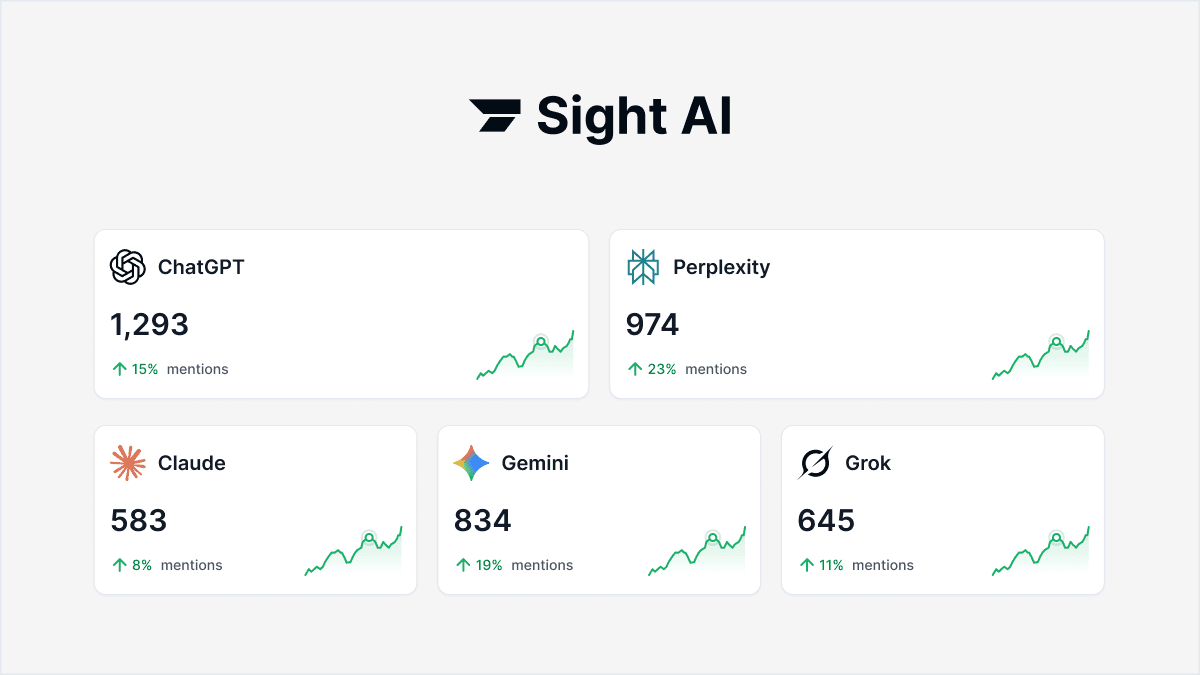
Start tracking your AI visibility today and see exactly where your brand appears across top AI platforms. Stop guessing how AI models like ChatGPT and Claude talk about your brand—get visibility into every mention, track content opportunities, and automate your path to organic traffic growth.