Explainer content sits at the top of the content marketing value chain. Guides, how-tos, and educational articles that answer real questions drive organic traffic, build topical authority, and increasingly, get cited by AI models like ChatGPT, Claude, and Perplexity when users ask about your category. The problem is producing this content at scale without letting quality slip.
A new generation of explainer content automation tools is changing that equation. These platforms handle different parts of the workflow: topic discovery, AI-optimized writing, prompt management, indexing, and AI visibility tracking. The best ones don't just help you publish faster; they help your content get found in both traditional search and AI-powered search surfaces.
This list covers the top explainer content automation tools available in 2026, evaluated on how well they support the full content workflow. Whether you're a solo founder, a growth marketer, or an agency running content operations for multiple clients, there's a tool here built for your situation. For a broader look at the landscape, check out our guide to AI content creation tools.
1. Sight AI
Best for: Marketers and agencies who want to create, publish, and track explainer content in one platform.
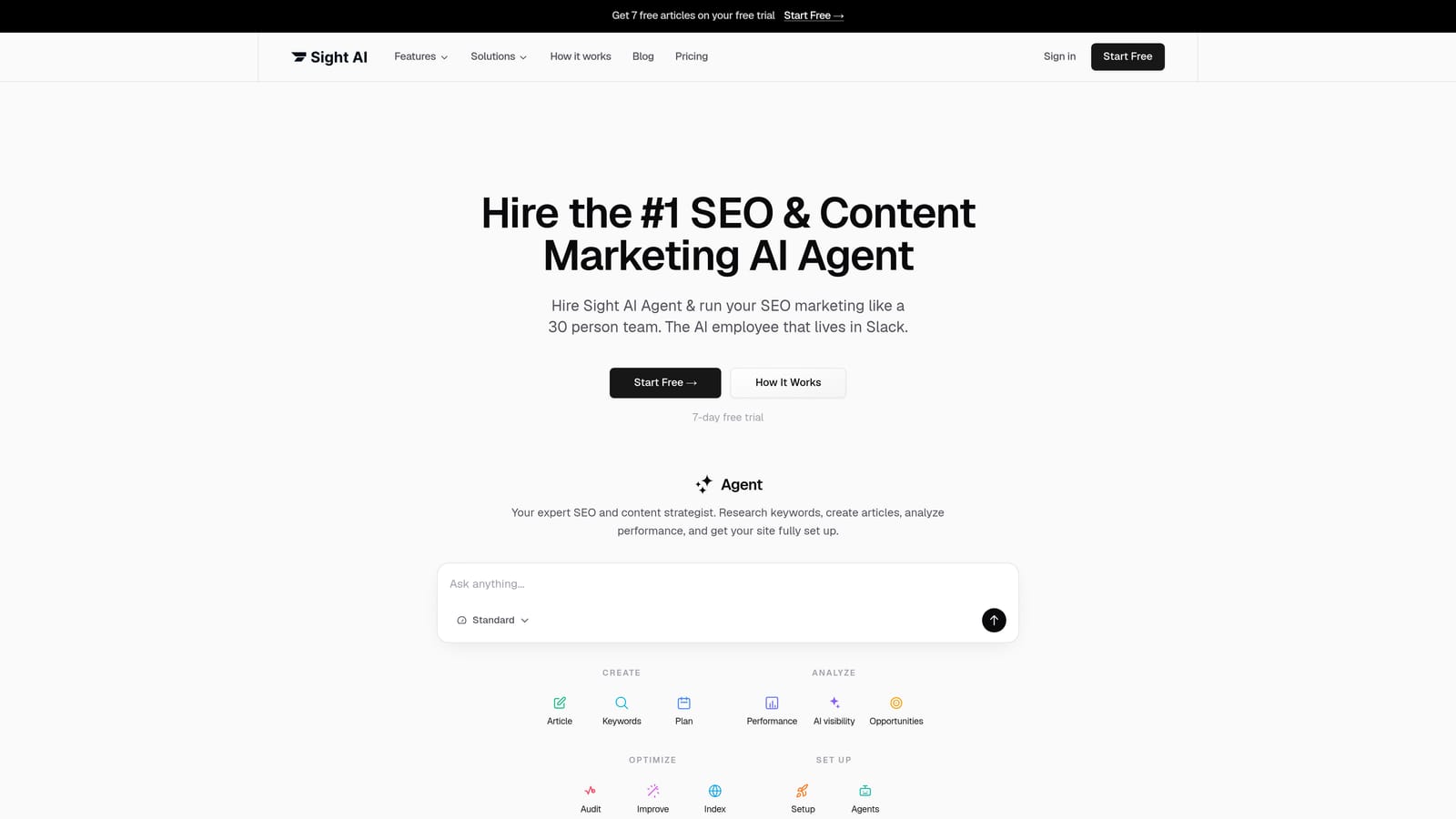
Sight AI is an all-in-one platform that connects explainer content generation, AI visibility tracking, and automated website indexing under a single roof.
Where This Tool Shines
Most content automation tools handle one piece of the puzzle. Sight AI is designed to close the loop between creating explainer content and measuring whether that content is actually being surfaced by AI models. That combination is rare in 2026, where most teams are stitching together separate tools for writing, SEO, and AI visibility.
The platform includes 13+ specialized AI agents built for different content formats: explainers, listicles, guides, and more. Autopilot Mode takes this further by handling content generation and CMS publishing with minimal manual input, making it particularly well-suited for teams that need consistent output without dedicating headcount to every article.
Key Features
13+ Specialized AI Agents: Purpose-built agents for generating SEO and GEO-optimized explainer content, listicles, and guides, each tuned for a specific content format.
Autopilot Mode: Automates content generation and CMS publishing end-to-end, reducing the manual steps between topic selection and a published article.
AI Visibility Score: Tracks how your brand is mentioned across ChatGPT, Claude, Perplexity, and other AI platforms, with sentiment analysis and prompt tracking built in.
IndexNow Integration: Automatically notifies search engines when new content is published, accelerating discovery and indexing for fresh explainer articles.
Prompt Tracking and Sentiment Analysis: Monitors how AI models respond to prompts in your topic area, helping you understand where your content is winning and where gaps remain.
Best For
Sight AI is best suited for growth marketers, founders, and content agencies who want to build topical authority in both traditional and AI-powered search. It's particularly valuable for teams that want to measure whether their explainer content is being cited by AI models, not just ranked by Google.
Pricing
Visit trysight.ai for current pricing and plan details.
2. Writesonic
Best for: Teams that need high-volume explainer content with built-in SEO optimization and real-time factual accuracy.
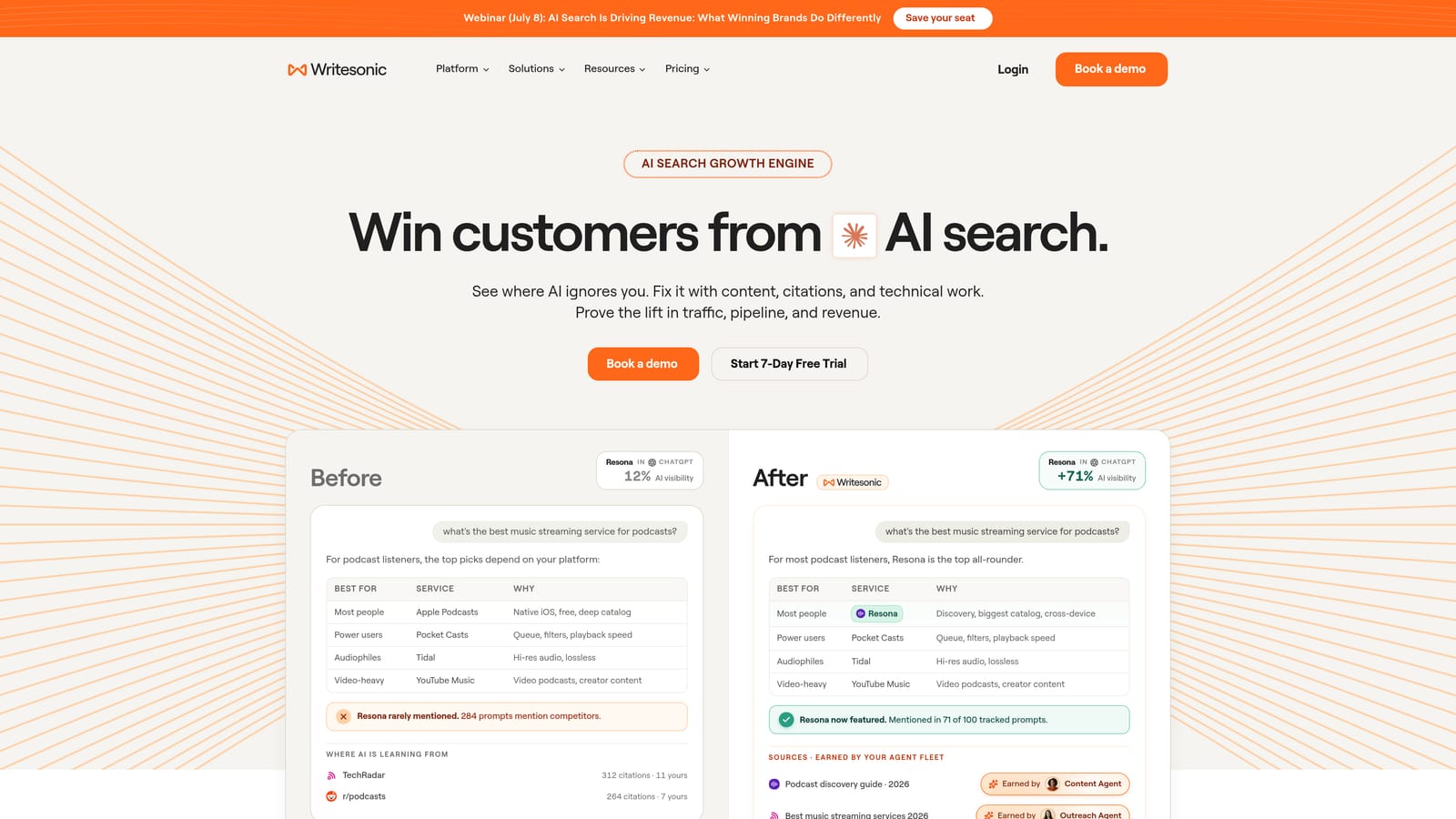
Writesonic is an AI writing platform with strong long-form content capabilities, real-time web access, and keyword-level SEO guidance built directly into the editor.
Where This Tool Shines
Writesonic's real-time web access is one of its most practical features for explainer content. Rather than generating responses from training data alone, it can pull current information while drafting, which helps keep how-to articles and guides factually grounded and up to date. This matters when you're covering fast-moving topics where stale information undermines credibility.
The SEO mode provides keyword optimization guidance inline, so writers can hit target terms without a separate audit step. For teams producing explainer content at volume, this tightens the feedback loop between writing and optimization.
Key Features
Long-Form AI Article Generation: Produces full-length explainer drafts with structured outlines, section headings, and SEO-oriented formatting.
Real-Time Web Access: Pulls current, factual information during content generation to keep explainer articles accurate and timely.
SEO Mode: Provides keyword optimization guidance within the editor, helping writers align drafts with target search terms without leaving the platform.
Chatsonic Integration: Supports research-assisted writing through a conversational interface, useful for gathering context before drafting a complex explainer.
Brand Voice Customization: Allows teams to define and apply a consistent tone and style across all explainer content output.
Best For
Writesonic is well-suited for content teams and marketing departments that need to produce large volumes of explainer articles quickly. It works best when teams have a clear keyword strategy and want a tool that handles drafting and basic SEO alignment in a single workflow.
Pricing
A free trial is available. Paid plans are offered at multiple tiers. Visit writesonic.com for current pricing details.
3. AirOps
Best for: Content operations teams building repeatable, scalable explainer content pipelines without engineering resources.
AirOps is a no-code AI workflow builder that connects large language models to existing data sources, templates, and CMS platforms, enabling teams to automate the operational layer of content production.
Where This Tool Shines
AirOps is less of a writing tool and more of a content operations infrastructure tool. The core value proposition is that content teams can build repeatable workflows, such as pulling a brief from a spreadsheet, passing it through an LLM, formatting the output, and pushing it to a CMS, without writing a single line of code. This makes it especially useful for agencies managing explainer content production across multiple clients or brands.
The platform is LLM-agnostic, meaning teams can connect to different AI models depending on the task. This flexibility allows content operations leads to optimize for cost, quality, or speed depending on the content type.
Key Features
No-Code Workflow Builder: Drag-and-drop interface for building AI-powered content pipelines without engineering involvement.
LLM-Agnostic Architecture: Connect to multiple AI models within a single workflow, choosing the right model for each step in the process.
CMS and Data Source Integrations: Connects to existing content management systems and data sources for automated publishing and input handling.
Reusable Templates: Build and share workflow templates for consistent explainer content structure across teams or clients.
Team Collaboration Features: Workflow management and collaboration tools designed for content operations teams working across multiple projects.
Best For
AirOps is best suited for content operations managers, agencies, and growth teams that have a clear content production process and want to automate the repetitive steps. It requires some upfront investment in workflow design but pays off significantly at scale.
Pricing
Visit airops.com for current plan details and pricing tiers.
4. Promptwatch
Best for: Teams running LLM-powered content workflows who need quality control and consistency at the prompt level.
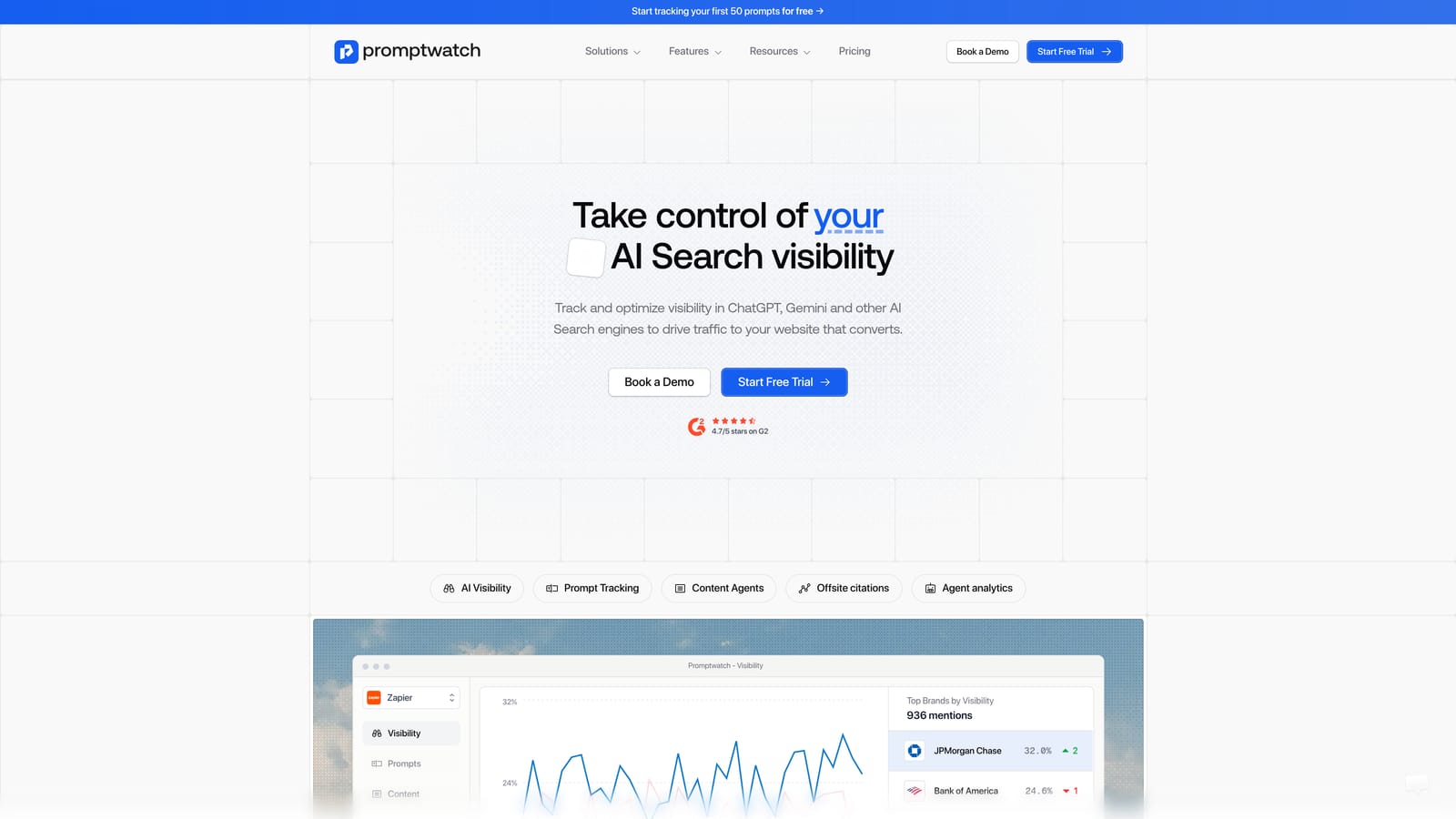
Promptwatch is a prompt monitoring and management tool that tracks prompt versions, performance, and outputs over time, giving content teams a quality control layer for AI-generated explainer content.
Where This Tool Shines
When you're running automated explainer content workflows through LLMs, prompt drift is a real problem. A prompt that worked well three months ago may produce noticeably different output today as model updates roll out. Promptwatch addresses this by tracking prompt versions and comparing outputs across iterations, so teams can catch quality degradation before it affects published content.
For agencies managing multiple client content pipelines, this kind of infrastructure-level quality control is difficult to replicate manually. Promptwatch essentially gives content teams a version control system for their AI writing logic, which is a meaningful operational advantage as LLM-powered workflows become more complex.
Key Features
Prompt Version Tracking: Maintains a history of prompt iterations and their associated outputs, enabling teams to compare performance over time.
LLM Output Comparison: Side-by-side comparison of outputs across different prompt versions or model configurations.
Team-Level Prompt Library: Centralized repository for storing and managing prompts across a content team or agency.
Quality Control Layer: Flags inconsistencies or performance drops in AI content pipelines before they reach the publishing stage.
LLM Provider Integrations: Connects to popular large language model providers, fitting into existing AI content workflows.
Best For
Promptwatch is best suited for content operations teams and agencies that are already running LLM-powered workflows and need a structured way to manage prompt quality, consistency, and versioning. It functions as a supporting infrastructure tool rather than a standalone content generation platform.
Pricing
Visit promptwatch.io for current pricing details.
5. Profound
Best for: Content strategists who want to identify explainer content gaps based on what AI models are actively answering.
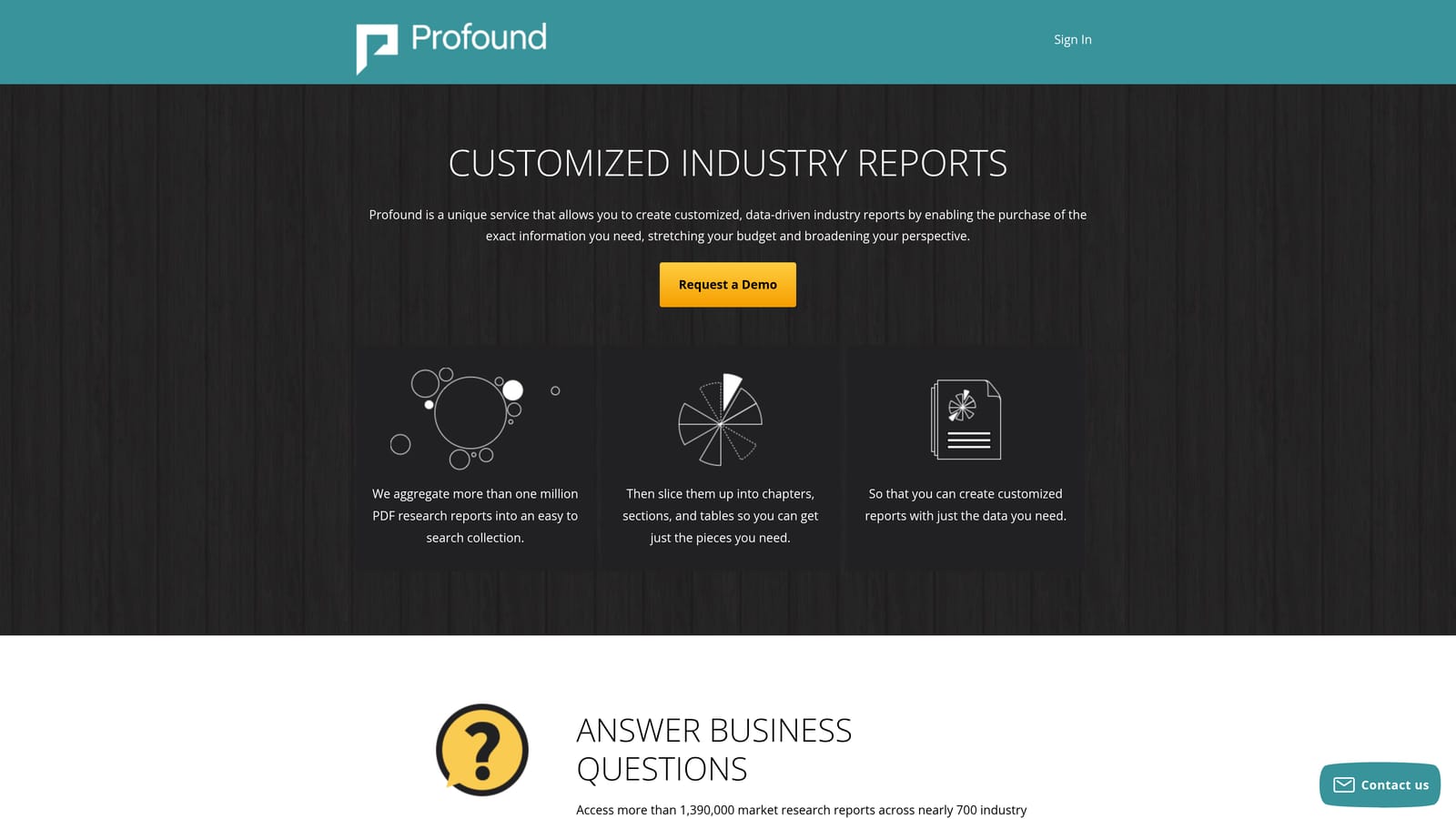
Profound is an AI search intelligence tool that maps how AI models are responding to questions in a given topic area, helping teams find opportunities to create explainer content that gets cited in AI-generated answers.
Where This Tool Shines
Traditional keyword research tells you what people search for. Profound takes a different angle: it surfaces what AI models are actually saying when users ask questions in your niche. This distinction matters because AI-powered search surfaces don't always reward the same content that ranks well in traditional search. Profound helps content teams understand that gap and build a strategy around it.
For teams focused on Generative Engine Optimization, this kind of topic intelligence is foundational. Rather than guessing which explainer articles might get cited by ChatGPT or Claude, Profound gives you a data-informed view of where AI models are currently drawing from and where coverage is thin.
Key Features
AI Question Mapping: Surfaces the specific questions AI models are answering in your topic area, revealing actual demand in AI-powered search.
Content Gap Identification: Compares your existing explainer coverage against competitor content and AI model responses to highlight gaps.
GEO-Focused Insights: Provides optimization guidance oriented toward getting content cited in AI-generated responses, not just ranked in traditional search.
AI Response Trend Tracking: Monitors how AI model answers in your niche evolve over time, helping teams stay ahead of shifting coverage.
Content Strategy Prioritization: Helps teams prioritize which explainer topics to tackle first based on AI search demand and competitive landscape.
Best For
Profound is best suited for content strategists and SEO leads who are building a GEO strategy alongside their traditional SEO work. It's particularly valuable for teams that want to understand AI search demand before investing in content production.
Pricing
Visit the official Profound site for current pricing. Verify the URL at time of publishing, as the domain may have been updated.
6. Peec
Best for: Teams measuring whether their explainer content is being surfaced inside AI-generated answers.
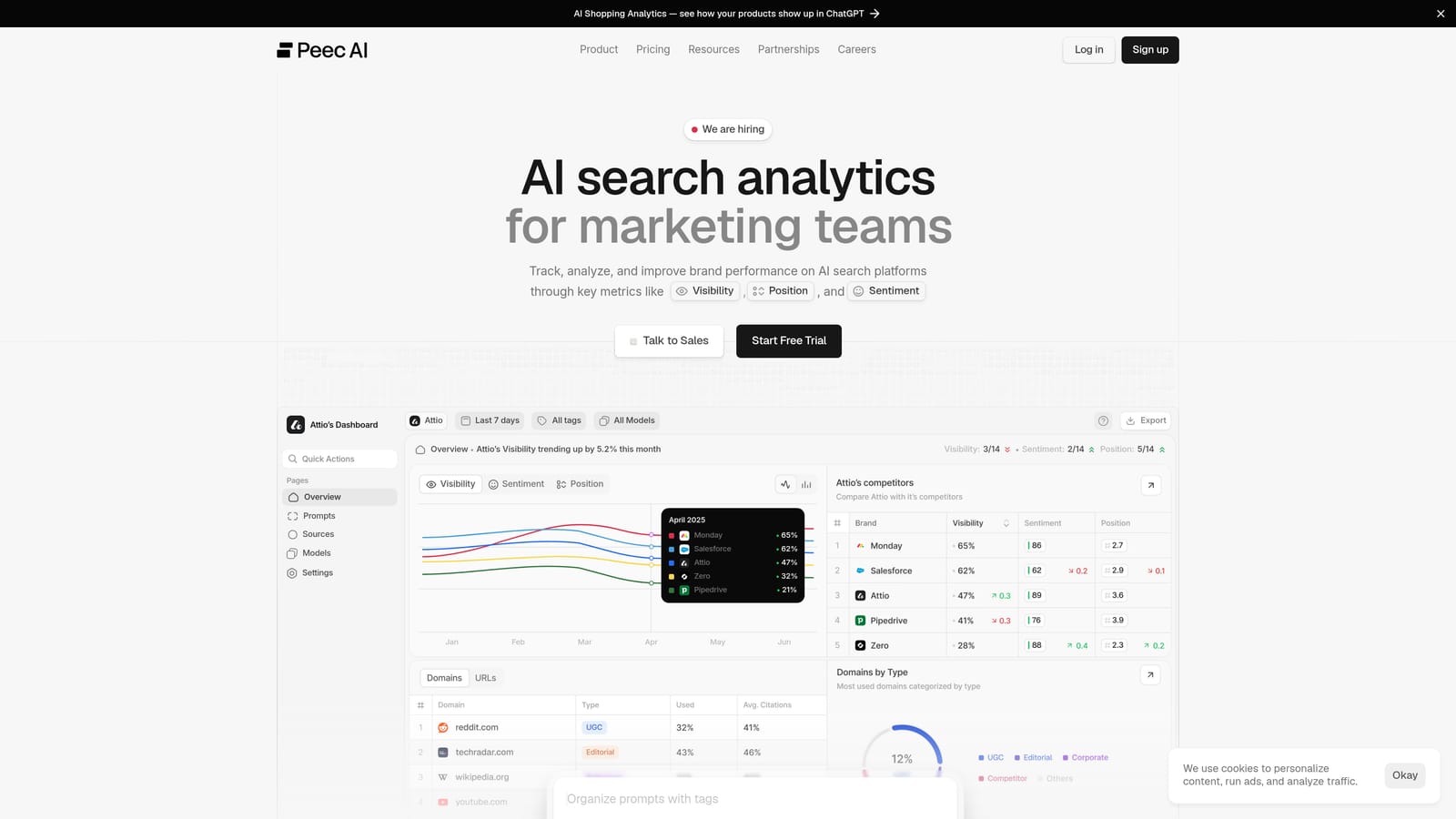
Peec is an AI visibility monitoring tool that tracks brand and content mentions within AI model responses, giving content teams a way to measure the downstream impact of their explainer content strategy.
Where This Tool Shines
Publishing explainer content is one thing. Knowing whether that content is actually influencing what AI models say about your brand or category is another challenge entirely. Peec bridges that gap by monitoring AI-generated responses across multiple platforms and flagging when your brand or content appears, allowing teams to connect content investments to AI search outcomes.
For agencies managing multiple client brands, the competitive benchmarking features are particularly useful. Being able to show a client how their AI visibility compares to competitors, and which explainer topics are driving citations, makes the ROI case for content investment considerably more concrete.
Key Features
AI Mention Monitoring: Tracks when your brand or content appears within AI model responses across multiple platforms.
Visibility Trend Tracking: Shows how your AI search presence changes over time as you publish and optimize explainer content.
Topic-Level Attribution: Identifies which explainer topics and articles are generating AI citations, helping teams understand what's working.
Competitive Benchmarking: Compares your AI visibility against competitor brands to contextualize performance and identify opportunities.
Agency Reporting: Multi-brand reporting features designed for agencies managing AI visibility across several client accounts simultaneously.
Best For
Peec is best suited for content marketers, SEO strategists, and agencies that are already investing in explainer content and want to measure its impact on AI search presence. It works well as a measurement layer alongside a content generation tool.
Which Tool Is Right for Your Workflow?
The right choice depends on where you are in building your explainer content operation and what you're trying to solve first.
If you want a single platform that handles content generation, AI visibility tracking, and automated indexing without stitching together multiple tools, Sight AI is the strongest all-in-one option. It's particularly well-suited for marketers and agencies who want to build topical authority in both traditional and AI-powered search, and who want to measure whether their content is actually being cited by AI models like ChatGPT and Claude.
If your primary need is high-volume explainer drafts with real-time factual grounding, Writesonic covers that ground well. For teams focused on automating the content operations layer without engineering resources, AirOps is the most flexible workflow builder in the group.
If you're running LLM-powered pipelines and need quality control at the prompt level, Promptwatch fills a gap that most content tools ignore. And if your focus is on AI search strategy, Profound and Peec offer complementary intelligence: Profound for identifying where AI content opportunities exist before you write, and Peec for measuring whether your content is being surfaced after you publish.
The broader trend is clear: explainer content automation is no longer just about writing faster. It's about creating content that performs in AI-powered search surfaces, tracking that performance, and iterating based on real signal. The tools in this list each address a different part of that challenge.
Ready to see how your brand is showing up across AI platforms? Start tracking your AI visibility today and get a clear picture of where your explainer content is winning, and where the biggest opportunities remain.