Editorial teams know the feeling: a content calendar full of ideas, a backlog of approvals waiting on three different people, and a publishing process that somehow still involves copying and pasting into a CMS at 11pm. The manual overhead of running a content operation adds up fast, and it's the kind of work that doesn't scale.
Editorial workflow automation tools exist to collapse that overhead. The best platforms connect research, briefing, drafting, review, and publishing into a single pipeline so your team can focus on strategy instead of logistics. Below are the top tools worth considering in 2026, evaluated on automation depth, AI integration, content quality support, and publishing capabilities.
1. Sight AI
Best for: Teams that want SEO content generation, indexing automation, and AI visibility tracking in one platform.
Sight AI is an all-in-one editorial automation platform combining AI content generation, website indexing, CMS auto-publishing, and AI brand visibility tracking across major AI models.

Where This Tool Shines
Most editorial tools handle one layer of the content pipeline well. Sight AI is designed to handle several simultaneously. Its 13+ specialized AI agents cover different content formats including listicles, guides, and explainers, while Autopilot Mode lets teams set up production pipelines that run with minimal manual intervention.
What genuinely separates it from other AI writing platforms is the combination of IndexNow integration (which speeds up search engine discovery of new content) and an AI Visibility Score that tracks how your brand is mentioned across ChatGPT, Claude, Perplexity, and other AI platforms. For teams investing in GEO (Generative Engine Optimization), that tracking layer is increasingly hard to find elsewhere.
Key Features
13+ Specialized AI Agents: Each agent is purpose-built for a specific content format, producing outputs that are structurally appropriate for their format rather than generic text.
Autopilot Mode: Enables hands-off content production pipelines where briefing, drafting, and publishing happen automatically based on configured rules.
IndexNow Integration: Automatically notifies search engines when new content is published, reducing the delay between going live and being indexed.
CMS Auto-Publishing: Eliminates the manual step of uploading content to your CMS, connecting the writing pipeline directly to publication.
AI Visibility Score: Tracks brand mentions across 6+ AI platforms with sentiment analysis and prompt tracking to inform GEO strategy.
Best For
Founders and marketing teams running lean content operations who need to produce SEO and GEO-optimized content at volume without adding headcount. Also well-suited for agencies that want to track AI brand visibility for clients alongside content delivery.
Pricing
Pricing tiers are available directly at trysight.ai. Check the official site for current plans, as offerings are updated regularly.
2. HubSpot Content Hub
Best for: Marketing teams already using HubSpot who want editorial workflow integrated with CRM and campaign data.
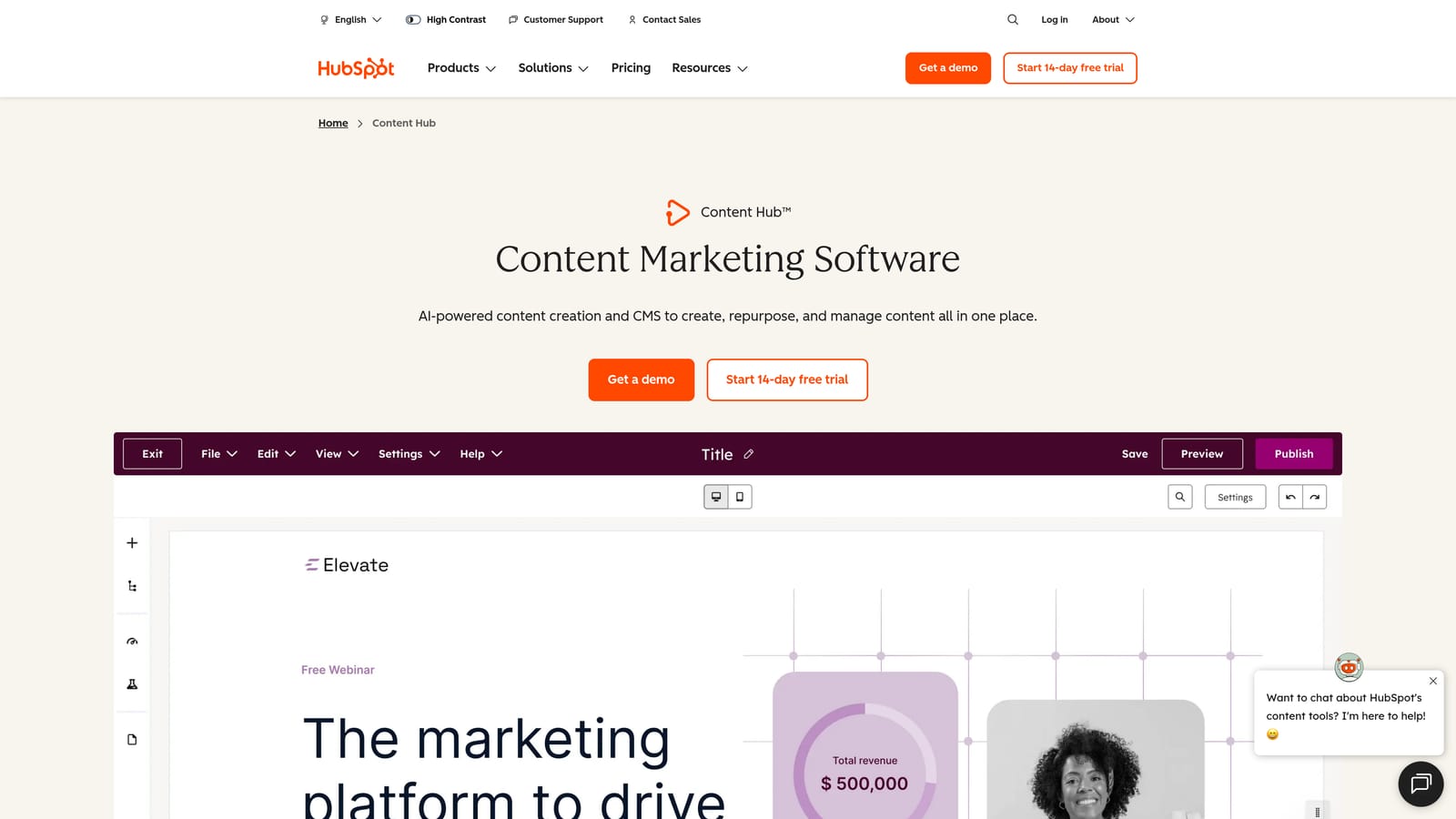
HubSpot Content Hub is a content management platform that integrates editorial workflows with CRM data, AI writing assistance, and multi-channel campaign management.
Where This Tool Shines
The strongest case for Content Hub is its native CRM connection. When your blog, landing pages, and email content live in the same platform as your pipeline data, you can directly tie content performance to revenue outcomes. That visibility is genuinely useful for justifying content investment to leadership.
The AI content assistant handles drafting and repurposing tasks, and built-in SEO recommendations surface within the editor rather than requiring a separate tool. For teams already running HubSpot for marketing automation, adding Content Hub keeps the stack consolidated.
Key Features
Native CRM Integration: Connects content performance directly to contact and pipeline data for closed-loop reporting.
AI Content Assistant: Supports drafting, editing, and repurposing existing content into new formats.
Built-in SEO Recommendations: Surfaces optimization suggestions within the editor without requiring a separate SEO tool.
Campaign-Level Management: Organizes blog, email, and landing page content under unified campaign structures.
Content Remix: Repurposes existing content across formats and channels from a single source asset.
Best For
Mid-size marketing teams that are already invested in the HubSpot ecosystem and want editorial workflow tightly connected to their marketing and sales operations.
Pricing
Starter plans begin around $45/month. Verify current pricing and tier details at hubspot.com.
3. Contentful
Best for: Engineering-supported teams building custom multi-channel content delivery pipelines.
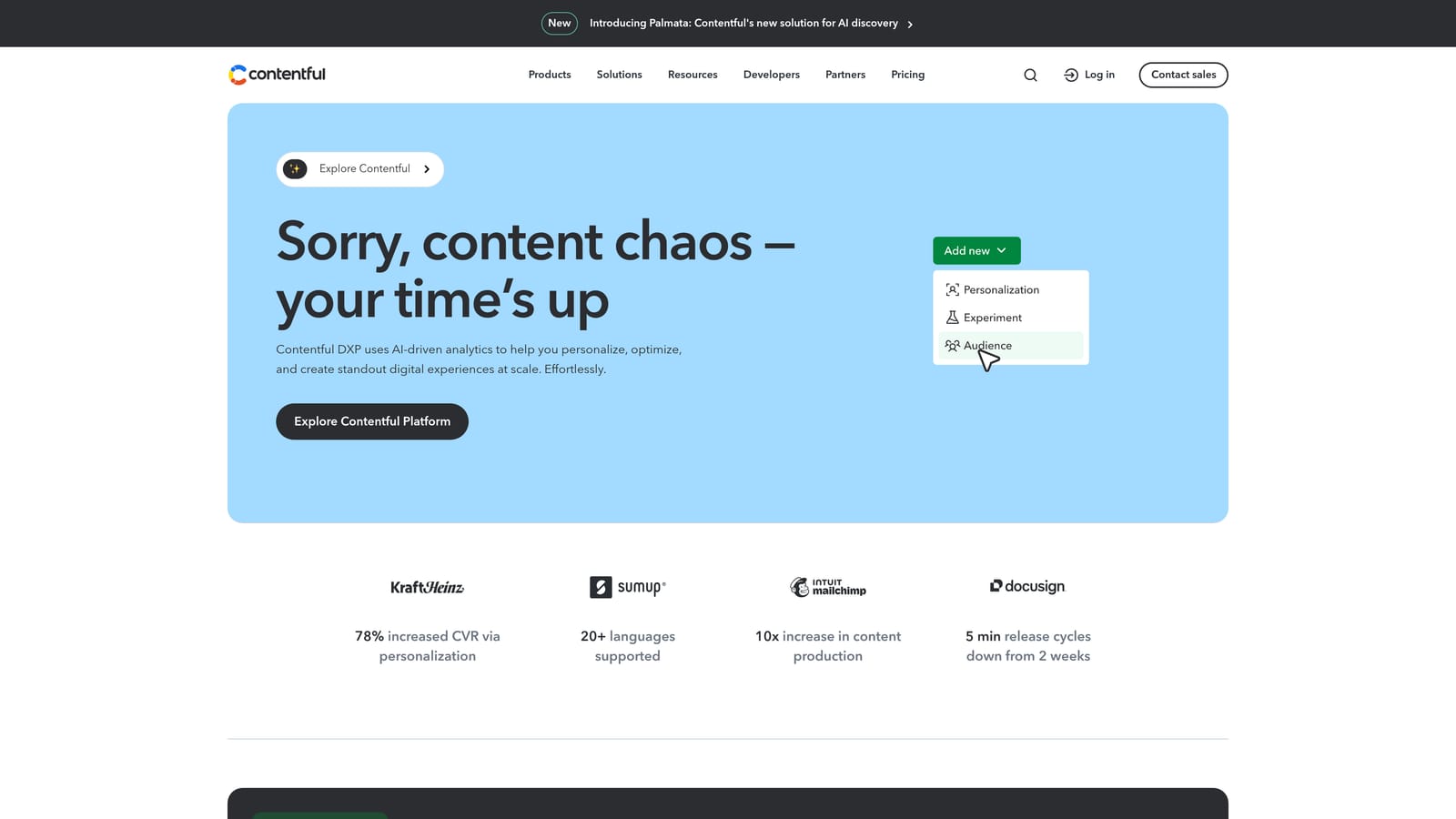
Contentful is an API-first headless CMS that enables teams to build fully custom editorial automation workflows and deliver content across multiple channels simultaneously.
Where This Tool Shines
Contentful is not a writing tool. It's an infrastructure layer. Its API-first architecture means engineering teams can build exactly the editorial pipeline they need, connecting Contentful to AI writers, approval systems, and any downstream channel via webhooks and integrations.
For organizations publishing content to web, mobile apps, digital signage, and other surfaces simultaneously, Contentful's structured content modeling makes that multi-channel delivery manageable. The tradeoff is a meaningful learning curve and the requirement for technical resources to configure it properly.
Key Features
API-First Architecture: Supports fully custom automation workflows built by engineering teams using Contentful's robust API.
Multi-Channel Delivery: Pushes content to web, mobile, digital signage, and other surfaces from a single content repository.
Webhook Triggers: Connects editorial events (like content approval) to external systems and automation tools.
Role-Based Permissions: Structured access controls support complex editorial hierarchies and governance requirements.
Third-Party Integrations: Connects natively with Zapier, Make, and hundreds of other tools in the broader marketing stack.
Best For
Enterprise teams and scale-ups with dedicated engineering resources who need a flexible content infrastructure rather than an out-of-the-box editorial tool.
Pricing
A free tier is available for smaller projects. Paid plans scale with usage and team size. Verify current tiers at contentful.com.
4. Narrato
Best for: Content agencies and teams managing freelance writers across multiple client accounts.
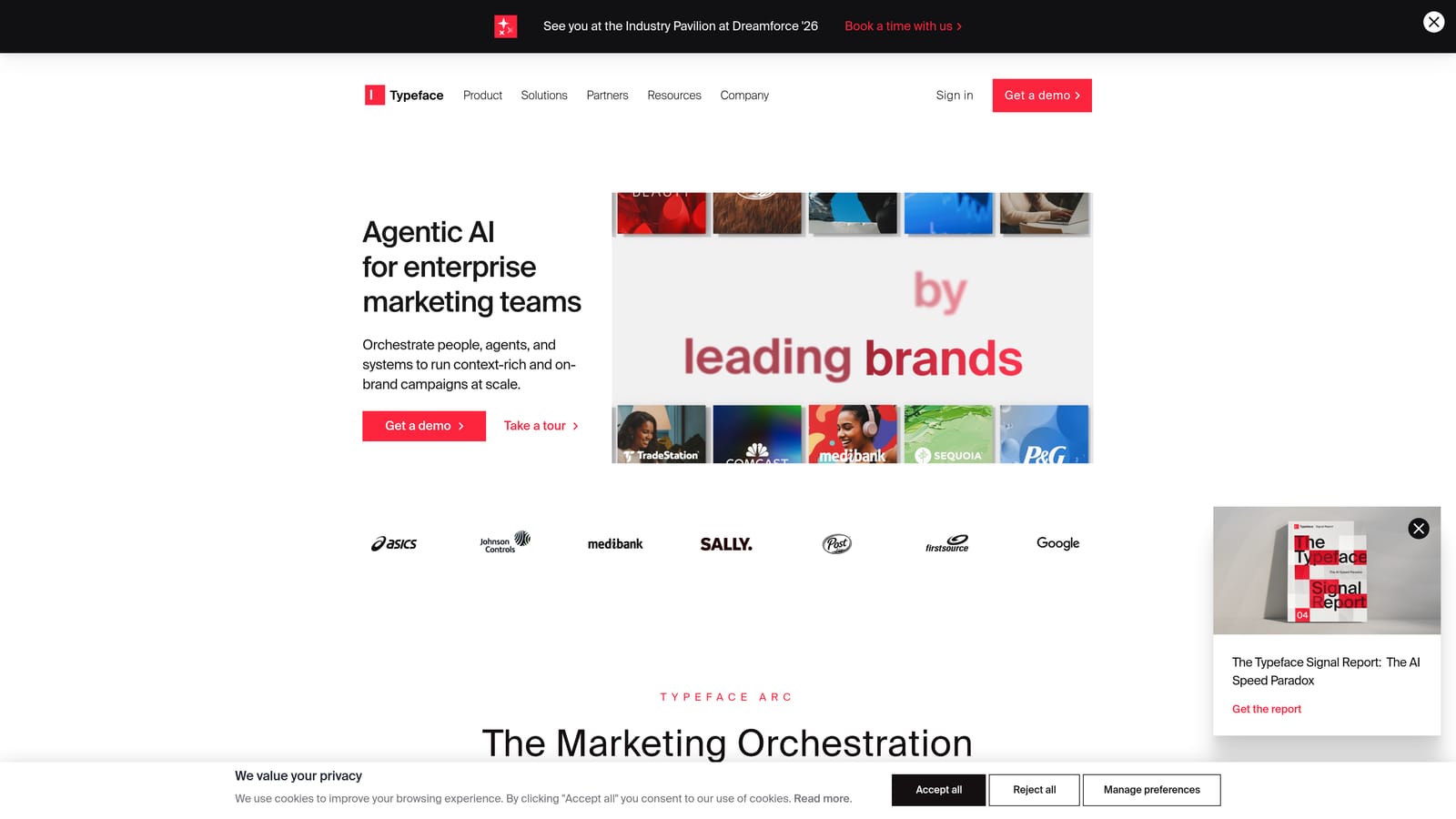
Narrato is a content workspace that combines AI content creation, SEO brief generation, freelancer management, and project organization in a single platform built for agency-scale operations.
Where This Tool Shines
Managing a roster of freelance writers introduces coordination overhead that general project management tools handle poorly. Narrato addresses this directly with built-in freelancer onboarding, task assignment, and quality control features that reduce the back-and-forth typically involved in agency content production.
The AI content creation layer handles SEO brief generation alongside drafting, which means writers receive structured briefs with keyword guidance rather than vague topic descriptions. Combined with style guides and brand templates, this helps maintain consistency across a distributed writing team.
Key Features
AI Content Creation: Generates drafts and SEO briefs to give writers structured starting points rather than blank pages.
Freelancer Management: Handles onboarding, task assignment, and coordination for distributed writing teams.
Content Templates and Style Guides: Enforces brand consistency across writers and client accounts.
Built-in Quality Checks: Includes plagiarism detection and quality scoring to reduce revision cycles.
Project-Level Organization: Structures work by client or campaign for agencies managing multiple accounts simultaneously.
Best For
Content agencies and in-house teams that rely heavily on freelance contributors and need a centralized workspace to manage the full production cycle from brief to delivery.
Pricing
Paid plans are available. Verify current pricing tiers at narrato.io.
5. Bynder Content Workflow
Best for: Large editorial teams where content governance, compliance, and structured approvals are non-negotiable.
Bynder Content Workflow (formerly GatherContent) is an enterprise content workflow platform that enforces structured templates, multi-stage approvals, and governance controls at scale.
Where This Tool Shines
When content quality and compliance matter as much as volume, unstructured workflows become a liability. Bynder Content Workflow addresses this by requiring content to be created within defined templates, ensuring that every piece meets structural requirements before it ever reaches an editor or approver.
The multi-stage approval system with role-based permissions is particularly valuable for regulated industries or large organizations where content must pass through legal, brand, and editorial review. Audit trails and version history add an additional layer of accountability that most content tools skip entirely.
Key Features
Template-Driven Content Structures: Enforces consistency by requiring content to be created within predefined structural templates.
Multi-Stage Approval Workflows: Supports complex review chains with role-based permissions at each stage.
CMS Integrations: Connects directly with WordPress, Drupal, and Contentful for streamlined publishing.
Content Governance Tools: Provides oversight features designed for large editorial operations with multiple stakeholders.
Audit Trails and Version History: Maintains a complete record of changes and approvals for compliance-sensitive teams.
Best For
Enterprise editorial teams, regulated industries, and large organizations where content governance and structured approval processes are operational requirements rather than nice-to-haves.
Pricing
Enterprise pricing applies. Contact Bynder directly for a quote at bynder.com.
6. Jasper
Best for: Marketing teams producing high volumes of on-brand content across multiple formats from a single creative brief.
Jasper is an AI writing platform with brand voice training and campaign mode, designed to help teams generate consistent, on-brand content across blogs, ads, emails, and social posts.

Where This Tool Shines
Jasper's Brand Voice feature is one of the more practical implementations of AI style training available. By ingesting existing brand content, it learns tone, vocabulary preferences, and stylistic patterns, which meaningfully reduces the editing time required to bring AI drafts up to brand standard.
Campaign mode is useful for teams that need multiple content assets from a single brief: a blog post, a few social variations, and an email summary, all generated in one session. The integration with Surfer SEO adds a real-time optimization layer without requiring a separate tool switch mid-draft.
Key Features
Brand Voice Training: Trains the AI on existing brand content to produce outputs that match established tone and style guidelines.
Campaign Mode: Generates multiple content assets across formats from a single creative brief in one workflow.
Surfer SEO Integration: Provides real-time content optimization scores within the Jasper editor.
Chrome Extension and Google Docs Integration: Enables AI writing assistance in the tools teams already use day-to-day.
Format Templates: Covers blogs, ads, emails, social posts, and more with format-specific templates.
Best For
Marketing teams that prioritize brand consistency at scale and need to produce diverse content assets efficiently. Works best as part of a broader editorial stack rather than as a standalone workflow solution.
Pricing
Paid plans are available. Verify current pricing at jasper.ai.
7. Airtable (with Automations)
Best for: Teams that want a highly customizable editorial calendar and workflow manager without committing to a purpose-built content tool.
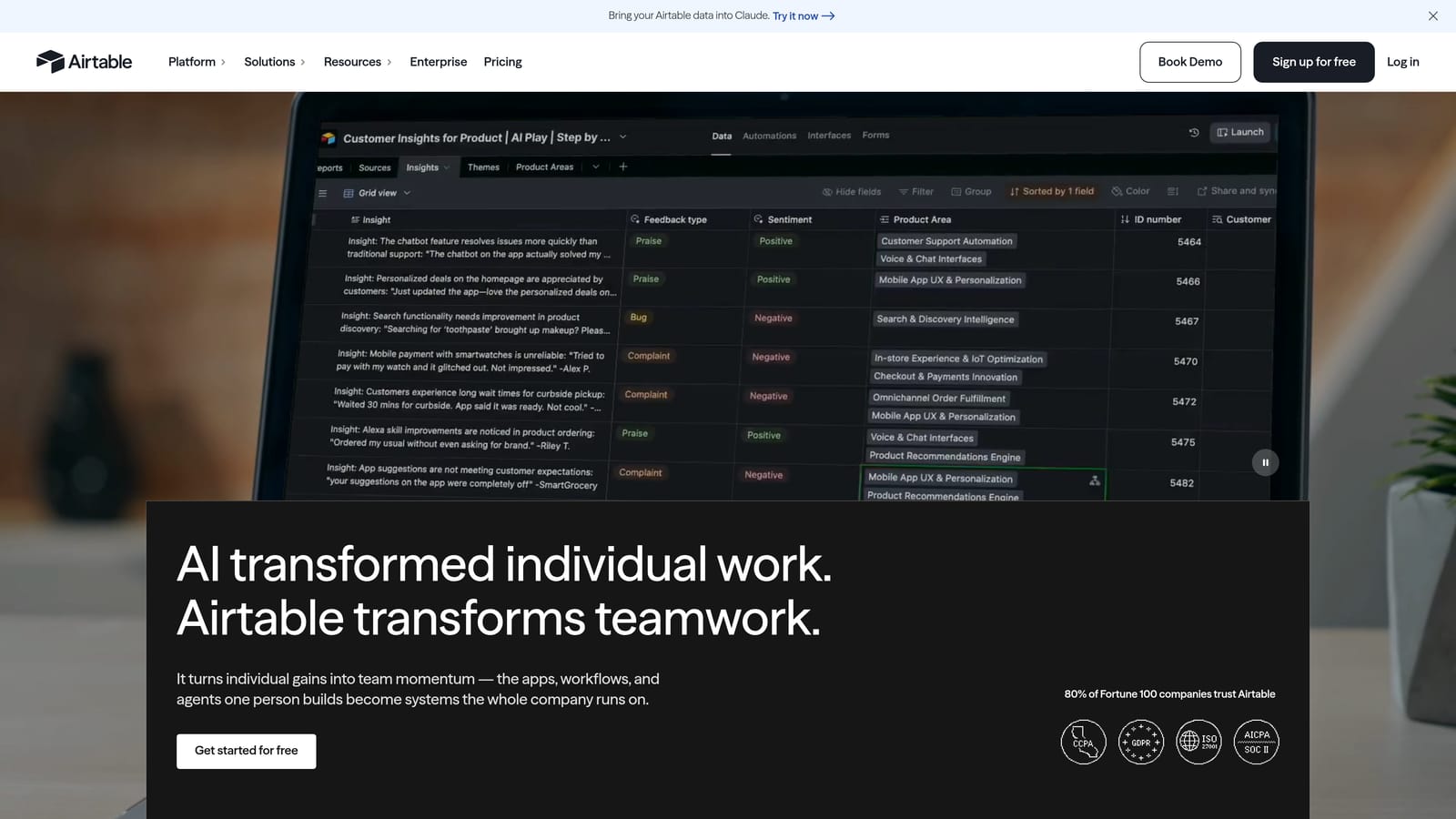
Airtable is a flexible relational database platform widely used as a customizable editorial calendar and workflow manager, with native automation triggers and extensive third-party integrations.
Where This Tool Shines
Airtable's appeal is its flexibility. Editorial teams can build a content pipeline that maps exactly to their process rather than adapting their process to a rigid tool. Views switch between Grid, Kanban, Calendar, and Gantt depending on what a team member needs to see at any given moment.
The native automation layer handles common editorial triggers well. When a content status changes to "Ready for Review," Airtable can automatically notify the editor in Slack, assign a due date, and log the change. It's not AI-powered, but for teams that know their workflow and want to codify it, Airtable delivers reliable automation without much overhead.
Key Features
Customizable Editorial Views: Grid, Kanban, Calendar, and Gantt views let team members see the pipeline in the format that fits their role.
Native Automation Triggers: Fires automations based on field changes, schedules, or form submissions without requiring Zapier for basic tasks.
Broad Integrations: Connects with Slack, Google Workspace, Zapier, and Make for more complex automation scenarios.
Intake Forms: Allows stakeholders and clients to submit content requests directly into the pipeline via structured forms.
Relational Data Structures: Links records across tables, connecting briefs to drafts to published URLs in a single view.
Best For
Teams that want full control over their editorial pipeline structure and are willing to invest time in setup. Not ideal for teams looking for AI writing assistance or out-of-the-box content production features.
Pricing
A free tier is available. Paid plans scale with team size and feature requirements. Verify current tiers at airtable.com.
8. CoSchedule
Best for: Marketing teams managing cross-channel content scheduling and social publishing automation alongside editorial coordination.
CoSchedule is a marketing calendar platform focused on cross-channel content scheduling, team coordination, and automation features for social publishing and repeatable editorial task management.
Where This Tool Shines
CoSchedule's unified marketing calendar is its core strength. Blog posts, social updates, and email sends all appear in a single calendar view, which eliminates the coordination gaps that happen when these channels live in separate tools. For teams managing multiple channels simultaneously, that consolidated visibility reduces the chance of scheduling conflicts or content gaps.
The ReQueue feature is a practical addition for content teams with a solid archive of evergreen content. Rather than manually scheduling reshares, ReQueue automatically recirculates top-performing social posts during open calendar slots, extending the lifespan of existing content without additional effort.
Key Features
Unified Marketing Calendar: Consolidates blog, social, and email scheduling into a single cross-channel view.
ReQueue: Automatically reshares evergreen social content during open calendar slots based on performance history.
Task Templates: Creates repeatable editorial checklists for recurring content types, reducing setup time per project.
WordPress Integration: Enables direct blog scheduling and publishing from within CoSchedule.
Team Coordination Features: Supports role assignments, approvals, and task tracking across editorial team members.
Best For
Marketing teams that need strong cross-channel scheduling and social automation alongside editorial coordination. Less suited for teams prioritizing AI content generation or deep workflow customization.
Pricing
A free Marketing Calendar tier is available. Paid plans unlock full automation and team features. Verify current pricing at coschedule.com.
9. Surfer SEO
Best for: Content teams that want real-time SEO scoring and topical authority planning built directly into the writing process.
Surfer SEO is an SEO-focused content optimization platform that scores articles against top-ranking SERP results in real time, with keyword clustering and AI outline generation to guide editorial decisions.
Where This Tool Shines
Surfer's real-time content editor is genuinely useful during the drafting phase. As a writer works, Surfer scores the article against current top-ranking pages for the target keyword, surfacing which terms are underrepresented and where content depth may be lacking. This removes a lot of the guesswork from SEO optimization.
The Content Planner adds a strategic layer by clustering related keywords into topical authority maps, helping editorial teams plan content that builds subject matter depth rather than targeting isolated keywords. Combined with the AI outline generator, Surfer can meaningfully accelerate the briefing and structure phase of content production.
Key Features
Real-Time Content Editor: Scores articles against SERP competitors as you write, surfacing optimization gaps immediately.
Content Planner: Clusters keywords into topical authority maps to guide long-term editorial strategy.
AI Outline Generator: Creates content structures based on ranking signals from current top-performing pages.
Integrations: Connects with Google Docs, WordPress, and Jasper for in-context optimization within existing workflows.
SERP Analyzer: Provides granular data on competitor content structure, word count, and keyword usage patterns.
Best For
SEO-focused content teams that want optimization guidance embedded in the writing process. Works best as part of a broader editorial stack rather than as a standalone workflow management solution.
Pricing
Paid plans are available. Verify current pricing tiers at surferseo.com.
Which Tool Is Right for Your Team?
The right editorial workflow tool depends heavily on where your biggest bottleneck actually lives. Here's a quick way to think about it.
Solo founders and lean teams: Sight AI is the strongest starting point if you need AI content generation, indexing automation, and AI visibility tracking without stitching together multiple tools. It handles the full pipeline from draft to published and indexed, including tracking whether your brand is being mentioned by AI models like ChatGPT and Claude.
Agencies managing freelancers: Narrato is purpose-built for this scenario. Its freelancer management features, combined with AI brief generation and quality checks, address the specific coordination overhead that agencies deal with daily.
Enterprise teams with governance requirements: Bynder Content Workflow is the most structured option on this list. If your content must pass through legal review, comply with brand standards, and maintain audit trails, its template-driven approach and approval workflows are worth the enterprise investment.
Teams already in the HubSpot ecosystem: Content Hub is the natural choice. The CRM integration alone justifies keeping editorial workflow within a platform your team already uses.
Engineering-supported teams with custom needs: Contentful offers the infrastructure flexibility that out-of-the-box tools can't match, provided you have the technical resources to configure it.
For most growing content teams in 2026, the emerging priority isn't just publishing faster. It's ensuring that content is structured to be cited by AI models, not just ranked by search engines. That's where tools combining SEO, GEO, and AI visibility tracking start to pull ahead of single-purpose solutions.
Stop guessing how AI models like ChatGPT and Claude talk about your brand. Start tracking your AI visibility today and see exactly where your brand appears across top AI platforms, alongside the content generation and indexing automation to do something about it.