Publishing content manually is a bottleneck that slows down growth-focused marketing teams. Between formatting posts, scheduling uploads, updating sitemaps, and notifying search engines, the publishing workflow can consume hours that should go toward strategy and creation. Automated article publishing software eliminates these friction points by handling the technical publishing process end-to-end.
This guide covers nine tools that streamline content publishing—from AI-powered platforms that generate and publish in one workflow to specialized automation tools that connect your existing CMS to search engines. Whether you need full content automation or targeted publishing efficiency, these solutions help marketing teams scale output without scaling headcount.
1. Sight AI
Best for: Teams wanting AI content generation with automatic publishing and indexing in one platform
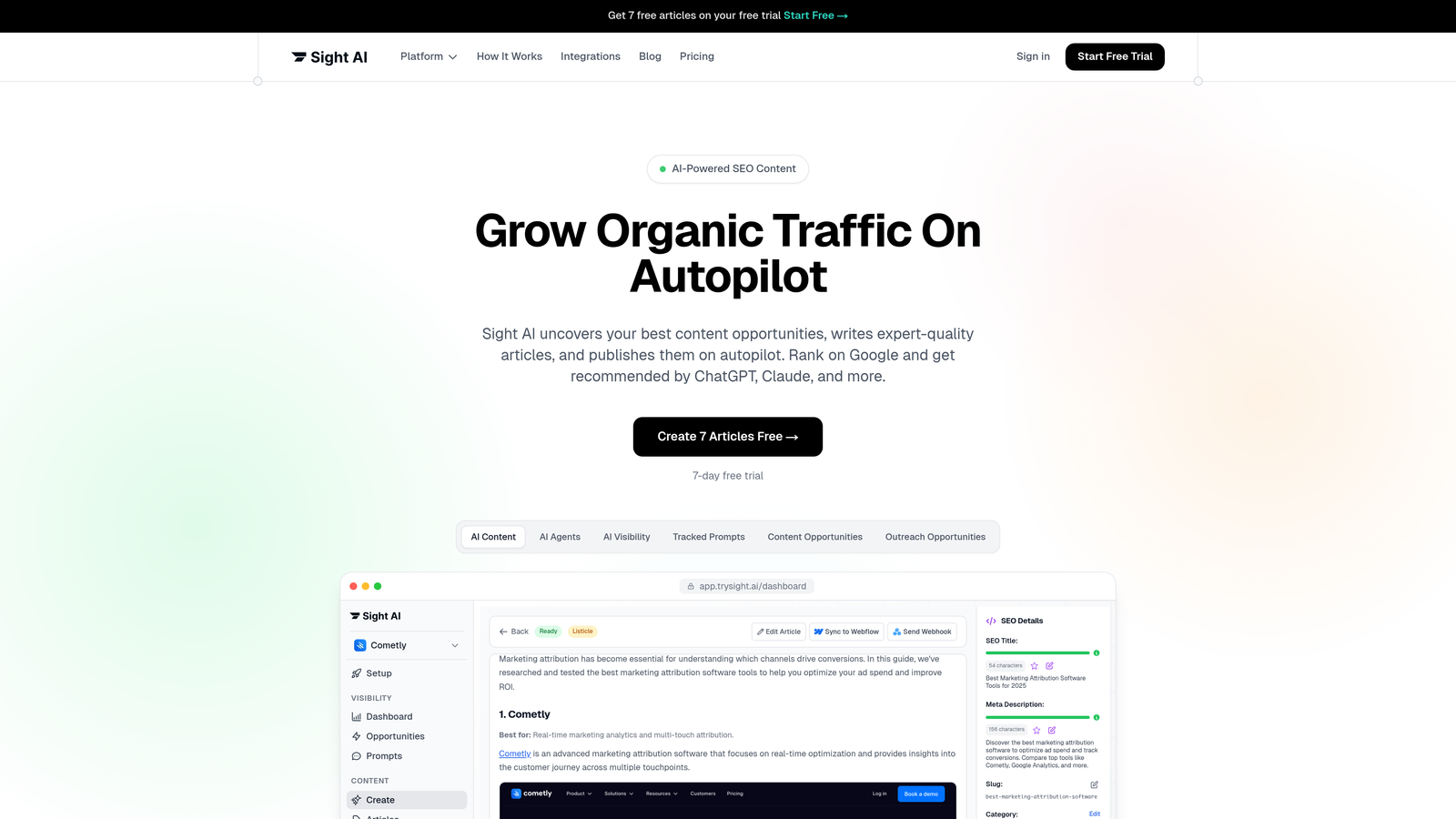
Sight AI is an AI-powered content platform that combines article generation with automated CMS publishing and search engine notification.
Where This Tool Shines
Sight AI stands out by combining the entire content workflow—from creation to publication to indexing—in a single platform. Most tools handle only one piece of this puzzle, forcing you to stitch together multiple services.
The platform's IndexNow integration notifies search engines within minutes of publishing rather than waiting for crawlers to discover your content. This speed advantage matters when publishing time-sensitive content or competing in fast-moving niches.
Key Features
13+ Specialized AI Agents: Different agents handle listicles, guides, explainers, and other content formats with format-specific optimization.
Auto-Publish to CMS: Direct publishing to WordPress and other platforms eliminates manual copy-paste workflows.
IndexNow Integration: Instant search engine notification accelerates content discovery compared to traditional crawling.
Automated Sitemap Updates: Your XML sitemap refreshes automatically when new content publishes.
AI Visibility Tracking: Monitor how AI models like ChatGPT, Claude, and Perplexity mention your brand across platforms.
Best For
Marketing teams and agencies that want to streamline their entire content operation—from ideation through publication to tracking AI visibility. Particularly valuable for teams publishing high volumes of SEO-optimized content who need both creation and distribution automation.
Pricing
Contact for pricing; free trial available to test the platform's capabilities before committing.
2. WordPress with Jetpack
Best for: Existing WordPress users needing simple scheduling and social sharing automation
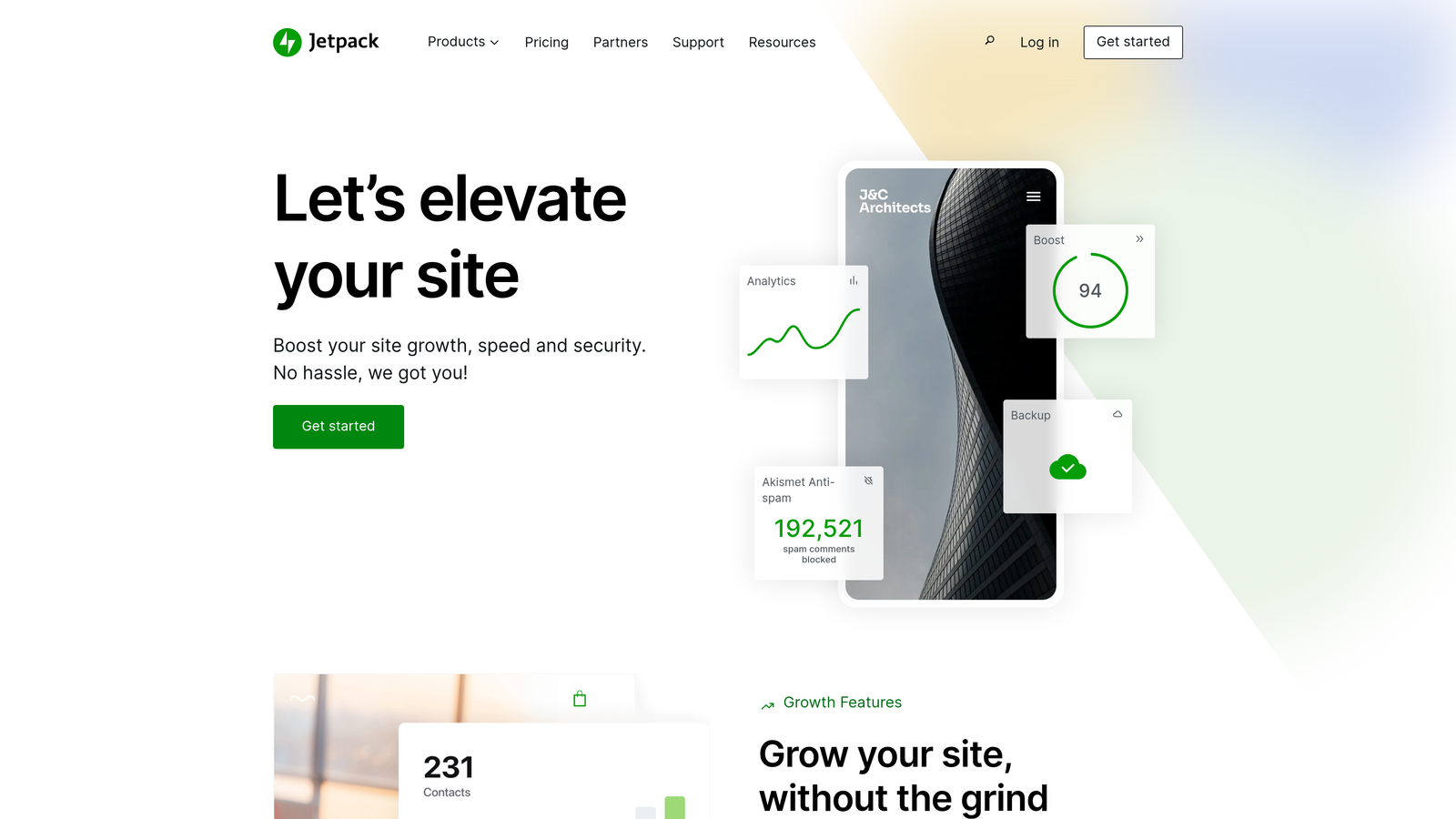
Jetpack is a native WordPress automation plugin for scheduled publishing, social sharing, and site optimization.
Where This Tool Shines
If you're already running WordPress, Jetpack provides publishing automation without adding another platform to your stack. The plugin integrates directly with your existing workflow, making setup nearly instant.
The scheduled publishing feature handles timezone complexities automatically—crucial for teams publishing to global audiences or managing content calendars across multiple time zones. Set it once and your content goes live at the optimal moment for each target market.
Key Features
Scheduled Publishing with Timezone Support: Queue content to publish at specific times adjusted for different regions.
Automatic Social Media Sharing: Posts automatically share to connected social accounts the moment they go live.
Built-in SEO Tools: XML sitemaps generate automatically and SEO recommendations appear in the editor.
Site Backup and Security: Automated backups protect your content library while security scanning runs continuously.
Best For
WordPress site owners who want to add publishing automation without migrating to a new platform. Ideal for bloggers, small marketing teams, and content creators who need reliable scheduling without complexity.
Pricing
Free tier covers basic features; Premium plans start at $10/month for advanced automation and security features.
3. Contentful
Best for: Enterprises requiring headless CMS flexibility and API-first content distribution
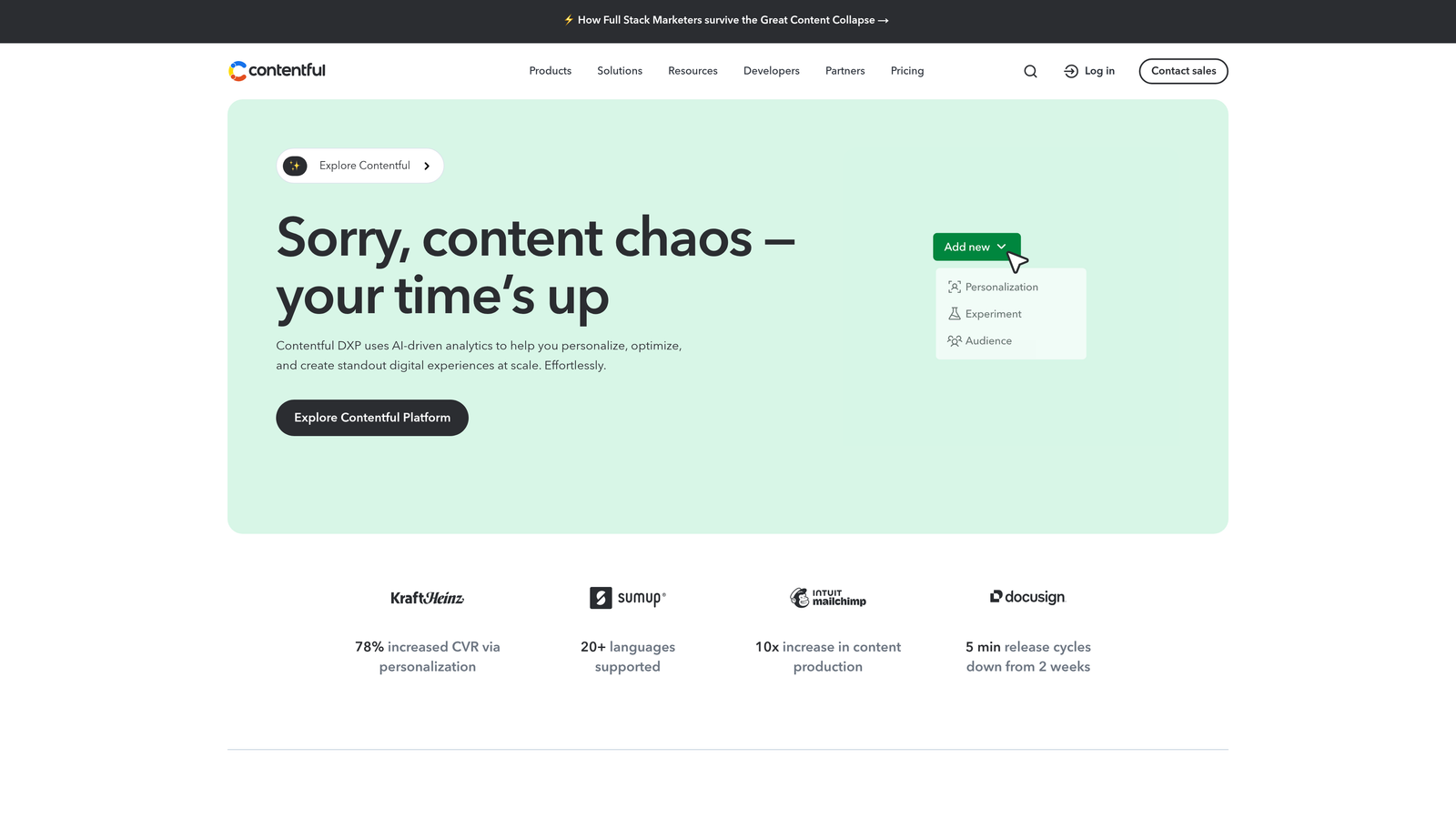
Contentful is an enterprise headless CMS with API-first architecture for automated multi-channel content publishing.
Where This Tool Shines
Contentful excels when you need to publish the same content across multiple platforms—websites, mobile apps, digital displays, voice assistants—from a single source. The headless architecture separates content management from presentation, giving developers complete control over how content appears.
The webhook system triggers automated workflows when content changes. Publish an article in Contentful and webhooks can automatically notify your CDN, trigger social posts, update search indexes, and ping analytics systems—all without manual intervention.
Key Features
RESTful and GraphQL APIs: Flexible API options let developers build custom integrations matching their tech stack.
Webhook Triggers: Automate downstream processes when content publishes or updates.
Multi-Locale Content Management: Manage translations and regional variations from a unified interface.
Scheduled Publishing with Content Modeling: Define custom content structures and schedule releases across all channels simultaneously.
Best For
Enterprise marketing and development teams managing content across multiple digital touchpoints. Best suited for organizations with technical resources to leverage the API-first architecture and build custom publishing workflows.
Pricing
Free tier available for small projects; Team plans start at $489/month for production environments.
4. Buffer
Best for: Cross-channel social media scheduling with visual content calendar management
Buffer is a social media and content scheduling platform with cross-channel publishing automation.

Where This Tool Shines
Buffer's visual calendar gives you a bird's-eye view of your entire publishing schedule across platforms. Drag and drop posts between time slots, spot gaps in your content calendar, and ensure consistent presence without manually tracking spreadsheets.
The optimal timing suggestions analyze when your audience is most active and recommend publishing times based on historical engagement data. This removes guesswork from scheduling and helps maximize reach without constant monitoring.
Key Features
Visual Content Calendar: Drag-and-drop interface for managing posts across all connected social channels.
Optimal Timing Suggestions: Data-driven recommendations for when to publish based on audience activity patterns.
Team Approval Workflows: Route posts through approval chains before they go live.
Performance Analytics Dashboard: Track engagement metrics across all channels in one unified view.
Best For
Social media managers and marketing teams focused on maintaining consistent social presence across multiple platforms. Particularly valuable for teams needing approval workflows and collaborative scheduling.
Pricing
Free tier supports basic scheduling; Essentials plans start at $6/month per channel for advanced features and analytics.
5. Zapier
Best for: Connecting tools you already use with no-code automation workflows
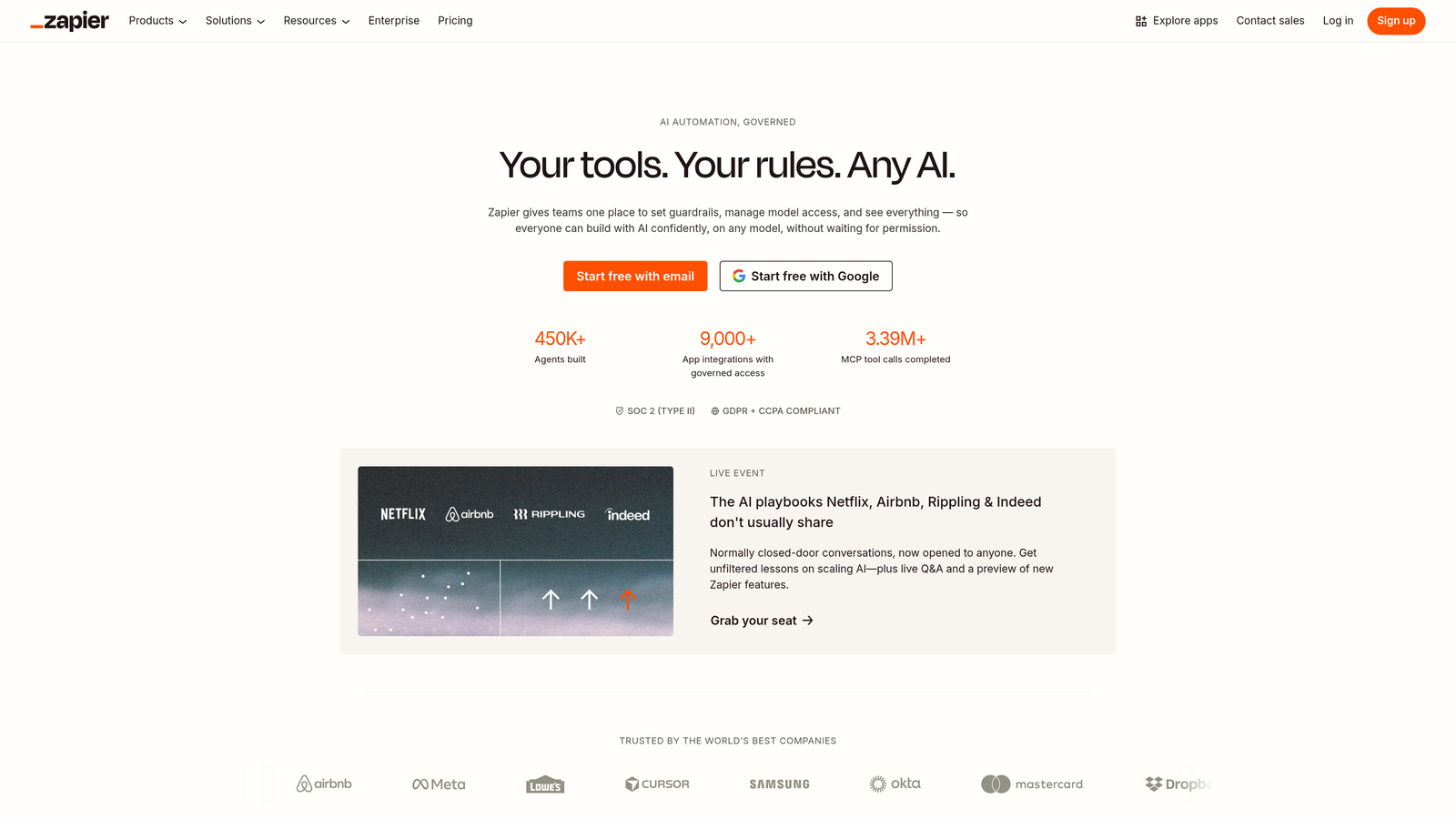
Zapier is a no-code automation platform connecting CMS, writing tools, and publishing workflows.
Where This Tool Shines
Zapier doesn't replace your existing tools—it makes them work together seamlessly. If you're using Google Docs for drafting, WordPress for publishing, and Slack for team notifications, Zapier bridges these systems without requiring custom development.
The multi-step Zaps handle complex publishing sequences. Imagine this workflow: New document added to Google Drive folder → Convert to WordPress draft → Notify editor in Slack → Wait for approval → Schedule publication → Post to social media → Log to spreadsheet. Zapier automates the entire chain.
Key Features
5000+ App Integrations: Connect virtually any combination of tools including major CMS platforms, writing apps, and marketing services.
Multi-Step Zaps: Build complex workflows with multiple actions triggered by a single event.
Conditional Logic and Filters: Add if/then rules to route content based on tags, categories, or custom criteria.
Scheduled Triggers: Set up time-based automations that run on specific schedules.
Best For
Teams using multiple tools who need them to communicate without building custom integrations. Ideal for marketers who want automation power without technical expertise or developer resources.
Pricing
Free tier covers basic automations; Starter plans begin at $19.99/month for increased task limits and premium app access.
6. CoSchedule
Best for: Editorial teams managing complex content calendars with approval workflows
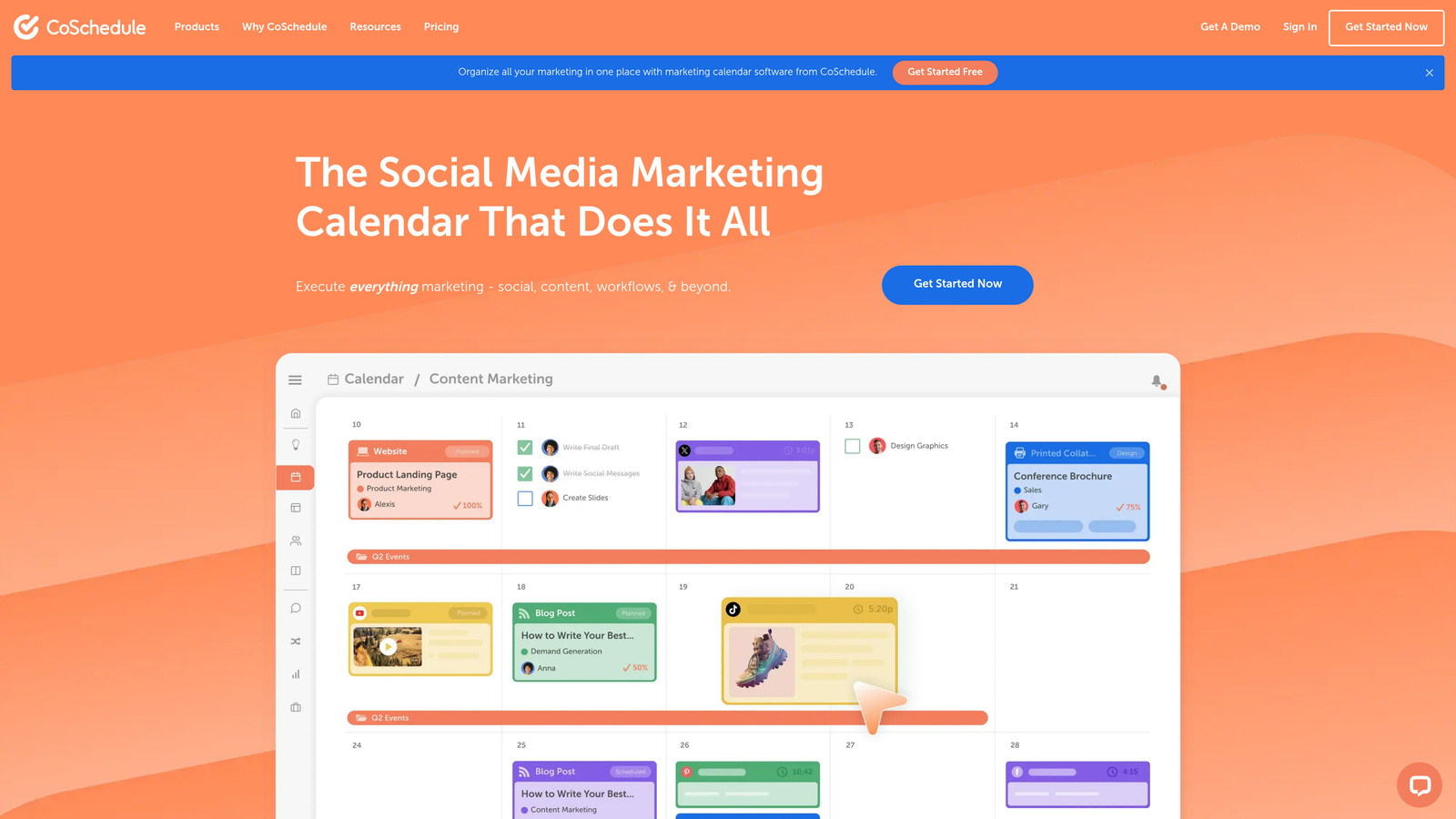
CoSchedule is a marketing calendar platform with editorial workflow automation and WordPress integration.
Where This Tool Shines
CoSchedule's unified marketing calendar brings together blog posts, social media, email campaigns, and other marketing activities in one timeline. This holistic view prevents channel conflicts and helps teams coordinate campaigns across multiple touchpoints.
The ReQueue feature automatically reshares evergreen content at optimal times, extending the lifespan of your best-performing pieces without manual scheduling. Your content library becomes a continuously working asset rather than publish-once-and-forget.
Key Features
Unified Marketing Calendar: Visualize all content and campaigns across channels in a single calendar view.
ReQueue for Automated Resharing: Evergreen content automatically recirculates to fill gaps in your schedule.
WordPress Plugin with Headline Analyzer: Optimize headlines directly in your WordPress editor before publishing.
Team Task Management: Assign tasks, set deadlines, and manage approval workflows within the platform.
Best For
Content marketing teams managing editorial calendars with multiple contributors and approval stages. Particularly valuable for organizations coordinating content across blogs, social media, and email marketing.
Pricing
Calendar available free for basic use; Marketing Suite plans start at $29/month for advanced automation and team features.
7. Publii
Best for: Static site publishers wanting simple one-click deployment without server management
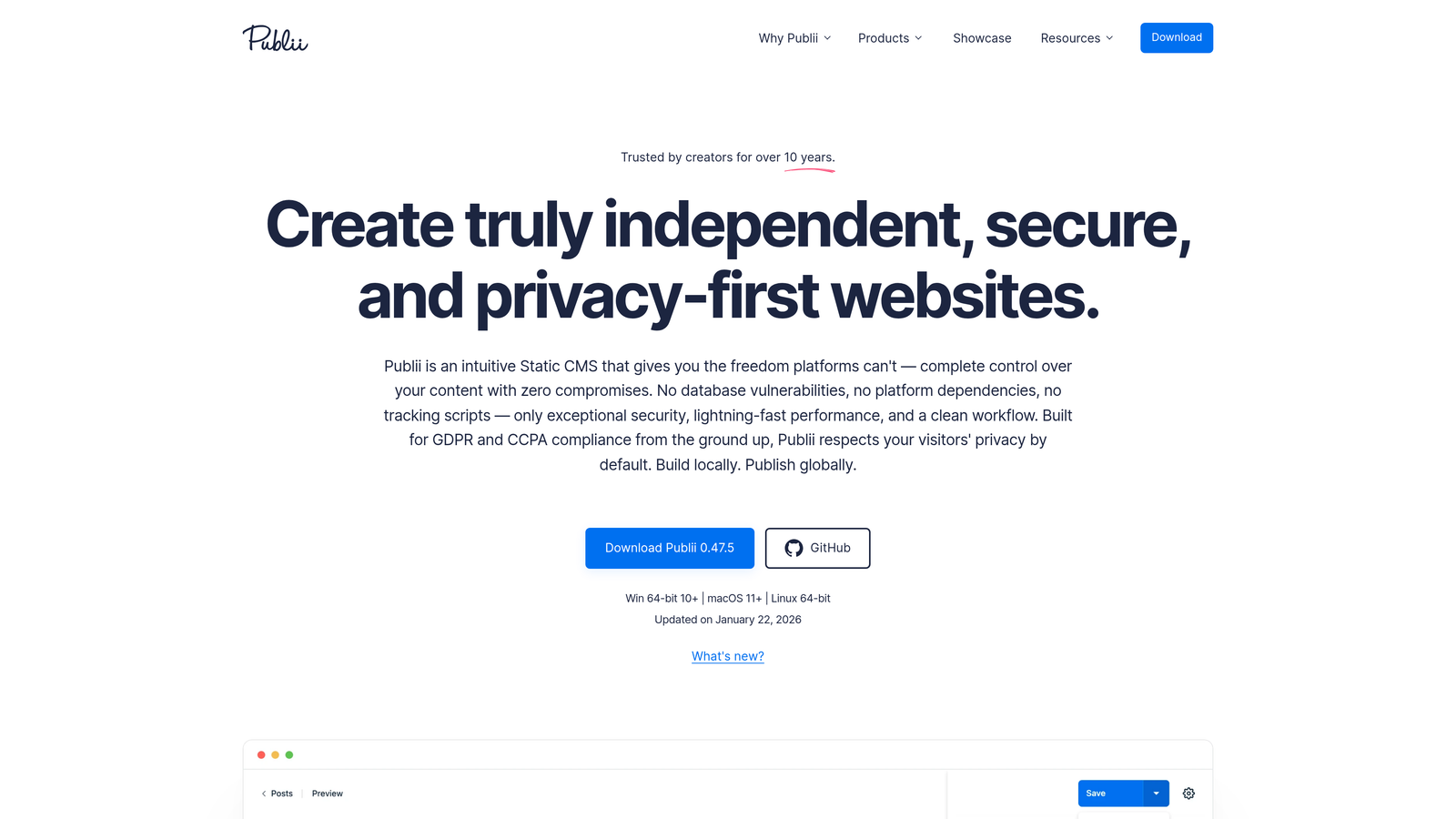
Publii is a desktop-based static site CMS with one-click publishing to various hosting platforms.
Where This Tool Shines
Publii runs entirely on your local machine—no server required during content creation. You write, format, and preview everything offline, then publish with a single click to your chosen hosting platform. This approach eliminates server costs during content development and speeds up the editing process.
Static site generation creates lightning-fast pages with minimal security vulnerabilities. Since there's no database to hack or server-side code to exploit, your published site is inherently more secure than traditional CMS platforms.
Key Features
One-Click Publishing: Deploy directly to GitHub Pages, Netlify, Amazon S3, and other static hosting services.
Built-in SEO Optimization: SEO tools integrated into the editor help optimize content before publication.
No Server Required: Entire CMS runs locally on your desktop—no hosting needed until you publish.
Multiple Theme Options: Choose from various themes with customization options for branding.
Best For
Bloggers, developers, and small publishers who want the performance benefits of static sites without complex build processes. Ideal for those comfortable with desktop applications and seeking maximum site speed.
Pricing
Completely free and open-source with no premium tiers or hidden costs.
8. Ghost
Best for: Creators focused on newsletter-blog integration and membership automation
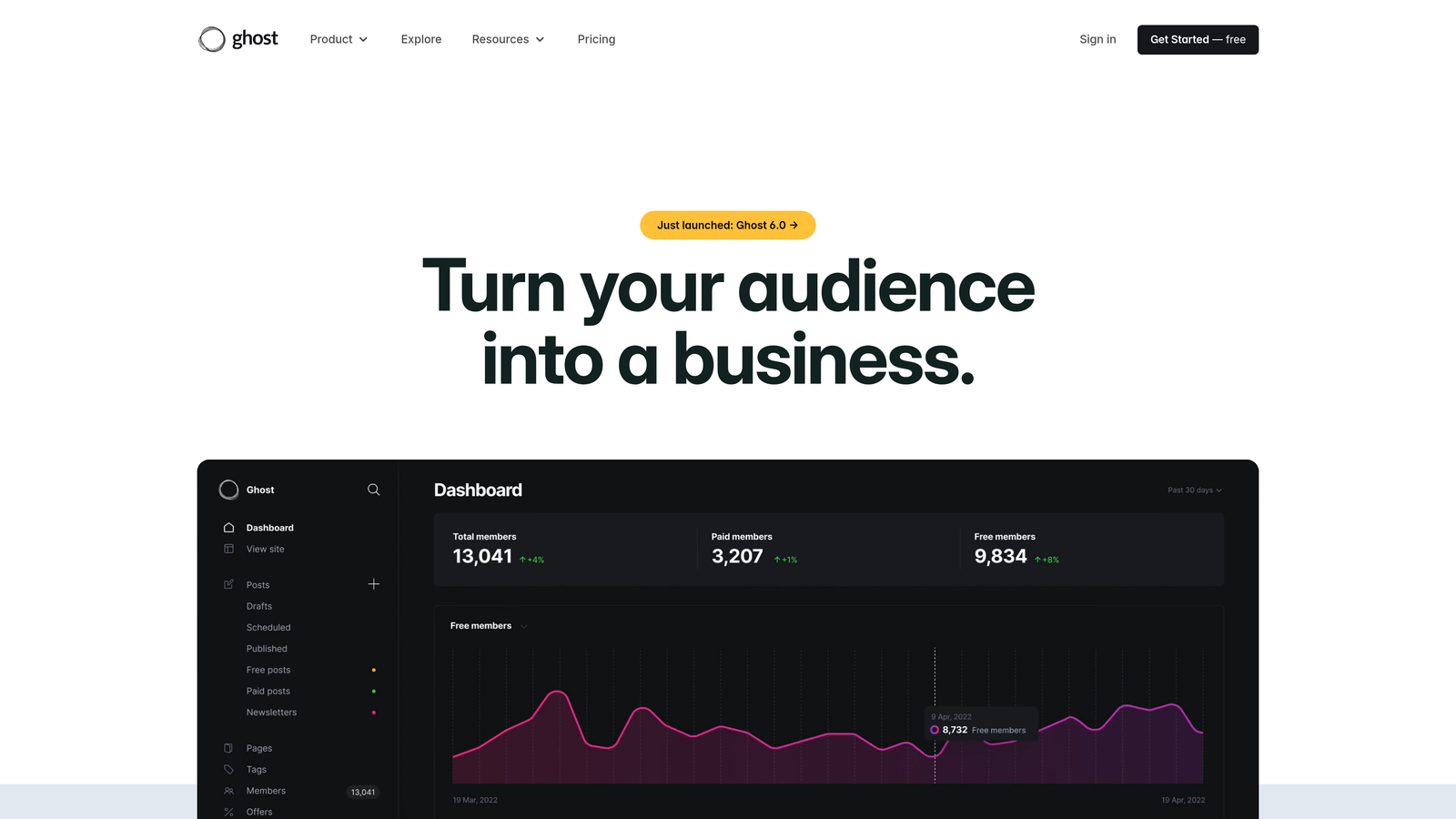
Ghost is a modern publishing platform with native newsletter integration and membership automation.
Where This Tool Shines
Ghost treats newsletters as first-class content rather than an add-on feature. Every blog post can simultaneously become a newsletter issue, and subscribers receive content in their inbox the moment you publish. This dual-channel approach maximizes reach without duplicating effort.
The membership and subscription system is built directly into the platform. Launch paid newsletters, offer tiered memberships, or gate premium content—all managed from the same interface you use for publishing. No third-party integration required.
Key Features
Combined Blog and Newsletter Publishing: Publish to web and email simultaneously from a single editor.
Membership and Subscription Management: Native support for paid memberships, free subscribers, and content gating.
Scheduled Publishing: Clean, distraction-free editor with built-in scheduling for timed releases.
Native Integrations: Connect to Zapier, Slack, and other tools without custom development.
Best For
Independent creators, journalists, and content entrepreneurs building subscription-based audiences. Perfect for those wanting to monetize content through memberships without cobbling together multiple services.
Pricing
Self-hosted version is free; Ghost(Pro) managed hosting starts at $9/month with scaling tiers based on subscriber count.
9. HubSpot CMS Hub
Best for: Marketing teams already in the HubSpot ecosystem needing CRM-integrated publishing
HubSpot CMS Hub is an enterprise CMS with marketing automation, CRM integration, and smart content publishing.
Where This Tool Shines
HubSpot CMS Hub connects your content directly to your CRM data, enabling personalization impossible with standalone publishing tools. Display different content to visitors based on their company size, industry, lifecycle stage, or previous interactions—all managed from the same platform handling your contacts and deals.
The built-in SEO recommendations analyze your content as you write and suggest improvements before publication. Combined with A/B testing capabilities, you can continuously optimize content performance based on real visitor behavior rather than assumptions.
Key Features
Blog Publishing with CRM Integration: Connect published content to contact records and track engagement at the individual level.
Smart Content Personalization: Display different content variations based on visitor attributes and behavior.
Built-in SEO Recommendations: Real-time optimization suggestions appear as you create content.
A/B Testing: Test different content variations and automatically route traffic to better-performing versions.
Best For
B2B marketing teams already using HubSpot for CRM and marketing automation who want unified content management. Most valuable for organizations leveraging contact data to personalize content experiences.
Pricing
Free tier available with basic features; Starter plans begin at $20/month with scaling options for enterprise needs.
Making the Right Choice
The right automated publishing tool depends on your existing tech stack, content volume, and whether you need content creation alongside publishing automation.
Choose Sight AI if you want AI content generation with automatic publishing and indexing in one platform—particularly valuable for teams publishing high volumes of SEO-optimized content. WordPress with Jetpack works best for existing WordPress users needing simple scheduling without platform migration. Contentful serves enterprises requiring headless CMS flexibility and API-first content distribution across multiple channels.
Zapier excels at connecting tools you already use without custom development. CoSchedule fits editorial teams managing complex content calendars with multiple contributors and approval workflows. Ghost is ideal for creators focused on newsletter-blog integration and membership monetization. HubSpot CMS Hub makes sense for marketing teams already invested in the HubSpot ecosystem.
For teams just starting with publishing automation, begin with your current pain point. If manual scheduling consumes the most time, start there. If search engine indexing speed matters for competitive content, prioritize tools with IndexNow integration. If you're stitching together multiple platforms inefficiently, look for all-in-one solutions that consolidate your workflow.
The publishing automation landscape continues evolving rapidly. Tools that combine content creation, distribution, and performance tracking are gaining ground over single-purpose solutions. As AI-generated content becomes more prevalent, platforms that integrate creation and publishing workflows offer the most streamlined path to scaling content output.
Stop guessing how AI models like ChatGPT and Claude talk about your brand—get visibility into every mention, track content opportunities, and automate your path to organic traffic growth. Start tracking your AI visibility today and see exactly where your brand appears across top AI platforms.