Publishing content manually across multiple platforms drains hours from your week—time better spent on strategy and creation. Automated CMS publishing software eliminates the copy-paste workflow, scheduling headaches, and formatting inconsistencies that slow down content teams.
Whether you're managing a single blog or orchestrating content across dozens of sites, the right automation tool transforms publishing from a bottleneck into a seamless final step. We evaluated these tools based on CMS compatibility, automation depth, ease of setup, and value for content-focused teams. Here are the top automated CMS publishing solutions worth considering in 2026.
1. Sight AI
Best for: Teams wanting AI content creation with direct CMS publishing and search engine discovery automation
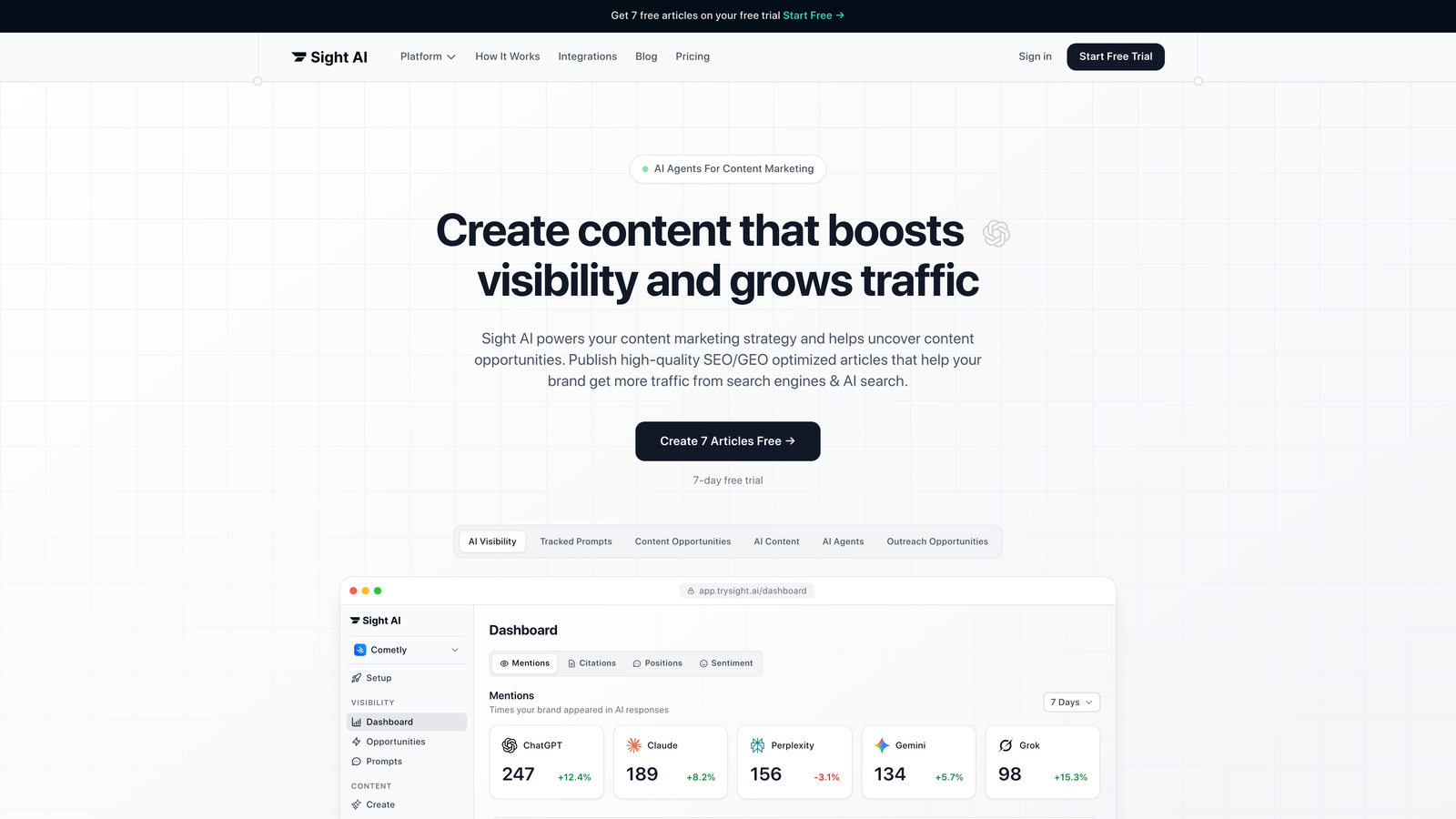
Sight AI combines AI-powered content generation with automated CMS publishing, creating a complete pipeline from ideation to live content.
Where This Tool Shines
Sight AI removes the gap between content creation and publication by auto-publishing directly to WordPress and other CMS platforms. The platform doesn't just schedule posts—it generates SEO and GEO-optimized content through 13+ specialized AI agents, then pushes everything live automatically.
The IndexNow integration means your content gets discovered by search engines immediately after publishing, rather than waiting for the next crawl cycle. This matters when you're competing for timely topics or trying to establish authority quickly.
Key Features
Auto-Publishing to CMS: Content flows directly from AI generation to your WordPress site without manual intervention.
IndexNow Integration: Automatic notification to search engines the moment content goes live, accelerating discovery.
13+ AI Agents: Specialized agents handle different content types—listicles, guides, explainers—with optimization built in.
Automated Sitemap Updates: Your XML sitemap refreshes automatically when new content publishes.
AI Visibility Tracking: Monitor how AI models like ChatGPT and Claude mention your brand, revealing content opportunities.
Best For
Content teams that want to streamline the entire workflow from creation through publication. Particularly valuable for marketers focused on organic traffic growth who need both content generation and publishing automation in one platform.
Pricing
Free trial available to test the full automation pipeline. Paid plans start at $49/month, scaling with content volume and feature access.
2. WordPress Auto-Publish by Jetstash
Best for: WordPress-native teams managing content queues and editorial calendars
Jetstash delivers visual scheduling and queue management built specifically for WordPress workflows.
Where This Tool Shines
If your entire operation runs on WordPress, Jetstash feels native because it is. The visual editorial calendar makes scheduling intuitive—drag posts to different time slots, see your entire content pipeline at a glance, and adjust on the fly.
The bulk scheduling feature becomes essential when you're planning seasonal campaigns or need to queue dozens of posts efficiently. Team collaboration tools keep everyone aligned on what's publishing when.
Key Features
Visual Editorial Calendar: Drag-and-drop interface shows your entire publishing schedule in calendar view.
Bulk Content Scheduling: Upload and schedule multiple posts simultaneously instead of one at a time.
Team Collaboration: Role-based permissions control who can schedule, edit, or approve content.
Custom Publishing Rules: Define specific time slots and frequency rules for consistent publishing patterns.
Best For
WordPress-focused content teams that need visual scheduling tools and queue management. Works well for blogs publishing multiple times weekly with editorial review processes.
Pricing
Free version covers basic scheduling needs. Pro version at $79/year unlocks bulk operations and advanced team features.
3. Contentful
Best for: Enterprise teams publishing content across web, mobile, and IoT platforms simultaneously
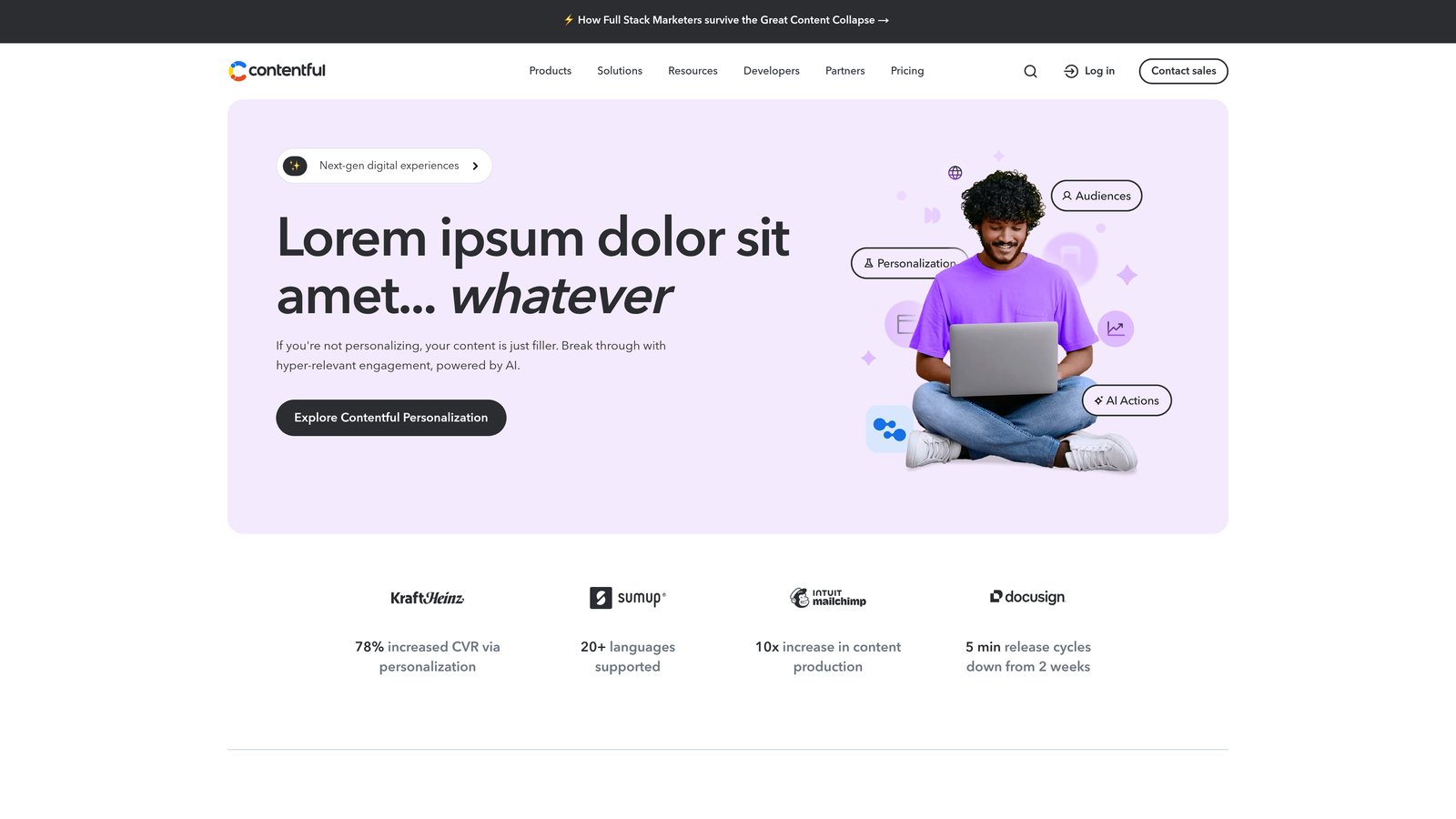
Contentful provides headless CMS architecture with API-driven content delivery and sophisticated workflow automation.
Where This Tool Shines
Contentful excels when you need to publish the same content across multiple platforms—website, mobile app, digital displays, voice assistants. The headless architecture means content lives independently from presentation, flowing to any frontend through APIs.
The workflow automation handles complex approval chains and scheduled publishing across time zones. Enterprise security and compliance features make it viable for regulated industries with strict content governance requirements.
Key Features
Headless Architecture: Content delivers to any platform through flexible APIs, enabling true omnichannel publishing.
Content Modeling: Define structured content types that maintain consistency across all distribution channels.
Workflow Automation: Build multi-step approval processes with scheduled publishing at the final stage.
API and Webhooks: Extensive integration options connect Contentful to virtually any system or service.
Enterprise Security: SOC 2 compliance, role-based access control, and audit logs meet corporate requirements.
Best For
Large organizations publishing content to multiple platforms simultaneously. Ideal for companies with dedicated development resources to leverage the headless architecture fully.
Pricing
Free tier supports small projects. Team plans start at $489/month, with enterprise pricing based on scale and support needs.
4. CoSchedule
Best for: Marketing teams coordinating blog, social media, and email campaigns from one calendar
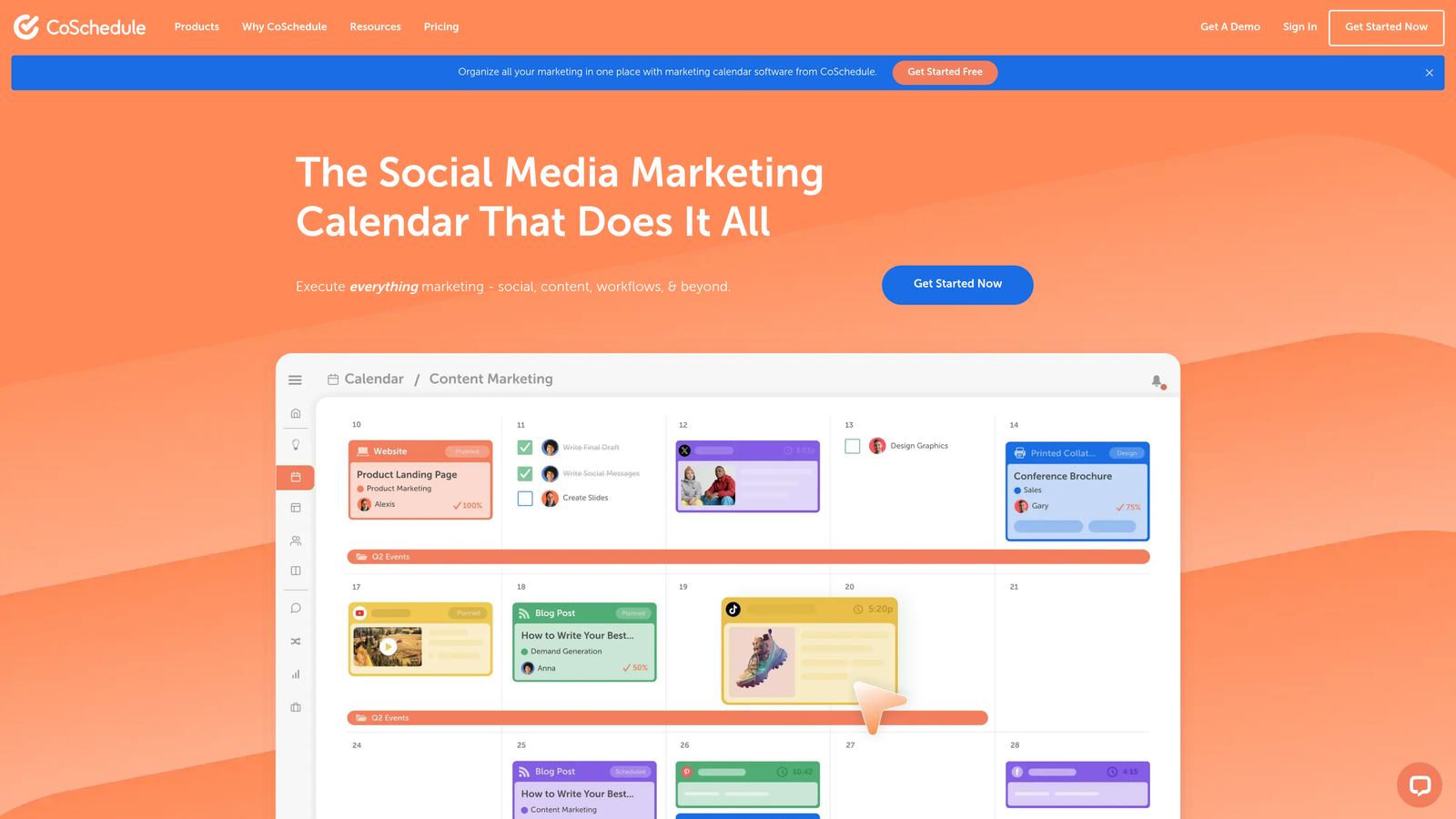
CoSchedule unifies all marketing content types in a single calendar with cross-channel publishing automation.
Where This Tool Shines
CoSchedule treats blog posts, social updates, and email campaigns as interconnected pieces of the same marketing effort. Schedule a blog post and automatically queue related social promotions and email notifications—all from one interface.
The ReQueue feature keeps evergreen content circulating automatically, filling gaps in your social schedule without manual intervention. WordPress integration enables direct publishing while maintaining visibility across all marketing channels.
Key Features
Unified Marketing Calendar: See blog posts, social content, and emails together in one scheduling view.
ReQueue Automation: Evergreen content automatically reshares on social media when your calendar has gaps.
WordPress Integration: Publish directly to WordPress while coordinating social and email promotion.
Social Media Scheduling: Automate posting across Facebook, Twitter, LinkedIn, and Instagram from the same calendar.
Team Workflows: Approval processes ensure content meets standards before going live.
Best For
Marketing teams managing integrated campaigns across multiple channels. Most valuable when blog content drives social and email promotion in coordinated sequences.
Pricing
Free calendar available for basic planning. Pro plans start at $29 per user per month, scaling with team size and feature needs.
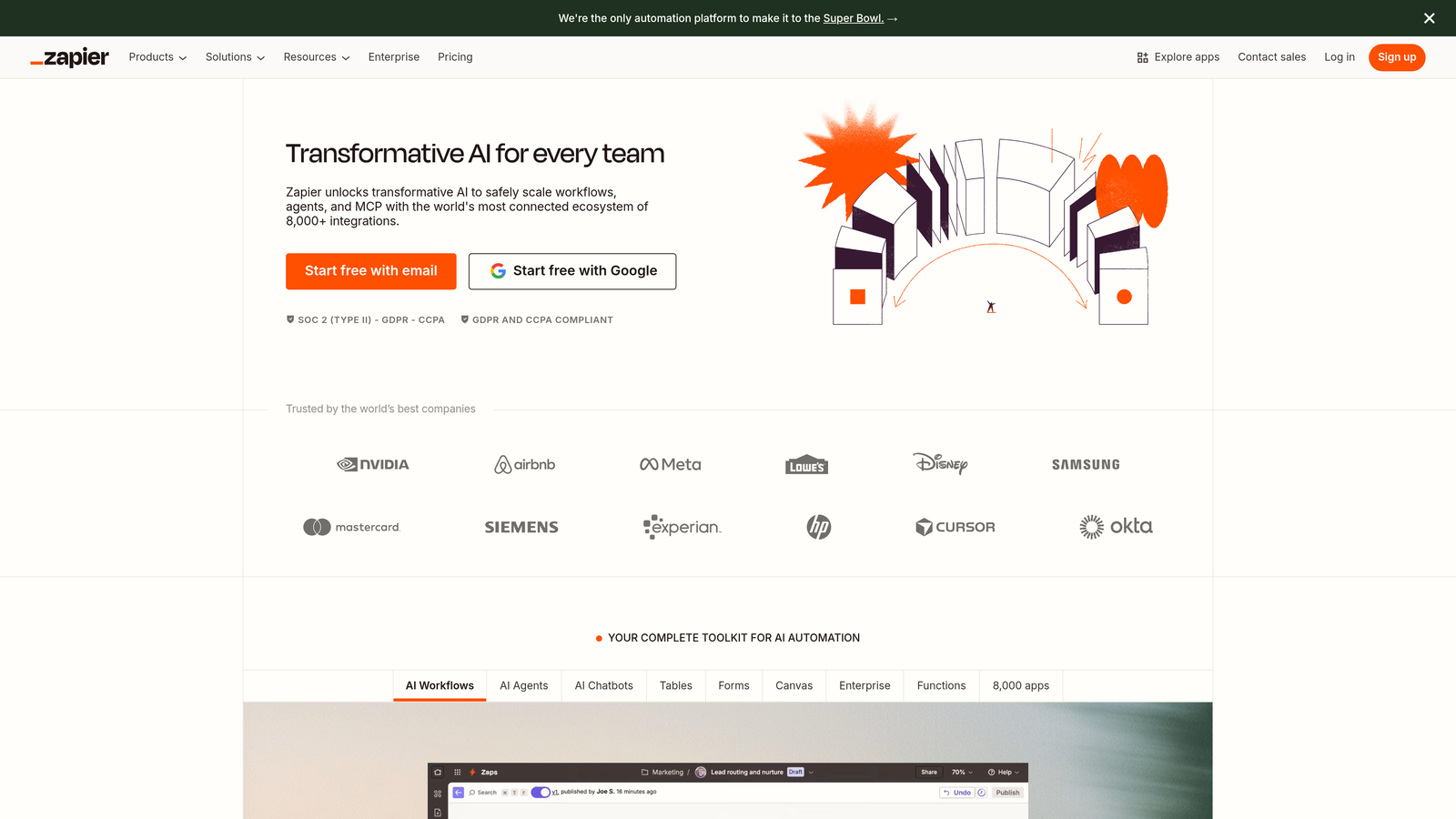
5. Zapier
Best for: Custom automation workflows connecting CMS platforms with thousands of other tools
Zapier provides no-code automation that connects virtually any CMS to 6,000+ apps and services.
Where This Tool Shines
Zapier's strength lies in flexibility—if you can imagine a publishing workflow, you can probably build it. Trigger publishing when a spreadsheet updates, when a form submits, when a Slack message contains specific keywords, or based on virtually any other event.
The platform bridges gaps between tools that don't natively integrate. Connect WordPress to Airtable, Webflow to Google Sheets, or Ghost to your custom CRM. Multi-step Zaps handle complex sequences like formatting content, adding metadata, and publishing across multiple destinations.
Key Features
6,000+ App Integrations: Connect WordPress, Webflow, Ghost, and most CMS platforms to an enormous ecosystem.
Custom Trigger Workflows: Launch publishing sequences based on nearly any event or condition you define.
Multi-Step Automation: Build complex workflows with content transformation, conditional logic, and multiple actions.
Formatting Tools: Transform content between formats automatically before publishing.
Scheduled Publishing: Time-based triggers enable scheduled content releases without manual intervention.
Best For
Teams with unique workflow requirements or using CMS platforms without native automation. Perfect for operations that need custom integrations between disparate tools.
Pricing
Free tier includes 100 tasks monthly. Starter plans begin at $19.99/month, with pricing scaling based on task volume and premium features.
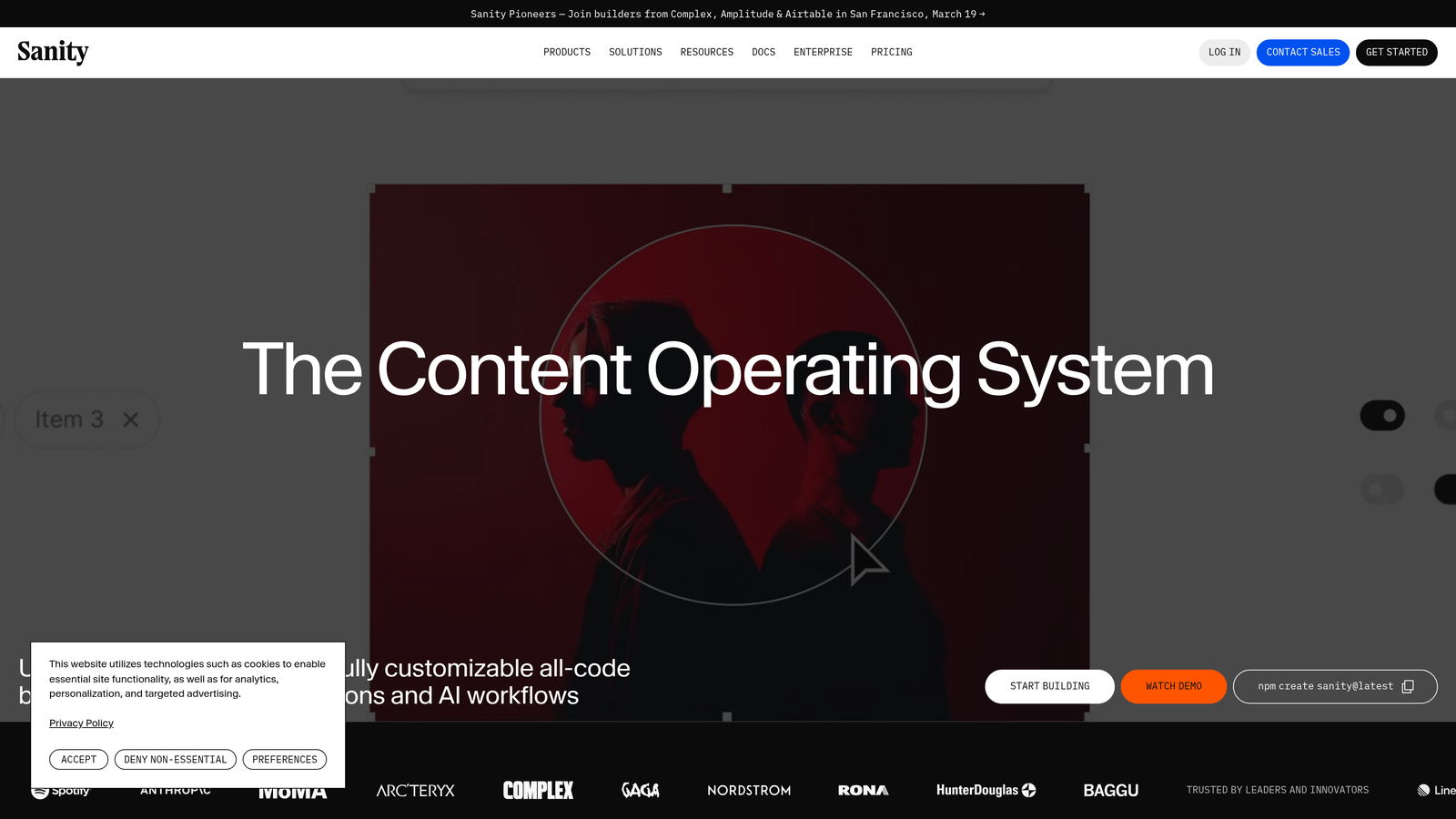
6. Sanity.io
Best for: Development teams building custom content pipelines with real-time collaboration
Sanity.io offers a real-time collaborative headless CMS with highly customizable content workflows and publishing automation.
Where This Tool Shines
Sanity.io gives developers complete control over content structure and publishing logic. The GROQ query language enables sophisticated automation rules—publish content when specific conditions are met, trigger webhooks based on content changes, or orchestrate complex multi-step publishing sequences.
Real-time collaboration means multiple team members can edit content simultaneously without conflicts. The customizable content studio adapts to your exact workflow rather than forcing you into predefined patterns.
Key Features
Real-Time Collaboration: Multiple editors work on content simultaneously with instant updates across all sessions.
GROQ Query Language: Write custom queries that automate content selection and publishing based on complex rules.
Webhook Automation: Trigger publishing to any frontend or service instantly when content changes.
Customizable Studio: Build content editing interfaces that match your team's specific needs and workflows.
Version History: Track all content changes with the ability to schedule future versions for automatic publishing.
Best For
Organizations with development resources who need maximum flexibility in content structure and publishing automation. Ideal for complex content operations requiring custom workflows.
Pricing
Free tier supports small projects and testing. Team plans start at $99/month, with enterprise pricing for larger operations.
7. HubSpot CMS Hub
Best for: Marketing teams leveraging CRM data for personalized, automated content publishing
HubSpot CMS Hub connects content management directly to CRM data, enabling smart content personalization and marketing automation workflows.

Where This Tool Shines
HubSpot's integration between CMS and CRM creates publishing automation that responds to customer behavior. Publish different content variations based on visitor attributes, trigger content updates when leads reach specific stages, or automatically adjust messaging based on CRM data.
The built-in SEO recommendations guide optimization before publishing, while A/B testing capabilities let you refine content performance automatically. Everything connects to HubSpot's broader marketing automation ecosystem.
Key Features
CRM-Powered Personalization: Publish different content versions automatically based on visitor attributes from your CRM.
SEO Recommendations: Built-in guidance optimizes content for search before it goes live.
A/B Testing: Test content variations automatically and publish winning versions based on performance data.
Workflow Triggers: Schedule publishing based on marketing automation workflows and customer journey stages.
Native Marketing Integration: Seamless connection to email, social, and advertising tools in the HubSpot ecosystem.
Best For
Companies already using HubSpot for marketing automation who want content publishing deeply integrated with customer data and campaign workflows.
Pricing
Starter tier begins at $25/month for basic features. Professional plans start at $400/month, unlocking advanced automation and personalization capabilities.
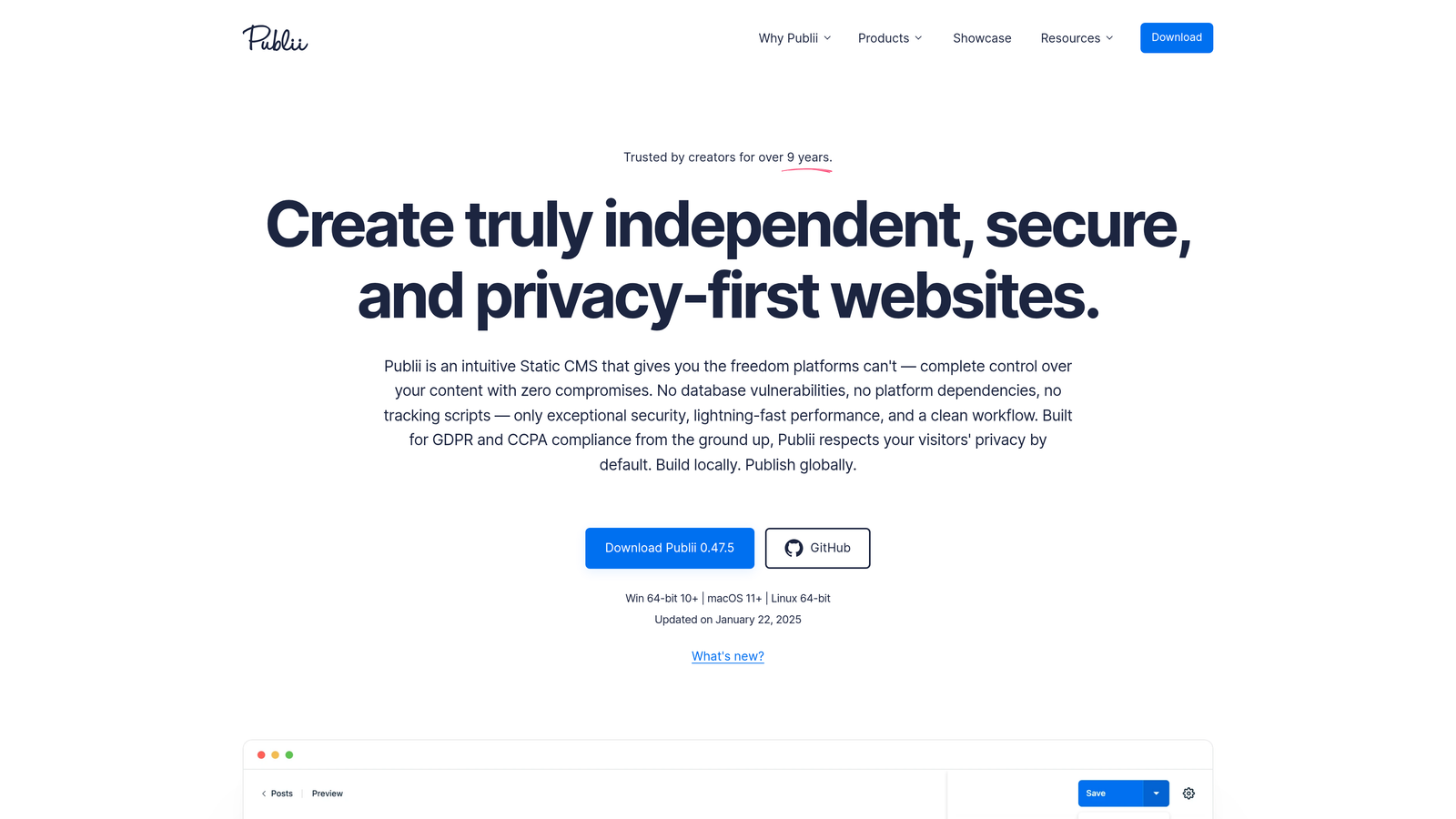
8. Publii
Best for: Solo publishers and small teams wanting fast static sites with one-click deployment
Publii is a desktop static site generator that eliminates server management while automating publishing to multiple hosting providers.
Where This Tool Shines
Publii runs entirely on your desktop—no server setup, no hosting management, no security updates. Create and manage content locally, then publish to GitHub Pages, Netlify, AWS S3, or other hosting with a single click.
The static site approach delivers exceptional speed and security since there's no database or server-side processing. Built-in themes and customization options create professional results without coding knowledge.
Key Features
Desktop Application: Manage content on your computer without server requirements or hosting complexities.
One-Click Publishing: Deploy to GitHub Pages, Netlify, AWS S3, and other platforms with automated synchronization.
Built-In Themes: Professional designs included, with customization options for branding and layout.
Static Site Generation: Lightning-fast page loads and inherent security from static file architecture.
Local Content Management: Work offline, preview changes locally, then publish when ready.
Best For
Individual bloggers, portfolio sites, and small teams who want publishing simplicity without server management overhead. Excellent for technically-minded users who appreciate static site benefits.
Pricing
Completely free and open source. No subscription fees or usage limits.
9. Ghost (Pro)
Best for: Newsletter publishers automating simultaneous web and email content distribution
Ghost specializes in newsletter-first publishing, automatically distributing content to both web and email subscribers simultaneously.
Where This Tool Shines
Ghost treats newsletters as primary content rather than an afterthought. Write once, and your content automatically publishes to your website while sending to email subscribers—no duplicate effort, no separate workflows.
The platform includes native membership and subscription management, making it simple to build paid newsletter businesses. The clean publishing interface focuses on writing rather than configuration, while SEO optimization happens automatically in the background.
Key Features
Simultaneous Publishing: Content goes to your website and email subscribers in one action, eliminating duplicate work.
Membership Management: Built-in tools for free and paid subscriptions, with native payment processing.
Newsletter Automation: Scheduled sends, segmentation, and automated welcome sequences for new subscribers.
Clean Publishing Interface: Distraction-free writing environment focused on content creation.
SEO-Optimized Output: Technical SEO handled automatically without manual configuration.
Best For
Publishers building newsletter-focused content businesses who want web and email distribution unified. Ideal for creators monetizing through subscriptions or building engaged email audiences.
Pricing
Starter plans begin at $9/month for basic features. Creator plans start at $25/month, adding advanced newsletter and membership capabilities.
Finding Your Publishing Automation Match
The right automated CMS publishing tool depends on where your current workflow breaks down. If content creation itself is the bottleneck, Sight AI delivers the most complete pipeline—AI-generated content flowing directly to your CMS with automatic search engine notification through IndexNow integration.
WordPress-native teams managing editorial calendars get immediate value from CoSchedule or Jetstash's visual scheduling tools. Enterprise operations publishing across multiple platforms should evaluate Contentful or Sanity.io for their headless architecture and API flexibility. Teams already invested in HubSpot benefit from the CRM-connected personalization that Hub offers.
For custom workflow needs that existing tools don't address, Zapier remains the most flexible connector—bridging any CMS to thousands of apps without code. Newsletter-focused publishers find Ghost's simultaneous web and email distribution eliminates duplicate effort. And if you value simplicity and speed over complexity, Publii's desktop approach removes server management entirely.
Start by identifying your biggest friction point. Is it content creation speed? Multi-platform coordination? Team collaboration? Search engine discovery? Match that specific pain to the tool's core strength rather than chasing feature lists. The best automation tool is the one that eliminates your actual bottleneck, not the one with the longest feature list.
Stop guessing how AI models like ChatGPT and Claude talk about your brand—get visibility into every mention, track content opportunities, and automate your path to organic traffic growth. Start tracking your AI visibility today and see exactly where your brand appears across top AI platforms.