The landscape of brand visibility has fundamentally shifted. AI platforms like ChatGPT, Claude, and Perplexity now influence how millions discover and evaluate brands—often before users ever reach a search engine.
A free trial of AI visibility tracking software represents a critical window to understand your brand's position in this new ecosystem. However, many marketers waste their trial period on surface-level exploration, missing the strategic insights that could transform their approach to AI-era marketing.
Think of your free trial as a reconnaissance mission into uncharted territory. You're not just testing software—you're gathering intelligence that could reshape your entire content strategy. The difference between a wasted trial and a transformative one comes down to how systematically you approach it.
This guide delivers seven actionable strategies to extract maximum value from your AI visibility tracking free trial, helping you make informed decisions about your brand's AI presence and the tools you need to optimize it.
1. Map Your Complete AI Visibility Baseline
The Challenge It Solves
You can't improve what you don't measure. Without a comprehensive baseline, you're navigating blind. Many marketers jump into their trial excited to explore features, but they skip the crucial first step: documenting where they stand right now.
This oversight makes it impossible to demonstrate ROI later. When you can't prove how visibility has changed, justifying an ongoing investment becomes guesswork rather than data-driven decision-making.
The Strategy Explained
Your first 48 hours should focus entirely on baseline establishment. This means systematically querying AI platforms about your brand, products, and industry positioning before you change anything.
Document every mention, non-mention, and competitor reference. Capture screenshots of actual AI responses. Record which platforms mention you and which ignore you completely. Note the context in which your brand appears—are you positioned as a leader, an alternative, or an afterthought?
This baseline becomes your north star. Every subsequent measurement during your trial gets compared against these initial metrics, creating a clear before-and-after narrative. Understanding what AI visibility tracking entails helps you approach this systematically.
Implementation Steps
1. Create a standardized prompt library covering brand queries, product comparisons, solution searches, and industry recommendations—test each prompt across all AI platforms you're monitoring.
2. Document responses in a structured format with timestamps, platform names, exact prompt text, and whether your brand was mentioned, ignored, or misrepresented.
3. Calculate your initial AI Visibility Score if your trial platform provides one, and note the distribution of mentions across different query categories.
4. Take screenshots of key responses to create visual proof of your starting position—these become invaluable when presenting findings to stakeholders.
Pro Tips
Set aside dedicated time for this baseline work rather than trying to multitask. The quality of your initial documentation directly impacts the value you'll extract from the entire trial. Consider involving team members in the prompt testing process to uncover queries you might not have considered on your own.
2. Identify High-Impact Prompt Categories
The Challenge It Solves
Not all AI queries are created equal. Some prompt categories drive significant brand discovery, while others rarely surface your company regardless of your content efforts.
Without understanding which query types matter most, you'll waste resources optimizing for low-impact scenarios while missing the conversations that actually influence your target audience's decisions.
The Strategy Explained
During your trial, you'll discover patterns in how users ask AI platforms for recommendations. Some queries trigger brand mentions consistently, while others represent white space opportunities where no one currently dominates.
The goal is to categorize prompts by business impact and visibility frequency. A prompt that generates thousands of monthly queries but never mentions your brand represents a different opportunity than one with lower volume but consistent mentions.
This intelligence helps you prioritize content creation efforts. You'll know exactly which topics deserve immediate attention and which can wait. Using an AI visibility tracking dashboard makes this categorization much more efficient.
Implementation Steps
1. Group your test prompts into categories like direct brand searches, product comparisons, solution-seeking queries, and educational questions in your industry.
2. Track which categories generate brand mentions most frequently and which categories show your competitors but not you—these gaps reveal immediate opportunities.
3. Analyze the language patterns in prompts that do trigger mentions to understand what signals AI models associate with your brand.
4. Create a priority matrix ranking prompt categories by potential business impact and current visibility performance to guide your content strategy.
Pro Tips
Pay special attention to comparison queries where prospects are actively evaluating options. These represent high-intent moments where AI visibility directly impacts pipeline. Also note prompts where AI models mention your competitors but not you—these are your fastest wins because the query category is already proven valuable.
3. Decode Sentiment Patterns Across Platforms
The Challenge It Solves
Different AI platforms can present your brand in wildly different contexts. ChatGPT might position you as an innovative leader while Claude describes you as a budget-friendly alternative. These inconsistencies confuse potential customers and dilute your positioning.
Without understanding platform-specific sentiment patterns, you're essentially letting each AI model tell its own version of your brand story—and those versions might contradict your actual positioning.
The Strategy Explained
AI visibility tracking tools typically provide sentiment analysis across different platforms. During your trial, you're looking for patterns in how each platform characterizes your brand, products, and value proposition.
This isn't just about positive versus negative sentiment. It's about understanding the specific attributes each platform associates with your brand. Does one platform emphasize your pricing while another highlights your features? These nuances matter because they shape how different audience segments perceive you.
Platform-specific insights also reveal optimization opportunities. If one AI model consistently presents outdated information while another has current details, you know exactly where to focus your content update efforts. Implementing cross-AI visibility tracking helps you monitor these differences systematically.
Implementation Steps
1. Run identical prompts across all platforms you're tracking and compare how each AI model describes your brand, noting differences in tone, emphasis, and factual accuracy.
2. Create a sentiment comparison chart showing how each platform positions you relative to competitors—look for platforms where sentiment is notably more positive or negative.
3. Identify factual inaccuracies or outdated information that specific platforms are propagating, as these require immediate content correction.
4. Document which platforms align best with your desired positioning and which platforms need the most work to correct misalignment.
Pro Tips
Remember that AI platforms train on different data sources and update at different frequencies. A platform with outdated information might simply need fresh, well-structured content to reference. Focus your content optimization efforts on platforms where your target audience is most active rather than trying to optimize everywhere simultaneously.
4. Audit Your Content's AI Training Footprint
The Challenge It Solves
AI models form opinions about your brand based on the content they've encountered during training and through ongoing web crawling. But which specific content pieces are they actually referencing? And is that content still accurate and aligned with your current messaging?
Many companies discover during their trial that AI platforms are citing outdated blog posts, discontinued products, or superseded pricing—creating confusion and potentially driving prospects away.
The Strategy Explained
Your trial period is the perfect time to reverse-engineer which content AI models associate with your brand. When an AI platform mentions your company, it's often drawing from specific sources—press releases, blog posts, case studies, or third-party coverage.
By analyzing the context and details in AI responses, you can identify your content's training footprint. This reveals which pieces are working hard for your visibility and which gaps need filling. Tracking AI visibility metrics helps quantify this impact over time.
You'll also discover content liabilities—pieces that are technically still live but contain information that no longer represents your brand accurately. These become priority updates or deletion candidates.
Implementation Steps
1. When AI platforms mention your brand, analyze the specific details they provide to identify which content sources they're likely referencing based on unique facts or phrasing.
2. Create an inventory of content that appears to be influencing AI responses, categorizing pieces as current and accurate, outdated but fixable, or actively harmful and requiring removal.
3. Identify topic gaps where AI platforms should mention you but don't because you lack authoritative content on those subjects.
4. Prioritize content updates based on which pieces are most frequently referenced by AI models and which contain the most significant inaccuracies.
Pro Tips
Look for patterns in the type of content AI models prefer to cite. Many platforms show a preference for structured, factual content with clear headings and data points over purely promotional material. This insight should shape your content creation strategy going forward.
5. Build a Competitive Intelligence Framework
The Challenge It Solves
Your competitors aren't standing still in the AI visibility race. Some may already dominate key prompt categories, while others might be as invisible as you currently are. Without systematic competitive tracking, you're operating without crucial market intelligence.
Understanding competitive positioning in AI responses helps you identify both threats and opportunities. Where are competitors mentioned that you're not? What positioning do they own in AI model responses? These insights directly inform your content strategy.
The Strategy Explained
During your trial, you're not just tracking your own brand—you're mapping the entire competitive landscape as it exists in AI platforms. This means running prompts that would naturally surface competitors and documenting who appears, in what context, and with what positioning.
The goal is to create a competitive visibility matrix that shows relative strength across different prompt categories and platforms. This framework reveals where you're winning, where you're losing, and where white space exists that no one has claimed yet. Reviewing an AI visibility tracking tools comparison can help you select the right platform for ongoing competitive monitoring.
Competitive intelligence also helps you understand what's working. If a competitor consistently appears in AI responses about a specific topic, reverse-engineer their content strategy around that topic to identify replicable tactics.
Implementation Steps
1. Identify your top five competitors and create a tracking list that includes their brand names, key products, and positioning claims you want to monitor.
2. Run comparison prompts across AI platforms asking for alternatives, competitors, and category leaders to see who appears alongside or instead of your brand.
3. Document competitor mention frequency, sentiment, and positioning across different prompt categories to identify their visibility strengths and weaknesses.
4. Create a competitive visibility scorecard showing relative performance across key prompt categories—this becomes your strategic roadmap for where to compete and where to differentiate.
Pro Tips
Pay particular attention to prompts where competitors appear but you don't. These represent your fastest path to visibility gains because the query category is already proven valuable. Also note instances where you appear but competitors don't—these are your current advantages worth protecting and expanding.
6. Test Content Optimization Impact in Real-Time
The Challenge It Solves
Understanding your current visibility is valuable, but proving you can improve it is transformative. Many marketers end their trial with great insights but no proof that optimization actually works. This makes it harder to justify ongoing investment in AI visibility tracking and content optimization.
Without testing actual content changes during your trial, you're left with correlation rather than causation. You need concrete evidence that specific optimization efforts lead to measurable visibility improvements.
The Strategy Explained
Use the middle portion of your trial to experiment with content optimization techniques designed for AI discovery. This is where Generative Engine Optimization comes into play—creating content structured to help AI models understand and reference your brand accurately.
The key is to pick one high-priority topic where you currently lack visibility, create or update content following GEO best practices, and then monitor whether AI platforms begin mentioning you in responses to related prompts. Understanding the difference between AI visibility tracking versus manual monitoring helps you appreciate the efficiency gains from automated tools.
This experimentation phase transforms your trial from passive observation to active learning. You're not just tracking what is—you're testing what could be with the right content strategy.
Implementation Steps
1. Select one specific prompt category where you currently have low visibility but high business value, making it your optimization test case.
2. Create or significantly update content on that topic using structured formats, clear factual statements, and the kind of authoritative information AI models prefer to cite.
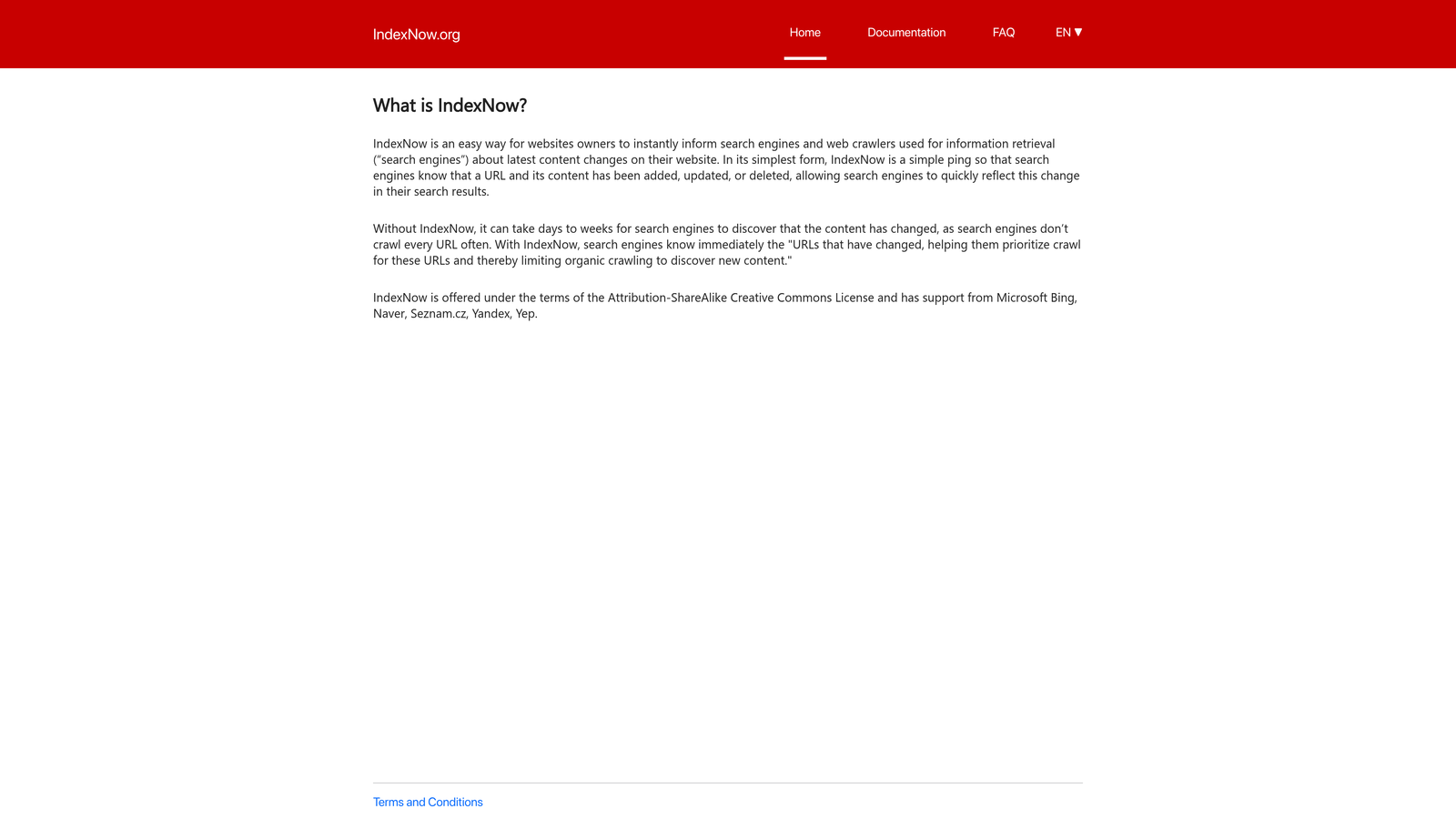
3. Submit your new content for indexing using tools like IndexNow to accelerate discovery by AI platforms that crawl the web for fresh information.
4. Monitor AI responses to your target prompts over the following weeks, documenting any changes in mention frequency, positioning, or sentiment related to your optimized content.
Pro Tips
Focus your optimization test on topics where you have genuine expertise and can create truly valuable content. AI models are increasingly sophisticated at distinguishing between thin, keyword-stuffed content and genuinely informative resources. The goal isn't to game the system but to ensure your best content is discoverable and referenceable.
7. Create Your Post-Trial Action Roadmap
The Challenge It Solves
The end of your trial shouldn't be the end of your AI visibility journey—it should be the beginning. However, without a clear action plan based on your trial insights, the momentum you've built dissipates. You're left with interesting data but no systematic approach to improvement.
Many marketers struggle to translate trial insights into concrete next steps. They know AI visibility matters but can't articulate a compelling business case for ongoing investment or a prioritized roadmap for content optimization.
The Strategy Explained
Your final trial days should focus on synthesis and planning. You've gathered baseline metrics, identified opportunities, tested optimization approaches, and mapped competitive positioning. Now you need to transform those insights into a strategic roadmap.
This roadmap should prioritize actions based on potential impact and resource requirements. Quick wins that require minimal effort but deliver measurable visibility gains come first. Longer-term strategic initiatives that require significant content creation or platform optimization come later. Reviewing AI visibility tracking software pricing helps you budget appropriately for ongoing investment.
You're also building the business case for ongoing AI visibility tracking. Your trial data becomes proof of both the opportunity and your ability to capitalize on it with the right tools and strategy.
Implementation Steps
1. Review all trial data to identify your top three visibility opportunities based on business impact, competitive gaps, and content feasibility—these become your immediate priorities.
2. Create a 90-day content optimization plan specifying which topics to address, what content formats to use, and how you'll measure success against your baseline metrics.
3. Document your trial findings in a presentation format that communicates both current state and future potential to stakeholders who control budget decisions.
4. Calculate the potential business value of improved AI visibility by connecting mention frequency to pipeline metrics like website traffic, lead generation, or brand awareness in your target market.
Pro Tips
Include specific examples from your trial in your business case—before and after screenshots, competitor comparison data, and early results from any optimization tests you ran. Concrete evidence resonates more powerfully than theoretical benefits. Also establish clear success metrics for your ongoing AI visibility efforts so you can demonstrate ROI as you implement your roadmap.
Putting Your AI Visibility Insights Into Action
Your free trial is more than a software evaluation—it's a strategic intelligence gathering mission that can reshape your approach to brand visibility in the AI era.
The seven strategies outlined here transform a typical trial experience from casual exploration into systematic discovery. By establishing comprehensive baselines, identifying high-impact opportunities, understanding platform-specific sentiment, auditing your content footprint, mapping competitive positioning, testing optimization approaches, and creating actionable roadmaps, you're not just learning about AI visibility—you're building the foundation for ongoing competitive advantage.
Remember that AI visibility tracking isn't a one-time audit. The AI landscape evolves constantly as platforms update their models, new competitors emerge, and user query patterns shift. The insights you gather during your trial represent a snapshot in time—valuable for establishing direction but requiring ongoing monitoring to maintain and expand your visibility.
The marketers who will thrive in this new landscape are those who approach AI visibility with the same rigor they've applied to traditional SEO. That means systematic tracking, continuous optimization, and data-driven decision-making rather than guesswork and assumptions.
Your trial period proves whether this approach works for your specific brand and market. The baseline you establish, the opportunities you identify, and the optimization tests you run all contribute to a clear picture of what's possible with sustained effort and the right tools.
Stop guessing how AI models like ChatGPT and Claude talk about your brand—get visibility into every mention, track content opportunities, and automate your path to organic traffic growth. Start tracking your AI visibility today and see exactly where your brand appears across top AI platforms.
The question isn't whether AI visibility matters for your brand. The question is whether you'll approach it strategically or let competitors define the narrative while you watch from the sidelines.