AI search is reshaping how brands get discovered. ChatGPT, Claude, and Perplexity now influence purchasing decisions alongside traditional search engines—yet most marketers have no idea how their brand appears in these AI conversations. When potential customers ask AI assistants for product recommendations, is your brand part of the conversation? For many companies, the answer is a frustrating unknown.
AI visibility monitoring tools solve this blind spot by tracking how AI models reference your brand across platforms. But here's the challenge: most platforms offer limited trial periods, typically 7-14 days. That's not much time to evaluate a tool, extract meaningful insights, and build a business case for your team.
The difference between a productive trial and a wasted opportunity comes down to strategy. You need a structured approach that goes beyond casual exploration—one that delivers actionable intelligence about your AI presence while simultaneously testing the platform's capabilities against your real-world needs.
This guide delivers seven battle-tested strategies to help you maximize every day of your AI visibility monitoring trial. You'll learn how to establish baseline metrics, uncover competitive gaps, identify high-intent prompts, analyze sentiment patterns, test content features, evaluate indexing workflows, and compile data for stakeholder decisions. By the end of your trial, you'll have both a comprehensive understanding of your AI visibility and the evidence needed to make a confident platform decision.
1. Map Your AI Visibility Baseline Before Anything Else
The Challenge It Solves
Starting a trial without baseline metrics is like beginning a fitness program without weighing yourself first. You might feel like you're making progress, but you have no objective way to measure improvement. Many marketers dive into AI visibility tools and start exploring features without documenting their starting position—then struggle to demonstrate value when the trial ends.
The Strategy Explained
Your first action within any AI visibility monitoring trial should be establishing measurable baseline metrics across all relevant AI platforms. This means documenting how frequently your brand appears in AI responses, which contexts trigger mentions, and how you're currently positioned relative to competitors. Think of this as your "Day Zero" snapshot that everything else gets measured against.
The key is capturing both quantitative and qualitative data. Quantitative metrics include mention frequency, share of voice in your category, and position in AI-generated lists. Qualitative factors include sentiment tone, context accuracy, and whether mentions appear in high-intent or low-intent conversations. Together, these create a comprehensive picture of your current AI visibility.
Implementation Steps
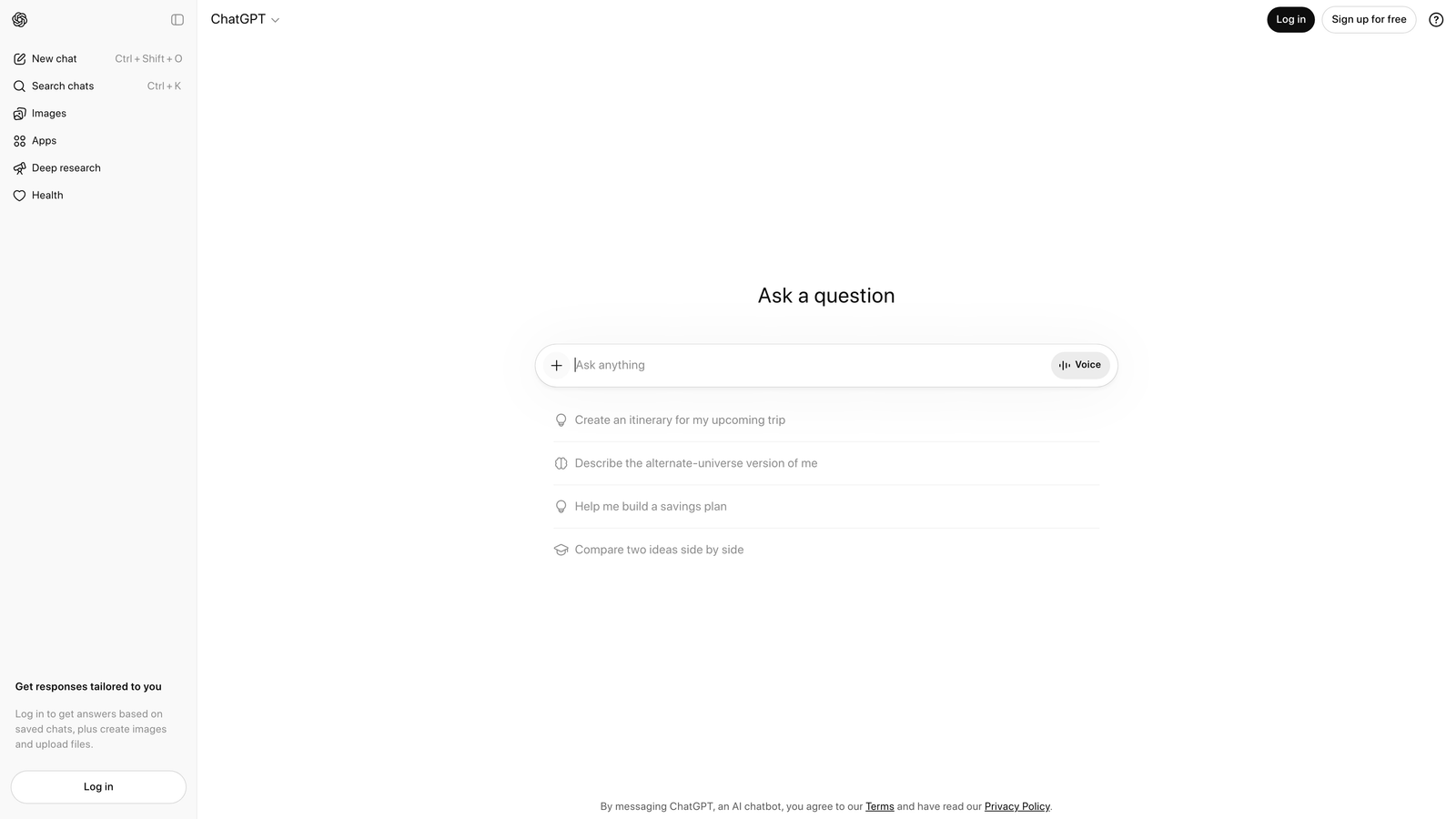
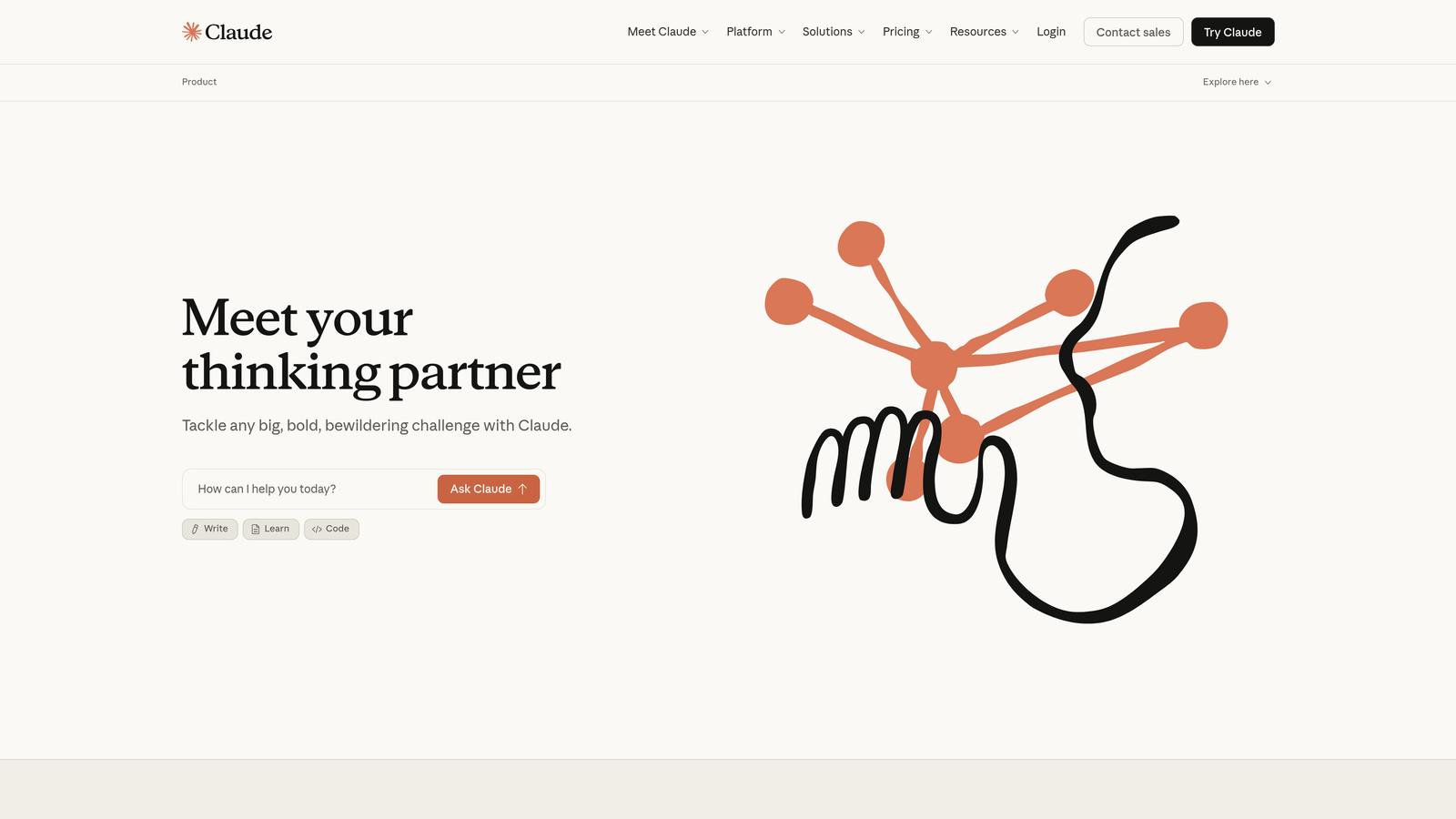
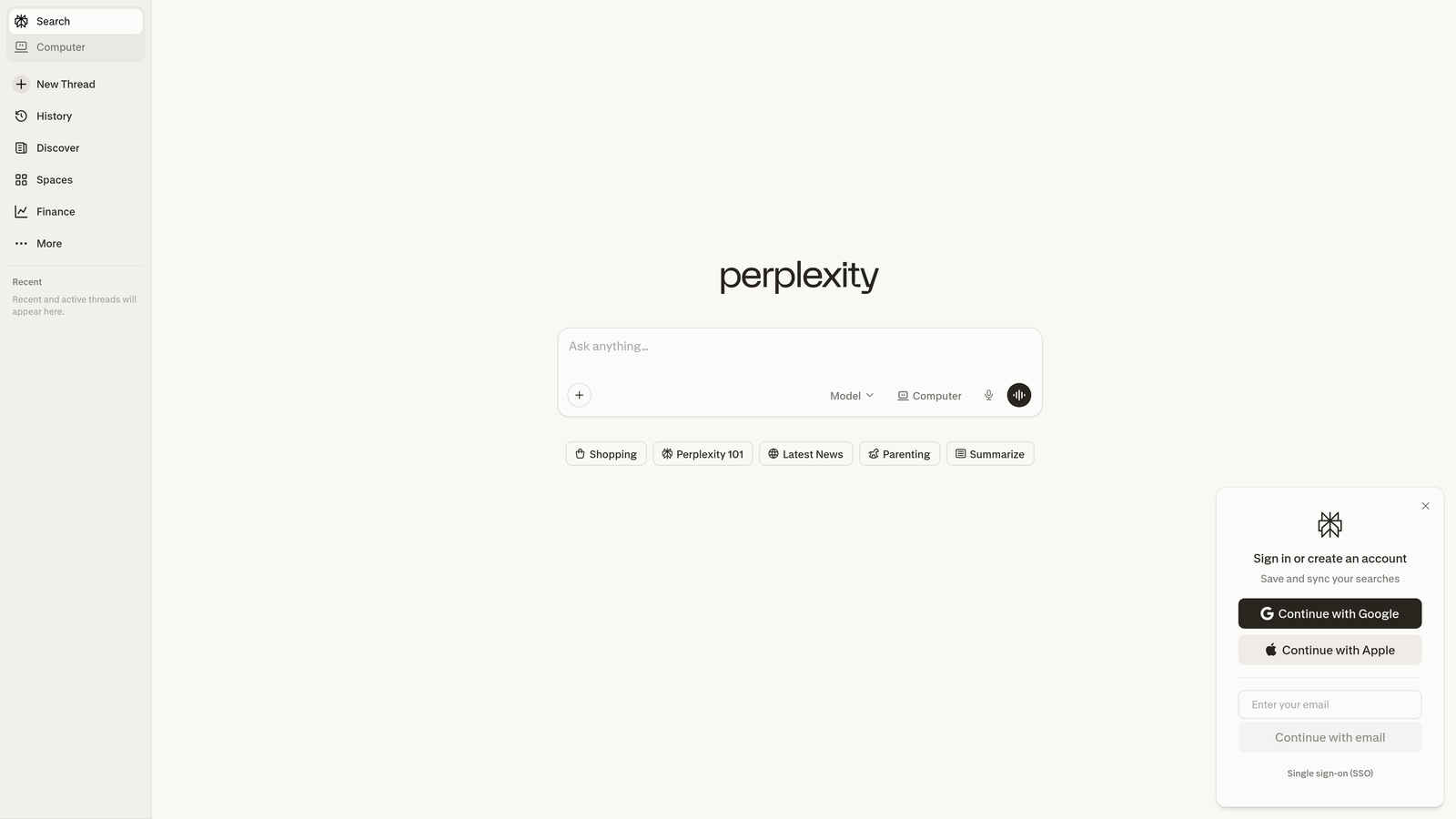
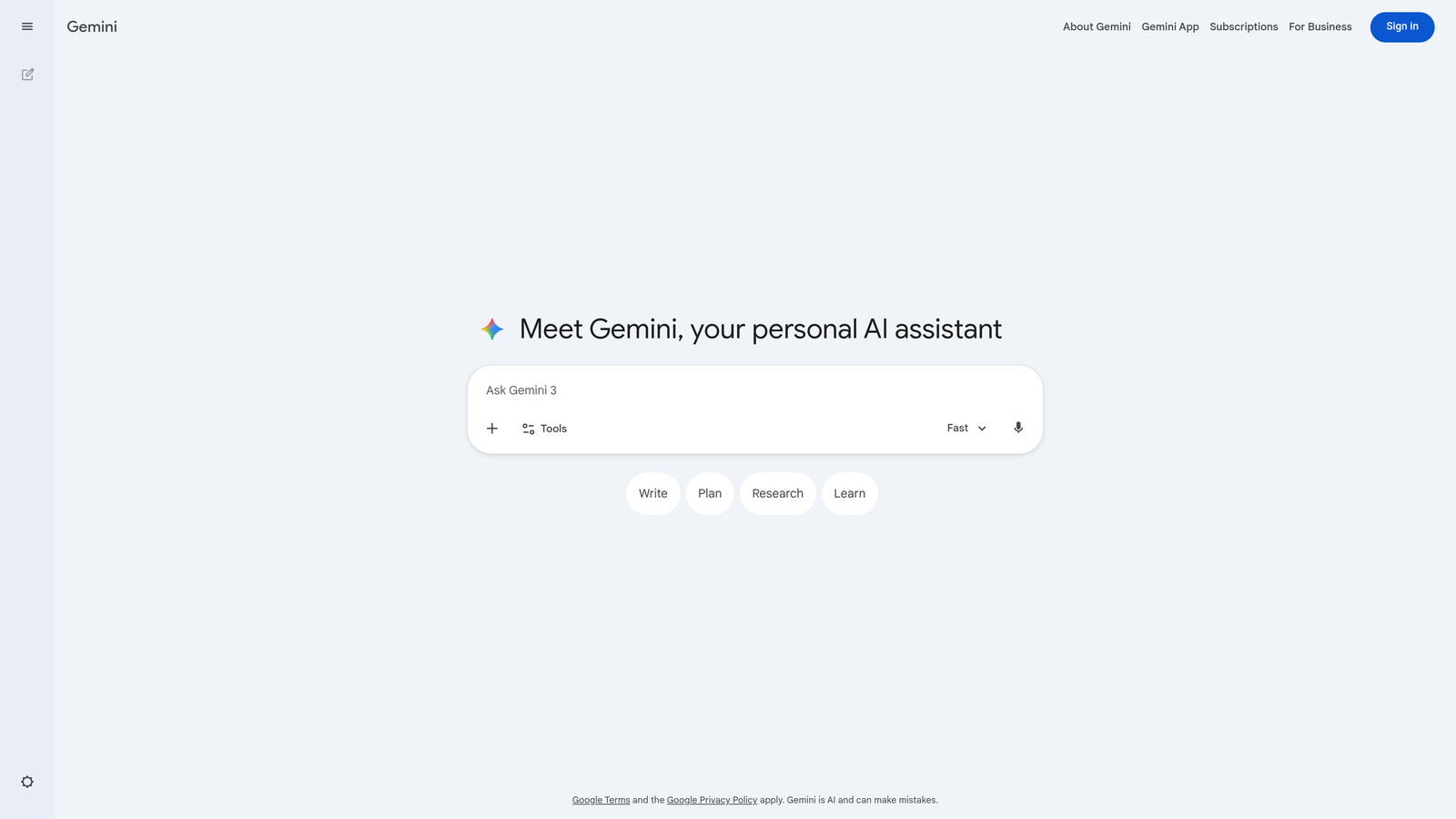
1. Run a comprehensive brand audit across all AI platforms the tool monitors (ChatGPT, Claude, Perplexity, Gemini) within your first hour of trial access, documenting current mention frequency and contexts.
2. Export or screenshot your initial AI Visibility Score and sentiment analysis results to create a permanent record of your starting position before any optimization efforts.
3. Document competitor mentions in the same categories where your brand appears, establishing relative market position that you can track throughout the trial period using AI visibility monitoring platform features.
4. Create a simple spreadsheet or document organizing these baseline metrics by platform, prompt category, and sentiment, making it easy to compare against end-of-trial results.
Pro Tips
Schedule your baseline audit for early morning when you have uninterrupted focus—this isn't a task to rush. Take detailed notes about surprising findings or concerning gaps in your current visibility. These observations often reveal your most valuable optimization opportunities and provide compelling talking points when presenting trial results to stakeholders.
2. Audit Competitor AI Mentions in Your First 24 Hours
The Challenge It Solves
Your competitors aren't just ranking in Google anymore—they're being recommended by AI assistants to thousands of users asking for product suggestions. The problem? You probably don't know which competitors dominate AI conversations in your space, what prompts trigger their mentions, or why AI models choose to recommend them. This competitive blind spot makes it impossible to develop effective AI visibility strategies.
The Strategy Explained
A comprehensive competitor audit reveals the AI visibility landscape in your industry. You're looking for patterns: which brands consistently appear in AI recommendations, what contexts trigger their mentions, and how they're positioned relative to your brand. This intelligence transforms vague concerns about "AI visibility" into specific, actionable competitive gaps you can address.
The most valuable insights come from analyzing prompt variations. AI models might recommend Competitor A for enterprise solutions but Competitor B for small business needs. They might mention Competitor C in cost-focused conversations but ignore them in feature-comparison discussions. These nuances reveal exactly where your competitive opportunities exist when using LLM brand monitoring tools.
Implementation Steps
1. Identify your top 5-7 direct competitors and run AI visibility searches for each one, documenting their mention frequency, sentiment scores, and typical positioning in AI responses.
2. Analyze which specific prompts trigger competitor mentions by reviewing the prompt tracking data, paying special attention to high-intent questions that indicate purchase consideration.
3. Compare competitor content strategies by examining what types of content (guides, comparisons, case studies) AI models reference when recommending these brands.
4. Create a competitive gap analysis document highlighting areas where competitors dominate AI conversations and identifying white space opportunities where no brand has strong visibility.
Pro Tips
Don't limit your analysis to direct competitors. Include aspirational brands that operate at the scale or market position you're targeting—their AI visibility strategies often reveal approaches you can adapt. Pay particular attention to newer competitors with surprisingly strong AI presence, as they're likely executing modern GEO strategies you can learn from.
3. Track High-Intent Prompts That Drive Your Industry
The Challenge It Solves
Not all AI conversations carry equal business value. Someone asking "What is project management software?" is in early research mode, while someone asking "Best project management software for remote teams under 50 people" is much closer to a purchase decision. The challenge is identifying which high-intent prompts matter most for your business and understanding whether your brand appears in those critical conversations.
The Strategy Explained
High-intent prompt tracking focuses your attention on the AI conversations that directly influence purchasing decisions. These are the prompts where users have moved beyond general research and are actively evaluating specific solutions. By monitoring these conversations, you discover exactly what questions your ideal customers ask AI assistants—and whether your brand is part of the answer.
The real power comes from pattern recognition across multiple high-intent prompts. You might discover that AI models consistently recommend your brand for certain use cases but never mention you for others. Or you might find that specific feature combinations or industry verticals represent untapped opportunities where your competitors aren't visible either. Understanding AI search visibility monitoring helps you capitalize on these patterns.
Implementation Steps
1. Review the prompt tracking dashboard to identify question patterns that indicate purchase intent, looking for phrases like "best," "vs," "alternative to," "for [specific use case]," and "pricing comparison."
2. Categorize high-intent prompts by business value using criteria like deal size potential, customer lifetime value, and strategic importance to your growth goals.
3. Analyze your current visibility in these high-intent conversations, documenting which prompts trigger your brand mentions and which represent gaps in your AI presence.
4. Create a prioritized list of prompt categories where improving visibility would have the greatest business impact, focusing your content optimization efforts on these high-value opportunities.
Pro Tips
Set up saved searches or alerts for your highest-value prompt categories so you can monitor changes throughout your trial period. Many AI visibility platforms allow you to track specific prompts over time, revealing whether your optimization efforts are moving the needle on the conversations that matter most.
4. Analyze Sentiment Patterns Across AI Platforms
The Challenge It Solves
Getting mentioned by AI models is only half the battle—the tone and context of those mentions determine whether they help or hurt your brand. A mention that highlights your product's complexity or cost concerns does more damage than no mention at all. Yet most brands focus solely on mention frequency without analyzing how AI models actually characterize them.
The Strategy Explained
Sentiment analysis reveals the qualitative dimension of your AI visibility. Different AI platforms may represent your brand in surprisingly different ways based on the training data they've encountered. ChatGPT might emphasize your innovation, while Claude focuses on your reliability, and Perplexity highlights your pricing. Understanding these sentiment patterns helps you identify reputation risks and content opportunities.
The most valuable insights come from comparing sentiment across contexts. Your brand might receive positive sentiment in technical discussions but neutral or negative sentiment in pricing conversations. These patterns reveal exactly where your content strategy needs reinforcement and which narratives you need to strengthen across the web. Effective ChatGPT brand visibility monitoring captures these nuances.
Implementation Steps
1. Review sentiment scores across all monitored AI platforms, documenting not just the overall score but the specific language and characterizations each platform uses when mentioning your brand.
2. Identify sentiment patterns by prompt category, analyzing whether certain types of questions (pricing, features, comparisons, use cases) consistently trigger more positive or negative mentions.
3. Compare your sentiment profile against competitors to understand relative positioning, paying attention to areas where competitors receive notably more positive characterization.
4. Document specific phrases or concerns that appear repeatedly in neutral or negative mentions, as these represent content gaps you need to address with targeted articles, case studies, or documentation.
Pro Tips
Pay special attention to sentiment differences between AI platforms. If one platform consistently represents your brand more negatively, investigate what sources it might be drawing from. This often reveals review sites, forum discussions, or outdated content that needs addressing through your broader content strategy.
5. Test Content Creation Features with Real Use Cases
The Challenge It Solves
Most AI visibility platforms now include content generation capabilities designed to help you create GEO-optimized articles that improve your AI presence. But evaluating these tools with generic demo content tells you nothing about how they'll perform for your actual content needs. You need to test them with real projects, real deadlines, and real quality standards.
The Strategy Explained
Strategic content testing means using the trial period to produce actual publishable content for your site. Choose 2-3 content projects from your backlog—perhaps a product comparison guide, a how-to article, and an industry trends piece. Run these through the platform's content generation workflow, evaluating not just the output quality but the entire creation process from ideation through publishing.
The goal is answering practical questions: Does the content require extensive editing or is it publication-ready? How well does it incorporate your brand voice? Does it actually address the high-intent prompts you identified earlier? Can your team realistically use this tool to scale content production? These answers determine whether the platform delivers genuine productivity gains or just adds complexity. Exploring an AI content generator free trial helps you evaluate these capabilities firsthand.
Implementation Steps
1. Select 2-3 content pieces from your actual content calendar that represent different content types your team regularly produces (listicles, guides, comparison articles, explainers).
2. Use the platform's AI content writer to generate these pieces, documenting the time required, number of revision rounds needed, and any features (like specialized AI agents or autopilot mode) that proved particularly valuable.
3. Evaluate content quality against your editorial standards by having team members who weren't involved in creation review the output, providing honest feedback on whether it meets publication standards.
4. Test the publishing workflow by actually publishing at least one piece through the platform's CMS integration (if available), evaluating how seamlessly it fits into your existing content operations.
Pro Tips
Don't just test with easy content. Challenge the platform with your most difficult content type—whether that's technical documentation, thought leadership pieces, or highly specialized industry content. How the platform handles your hardest content reveals its true capabilities better than any demo.
6. Evaluate Indexing and Publishing Workflow Integration
The Challenge It Solves
Creating great content means nothing if AI models don't discover it quickly. Traditional SEO already taught us that faster indexing leads to faster traffic growth. In the AI visibility world, this principle amplifies—content that gets indexed and processed by AI models within hours rather than weeks can immediately start improving your brand mentions and visibility scores.
The Strategy Explained
Modern AI visibility platforms often include automated indexing features like IndexNow integration and automatic sitemap updates. These capabilities can dramatically accelerate how quickly your content influences AI model responses. During your trial, you need to test whether these features actually work as advertised and how they integrate with your existing publishing workflow.
The real test is publishing new content and tracking how quickly it affects your AI visibility metrics. Some platforms claim instant indexing but in practice show no measurable impact for days or weeks. Others deliver on their promises, with new content appearing in AI model training data within 24-48 hours. This difference directly impacts your ROI from content production when you learn how to improve brand visibility in AI responses.
Implementation Steps
1. Publish at least one new piece of content through the platform during your trial period, using the automated indexing features to submit it to search engines and AI model crawlers.
2. Monitor how quickly this new content appears in your AI visibility tracking, checking daily to document the time between publication and first detection in AI model responses.
3. Test the CMS integration capabilities by connecting the platform to your actual content management system (WordPress, Webflow, custom CMS) and evaluating how smoothly the auto-publishing workflow operates.
4. Evaluate the sitemap automation by verifying that new content automatically appears in your sitemap and gets submitted to relevant indexing services without manual intervention.
Pro Tips
Compare indexing speed against your current manual process. If you typically wait weeks for content to appear in search results and AI responses, even a modest improvement to 3-5 days represents significant value. Document these time savings with specific examples—they become powerful talking points when building your business case.
7. Build Your Business Case with Trial Data
The Challenge It Solves
You've spent your trial period gathering insights, testing features, and improving your AI visibility. Now comes the critical moment: convincing stakeholders that this platform deserves a place in your marketing stack. Without documented evidence of value, even the most successful trial can fail to convert into a paid subscription because decision-makers don't see clear ROI.
The Strategy Explained
Building a compelling business case means transforming your trial activities into quantifiable business value. You need to demonstrate three things: the visibility gaps you discovered that were previously invisible, the improvements you achieved during the trial period, and the projected impact of continued optimization. This isn't about vague benefits—it's about specific metrics, concrete examples, and realistic projections.
The strongest business cases connect AI visibility improvements to downstream business outcomes. Show how increased mentions in high-intent prompts could drive qualified traffic. Demonstrate how improved sentiment in AI responses might increase conversion rates. Project how content automation features could reduce production costs or accelerate publishing velocity. These connections make abstract "AI visibility" tangible for stakeholders who control budgets. Understanding AI visibility monitoring pricing helps frame the investment conversation.
Implementation Steps
1. Compile before-and-after metrics showing measurable improvements during your trial period, including changes in mention frequency, sentiment scores, visibility in high-intent prompts, and competitive positioning.
2. Calculate content production efficiency gains by documenting time saved using AI writing features, comparing the hours required for content creation before and during the trial.
3. Project annual value by extrapolating trial improvements across a full year, estimating the traffic, leads, or revenue impact of sustained AI visibility optimization.
4. Create a concise presentation deck or document that tells the story of your trial journey, highlighting the most compelling discoveries, improvements, and opportunities while addressing likely stakeholder concerns about cost and implementation.
Pro Tips
Include competitive intelligence in your business case. If your trial revealed that competitors have strong AI visibility while your brand is largely invisible, that competitive threat often resonates more powerfully with stakeholders than positive opportunity framing. Frame AI visibility as a defensive necessity, not just an offensive growth opportunity.
Putting Your AI Visibility Trial to Work
A structured trial approach transforms casual platform evaluation into strategic intelligence gathering. By following these seven strategies—establishing baseline metrics, auditing competitor presence, tracking high-intent prompts, analyzing sentiment patterns, testing content features with real projects, evaluating indexing workflows, and building a data-driven business case—you extract maximum value from every trial day.
The difference between brands that succeed with AI visibility and those that struggle often comes down to this trial period. Companies that approach trials strategically emerge with both a comprehensive understanding of their AI presence and the evidence needed to secure stakeholder buy-in. Those that casually explore features without structure end trials with vague impressions but no actionable insights.
Remember that AI visibility monitoring is still an emerging category. The brands that establish strong AI presence now—while many competitors remain unaware of the opportunity—will build sustainable advantages as AI-assisted search continues growing. Your trial period is your chance to assess whether you're ready to seize this advantage or risk watching competitors dominate the AI conversations that drive your industry.
The insights you gather during a well-executed trial extend far beyond platform evaluation. You'll discover which content types drive AI mentions, which competitive narratives you need to counter, and which high-intent conversations represent your biggest growth opportunities. This intelligence informs your entire content strategy, regardless of which tools you ultimately choose.
Start tracking your AI visibility today and see exactly where your brand appears across top AI platforms. With Sight AI's comprehensive monitoring across ChatGPT, Claude, Perplexity, and other leading AI models, you can implement these trial strategies immediately—establishing your baseline, uncovering competitive gaps, and building the business case for AI visibility optimization. Stop guessing how AI models talk about your brand and start optimizing the conversations that drive your organic traffic growth.