AI content writing software has evolved far beyond simple text generation. Today's leading platforms combine content creation with SEO optimization, GEO (Generative Engine Optimization) targeting, and AI visibility tracking, helping brands appear not just in Google results but in ChatGPT, Claude, and Perplexity responses too.
This comparison covers the tools that matter most for marketers, founders, and agencies focused on organic traffic growth and AI-driven discovery. Worth noting upfront: not every tool here is a pure AI writer. Some specialize in workflow automation, others in prompt management, and others in AI search analytics. Together, they represent the broader ecosystem teams need to succeed in 2026's content landscape.
We evaluated each platform on content quality, SEO/GEO capabilities, workflow automation, and how well they help brands stay visible across both traditional and AI-powered search. Here are the top tools worth your attention.
1. Sight AI
Best for: Teams that need AI content creation and AI visibility tracking in one platform
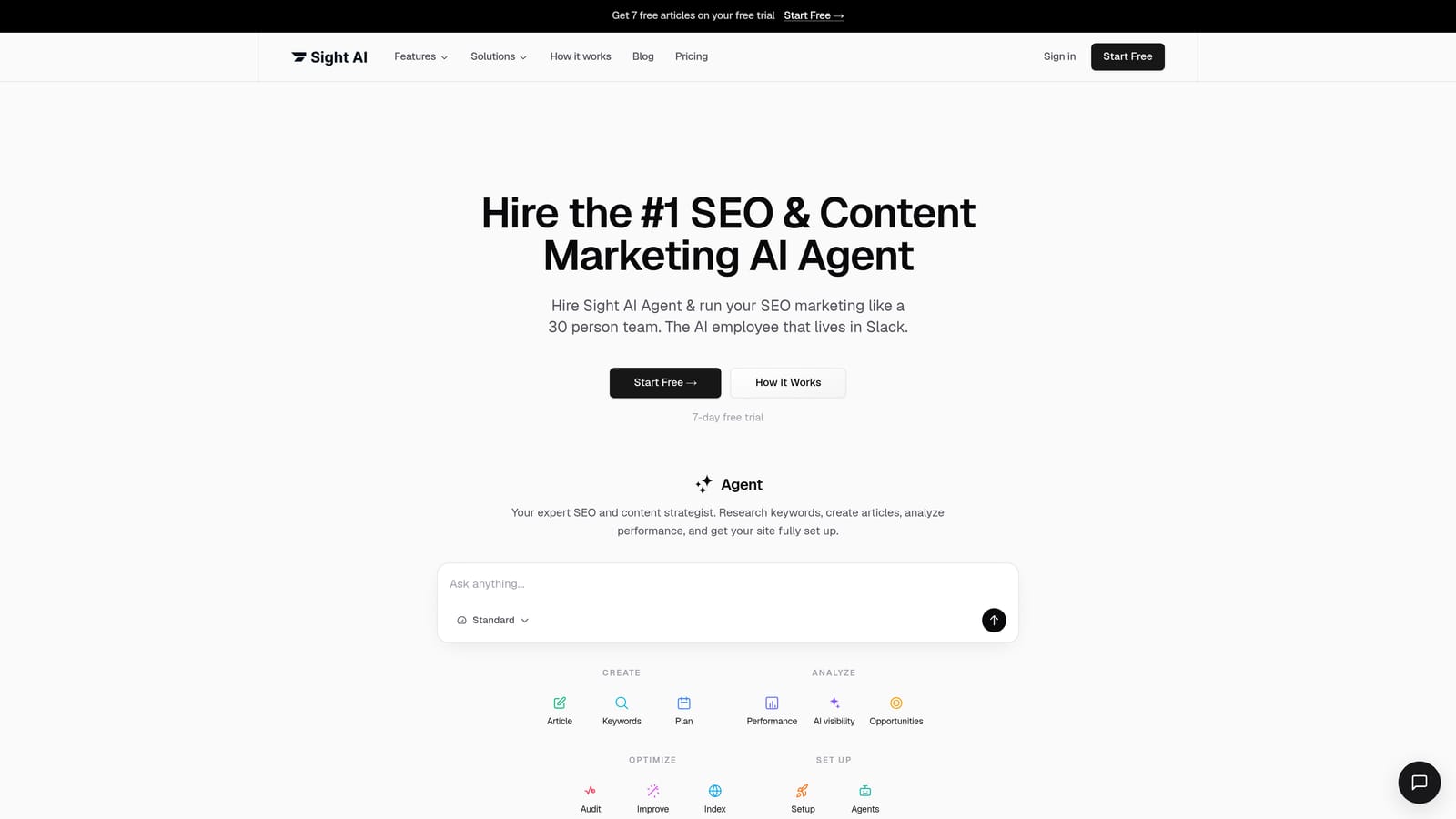
Sight AI is an all-in-one platform combining AI-powered content writing with brand visibility tracking across ChatGPT, Claude, Perplexity, and other major AI models.
Where This Tool Shines
Most AI writing tools stop at content generation. Sight AI goes further by connecting what you publish to how AI models actually talk about your brand. That closed loop, from creation to visibility measurement, is genuinely rare in this category.
The platform's 13+ specialized AI agents are built for specific content types rather than relying on one generic model to handle everything. Whether you're producing listicles, how-to guides, explainers, or landing pages, there's a dedicated agent optimized for that format. Autopilot Mode takes this further by enabling fully automated content pipelines, so your team can scale output without scaling headcount.
Key Features
13+ Specialized AI Agents: Purpose-built agents for listicles, guides, explainers, and more, each optimized for its specific content format and SEO/GEO requirements.
AI Visibility Score: Tracks how your brand is mentioned across 6+ AI platforms, including ChatGPT, Claude, and Perplexity, with sentiment analysis and prompt tracking built in.
IndexNow Integration: Automatically submits new and updated content to search engines for faster indexing and discovery, removing a manual step from your publishing workflow.
CMS Auto-Publishing: Connects content generation directly to your CMS, enabling hands-free publishing pipelines that reduce the gap between creation and going live.
Autopilot Mode: Fully automated content production that handles research, writing, optimization, and publishing with minimal manual intervention.
SEO and GEO Optimization: Every content output is built with both traditional search rankings and AI-generated answer visibility in mind, not just one or the other.
Best For
Sight AI is the strongest fit for marketers, founders, and agencies who want to grow organic traffic while also understanding how AI models represent their brand. If you're managing content at scale and need to track AI visibility alongside production, this platform is built specifically for that combination.
Pricing
Paid plans are available. Visit trysight.ai for current pricing details and plan options.
2. Writesonic
Best for: High-volume content production across multiple formats and channels
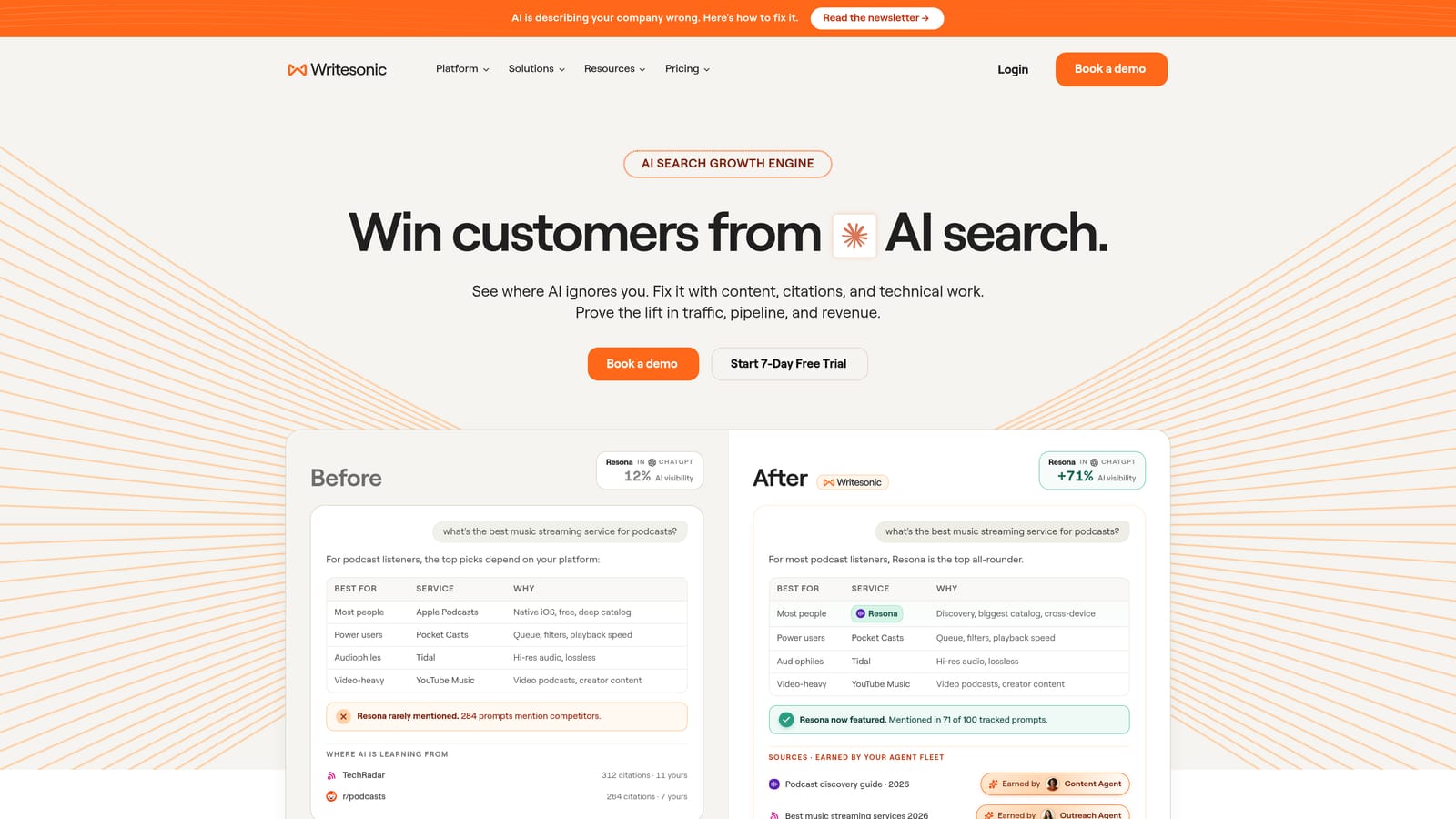
Writesonic is a well-established AI writing platform offering a broad template library, real-time web search integration, and tools spanning articles, ads, social content, and more.
Where This Tool Shines
Writesonic's strength is breadth. If your team produces content across many different formats and needs a single tool to handle most of them, the platform's template library covers a wide range of use cases without requiring much setup. Solo creators and agency teams alike tend to find it accessible from day one.
Chatsonic, its real-time web-connected writing assistant, is a standout feature for teams that need content informed by current events or recent data rather than a model's training cutoff. This makes it particularly useful for news-adjacent content, trend pieces, and time-sensitive campaigns.
Key Features
Large Template Library: Covers dozens of content formats including blog posts, product descriptions, email sequences, ad copy, and social media content.
Chatsonic: A real-time web-connected AI assistant that pulls in current information, useful for content that needs to reflect recent developments.
AI Article Writer: Generates long-form articles with SEO keyword integration, including structured outlines and draft content.
Botsonic: A chatbot builder for teams that want to deploy AI-powered customer-facing experiences alongside their content operations.
Team Collaboration: Shared workspaces and collaboration features designed for agencies managing multiple clients or content streams simultaneously.
Best For
Writesonic works well for content teams and agencies that need to produce high volumes of varied content formats quickly. It's a solid choice for those prioritizing speed and format diversity over deep SEO or AI visibility specialization.
Pricing
A free tier is available. Paid plans start at approximately $16/month. Visit writesonic.com to verify current pricing and plan details.
3. AirOps
Best for: Technical teams building scalable, multi-step AI content pipelines
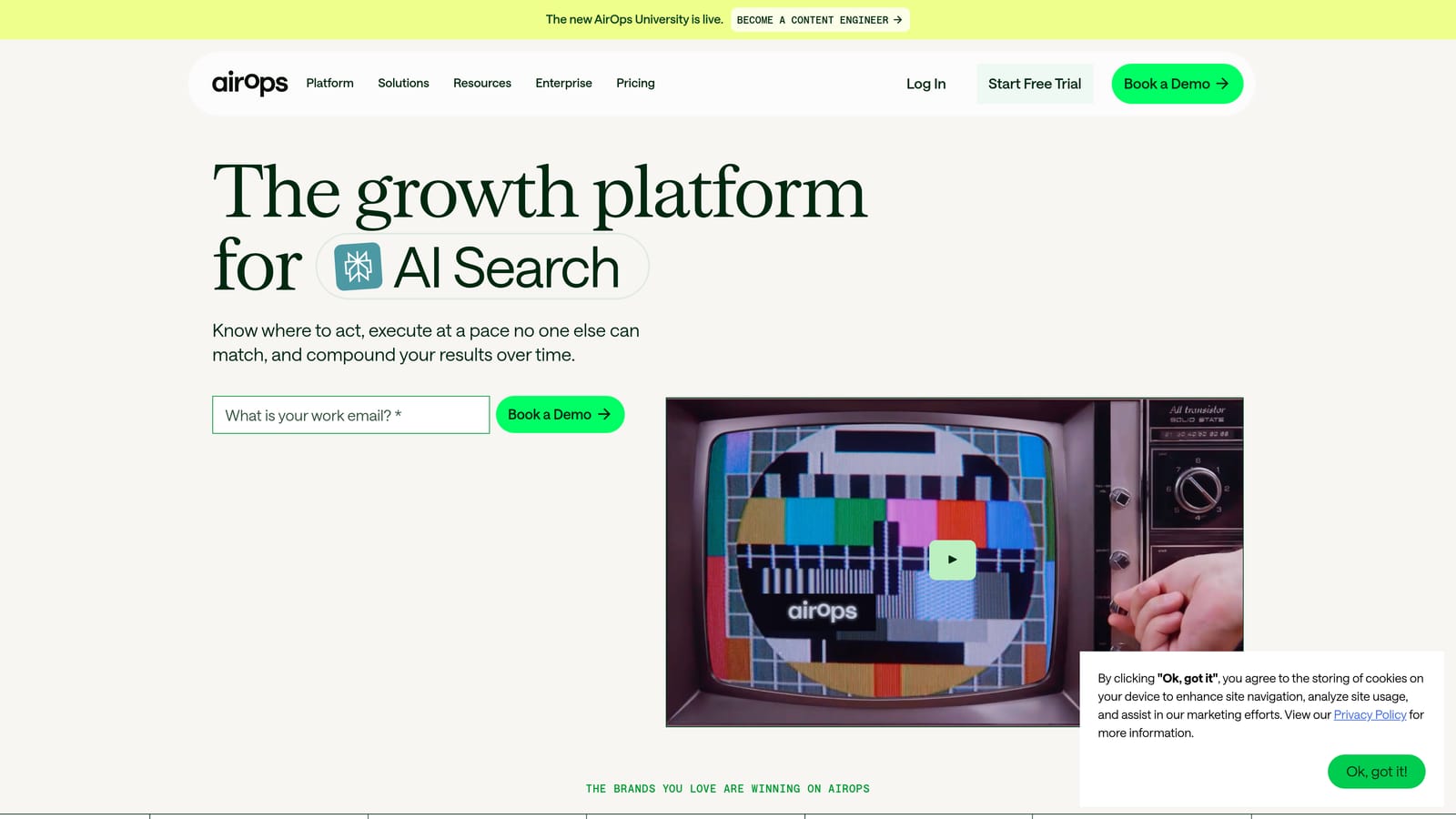
AirOps is an AI workflow automation platform that lets content teams chain research, drafting, optimization, and publishing steps into repeatable, scalable operations.
Where This Tool Shines
AirOps is less of a writing tool and more of a content infrastructure platform. Where other tools give you a text editor with AI assistance, AirOps gives you a visual workflow builder where you define exactly how content gets researched, written, refined, and delivered. That level of control is valuable for teams running programmatic SEO at scale.
The ability to integrate with multiple LLMs and external data sources means you're not locked into one model's output quality. Teams can route different content types to different models, pull in live data, and build workflows that mirror how a skilled human content team would actually operate, just at much greater speed and scale.
Key Features
Visual Workflow Builder: Drag-and-drop interface for constructing multi-step AI content pipelines without requiring deep technical knowledge for basic workflows.
Multi-LLM Integration: Connect to multiple large language models and external data sources within a single workflow, giving teams flexibility over which AI powers which task.
Programmatic SEO Support: Built to handle large-scale content production where hundreds or thousands of pages need to be generated systematically.
Custom Prompt Engineering: Teams can define, test, and refine prompts within workflow steps, maintaining control over output quality at each stage.
API Access: For technical teams that want to embed AirOps workflows into existing content infrastructure or internal tools.
Best For
AirOps is ideal for growth teams, SEO agencies, and technical marketers who need to build sophisticated, repeatable content operations rather than one-off writing assistance. Expect a steeper setup curve than simpler writing tools, but significantly more customization in return.
Pricing
Tiered pricing is available. Visit airops.com for current plan details.
4. Promptwatch
Best for: Teams managing and standardizing AI prompts across content workflows
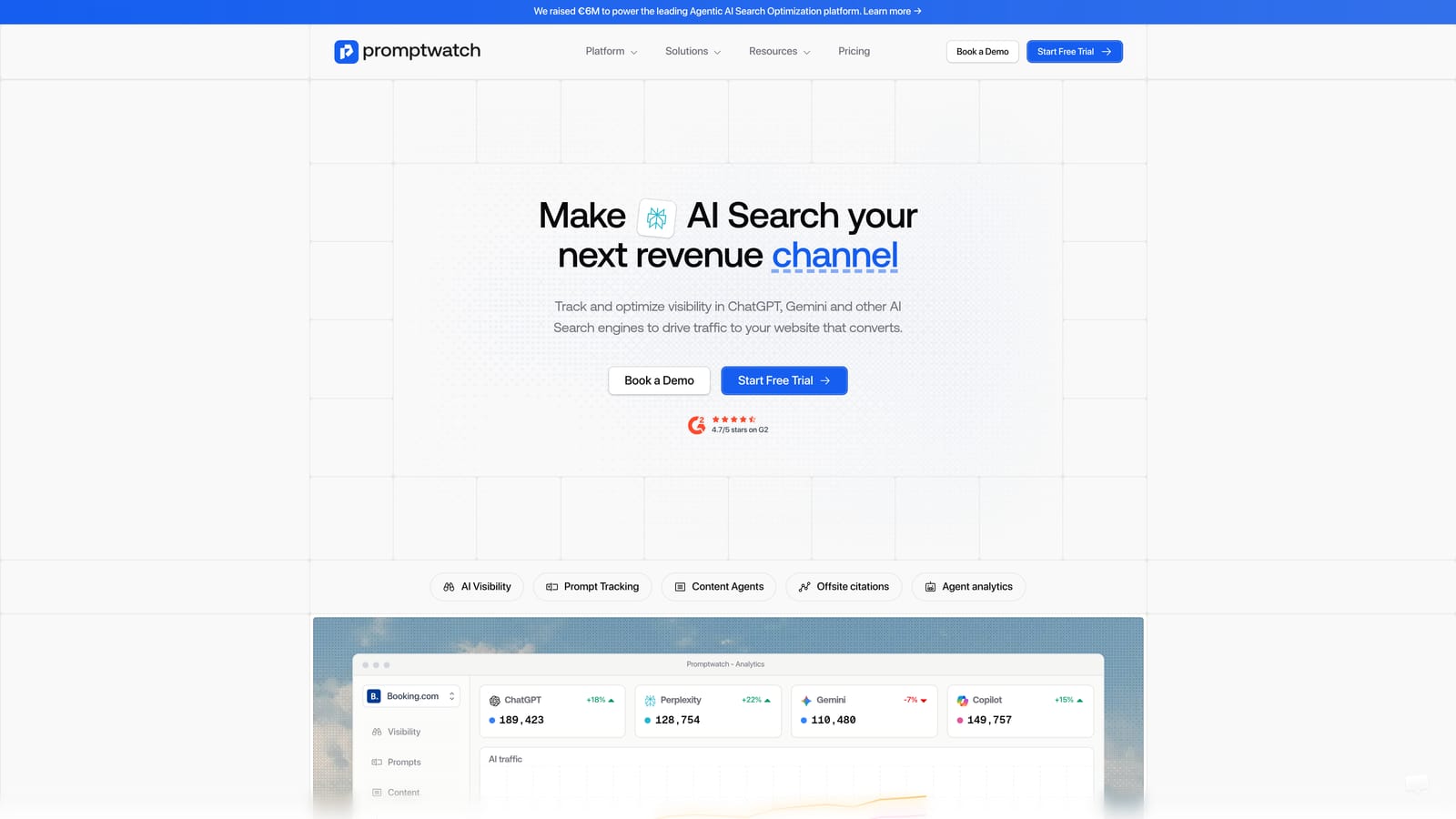
Promptwatch is a prompt management and monitoring platform that helps teams version-control, track, and optimize the AI prompts powering their content production workflows.
Where This Tool Shines
Here's a problem that doesn't get enough attention: as teams scale AI content production, prompt quality becomes wildly inconsistent. Different team members write different prompts for the same task, outputs drift over time, and nobody knows which version of a prompt actually works best. Promptwatch addresses this directly by treating prompts as versioned, trackable assets rather than throwaway instructions.
For organizations where content quality and brand consistency are non-negotiable, having a shared, monitored prompt library is genuinely valuable infrastructure. It's not a writing tool in the traditional sense, but it makes every other AI writing tool your team uses more reliable and consistent.
Key Features
Prompt Versioning: Maintains a full history of prompt iterations so teams can track changes, roll back to previous versions, and understand what changed when outputs shift.
Performance Monitoring: Tracks how different prompt versions perform over time, giving teams data to inform ongoing prompt refinement.
Shared Prompt Libraries: Team members access a centralized repository of approved prompts rather than each person maintaining their own ad-hoc collection.
LLM Integration: Connects with OpenAI and other major LLM providers, fitting into existing AI content stacks without requiring a platform switch.
Consistency at Scale: Helps organizations maintain a consistent voice and quality standard across AI-generated content, even as team size and output volume grow.
Best For
Promptwatch is best suited for content operations teams, AI-forward agencies, and organizations where multiple people are using AI writing tools and consistency is a priority. Think of it as the quality control layer sitting above your existing AI writing setup.
Pricing
Visit promptwatch.io for current pricing information.
5. Profound
Best for: Brands that need analytics on their presence in AI-generated search responses
Profound is an AI search visibility analytics platform that tracks how brands appear in AI-generated answers across major AI search surfaces, helping teams understand and improve their GEO performance.
Where This Tool Shines
Traditional SEO tools tell you where you rank in Google. Profound tells you something different and increasingly important: how often your brand appears in the AI-generated responses that users are reading instead of clicking through search results. As AI answer engines become a primary discovery channel, this kind of visibility data is shifting from "nice to have" to essential.
The competitive analysis dimension is particularly useful. Understanding not just your own AI search presence but how competitors are being referenced in the same AI responses gives content strategists a clearer picture of where content gaps exist and what topics need stronger coverage to earn AI citations.
Key Features
AI Search Presence Tracking: Monitors how frequently and in what context your brand appears in AI-generated search responses across major platforms.
Competitive Analysis: Compares your AI search visibility against competitors, revealing where rivals are being cited and you are not.
GEO Strategy Insights: Translates visibility data into actionable content recommendations for improving your brand's presence in AI-generated answers.
Reporting Dashboard: Visualizes AI search visibility trends over time, making it easier to measure the impact of content and GEO strategy changes.
Best For
Profound suits brand managers, SEO strategists, and digital marketing teams that want dedicated analytics for AI search performance. It functions as an intelligence layer rather than a content creation tool, best used alongside a content platform rather than as a standalone solution.
Pricing
Visit profound.ai for current pricing details.
6. Peec
Best for: Monitoring how AI models reference your brand and competitors in real time
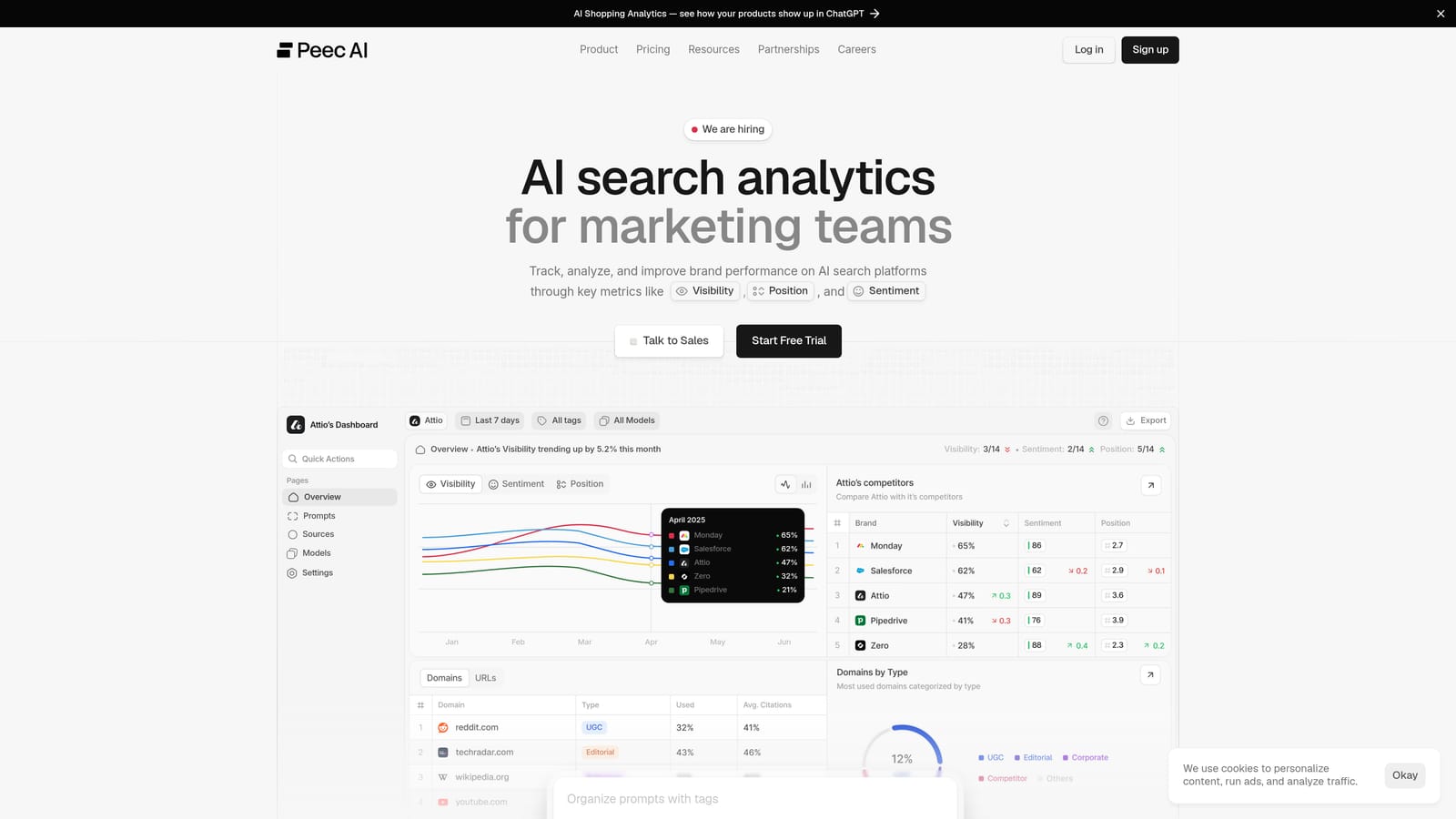
Peec is an AI brand mention monitoring tool that tracks how AI models reference your brand, products, and competitors, providing actionable insights into AI-driven brand perception.
Where This Tool Shines
Peec focuses on a specific and underserved question: what exactly are AI models saying about your brand when users ask questions that involve your category? The answer isn't always flattering or accurate, and without monitoring, most brands have no idea what AI models are telling potential customers about them.
The competitor tracking dimension adds strategic depth. Knowing that a competitor is being consistently recommended by AI models in your space, or that your brand is being mentioned with negative context, creates a clear signal for where content and PR efforts need to be directed. It's monitoring-first intelligence that informs both content strategy and brand management.
Key Features
Brand Mention Monitoring: Tracks how AI models reference your brand across their outputs, capturing both positive and negative mentions with context.
Competitor Mention Tracking: Monitors how competitors are referenced in AI responses within your category, revealing competitive positioning gaps.
Sentiment and Context Analysis: Goes beyond raw mention counts to analyze the tone and context in which your brand is being discussed by AI models.
Alerts and Reporting: Notifies teams of significant changes in brand visibility or sentiment, enabling faster response to shifts in AI-driven brand perception.
Best For
Peec is a strong fit for brand managers, PR teams, and competitive intelligence functions at companies where AI-driven brand perception is a strategic concern. Like Profound, it's an analytics and monitoring tool rather than a content creator, and works best as part of a broader AI visibility strategy.
Pricing
Visit peec.ai for current pricing information.
Which Tool Belongs in Your Stack?
The honest answer is that different tools here serve genuinely different purposes, and the right choice depends on where your biggest gap currently sits.
Sight AI is the strongest choice for teams that need both content creation and AI visibility in one place. Its 13+ specialized agents, Autopilot Mode, and AI Visibility Score make it the most complete platform for marketers and agencies who want to publish GEO-optimized content and track how AI models talk about their brand, without stitching together multiple tools to do it.
Writesonic is the right pick if your primary need is high-volume, multi-format content production and you want a low-friction tool that's accessible to the whole team from day one. It's broad rather than deep, which is exactly what some teams need.
AirOps suits technical content teams and growth operators who want to build sophisticated, repeatable pipelines at scale. If programmatic SEO is a core part of your strategy, the workflow automation capabilities here are worth the setup investment.
Promptwatch fills a supporting role that's easy to overlook: keeping AI content consistent as your team and output volume grow. It's infrastructure rather than a front-end writing tool, but it makes everything else more reliable.
Profound and Peec both address AI search visibility from an analytics angle. Profound focuses on where your brand appears in AI-generated search responses; Peec focuses on what AI models are actually saying about your brand. Both are valuable intelligence tools, though they're most powerful when paired with a content platform that can act on what they surface.
For teams serious about organic growth in 2026, the question isn't just "which AI writer should we use?" It's "how do we create content that earns visibility across both traditional search and AI-generated answers?" That's a harder problem, and it requires a platform built for both sides of it.
Stop guessing how AI models like ChatGPT and Claude talk about your brand. Start tracking your AI visibility today and see exactly where your brand appears across top AI platforms, while building the GEO-optimized content pipeline that keeps it there.