As SEO teams scale their operations, they're handling increasingly sensitive data: client credentials, crawl data, keyword strategies, competitor intelligence, and user analytics. Yet data protection is rarely the first checkbox when evaluating an SEO platform. It should be.
A single misconfigured integration or a vendor with lax security practices can expose proprietary strategy, client PII, or business-critical metrics. This guide covers the best SEO tools that take data protection seriously, evaluating each on security certifications, data handling policies, access controls, and transparency.
Whether you're a solo founder, a growing marketing team, or an agency managing dozens of client accounts, choosing tools with strong data governance isn't just good practice. It's a competitive advantage. We've also included notes on AI visibility and content tools, since modern SEO stacks increasingly depend on AI platforms that process and store sensitive prompts, brand data, and content strategies.
1. Sight AI
Best for: Agencies and founders who need AI-era SEO with workspace-level client data segmentation
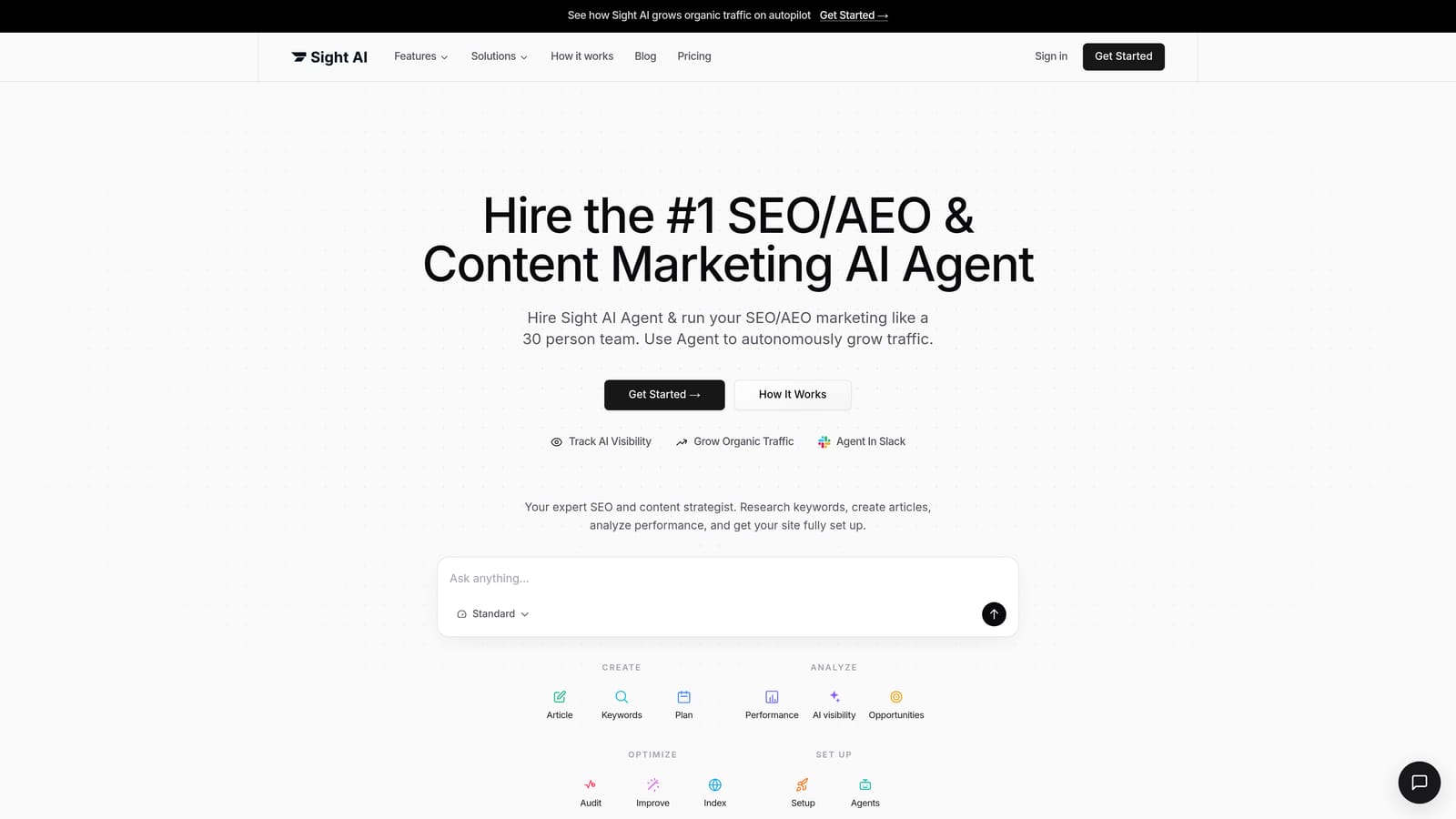
Sight AI is an AI-powered SEO and content platform that tracks brand mentions across AI models, generates SEO/GEO-optimized content via 13+ specialized AI agents, and manages website indexing with agency-grade data controls.
Where This Tool Shines
What sets Sight AI apart from a data protection standpoint is its workspace-level data segmentation. For agencies juggling multiple client accounts, this means each client's brand data, content strategies, and AI visibility metrics stay cleanly isolated from one another. You're not managing a messy single workspace where one client's prompts bleed into another's context.
There's also a meaningful distinction in how Sight AI handles AI content generation. Rather than sending raw client data to uncontrolled third-party models, the platform's 13+ specialized AI agents operate within a controlled environment. For teams nervous about where their brand intelligence actually goes when they use AI writing tools, this architecture matters.
Key Features
AI Visibility Tracking: Monitors brand mentions across ChatGPT, Claude, Perplexity, and 3+ other AI platforms with sentiment analysis and prompt tracking.
Workspace-Level Data Segmentation: Agency clients are isolated at the workspace level, preventing cross-contamination of sensitive brand and strategy data.
13+ Specialized AI Agents: Generates SEO and GEO-optimized content (listicles, guides, explainers) without routing raw client data to uncontrolled external models.
IndexNow Integration: Enables fast, secure content indexing without exposing sensitive site data through unnecessary intermediaries.
CMS Auto-Publishing: Controlled access workflows for publishing, reducing the risk of unauthorized content changes.
Best For
Agencies managing multiple client brands who need clean data separation, founders building AI-era content strategies who care about where their brand data goes, and marketing teams that want AI visibility tracking alongside content generation in one auditable platform.
Pricing
Paid plans are available. Visit trysight.ai for current pricing tiers and plan details.
2. Semrush
Best for: Agencies and enterprise teams needing documented GDPR compliance with multi-user access controls
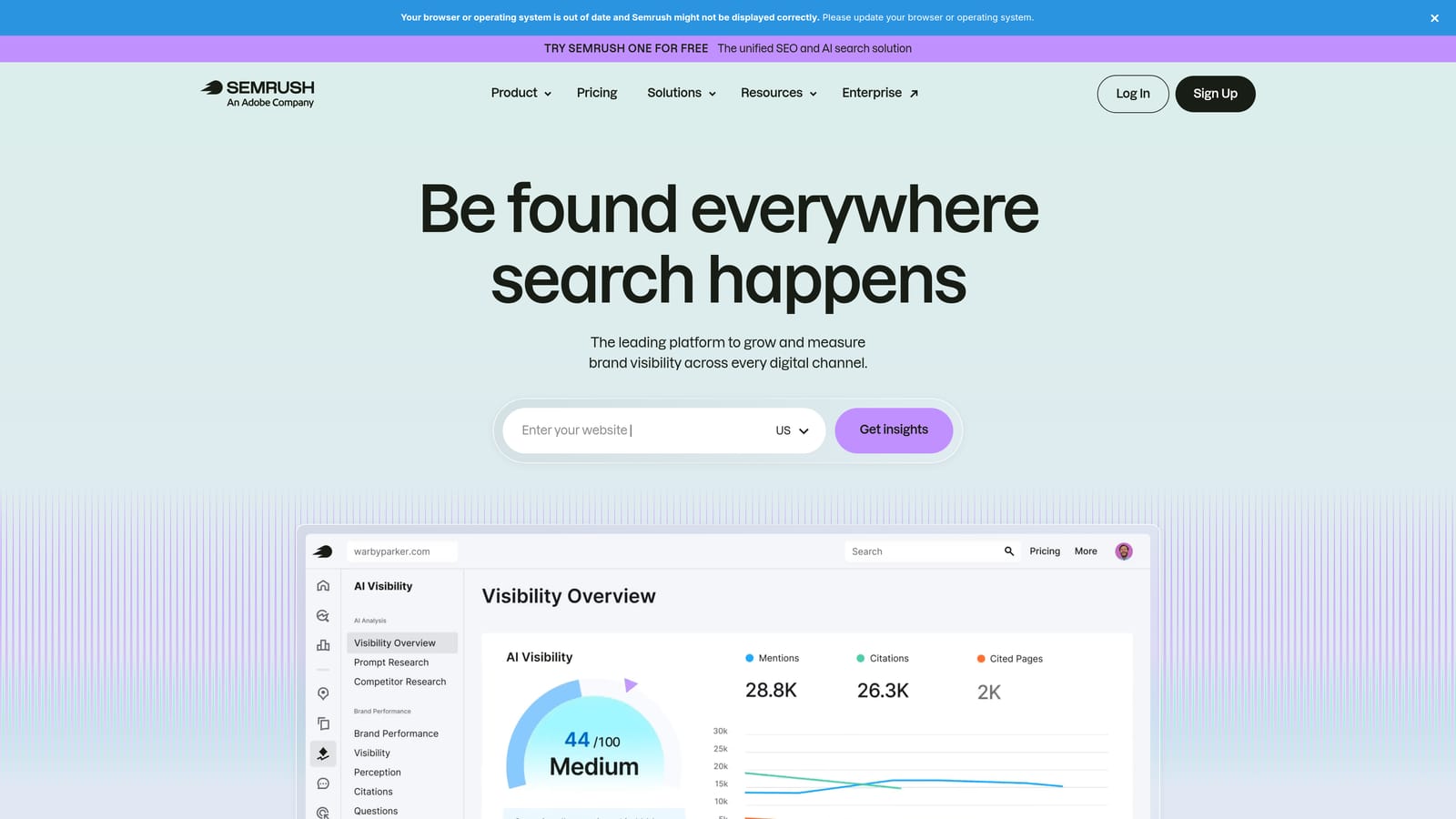
Semrush is one of the most widely adopted enterprise SEO platforms, offering comprehensive keyword research, site auditing, and competitor analysis with documented GDPR compliance and granular permission management.
Where This Tool Shines
Semrush has invested meaningfully in its compliance documentation, which matters when you're going through a formal vendor review. Their published privacy documentation covers GDPR obligations, and they support Standard Contractual Clauses (SCCs) for international data transfers, which is increasingly important for EU-based agencies working with global clients.
For agencies, the multi-user management system allows differentiated permissions across projects. You can control who sees what at a granular level, which is the kind of access control that prevents accidental data exposure in larger teams.
Key Features
Role-Based Access Controls: Differentiated permissions across projects and workspaces for team and agency management.
GDPR Compliance Documentation: Publicly available privacy documentation covering data processing obligations and user rights.
Standard Contractual Clauses: SCCs available for international data transfers, supporting cross-border compliance requirements.
Audit Logs: Comprehensive account activity logs for monitoring access and changes across the platform.
Multi-User Agency Management: Structured workspace management for agencies handling multiple client accounts.
Best For
Marketing agencies that need documented GDPR compliance, enterprise SEO teams requiring structured permission management, and organizations that include vendor privacy documentation in their procurement process.
Pricing
Plans start at approximately $139.95/month for the Pro plan. Verify current pricing directly on semrush.com, as tiers and features evolve.
3. Ahrefs
Best for: SEO researchers and teams who want transparent data retention policies and strong account security
Ahrefs is a leading SEO research platform known for its extensive backlink index and keyword data, with workspace-level user management and transparent data handling documentation.
Where This Tool Shines
Ahrefs stands out for its transparency around data retention. Their documentation clearly outlines how long different data types are retained and under what conditions, which is more than many competitors offer. For teams that want to understand exactly what they're agreeing to before signing up, that clarity is genuinely valuable.
Their published policy explicitly states they do not resell user data to third parties, which addresses one of the more common concerns teams raise during vendor evaluations. Two-factor authentication is also available, adding a baseline layer of account security that should be standard but isn't always enforced.
Key Features
Workspace and Team Management: Permission tiers for user management across teams and projects.
GDPR Documentation: Published privacy policy and GDPR compliance documentation available for review.
Transparent Data Retention Policies: Clear documentation on how long data is retained within the platform.
No Data Resale: Published policy explicitly prohibiting the sale of user data to third parties.
Two-Factor Authentication: 2FA available for account security across user logins.
Best For
SEO teams that prioritize data transparency, agencies that want clear data retention documentation, and organizations that need to confirm no third-party data resale before onboarding a vendor. Note: verify current SOC 2 certification status directly with Ahrefs, as this is not prominently advertised in their public documentation.
Pricing
Plans start at approximately $129/month for the Lite plan. Verify current pricing on ahrefs.com before committing.
4. Screaming Frog SEO Spider
Best for: Organizations with strict data residency requirements or those auditing sensitive internal environments
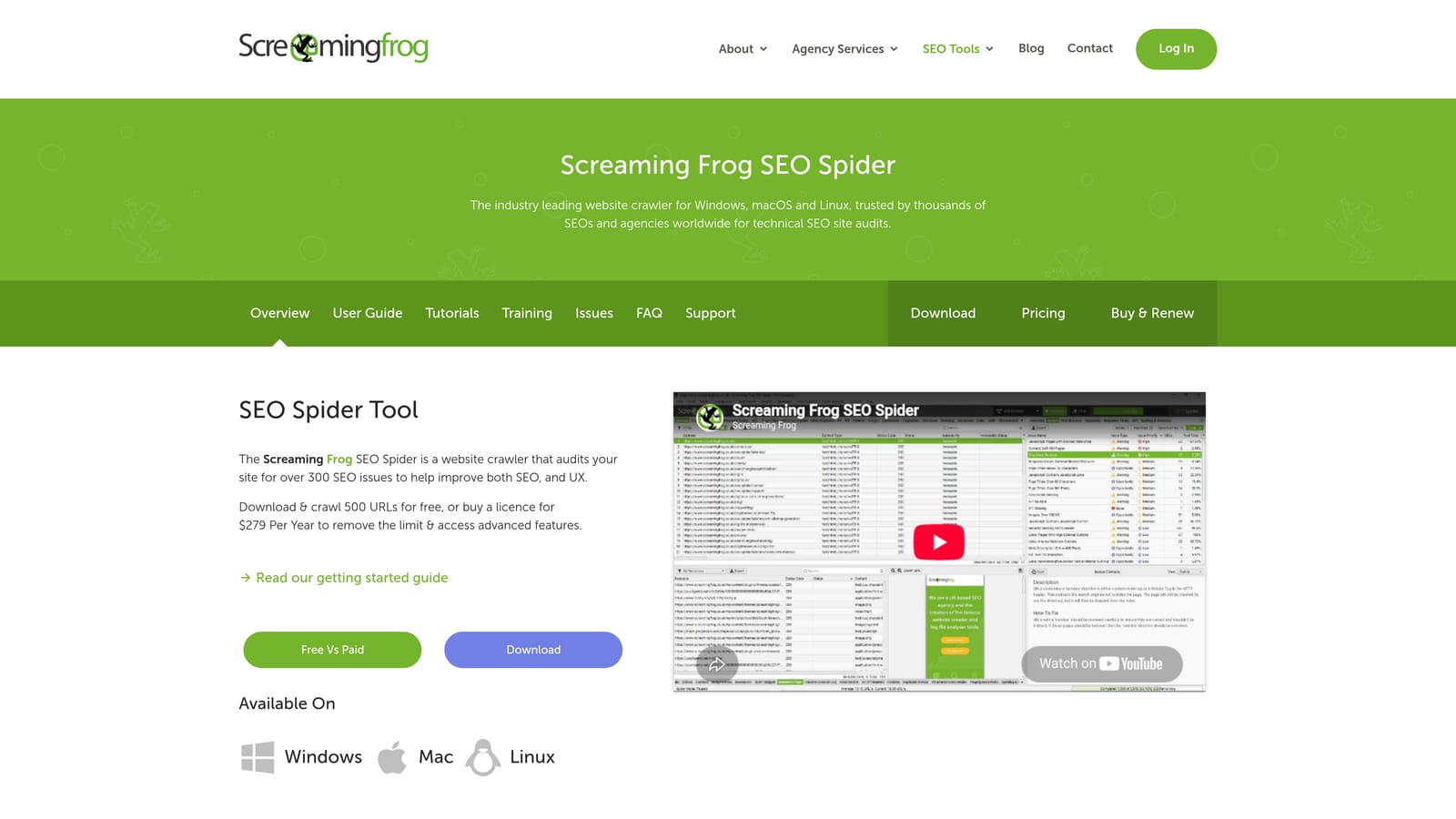
Screaming Frog SEO Spider is a desktop-based site auditing tool that processes all crawl data locally on your machine, making it uniquely strong for teams that cannot send site data to external cloud infrastructure.
Where This Tool Shines
Here's the core data protection advantage: crawl data never leaves your machine by default. There's no cloud sync, no vendor-side storage of your site structure, and no account required for core functionality. For organizations auditing staging environments, internal tools, or client sites with sensitive URL structures, this local-first architecture eliminates an entire category of data exposure risk.
This is also the tool of choice when you're crawling environments that shouldn't be accessible to third-party cloud infrastructure at all. Think internal intranets, pre-launch site structures, or client environments where contractual obligations restrict external data processing.
Key Features
Local-Only Data Processing: All crawl data is processed and stored on the user's machine, with no cloud transmission by default.
No Cloud Account Required: Core functionality operates without any vendor-side account or data sync.
Sensitive Environment Auditing: Ideal for crawling staging environments or internal tools without cloud exposure risk.
Custom Data Export Control: All extraction and export decisions remain fully under the user's control.
No Subscription-Based Sync: No data synchronization unless the user explicitly configures it.
Best For
Technical SEO teams at regulated organizations, agencies with contractual data residency obligations, and anyone auditing internal or staging environments where cloud-based tools would create compliance issues.
Pricing
A free version is available with crawl limits. The paid license is £259/year (approximately $330/year). One-time annual payment with no ongoing cloud subscription.
5. Google Search Console
Best for: Any site owner needing first-party Google performance data with property-level access delegation
Google Search Console is Google's free, first-party performance data platform backed by Google's enterprise security infrastructure, offering granular property-level access controls for team management.
Where This Tool Shines
The data protection story here is straightforward: the data you're accessing is already Google's data about your site. There's no intermediary vendor processing your performance metrics. You're working directly within Google's ecosystem, backed by their enterprise-grade security infrastructure, which is among the most mature in the industry.
Property-level access delegation is genuinely useful for agencies. You can grant owner, full, or restricted access at the individual property level, meaning a client can give your team access to one site without exposing their entire Google account. That's a clean access control model that many third-party tools struggle to replicate.
Key Features
First-Party Data: Performance data comes directly from Google's index, with no intermediary vendor handling your metrics.
Property-Level Access Delegation: Owner, full, and restricted permission tiers at the individual property level.
Google Enterprise Security Infrastructure: Backed by Google's security posture, including their published security practices and compliance certifications.
No Additional Cost: Free for all verified site owners, removing the vendor risk associated with paid SaaS relationships.
Google Ecosystem Data Processing: Data stays within Google's published terms, with no additional third-party data handling layer.
Best For
Every site owner as a baseline tool, and agencies that need clean property-level access delegation for client accounts. Important caveat: organizations with policies against Google data processing should evaluate this carefully, as all data is processed under Google's terms of service.
Pricing
Free for all verified site owners. No paid tiers.
6. Matomo
Best for: Privacy-first brands, EU-based organizations, and teams that need complete data ownership
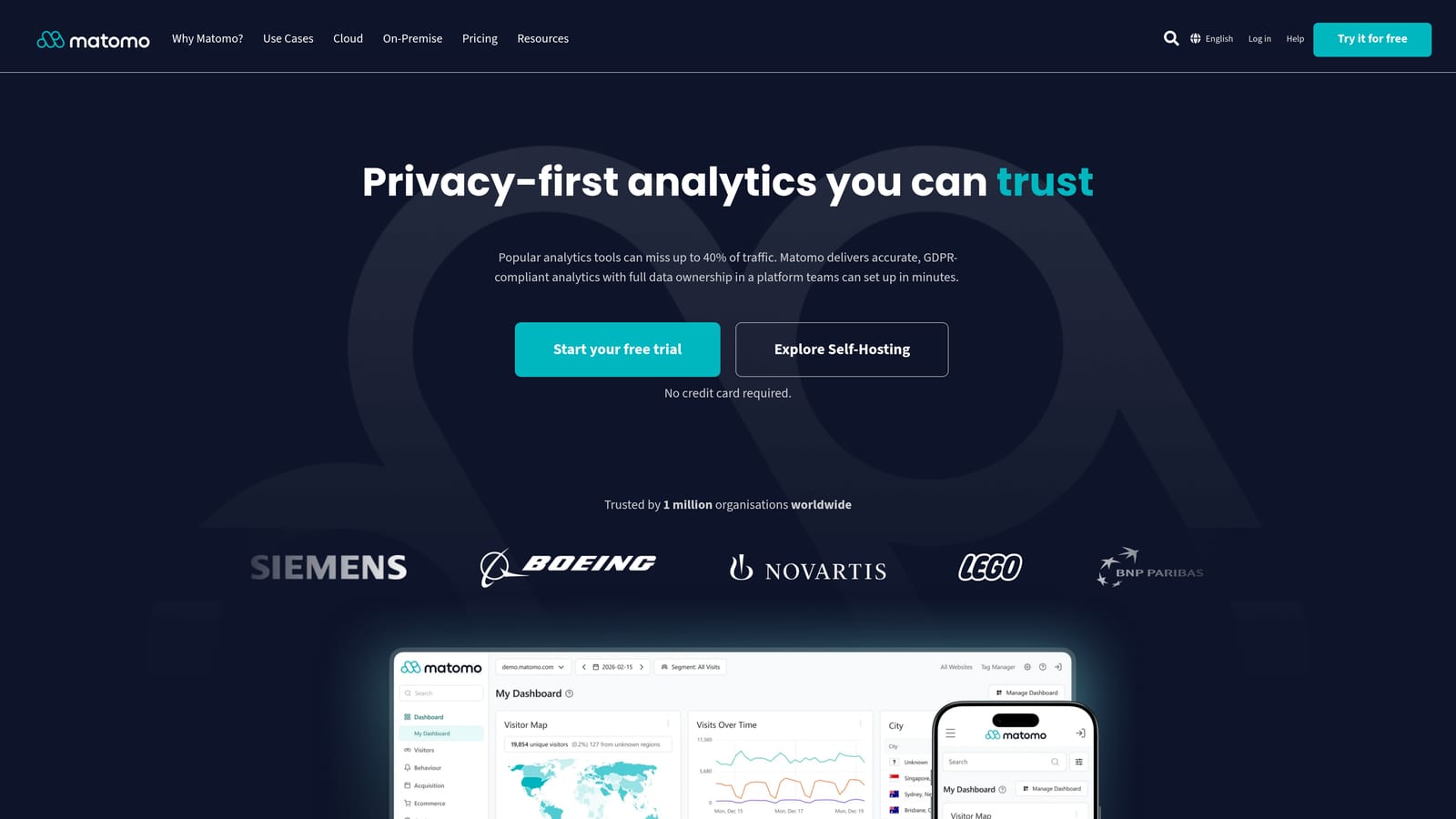
Matomo is an open-source web analytics platform offering a self-hosted option for complete data ownership, making it the strongest Google Analytics alternative for organizations with strict compliance requirements.
Where This Tool Shines
The self-hosted option is where Matomo's data protection story becomes compelling. When you host Matomo on your own servers, your analytics data never touches Matomo's infrastructure or any third-party servers. That's a level of data ownership that no cloud-only analytics platform can offer. For EU-based organizations navigating GDPR obligations around analytics data transfers, this is often the cleanest solution available.
The open-source codebase is another meaningful advantage. Unlike proprietary platforms where you have to trust the vendor's security claims, Matomo's code can be audited by your own security team or a third party. That auditability is a genuine differentiator when you're trying to pass a formal security review.
Key Features
Self-Hosted Option: Analytics data stays entirely on your own servers, with zero third-party data transmission.
No Third-Party Data Sharing: In self-hosted mode, no data is shared with Matomo or any external party.
GDPR-Compliant by Design: Built-in consent management and data subject rights tools for GDPR compliance.
EU-Based Cloud Hosting: Cloud option available with data hosted in the EU for organizations that prefer managed infrastructure.
Open-Source Codebase: Fully auditable security posture, allowing independent code review.
Best For
EU-based businesses with strict GDPR compliance requirements, privacy-first brands that cannot use Google Analytics, and organizations that need fully auditable analytics infrastructure. Also well-suited for regulated industries where vendor data processing agreements are insufficient.
Pricing
Self-hosted version is free and open source. Cloud plans start at approximately €19/month. Verify current pricing on matomo.org.
7. Conductor
Best for: Large enterprises in regulated industries requiring SSO, RBAC, and formal procurement-ready security documentation
Conductor is an enterprise SEO platform built for large organizations, offering SSO integration, role-based access controls, and a security posture designed to pass formal enterprise procurement reviews.
Where This Tool Shines
Conductor is built for the enterprise procurement process, not just enterprise-scale traffic. That distinction matters. Many tools claim to be "enterprise-ready" but struggle when a procurement team starts asking detailed questions about SSO configurations, data processing agreements, and security certifications. Conductor is designed to answer those questions.
The SSO integration is particularly relevant for large organizations managing identity at scale. When employees leave or change roles, centralized identity management through SSO means access is revoked or modified in one place, reducing the risk of orphaned accounts with lingering access to sensitive SEO data and client information.
Key Features
SSO Integration: Single Sign-On support for enterprise identity management and centralized access control.
Role-Based Access Controls: RBAC across teams, campaigns, and data sets for granular permission management.
Enterprise Data Processing Agreements: DPA options available for organizations with formal vendor compliance requirements.
Procurement-Ready Security Documentation: Built to support formal security review processes in regulated industries.
Dedicated Customer Success: Enterprise support structure including security documentation assistance for procurement teams.
Best For
Large enterprises in regulated industries (financial services, healthcare, legal) where SEO tools must pass formal security reviews, and organizations that require SSO as a non-negotiable for any SaaS vendor. Verify current certifications directly with Conductor's sales team before procurement.
Pricing
Enterprise pricing. Contact Conductor directly for a quote, as pricing is customized based on organization size and requirements.
8. Lumar (formerly DeepCrawl)
Best for: Technical SEO teams at enterprises that require formal vendor security reviews and documented data handling
Lumar is a technical SEO auditing platform with a formally documented security posture, including ISO 27001 certification references and data processing agreements available for enterprise customers.
Where This Tool Shines
Lumar's strength in the data protection conversation is its formal security documentation. For technical SEO teams embedded within larger enterprise organizations, the ability to point a security or procurement team to ISO 27001 certification documentation is often the difference between getting a tool approved and spending months in vendor review limbo. Always verify current certification status directly on their website, as certifications require ongoing renewal.
The platform's project-level access controls are well-suited for enterprises where different teams or business units need access to different crawl projects without cross-visibility. That granularity matters when you're managing crawl data for multiple brands or product lines within a single organization.
Key Features
ISO 27001 Certification: Referenced in security documentation (verify current status directly with Lumar before procurement).
Data Processing Agreements: DPAs available for enterprise customers with formal compliance requirements.
Granular Project-Level Access Controls: Team management with differentiated access across crawl projects.
Enterprise Vendor Review Support: Built for technical SEO teams navigating formal organizational security reviews.
Documented Security Controls: Handles large-scale crawl data with published security documentation for review.
Best For
Technical SEO teams at enterprises that routinely go through formal vendor security reviews, organizations that require ISO 27001 certification as part of vendor selection, and large-scale sites that need documented data governance for crawl data handling.
Pricing
Enterprise pricing. Contact Lumar directly for a quote tailored to your organization's scale and requirements.
9. Botify
Best for: Large e-commerce sites, publishers, and enterprises managing millions of URLs with complex data governance needs
Botify is an enterprise-focused crawl analytics and SEO platform designed to handle very large datasets, with enterprise-grade access controls and published security documentation for compliance-sensitive deployments.
Where This Tool Shines
When you're crawling millions of URLs, the volume of data you're processing creates its own governance challenge. Botify is purpose-built for that scale, and its enterprise data governance features reflect the complexity of managing crawl data at that volume. For large e-commerce platforms or publishers with complex site architectures, this matters beyond just performance — it's about controlling who can access what within a very large and potentially sensitive dataset.
The enterprise SLA and dedicated support structure also provide the kind of accountability that compliance-sensitive organizations need from their vendors. When something goes wrong with data handling at scale, having a documented SLA and a dedicated support contact is meaningfully different from filing a generic support ticket.
Key Features
Enterprise Data Governance: Handles large-scale crawl datasets with documented data governance policies for high-volume environments.
Granular User Permission Structures: Detailed access controls suited for large team environments with diverse role requirements.
Published Security Documentation: Enterprise data handling policies available for review during vendor assessment.
High-Volume Site Suitability: Designed for large e-commerce, publishers, and enterprises with millions of indexed URLs.
Enterprise SLA and Compliance Support: Dedicated support structure for compliance-sensitive deployments with formal SLA commitments.
Best For
Large e-commerce platforms, digital publishers, and enterprises managing millions of URLs where both performance and data governance at scale are non-negotiable requirements. Not suited for small teams or solo founders, given enterprise-only pricing.
Pricing
Enterprise pricing. Contact Botify directly for a quote. Pricing is customized based on crawl volume and organizational requirements.
Choosing the Right Tool for Your Situation
The right choice depends heavily on your context. Here's a quick framework to narrow it down.
Solo founder or small team: Start with Google Search Console (free, first-party data) and Screaming Frog (local data processing, no cloud exposure). If you're building AI-era content strategies, Sight AI adds AI visibility tracking with workspace-level controls that scale as you grow.
Growing agency: Sight AI handles the AI visibility and content generation side with clean client data segmentation. Pair it with Semrush or Ahrefs for keyword research and backlink data, both of which offer documented GDPR compliance and multi-user access controls. If your clients have strict analytics requirements, add Matomo as a self-hosted Google Analytics alternative.
Enterprise organization: Conductor and Lumar are built for formal procurement processes, with SSO, RBAC, and DPA support. Botify handles crawl analytics at very large scale. For AI content and visibility tracking, Sight AI's workspace segmentation and controlled AI agent architecture make it a defensible choice for teams that need to answer "where does our brand data go?"
Before finalizing any vendor, ask these questions directly: Do you have a Data Processing Agreement available? Where is data stored, and in which jurisdictions? Is my data used to improve your models or train AI systems? Do you hold current SOC 2 or ISO 27001 certification, and can you provide documentation? What are your access control options for multi-user environments?
The answers will tell you more than any marketing page.
If AI visibility is part of your SEO strategy (and in 2026, it should be), you also need to know how AI models like ChatGPT and Claude are currently talking about your brand. Start tracking your AI visibility today and see exactly where your brand appears across top AI platforms, with the workspace-level controls that keep your client data where it belongs.