Manual keyword rank checking doesn't scale. Whether you're running a 500-client agency, building an SEO SaaS product, or managing a large content operation, you need programmatic access to ranking data that updates automatically, covers multiple locations and devices, and integrates cleanly with your existing reporting stack.
There's also a newer wrinkle worth paying attention to: search visibility no longer lives exclusively on Google. AI platforms like ChatGPT, Claude, and Perplexity are increasingly where users discover brands and get recommendations. The most forward-thinking teams are now tracking both traditional SERP positions and AI search visibility in parallel.
The tools below were selected based on API reliability, data freshness, SERP and AI coverage, pricing flexibility, and documentation quality. Whether you're a developer building a custom dashboard, an agency automating client reports, or a founder tracking competitive positioning, there's an option here that fits your workflow.
1. Sight AI
Best for: Teams that need traditional rank tracking AND AI search visibility in one platform
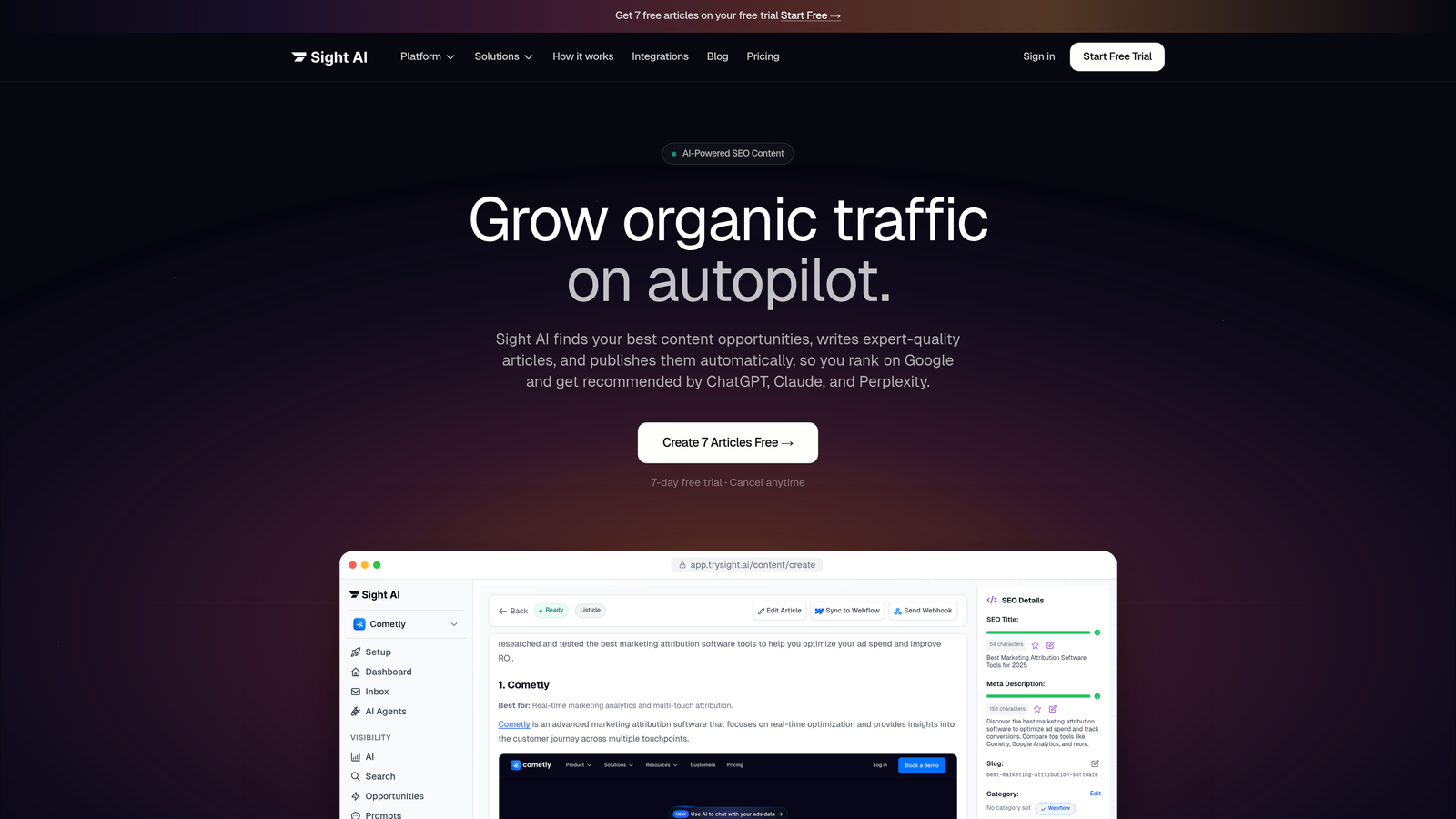
Sight AI is an AI-powered platform combining traditional SERP rank tracking with AI Visibility Scores that monitor how brands appear across ChatGPT, Claude, Perplexity, and other major AI models.
Where This Tool Shines
Most keyword position checker APIs stop at Google and Bing. Sight AI goes further by tracking how your brand is mentioned, described, and recommended inside AI-generated answers. This matters because a growing share of search journeys now begin with an AI query rather than a traditional search engine result page.
The unified dashboard is the real differentiator here. Instead of stitching together a SERP tracking tool with a separate AI monitoring solution, you get both in one place, complete with sentiment analysis on AI mentions and prompt tracking to understand which queries are surfacing your brand.
Key Features
AI Visibility Tracking: Monitors brand mentions across 6+ AI platforms including ChatGPT, Claude, and Perplexity with sentiment context.
AI Visibility Score: Proprietary scoring system that quantifies how prominently and positively your brand appears in AI-generated responses.
SEO/GEO Content Generation: 13+ specialized AI agents that produce optimized listicles, guides, and explainers designed to improve both SERP rankings and AI mentions.
IndexNow Integration: Automatically notifies search engines when new content is published, accelerating indexing and discovery.
Unified Dashboard: Combines traditional SERP position data with AI search visibility metrics in a single reporting interface.
Best For
Marketers, founders, and agencies who recognize that ranking on Google is only part of the visibility picture. If your audience is increasingly using AI tools to research products and services, Sight AI gives you the tracking infrastructure to stay ahead of that shift.
Pricing
Visit trysight.ai for current plan details and API access tiers. Pricing is structured to accommodate both growing teams and larger agencies.
2. SEMrush Position Tracking API
Best for: Enterprise teams needing deep competitive intelligence alongside rank data
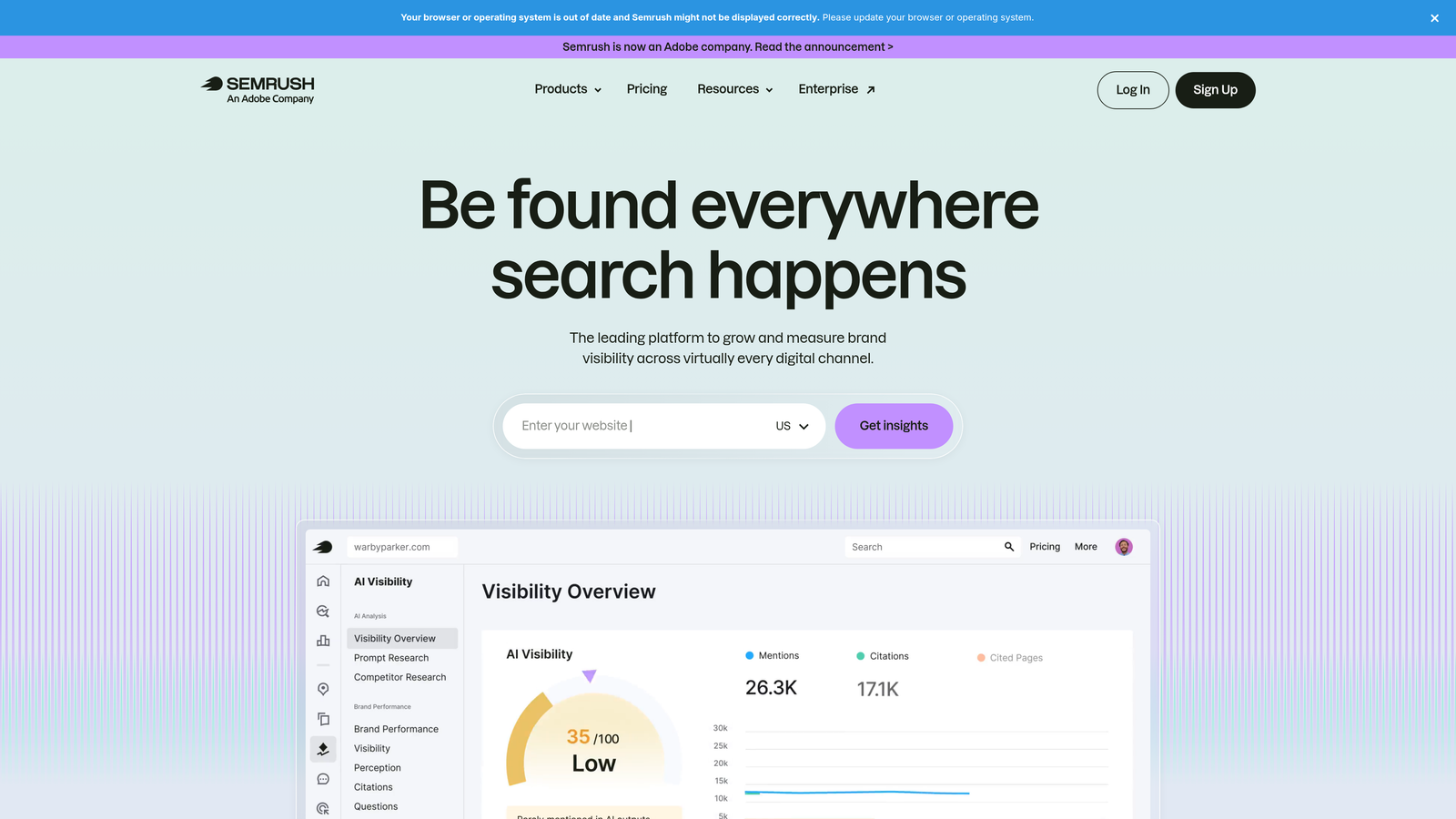
SEMrush is an enterprise-grade SEO platform with a position tracking API that delivers daily rank updates, SERP feature monitoring, and granular device and location targeting.
Where This Tool Shines
SEMrush's position tracking API is most powerful when you're already inside the SEMrush ecosystem. Rank movements can be contextualized against competitive domain data, backlink changes, and traffic estimates without requiring a separate tool or additional API calls.
The SERP feature tracking is particularly strong. You can monitor whether your target keywords are triggering featured snippets, local packs, or shopping results, and track when competitors gain or lose those features over time.
Key Features
Daily Rank Updates: Position data refreshed daily with device-level (desktop/mobile) and location-level granularity.
SERP Feature Monitoring: Tracks featured snippets, local packs, image carousels, and other SERP feature types per keyword.
Competitive Domain Comparison: API responses include competitor ranking data for direct side-by-side analysis.
Historical Trend Data: Access to historical ranking timelines for long-term trend analysis and reporting.
Ecosystem Integration: Connects naturally with SEMrush's keyword research, site audit, and traffic analytics tools.
Best For
Enterprise SEO teams and large agencies that already use SEMrush for broader keyword research and competitive analysis. The API is most cost-effective when you're utilizing the full suite rather than just the rank tracking endpoints.
Pricing
API access is included in SEMrush plans starting around $139.95/month for the Pro tier. Higher tiers unlock additional API units for larger-scale usage.
3. Ahrefs Rank Tracker API
Best for: Teams that want to correlate ranking changes with backlink profile movements
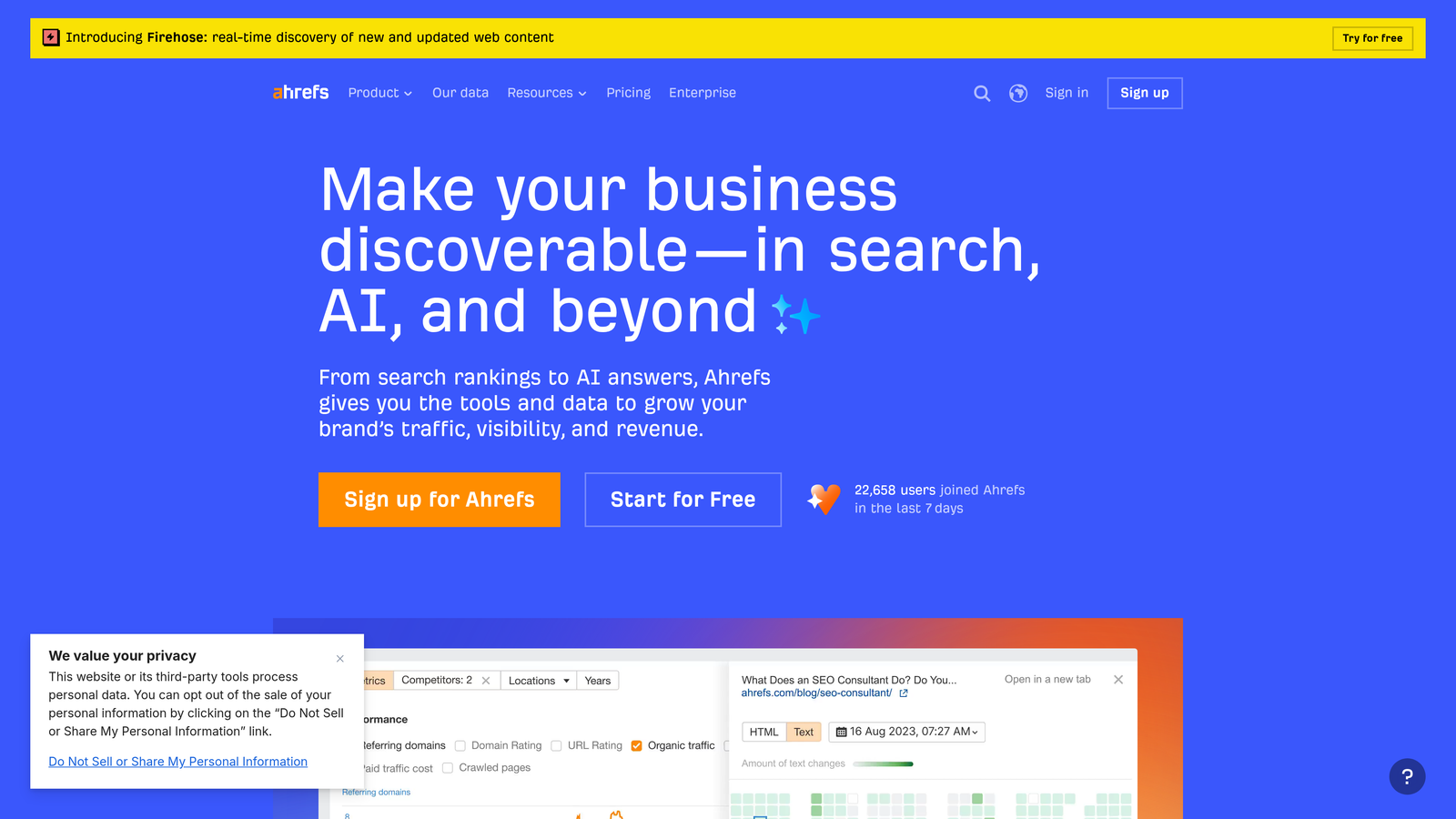
Ahrefs is a comprehensive SEO platform whose rank tracking API integrates tightly with its industry-leading backlink index, making it uniquely suited for link-driven SEO analysis.
Where This Tool Shines
The core advantage Ahrefs brings to rank tracking is context. When a keyword drops in position, you can immediately cross-reference that movement against changes in your backlink profile without switching tools. This correlation layer saves significant diagnostic time for SEO teams investigating ranking fluctuations.
The SERP overview data is also notably detailed, surfacing visibility metrics alongside raw position numbers so you can understand relative share of voice rather than just absolute rank.
Key Features
Backlink Correlation Data: Rank tracking data sits alongside Ahrefs' backlink index for direct cause-and-effect analysis.
SERP Visibility Metrics: Provides share-of-voice and visibility scores beyond simple position numbers.
Desktop and Mobile Splits: Separate rank data for desktop and mobile search results.
Historical Ranking Data: Long-term historical position data for trend analysis and content performance review.
Keyword and Content Explorer Access: API users can tap into Ahrefs' broader keyword research and content gap datasets.
Best For
SEO professionals and content teams who rely heavily on backlink analysis as part of their ranking strategy. Less suited for teams that need lightweight, standalone rank data without the broader Ahrefs subscription.
Pricing
API access is available on higher-tier Ahrefs plans. Contact Ahrefs directly for enterprise API pricing and usage limits.
4. SERPstack API
Best for: Developers who need raw SERP data without a bundled SEO platform
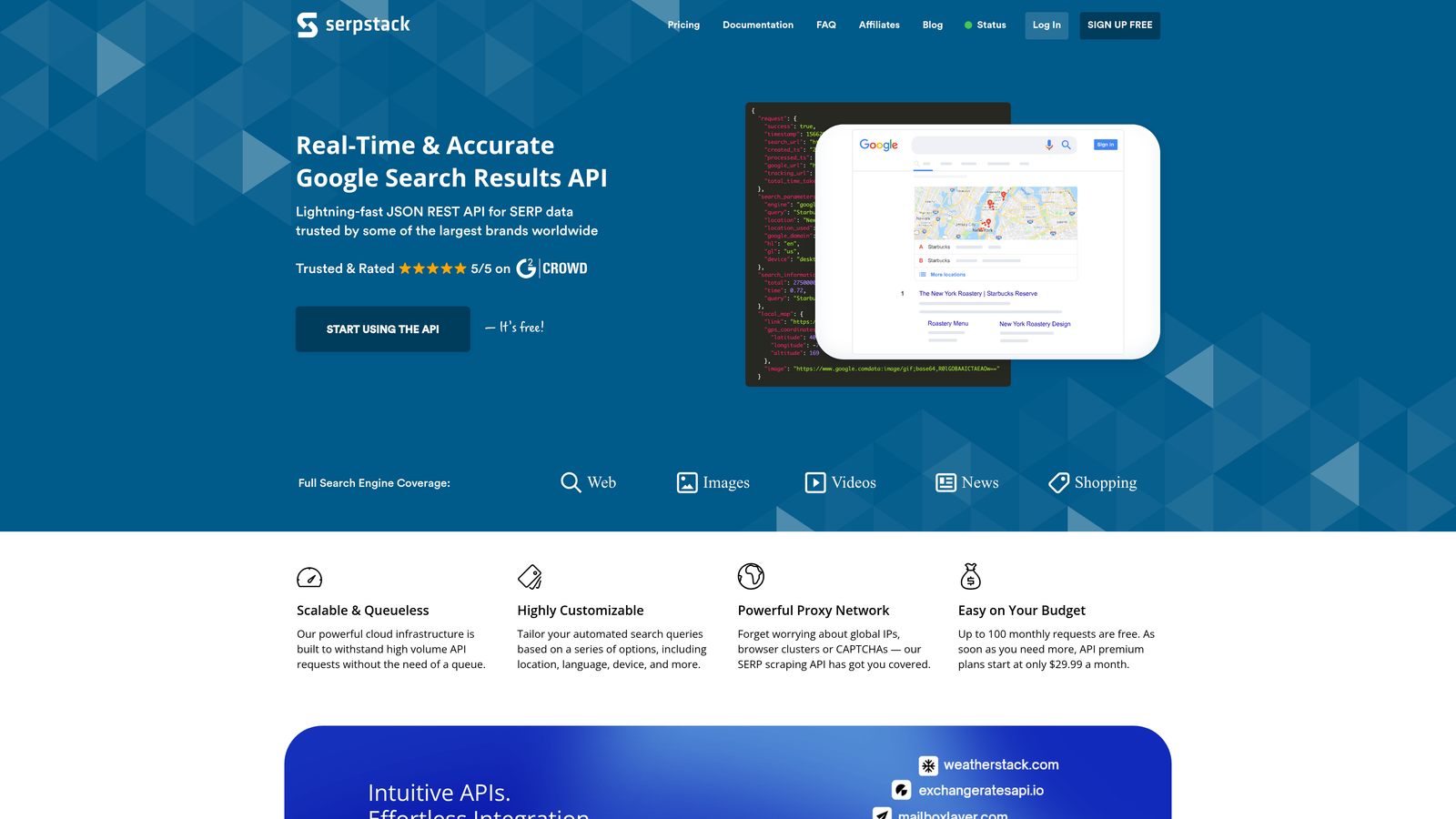
SERPstack is a lightweight, developer-focused REST API that returns real-time Google search results as clean, structured JSON with no attached suite required.
Where This Tool Shines
SERPstack is built for developers who want to integrate SERP data into their own applications without paying for features they'll never use. The API surface is intentionally minimal: send a query, get structured JSON back. That simplicity makes it easy to evaluate and integrate quickly.
The pay-only-for-what-you-use pricing model is genuinely flexible at lower volumes. For startups or indie developers building SEO tools, this removes the barrier of committing to a high-volume subscription before you've validated your product.
Key Features
Real-Time SERP Results: Live Google search results returned via simple REST endpoints with minimal latency.
Targeting Options: Device, location, and language parameters for localized and device-specific queries.
Structured JSON Output: Returns organic results, paid ads, and SERP features in a clean, parseable format.
No Suite Required: Pure API access with no mandatory bundled tools or dashboards.
Reliability Standards: HTTPS encryption and uptime SLA for production use cases.
Best For
Developers and technical founders building custom SEO dashboards, rank tracking tools, or content intelligence products who need clean SERP data at a predictable per-request cost.
Pricing
Free tier available with 100 requests per month. Paid plans start around $29.99/month for 5,000 requests, scaling from there based on volume.
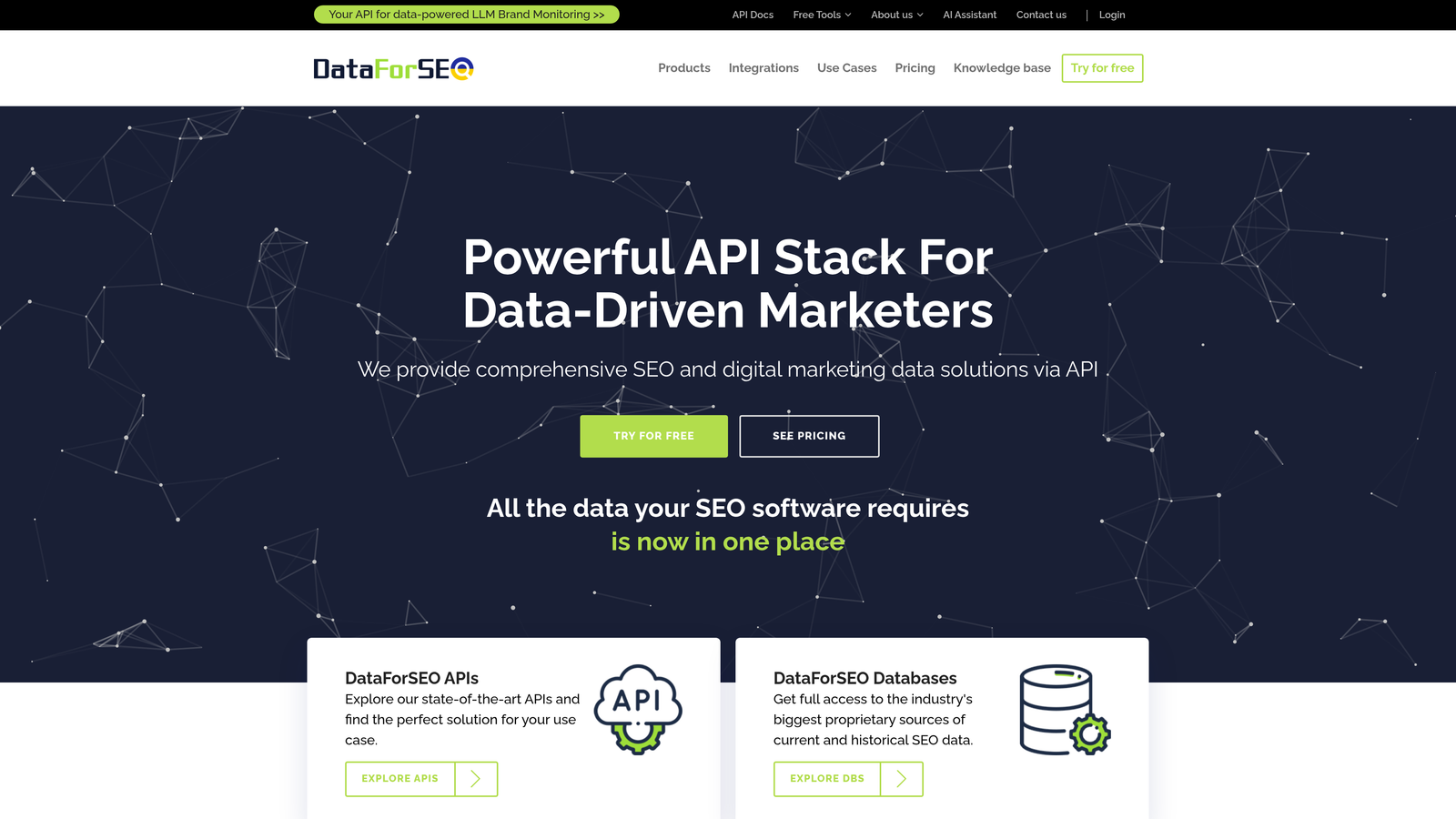
5. DataForSEO SERP API
Best for: Agencies and SaaS builders needing multi-engine coverage with pay-per-task flexibility
DataForSEO is a flexible, task-based SERP and rank tracking API covering Google, Bing, Yahoo, Baidu, and more, with extensive geographic and language targeting options.
Where This Tool Shines
DataForSEO's task-based pricing model is genuinely different from the subscription-first approach most competitors take. You deposit credits and consume them per task, which means there's no penalty for variable usage patterns. Agencies with seasonal clients or SaaS products with unpredictable query volumes benefit significantly from this structure.
The geographic coverage is also exceptional. With support for over 1,700 Google locations and 70+ languages, DataForSEO handles international SEO use cases that would strain or break simpler SERP APIs.
Key Features
Multi-Engine Coverage: Supports Google, Bing, Yahoo, Baidu, Naver, and additional search engines in a unified API.
Pay-Per-Task Pricing: No monthly keyword limits; pay only for the tasks you actually run.
Extensive Location Targeting: Over 1,700 Google locations and 70+ languages for granular local and international tracking.
Multiple Endpoint Types: Rank tracking, SERP scraping, and keyword data endpoints available within the same platform.
Sandbox Environment: Free testing environment for development and integration work before going live.
Best For
Agencies managing diverse international client portfolios and SaaS developers building rank tracking products who need predictable per-query costs and broad search engine coverage.
Pricing
Pay-per-task model with SERP API tasks starting at approximately $0.0020 per task. A minimum deposit is required to activate the account.
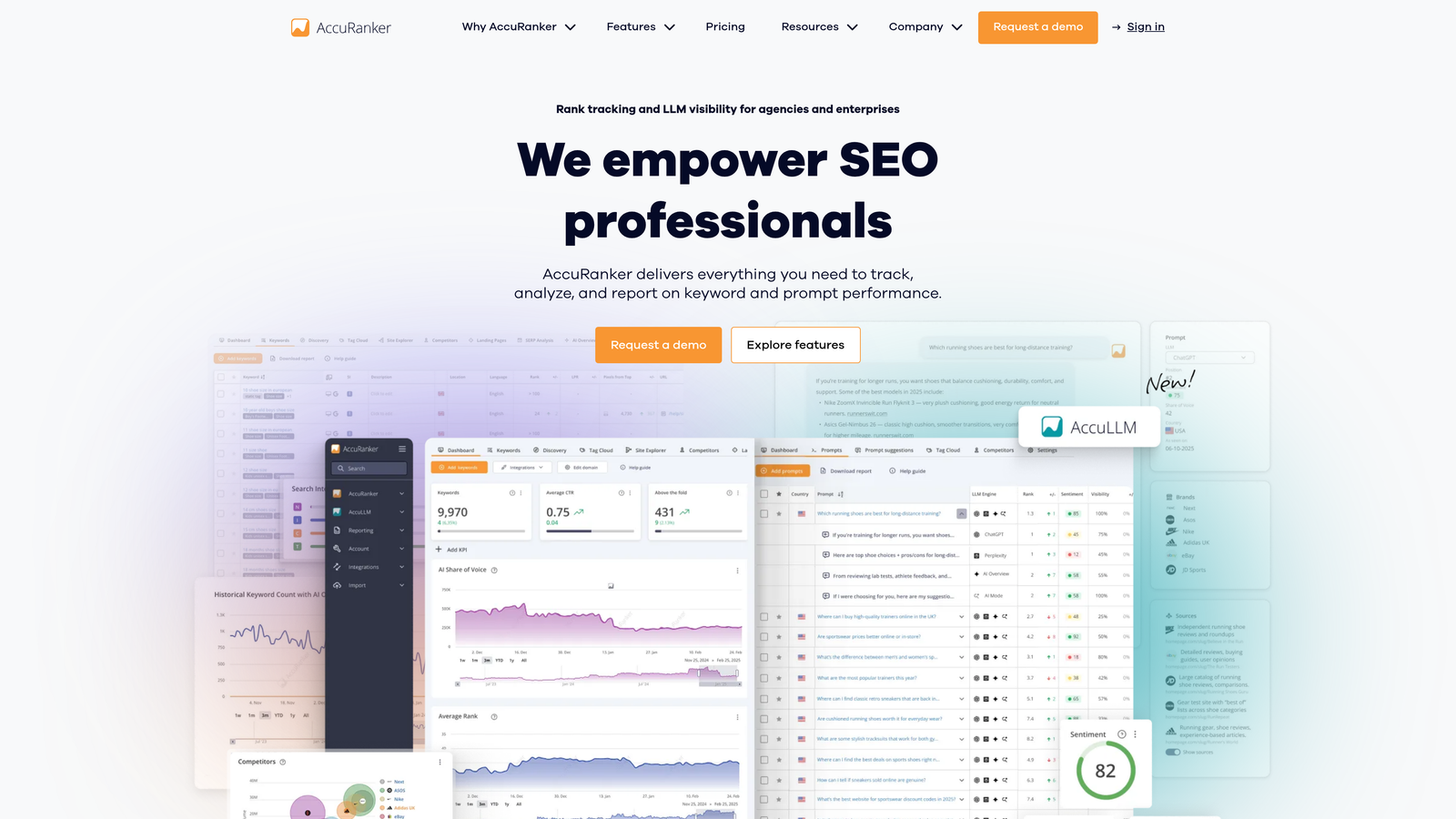
6. AccuRanker API
Best for: Agencies managing large keyword portfolios that need on-demand data freshness
AccuRanker is a high-frequency rank tracking API with on-demand refresh capabilities, delivering sub-4-hour data freshness for teams that can't wait on scheduled daily updates.
Where This Tool Shines
Most rank tracking APIs update once per day on a fixed schedule. AccuRanker lets you trigger on-demand refreshes, which is a meaningful operational advantage when you're troubleshooting a ranking drop in real time or need to demonstrate results to a client after publishing a content update.
The tagging and segmentation system is also well-designed for multi-client agency use. You can organize keywords by client, campaign, topic cluster, or any custom taxonomy, and the API respects those segments so your reporting pipelines stay clean.
Key Features
On-Demand Rank Refresh: Trigger immediate rank updates rather than waiting for the next scheduled daily cycle.
SERP Feature Tracking: Monitors featured snippets, local packs, and other SERP features with share-of-voice metrics.
Google and Bing Coverage: Rank data for both major search engines with local and mobile splits.
Tagging and Segmentation: Flexible keyword organization system for multi-client and multi-campaign management.
Webhook Support: RESTful API with webhook integration for event-driven data pipelines.
Best For
Digital agencies running large keyword portfolios across multiple clients who need both reliable daily tracking and the flexibility to pull fresh data on demand when it matters.
Pricing
Plans start around $129/month for 1,000 keywords. API access is included on all plan tiers, which is a notable advantage over tools that gate API access to enterprise plans.
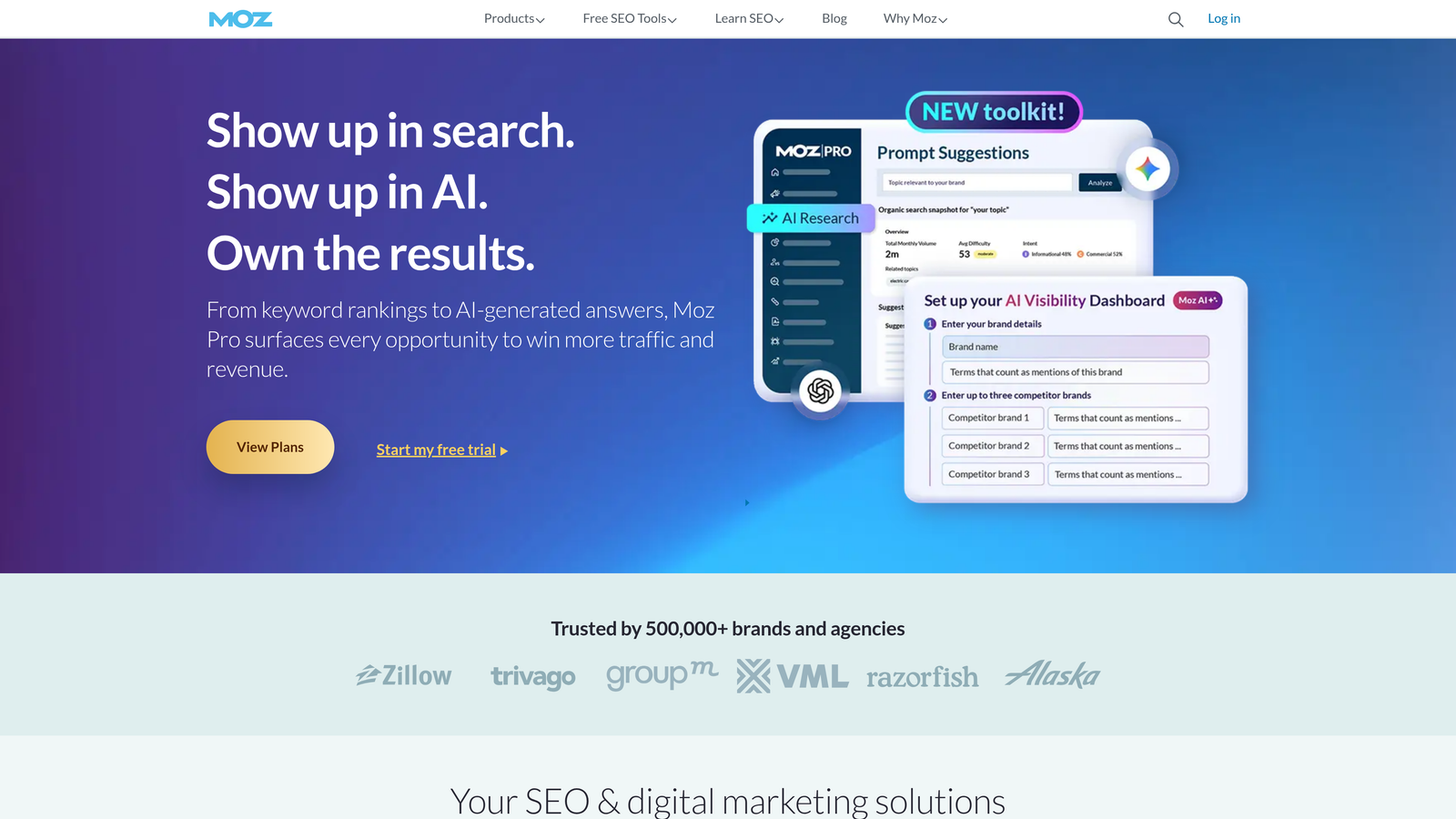
7. Moz Pro Links & Rankings API
Best for: Teams already using Moz who want DA/PA metrics alongside rank data
Moz Pro is a well-established SEO platform whose API pairs keyword ranking data with Moz's proprietary Domain Authority and Page Authority metrics for authority-aware rank reporting.
Where This Tool Shines
Moz's primary differentiator in the rank tracking API space is the native integration of DA and PA scores. For teams that use authority metrics as a core part of their SEO strategy and reporting, having those numbers available directly in API responses eliminates a data-joining step that would otherwise require a separate Moz API call.
The documentation is consistently praised for being accessible to developers who aren't deep SEO specialists, which reduces integration time for engineering teams building reporting tools for non-technical stakeholders.
Key Features
Authority-Enriched Rankings: Keyword positions returned alongside Domain Authority and Page Authority scores in the same response.
SERP Feature Visibility: Tracks which SERP features are appearing for tracked keywords.
Local and National Tracking: Supports both local and broad national rank tracking configurations.
Moz Link Index: Access to link data from Moz's proprietary backlink index through the same API relationship.
Well-Documented REST API: Clear, developer-friendly documentation with practical examples.
Best For
SEO teams and agencies that have built their reporting workflows around Moz's authority metrics and want rank tracking data that integrates naturally with those existing frameworks.
Pricing
Moz Pro plans start around $49/month for the Starter tier. Full API access is available on higher-tier plans.
8. SerpApi
Best for: Developers who need multi-engine structured SERP data with zero infrastructure overhead
SerpApi is a structured SERP data API covering 15+ search engines, handling proxy rotation, CAPTCHA solving, and HTML parsing automatically so developers receive clean JSON with no scraping infrastructure to maintain.
Where This Tool Shines
Building and maintaining a SERP scraper is genuinely painful. Proxies get blocked, CAPTCHAs appear without warning, and parsing logic breaks whenever Google updates its HTML structure. SerpApi abstracts all of that away entirely. You make an API call, you get structured JSON. The infrastructure problem is completely off your plate.
The breadth of supported result types is also impressive. Beyond organic rankings, SerpApi returns Knowledge Graph data, Maps results, Shopping listings, News results, and more, all in structured formats that are straightforward to work with programmatically.
Key Features
15+ Search Engine Support: Covers Google, Bing, Baidu, Yandex, Yahoo, DuckDuckGo, and more in a unified API.
Automatic CAPTCHA and Proxy Management: All scraping infrastructure is handled server-side; developers receive clean results.
Rich Result Types: Returns organic results, Knowledge Graph, Maps, Shopping, News, and Images as structured JSON.
API Playground: Interactive testing environment for experimenting with queries before writing integration code.
High-Reliability Infrastructure: Uptime guarantees and consistent response formatting for production use cases.
Best For
Developers and engineering teams who need reliable, multi-engine SERP data without the operational burden of maintaining scraping infrastructure. Particularly well-suited for teams building competitive intelligence tools or content research products.
Pricing
Free tier includes 100 searches per month. Paid plans start at $50/month for 5,000 searches, scaling upward based on volume.
9. Wincher API
Best for: Small teams and startups that need reliable daily rank tracking at an accessible price point
Wincher is a budget-friendly daily rank tracking API with clean RESTful endpoints, designed for smaller teams that need dependable position data without enterprise-level complexity or cost.
Where This Tool Shines
Wincher occupies a genuinely useful niche: solid daily rank tracking with a clean API at a price point that doesn't require budget approval from a finance team. For startups, freelancers, or small agencies that don't need on-demand refreshes or multi-engine coverage, it delivers exactly what's needed without charging for what isn't.
The Google Search Console integration is a practical bonus. Connecting rank tracking data with GSC performance metrics in the same workflow gives small teams a more complete picture of organic performance without requiring a separate analytics layer.
Key Features
Daily Automatic Updates: Consistent daily rank refreshes for all tracked keywords without manual triggering.
Competitor Tracking: Monitor competitor keyword positions alongside your own domains.
Google Search Console Integration: Connects directly with GSC for enriched organic performance data.
Clean REST API: Straightforward RESTful endpoints with clear, approachable documentation.
On-Page SEO Recommendations: Surfaces on-page optimization suggestions alongside ranking data for actionable context.
Best For
Freelancers, small agencies, and early-stage startups that need reliable daily rank tracking with API access at an accessible monthly cost. Not the right fit for teams requiring real-time refreshes or multi-engine coverage.
Pricing
Plans start around €49/month for up to 500 keywords. API access is included across all plan tiers.
Which Tool Is Right for Your Use Case
The right keyword position checker API depends almost entirely on what problem you're actually trying to solve. Here's a quick orientation by use case.
For teams tracking visibility across both traditional search and AI platforms, Sight AI is the only option on this list that covers both dimensions. As AI search continues to grow as a discovery channel, having a unified view of SERP positions and AI mention data in one place is a meaningful operational advantage over stitching together separate tools.
For enterprise teams with complex competitive intelligence needs, SEMrush and Ahrefs remain the dominant choices. Both offer deep data ecosystems that extend well beyond rank tracking, and their APIs are most cost-effective when you're using the broader platform.
For developers building custom applications or SaaS products, DataForSEO and SerpApi are the standout options. DataForSEO's pay-per-task model is ideal for variable usage patterns, while SerpApi's infrastructure abstraction is the fastest path to clean, multi-engine SERP data.
For agencies that need on-demand data freshness, AccuRanker is the clear choice. And for smaller teams that need reliable daily tracking without a large budget commitment, Wincher delivers strong fundamentals at an accessible price.
The broader takeaway is that rank tracking is no longer just about page one positions on Google. The teams building durable organic visibility strategies are already monitoring how they appear in AI-generated answers. Start tracking your AI visibility today and see exactly where your brand appears across ChatGPT, Claude, Perplexity, and other top AI platforms, alongside your traditional SERP rankings, in one unified view.