If your pages aren't being crawled and indexed quickly, they might as well not exist. Search engines can only surface content they've discovered, and AI models like ChatGPT, Claude, and Perplexity can only reference brands they've encountered through indexed sources. Crawl speed isn't just a technical nicety anymore: it's a core component of both SEO performance and AI visibility.
The good news is that the tooling landscape has matured significantly. Between push-based indexing protocols, crawl audit platforms, JavaScript rendering services, and all-in-one content-to-index workflows, there's a solution for nearly every stack and budget.
To build this list, we evaluated tools across five criteria: indexing speed and notification capabilities, automation depth, protocol support (IndexNow, sitemaps, APIs), CMS integration, and pricing transparency. Whether you're a solo founder trying to get pages indexed faster or an enterprise team managing millions of URLs, here are the top faster website crawling solutions worth considering in 2026.
1. Sight AI
Best for: Marketers and founders who want to create, index, and track content visibility in one platform
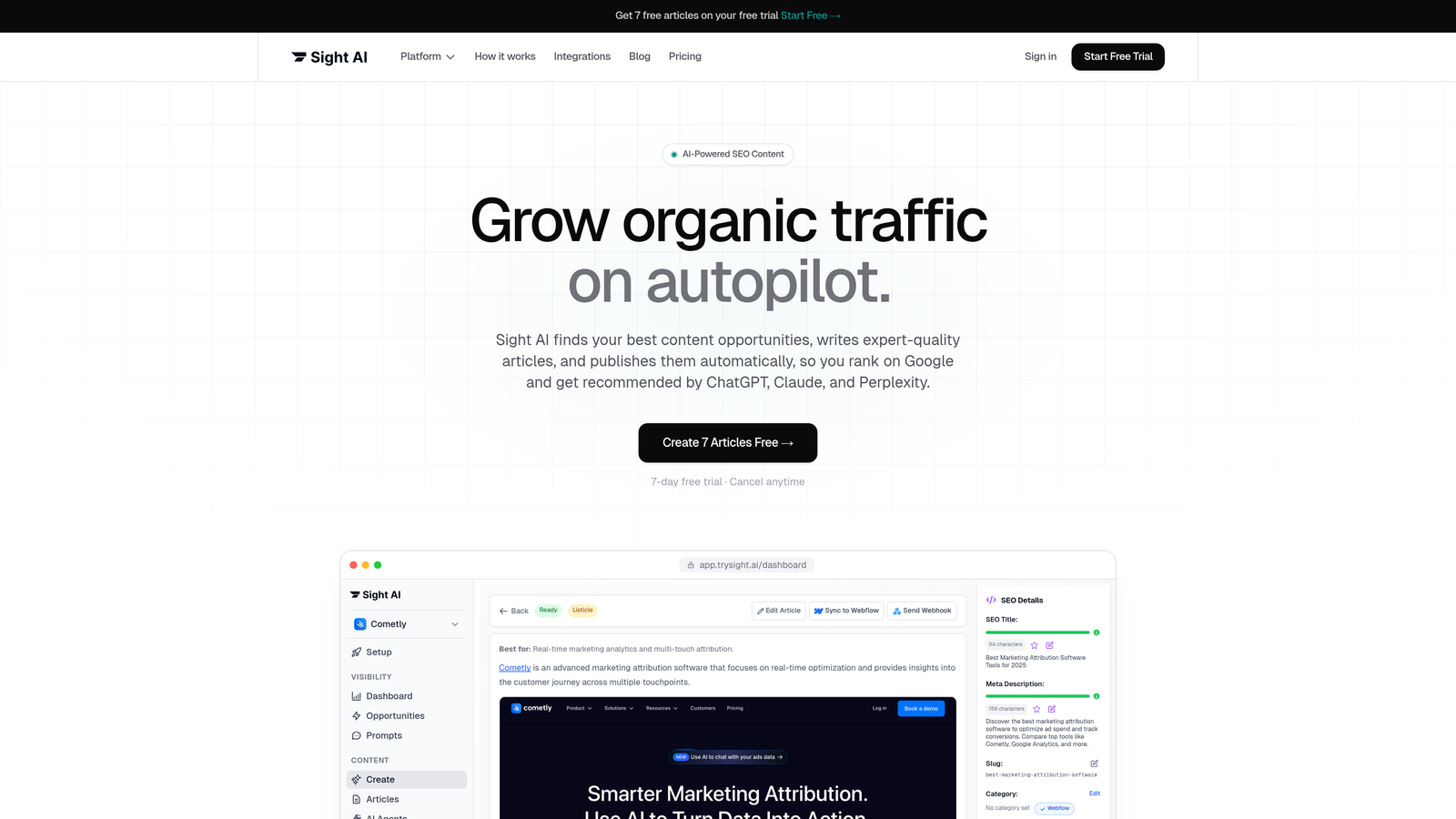
Sight AI is an all-in-one platform that combines AI-powered content generation, automated IndexNow-based website indexing, and AI visibility tracking across models like ChatGPT, Claude, and Perplexity.
Where This Tool Shines
Most crawling solutions solve one piece of the puzzle: they either help you create content, submit URLs, or track performance. Sight AI connects all three. When you publish content through the platform, it automatically triggers IndexNow notifications and updates your sitemap, so search engines are pinged the moment a page goes live.
The AI visibility layer is what makes it genuinely unique. Beyond indexing, Sight AI tracks how your brand is mentioned across six or more AI platforms, giving you a clear picture of whether your content is actually influencing what AI models say about you. That feedback loop between content creation and AI mention tracking is something no other crawling tool currently offers.
Key Features
IndexNow Integration: Automated sitemap updates and instant crawl notifications fire the moment content is published, with no manual submission required.
CMS Auto-Publishing: Content published through the platform triggers indexing immediately, eliminating the lag between publication and discovery.
AI Visibility Score: Tracks brand mentions and sentiment across ChatGPT, Claude, Perplexity, and other major AI platforms with prompt-level tracking.
13+ Specialized AI Agents: Purpose-built agents generate SEO and GEO-optimized articles, listicles, guides, and explainers in formats designed for both search engines and AI models.
End-to-End Workflow: The create, publish, index, and track pipeline lives in one platform, eliminating the need to stitch together multiple tools.
Best For
Sight AI is best suited for marketers, founders, and agencies who care about both traditional SEO and AI search visibility. If you're producing content at scale and want to ensure every piece is indexed quickly and tracked for AI mentions, this platform removes a significant amount of manual overhead.
Pricing
A free tier is available for getting started. Paid plans with full indexing automation and AI visibility tracking are listed at trysight.ai/pricing.
2. IndexNow
Best for: Developers and site owners who want a lightweight, free protocol for instant search engine notification
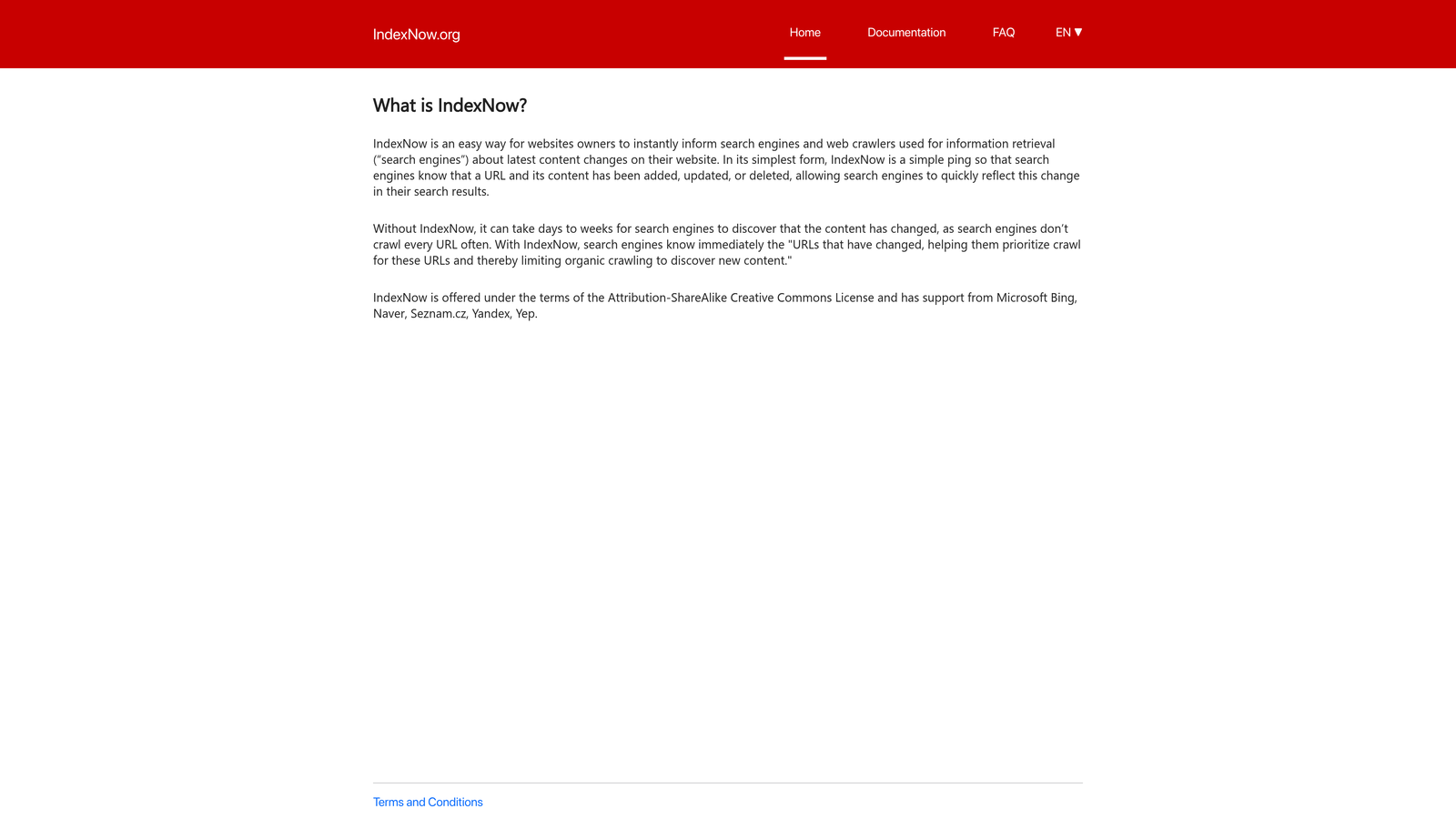
IndexNow is an open-source protocol that lets websites instantly notify participating search engines when content is created, updated, or deleted.
Where This Tool Shines
Traditional crawling is passive: you publish content and wait for a search engine bot to eventually find it. IndexNow flips that model by letting you push notifications directly to engines the moment something changes. Instead of hoping Bing or Yandex discovers your new page in their next crawl cycle, you tell them it exists right now.
The protocol is intentionally lightweight. A single HTTP request per URL is all it takes, and because it's open and free, there's no vendor lock-in. For teams already using tools with native IndexNow support (like Yoast or Sight AI), the protocol runs silently in the background without any ongoing effort.
Key Features
Instant Push Notifications: Alerts participating search engines the moment a URL is created, updated, or removed, bypassing crawl schedule delays.
Simple API Implementation: A single HTTP GET or POST request is all that's needed to submit one or multiple URLs at once.
Multi-Engine Support: Currently supported by Bing, Yandex, Naver, and Seznam, with the ecosystem continuing to grow.
Reduced Crawl Waste: By signaling exactly what changed, IndexNow helps engines allocate crawl budget more efficiently across your site.
Zero Cost: Completely free and open, with no licensing or usage fees.
Best For
IndexNow is ideal for developers who want direct protocol-level control, or for any site owner whose CMS or SEO plugin already supports it natively. It's less useful for Google-only strategies, as Google has not formally adopted the protocol as of early 2026.
Pricing
Completely free. IndexNow is an open protocol with no associated costs.
3. Google Search Console
Best for: Any site owner who needs to manage, diagnose, and accelerate Google-specific indexing
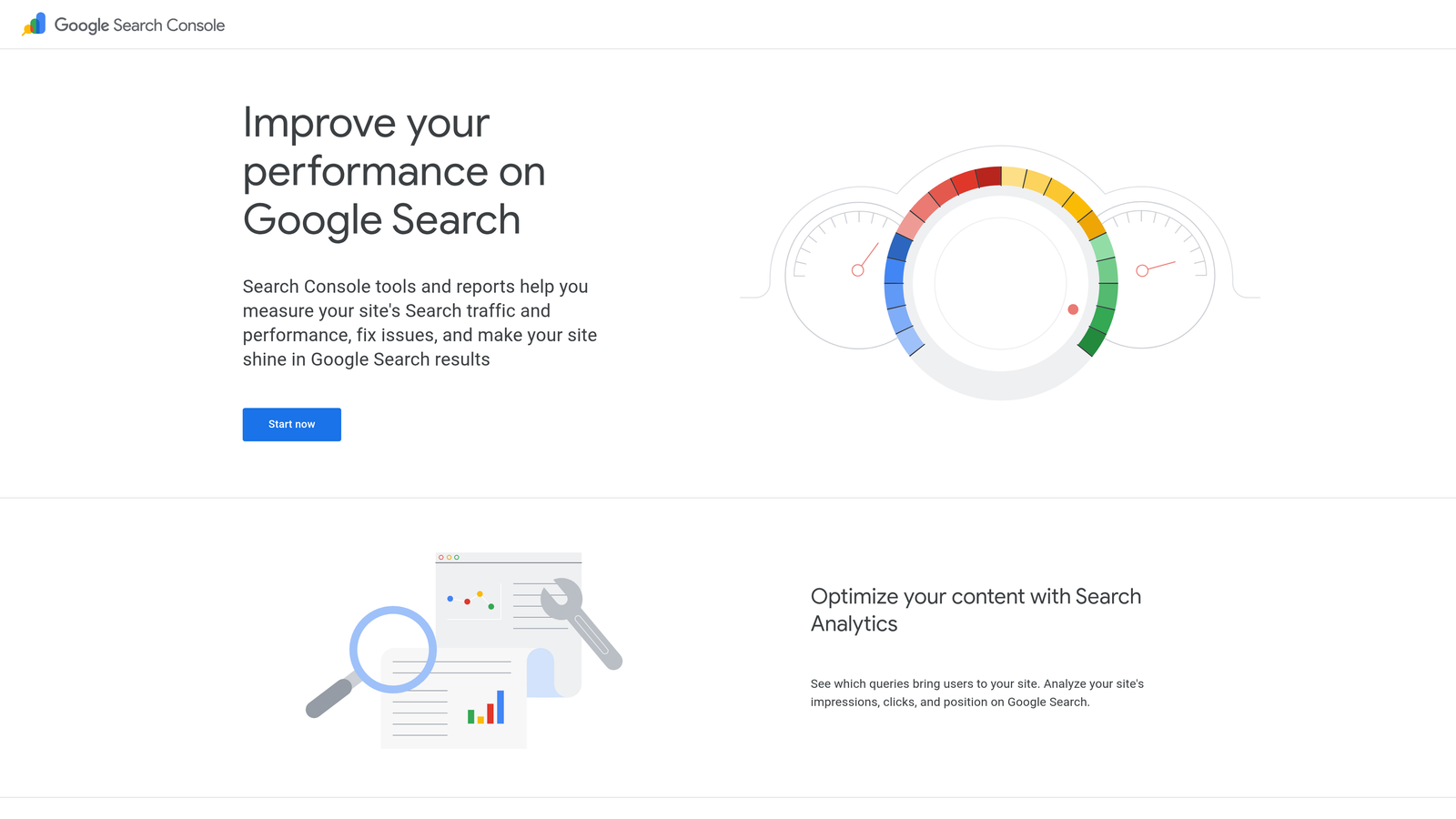
Google Search Console is Google's official platform for requesting crawls, diagnosing indexing issues, and submitting URLs directly to Google's index via API.
Where This Tool Shines
No third-party tool gives you more direct access to how Google sees your site than Search Console. The URL Inspection tool shows you exactly how Googlebot renders a page, what resources it can and can't access, and whether the page is indexed. That level of transparency is invaluable when troubleshooting why a specific page isn't appearing in search results.
The Coverage report is particularly useful for identifying pages that are excluded, errored, or stuck in a crawl queue. For teams managing large sites, this report quickly surfaces structural issues like redirect chains or noindex tags that are silently blocking indexing at scale.
Key Features
URL Inspection Tool: Shows how Google renders, indexes, and understands any specific page on your site, including canonical status and structured data.
Request Indexing: On-demand crawl requests for individual URLs, useful for urgent content like news articles or time-sensitive landing pages.
Indexing API: Programmatic bulk URL submission, though Google currently restricts full use to job posting and livestream content types.
Coverage Reports: Categorizes all known URLs into indexed, excluded, error, and warning states with actionable details.
Sitemap Monitoring: Submit and track XML sitemaps to ensure Google is discovering your full URL inventory.
Best For
Essential for any team focused on Google search performance. Search Console is the authoritative source for understanding Google's crawl behavior and should be part of every SEO workflow, regardless of what other tools you use.
Pricing
Completely free. No paid tiers or usage limits for standard features.
4. Screaming Frog SEO Spider
Best for: Technical SEO professionals who need deep crawl audits to diagnose indexing bottlenecks
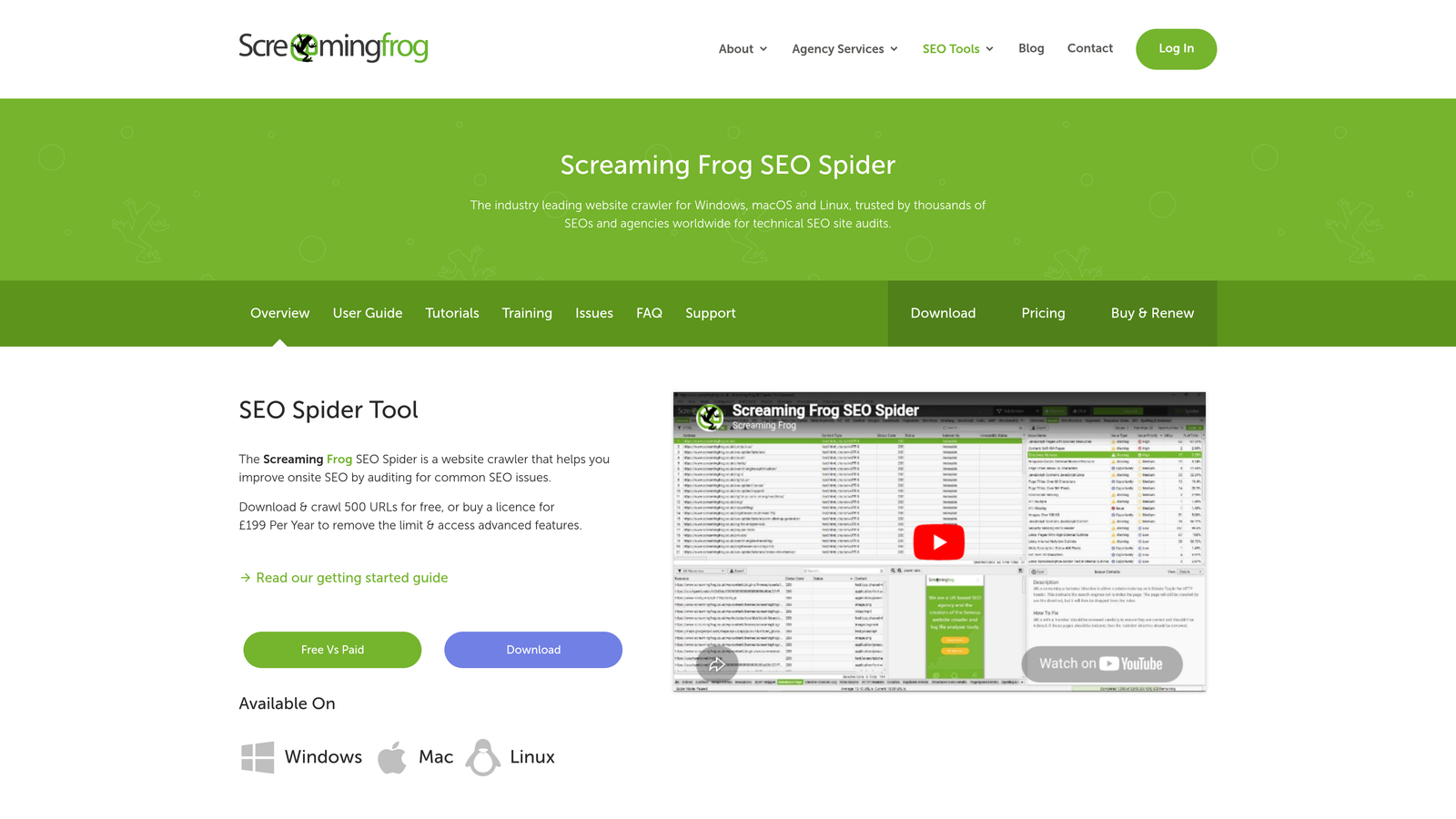
Screaming Frog SEO Spider is a desktop-based website crawler that audits technical SEO issues affecting crawlability, from broken links and redirect chains to crawl depth and orphan pages.
Where This Tool Shines
While IndexNow and Search Console help you push URLs to engines, Screaming Frog helps you understand why certain pages aren't being crawled efficiently in the first place. It simulates how a search engine bot navigates your site, revealing structural problems that silently drain crawl budget.
The JavaScript rendering mode is particularly valuable for modern sites built on React, Vue, or Angular. It shows you exactly what a search engine bot sees when it renders your pages, making it easy to spot content that's hidden behind JavaScript execution and therefore invisible to standard crawlers.
Key Features
Unlimited Crawling: Crawls up to 500 URLs on the free plan; the paid license removes all limits for large-scale audits.
Redirect Chain Analysis: Identifies multi-hop redirects and broken links that waste crawl budget and dilute link equity.
Crawl Depth Mapping: Shows how many clicks deep each page sits from the homepage, helping you identify orphan pages and restructure internal linking.
JavaScript Rendering: Renders pages as a browser would, revealing content that standard bots may miss on JavaScript-heavy sites.
Exportable Audit Reports: All crawl data can be exported to CSV or Excel for further analysis or client reporting.
Best For
Screaming Frog is the go-to tool for technical SEO specialists and agencies conducting site audits. It's especially valuable when onboarding a new client site or diagnosing why specific pages aren't appearing in search results despite being published.
Pricing
Free for up to 500 URLs. Full license is £259 per year, which covers unlimited crawling and advanced features.
5. Cloudflare Crawler Hints
Best for: Sites already on Cloudflare that want passive, zero-config IndexNow integration
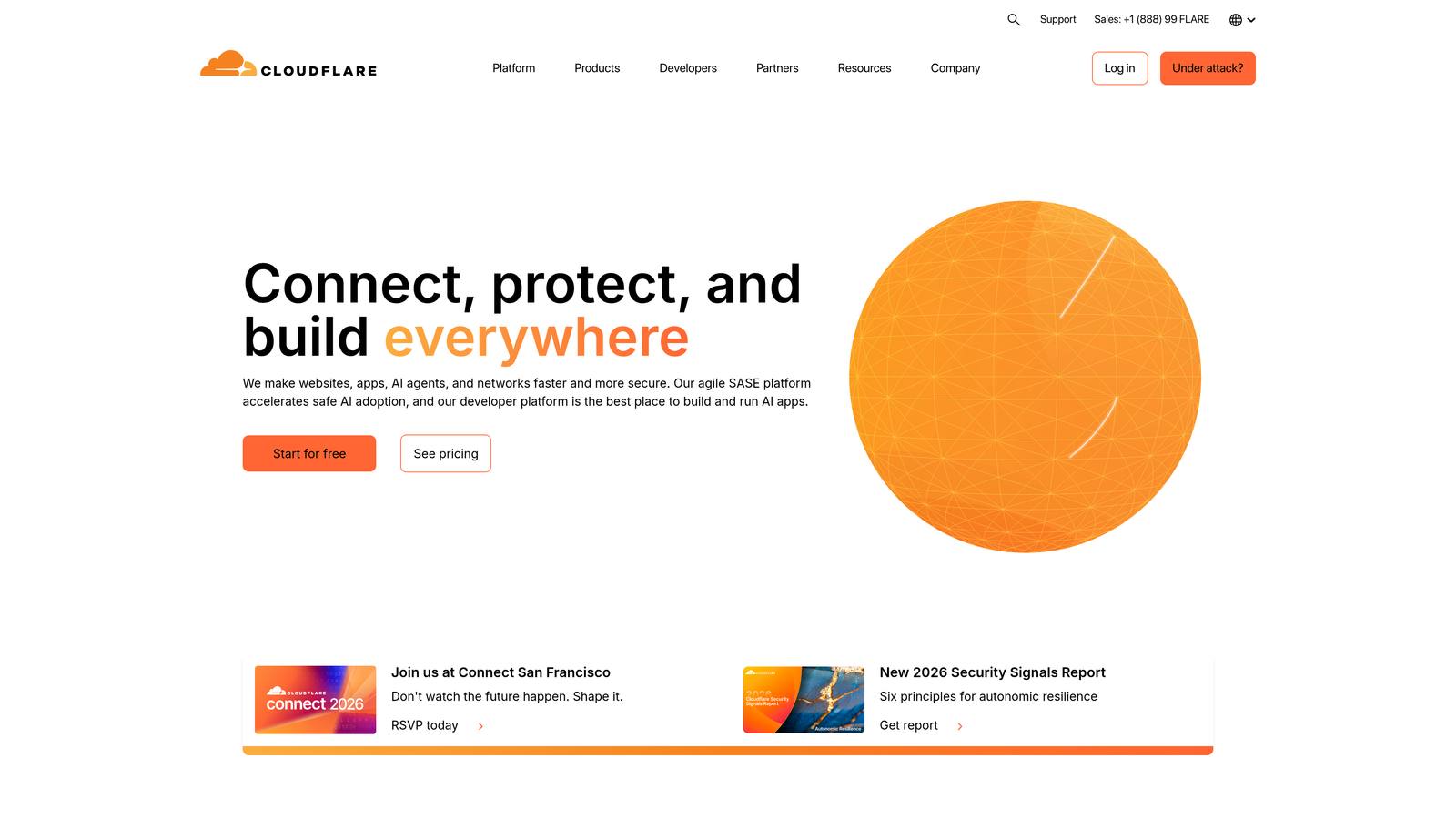
Cloudflare Crawler Hints is a CDN-level feature that automatically notifies search engines via IndexNow when cached content changes, requiring zero configuration from site owners.
Where This Tool Shines
The appeal here is simplicity. If your site is already running behind Cloudflare, Crawler Hints works passively in the background. When Cloudflare detects that cached content has changed, it automatically fires an IndexNow notification to participating search engines. No plugin, no code, no API key management required.
For teams managing multiple sites or working in environments where developer access is limited, this infrastructure-level approach is a significant time saver. It's not the most feature-rich solution on this list, but for sites that are already on Cloudflare, activating Crawler Hints is one of the easiest wins available for improving indexing speed.
Key Features
Automatic IndexNow Pings: Fires crawl notifications whenever Cloudflare detects content changes in its cache layer, without any manual triggers.
Zero Configuration: Works passively for any site already using Cloudflare, with no code changes or plugin installations needed.
CDN-Level Speed: Notifications are sent as soon as the CDN cache is updated, which often happens faster than CMS-level publish hooks.
Universal Plan Availability: Available across all Cloudflare plans, including the free tier.
Best For
Cloudflare Crawler Hints is ideal for site owners and developers who are already on Cloudflare and want faster indexing without adding another tool to their workflow. It's a passive improvement rather than an active strategy.
Pricing
Included with all Cloudflare plans at no additional cost, including the free tier.
6. Botify
Best for: Enterprise teams managing large-scale sites where crawl efficiency directly impacts revenue
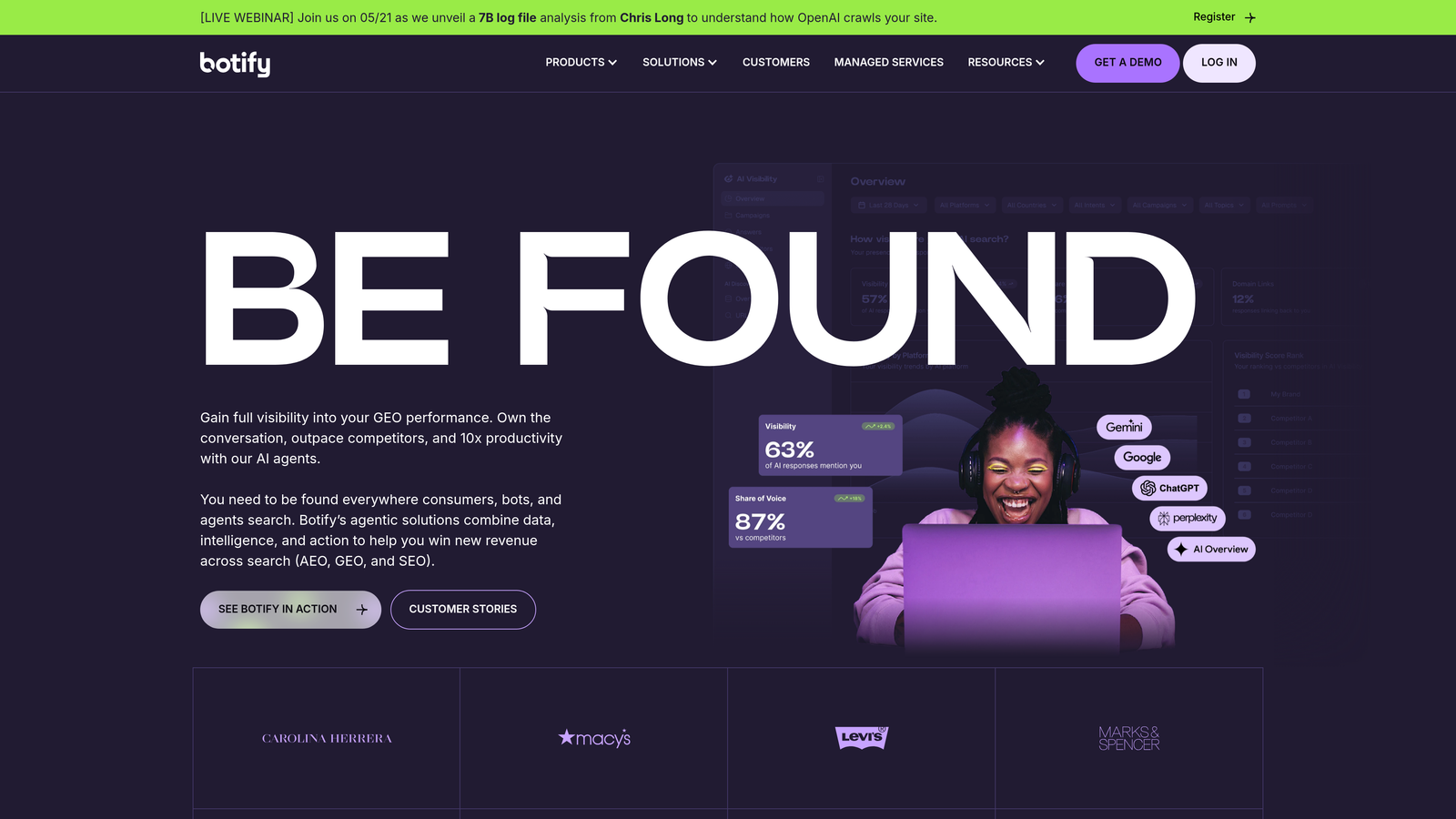
Botify is an enterprise SEO platform that provides deep crawl analytics, log file analysis, and SpeedWorkers technology for serving pre-rendered pages to search engine bots.
Where This Tool Shines
Botify operates at a different scale than most tools on this list. Its log file analysis capability shows you exactly how Googlebot and other crawlers are behaving on your site in real time: which pages they're visiting, how frequently, and which sections they're ignoring entirely. That data is difficult to get anywhere else at this level of granularity.
The SpeedWorkers feature takes a proactive approach by serving optimized, pre-rendered HTML directly to search engine bots. This reduces the rendering burden on crawlers and can meaningfully improve how quickly and thoroughly large sites get indexed. For e-commerce or media properties with hundreds of thousands of pages, that efficiency gain compounds quickly.
Key Features
Full Crawl Analytics: Detailed reports on how search engines interact with every section of your site, including crawl frequency and depth.
SpeedWorkers: Serves pre-rendered HTML to bots, reducing rendering overhead and improving crawl efficiency at scale.
Log File Analysis: Reveals actual Googlebot visit patterns, helping you identify crawl budget waste and prioritize high-value pages.
Revenue-Prioritized Recommendations: Surfaces technical issues ranked by their estimated impact on organic traffic and revenue.
Millions-of-Pages Scale: Built to handle enterprise sites where standard crawl tools hit performance limits.
Best For
Botify is purpose-built for enterprise SEO teams at large publishers, retailers, and media companies where crawl efficiency is a meaningful business problem. It's likely overkill for sites under a few hundred thousand pages.
Pricing
Custom enterprise pricing. Contact Botify directly for a quote based on site size and feature requirements.
7. Yoast SEO
Best for: WordPress site owners who want automated IndexNow and sitemap management without touching code
Yoast SEO is a popular WordPress plugin with native IndexNow support, automated XML sitemap generation, and structured data output designed to improve crawl efficiency.
Where This Tool Shines
For WordPress users, Yoast is often the simplest path to IndexNow integration. When you publish or update a post, the plugin automatically pings participating search engines without any additional setup. It also handles XML sitemap generation and updates automatically, so your sitemap always reflects your current content inventory.
The structured data output is an underappreciated crawl efficiency feature. By adding schema markup to your pages, you help search engines understand content context more quickly, which can improve how efficiently crawl budget is allocated across your site.
Key Features
Native IndexNow Integration: Automatically pings search engines on every publish and update without manual configuration.
Automated XML Sitemaps: Generates and updates sitemaps dynamically as content is added, edited, or removed.
Structured Data Markup: Adds schema markup to help search engines understand page content type and context more efficiently.
Canonical URL Management: Prevents crawl budget waste by automatically setting canonical tags to avoid duplicate content issues.
Best For
Yoast is the right choice for WordPress-based sites of any size where the team wants solid crawl and indexing fundamentals without custom development. The free version covers most use cases; Premium adds more advanced features.
Pricing
Free plugin available in the WordPress repository. Yoast SEO Premium is $99 per year for additional features and support.
8. Oncrawl
Best for: SEO analysts who need granular crawl data and server log insights to optimize indexing strategy
Oncrawl is a technical SEO platform specializing in crawl data analysis and server log file insights to help teams understand and optimize how search engines discover their pages.
Where This Tool Shines
Where Screaming Frog shows you how a bot would crawl your site, Oncrawl shows you how bots actually are crawling it, based on real server log data. That distinction matters. Log analysis reveals patterns that crawl simulations can't: which pages Googlebot visits daily versus monthly, which sections it's effectively ignoring, and where crawl budget is being wasted on low-value URLs.
The combination of crawl simulation and log file analysis in a single platform makes it easier to cross-reference what should be happening with what is happening. That gap often points directly to the highest-impact technical fixes available.
Key Features
Server Log Analysis: Processes real crawler visit data to show actual bot behavior, frequency, and patterns across your site.
Crawl Simulation: Mirrors how search engines navigate your site structure to identify crawl path inefficiencies.
Page Segmentation: Analyzes crawl patterns by page type, directory, or template to pinpoint which content categories are underserved by crawlers.
Data Integrations: Connects with Google Analytics and Search Console to correlate crawl behavior with traffic and performance data.
Crawl Budget Recommendations: Surfaces specific actions to reduce crawl waste and improve discovery of high-priority pages.
Best For
Oncrawl is well-suited for in-house SEO analysts and agencies working on medium-to-large sites where crawl budget optimization can meaningfully move the needle on organic performance. It requires some technical comfort to get the most out of log analysis features.
Pricing
Plans start at approximately $69 per month. Enterprise pricing is available for larger sites and teams with higher crawl volume needs.
9. Prerender.io
Best for: JavaScript-heavy sites where search engine bots struggle to render and index dynamic content
Prerender.io is a cloud-based rendering service that generates and caches static HTML snapshots of JavaScript-rendered pages, serving them to search engine crawlers for reliable indexing.
Where This Tool Shines
Single-page applications built on React, Angular, or Vue present a persistent indexing challenge. Search engine bots often struggle to execute JavaScript and render the full page, meaning they index an empty shell rather than the actual content. Prerender.io solves this by intercepting crawler requests and serving a fully rendered static HTML version instead.
The caching layer is intelligent: pages are pre-rendered and stored, so crawlers receive responses instantly without waiting for JavaScript execution. The Recrawl API lets you force cache refreshes when content changes, ensuring bots always receive up-to-date snapshots rather than stale versions.
Key Features
JavaScript Pre-Rendering: Converts dynamic SPA pages into static HTML snapshots that search engine bots can reliably parse and index.
Automatic Cache Management: Manages cache expiration and refresh cycles with configurable intervals to balance freshness and performance.
Middleware Integrations: Works with Node.js, Apache, Nginx, and major frameworks through ready-made middleware packages.
Multi-Framework Support: Compatible with React, Angular, Vue, and other SPA frameworks without requiring changes to your application code.
Recrawl API: Forces cache refresh for specific URLs when content updates, ensuring crawlers receive current content on their next visit.
Best For
Prerender.io is the right choice for development teams running JavaScript-heavy applications where indexing coverage is incomplete or unreliable. It's particularly useful for SaaS products, e-commerce platforms, and any site where client-side rendering is the default architecture.
Pricing
Free for up to 250 pages per month. Paid plans start at $22 per month for higher page limits and additional features.
Finding the Right Crawl Solution for Your Stack
The tools on this list solve different problems, and the right choice depends entirely on where your indexing bottleneck actually lives. Here's a quick way to think through it.
If you're building content at scale and want a single platform that handles creation, indexing, and AI visibility tracking, Sight AI is the most complete option. It's the only tool here that connects what you publish to how AI models mention your brand, which matters more and more as generative AI becomes a primary discovery channel.
If you need Google-specific indexing control, Google Search Console is non-negotiable and should be in every stack regardless of what else you use. Pair it with IndexNow (or a tool that supports it natively, like Yoast or Sight AI) to cover non-Google engines simultaneously.
For JavaScript-heavy sites where bots are failing to render content, Prerender.io addresses a problem that no amount of URL submission will fix. And for enterprise teams with crawl budget challenges at scale, Botify and Oncrawl offer the log-level visibility needed to make meaningful structural improvements.
Screaming Frog and Cloudflare Crawler Hints round out the toolkit: one for deep technical audits, the other for passive CDN-level indexing improvements with zero setup.
The underlying principle across all of these tools is the same: search engines and AI models can only work with content they've found. The faster and more reliably your pages are crawled and indexed, the more visible your brand becomes across both traditional search and AI-generated answers. Start tracking your AI visibility today and see exactly where your brand appears across the top AI platforms, so you can close the gap between what you're publishing and what AI models are actually saying about you.