Publishing content consistently is only half the battle. Getting it indexed, optimized, and visible to both search engines and AI models is where most teams fall short. The right content publishing and scheduling tool doesn't just queue up posts; it accelerates discovery, automates distribution, and increasingly, helps your brand show up in AI-generated answers.
This list covers the best tools available in 2026 for marketers, founders, and agencies who care about organic traffic and AI visibility, not just hitting a publish button. We evaluated each tool on scheduling capabilities, SEO/GEO optimization features, AI visibility support, indexing speed, and overall workflow efficiency. Whether you're running a lean startup or scaling a content operation across multiple clients, there's a solution here that fits.
Sight AI leads the list because it's the only platform that combines content scheduling with AI visibility tracking and automated indexing in a single workflow. Let's get into it.
1. Sight AI
Best for: Teams who want content generation, CMS publishing, indexing, and AI visibility tracking in one place.
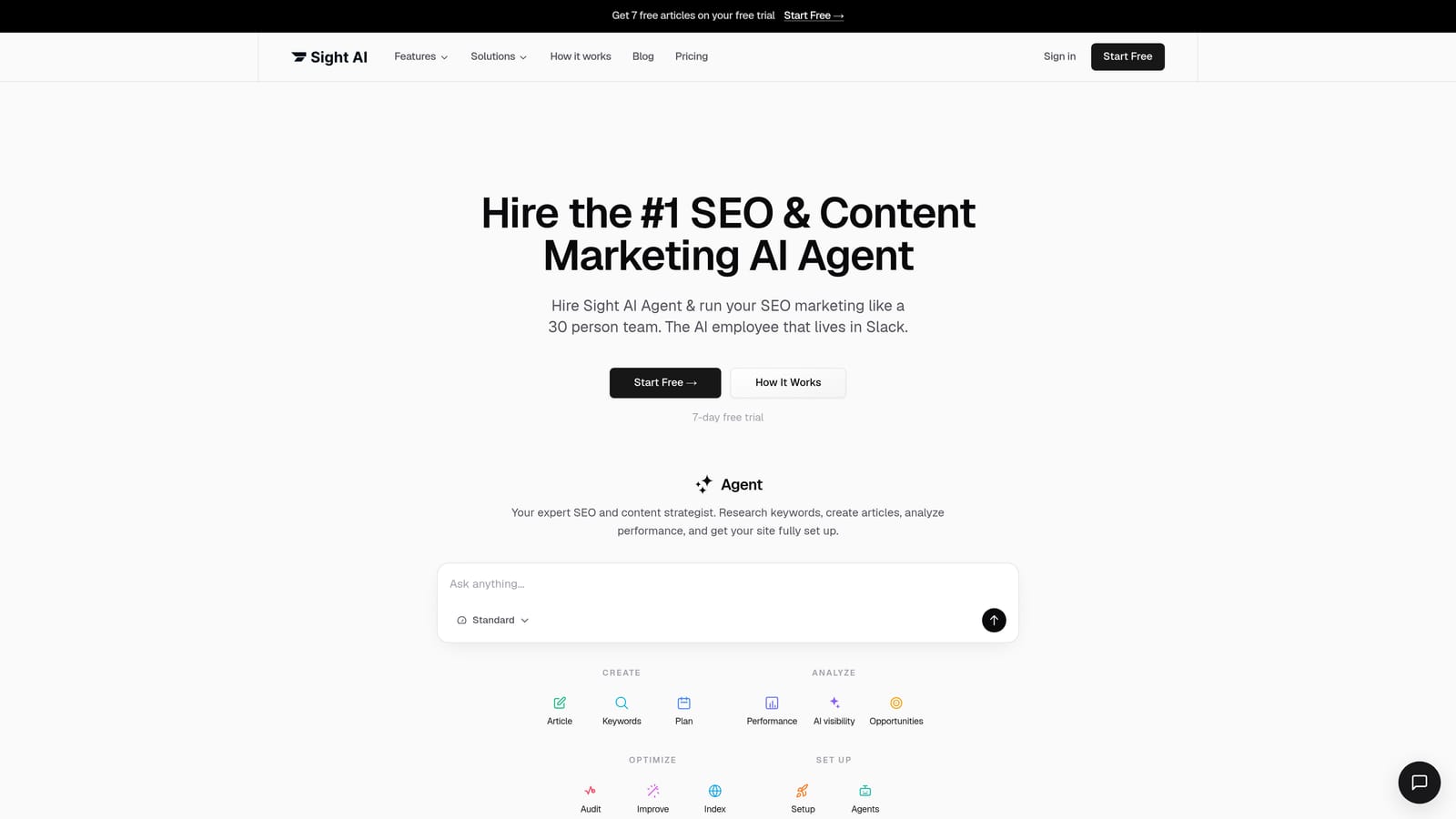
Sight AI is an all-in-one platform combining AI content generation, CMS auto-publishing, IndexNow-powered indexing, and AI brand visibility tracking across ChatGPT, Claude, Perplexity, and more.
Where This Tool Shines
Most publishing tools stop at scheduling. Sight AI goes several steps further by closing the loop between content creation and AI brand presence. You're not just publishing articles; you're tracking whether those articles are actually influencing how AI models talk about your brand.
The Autopilot Mode is where this becomes genuinely powerful for lean teams. It handles content scheduling and CMS publishing without requiring manual intervention at every step, while IndexNow integration ensures newly published content gets discovered by search engines faster than standard crawl cycles allow.
Key Features
Autopilot Mode: Hands-off content scheduling and CMS auto-publishing so your content pipeline runs without constant manual oversight.
IndexNow Integration: Automated sitemap updates and IndexNow submission push new content to search engines immediately after publishing, reducing indexing lag.
13+ Specialized AI Agents: Purpose-built agents generate SEO and GEO-optimized articles across formats including listicles, guides, and explainers, each tuned for a specific content type.
AI Visibility Score: Tracks brand mentions across 6+ AI platforms with sentiment analysis, giving you a clear picture of how AI models perceive and reference your brand.
Prompt Tracking: Monitors how AI models respond to specific prompts over time, so you can see whether your published content is moving the needle on AI citations.
Best For
Sight AI is the strongest fit for marketers, founders, and agencies who need more than a content calendar. If you're publishing content with the goal of driving organic traffic and improving AI search presence simultaneously, this is the platform built for that exact workflow.
Pricing
Tiered pricing plans are available. Visit trysight.ai for current plan details and to explore free trial options.
2. Writesonic
Best for: Teams producing high volumes of AI-assisted content with integrated SEO optimization and publishing workflows.
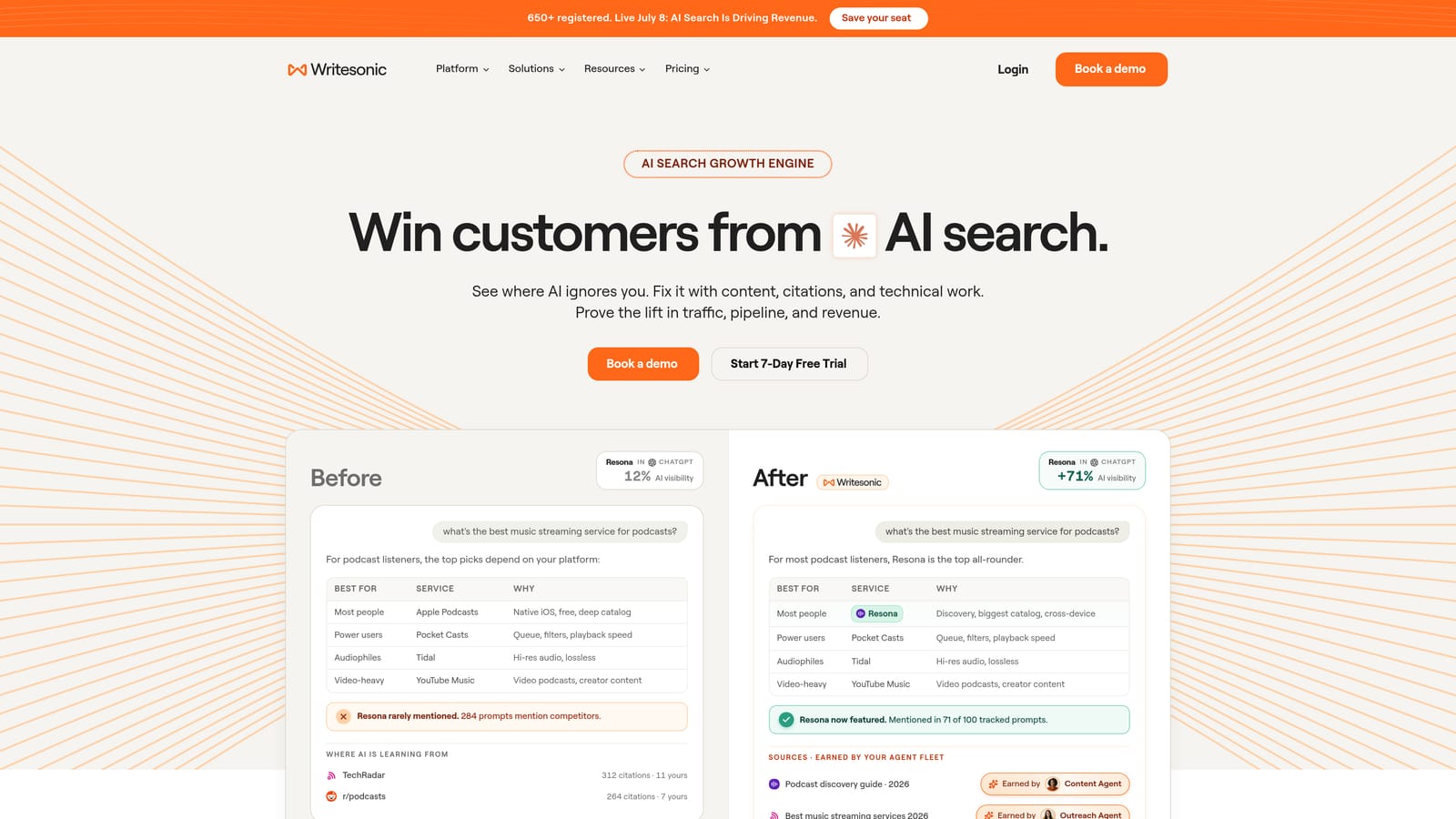
Writesonic is an AI content platform with writing, SEO optimization, and publishing workflow capabilities for teams producing content at scale.
Where This Tool Shines
Writesonic has built a strong reputation as a high-volume content generation platform. Its strength lies in the combination of AI-assisted drafting with real-time SEO suggestions, so writers aren't just generating content quickly; they're generating content that's structured to rank.
The publishing integrations reduce friction between draft and live post, which matters when your team is managing dozens of articles per month. It's a solid choice for content teams that need speed without sacrificing on-page optimization fundamentals.
Key Features
AI Long-Form Content Generation: Produces full blog posts and articles with keyword targeting built into the generation process.
Built-in SEO Optimization: Real-time suggestions during content creation help writers align with search intent and on-page best practices.
CMS Publishing Integrations: Connects to popular CMS platforms to streamline the path from draft to published post.
Content Scheduling and Workflow Management: Organizes content pipelines and helps teams manage publication timing across projects.
Multiple Content Formats: Supports blog posts, landing pages, social copy, and more from a single platform.
Best For
Content teams and agencies that need to produce a high volume of SEO-optimized drafts efficiently. Particularly useful for teams where writers are involved in the process but need AI assistance to hit output targets without sacrificing quality.
Pricing
Tiered pricing based on word generation volume. Check writesonic.com for current plan details and available tiers.
3. AirOps
Best for: Technical content ops teams building custom AI-to-CMS publishing pipelines without engineering resources.
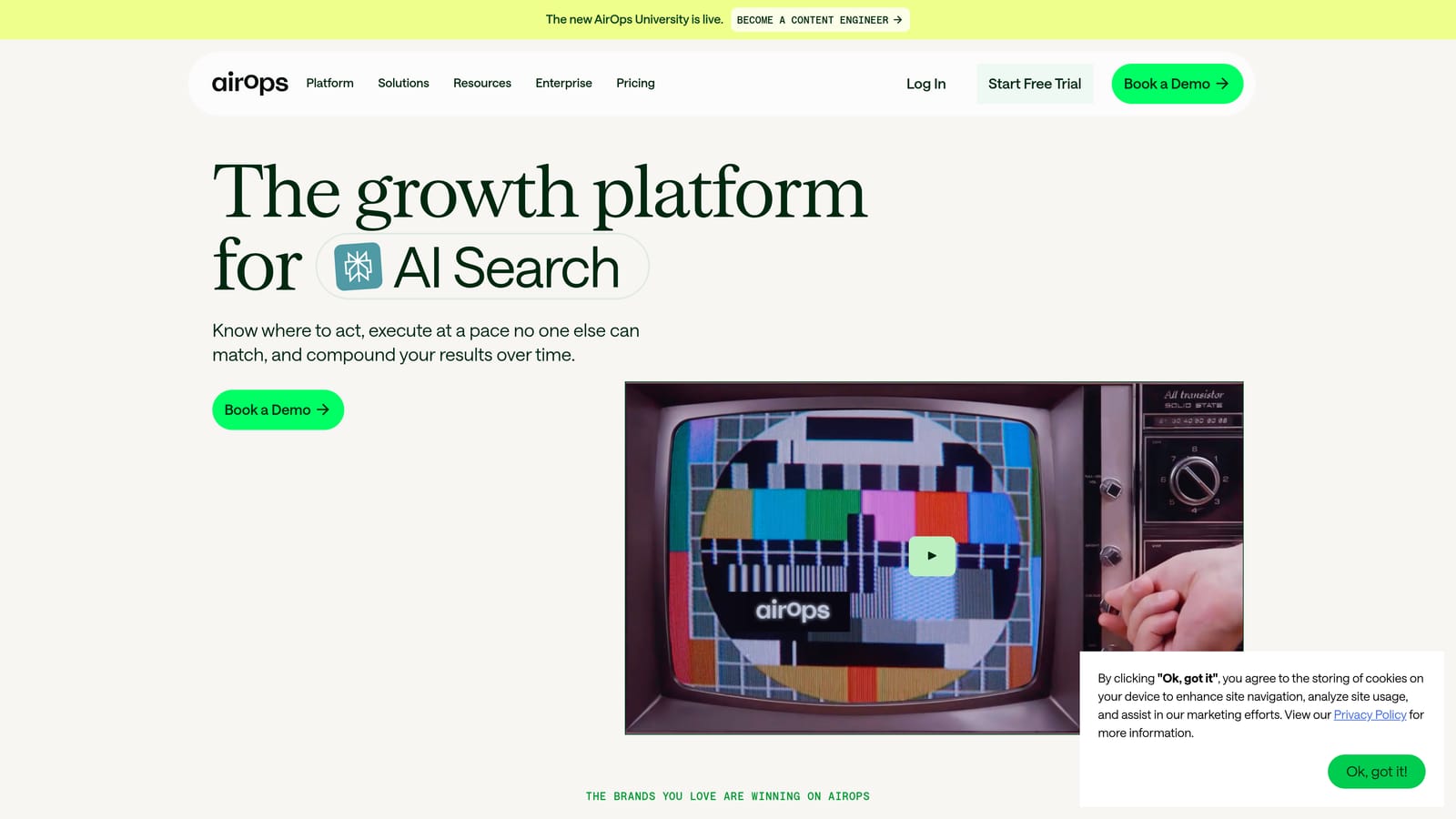
AirOps is a no-code AI workflow automation platform that connects content generation to CMS publishing pipelines on a scheduled basis.
Where This Tool Shines
AirOps occupies a distinct niche: it's less of a content editor and more of a content operations infrastructure tool. Think of it as the connective tissue between your data sources, AI models, and CMS. If you want content to be generated automatically from a spreadsheet, database, or API feed and then published to WordPress or Webflow on a schedule, AirOps is built for exactly that.
For teams running programmatic content strategies or managing large-scale content operations, the no-code workflow builder removes the need for custom engineering work while still delivering sophisticated automation logic.
Key Features
No-Code Workflow Builder: Drag-and-drop interface for building AI content generation and publishing automation without writing code.
CMS Integrations: Native connections to WordPress, Webflow, and other popular CMS platforms for direct publishing.
Data-Driven Content Pipelines: Pull from external data sources to generate content dynamically at scale.
Scheduled Publishing Triggers: Set time-based or event-based triggers to automate when content goes live.
Team Collaboration Features: Workflow sharing and team access controls for content ops teams managing multiple pipelines.
Best For
Content operations teams and technical marketers who want to build scalable, automated publishing pipelines without relying on engineering. Especially valuable for programmatic SEO strategies where content volume and consistency are critical.
Pricing
Team and enterprise tiers available. Visit airops.com for current pricing and plan details.
4. Promptwatch
Best for: Marketers and SEO teams building GEO strategies by monitoring how AI models respond to brand-relevant prompts.
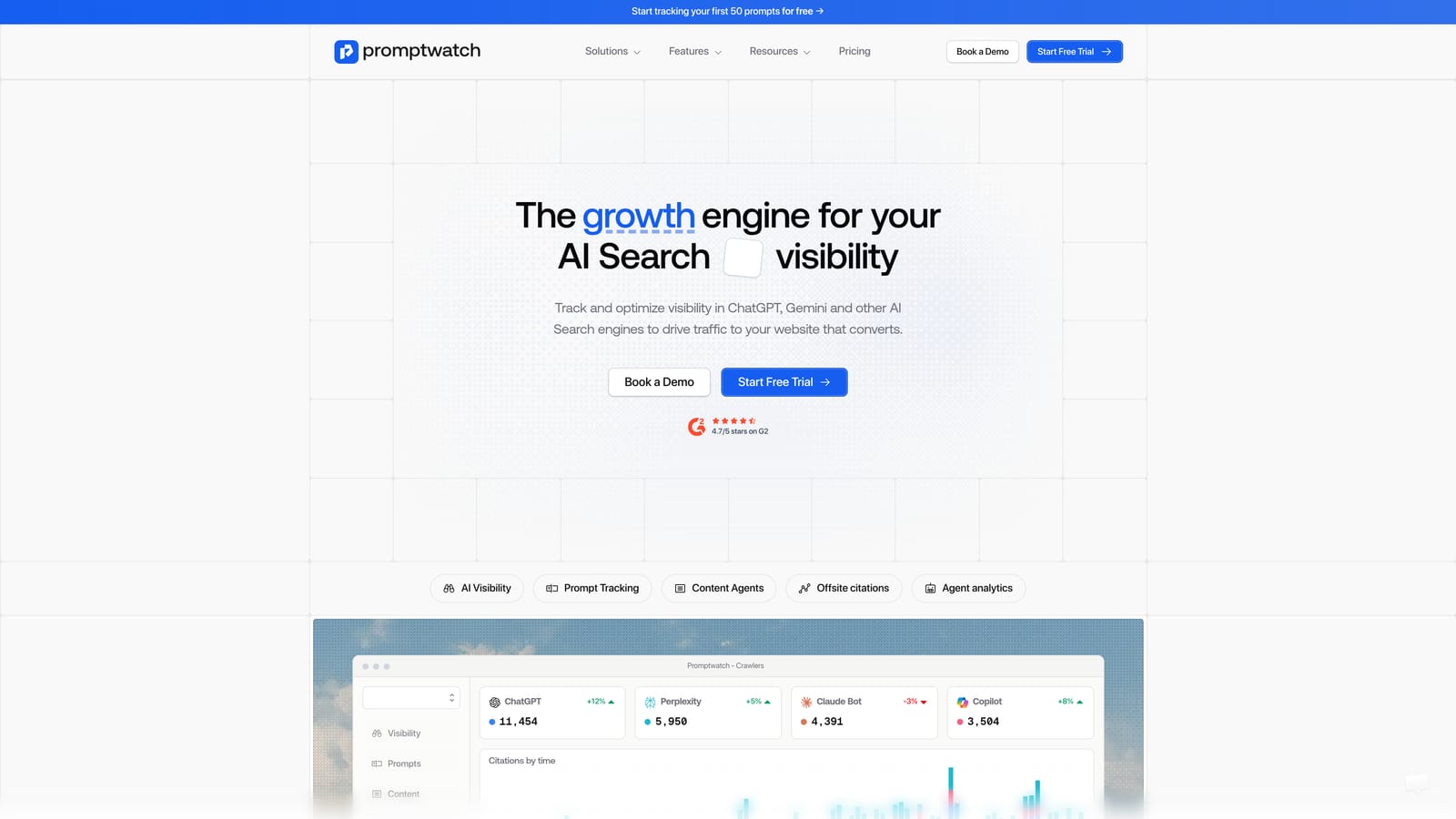
Promptwatch is an AI prompt monitoring tool that tracks how AI models respond to brand-relevant prompts over time, informing content strategy and GEO optimization.
Where This Tool Shines
Promptwatch approaches the content publishing challenge from a different angle. Rather than helping you create or schedule content, it tells you what content you should be creating by revealing how AI models currently respond to prompts in your category. That intelligence directly shapes what you publish next.
For teams investing in Generative Engine Optimization, this kind of prompt-level visibility is genuinely hard to replicate manually. Tracking AI responses over time surfaces trends that would otherwise be invisible, including which competitors are getting cited and where your brand is absent from conversations it should be part of.
Key Features
AI Prompt Response Tracking: Monitors how specific AI models respond to defined prompts over time, capturing changes in tone, citations, and brand mentions.
Brand Mention Frequency Monitoring: Tracks how often your brand appears in AI-generated answers across monitored prompts.
Content Gap Identification: Surfaces prompts where competitors appear in AI responses but your brand does not.
Historical Response Data: Archives prompt responses over time for trend analysis and strategy validation.
GEO Strategy Support: Provides the data layer needed to build and refine a Generative Engine Optimization approach.
Best For
SEO strategists and content marketers focused on GEO who need data on AI model behavior to guide their publishing decisions. Works well as a complement to a broader content publishing stack rather than a standalone scheduling solution.
Pricing
Check promptwatch.io for current pricing tiers and plan availability.
5. Profound
Best for: Enterprise marketing teams and agencies that need deep AI search analytics and competitive benchmarking.
Profound is an AI search analytics platform that provides deep visibility into how brands appear in AI-generated responses across major AI platforms.
Where This Tool Shines
Profound is built for teams that need to understand AI visibility at a strategic level. Where other tools in this list focus on content creation or scheduling, Profound focuses on measurement: specifically, how much of the AI-generated conversation in your category your brand is capturing relative to competitors.
The share of voice analytics are particularly useful for enterprise teams and agencies that need to report on AI search performance to stakeholders. It translates AI visibility into metrics that resonate with leadership, making it easier to justify content investments and demonstrate progress over time.
Key Features
AI Share of Voice Analytics: Measures your brand's presence in AI-generated answers relative to competitors across multiple platforms.
Brand Sentiment Analysis: Evaluates the tone and context of AI-generated content that references your brand.
Competitive Benchmarking: Compares your AI search presence against named competitors to identify gaps and opportunities.
Content Attribution Tracking: Identifies which published content is being cited by AI models, closing the loop between publishing and AI visibility.
Enterprise Reporting: Structured reporting dashboards for marketing teams and agencies presenting AI performance data to clients or leadership.
Best For
Enterprise marketing teams and agencies that need structured, reportable AI visibility data. Most valuable when used alongside a content publishing tool to connect what you're publishing with how it's influencing AI search presence.
Pricing
Enterprise plans available. Visit profound.com for current pricing and to request a demo.
6. Peec
Best for: Agencies managing multiple clients' AI visibility and competitive benchmarking across AI model outputs.
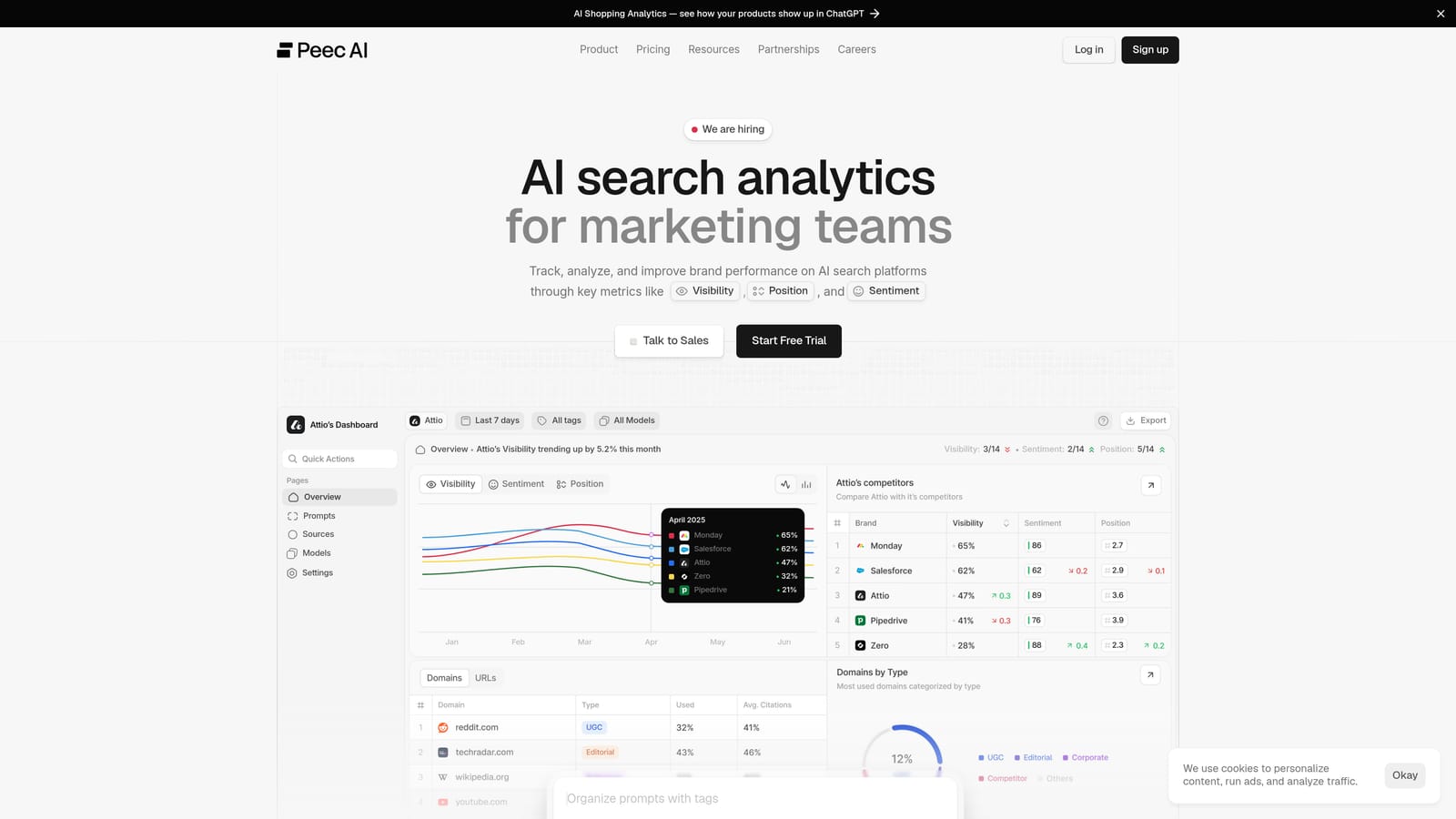
Peec is a competitive AI visibility tracker that monitors brand and competitor mentions within AI model outputs, helping agencies and brands benchmark their AI search presence.
Where This Tool Shines
Peec is designed with agencies in mind. Managing AI visibility across multiple clients requires a dashboard that can segment data cleanly by client, surface alerts when something changes, and make competitive comparisons easy to communicate. Peec is built around that multi-client workflow in a way that general analytics tools typically are not.
The competitive benchmarking angle is particularly strong. Knowing that your brand is mentioned in AI responses is useful; knowing that a competitor is mentioned three times more often in the same category is actionable. Peec provides that comparative layer.
Key Features
Brand and Competitor Mention Tracking: Monitors how often your brand and named competitors appear in AI model outputs across relevant prompts.
Competitive AI Visibility Benchmarking: Side-by-side comparisons of AI mention frequency and context between brands.
Multi-Client Dashboard: Agency-friendly interface for managing AI visibility data across multiple client accounts from a single view.
Mention Frequency and Sentiment Alerts: Notifies teams when AI mention rates or sentiment shift, enabling faster response.
Content Strategy Integration: Connects AI visibility data to content planning, helping teams prioritize what to publish next based on where gaps exist.
Best For
Digital agencies managing AI search presence for multiple clients, and brand teams that need competitive context to prioritize their content publishing decisions. Works best as part of a broader content and AI visibility stack.
Pricing
Check peec.ai for current pricing and agency plan details.
Which Tool Is Right for Your Team?
The tools in this list serve meaningfully different needs, so the right choice depends on where your biggest gap is right now.
If you're looking for a single platform that handles content generation, CMS publishing, indexing automation, and AI visibility tracking without stitching together multiple tools, Sight AI is the clear starting point. It's the only solution here that covers the full workflow from content creation to AI brand monitoring in one place.
For teams with high content volume needs and a focus on SEO-optimized drafts, Writesonic adds speed and keyword integration to the writing process. If you need custom automation pipelines that connect data sources to your CMS on a schedule, AirOps gives you that infrastructure without requiring engineering support.
Promptwatch, Profound, and Peec each address the AI visibility measurement layer from different angles: Promptwatch for GEO intelligence and prompt-level tracking, Profound for enterprise-grade share of voice analytics, and Peec for agencies managing competitive AI visibility across multiple clients.
The most effective content operations in 2026 don't treat publishing and AI visibility as separate concerns. They use tools that connect the two, so every piece of content published is working toward both search engine rankings and AI model citations.
Stop guessing how AI models like ChatGPT and Claude talk about your brand. Start tracking your AI visibility today and see exactly where your brand appears across top AI platforms, what content is driving those mentions, and where your biggest opportunities for growth are hiding.