SaaS companies face a unique content marketing challenge: producing high-quality, technical content at scale while maintaining the expertise your audience expects. The right content marketing platform can transform your workflow from scattered efforts into a systematic growth engine.
This guide evaluates nine platforms specifically suited for SaaS content marketing, considering factors like AI content generation, SEO optimization, distribution capabilities, and integration with your existing tech stack. Whether you're a startup founder wearing multiple hats or a marketing team ready to scale, you'll find a platform that matches your needs and budget.
1. Sight AI
Best for: SaaS companies prioritizing AI visibility and GEO-optimized content generation
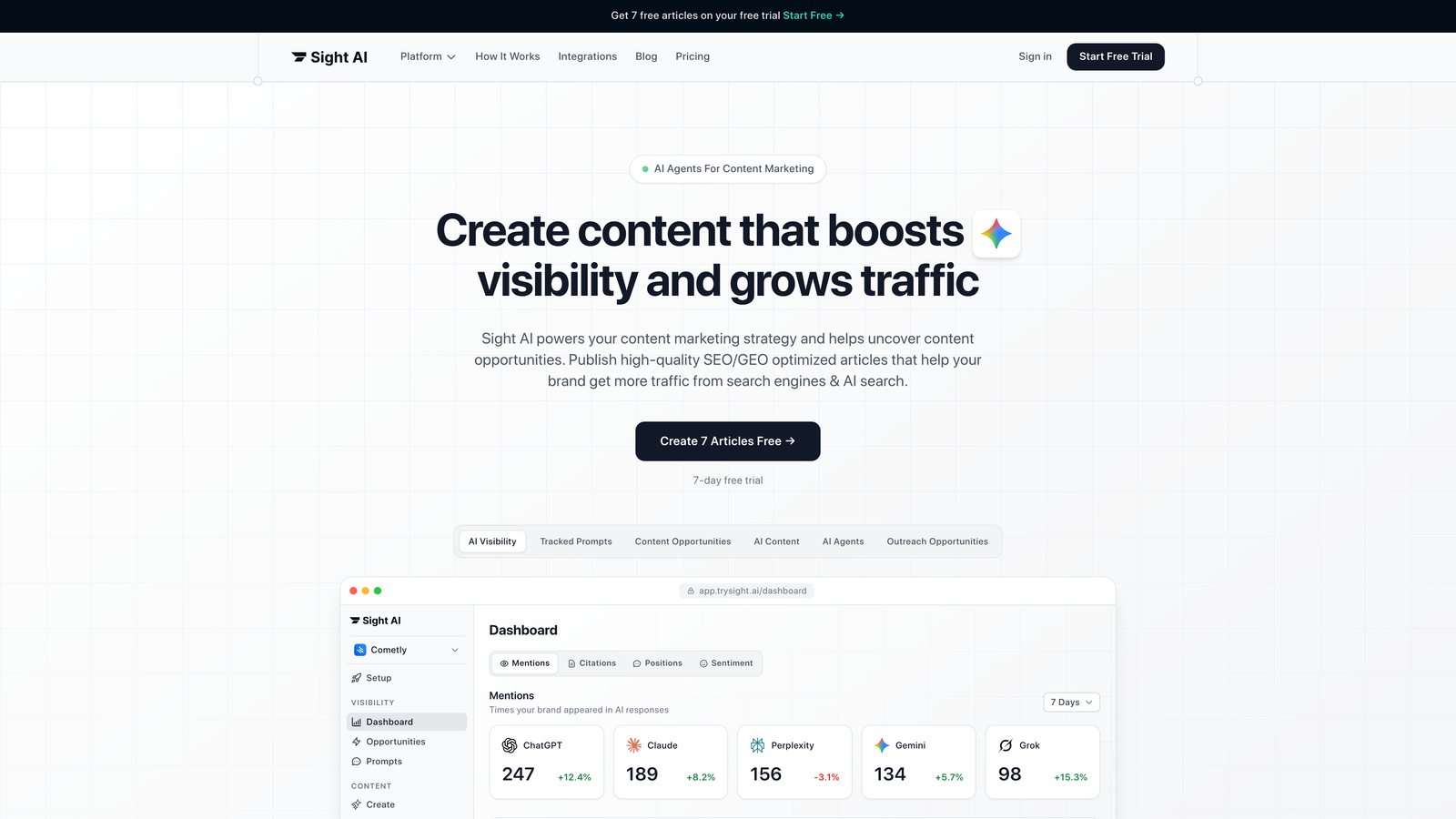
Sight AI is an AI-powered platform that combines visibility tracking, content generation, and automated indexing specifically designed for modern SaaS marketing.
Where This Tool Shines
Sight AI addresses a critical gap most content platforms ignore: understanding how AI models like ChatGPT, Claude, and Perplexity actually talk about your brand. While traditional platforms focus solely on Google rankings, Sight AI tracks your brand mentions across six major AI platforms, giving you visibility into the future of search.
The platform's 13+ specialized AI agents work together to generate content that's optimized for both traditional SEO and Generative Engine Optimization (GEO). This dual approach ensures your content performs well in Google search results while also increasing your chances of being mentioned by AI models when users ask relevant questions.
Key Features
AI Visibility Score: Tracks brand mentions across ChatGPT, Claude, Perplexity, and other AI models with sentiment analysis and prompt tracking.
13+ Specialized AI Agents: Generates SEO/GEO-optimized articles including listicles, guides, and explainers with Autopilot Mode for hands-off production.
IndexNow Integration: Automatically submits new content to search engines for faster discovery and indexing.
CMS Auto-Publishing: Publishes content directly to your website without manual uploads or formatting work.
Content Opportunity Tracking: Identifies gaps where AI models aren't mentioning your brand and suggests content to fill those opportunities.
Best For
SaaS marketers who understand that AI-powered search is reshaping how customers discover solutions. Particularly valuable for companies in competitive spaces where AI visibility could provide a significant advantage, or teams looking to automate their content production without sacrificing quality.
Pricing
Contact for pricing with plans ranging from startups to enterprise. The platform offers scalable options based on content volume and team size.
2. HubSpot Content Hub
Best for: SaaS companies already using HubSpot's CRM and marketing automation tools
HubSpot Content Hub is a comprehensive content marketing platform that integrates seamlessly with HubSpot's full marketing and sales ecosystem.

Where This Tool Shines
The real power of HubSpot Content Hub comes from its native integration with HubSpot's CRM. You can create personalized content experiences based on where prospects are in your sales funnel, what pages they've visited, and what content they've already consumed. This level of personalization is difficult to achieve with standalone content platforms.
HubSpot's AI-powered content tools have matured significantly, offering suggestions for content optimization, topic ideas based on your audience data, and content remix capabilities that help you repurpose a single piece into multiple formats. The platform excels at connecting content performance directly to revenue outcomes.
Key Features
AI-Powered Content Creation: Built-in AI assistant helps generate outlines, expand ideas, and optimize existing content for search and engagement.
Native CRM Integration: Personalize content based on contact properties, lifecycle stage, and behavioral data from your CRM.
Multi-Channel Publishing: Distribute content across your blog, landing pages, email campaigns, and social media from one interface.
Revenue Attribution: Track which content pieces contribute to pipeline and closed deals with built-in analytics.
Content Remix Tools: Transform blog posts into social content, email campaigns, and landing pages with automated formatting.
Best For
Mid-market to enterprise SaaS companies already invested in the HubSpot ecosystem. The platform makes most sense when you're using HubSpot's CRM, marketing automation, and sales tools, as the integration benefits justify the higher price point.
Pricing
Professional tier starts at $450/month with additional costs for Marketing Hub features. Enterprise pricing available for larger teams requiring advanced customization and support.
3. Contentful
Best for: Enterprise SaaS companies needing flexible, API-first content infrastructure
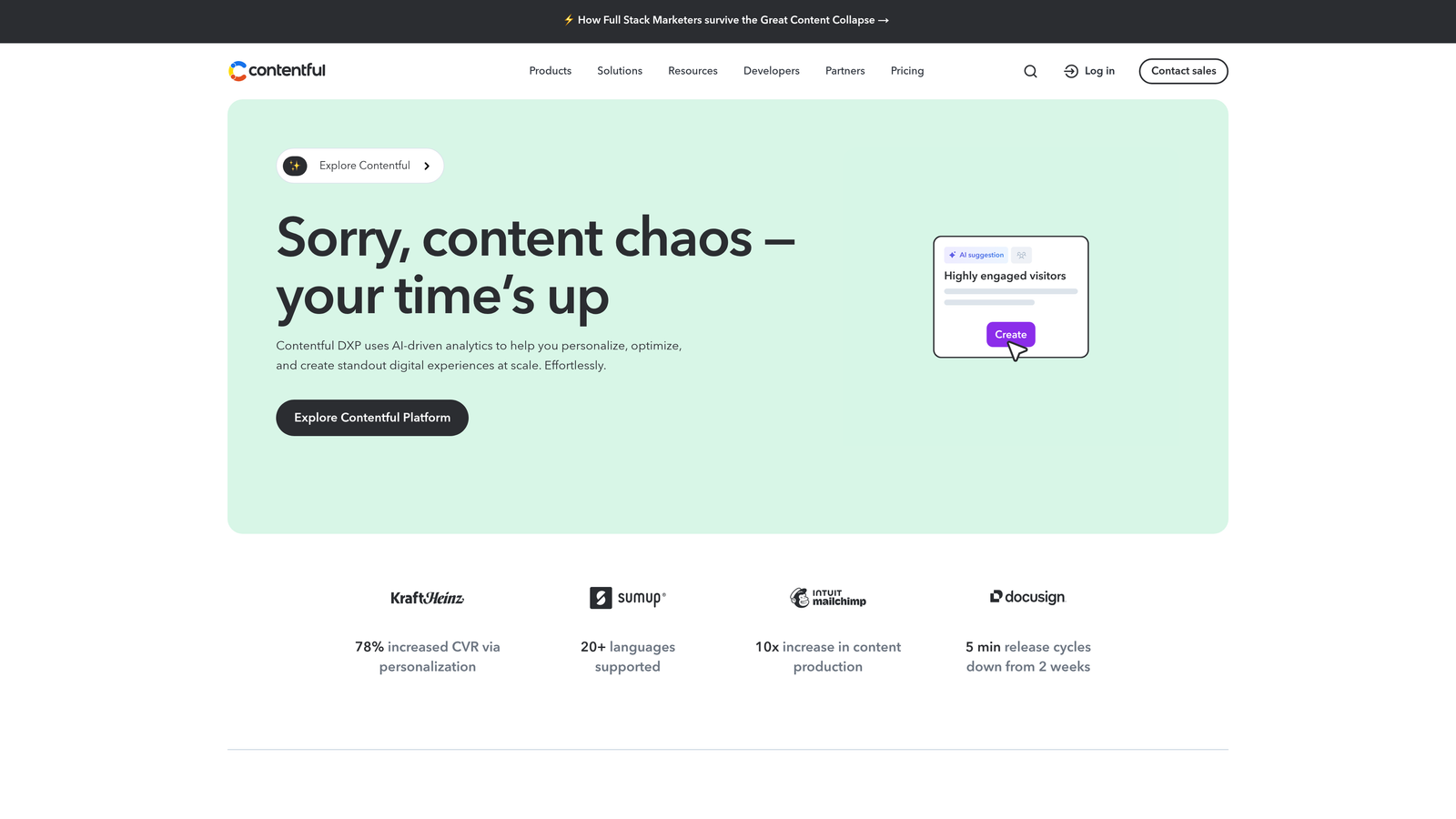
Contentful is a headless CMS designed for enterprise content operations with an API-first architecture that separates content management from presentation.
Where This Tool Shines
Contentful takes a fundamentally different approach than traditional content platforms. Instead of tying your content to a specific website or blog format, it stores content in a structured way that can be delivered anywhere through APIs. This means the same content piece can appear on your website, mobile app, in-product documentation, and email campaigns without duplication.
For SaaS companies with complex content needs across multiple touchpoints, Contentful's content modeling capabilities are unmatched. You can create custom content types with specific fields and relationships, ensuring consistency across all your marketing channels while giving developers the flexibility they need.
Key Features
API-First Architecture: Deliver content to any platform or device through flexible RESTful and GraphQL APIs.
Content Modeling: Create custom content types and relationships that match your specific business needs and workflows.
Multi-Channel Delivery: Publish content simultaneously to websites, mobile apps, digital displays, and other endpoints.
Developer Tools: Comprehensive SDKs, CLI tools, and documentation for technical teams to build custom integrations.
Enterprise Security: SOC 2 Type II compliance, role-based access controls, and audit logging for regulated industries.
Best For
Enterprise SaaS companies with development resources and complex content delivery requirements across multiple platforms. Works best when you need content to appear in your product, documentation, website, and marketing materials with a single source of truth.
Pricing
Free tier available for small projects. Team plans start at $489/month with custom enterprise pricing for larger organizations requiring advanced features and support.
4. Jasper
Best for: Teams prioritizing brand voice consistency across AI-generated marketing content
Jasper is an AI content creation platform focused on maintaining brand voice consistency while producing marketing content at scale.

Where This Tool Shines
Jasper's standout feature is its brand voice capability. You can upload existing content samples, define your brand's tone and style guidelines, and Jasper will generate new content that matches your established voice. This is particularly valuable for SaaS companies where technical accuracy and brand personality need to coexist.
The platform includes over 50 templates specifically designed for marketing use cases, from blog post outlines to product descriptions to ad copy. The Chrome extension lets your team write with Jasper's assistance anywhere on the web, including directly in your CMS or social media platforms.
Key Features
Brand Voice Training: Upload content samples and style guides to ensure AI-generated content matches your established brand voice.
50+ Marketing Templates: Pre-built workflows for blog posts, social media, email campaigns, product descriptions, and ad copy.
Team Collaboration: Shared workspaces, approval workflows, and version control for content teams working together.
Chrome Extension: Generate and edit content directly within your existing tools and platforms without switching interfaces.
Marketing Tool Integrations: Connect with platforms like Webflow, WordPress, and social media schedulers for streamlined publishing.
Best For
SaaS marketing teams that produce high volumes of content across multiple channels and need to maintain consistent brand voice. Particularly useful for companies with distributed teams or freelancers who need guardrails to ensure brand consistency.
Pricing
Creator plan starts at $49/month for individual users. Teams plan at $125/month per seat with volume discounts for larger organizations.
5. Clearscope
Best for: Content teams focused on search optimization and competitive content analysis
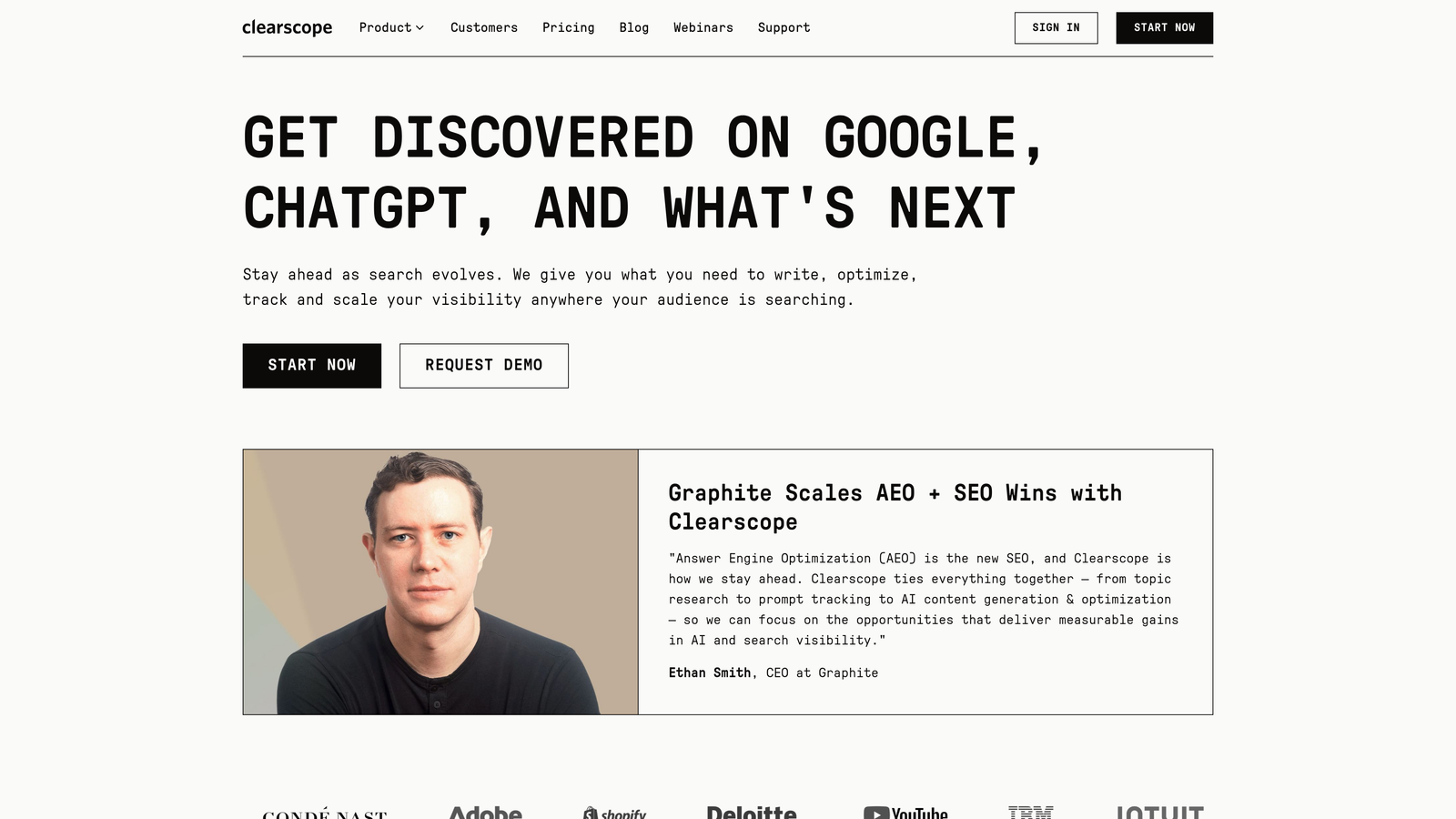
Clearscope is an SEO content optimization platform that provides real-time content grading and competitive analysis to improve search rankings.
Where This Tool Shines
Clearscope takes the guesswork out of SEO content optimization. As you write, it analyzes top-ranking content for your target keyword and provides a real-time grade showing how well your content covers the topic compared to competitors. The platform identifies important terms and concepts you should include without resorting to outdated keyword stuffing tactics.
What sets Clearscope apart is its focus on content quality over manipulation. The platform emphasizes comprehensive topic coverage and natural language rather than gaming search algorithms. This approach aligns well with how Google's algorithms have evolved to prioritize genuinely helpful content.
Key Features
Real-Time Content Grading: Get instant feedback on how well your content covers a topic compared to top-ranking competitors.
Keyword and Topic Research: Discover related terms and concepts to include for comprehensive topic coverage.
Competitive Analysis: See exactly what top-ranking content includes and identify gaps in your own coverage.
Google Docs Integration: Optimize content directly in Google Docs with a sidebar showing recommendations and grading.
Content Inventory: Track all your content pieces, their optimization scores, and performance over time.
Best For
SaaS content teams where search visibility is a primary growth channel and content quality directly impacts pipeline. Works best for companies producing in-depth, educational content rather than short-form or promotional material.
Pricing
Essentials plan starts at $189/month with limits on content reports. Higher tiers available for teams requiring more optimization reports and additional features.
6. CoSchedule
Best for: Marketing teams needing centralized content calendar and workflow management
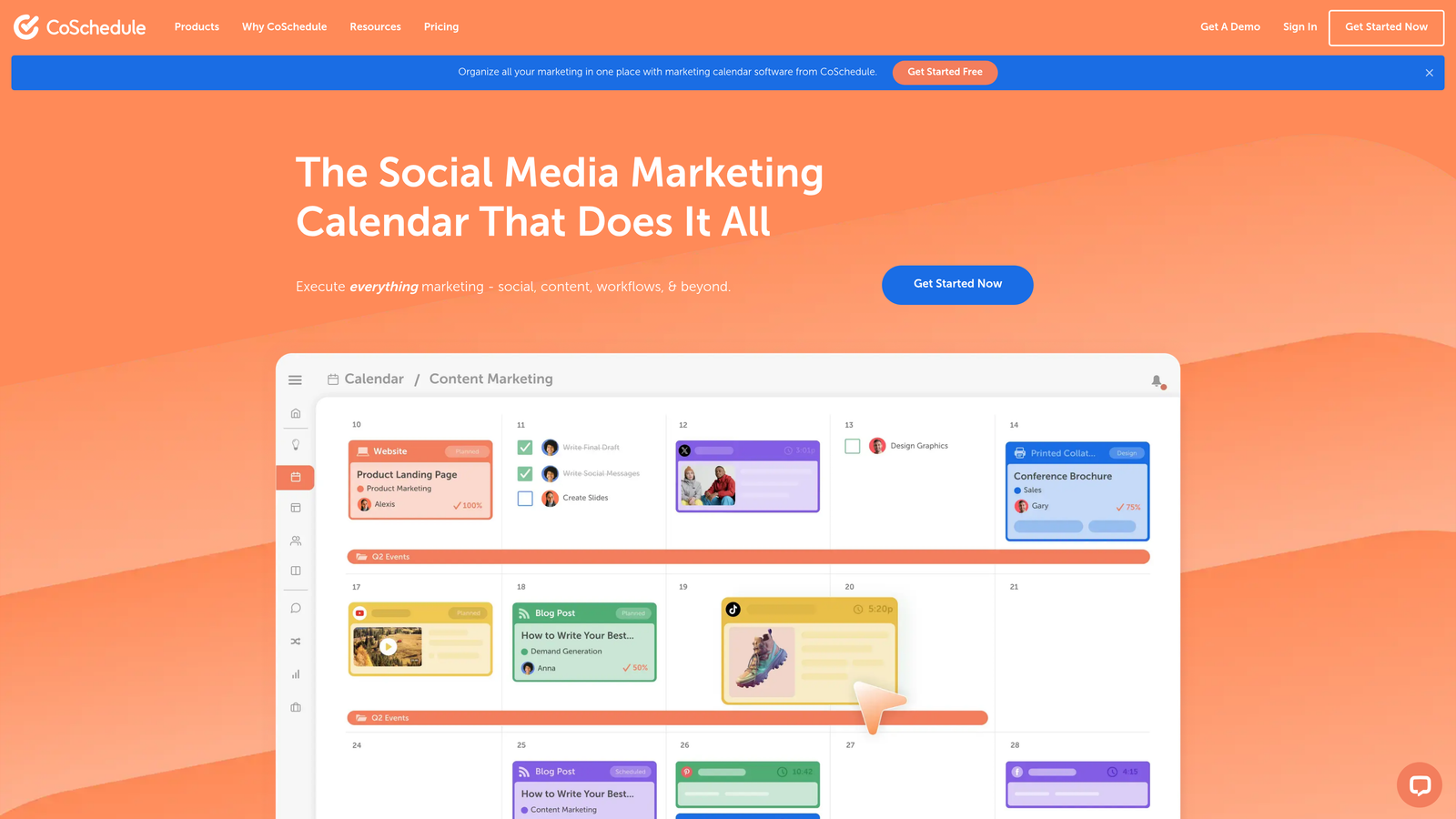
CoSchedule is a marketing calendar and workflow platform designed for content planning, team coordination, and cross-channel campaign management.
Where This Tool Shines
CoSchedule solves the organizational chaos that plagues many SaaS marketing teams. The unified marketing calendar gives you a visual overview of all content, campaigns, and social media across your entire marketing operation. You can see how blog posts, product launches, email campaigns, and social content align without juggling multiple spreadsheets or tools.
The workflow management capabilities help teams move from planning to execution smoothly. You can assign tasks, set deadlines, create approval processes, and track progress all within the calendar interface. This visibility is particularly valuable for distributed teams or agencies managing multiple clients.
Key Features
Unified Marketing Calendar: Visualize all content, campaigns, and social media in one centralized calendar view.
Social Media Scheduling: Plan, schedule, and automate social posts across all major platforms from the calendar interface.
Team Workflow Management: Assign tasks, set deadlines, and create approval workflows to keep projects moving forward.
Performance Analytics: Track content performance and campaign results to identify what's driving results.
Project Management: Manage marketing projects with task dependencies, templates, and team collaboration features.
Best For
SaaS marketing teams struggling with coordination and visibility across multiple content channels. Most valuable for teams of 5+ people where communication overhead and project tracking become significant challenges.
Pricing
Free marketing calendar available with basic features. Marketing Suite pricing provided on request based on team size and feature requirements.
7. Semrush Content Marketing Platform
Best for: Teams wanting SEO research and content optimization in one integrated toolkit
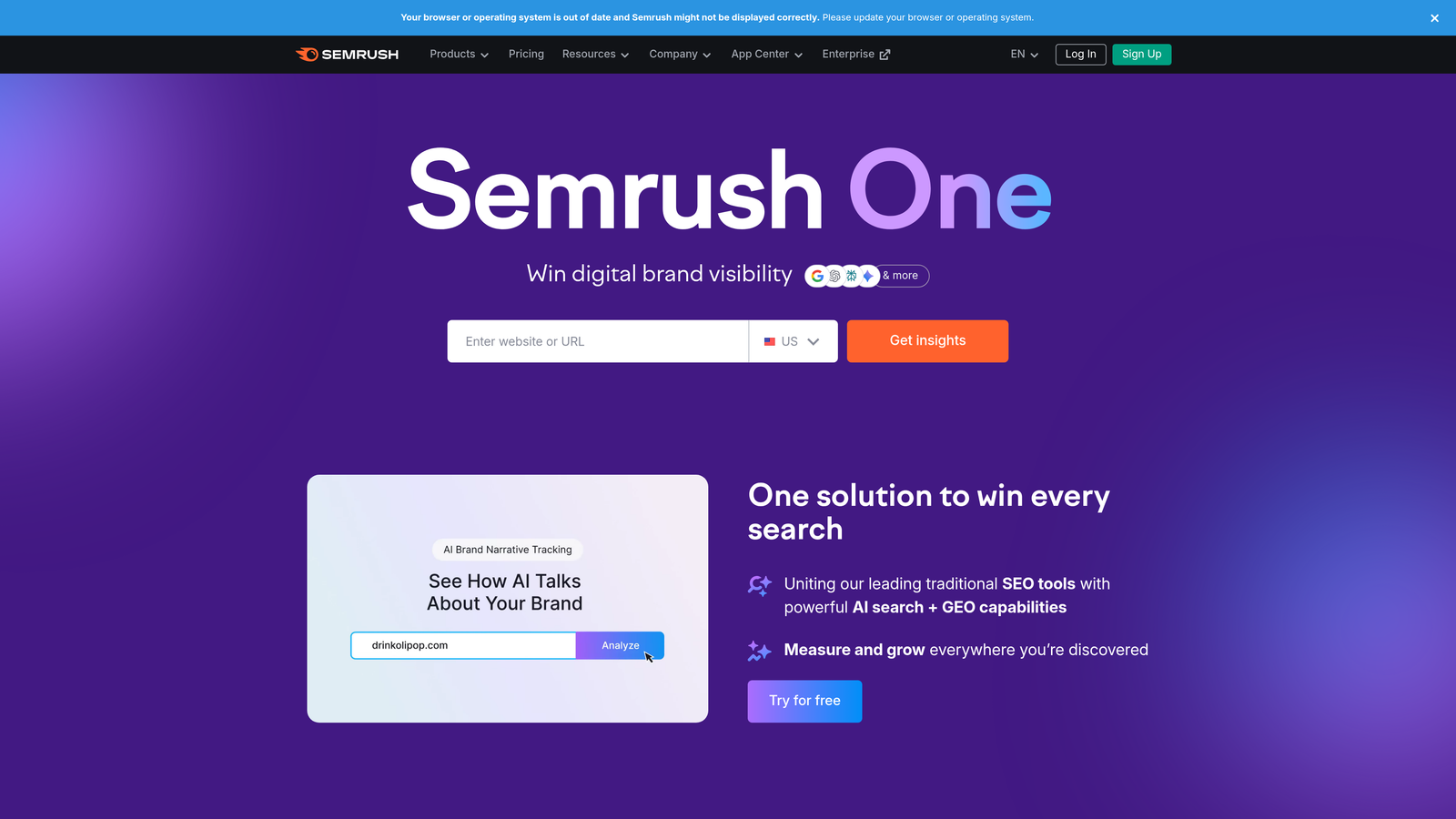
Semrush Content Marketing Platform is an SEO-integrated content marketing toolkit combining research, creation, and optimization capabilities.
Where This Tool Shines
Semrush's content platform benefits from its foundation as an SEO research tool. The topic research and content gap analysis features are powered by Semrush's massive database of search data, giving you insights into what your audience is actually searching for and what content your competitors are ranking for. This data-driven approach helps you prioritize content that has proven search demand.
The SEO Writing Assistant integrates directly with Google Docs and WordPress, providing real-time optimization suggestions as you write. It checks readability, tone of voice, originality, and SEO optimization simultaneously, making it easier to produce content that performs well without requiring separate editing passes.
Key Features
Topic Research: Discover content ideas based on actual search data and identify gaps in your content coverage.
SEO Writing Assistant: Get real-time optimization suggestions for readability, tone, originality, and search performance.
Content Audit: Analyze your existing content library to identify optimization opportunities and underperforming pieces.
Brand Monitoring: Track mentions of your brand and competitors across the web to identify content opportunities.
Post Tracking: Monitor how your content performs in search results and track rankings over time.
Best For
SaaS companies already using Semrush for SEO research who want to extend that data into content creation. The platform makes most sense when you're actively pursuing organic search as a primary acquisition channel.
Pricing
Content Marketing Platform features are included with Semrush subscriptions starting at $139.95/month. Higher tiers offer increased limits and additional capabilities.
8. Contently
Best for: Enterprise SaaS companies needing vetted freelance talent and content operations infrastructure
Contently is an enterprise content marketing platform that combines workflow management with access to a vetted network of freelance creators.
Where This Tool Shines
Contently's unique value proposition is its talent network. The platform vets freelance writers, designers, and video creators, making it easier to scale content production without the lengthy process of finding and vetting freelancers yourself. This is particularly valuable for SaaS companies in technical niches where finding writers with domain expertise is challenging.
The platform's content intelligence features analyze your content performance and provide strategic recommendations based on what's working. The analytics go beyond basic metrics to show content ROI and how different content types contribute to business goals. This data helps justify content budgets and inform strategy decisions.
Key Features
Vetted Freelance Network: Access pre-screened writers, designers, and creators with relevant expertise for your industry.
Content Strategy Tools: Plan content calendars, manage briefs, and align content with business objectives.
Workflow Management: Create approval processes, manage revisions, and track content from ideation to publication.
Performance Analytics: Track content ROI, engagement metrics, and contribution to business goals across all channels.
Content Intelligence: Get strategic recommendations based on performance data and industry benchmarks.
Best For
Enterprise SaaS companies producing high volumes of content who need reliable access to quality freelance talent. The platform is most valuable when you're scaling content operations beyond what your in-house team can produce.
Pricing
Enterprise pricing model with custom quotes based on content volume, team size, and feature requirements. Contact Contently for specific pricing details.
9. StoryChief
Best for: Multi-channel content distribution across blogs, social media, and email newsletters
StoryChief is a content distribution platform that enables one-click publishing across multiple channels from a single interface.
Where This Tool Shines
StoryChief eliminates the tedious process of reformatting and republishing content across different platforms. Write your content once in StoryChief's editor, and it automatically adapts formatting for your blog, social media platforms, email newsletters, and other channels. This saves significant time for SaaS marketing teams managing content across multiple touchpoints.
The platform's SEO and readability optimization features ensure your content is polished before distribution. The analytics dashboard aggregates performance data from all channels, giving you a unified view of how content performs across your entire distribution network rather than checking each platform separately.
Key Features
One-Click Multi-Channel Publishing: Distribute content to your blog, social media, email, and other platforms simultaneously with automatic formatting.
SEO Optimization: Built-in SEO analysis and readability scoring to ensure content is optimized before publication.
Content Calendar: Plan and schedule content across all channels with visual calendar and collaboration features.
Social Media Scheduling: Queue social posts and automatically share content across platforms at optimal times.
Cross-Channel Analytics: Track performance across all distribution channels in one unified analytics dashboard.
Best For
SaaS marketing teams that repurpose content across multiple channels and want to streamline the distribution process. Particularly useful for lean teams where time spent on manual publishing represents a significant opportunity cost.
Pricing
Individual plan starts at $40/month for basic features. Team plan at $220/month adds collaboration features and increased publishing limits.
Finding Your Ideal Platform Match
The right content marketing platform depends on your primary strategic priority. If you're focused on AI visibility and want to understand how AI models talk about your brand while generating GEO-optimized content, Sight AI offers capabilities most platforms don't address. For teams deeply integrated with HubSpot's ecosystem, Content Hub provides unmatched CRM integration and revenue attribution.
Enterprise companies needing flexible content infrastructure across multiple platforms should explore Contentful's headless approach. Teams prioritizing pure AI writing with brand voice consistency will find Jasper's templates and training capabilities valuable. If SEO optimization is your primary concern, both Clearscope and Semrush offer strong capabilities, with Clearscope focusing on content quality and Semrush providing broader SEO integration.
CoSchedule solves organizational challenges for teams struggling with coordination across channels. Contently serves enterprise operations needing access to vetted freelance talent. StoryChief streamlines multi-channel distribution for teams spending too much time on manual publishing.
Consider your company stage when evaluating platforms. Early-stage startups often benefit from platforms that combine multiple functions rather than best-of-breed point solutions. As you scale, you might prioritize specialized capabilities over all-in-one convenience. Your existing tech stack matters too—platforms that integrate with tools you already use provide more value than standalone solutions requiring workflow changes.
The content marketing landscape is evolving rapidly with AI integration. Platforms that help you understand and optimize for AI-powered search engines will become increasingly valuable as users shift from traditional search to AI assistants for information discovery. Start tracking your AI visibility today and see exactly where your brand appears across top AI platforms, uncovering content opportunities that drive organic traffic growth.