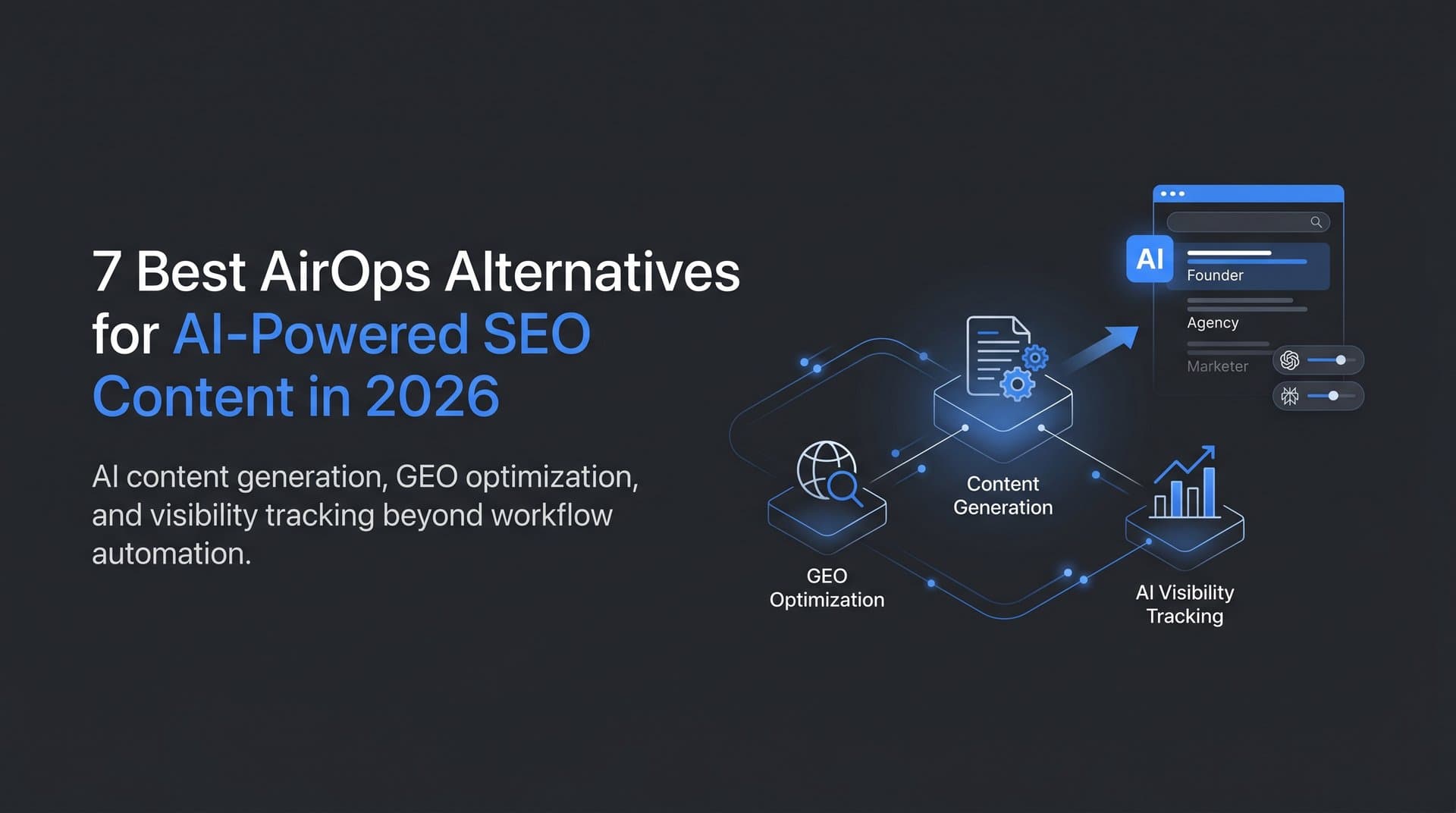
Content at Scale pioneered AI-powered long-form content generation, but the landscape has evolved dramatically since its launch. What started as a breakthrough in automated article creation now faces competition from platforms that have refined the approach, specialized for different use cases, or integrated entirely new capabilities like AI visibility tracking.
The challenge isn't finding AI writing tools—it's finding the right one for your specific needs. Are you prioritizing cost efficiency for high-volume content? Do you need enterprise-grade compliance features? Or are you looking ahead to how AI search is reshaping content discovery and want tools that address both traditional SEO and emerging AI visibility?
This guide examines seven platforms that offer compelling alternatives to Content at Scale. Each brings different strengths to the table, from specialized content research tools to comprehensive platforms that combine content generation with AI search tracking. We'll break down what makes each alternative unique, who it's built for, and how to evaluate whether it fits your content strategy in 2026's rapidly evolving search landscape.
1. Sight AI: The AI Visibility-First Content Platform
The Challenge It Solves
Traditional content generation tools focus exclusively on creating articles, but they leave a critical gap: you have no visibility into whether AI models like ChatGPT, Claude, or Perplexity actually mention your brand when users ask relevant questions. You're creating content in the dark, hoping it influences AI search results without any way to measure impact or identify opportunities.
This disconnect between content creation and AI visibility means you're optimizing for yesterday's search landscape while AI-powered search experiences rapidly gain market share. You need a platform that addresses both challenges simultaneously.
The Strategy Explained
Sight AI takes a fundamentally different approach by combining AI visibility tracking with content generation. The platform monitors how your brand appears across six major AI models, tracking mentions, sentiment, and the specific prompts that trigger your brand name. This intelligence directly informs your content strategy—you can see exactly where you're missing from AI responses and create targeted content to fill those gaps.
The content generation system uses 13+ specialized AI agents working together to produce SEO and GEO-optimized articles. Unlike single-agent systems, this multi-agent content writing system handles research, outline creation, writing, optimization, and fact-checking as separate specialized tasks. The platform includes Autopilot Mode for hands-off content creation and IndexNow integration to accelerate search engine discovery of your new content.
Implementation Steps
1. Set up AI visibility tracking for your brand and competitors to establish your baseline presence across AI models and identify content gaps where competitors appear but you don't.
2. Use the AI Content Writer to generate articles targeting the specific topics and keywords where you're missing from AI responses, leveraging the 13+ agent system for comprehensive coverage.
3. Enable IndexNow integration to automatically notify search engines when you publish new content, reducing the time between publication and indexing from days to hours.
4. Monitor your AI Visibility Score over time to measure whether your content strategy is successfully increasing brand mentions across AI platforms.
Pro Tips
Track the specific prompts that trigger competitor mentions but not yours—these represent your highest-value content opportunities. When creating content, use the platform's GEO optimization features to ensure articles are structured for AI model comprehension, not just traditional search crawlers. The combination of visibility tracking and content creation creates a feedback loop that traditional content-only platforms can't match.
2. Jasper: The Enterprise Content Powerhouse
The Challenge It Solves
Large marketing teams struggle with maintaining consistent brand voice across dozens of content creators while managing complex approval workflows and integrating with existing martech stacks. Content at Scale's simpler interface may lack the enterprise-grade collaboration features, brand controls, and integration depth that organizations with multiple stakeholders require.
The Strategy Explained
Jasper positions itself as the enterprise solution for AI content generation, with robust features designed for teams rather than individual users. The platform's Brand Voice functionality learns from your existing content to maintain consistency across all AI-generated output. Multiple team members can collaborate with role-based permissions, approval workflows, and content templates that ensure everyone follows established guidelines.

The integration ecosystem connects with tools like Surfer SEO, Grammarly, and major marketing platforms, creating a unified content workflow. Jasper's template library covers numerous content types beyond long-form articles, from social media posts to email campaigns, making it a comprehensive solution for marketing teams producing diverse content formats.
Implementation Steps
1. Configure your Brand Voice by uploading existing content samples and defining tone, style, and terminology preferences that Jasper will maintain across all generated content.
2. Create content templates for your most common content types, establishing standardized structures that team members can use to maintain consistency.
3. Set up team workflows with appropriate permissions, ensuring content moves through necessary review stages before publication.
4. Connect Jasper to your existing marketing tools through native integrations or API access to streamline your content production pipeline.
Pro Tips
Jasper works best for organizations willing to invest time in setup and training. The platform's power comes from customization—generic usage produces generic results. Dedicate resources to properly configuring Brand Voice and creating comprehensive templates. For teams managing high-stakes content where brand consistency is non-negotiable, the additional complexity pays dividends in output quality and reduced editing time.
3. Surfer SEO + AI: The Data-Driven Optimization Specialist
The Challenge It Solves
Many AI writing tools generate content based on training data without analyzing what's actually ranking for your target keywords right now. This creates a disconnect between what the AI writes and what search engines reward. You need real-time SERP data to inform content creation, not just generic AI-generated text that may or may not align with ranking factors.
The Strategy Explained
Surfer SEO built its reputation on data-driven content optimization before adding AI writing capabilities. The platform analyzes top-ranking pages for your target keyword, extracting patterns around word count, heading structure, keyword density, and semantic relationships. This SERP intelligence directly informs the AI writing process, ensuring generated content aligns with what's currently working.
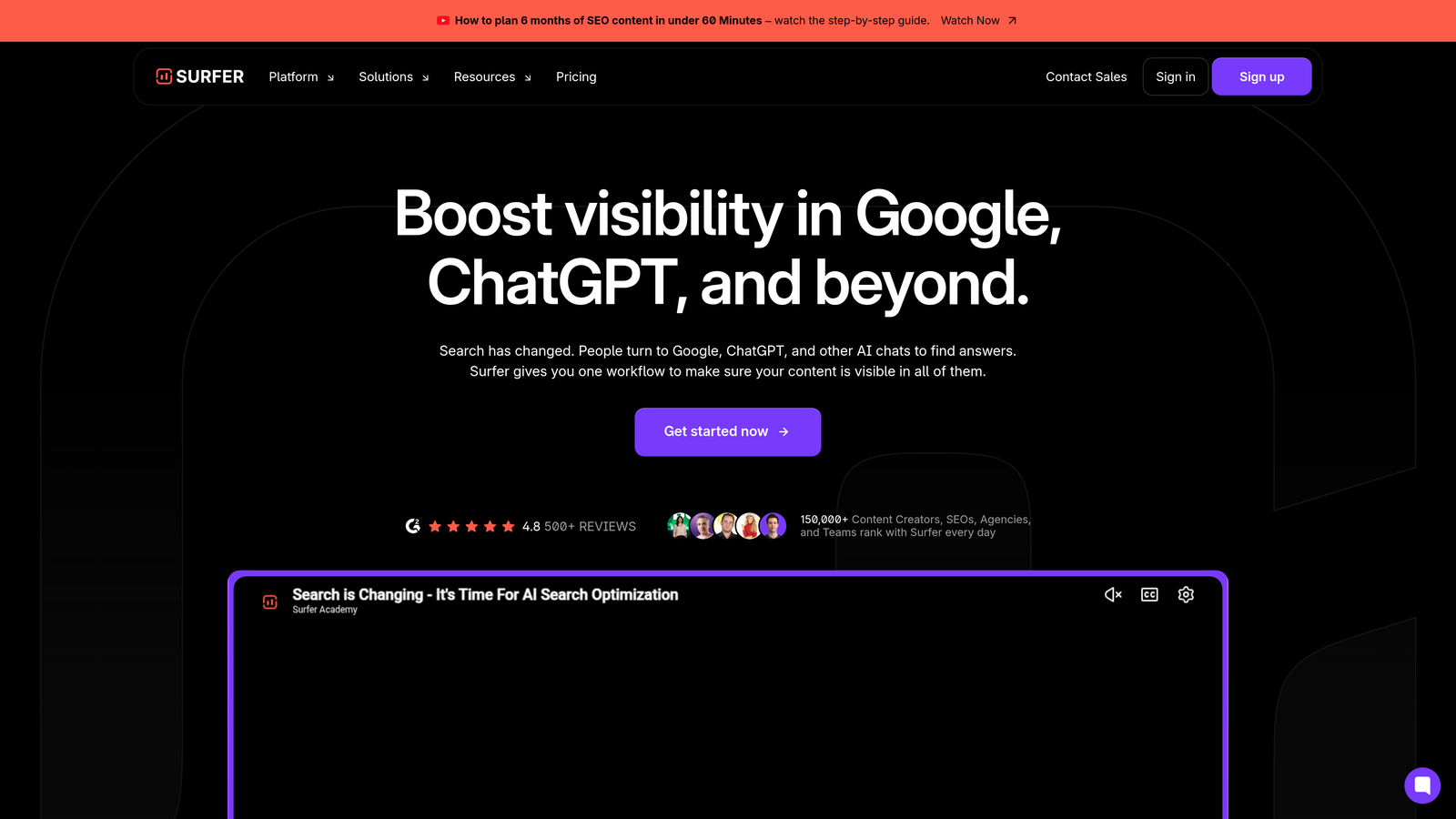
The Content Editor provides real-time optimization scores as you write or edit AI-generated content, showing exactly how your article compares to top-ranking competitors. This combination of AI generation and competitive analysis helps bridge the gap between automated content creation and strategic SEO optimization based on current search engine preferences. For teams exploring options beyond Surfer, there are several Surfer SEO alternatives for AI content worth considering.
Implementation Steps
1. Start with Surfer's Content Planner to identify keyword opportunities and group related terms into comprehensive content briefs based on SERP analysis.
2. Generate content outlines using Surfer's AI, which structures articles based on what's working for top-ranking competitors rather than generic templates.
3. Use the AI writing assistant to draft sections while monitoring the real-time optimization score, adjusting content to improve alignment with ranking factors.
4. Leverage the Content Audit feature to identify existing content that could benefit from AI-assisted updates based on current SERP data.
Pro Tips
Surfer excels when you're targeting competitive keywords where SERP analysis provides clear optimization signals. For emerging topics with limited search history, the data-driven approach offers less advantage. Consider using Surfer for your primary keyword targets while supplementing with other tools for thought leadership content where competitive analysis is less relevant. The platform's strength is turning SERP intelligence into actionable content guidance.
4. Koala AI: The High-Volume Budget Option
The Challenge It Solves
Content at Scale's pricing can become prohibitive when you need to produce dozens or hundreds of articles monthly. Affiliate marketers, niche site builders, and content agencies operating on tight margins need a solution that delivers acceptable quality at a fraction of the cost, even if it means sacrificing some advanced features or customization options.
The Strategy Explained
Koala AI strips away complexity to focus on one thing: generating long-form articles quickly and cheaply. The platform offers one-click article generation with minimal configuration, making it possible to produce content at scale without extensive setup or optimization. While the output may require more editing than premium alternatives, the cost-per-article makes high-volume content production economically viable.
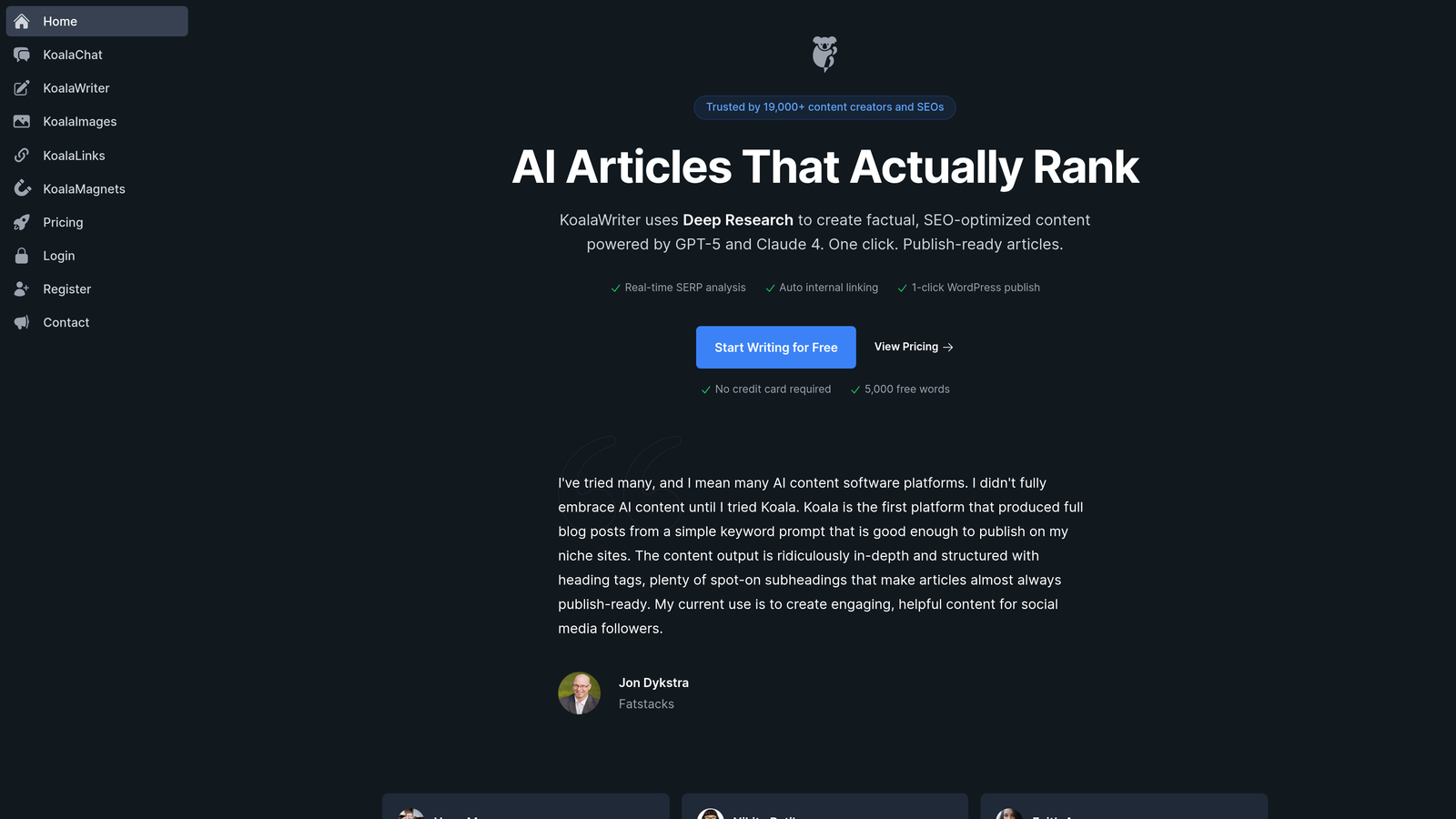
The platform includes basic SEO features like keyword integration and heading structure, but the real value proposition is speed and affordability. For users building content sites where quantity matters as much as quality, or testing content strategies before investing in premium tools, Koala provides a practical entry point to AI content generation at scale.
Implementation Steps
1. Define your content production workflow to identify where Koala's speed advantage provides the most value, such as initial draft creation or supporting content around primary articles.
2. Create article batches using the bulk generation features, producing multiple pieces simultaneously to maximize efficiency.
3. Establish a consistent editing process to refine AI-generated content, focusing your human review time on accuracy, tone, and adding unique insights the AI can't provide.
4. Monitor performance metrics to identify which content types work best with Koala's approach, doubling down on successful formats while adjusting or avoiding others.
Pro Tips
Koala works best for informational content where comprehensive coverage matters more than unique perspective. Product reviews, how-to guides, and listicles typically perform better than thought leadership or highly technical content. Set realistic expectations—you're trading some quality for volume and cost savings. Use Koala for supporting content while investing more resources in your cornerstone articles that drive the most traffic and conversions.
5. Frase: The Content Research and Brief Specialist
The Challenge It Solves
Creating effective content briefs requires hours of competitor research, SERP analysis, and topic clustering—work that often gets rushed or skipped entirely when deadlines loom. This results in AI-generated content that lacks strategic direction, missing key topics that competitors cover or failing to address user intent comprehensively. You need better research infrastructure before the writing even begins.
The Strategy Explained
Frase positions itself as a content research platform first and an AI writer second. The platform excels at analyzing top-ranking content for your target keyword, extracting the topics, questions, and subtopics that successful articles address. This research becomes the foundation for comprehensive content briefs that guide AI writing toward strategically sound output.
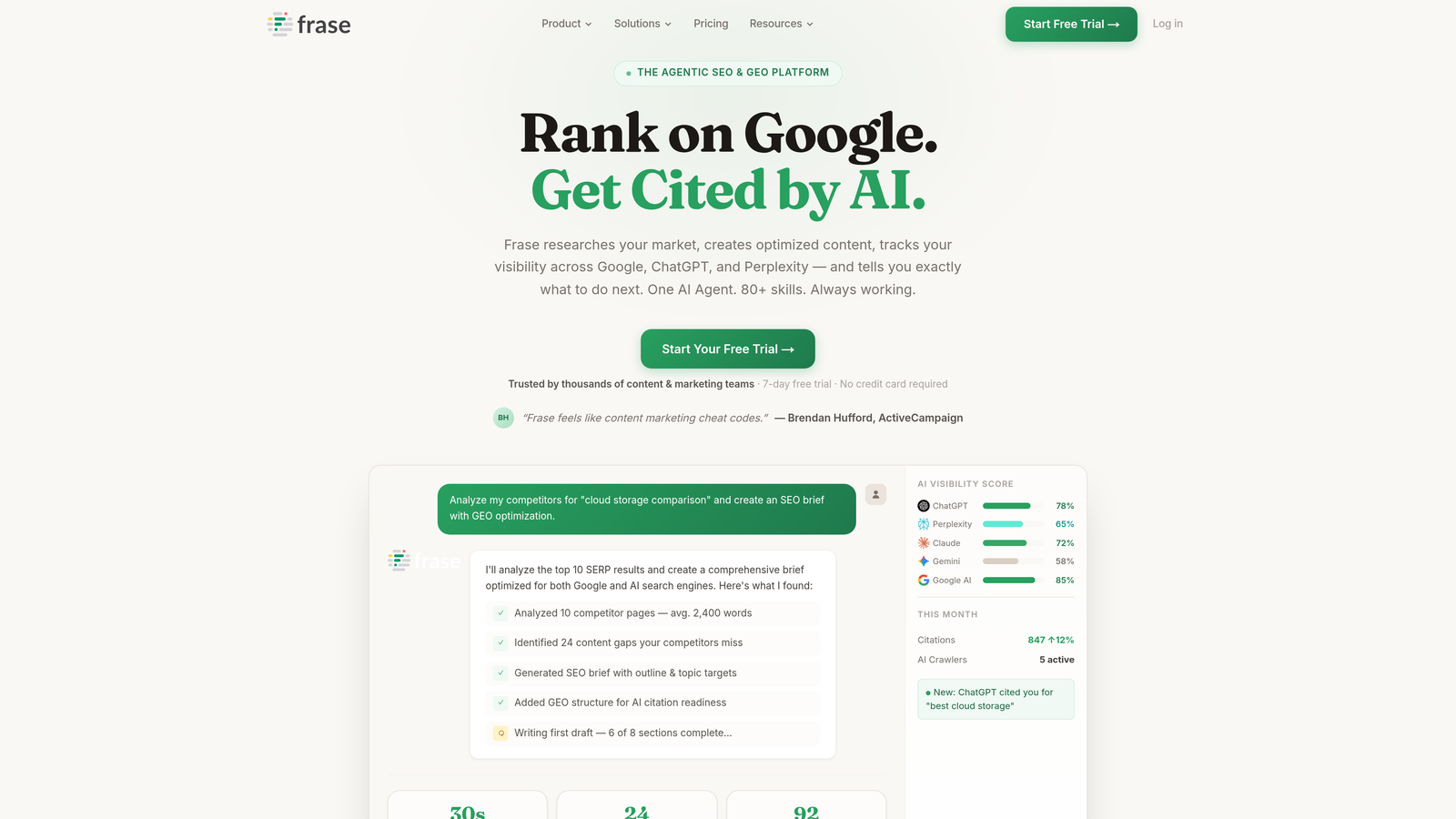
The Question Research feature identifies the specific questions users ask about your topic, pulled from sources like Google's "People Also Ask" and forums. This intelligence helps ensure your content addresses real user needs rather than just targeting keywords. The outline builder combines competitive analysis with these questions to create detailed content structures before you write a single word.
Implementation Steps
1. Use Frase's SERP research to analyze top-ranking content for your target keyword, identifying common topics, headings, and content gaps that represent opportunities.
2. Generate a comprehensive content brief that includes target topics, questions to answer, and recommended content structure based on competitive analysis.
3. Leverage the AI writing assistant to draft sections following your brief, ensuring coverage of all strategically important topics identified during research.
4. Apply the Content Optimization tool to refine your draft, checking that you've adequately covered key topics compared to ranking competitors.
Pro Tips
Frase delivers maximum value when you invest time in the research phase rather than jumping straight to AI writing. The platform's strength is strategic content planning—use it to create detailed briefs that any writer, human or AI, can follow to produce comprehensive content. For teams working with freelance writers or agencies, Frase briefs provide clear direction that improves output quality regardless of who's doing the actual writing. Understanding blog writing content strategies helps maximize the value of these research-driven briefs.
6. Writer: The Enterprise Compliance Solution
The Challenge It Solves
Companies in regulated industries like healthcare, finance, and legal services face unique challenges with AI content generation. Generic tools can't guarantee compliance with industry regulations, may inadvertently include problematic content, and lack the audit trails required for enterprise governance. You need AI content capabilities without the compliance risk that comes with most consumer-focused platforms.
The Strategy Explained
Writer addresses enterprise content needs with a focus on compliance, governance, and custom AI model training. The platform allows organizations to train AI models on their own content and terminology while excluding data sources that might introduce compliance risks. This customization ensures generated content aligns with industry-specific requirements and company policies.
The governance features include approval workflows, content version control, and audit trails that document who created, edited, and approved each piece of content. For regulated industries where content errors can result in legal liability, these controls provide necessary oversight that general-purpose AI writing tools lack. Writer also offers on-premise deployment options for organizations with strict data residency requirements.
Implementation Steps
1. Work with Writer's team to configure custom AI models trained on your approved content, terminology databases, and compliance guidelines specific to your industry.
2. Establish governance workflows that route AI-generated content through appropriate review and approval processes before publication.
3. Create content templates that embed compliance requirements, ensuring AI-generated output includes necessary disclosures, disclaimers, or formatting required by regulations.
4. Implement regular audits of AI-generated content using Writer's tracking features to identify patterns that may require additional guardrails or training.
Pro Tips
Writer requires significant investment in setup and training, making it practical only for larger organizations with substantial content needs. The platform's value comes from risk mitigation rather than raw content generation speed. If your organization faces potential regulatory penalties for content errors, the additional cost and complexity of Writer's enterprise features becomes insurance rather than overhead. Smaller companies without compliance concerns will find better value elsewhere. Following AI content writing best practices remains essential even with enterprise-grade compliance tools.
7. Copy.ai: The Multi-Format Marketing Content Platform
The Challenge It Solves
Marketing teams need more than just blog articles—they produce social media posts, email campaigns, ad copy, product descriptions, and sales enablement content. Managing multiple AI tools for different content types creates workflow friction and increases costs. You need a unified platform that handles diverse marketing content formats without sacrificing quality in any single area.
The Strategy Explained
Copy.ai positions itself as a comprehensive marketing content platform rather than focusing exclusively on long-form articles. The tool offers templates and workflows for dozens of content types, from LinkedIn posts to email sequences to landing page copy. This breadth makes it practical for marketing teams to consolidate content creation around a single platform.
The workflow automation features allow you to create multi-step content processes, such as generating a blog post, then automatically creating social media promotional content and an email announcement from that article. This automation reduces the manual work of repurposing content across channels. The platform's GTM AI capabilities help with strategic planning and campaign development, extending beyond individual content pieces to broader marketing initiatives.
Implementation Steps
1. Audit your current content production to identify the content types you create most frequently, prioritizing Copy.ai templates and workflows that address your highest-volume needs.
2. Create custom workflows that automate your content repurposing process, generating multiple content formats from a single input to maximize efficiency.
3. Use the Brand Voice feature to ensure consistency across all content types, from long-form articles to short social posts.
4. Leverage the GTM AI tools for campaign planning and content strategy, using AI assistance for higher-level marketing decisions beyond individual content creation.
Pro Tips
Copy.ai delivers the most value when you fully embrace its multi-format approach rather than using it solely for one content type. The platform's strength is versatility—if you only need blog articles, specialized tools may serve you better. But for marketing teams juggling numerous content formats and channels, the ability to manage everything in one platform with consistent brand voice and automated workflows provides significant operational efficiency.
Choosing Your Content at Scale Alternative
The right Content at Scale alternative depends on your specific priorities and constraints. If you're focused on enterprise compliance and governance, Writer's specialized features justify the additional complexity. For budget-conscious high-volume production, Koala's cost efficiency makes it practical despite requiring more editing. Teams that prioritize data-driven optimization will find Surfer's SERP analysis invaluable.
But here's what many teams miss: the content generation landscape is shifting from simply creating articles to ensuring those articles actually influence how AI models talk about your brand. Traditional SEO-focused tools don't address AI visibility—they can't tell you whether ChatGPT mentions your brand, what sentiment it uses, or which competitor appears instead when you don't.
Platforms that combine content generation with AI visibility tracking offer a strategic advantage. You're not just creating content and hoping it works—you're measuring actual impact on AI search results and identifying specific opportunities where content can fill gaps. This feedback loop between visibility tracking and content creation represents the next evolution of content strategy.
Consider starting with free trials to test content quality and workflow fit before committing. The best choice balances your immediate content production needs with future-proofing for how AI is reshaping search discovery. Stop guessing how AI models like ChatGPT and Claude talk about your brand—get visibility into every mention, track content opportunities, and automate your path to organic traffic growth. Start tracking your AI visibility today and see exactly where your brand appears across top AI platforms.