Manual publishing workflows are a silent growth killer. Every hour spent formatting, scheduling, and pushing content live is an hour not spent on strategy, outreach, or actual optimization. Automated blog publishing systems eliminate that friction, handling everything from content generation and SEO structuring to CMS deployment and search engine indexing without manual intervention.
But not all automation tools are built the same. Some focus purely on scheduling. Others layer in AI content generation, GEO optimization, or AI visibility tracking — capabilities that matter more than ever as AI search engines like ChatGPT, Claude, and Perplexity become primary discovery channels for your target audience.
This list covers the best automated blog publishing systems available in 2026, selected based on depth of automation, SEO and GEO capability, CMS integrations, and how well each tool supports sustainable organic growth. Whether you're a solo founder trying to scale content output or an agency managing dozens of client sites, there's a tool here that fits your workflow.
1. Sight AI
Best for: Teams optimizing for both traditional SEO and AI-generated search visibility
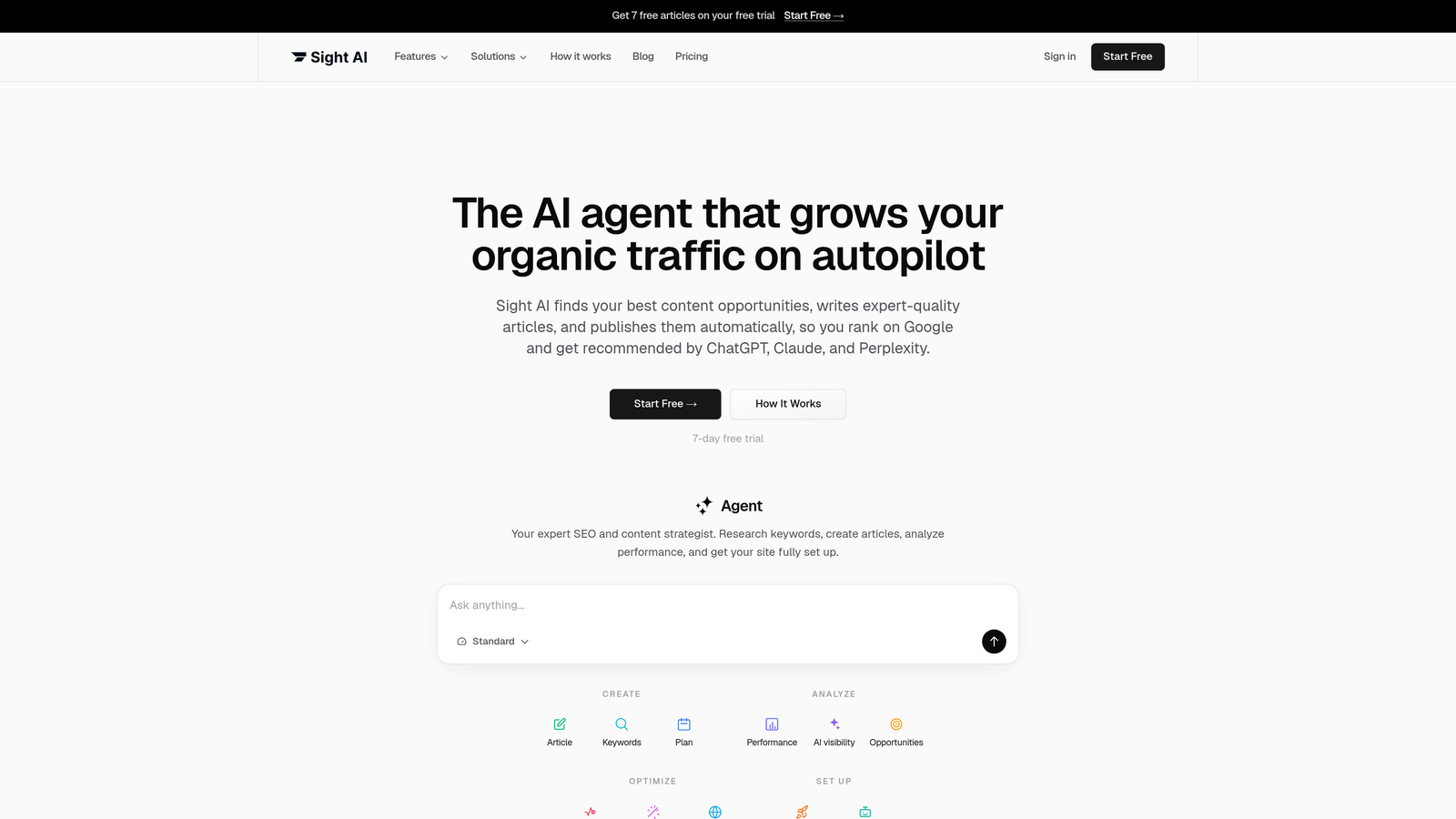
Sight AI is an all-in-one AI-powered platform that automates content creation, CMS publishing, website indexing, and AI visibility tracking — purpose-built for the era of AI search.
Where This Tool Shines
Most publishing automation tools solve one piece of the puzzle. Sight AI is built to handle the entire pipeline: from generating SEO and GEO-optimized articles through specialized AI agents, to deploying them directly to your CMS, to triggering search engine indexing automatically via IndexNow integration. That end-to-end coverage is rare.
What sets Sight AI apart from pure content generators is the AI Visibility layer. After your content goes live, the platform continues working, tracking how your brand appears across AI platforms like ChatGPT, Claude, and Perplexity. You're not just publishing into the void — you're building a measurable presence in AI-generated answers.
Key Features
13+ Specialized AI Agents: Purpose-built agents generate SEO and GEO-optimized articles across formats including listicles, guides, and explainers — each format tuned for both search rankings and AI answer engine visibility.
CMS Auto-Publishing: Content deploys directly to WordPress and other platforms without manual steps, keeping your publishing pipeline fully automated from generation to live.
IndexNow Integration: Automated sitemap updates and IndexNow triggers notify search engines immediately after publishing, accelerating content discovery without manual submission.
AI Visibility Tracking: Monitors brand mentions across 6+ AI platforms including ChatGPT, Claude, and Perplexity, giving you a clear picture of how your content influences AI-generated answers.
Autopilot Mode: Fully automated content pipeline from generation through publishing, ideal for teams that want consistent output without constant oversight.
Best For
Sight AI is the strongest fit for marketers, founders, and agency teams who need a complete automated publishing system that covers both traditional SEO and AI search optimization. If you care about where your brand appears in AI-generated answers, not just Google rankings, this is the platform built for that goal.
Pricing
Visit trysight.ai for current pricing plans. Multiple tiers are available to fit different team sizes and publishing volumes.
2. Writesonic
Best for: High-volume content teams needing scalable AI article generation with SEO optimization
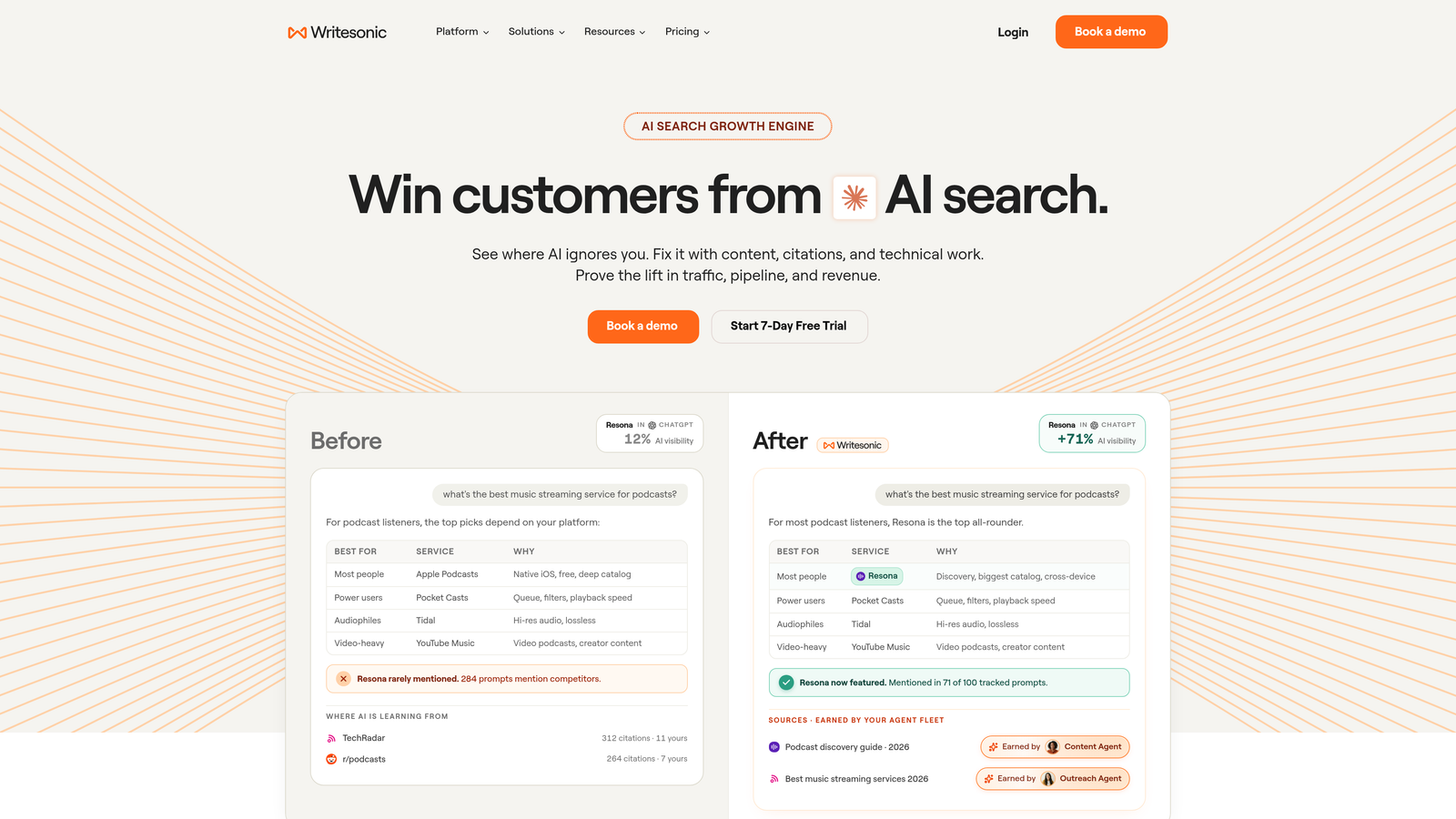
Writesonic is a well-established AI writing platform with long-form article generation, built-in SEO features, and CMS integrations that support automated publishing at scale.
Where This Tool Shines
Writesonic has built a strong reputation for producing publish-ready long-form content quickly. Its Article Writer handles structured SEO content generation, and the platform's brand voice customization means teams can maintain consistent output across large content volumes without constant editing.
For teams whose primary bottleneck is content production volume, Writesonic delivers. It's less focused on post-publish indexing automation or AI answer engine optimization compared to more specialized platforms, but as a content generation and CMS publishing tool, it covers the core workflow reliably.
Key Features
AI Article Writer: Generates long-form SEO-structured content designed for search engine ranking, with control over tone, structure, and keyword targeting.
Built-in SEO Mode: Keyword optimization is baked into the writing process, reducing the need for separate SEO tools in your workflow.
CMS Integrations: Connects to publishing platforms to streamline content deployment without manual copy-paste workflows.
Brand Voice Customization: Trains the AI on your brand's tone and style for consistent output across all generated content.
Bulk Content Generation: Supports large-scale content production, useful for agencies managing multiple clients or sites simultaneously.
Best For
Writesonic works well for content marketers and agencies focused on scaling article output efficiently. It's a solid choice if your primary need is high-volume SEO content generation with CMS publishing capabilities, and you're comfortable managing AI visibility and indexing through separate tools.
Pricing
A free plan is available. Paid plans are published at writesonic.com, with options for individual creators and larger teams.
3. AirOps
Best for: Technical teams building custom AI content pipelines with flexible workflow automation
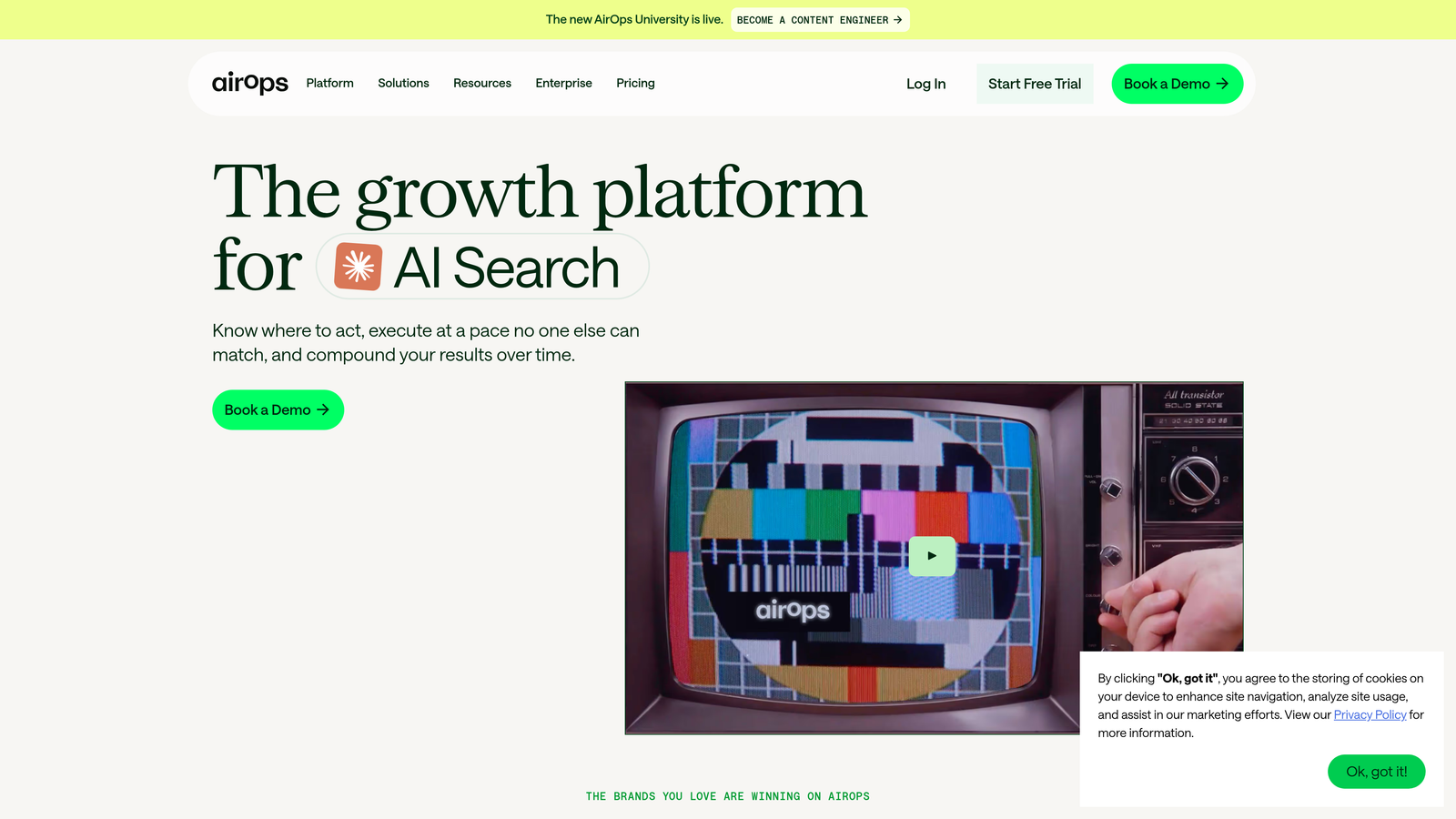
AirOps is a workflow automation platform that enables teams to build custom AI pipelines connecting content generation, data enrichment, and CMS publishing into repeatable, scalable operations.
Where This Tool Shines
AirOps isn't an out-of-the-box publishing tool — it's a platform for building your own. If your content operation has unique requirements that standard tools don't accommodate, AirOps lets you configure AI workflows that connect LLMs to external data sources, internal databases, and publishing destinations without heavy engineering overhead.
This flexibility is genuinely valuable for technical content teams and growth engineers who need precision control over how content is generated, enriched, and deployed. The tradeoff is that native SEO and GEO optimization features are less developed compared to purpose-built publishing platforms.
Key Features
Customizable AI Workflow Pipelines: Build multi-step content workflows connecting AI models, data sources, and publishing destinations without writing complex code.
LLM Data Enrichment: Connects large language models to external data sources so generated content can incorporate real-time or proprietary information.
CMS Publishing Integrations: Automated content deployment to connected CMS platforms as part of the broader workflow pipeline.
Workflow Templates: Pre-built templates for common content operations use cases reduce setup time for standard workflows.
Team Collaboration: Shared workflow environments allow content ops teams to build, manage, and iterate on pipelines together.
Best For
AirOps is best suited for technical marketers, growth engineers, and content operations teams who need custom-built AI pipelines rather than a configured platform. If your publishing workflow has unique data dependencies or integrations, AirOps gives you the flexibility to build exactly what you need.
Pricing
See current plans at airops.com. Pricing varies based on workflow volume and team size.
4. Promptwatch
Best for: Teams running custom AI publishing pipelines who need prompt observability and version control
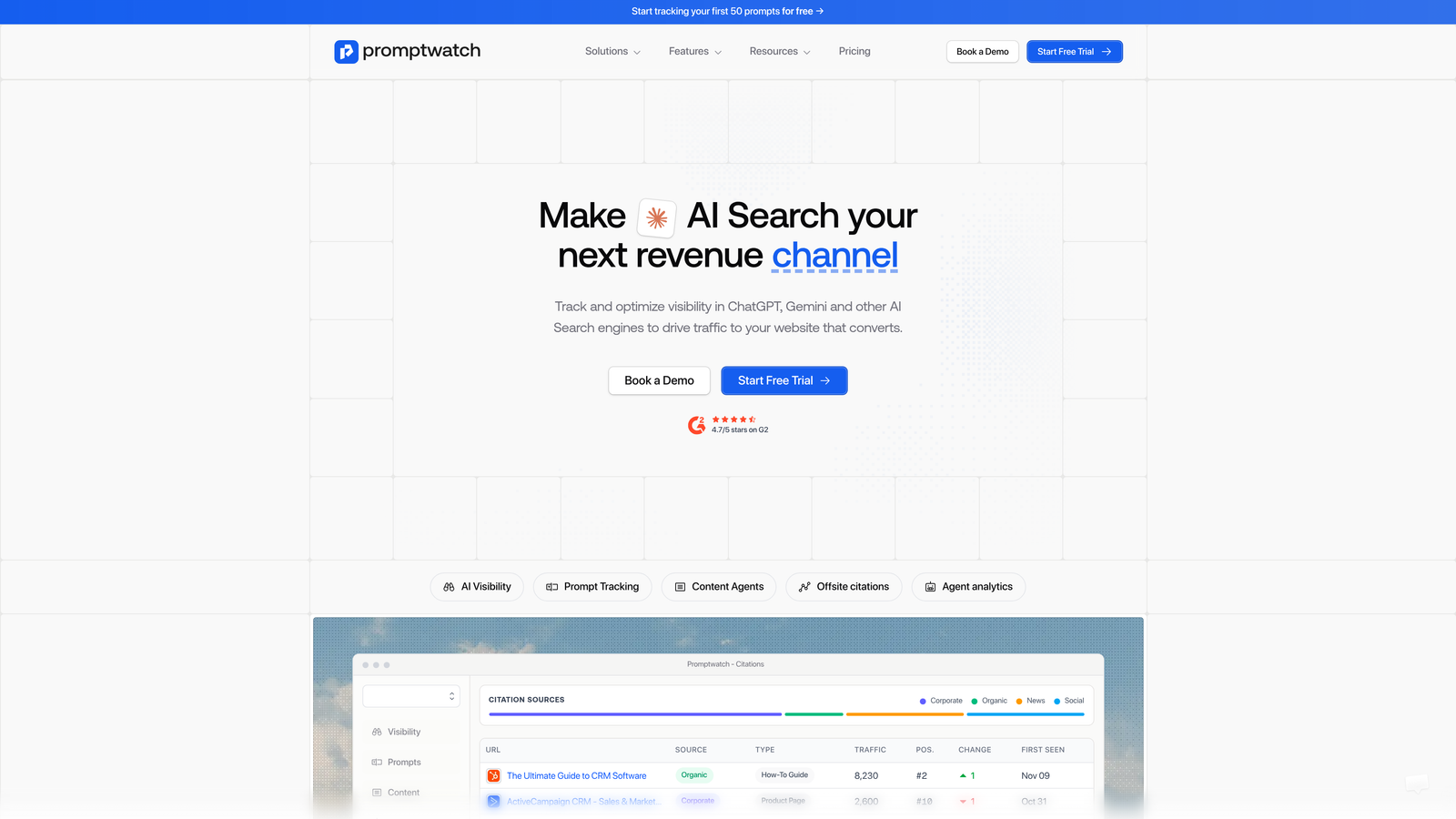
Promptwatch is a prompt management and monitoring tool that brings observability to AI-driven content pipelines, helping teams track, version, and optimize the prompts powering their automated publishing workflows.
Where This Tool Shines
If you're running automated content generation through custom LLM pipelines, the quality of your output lives and dies with the quality of your prompts. Promptwatch addresses that directly by giving teams visibility into which prompt versions produce the best content, and how prompt changes affect output quality over time.
It's worth being clear: Promptwatch is a supporting tool in an automated publishing stack, not a standalone publishing platform. Think of it as the quality control and observability layer that keeps your AI content pipeline performing consistently as you scale.
Key Features
Prompt Versioning: Track every change to your content prompts over time, making it easy to roll back to higher-performing versions when output quality drops.
Performance Monitoring: Identify which prompts consistently produce the best content quality across different article formats and topics.
LLM Provider Integration: Connects with major LLM providers so you can monitor prompts regardless of which AI model powers your pipeline.
Pipeline Logging and Analytics: Full logging of automated content pipeline runs, giving you a clear audit trail of what was generated and when.
Team Prompt Management: Shared prompt libraries and team-level access controls for content ops teams managing multiple workflows.
Best For
Promptwatch is ideal for technical teams and content operations managers who have already built custom AI publishing pipelines and need better visibility into prompt performance. It's particularly valuable when content quality consistency is a priority at scale.
Pricing
See current plans at promptwatch.io for available tiers and feature breakdowns.
5. Profound
Best for: Brands tracking and improving visibility in AI-generated search responses
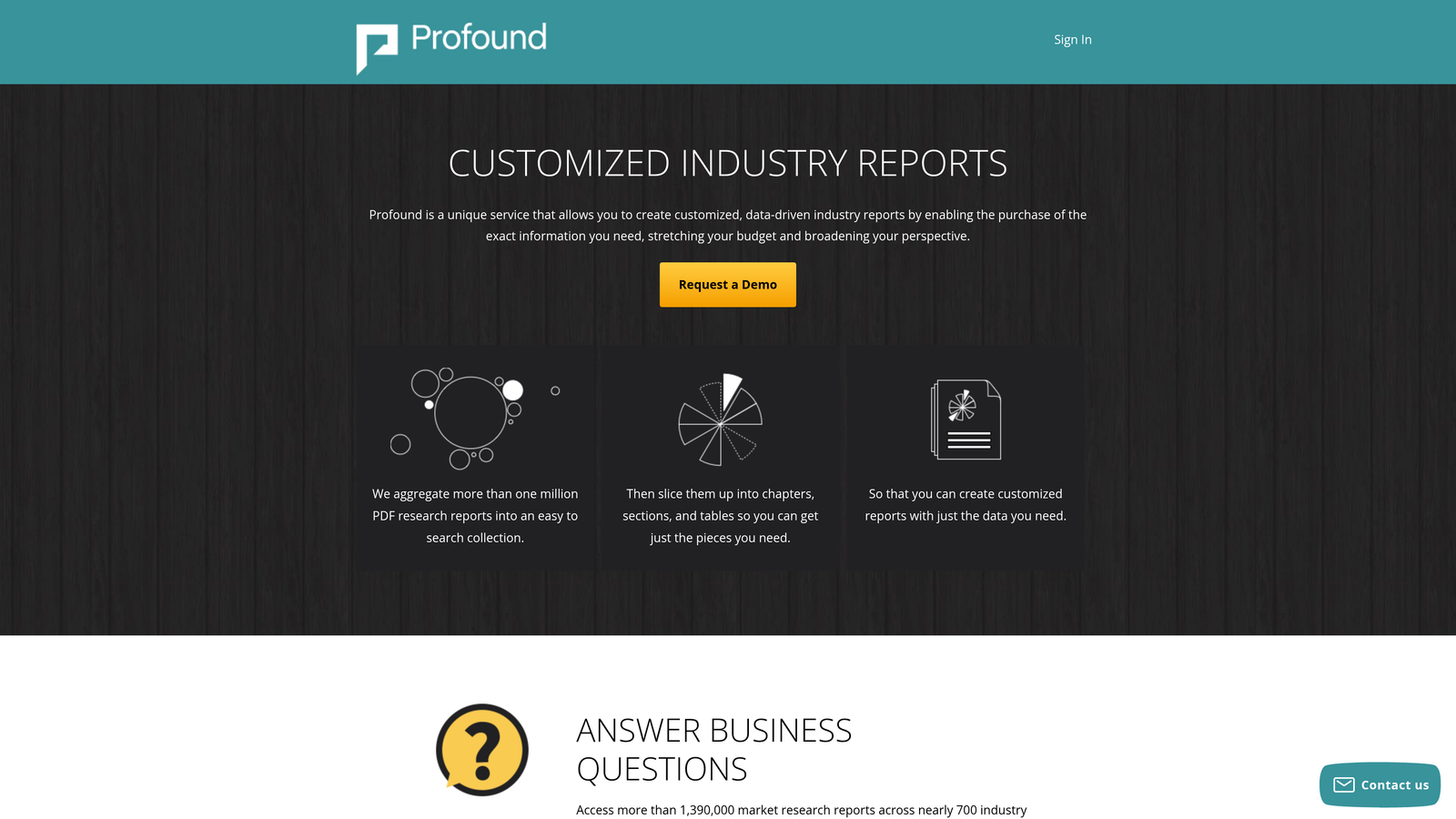
Profound is an AI answer engine optimization platform that tracks brand visibility in AI-generated search responses and surfaces content gaps, helping teams decide what to publish and automate next.
Where This Tool Shines
Profound sits at the strategy layer of an automated publishing workflow. Rather than generating or deploying content itself, it tells you what content you should be creating based on how AI search engines are currently answering queries in your space. That intelligence makes your publishing automation far more targeted.
For teams building GEO-optimized content strategies, Profound provides the data foundation: where your brand is appearing in AI answers, where competitors are outperforming you, and which content gaps represent the highest-value publishing opportunities.
Key Features
Brand Mention Tracking: Monitors how and where your brand appears across AI search engines, giving you a baseline for measuring content impact.
Content Gap Identification: Surfaces topics and queries where AI search engines aren't referencing your brand, highlighting high-value publishing opportunities.
Competitor Visibility Benchmarking: Shows how competitor brands perform in AI-generated answers relative to your own presence.
GEO Content Recommendations: Translates AI visibility data into actionable content strategy recommendations for your publishing pipeline.
Reporting Dashboards: Visual dashboards for tracking AI search presence over time and measuring the impact of published content.
Best For
Profound is a strong fit for content strategists and SEO teams who want data-driven clarity on what to publish next for AI search visibility. It works best as a companion to a publishing automation tool rather than a standalone solution.
Pricing
See current plans at profound.com for available options and feature tiers.
6. Peec
Best for: Teams monitoring AI search brand visibility and translating insights into content priorities
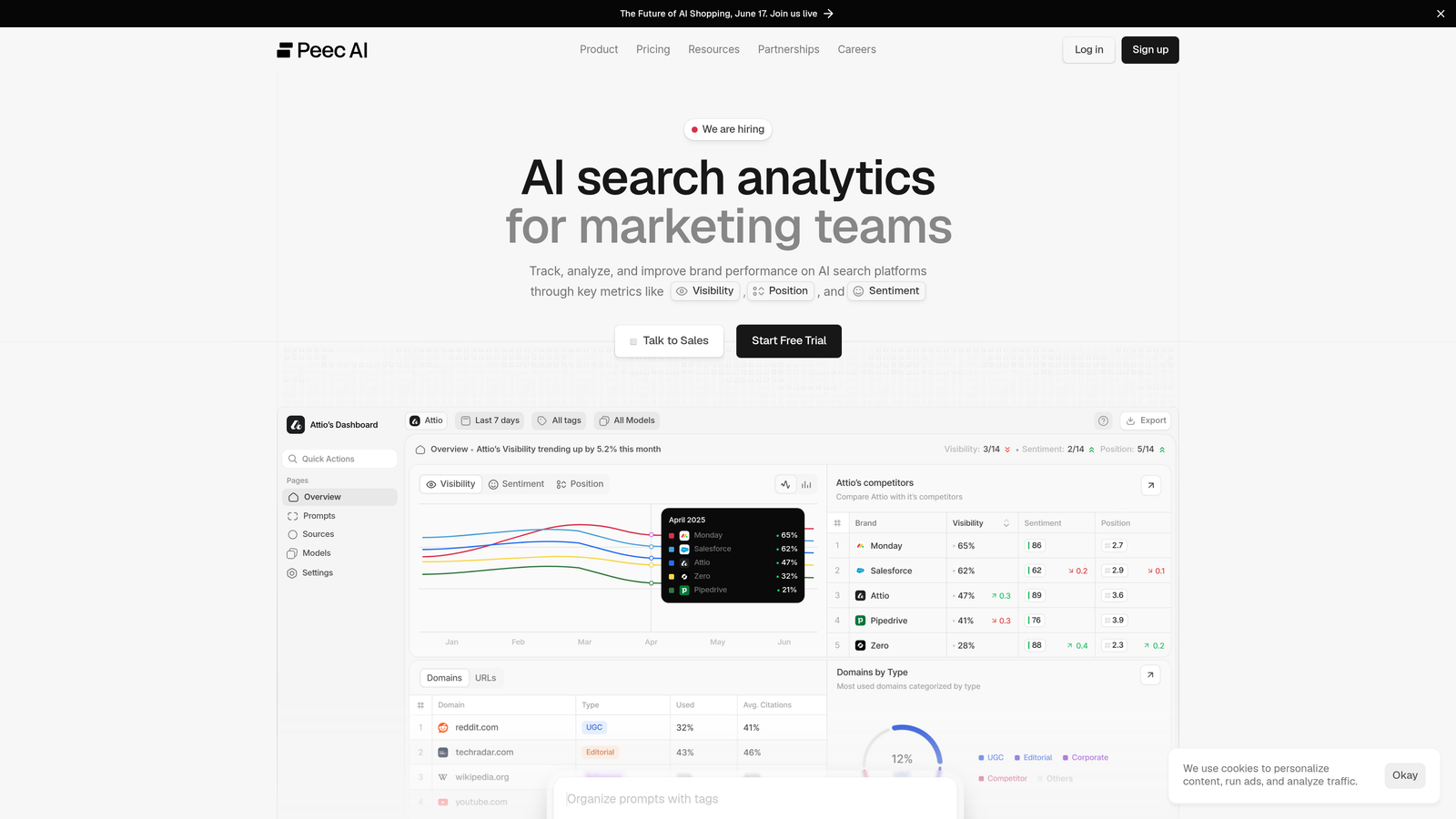
Peec is an AI search visibility monitoring tool that tracks how brands appear across AI platforms and translates those insights into actionable content publishing recommendations.
Where This Tool Shines
Peec focuses on the question every content team should be asking in 2026: when someone asks an AI model about your category, does your brand come up? Peec tracks those mentions across major AI platforms and surfaces patterns that inform smarter content decisions.
Like Profound, Peec functions as an intelligence layer rather than a publishing engine. Its value is in clarifying which content gaps to prioritize so that your automated publishing pipeline is producing articles that actually move your AI search presence forward, not just filling a content calendar.
Key Features
AI Brand Mention Monitoring: Tracks brand appearances across major AI platforms, giving you a consistent view of your AI search presence over time.
Content Recommendations: Surfaces publishing recommendations based on identified AI visibility gaps, connecting monitoring data to content action.
Competitor Comparison: Benchmarks your AI search visibility against competitors to identify where you're losing share of AI-generated answers.
AI Search Tracking Dashboard: Visual tracking of brand presence trends across AI platforms, useful for reporting and strategy reviews.
Workflow Integration: Designed to connect with content workflow tools, making it easier to feed AI visibility insights directly into your publishing pipeline.
Best For
Peec is well suited for marketers and growth teams who want straightforward AI search visibility monitoring with clear content recommendations. It's a useful companion tool for any team running an automated publishing workflow with GEO optimization as a priority.
Pricing
See current plans at peec.ai for available tiers and feature details.
Which Tool Fits Your Workflow?
The right automated blog publishing system depends on what stage of the workflow you need to solve, and how much of the stack you want in a single platform versus assembled from specialized tools.
If you want a complete, end-to-end solution that handles content generation, CMS publishing, indexing, and AI visibility tracking in one place, Sight AI is the strongest option available. It's the only platform on this list that covers the full pipeline from article creation through post-publish AI monitoring, making it particularly valuable for teams who don't want to stitch together multiple tools.
For teams focused primarily on high-volume content production, Writesonic delivers reliable long-form generation with SEO features and CMS integrations. For technical teams who need custom-built pipelines, AirOps provides the workflow flexibility that out-of-the-box tools can't match. Promptwatch is the right addition if you're already running a custom AI pipeline and need prompt observability to maintain content quality at scale.
Profound and Peec both serve the AI visibility intelligence layer. They're not publishing platforms themselves, but they answer the strategic question that should drive every publishing decision: where is your brand showing up in AI-generated answers, and what content gaps should you close next? Used alongside a publishing automation tool, either can significantly sharpen your GEO content strategy.
The broader shift is clear. Publishing automation is no longer just about saving time on formatting and scheduling. The teams winning organic traffic in 2026 are the ones automating the full loop: generating AI-optimized content, deploying it instantly, indexing it immediately, and tracking how it shapes their brand's presence across AI search platforms.
Start tracking your AI visibility today and see exactly where your brand appears across top AI platforms — then use those insights to build an automated publishing pipeline that keeps your brand in the conversation.