Getting your content indexed quickly can mean the difference between capturing trending traffic and missing the moment entirely. For publishers producing dozens or hundreds of articles weekly, manual indexing submissions simply don't scale. The right indexing tool automates this process, ensures search engines discover your content faster, and provides visibility into what's actually getting indexed.
This guide covers the top website indexing tools specifically suited for publishers—from AI-powered platforms with auto-publishing capabilities to dedicated IndexNow solutions and comprehensive technical SEO suites. We've evaluated each based on automation capabilities, speed improvements, publisher-specific features, and integration options with popular CMS platforms.
1. Sight AI
Best for: Publishers who want indexing automation combined with AI content generation and visibility tracking
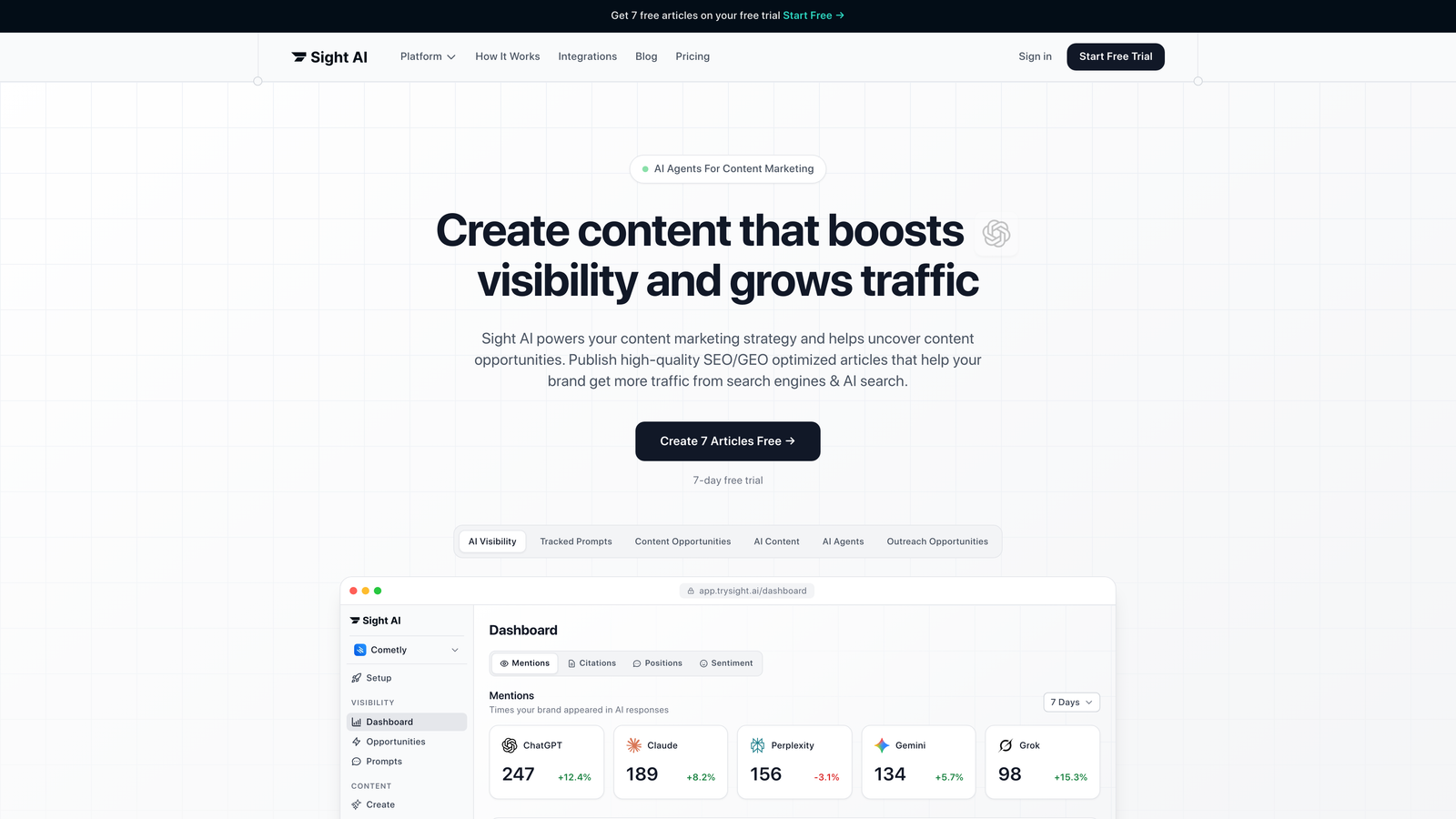
Sight AI is an all-in-one platform that combines website indexing with AI content creation and visibility tracking across major AI models.
Where This Tool Shines
Sight AI tackles three publisher challenges in one platform: getting content indexed faster, creating SEO-optimized articles at scale, and tracking how AI models like ChatGPT and Claude mention your brand. The IndexNow integration automatically notifies search engines the moment you publish, while the CMS auto-publishing feature lets you schedule and deploy content directly to WordPress and other platforms.
What sets this apart is the AI visibility tracking component. As AI-powered search becomes more prominent, knowing how ChatGPT, Claude, and Perplexity reference your brand matters just as much as traditional SEO rankings.
Key Features
IndexNow Integration: Automatically pings Bing, Yandex, and other participating search engines when content publishes or updates.
CMS Auto-Publishing: Schedule and publish content directly to WordPress and other platforms without manual uploads.
AI Content Writer: 13+ specialized AI agents generate SEO and GEO-optimized articles including listicles, guides, and explainers.
AI Visibility Tracking: Monitor brand mentions across ChatGPT, Claude, Perplexity, and other AI platforms with sentiment analysis.
Automated Sitemap Updates: Keeps XML sitemaps current as new content publishes, ensuring search engines have the latest crawl map.
Best For
Digital publishers and content teams who produce high volumes of articles and want to streamline the entire workflow from content creation through indexing and AI visibility monitoring. Particularly valuable if you're scaling content operations and need automation at every step.
Pricing
Contact for pricing. The platform combines multiple tools into one subscription, which can be more cost-effective than maintaining separate solutions for content creation, indexing, and AI monitoring.
2. IndexNow
Best for: Publishers wanting instant indexing notifications to Bing and Yandex without monthly fees
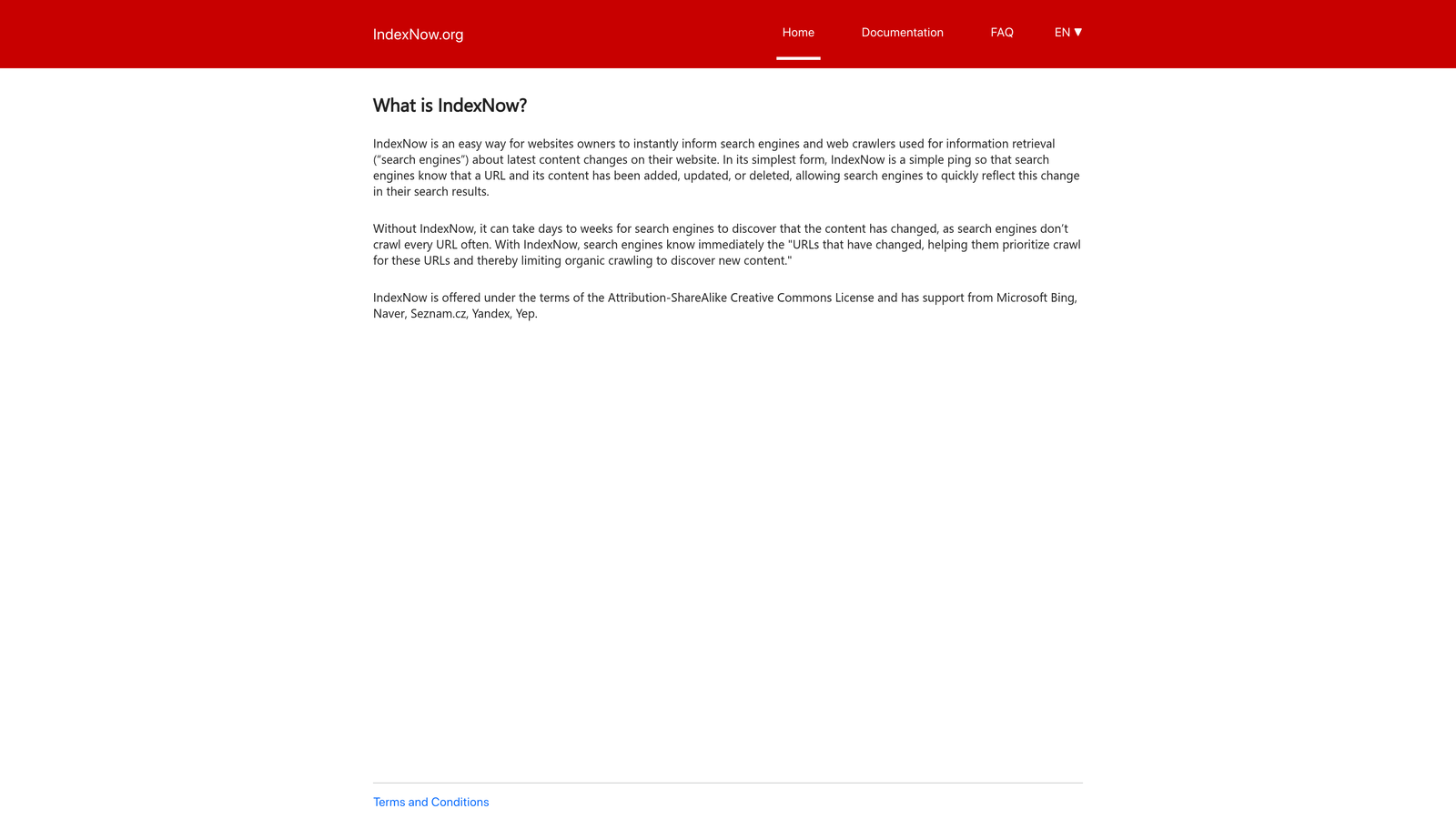
IndexNow is an open protocol that lets you notify participating search engines instantly when URLs are added or updated on your site.
Where This Tool Shines
IndexNow eliminates the waiting game for search engine discovery. Instead of hoping crawlers find your new article eventually, you ping search engines the moment it publishes. Bing, Yandex, Seznam, and Naver all participate in the protocol, meaning one submission reaches multiple engines simultaneously.
The protocol is dead simple to implement—just a single API endpoint that accepts URL submissions. For publishers with technical resources, this can be integrated directly into your publishing workflow without third-party tools.
Key Features
Instant Notifications: Search engines receive immediate alerts when you publish or update content instead of waiting for scheduled crawls.
Multi-Engine Support: One submission reaches Bing, Yandex, Seznam, and Naver simultaneously through the shared protocol.
Simple API: Straightforward REST API that developers can integrate into any CMS or publishing system.
Bulk Submissions: Submit multiple URLs in a single API call, perfect for publishers updating dozens of articles at once.
Open Protocol: No vendor lock-in or proprietary systems—the protocol is open and free to use.
Best For
Publishers with development resources who want direct control over indexing notifications without relying on plugins or third-party services. Also ideal if you publish across multiple CMS platforms and want a consistent indexing approach.
Pricing
Completely free. IndexNow is an open protocol with no usage fees, subscriptions, or API limits.
3. Google Search Console
Best for: Monitoring Google indexing status and diagnosing coverage issues at no cost
Google Search Console is Google's free webmaster tool for tracking how your site appears in Google Search results.
Where This Tool Shines
Search Console remains the authoritative source for understanding how Google sees your site. The URL Inspection tool shows you exactly what Google indexed for any page—including the rendered HTML, resources it loaded, and any crawl errors it encountered. For publishers, the Index Coverage report is invaluable for spotting patterns in what's getting indexed versus what's being excluded.
While Search Console doesn't offer the instant submission capabilities of IndexNow, you can request indexing for individual URLs, which prompts Google to recrawl them sooner than it might otherwise. The sitemap submission feature ensures Google knows about your content structure.
Key Features
URL Inspection Tool: Check indexing status for individual pages and request priority crawling when needed.
Index Coverage Reports: See which pages are indexed, which are excluded, and why Google made each decision.
Sitemap Submission: Submit XML sitemaps and monitor how many URLs Google has discovered and indexed from each.
Mobile Usability Data: Identify mobile-specific issues that might prevent pages from ranking or indexing properly.
Core Web Vitals: Track loading performance metrics that affect both user experience and search rankings.
Best For
Every publisher should use Search Console regardless of what other tools they employ. It's the only way to see Google's perspective on your site and catch indexing issues before they impact traffic.
Pricing
Free for all users. Google provides Search Console at no cost to webmasters and publishers.
4. Yoast SEO Premium
Best for: WordPress publishers wanting automatic IndexNow integration with comprehensive on-page SEO features
Yoast SEO Premium is a WordPress plugin that combines content optimization guidance with technical SEO features including automatic IndexNow notifications.
Where This Tool Shines
Yoast automates IndexNow submissions directly from your WordPress dashboard—no API configuration or developer involvement required. Every time you publish or update a post, Yoast pings participating search engines automatically. This "set it and forget it" approach works perfectly for editorial teams who want indexing handled in the background.
Beyond indexing, Yoast provides real-time content analysis as you write, suggesting improvements for readability and SEO. The internal linking suggestions help publishers build content clusters that improve crawlability and topical authority.
Key Features
Automatic IndexNow Pings: Notifies Bing, Yandex, and other engines instantly when you publish or update content.
XML Sitemap Generation: Creates and maintains sitemaps automatically, updating them as you publish new content.
Internal Linking Suggestions: Recommends relevant internal links as you write, strengthening site structure.
Redirect Manager: Handle URL changes without losing link equity or creating 404 errors.
Content Analysis: Real-time feedback on SEO and readability as you draft articles.
Best For
WordPress publishers who want a comprehensive SEO solution with built-in indexing automation. Particularly valuable for editorial teams without dedicated SEO specialists who need guidance during content creation.
Pricing
Starting at $99 per year for a single site. Multi-site licenses available for publishers managing multiple properties.
5. Rank Math SEO
Best for: WordPress publishers wanting IndexNow support and Google Indexing API integration in a feature-rich free plugin
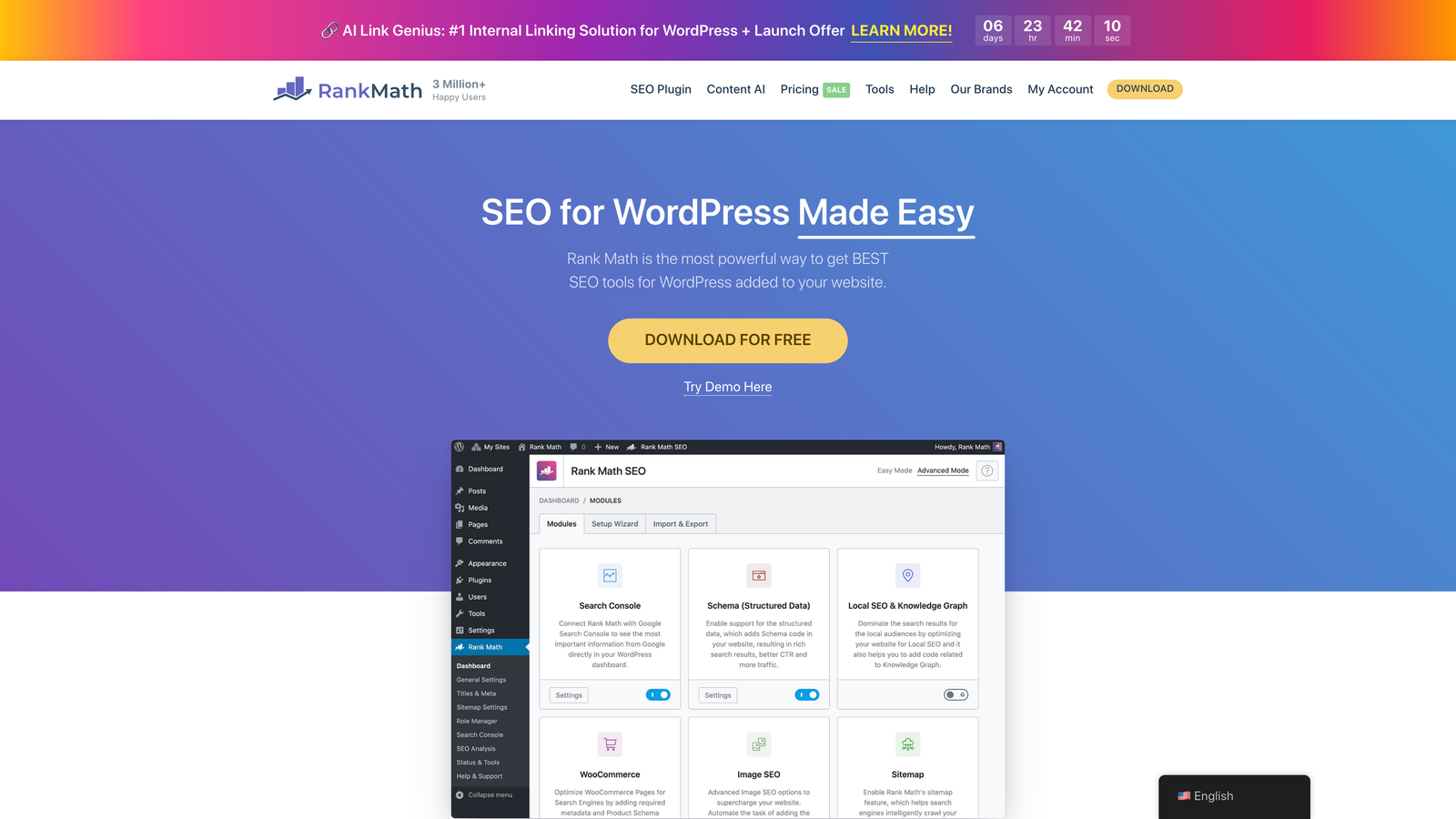
Rank Math SEO is a WordPress SEO plugin that includes IndexNow support even in the free version, plus Google Indexing API integration for faster discovery.
Where This Tool Shines
Rank Math stands out by offering IndexNow functionality without requiring a paid subscription—something competitors often gate behind premium tiers. The Google Indexing API integration is particularly valuable for publishers in eligible niches like job postings and livestream content, where Google offers expedited indexing.
The plugin's modular approach lets you enable only the features you need, keeping your WordPress installation lean. Advanced schema markup options help publishers add structured data for articles, FAQs, and how-to content without touching code.
Key Features
IndexNow Support: Automatic notifications to participating search engines included in the free version.
Google Indexing API: Direct integration with Google's API for eligible content types requiring rapid indexing.
Advanced Schema Markup: Pre-built templates for article schema, FAQs, how-tos, and other publisher content types.
Keyword Rank Tracking: Monitor how your articles rank for target keywords directly from WordPress.
Local SEO Module: Features for publishers with local focus including business schema and location pages.
Best For
Budget-conscious publishers who need robust SEO features including indexing automation without monthly fees. Also excellent for publishers who value flexibility and want granular control over which features run on their site.
Pricing
Free version includes IndexNow support. Pro version starts at $59 per year and adds features like advanced schema, video SEO, and WooCommerce optimization.
6. Screaming Frog SEO Spider
Best for: Technical audits to identify indexing blockers and diagnose crawl issues across large sites
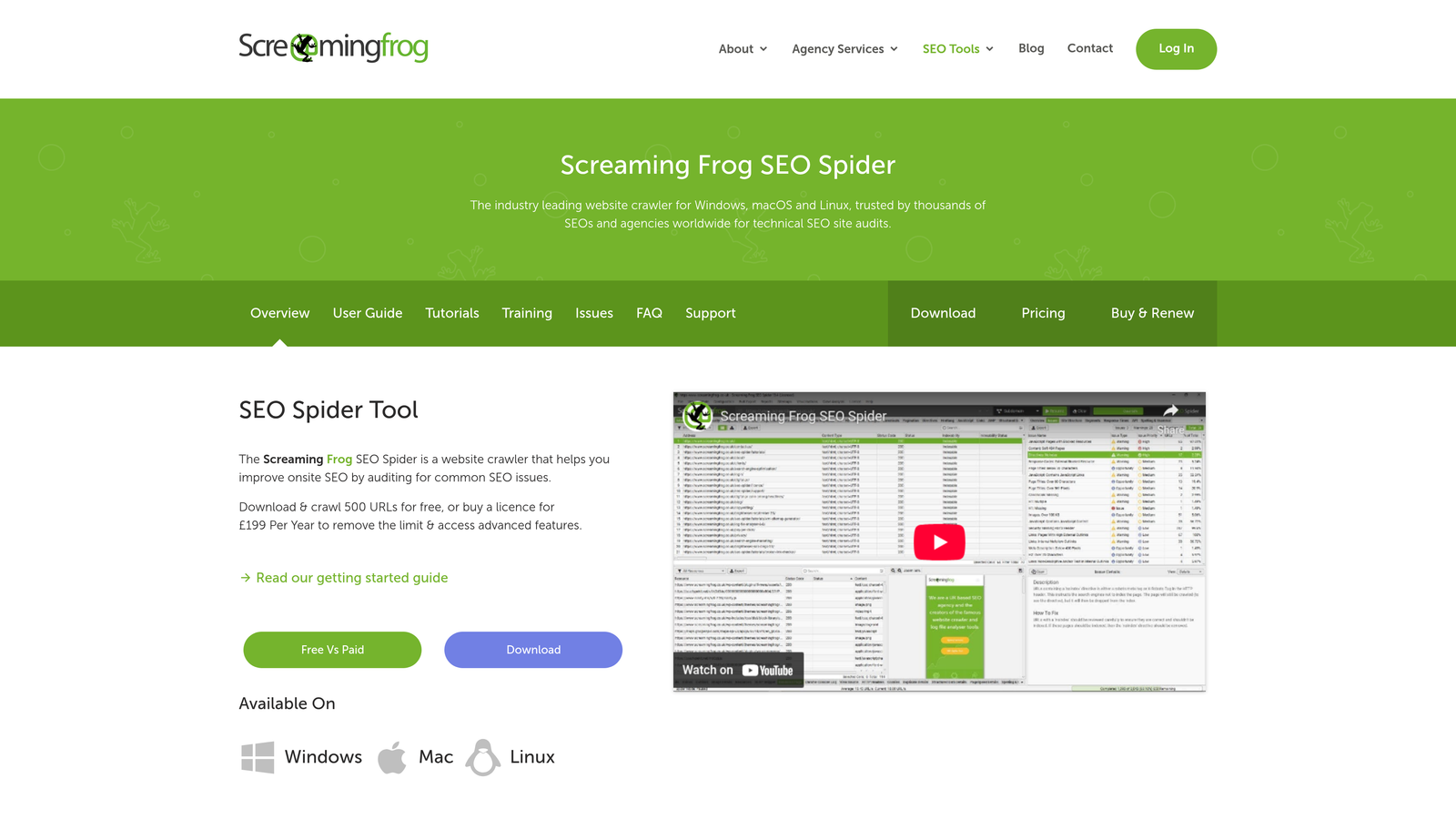
Screaming Frog SEO Spider is a desktop crawler that simulates how search engines see your site, revealing technical issues that prevent proper indexing.
Where This Tool Shines
When pages aren't getting indexed and you need to understand why, Screaming Frog provides answers. It crawls your site just like Googlebot would, identifying noindex tags, canonical issues, redirect chains, and orphan pages that search engines might never discover. For publishers managing thousands of articles, the ability to export comprehensive crawl data and filter by specific issues saves hours of manual checking.
The tool integrates with Google Analytics and Search Console, letting you overlay traffic and indexing data on your crawl results. This correlation helps prioritize which indexing issues actually matter for your traffic.
Key Features
Comprehensive Site Crawling: Simulate search engine crawlers to see exactly what they encounter on your site.
Indexing Issue Detection: Identify noindex tags, canonical problems, and meta robots directives blocking indexing.
Orphan Page Discovery: Find published content that has no internal links pointing to it, making it hard for crawlers to discover.
Search Console Integration: Compare your crawl data against what Google has actually indexed to spot discrepancies.
Custom Extraction: Pull specific data from pages using CSS selectors or XPath for bulk analysis.
Best For
Publishers who need to diagnose technical SEO issues affecting indexing, especially those managing large sites with complex information architecture. Essential for SEO teams conducting regular technical audits.
Pricing
Free for crawling up to 500 URLs. Unlimited crawling requires a license at £199 per year (approximately $250).
7. Oncrawl
Best for: Publishers analyzing crawler behavior through log files and correlating crawl data with rankings
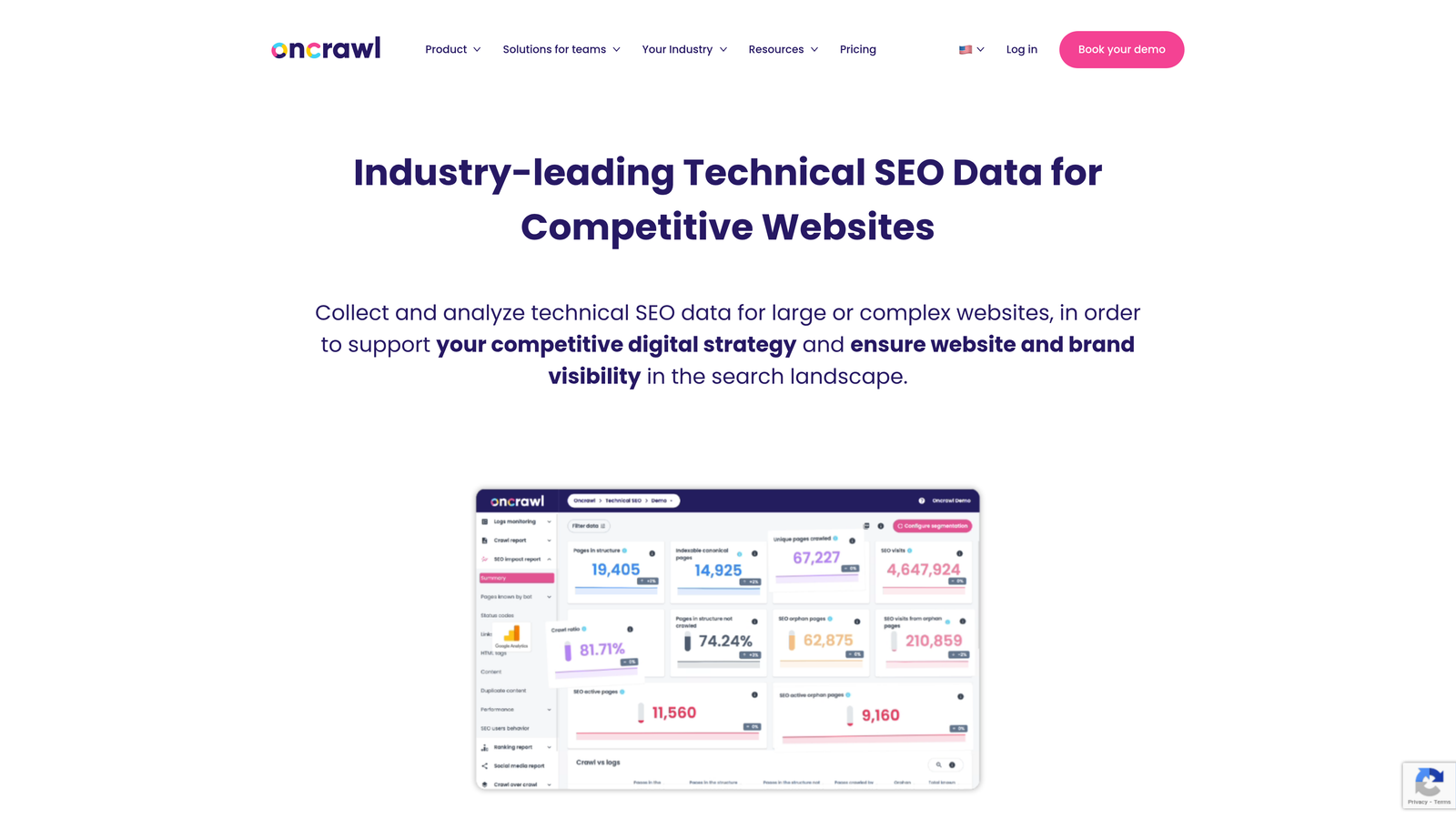
Oncrawl is an enterprise SEO platform that combines website crawling with log file analysis to show exactly how search engines interact with your content.
Where This Tool Shines
Oncrawl excels at answering the question: "Why is Google crawling these pages but not those?" By analyzing server log files, you see which pages Googlebot actually visits, how often, and how much time it spends on different sections of your site. For large publishers, this insight is critical for optimizing crawl budget—ensuring Google spends its limited crawl capacity on your most important content rather than wasting it on tag archives or pagination.
The platform's data visualization makes complex crawl patterns understandable at a glance. You can segment your content by category, author, or any custom taxonomy to see crawl behavior across different content types.
Key Features
Log File Analysis: Parse server logs to understand actual crawler behavior rather than relying on assumptions.
Crawl Data Correlation: Connect crawl frequency with rankings, traffic, and conversions to identify optimization opportunities.
Content Segmentation: Analyze crawl patterns across different content types, categories, or publication dates.
Data Visualization: Interactive dashboards that make complex technical data accessible to non-technical stakeholders.
Crawl Budget Optimization: Identify pages consuming crawl budget without providing value and optimize accordingly.
Best For
Medium to large publishers producing hundreds of articles monthly who need to optimize how search engines allocate crawl budget across their content. Most valuable when you have access to server log files and technical resources to interpret the data.
Pricing
Starting at $69 per month. Pricing scales based on the number of URLs crawled and log lines analyzed.
8. ContentKing
Best for: Real-time monitoring of indexability changes with instant alerts when issues emerge
ContentKing is a real-time SEO monitoring platform that continuously tracks your site and alerts you the moment indexing issues appear.
Where This Tool Shines
ContentKing operates fundamentally differently than periodic crawlers. Instead of checking your site weekly or monthly, it monitors 24/7 and detects changes within minutes. If a developer accidentally adds a noindex tag to your entire blog section, you get a Slack notification before it impacts your traffic. For publishers where timing matters—breaking news sites, trending content publishers—catching indexing problems in minutes rather than days can save significant traffic.
The change tracking feature creates an audit trail showing exactly when issues appeared and what changed. This makes troubleshooting faster since you can correlate indexing problems with specific deployments or content updates.
Key Features
24/7 Website Monitoring: Continuous tracking of your site's indexability status rather than periodic checks.
Instant Issue Alerts: Receive notifications via email, Slack, Microsoft Teams, or webhook the moment problems emerge.
Change Tracking: Complete audit trail showing when indexing issues appeared and what triggered them.
Real-Time Crawling: Detects changes to meta robots, canonicals, and other indexing signals within minutes.
Team Collaboration: Share dashboards and alerts across editorial, development, and SEO teams.
Best For
Publishers where indexing speed is critical and where accidental configuration changes could have immediate traffic impact. Particularly valuable for organizations with multiple people making site changes who need safety monitoring.
Pricing
Starting at $89 per month. Pricing scales based on the number of pages monitored and check frequency.
9. Botify
Best for: Enterprise publishers managing millions of pages who need crawl budget optimization at scale
Botify is an enterprise SEO platform designed for large publishers and e-commerce sites with complex technical requirements and massive content libraries.
Where This Tool Shines
Botify handles scale that breaks other tools. If you're managing millions of articles across multiple domains, Botify's log file analysis can process terabytes of data to show crawl patterns across your entire content ecosystem. The platform's automated recommendations go beyond identifying problems—it suggests specific technical fixes prioritized by potential traffic impact.
JavaScript rendering analysis is particularly valuable for modern publishers using React, Vue, or other frameworks. Botify shows you what content search engines see after JavaScript executes, catching indexing issues that traditional crawlers miss.
Key Features
Crawl Budget Analysis: Detailed insights into how search engines allocate crawl capacity across your site at massive scale.
Enterprise Log Analysis: Process terabytes of log data to understand crawler behavior across millions of pages.
Automated Recommendations: Machine learning-powered suggestions for technical fixes prioritized by traffic impact.
JavaScript Rendering: Analyze how search engines render and index JavaScript-heavy pages.
API Access: Programmatic access to all platform data for custom integrations and analysis.
Best For
Large publishers and media companies managing multiple properties with millions of pages. The platform requires significant investment and technical expertise to leverage fully, making it most appropriate for organizations with dedicated SEO engineering teams.
Pricing
Enterprise pricing model—contact Botify for a custom quote based on your site size and requirements. Expect significant investment appropriate for large-scale operations.
Making the Right Choice
Your ideal indexing solution depends on your publishing volume, technical resources, and budget. Choose Sight AI if you want indexing automation combined with AI content generation and visibility tracking—particularly valuable if you're scaling content operations and need an all-in-one platform. Go with Yoast or Rank Math if you're on WordPress and want simple IndexNow integration without complexity.
For technical audits and diagnosing indexing problems, Screaming Frog remains the industry standard. It's the first tool most SEO professionals reach for when pages mysteriously aren't getting indexed. Enterprise publishers managing millions of pages should evaluate Botify or Oncrawl for their log analysis and crawl budget optimization capabilities.
Whatever tool you choose, the key is moving from reactive to proactive indexing. The days of publishing content and hoping search engines find it eventually are over. Modern publishers need systems that ensure search engines discover content the moment it publishes rather than days later. IndexNow protocol adoption by major engines makes instant notifications possible, while log file analysis helps you understand and optimize crawler behavior at scale.
The indexing landscape is evolving beyond traditional search engines too. As AI-powered search grows through ChatGPT, Claude, and Perplexity, tracking how these models reference your content becomes just as important as traditional SERP rankings. Start tracking your AI visibility today and see exactly where your brand appears across top AI platforms—because getting indexed is only the first step toward capturing the full spectrum of organic traffic opportunities.