The AI content generation landscape has exploded with options, making it increasingly difficult for marketers to identify which tools actually deliver results versus which ones generate generic, unusable content. You've probably tested a few yourself—only to find that the output reads like it was written by someone who's never worked in your industry, or worse, content that gets flagged as AI-generated the moment it hits your CMS.
Here's the reality: not all AI content generators are built for the same purpose. Some excel at maintaining brand voice across enterprise teams. Others optimize specifically for search rankings. And a growing category addresses something entirely new—how AI models like ChatGPT and Perplexity actually recommend and mention brands.
This guide examines the top AI content generators through a strategic lens, focusing not just on feature lists, but on how each tool fits specific marketing workflows, content types, and business objectives. Whether you're a solo founder scaling content production or an agency managing multiple client accounts, understanding the strengths and limitations of each platform will help you make an informed investment that actually moves the needle on organic traffic and AI visibility.
1. Sight AI: Purpose-Built for SEO and AI Visibility
The Challenge It Solves
Most AI content generators focus exclusively on traditional search engine optimization, completely ignoring how AI models like ChatGPT, Claude, and Perplexity talk about brands. This creates a blind spot: you might rank well on Google, but have zero visibility when potential customers ask AI chatbots for recommendations. Sight AI addresses this gap by combining content generation with AI visibility tracking, ensuring your content performs in both traditional and generative search environments.
The Strategy Explained
Sight AI operates with 13+ specialized AI agents, each designed for specific content types—listicles, how-to guides, explainers, and comparison articles. What sets it apart is the GEO optimization layer: content is structured not just for search crawlers, but for how AI models parse and reference information when answering user queries.
The platform tracks how AI models mention your brand across six major AI platforms, providing an AI Visibility Score that shows exactly where you appear in AI-generated responses. This feedback loop informs your content strategy, revealing which topics and formats actually get your brand mentioned by AI models.
Beyond generation, Sight AI handles the complete workflow—from content creation through IndexNow integration for faster discovery, to CMS auto-publishing that eliminates manual upload work.
Implementation Steps
1. Set up AI visibility tracking to establish your baseline—see where your brand currently appears (or doesn't) across ChatGPT, Claude, Perplexity, and other AI models.
2. Use the content opportunity insights to identify gaps where competitors get mentioned but you don't, then deploy the specialized AI agents to create GEO-optimized articles targeting those gaps.
3. Enable Autopilot Mode for consistent publishing cadence, and monitor your AI Visibility Score to measure how new content impacts your presence in AI-generated recommendations.
Pro Tips
Focus on content types that AI models frequently cite—comparison articles and how-to guides tend to get referenced more often than generic blog posts. The sentiment analysis feature reveals not just whether you're mentioned, but how you're positioned, allowing you to address negative framing before it becomes a pattern.
2. Jasper: Enterprise-Scale Brand Voice Consistency
The Challenge It Solves
When multiple team members or agencies create content for your brand, maintaining a consistent voice becomes nearly impossible. One writer sounds formal and technical, another casual and conversational, and suddenly your brand feels schizophrenic across channels. This inconsistency erodes trust and makes your marketing feel disjointed rather than cohesive.
The Strategy Explained
Jasper approaches content generation as a brand voice problem first, features second. The platform allows you to define detailed brand guidelines—tone, vocabulary preferences, messaging pillars, and even specific phrases to use or avoid. Once configured, every piece of content generated maintains that voice, regardless of who initiates the creation.

The collaboration features shine in enterprise environments: content workflows with approval stages, team member roles and permissions, and project organization that keeps campaigns from becoming chaotic. Templates can be shared across teams, ensuring everyone works from the same strategic foundation.
For companies with established brand identities, Jasper's memory system learns from your existing content, getting progressively better at mimicking your specific style rather than generic "professional" or "casual" presets.
Implementation Steps
1. Invest time upfront defining your brand voice profile—upload existing content samples, specify tone attributes, and document your messaging framework within the platform.
2. Create content templates for your most common formats (product announcements, blog posts, email campaigns) so team members start from strategic frameworks rather than blank pages.
3. Establish workflow stages with designated reviewers, ensuring content goes through appropriate checks before publication while maintaining velocity.
Pro Tips
The platform works best when you treat it as a brand voice enforcer rather than a complete content solution. Use it for first drafts and consistent messaging, but pair it with human editing for strategic pieces where nuance matters. The collaboration features justify the higher price point only if you actually have team members who need coordination.
3. Copy.ai: Workflow Automation for Repetitive Marketing Tasks
The Challenge It Solves
Marketing teams waste hours on repetitive content tasks—social media captions, email subject lines, product descriptions, ad variations. These pieces individually take minutes, but collectively consume days of creative bandwidth that could be spent on strategic work. Copy.ai addresses this efficiency gap by automating the high-volume, lower-stakes content that clogs your production pipeline.
The Strategy Explained
Copy.ai focuses on workflow automation rather than long-form content creation. The platform excels at generating multiple variations quickly—give it a product description, and it produces 20 different ad headlines in seconds. Need email subject lines for an A/B test? It generates dozens of options based on your campaign parameters.
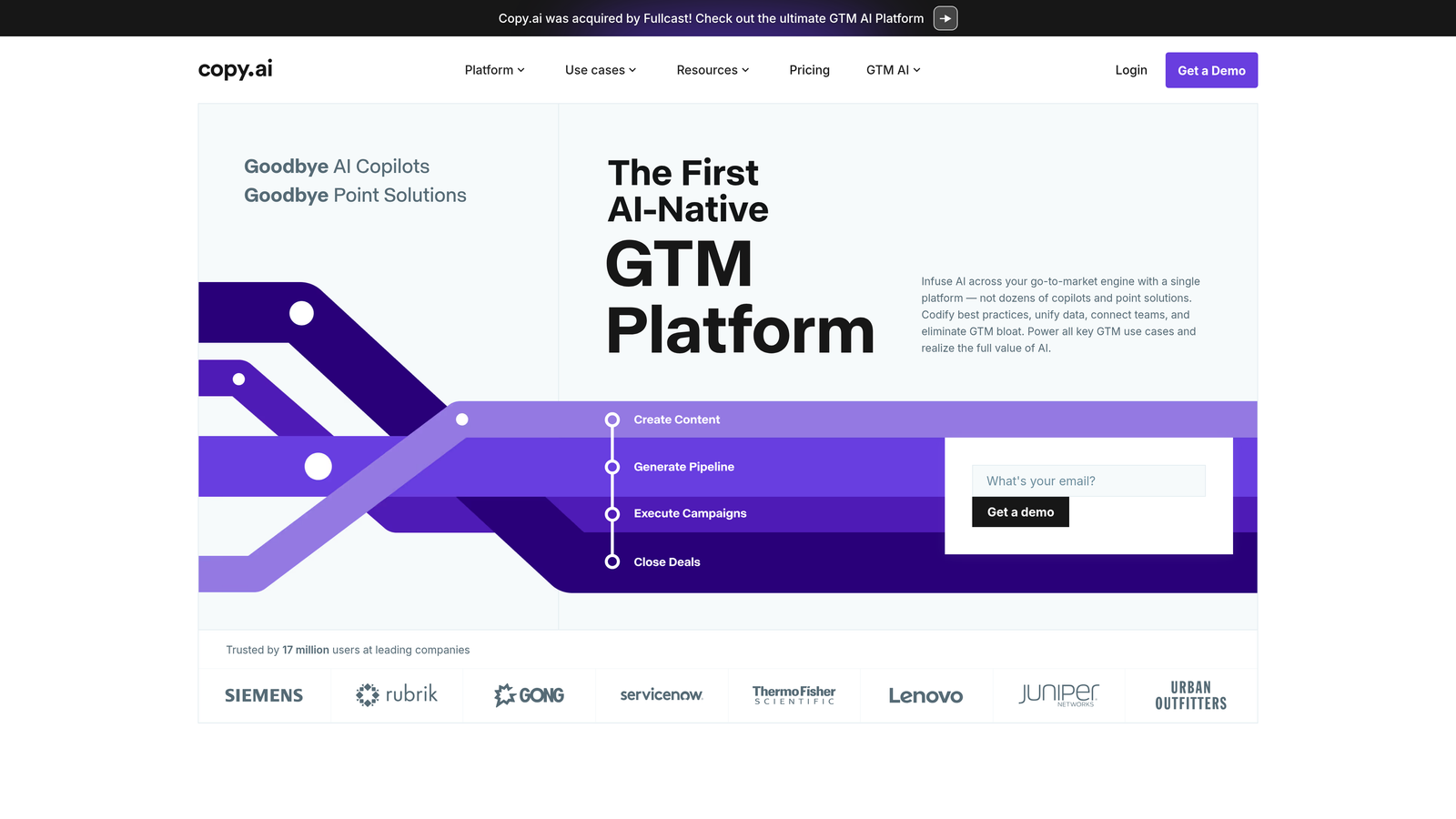
The workflow builder allows you to chain tasks together: input a blog post outline, automatically generate social media posts promoting that content, create email snippets for your newsletter, and produce meta descriptions for the published article—all from a single workflow trigger.
For agencies managing multiple clients, the workspace organization keeps brand voices and campaign assets separated, preventing the nightmare of accidentally using Client A's tone for Client B's campaign.
Implementation Steps
1. Identify your highest-volume repetitive content tasks—social media posts, product descriptions, email variations—and build dedicated workflows for each.
2. Create saved prompts for your most common requests so team members don't reinvent the wheel every time they need standard content formats.
3. Use the bulk generation feature for product descriptions or similar content where you need consistent structure across hundreds of items.
Pro Tips
Copy.ai shines for marketing operations, not strategic content. Use it to clear your backlog of routine tasks, freeing your team to focus on campaigns that actually require human creativity and strategic thinking. The variation generation works best when you provide specific parameters rather than open-ended requests.
4. Surfer AI: Data-Driven SEO Content Optimization
The Challenge It Solves
Creating content that ranks requires more than good writing—it demands understanding exactly what search engines expect for specific queries. Most writers guess at keyword density, content structure, and topic coverage, resulting in articles that read well but don't rank. Surfer AI removes the guesswork by generating content based on real-time analysis of top-ranking pages.
The Strategy Explained
Surfer AI analyzes the top-ranking content for your target keyword, identifying patterns in word count, heading structure, keyword usage, and topic coverage. It then generates content that matches these patterns while maintaining readability—essentially reverse-engineering what search engines reward.
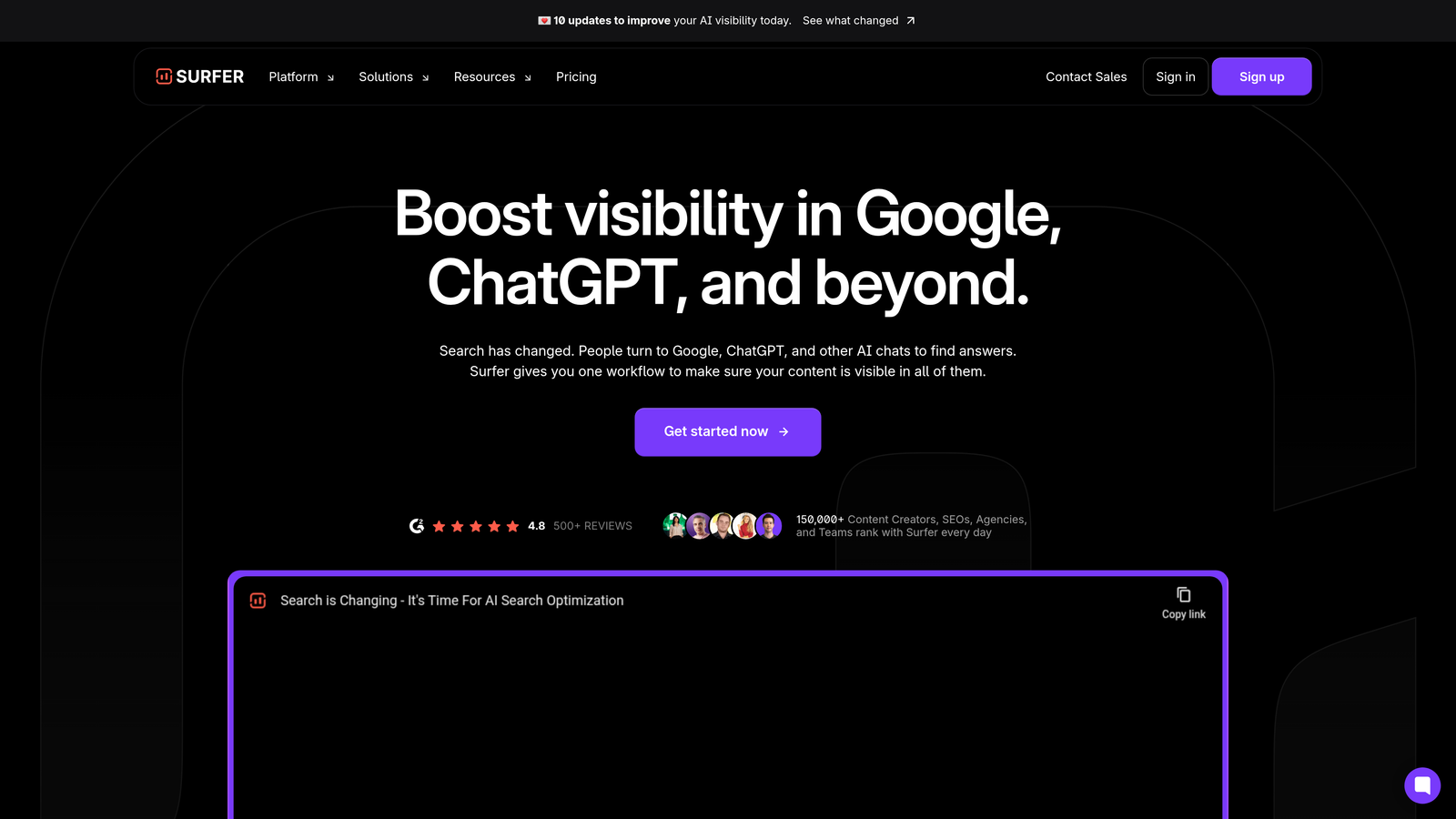
The real-time content score updates as you write, showing exactly how your article compares to ranking competitors. The platform highlights missing keywords, suggests additional topics to cover, and flags sections that need expansion or condensing.
For content teams focused on search visibility, the outline builder creates data-backed content structures before writing begins, ensuring you cover all necessary topics rather than discovering gaps after the article is complete.
Implementation Steps
1. Start with keyword research within Surfer to identify target terms with realistic ranking potential based on your domain authority.
2. Generate the content outline first, reviewing the suggested structure against your strategic goals before committing to full content generation.
3. Use the content score as a guide, not a mandate—aim for the green zone, but prioritize user value over perfect scores when they conflict.
Pro Tips
Surfer AI works best for informational content where search engines have clear ranking patterns. For unique perspectives or emerging topics with limited competition data, the tool has less guidance to offer. Combine it with human editorial judgment—the score indicates SEO potential, but readers ultimately determine content success.
5. Writer: Compliance-First Content Generation for Regulated Industries
The Challenge It Solves
Companies in regulated industries—healthcare, finance, legal services—face content challenges that most AI tools ignore entirely. Every piece of content must comply with industry regulations, avoid prohibited claims, and maintain audit trails for compliance reviews. Standard AI generators can accidentally create content that violates regulations, exposing companies to legal risk.
The Strategy Explained
Writer builds compliance guardrails directly into the content generation process. The platform allows you to define prohibited terms, required disclaimers, claim verification requirements, and approval workflows that ensure content never bypasses necessary reviews.
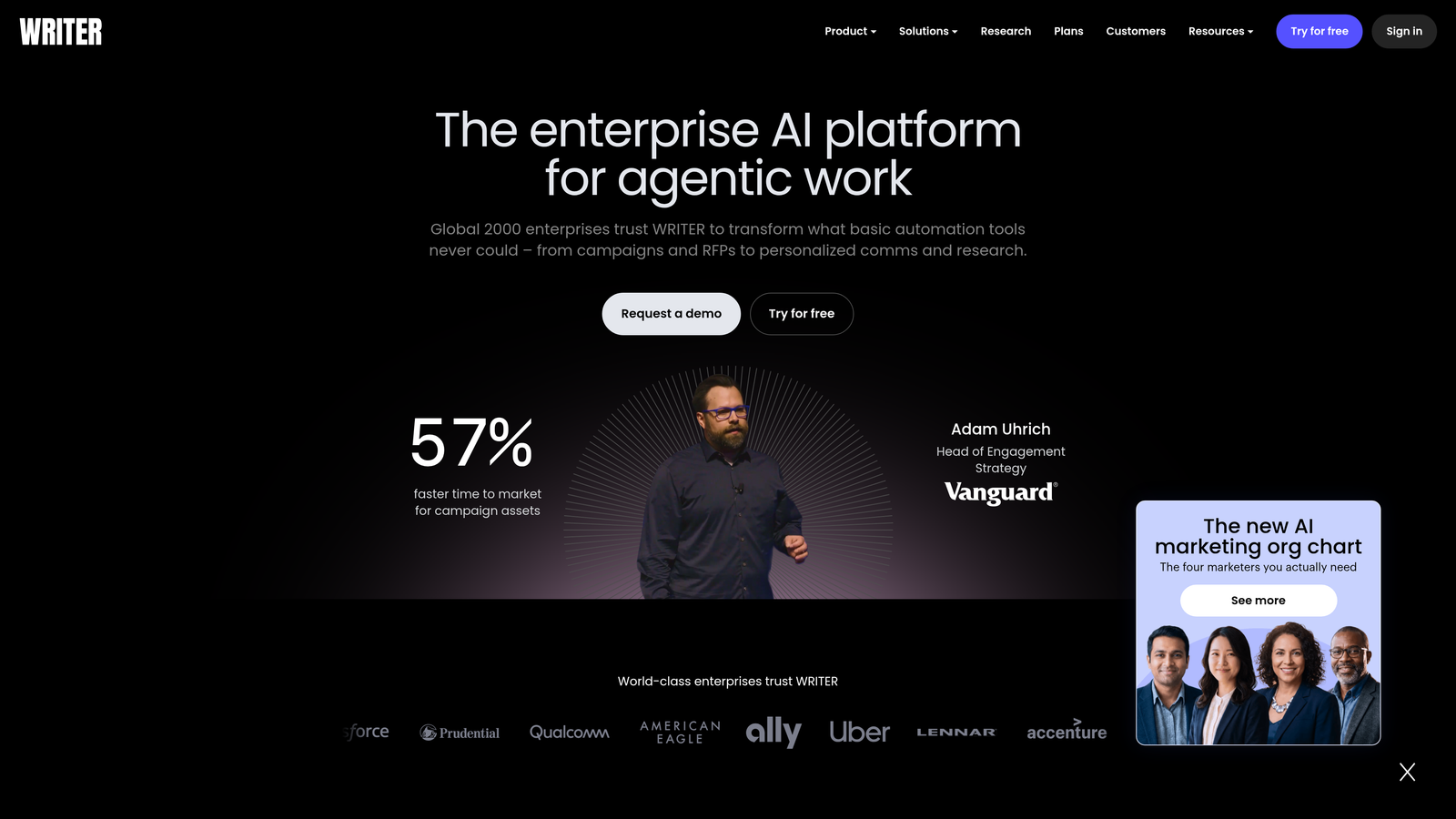
The governance features track every content change, maintaining audit trails that satisfy regulatory requirements. Templates can be locked to specific structures, preventing well-meaning team members from accidentally removing required disclosures or legal language.
For enterprises with legal and compliance teams, Writer provides the controls necessary to use AI content generation without creating regulatory exposure. The platform can be configured to require legal review for specific content types, automatically flagging pieces that need additional scrutiny.
Implementation Steps
1. Work with your legal and compliance teams to document all content requirements—prohibited claims, required disclosures, approval workflows—and configure these as platform rules.
2. Create approved templates for common content types, locking down sections that must remain consistent for compliance reasons while allowing flexibility where appropriate.
3. Establish review workflows that route sensitive content types through appropriate approvers automatically, preventing content from being published before necessary sign-offs.
Pro Tips
Writer's compliance features make it essential for regulated industries, but overkill for companies without these constraints. The platform trades some creative flexibility for governance controls—a worthwhile exchange when regulatory violations carry serious consequences, but unnecessary overhead for standard marketing content.
6. Writesonic: Budget-Friendly Versatility for Small Businesses
The Challenge It Solves
Small businesses and startups need AI content generation capabilities without enterprise budgets. They can't justify spending thousands monthly on specialized tools, but they still need quality content for blogs, social media, product pages, and email campaigns. Writesonic addresses this accessibility gap with broad functionality at pricing that works for smaller teams.
The Strategy Explained
Writesonic takes a generalist approach, offering templates for dozens of content types rather than specializing in one area. Need blog posts? It generates them. Social media captions? Covered. Product descriptions, landing page copy, email campaigns? All included in a single subscription.
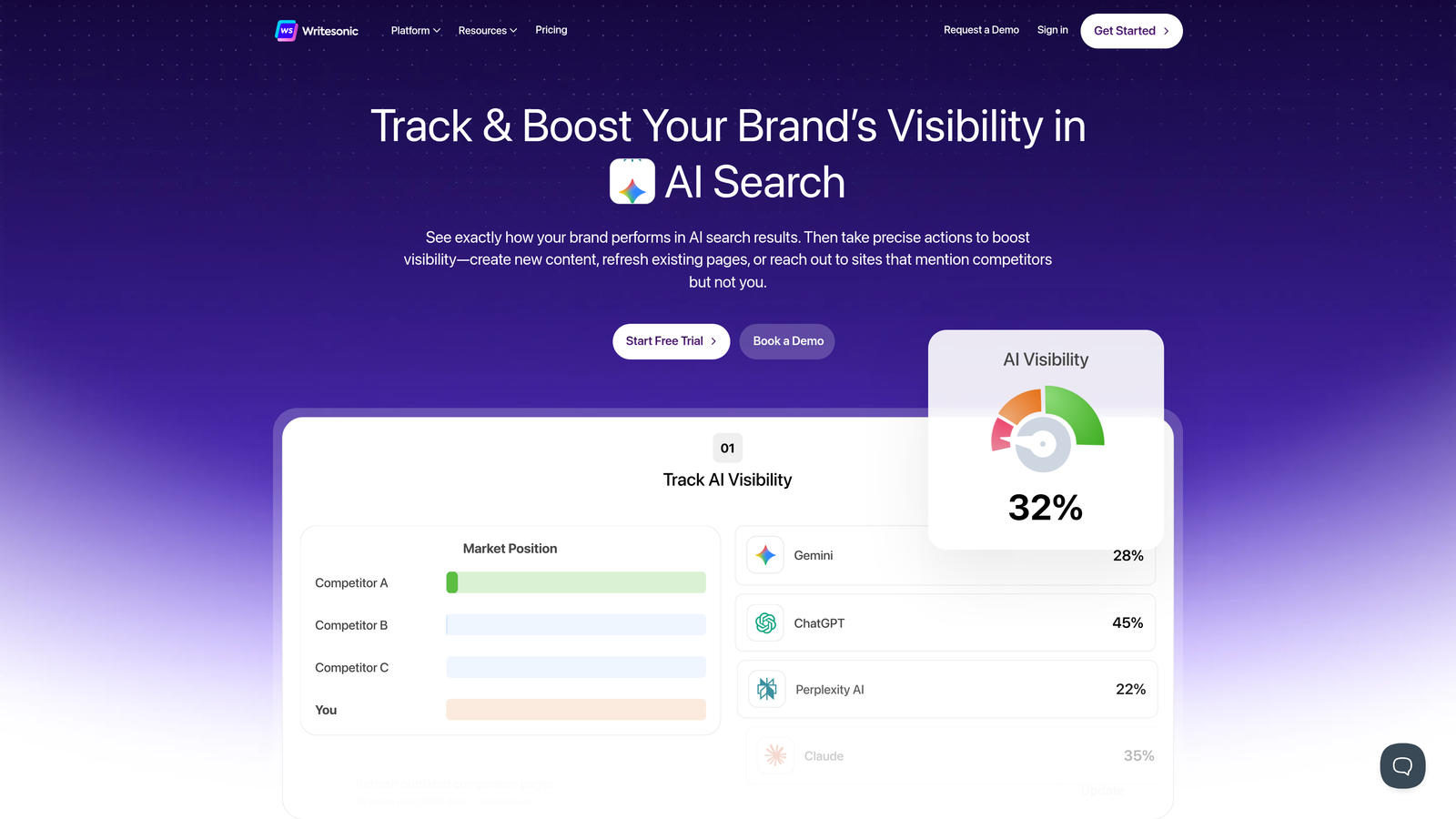
The platform prioritizes ease of use over advanced features. The interface is straightforward, templates are pre-configured for common use cases, and the learning curve is minimal. For teams without dedicated content specialists, this accessibility matters more than sophisticated customization options.
The recent addition of AI article writing with SEO optimization brings long-form content capabilities that compete with more expensive specialized tools, making it a practical choice for businesses scaling their content production on limited budgets.
Implementation Steps
1. Start with the pre-built templates for your most urgent content needs—blog posts, product descriptions, or social media content—to get immediate value without configuration overhead.
2. Experiment with the various content formats to identify which outputs meet your quality standards without heavy editing, focusing your usage on those high-value applications.
3. Use the bulk generation features for product descriptions or similar repetitive content where you need volume more than uniqueness.
Pro Tips
Writesonic works best as a first-draft generator rather than a final-content producer. The output quality varies significantly across content types—blog posts typically need substantial editing, while shorter formats like social media captions often work with minimal changes. The budget-friendly pricing makes sense when you factor in editing time rather than expecting publish-ready content.
7. Frase: Research-Integrated Platform for Comprehensive Content Briefs
The Challenge It Solves
Content creation often starts with hours of research—analyzing competitor content, identifying topic gaps, gathering statistics, and building comprehensive briefs before writing begins. This research phase creates a bottleneck that delays content production and consumes valuable time. Frase compresses this research phase by automatically analyzing top-ranking content and generating detailed briefs that writers can immediately act on.
The Strategy Explained
Frase positions itself as a research assistant that happens to generate content, rather than a content generator that offers some research features. Enter a target keyword, and the platform analyzes the top-ranking pages, extracting key topics, questions, statistics, and content structures.
The brief builder organizes this research into actionable outlines, showing exactly which topics competitors cover, which questions they answer, and where gaps exist. Writers receive a strategic roadmap rather than a blank page, dramatically reducing the time from assignment to first draft.
The content optimization features provide real-time feedback as you write, showing how your coverage compares to ranking competitors. The question research identifies what users actually ask about your topic, ensuring your content addresses real search intent rather than assumed user needs.
Implementation Steps
1. Use Frase for content brief creation first, establishing your research and outline process before attempting full content generation—the research capabilities are stronger than the writing output.
2. Build your content calendar around the question research feature, identifying topics where user questions reveal clear content opportunities your competitors haven't addressed.
3. Create templates for your most common content types, incorporating the research insights into standardized structures that writers can follow consistently.
Pro Tips
Frase excels at the research and planning phase but produces content that typically needs significant revision. Use it to eliminate research time and create comprehensive briefs, then have human writers execute the actual content creation. The question research feature is particularly valuable for identifying content angles that competitors miss entirely.
Putting It All Together: Matching Tools to Your Strategic Priorities
The best AI content generator for your marketing team depends entirely on your specific priorities and constraints. If traditional SEO is your primary focus and you need data-driven optimization, Surfer AI provides the real-time scoring and competitor analysis you need. If brand consistency across enterprise teams matters most, Jasper delivers the governance and collaboration features that prevent voice fragmentation.
For agencies managing multiple clients with repetitive content needs, Copy.ai's workflow automation clears the backlog of routine tasks. Regulated industries require Writer's compliance-first approach. Budget-conscious small businesses find versatility in Writesonic. And teams that struggle with research bottlenecks benefit from Frase's brief-building capabilities.
But here's what most of these tools don't address: how AI models like ChatGPT, Claude, and Perplexity actually recommend brands to users. Traditional SEO tools optimize for search engine crawlers, but they're blind to whether your brand gets mentioned when someone asks an AI chatbot for recommendations.
This is where thinking ahead matters. If you're building a content strategy for 2026 and beyond, you need visibility into both traditional search rankings and AI model mentions. Platforms built specifically for GEO—like Sight AI—offer capabilities that general-purpose tools simply don't address: tracking how AI models talk about your brand, identifying content opportunities based on where competitors get mentioned but you don't, and generating content optimized for both search engines and AI recommendation systems.
Start by identifying your primary content challenge. Are you struggling with volume? Consistency? SEO performance? Compliance? Research efficiency? Or are you thinking ahead to how AI-driven search will impact your organic traffic in the coming years? Select the tool that solves that specific problem rather than chasing feature lists that look impressive but don't address your actual bottleneck.
Stop guessing how AI models like ChatGPT and Claude talk about your brand—get visibility into every mention, track content opportunities, and automate your path to organic traffic growth. Start tracking your AI visibility today and see exactly where your brand appears across top AI platforms.