When search engines crawl your site slowly, or skip pages entirely, your content stays invisible. Delayed indexing means delayed rankings, and delayed rankings mean delayed traffic. It's a frustrating cycle, especially when you're publishing quality content that deserves to be found.
The root causes of slow crawling typically fall into two categories: technical gaps (missing sitemaps, no IndexNow submissions, crawl budget waste) and content signals (infrequent publishing that tells search engines your site isn't worth checking often). The good news is that both are solvable, and the tools below address one or both sides of the problem.
Here are the top slow website crawling solutions for 2026, chosen for their ability to accelerate indexing, surface content gaps, and keep your site active in the eyes of search engines.
1. Sight AI
Best for: Teams that want a single platform to fix both technical indexing gaps and content freshness.
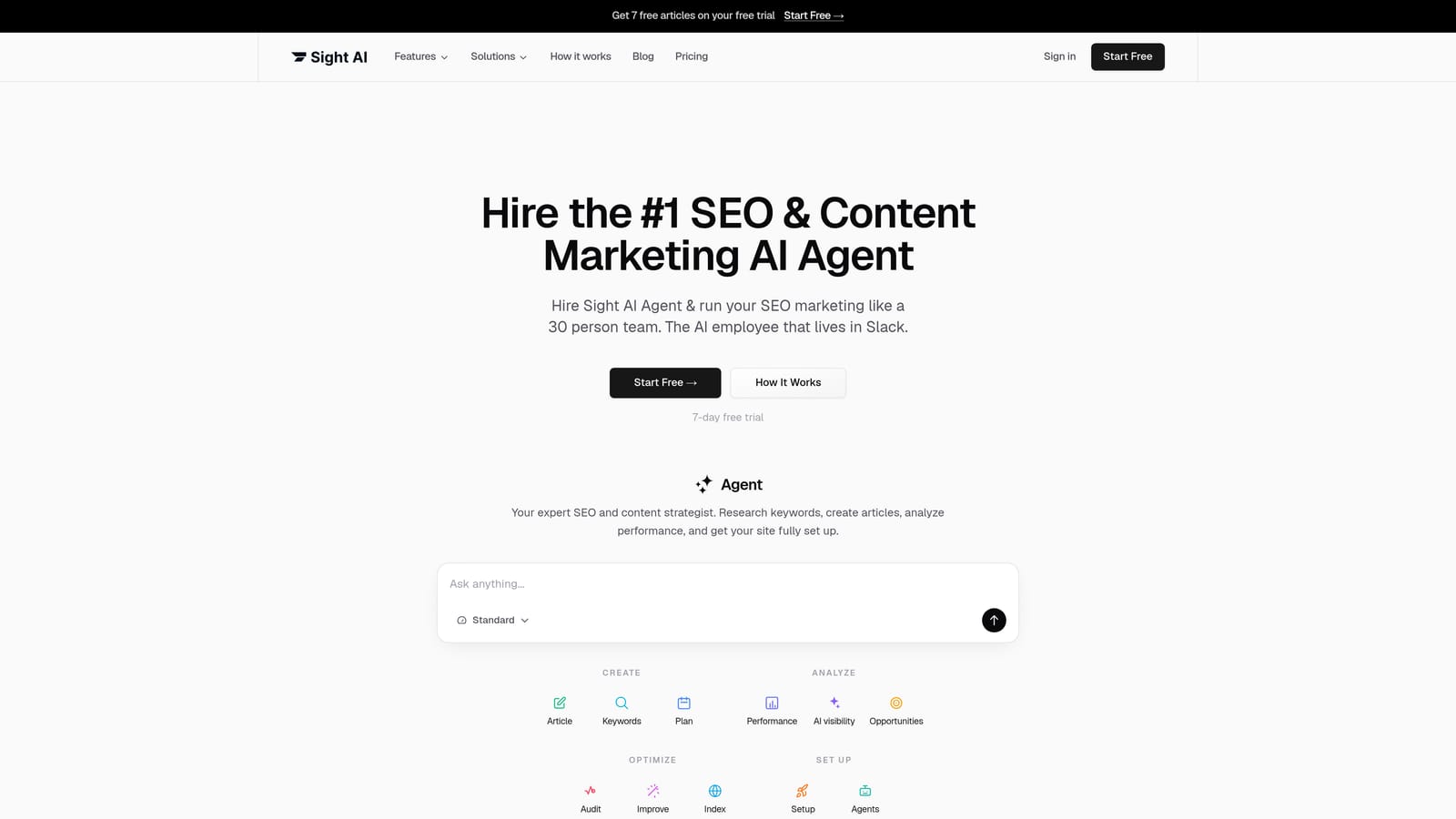
Sight AI is an all-in-one AI-powered SEO and content platform built to tackle slow crawling from both the technical and content sides simultaneously.
Where This Tool Shines
Most tools address either the technical side of crawling or the content side. Sight AI handles both in one place. Its IndexNow integration pushes URLs to search engines the moment content is published, eliminating the lag that typically exists between publishing and discovery. Combined with automated sitemap generation that updates in real time, your site is constantly signaling freshness to crawlers.
On the content side, 13+ specialized AI agents generate SEO and GEO-optimized articles at scale, from listicles to guides to explainers. The CMS auto-publishing feature keeps your content pipeline moving without manual intervention, which is exactly the kind of consistent activity that increases crawl frequency over time.
Key Features
IndexNow Integration: Instantly submits new URLs to search engines upon publication, removing the discovery delay entirely.
Automated Sitemap Updates: Sitemaps are generated and updated in real time as new content is added, so crawlers always have an accurate map of your site.
CMS Auto-Publishing: Keeps your content pipeline active on autopilot, maintaining the consistent publishing cadence that search engines reward with higher crawl frequency.
13+ Specialized AI Agents: Generate SEO and GEO-optimized articles across multiple formats, scaling content output without scaling headcount.
AI Visibility Tracking: Monitors how your brand appears across ChatGPT, Claude, Perplexity, and 6+ AI platforms, giving you a complete picture of where your content is and isn't surfacing.
Best For
Founders who need new pages indexed faster, marketers scaling content output, and agencies managing multiple client sites will all find Sight AI's combination of technical indexing tools and AI content generation particularly valuable. It's especially well-suited for teams that want one platform rather than a patchwork of separate tools.
Pricing
Current pricing details are available at trysight.ai. Verify the latest tiers directly on the site before making a decision.
2. Writesonic
Best for: SEO teams that need to publish high volumes of optimized content consistently.
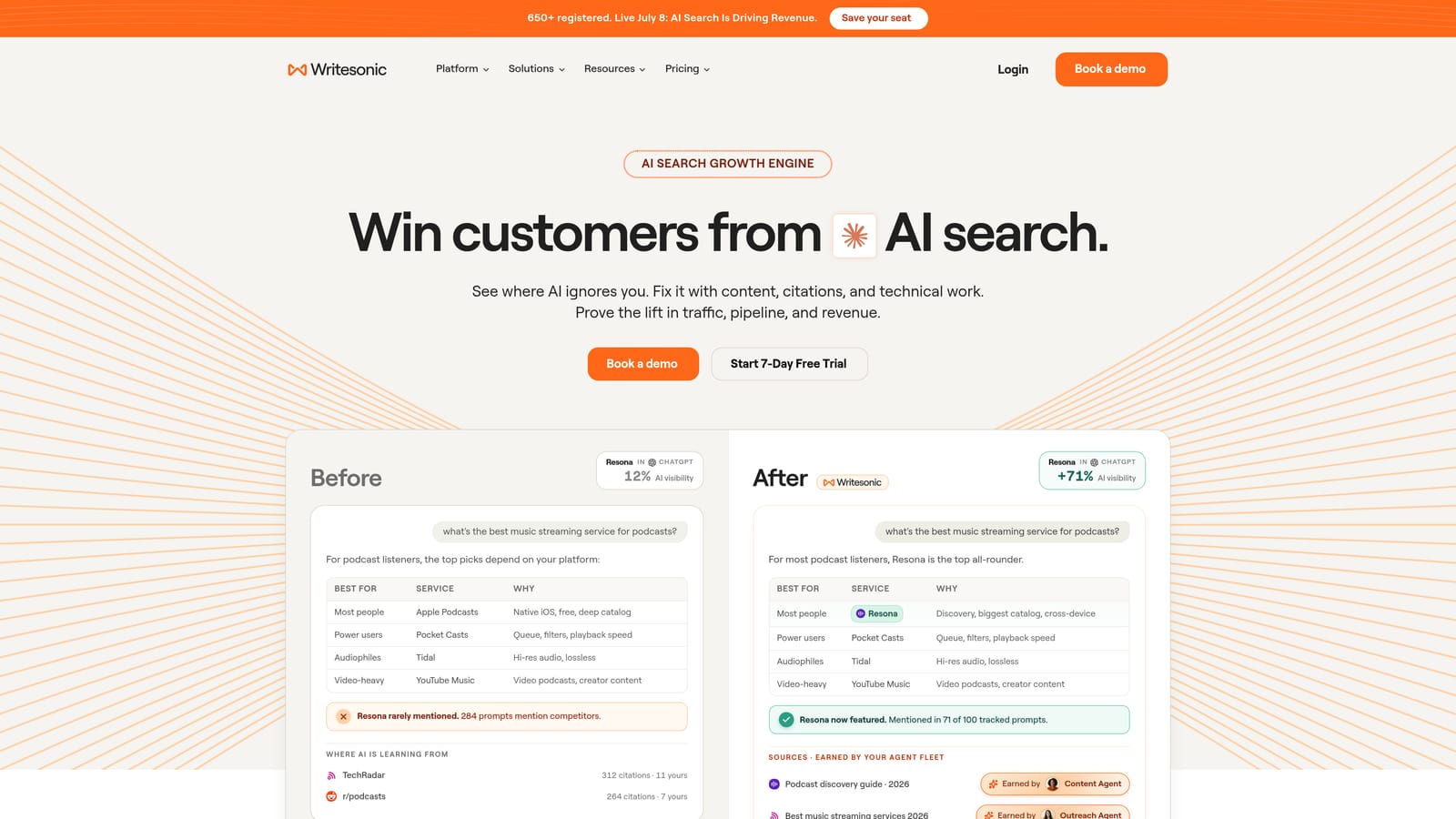
Writesonic is an AI content generation platform designed for teams that need to maintain a steady, high-quality publishing cadence as a core part of their SEO strategy.
Where This Tool Shines
Search engines crawl active sites more frequently than dormant ones. Writesonic's value in the context of slow crawling comes from its ability to help teams produce more content, more consistently, without sacrificing SEO quality. Its long-form content workflows are structured around the kind of keyword-targeted, well-organized articles that search engines tend to prioritize.
For teams that have the technical indexing side handled but are struggling to maintain publishing frequency, Writesonic fills that gap efficiently. The platform's built-in SEO optimization features mean you're not just publishing more, you're publishing content that's structured to be discovered.
Key Features
AI Blog Post and Article Generation: Produces long-form, SEO-optimized content at scale, helping teams maintain consistent publishing schedules.
Built-in Keyword and Topic Research: Integrates research directly into the writing workflow, so content is targeted from the start rather than optimized as an afterthought.
Long-Form Content Workflows: Structured processes for producing complete articles rather than just snippets, supporting the kind of comprehensive content that tends to earn crawl priority.
Content Templates: Covers landing pages, product descriptions, and more, helping teams diversify their content output beyond just blog posts.
Best For
Marketing teams and content agencies that need to scale article output without proportionally scaling their writing team. Particularly useful for teams already managing technical SEO separately and looking specifically for a content volume solution.
Pricing
Visit writesonic.com to verify current pricing tiers and plan details before subscribing.
3. AirOps
Best for: Agencies and enterprise teams building repeatable, automated content production pipelines.
AirOps is a workflow automation platform that connects AI content generation to publishing systems, helping teams build scalable content operations that keep sites consistently active.
Where This Tool Shines
The connection between content pipeline automation and crawl frequency is direct: sites that publish regularly are crawled more often. AirOps makes it easier to build and maintain those pipelines by automating the repetitive parts of content production and connecting them to the CMS and publishing tools your team already uses.
Where Writesonic focuses on the writing itself, AirOps focuses on the workflow around writing. It's the infrastructure layer that ensures content moves from brief to published without manual bottlenecks slowing things down. For agencies managing multiple clients or enterprise teams with complex approval workflows, that operational layer is often the missing piece.
Key Features
AI Workflow Automation: Builds structured, repeatable content production processes that reduce manual effort and keep publishing cadences consistent.
CMS and Publishing Integrations: Connects directly to the tools your team uses to publish, reducing friction between content creation and going live.
Scalable Pipeline Templates: Pre-built workflow templates designed for agencies and enterprise teams managing high content volumes across multiple properties.
Data-Driven Content Workflows: Uses custom inputs and prompts to generate content informed by real data, supporting more targeted and relevant page creation.
Best For
Agencies managing content operations for multiple clients and enterprise teams that need to systematize content production at scale. Particularly useful when the bottleneck is operational rather than creative.
Pricing
Check current pricing and plan options at airops.com before committing to a plan.
4. Profound
Best for: Brands that want to understand and improve how their content appears in AI-generated search results.
Profound is an AI visibility analytics platform that tracks how brands and their content surface across AI-generated search environments, helping teams identify the content gaps most worth filling.
Where This Tool Shines
Here's the indirect but important connection to crawling: content that doesn't exist can't be indexed. Profound helps you identify where your brand is absent from AI-generated search results, which points directly to pages you haven't created yet. Creating and publishing those pages gives search engines new content to crawl and index, expanding your footprint in both AI and traditional search.
For teams thinking about crawling strategy beyond just technical fixes, Profound offers a way to prioritize content creation based on actual visibility data rather than guesswork. That kind of targeted approach tends to produce better results than simply publishing more content without direction.
Key Features
AI Search Visibility Scoring: Quantifies how well your brand is represented in AI-generated search results, giving you a baseline to improve from.
Content Gap Identification: Surfaces topics and queries where your brand is absent, directly informing what new pages to create and prioritize for indexing.
Brand and Content Monitoring: Tracks how your content appears across AI search environments over time, so you can see whether your efforts are moving the needle.
Competitive Content Benchmarking: Shows how your AI search visibility compares to competitors, helping you identify where they're winning and where you have room to close the gap.
Best For
Marketing teams and SEO strategists who want data-driven guidance on which content to create next, particularly those operating in competitive categories where AI search visibility is increasingly important.
Pricing
Visit profound.com to verify current pricing before making a purchasing decision.
5. Peec
Best for: Teams that need to understand which of their pages are being surfaced (and ignored) in AI-powered search.
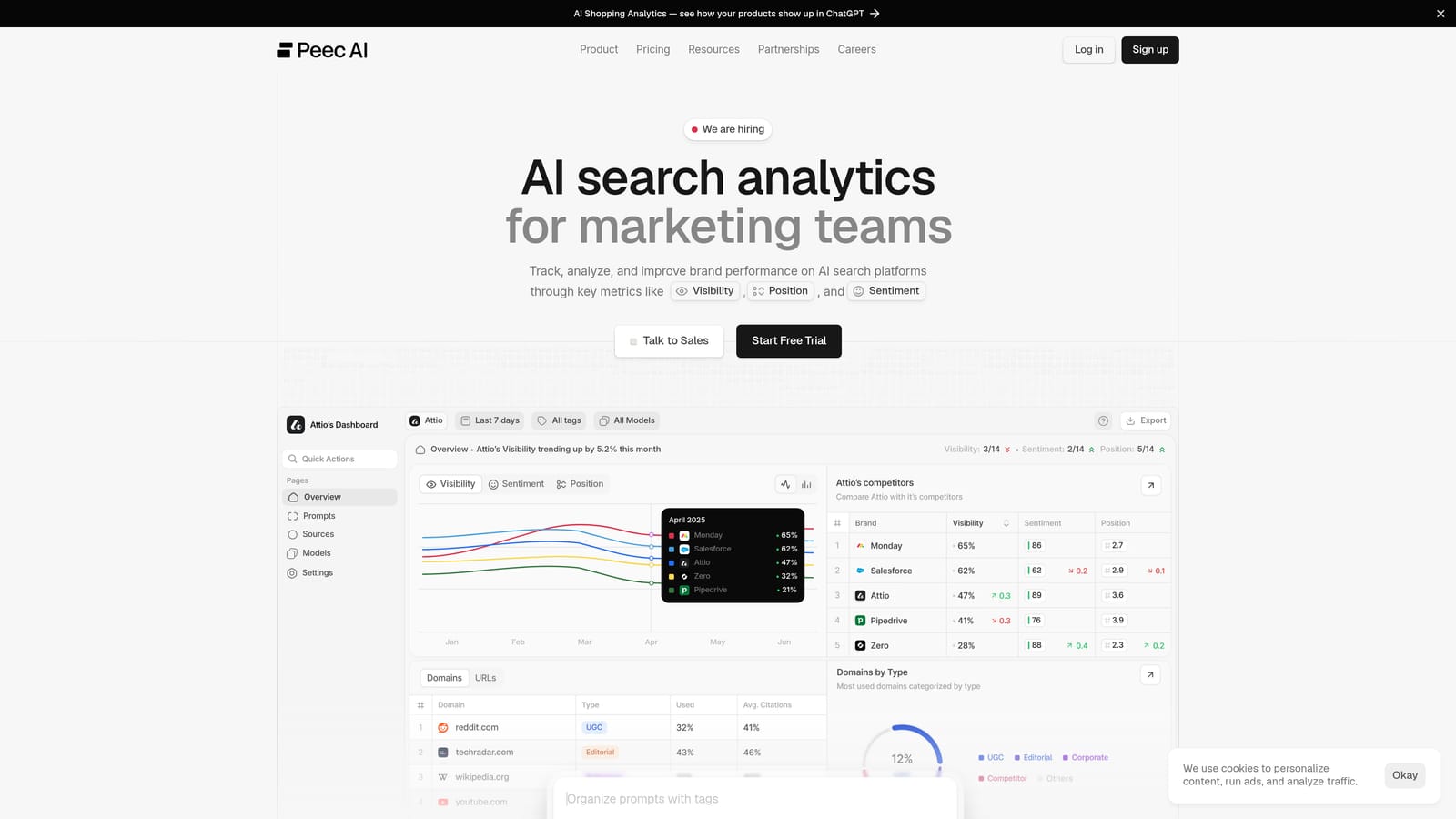
Peec is an AI-search-native monitoring tool that tracks where brand content is appearing across AI-powered search platforms and, just as importantly, where it's missing.
Where This Tool Shines
Peec's value for crawling strategy comes from its ability to show you which of your existing pages are being picked up by AI search and which are being consistently overlooked. That's actionable intelligence: pages being ignored are candidates for a content refresh and re-submission, while gaps in your coverage point to new pages worth creating and indexing.
Think of Peec as a diagnostic layer on top of your existing content. Rather than telling you to publish more (which other tools handle), it helps you make smarter decisions about which specific pages deserve attention, whether that means updating them, improving their internal linking, or re-submitting them for indexing.
Key Features
Brand Mention Tracking: Monitors where and how your brand appears across AI search platforms, giving you a real-time view of your AI search footprint.
Underperforming Page Identification: Surfaces pages that are being ignored or underperforming in AI search, prioritizing where to focus refresh and re-indexing efforts.
Content Performance Visibility: Shows how individual pieces of content are performing in AI-generated results, moving beyond aggregate metrics to page-level insights.
Actionable Refresh Insights: Translates monitoring data into specific content refresh and re-submission priorities, so insights lead directly to action.
Best For
SEO teams and content strategists who want to move from reactive to proactive crawling strategy, using real AI search data to decide which pages to refresh, update, or re-submit rather than guessing.
Pricing
Verify current pricing and plan details at peec.ai before signing up.
6. Promptwatch
Best for: Brands that want to understand how AI language models respond to queries about their industry and identify content gaps at the prompt level.
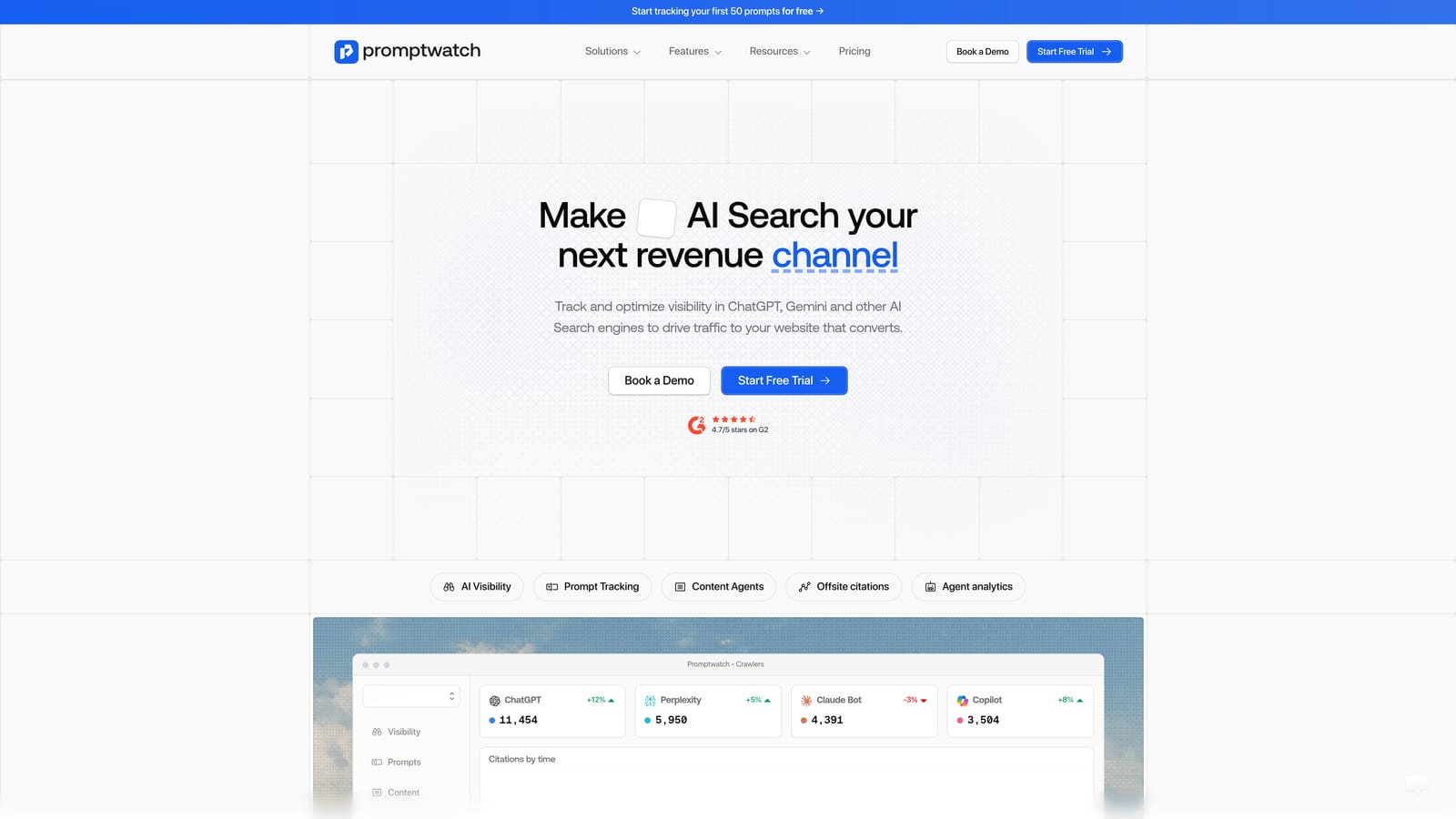
Promptwatch is a prompt-level AI monitoring tool that tracks how language models respond to queries about your brand and industry, revealing content opportunities that can strengthen both AI and traditional search presence.
Where This Tool Shines
Promptwatch takes a different angle on the crawling problem. Instead of looking at what's on your site, it looks at what AI models are saying when users ask about your brand or category. When an AI model answers a question about your industry without mentioning you, or worse, answers it incorrectly, that's a signal that a content gap exists. Creating and indexing content that addresses those specific queries can improve both AI model responses and traditional search rankings.
It's a forward-looking approach to content strategy. Rather than reacting to what's already indexed, Promptwatch helps you get ahead of the queries that matter, creating the right pages before your competitors do.
Key Features
Prompt Tracking Across AI Models: Monitors how major AI language models respond to queries relevant to your brand and industry, giving you a window into AI-era search behavior.
Brand Mention Monitoring: Tracks whether and how your brand appears in AI-generated outputs, alerting you to gaps or misrepresentations.
Content Gap Discovery: Identifies topics and queries where AI models don't reference your brand, directly informing what new content to create and prioritize for indexing.
Brand Misrepresentation Alerts: Notifies you when AI models respond to queries about your brand inaccurately, so you can create corrective content and push it to be indexed.
Best For
Brands operating in categories where AI-generated answers are increasingly influencing purchase decisions, and SEO strategists who want to build content strategy around actual AI model behavior rather than traditional keyword data alone.
Pricing
Visit promptwatch.io to check current pricing and plan availability.
Which Tool Is Right for Your Crawling Problem?
Slow website crawling has two root causes, and the best solution addresses both. Technical gaps, like missing IndexNow submissions, outdated sitemaps, and inactive publishing pipelines, prevent search engines from discovering your pages quickly. Content freshness gaps, meaning infrequent publishing and unaddressed content opportunities, signal to crawlers that your site isn't worth checking often.
The six tools above cover the full spectrum. Sight AI is the only platform on this list that addresses both sides simultaneously: IndexNow integration and automated sitemaps on the technical side, plus AI-powered content generation and CMS auto-publishing on the content side. For teams that want a single platform rather than stitching together multiple tools, it's the most complete solution.
If you're specifically looking to scale content output and improve publishing cadence, Writesonic and AirOps are strong choices. Writesonic focuses on the writing itself, while AirOps handles the workflow infrastructure that gets content from draft to published reliably and at scale.
For teams whose primary challenge is understanding where their content is missing from AI-generated search results, Profound, Peec, and Promptwatch each offer a distinct angle. Profound gives you broad AI visibility scoring and competitive benchmarking. Peec surfaces which specific pages are being ignored in AI search. Promptwatch reveals content gaps at the prompt level, showing you exactly what AI models say when users ask about your brand.
The smartest approach combines technical indexing tools with a clear content strategy informed by real AI visibility data. That combination is what turns slow crawling from a persistent problem into a solved one.
Start tracking your AI visibility today and see exactly where your brand appears across top AI platforms, then use those insights to build a content and indexing strategy that keeps your pages moving from published to ranked as fast as possible.