Manually researching, writing, and publishing SEO guides is slow. In 2026, slow means invisible. AI-powered search engines like ChatGPT, Perplexity, and Claude are now surfacing brands directly in answers, which means your content strategy needs to account for both traditional search rankings and AI visibility simultaneously.
The tools in this list help marketers, founders, and agencies automate the heaviest parts of SEO guide creation: tracking how AI models talk about your brand, generating optimized content at scale, and ensuring every piece gets indexed fast. Whether you're building a content operation from scratch or scaling an existing one, these tools cover the full automation stack.
Selection criteria for this list: AI and GEO optimization capability, automation depth, indexing support, and relevance to organic growth workflows.
1. Sight AI
Best for: Teams that need AI visibility tracking, content generation, and indexing in one platform
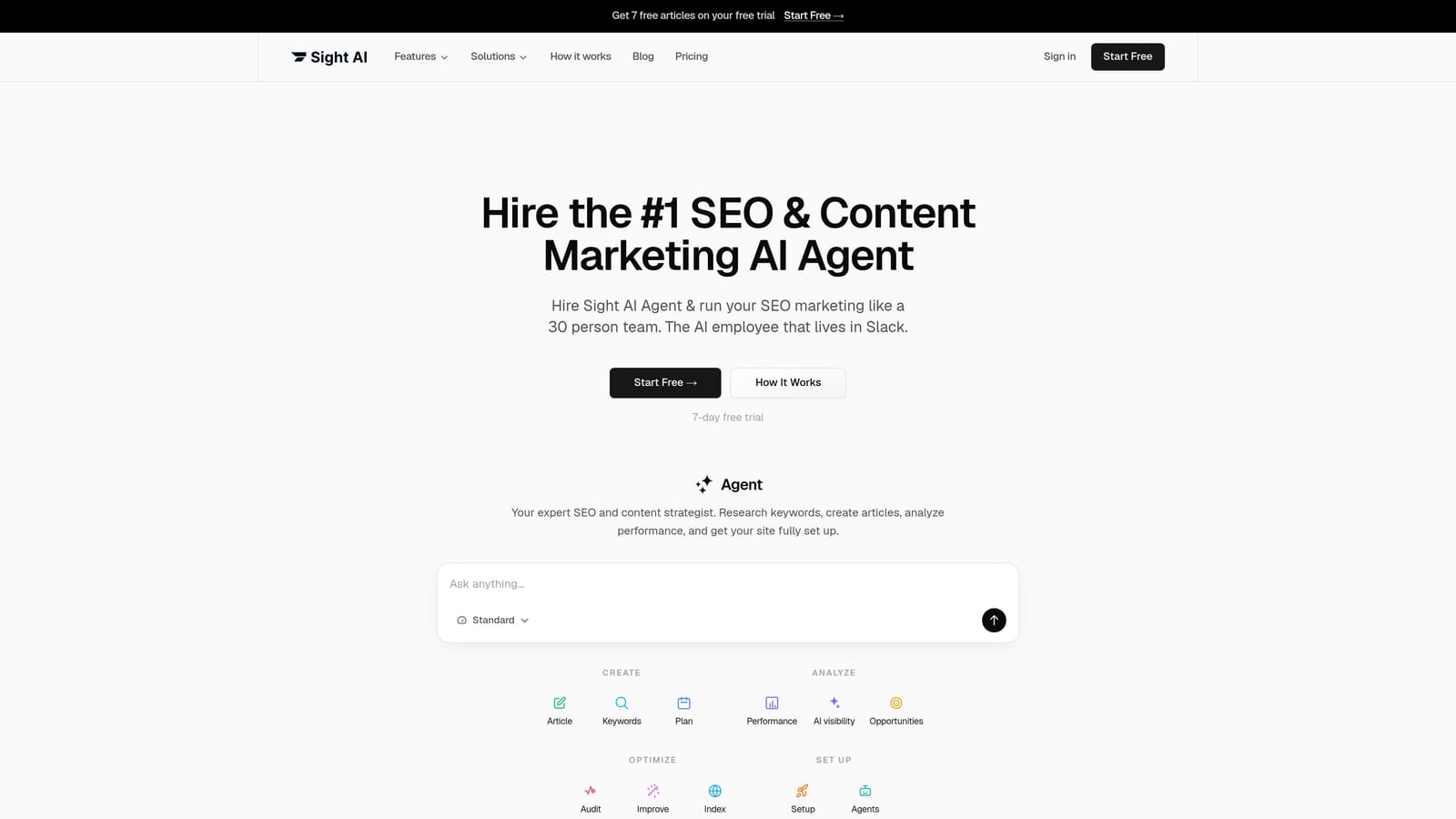
Sight AI is an all-in-one SEO and AI visibility automation platform that combines brand monitoring across AI models, AI-powered content generation, and automated website indexing in a single workflow.
Where This Tool Shines
Most tools in this space do one thing well. Sight AI is built around the idea that visibility tracking, content creation, and indexing are three parts of the same workflow, not three separate problems. That integration matters when you're trying to move fast.
The AI Visibility Score is particularly useful for teams entering the GEO space. Instead of manually querying AI models to see how your brand appears, Sight AI monitors this automatically across six platforms and surfaces sentiment alongside mention frequency. That combination gives you actionable signal, not just raw data.
Key Features
AI Visibility Score: Tracks brand mentions and sentiment across ChatGPT, Claude, Perplexity, and three or more additional AI platforms in a unified dashboard.
13+ Specialized AI Agents: Purpose-built agents for generating SEO and GEO-optimized guides, listicles, and explainers, each tuned for a specific content format.
Autopilot Mode: Hands-free content generation and publishing that runs on a defined schedule without requiring manual intervention.
IndexNow Integration: Automated sitemap updates and IndexNow submission to accelerate content discovery and indexing speed.
CMS Auto-Publishing: Direct publishing to your CMS from within the platform, removing the copy-paste step from the content-to-live workflow.
Best For
Marketers, founders, and agencies who want a single platform to handle AI brand monitoring, content production, and indexing. Particularly well-suited for teams scaling a content operation who cannot afford to stitch together five separate tools to cover the same ground.
Pricing
See trysight.ai for current plans and pricing tiers.
2. Writesonic
Best for: High-volume SEO content production with built-in factual grounding
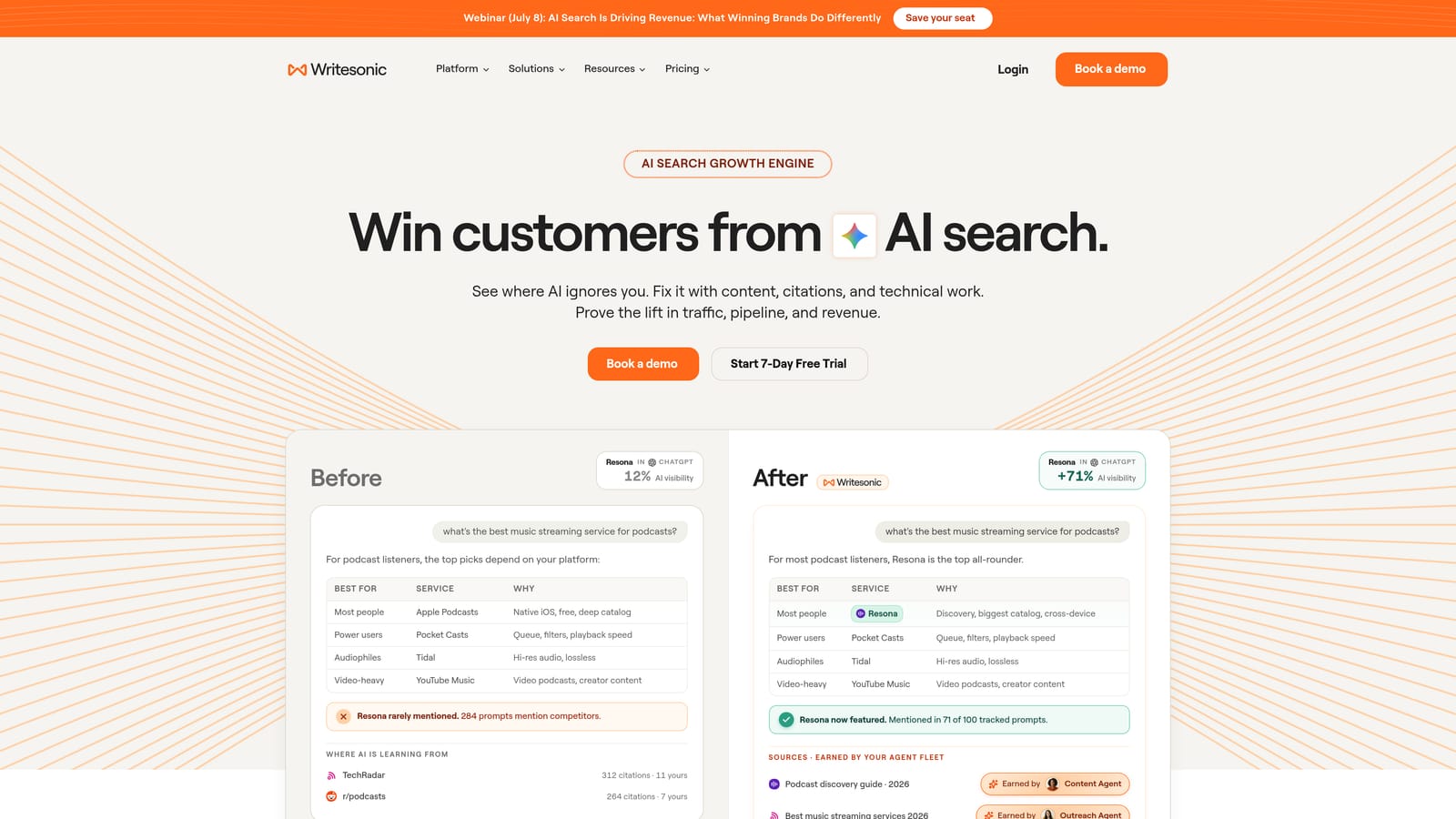
Writesonic is an AI writing platform built for SEO content production at scale, with tools for long-form article generation, keyword integration, and factual accuracy.
Where This Tool Shines
Writesonic has been in the AI writing space long enough to develop features that address real production problems, not just demo-friendly ones. The factual grounding capability is a meaningful differentiator for teams producing guides at volume, where hallucination risk is a genuine editorial concern.
For content operations that need to output a large number of SEO articles per month, the bulk generation features reduce the per-article time investment significantly. It won't replace editorial judgment, but it handles the structural and drafting work reliably.
Key Features
Long-Form Article Writer: Generates full-length SEO articles with keyword integration and structured formatting built into the output.
Factual Grounding: Reduces AI hallucination by anchoring generated content to verifiable sources, useful for authoritative guide content.
Bulk Content Generation: Supports high-volume content production for teams running large-scale SEO operations.
CMS Integrations: Connects with popular content management platforms to streamline the publishing step.
Free Plan: Available with usage limits, making it accessible for teams evaluating AI writing tools before committing.
Best For
Content teams and agencies running high-volume SEO operations who need reliable long-form article output. Also a good entry point for smaller teams thanks to the free plan, though the bulk generation features are where it earns its keep at scale.
Pricing
Free plan available with usage limits; paid plans start at published rates on writesonic.com.
3. AirOps
Best for: Content and SEO teams building repeatable, no-code AI workflow pipelines
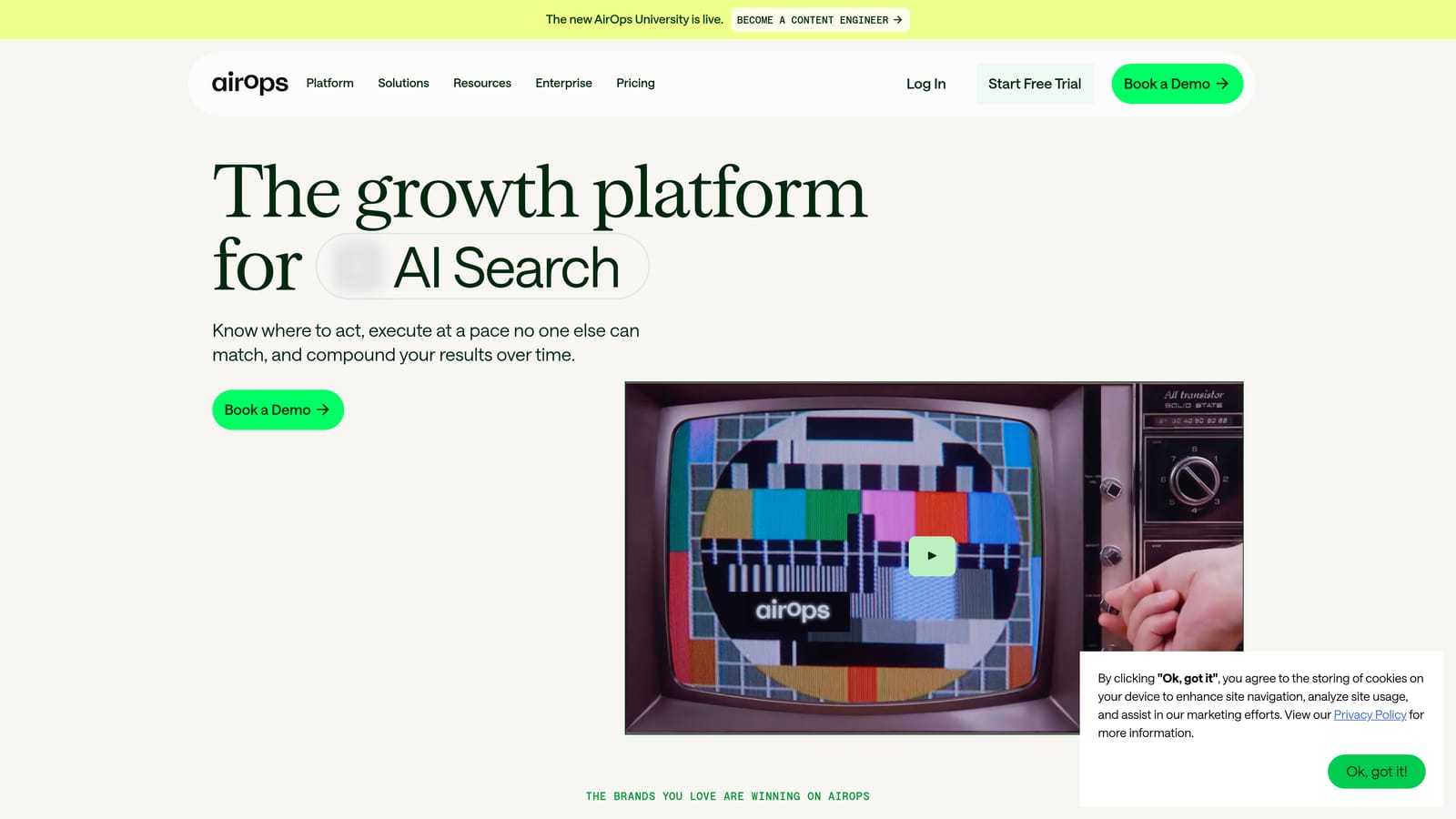
AirOps is a no-code AI workflow builder designed for content and SEO teams, enabling repeatable automation pipelines for guide creation, brief generation, and metadata production.
Where This Tool Shines
AirOps sits in a different category from pure content generators. Its value is in workflow architecture: the ability to connect multiple AI models and data sources into a single, repeatable pipeline. For SEO teams that do the same tasks repeatedly, like generating briefs from keyword lists or refreshing metadata at scale, this kind of automation compounds over time.
The visual, no-code interface means content strategists and SEO managers can build these pipelines without engineering support. That's a practical advantage for lean teams who can't wait on a developer backlog to automate their processes.
Key Features
Visual No-Code Builder: Drag-and-drop workflow construction that lets non-technical users build complex AI automation pipelines.
Multi-Model Connectivity: Connects multiple AI models within a single workflow, allowing teams to route tasks to the best model for each step.
SEO Task Templates: Pre-built templates for briefs, outlines, metadata generation, and content refreshes to accelerate setup.
Team Collaboration: Shared workflow management features designed for content operations teams working across multiple projects.
Enterprise Access Controls: Role-based permissions and workflow governance for larger organizations with compliance requirements.
Best For
SEO and content operations teams at mid-market and enterprise companies that need to automate repetitive production tasks without writing code. Best suited for teams with established SEO processes they want to systematize rather than teams still defining their workflow.
Pricing
Enterprise-oriented; contact AirOps directly for current pricing details.
4. Profound
Best for: Enterprise marketers tracking brand share-of-voice in AI-generated answers
Profound is an AI visibility platform that tracks brand share-of-voice in AI-generated answers, helping enterprise marketers understand and improve how AI models represent their brand relative to competitors.
Where This Tool Shines
Profound approaches AI visibility from an enterprise brand intelligence angle. The competitive intelligence layer is where it adds the most value: not just tracking whether your brand appears in AI responses, but understanding how your share-of-voice compares to rivals across the same queries. That framing resonates with brand and demand gen teams who already think in terms of competitive positioning.
The reporting dashboards are built with stakeholder communication in mind, which matters for enterprise teams that need to present AI visibility data to leadership without exporting raw data into separate tools.
Key Features
Brand Share-of-Voice Tracking: Measures how frequently your brand appears in AI-generated answers relative to competitors across major AI platforms.
Competitive Intelligence: Surfaces how rival brands appear in AI-generated responses to the same queries, enabling direct benchmarking.
Trend Monitoring: Identifies shifts in how AI models represent your brand over time, flagging changes that warrant a content response.
Stakeholder Reporting Dashboards: Presentation-ready dashboards designed for sharing AI visibility data across marketing and leadership teams.
Enterprise Focus: Built specifically for the scale and governance requirements of enterprise marketing organizations.
Best For
Enterprise and mid-market marketing teams investing in AI brand presence strategy. Particularly useful for brand managers and CMOs who need to report on AI visibility performance alongside traditional SEO metrics.
Pricing
Contact Profound directly for pricing details; enterprise-oriented.
5. Peec
Best for: Brands optimizing their presence in AI model outputs at the prompt level
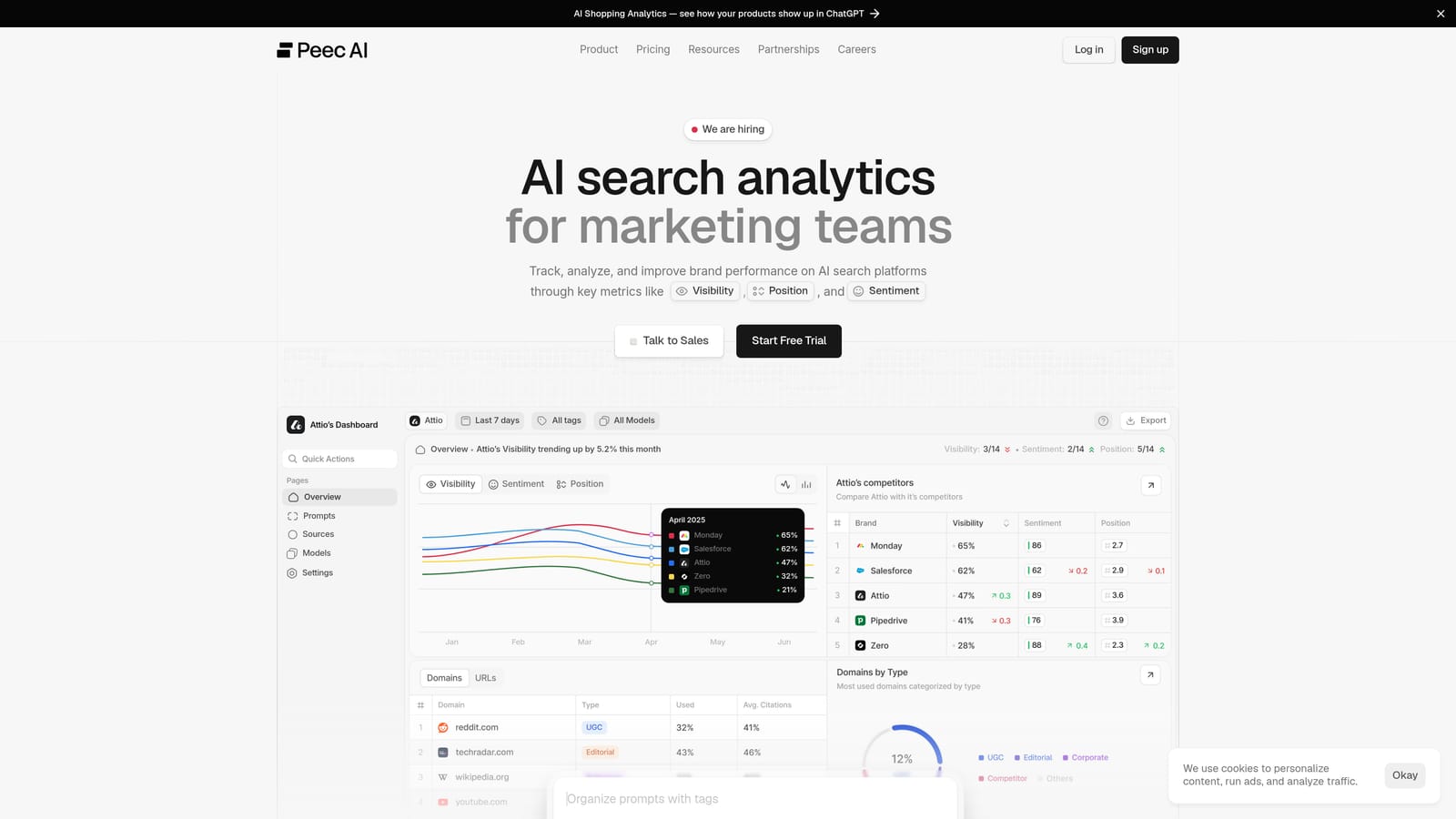
Peec is an AI answer engine optimization tool focused on prompt-level brand tracking, helping brands understand and improve their presence in AI model outputs.
Where This Tool Shines
Peec takes a granular approach to AI visibility. Where some tools track general brand mention frequency, Peec operates at the prompt level, letting you see exactly which queries are surfacing your brand in AI responses and which aren't. That specificity is valuable when you're trying to build a GEO content strategy around actual query patterns rather than assumptions.
The competitive benchmarking feature adds useful context. Knowing that your brand appears in AI responses to certain prompts is more actionable when you can also see how often competitors appear in response to the same prompts.
Key Features
Prompt-Level Brand Tracking: Monitors brand mentions across AI models at the individual prompt level, giving granular visibility into which queries drive AI mentions.
GEO Strategy Support: Designed to inform generative engine optimization strategies with real data on AI mention patterns.
Competitive Benchmarking: Compares your AI answer engine presence against competitors across the same prompt sets.
Actionable Recommendations: Surfaces suggestions for improving AI mention frequency based on tracking data.
AI Answer Engine Specialization: Purpose-built for the AEO and GEO niche, rather than adapted from a traditional SEO monitoring tool.
Best For
Marketers and SEO professionals building GEO strategies who need prompt-level data to guide content decisions. Well-suited for brands that have already identified AI answer engines as a priority channel and want detailed tracking to inform their approach.
Pricing
See peec.ai for current plans.
6. Promptwatch
Best for: Brand reputation monitoring within AI chatbot responses
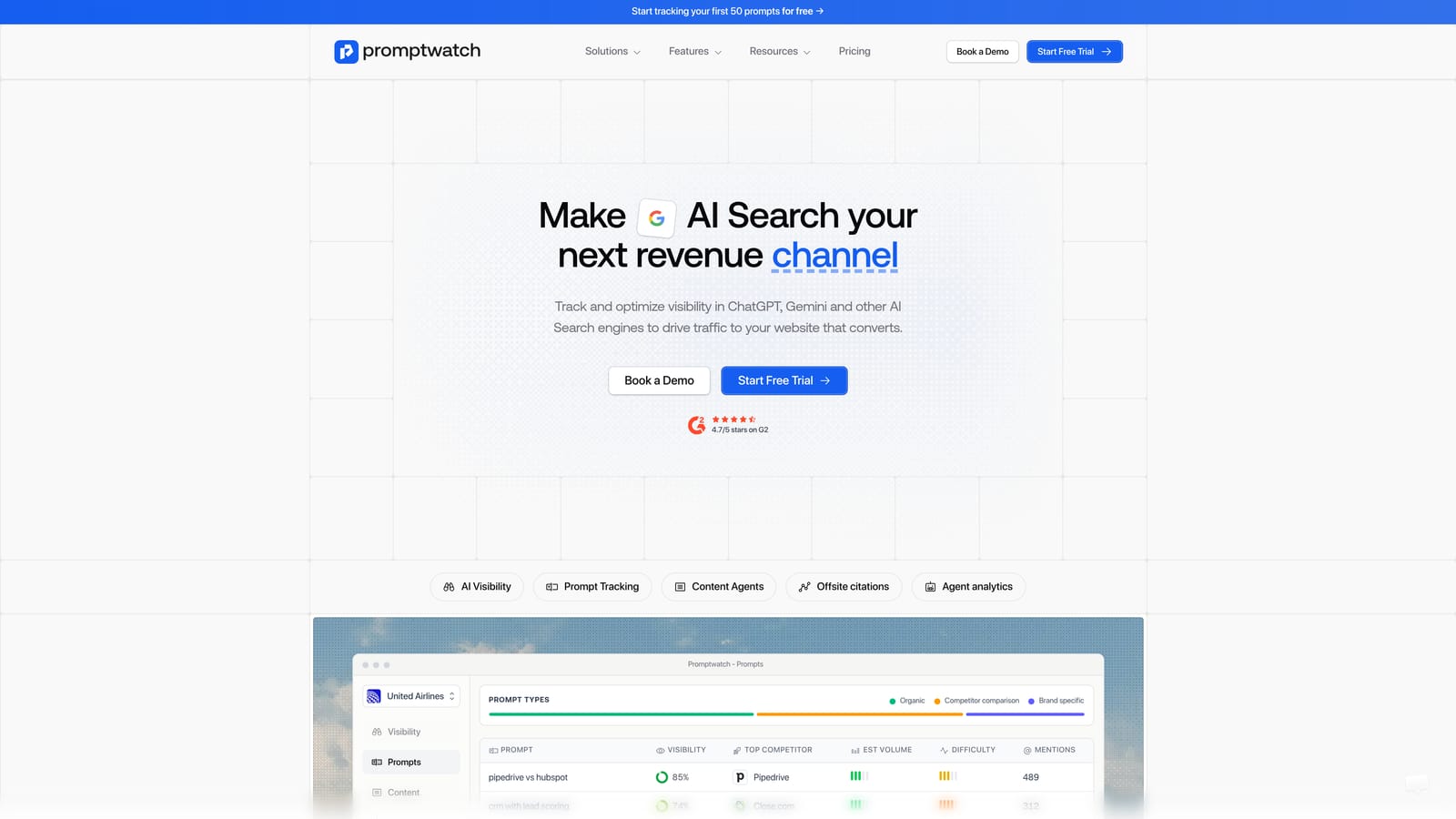
Promptwatch is a brand monitoring tool that tracks how AI chatbots mention and describe your brand, with sentiment tagging to help marketers understand AI-generated brand perception.
Where This Tool Shines
Promptwatch focuses specifically on the reputation dimension of AI visibility. It's not just tracking whether your brand appears in AI responses, but how it appears: the language used, the sentiment attached, and whether descriptions align with how you want your brand to be perceived. For brand managers, that qualitative layer is often more important than raw mention counts.
The alert system is a practical feature for teams that can't monitor AI outputs manually. When the way an AI model describes your brand changes, you want to know quickly, and Promptwatch surfaces those shifts without requiring daily manual checks.
Key Features
Real-Time Brand Mention Tracking: Monitors how AI chatbots reference your brand across responses in real time.
Sentiment Analysis: Tags AI-generated brand descriptions with sentiment data to identify positive, neutral, or negative representation patterns.
Prompt Library: Organized prompt sets for systematic brand monitoring across different use cases and query categories.
Brand Change Alerts: Notifies teams when the way AI models describe or recommend their brand shifts, enabling a timely content response.
Reputation Management Focus: Designed for the brand reputation use case within AI search, rather than broad SEO automation.
Best For
Brand managers, communications teams, and marketers whose primary concern is how AI models describe and recommend their brand. Useful as a standalone reputation monitoring tool or as a complement to broader AI visibility platforms.
Pricing
See promptwatch.io for current plans.
Which Tool Is Right for Your Stack?
The right choice depends on where you are in building your SEO and AI visibility operation.
If you want a single platform that covers AI visibility tracking, content generation, and automated indexing without stitching tools together, Sight AI is the most complete option on this list. It's built for exactly the kind of integrated workflow that modern content teams need.
If content volume is your primary constraint and you need a reliable AI writing engine with factual grounding, Writesonic handles long-form SEO article production at scale. AirOps is the better choice if your team already has a content process and wants to automate repeatable tasks through custom no-code pipelines.
For AI visibility monitoring specifically, the three tools serve slightly different needs. Profound is built for enterprise teams that need competitive share-of-voice data and stakeholder reporting. Peec is the right fit if you want prompt-level granularity to inform a GEO content strategy. Promptwatch focuses on the sentiment and reputation dimension of AI brand mentions, making it valuable for brand managers tracking how AI models describe them over time.
The broader shift here is real: AI answer engines are becoming a primary touchpoint for informational queries, and brands that aren't monitoring and optimizing for that channel are operating blind. The tools above give you the visibility and automation to compete in both traditional search and AI-generated results.
Start tracking your AI visibility today and see exactly where your brand appears across top AI platforms.