AI search engines have fundamentally changed how buyers discover brands. When someone asks ChatGPT for the best project management tool or asks Perplexity to recommend a marketing platform, the brands that appear in those responses win visibility that traditional SEO simply cannot capture. Tracking those mentions, understanding the sentiment behind them, and creating content that influences AI-generated responses has become a genuine competitive advantage.
Profound was one of the first tools to address this need, and it deserves credit for that. But the category has matured quickly, and depending on your workflow, team size, and goals, there are now alternatives that may serve you better. Some offer deeper content creation capabilities, others focus on competitive benchmarking, and at least one brings the entire workflow together under a single roof.
Here are the top tools to consider if you're evaluating Profound alternatives for AI tracking, broken down by what each does best.
1. Sight AI
Best for: Teams that want AI visibility tracking, content generation, and automated publishing in one platform.
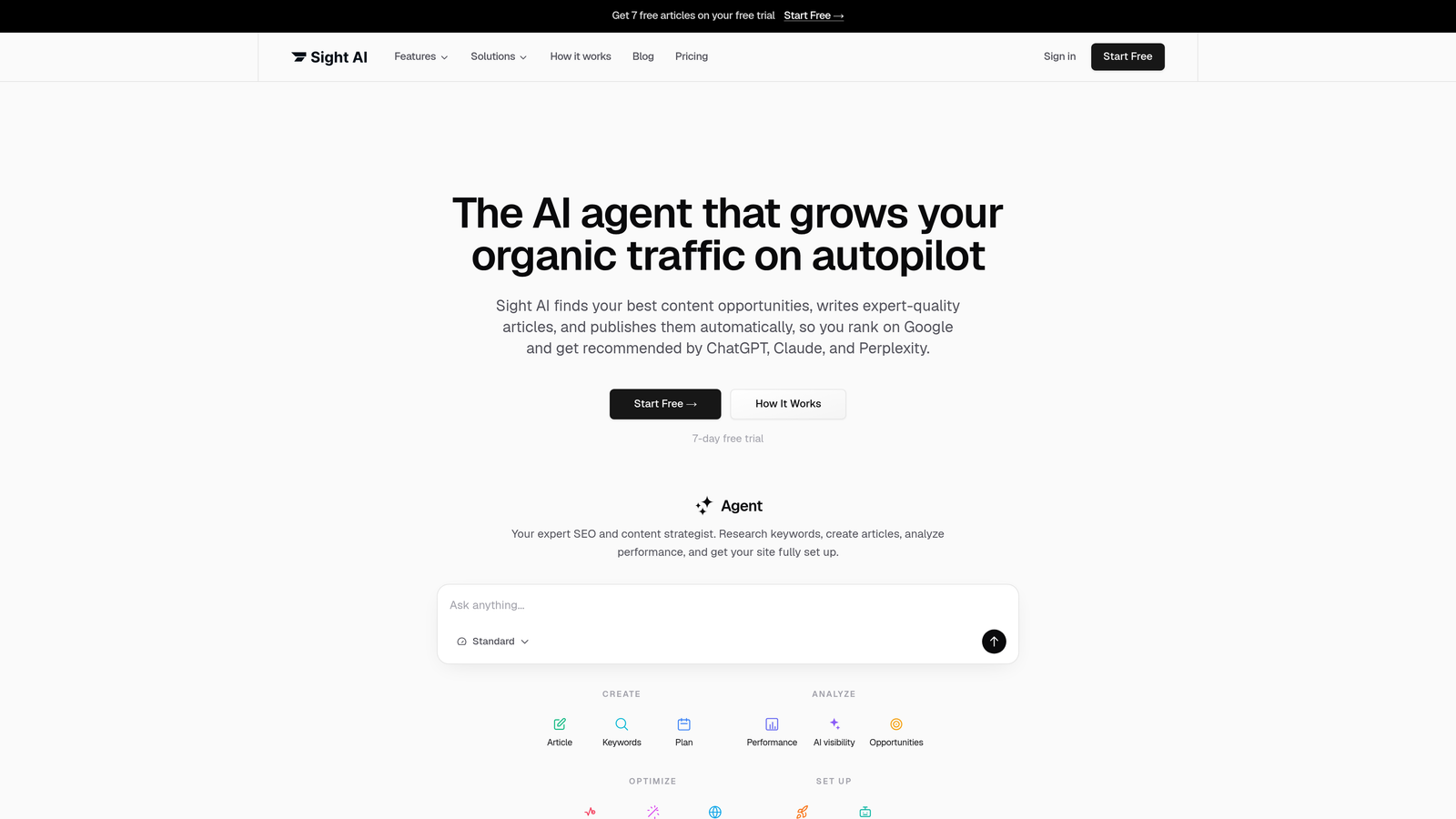
Sight AI is an all-in-one AI visibility platform combining brand monitoring across 6+ AI models, SEO/GEO content generation via 13+ specialized AI agents, and automatic content indexing through IndexNow integration.
Where This Tool Shines
Most AI tracking tools stop at the monitoring stage. Sight AI takes the logical next step: once you know how AI models are talking about your brand, you can immediately act on that intelligence by generating optimized content designed to improve those mentions. That closed-loop workflow is genuinely rare in this category.
The AI Visibility Score with sentiment analysis gives you a clear, actionable read on your brand's standing across ChatGPT, Claude, Perplexity, and more. Autopilot Mode and CMS auto-publishing mean teams with limited bandwidth can still maintain a consistent content output without manually managing every step of the process.
Key Features
AI Visibility Score: Tracks brand mentions with sentiment analysis across 6+ AI platforms, giving you a single metric to monitor over time.
Prompt Tracking: Monitors how specific queries about your brand or industry are answered by AI models, so you can detect shifts in narrative early.
13+ Specialized AI Agents: Generates SEO and GEO-optimized content formats including listicles, guides, and explainers, each agent tuned for a specific content type.
Autopilot Mode: Hands-off content generation and publishing that keeps your content pipeline moving without constant manual input.
IndexNow Integration: Automatically submits new content for faster indexing, reducing the lag between publishing and search discovery.
Best For
Marketers, founders, and agencies who want more than a monitoring dashboard. If you're serious about improving your AI visibility rather than just observing it, Sight AI's combination of tracking, content creation, and automated publishing makes it the most complete solution in this category.
Pricing
Check trysight.ai for current pricing plans, as options are updated regularly to reflect new features and team tiers.
2. Promptwatch
Best for: Brands that want focused, prompt-level monitoring of AI-generated responses over time.
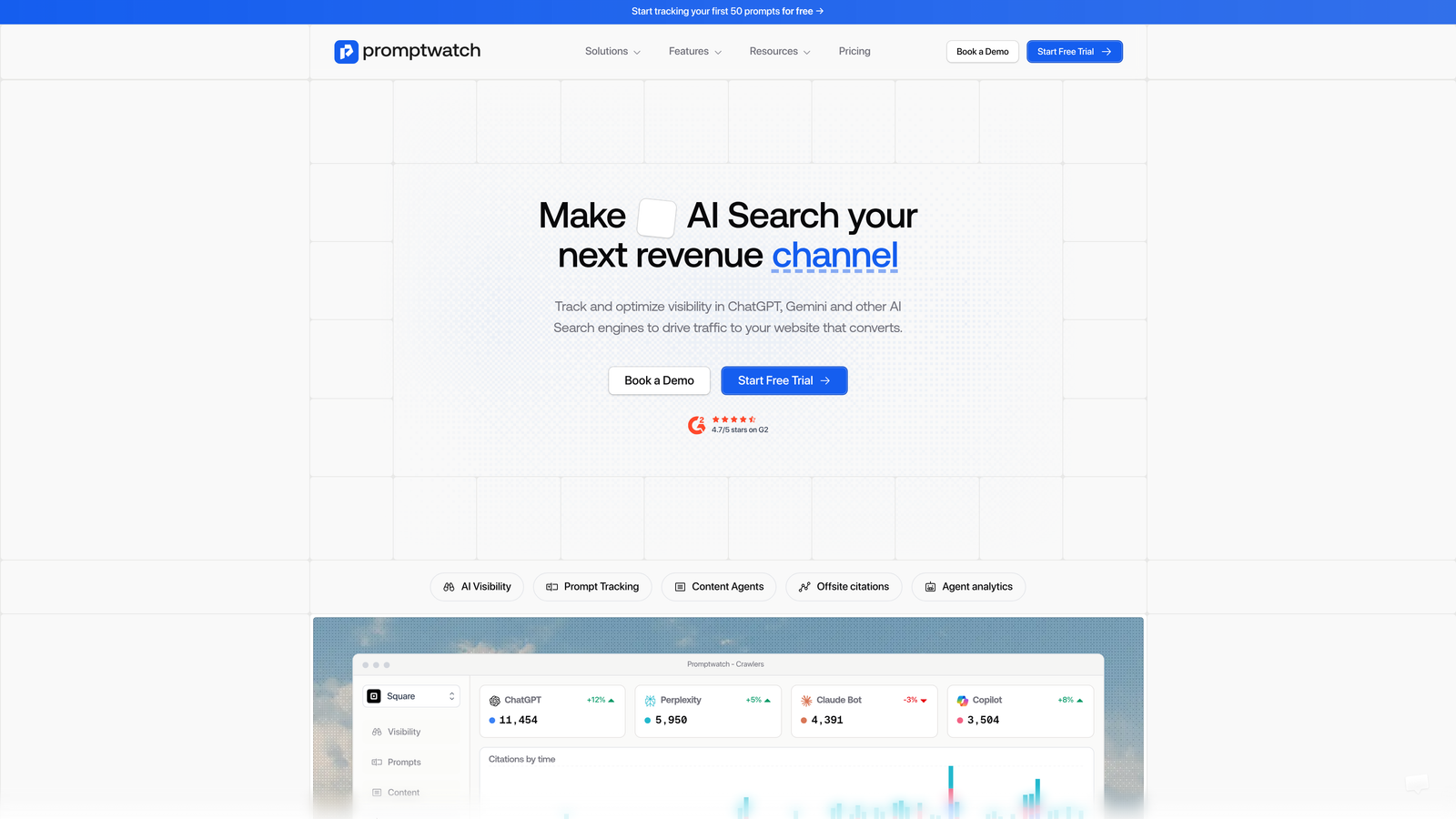
Promptwatch is a dedicated AI monitoring tool that tracks how major AI models respond to specific prompts, helping brands detect changes in how they're being described or recommended.
Where This Tool Shines
Promptwatch is built around a simple but powerful idea: if you care about how AI models answer a specific question, you should be able to track that answer consistently over time. That focus on prompt-level monitoring makes it particularly useful for brands in fast-moving categories where AI narratives shift frequently.
The historical response tracking is a genuine differentiator. Being able to see how an AI's answer to a branded or category-level query has evolved over weeks or months gives marketing teams useful intelligence for content strategy decisions.
Key Features
Prompt-Level Tracking: Monitors specific queries across major AI platforms rather than just general brand mentions.
Historical Response Monitoring: Logs AI responses over time so you can identify when and how narratives about your brand have changed.
Competitive Prompt Benchmarking: Compares how AI models respond to the same prompts for your brand versus competitors.
Alert System: Notifies you when significant changes occur in AI-generated responses about your brand or category.
Best For
Brands and marketing teams that want precise, query-level visibility into AI-generated content. Promptwatch is a strong monitoring tool, though it's lighter on content creation and indexing features compared to broader platforms.
Pricing
Check promptwatch.io for current pricing details and available plans.
3. Profound
Best for: Enterprise marketing teams focused on AI citation analysis and brand mention reporting.
Profound is an enterprise-grade AI search analytics platform that tracks how AI engines cite and reference brands, with a focus on citation analysis and share-of-voice reporting.
Where This Tool Shines
Profound earned its reputation as an early mover in AI visibility, and its citation tracking capabilities remain solid for enterprise use cases. If your team needs structured reporting on how AI search engines are referencing your brand in generated responses, Profound provides a clean, analytics-focused view of that data.
For larger organizations with dedicated analytics teams and existing enterprise tooling, Profound integrates well into reporting workflows. Its share-of-voice analysis across AI search platforms is useful for competitive intelligence at scale.
Key Features
AI Citation Tracking: Monitors how AI search platforms reference and cite your brand in generated responses.
Brand Mention Analysis: Surfaces where and how your brand appears across AI-generated content at scale.
Enterprise Reporting: Structured dashboards and analytics built for larger marketing teams and stakeholder reporting.
Competitive Share-of-Voice: Benchmarks your AI search visibility against competitors across major platforms.
Best For
Enterprise teams that prioritize analytics and reporting over content creation or workflow automation. Profound is a strong analytics layer, though teams looking for integrated content generation or indexing tools will need to pair it with additional solutions.
Pricing
Profound typically operates at enterprise pricing tiers. Check profound.ai for current plan details.
4. Peec
Best for: Agencies and brands that prioritize competitive AI visibility benchmarking across multiple accounts.
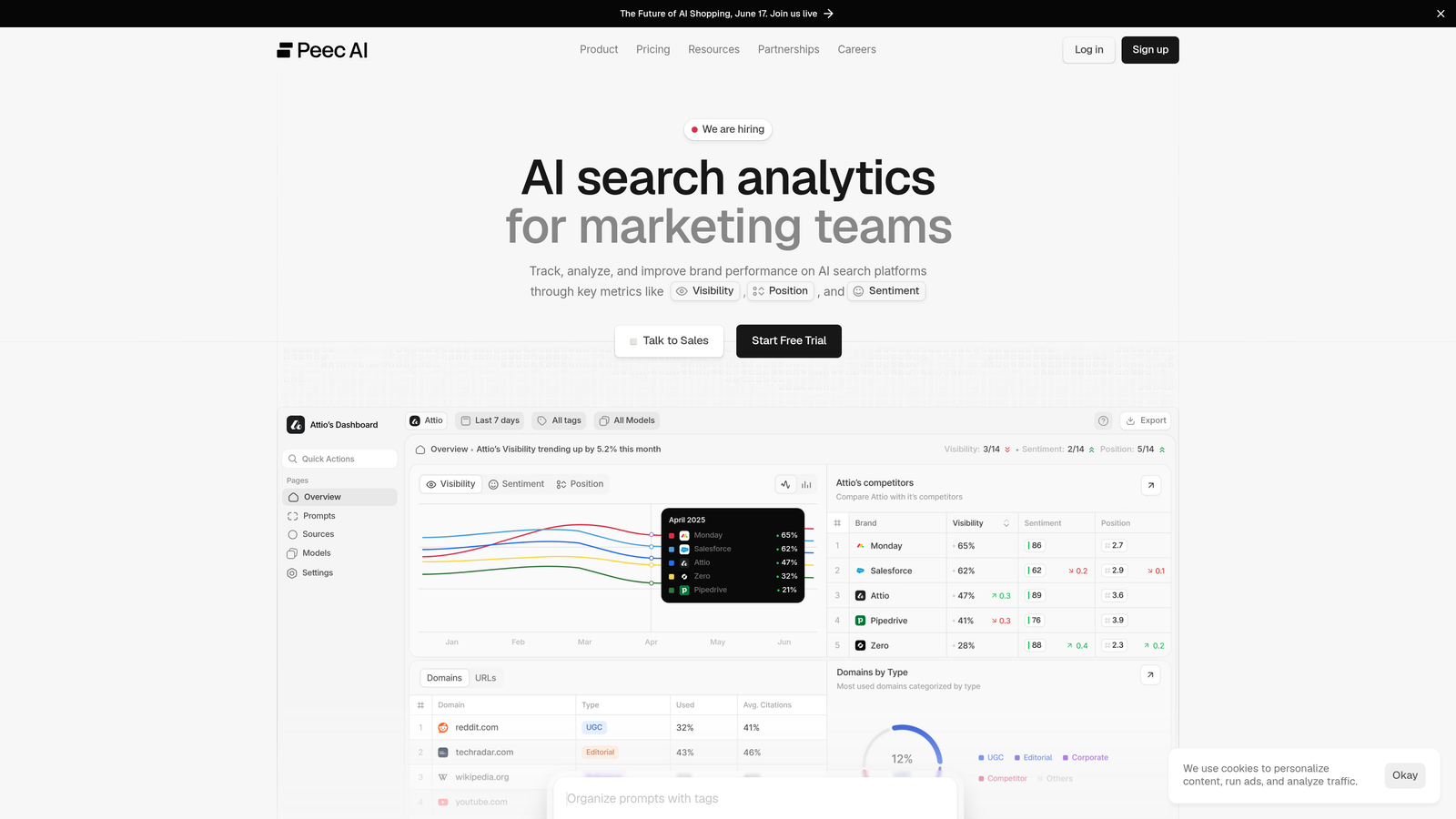
Peec is an AI visibility tool built around competitive comparison, allowing brands and agencies to measure their AI search presence side-by-side against competitors across multiple platforms.
Where This Tool Shines
Peec's core strength is competitive context. Knowing that your brand appears in AI responses is useful, but knowing how that compares to your top three competitors is more actionable. Peec is designed to surface that competitive gap clearly, making it particularly valuable for agencies managing visibility across multiple client accounts in the same vertical.
The multi-brand tracking capability is well-suited to agency workflows, where a single team might be monitoring AI visibility for several clients simultaneously and needs clean, separated reporting for each.
Key Features
Competitive Visibility Dashboard: Side-by-side comparison of AI search visibility across your brand and selected competitors.
Multi-Brand Tracking: Manages and reports on multiple brands from a single interface, designed with agency use cases in mind.
Share-of-Voice Analysis: Quantifies how often your brand appears relative to competitors in AI-generated responses.
Mention Frequency and Context: Tracks not just whether your brand appears, but the context and frequency of those appearances.
Best For
Digital agencies managing AI visibility for multiple clients, and brands in competitive categories where understanding relative visibility is as important as absolute visibility. Less comprehensive on the content creation and publishing side.
Pricing
Check peec.ai for current pricing and agency plan options.
5. AirOps
Best for: Teams building scalable, AI-optimized content pipelines to improve discoverability through high-volume content production.
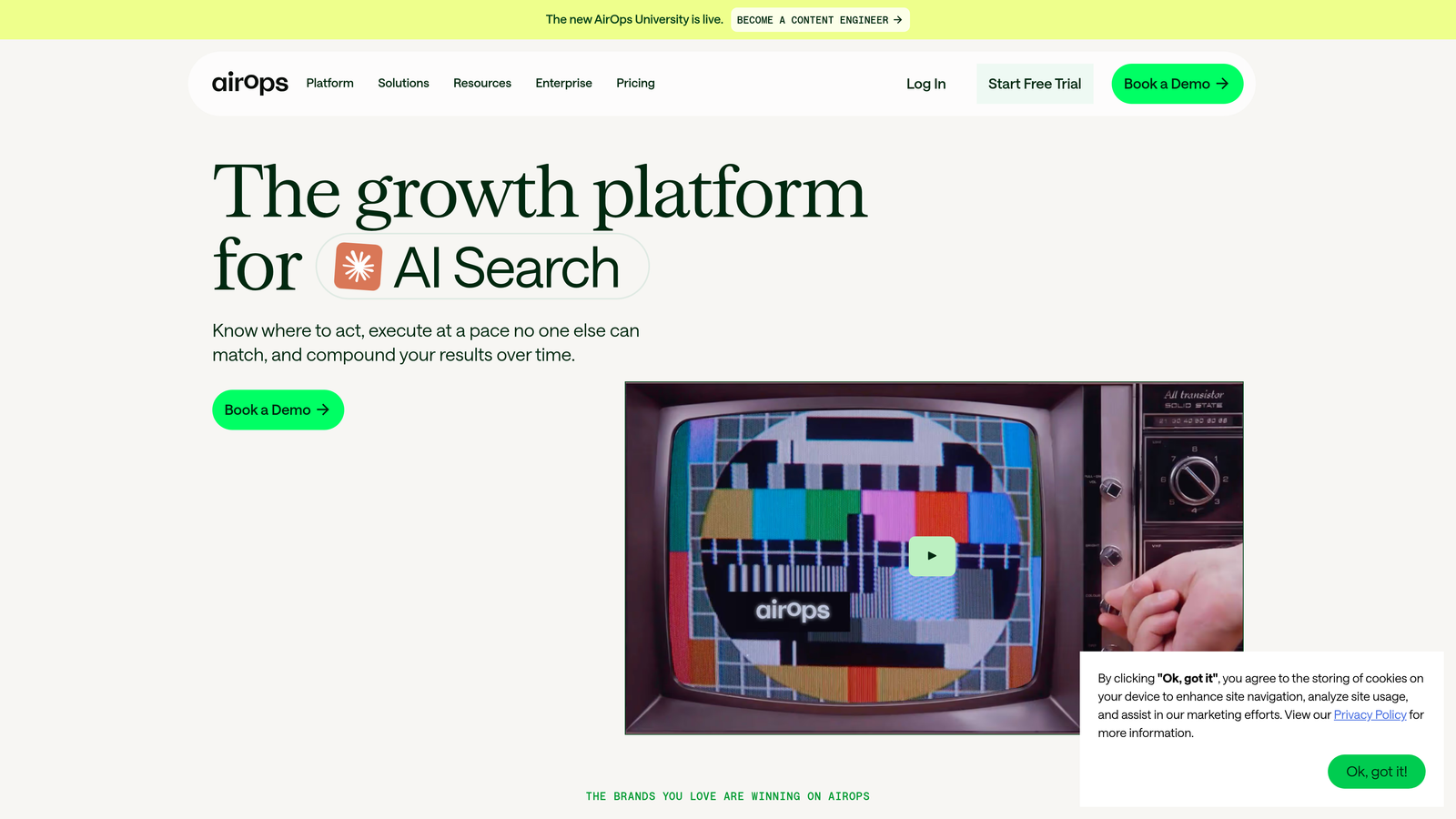
AirOps is a content workflow automation platform that helps marketing teams build structured, AI-powered content pipelines at scale, with growing support for SEO and AI-optimized content formats.
Where This Tool Shines
AirOps approaches AI discoverability from the content production angle. Rather than monitoring what AI models currently say about your brand, it helps you build the content infrastructure that influences those mentions over time. For teams that have identified content gaps in their AI visibility strategy and need to close them quickly, AirOps offers strong workflow automation.
The custom workflow builder and integrations with major CMS platforms make it flexible enough to fit into existing content operations without requiring a complete process overhaul. It's particularly useful for teams running high-volume content programs across multiple formats.
Key Features
AI-Powered Workflow Automation: Automates repetitive content production tasks across the full content lifecycle.
Custom Workflow Builder: Lets teams design content pipelines tailored to their specific formats, topics, and approval processes.
CMS and Data Integrations: Connects with major content management systems and data sources to streamline publishing.
SEO and AI-Optimized Templates: Provides structured templates for content formats designed to perform in both traditional and AI search.
Best For
Content teams and growth marketers who need to scale production of AI-optimized content. AirOps is stronger on the content creation and workflow side than on direct AI visibility monitoring, making it a complement to tracking tools rather than a direct replacement.
Pricing
Check airops.com for current pricing and available plans.
Which Tool Fits Your Situation
The right choice here depends on where you are in your AI visibility journey and what your primary bottleneck actually is.
If you want a single platform that handles tracking, content creation, and automated publishing without stitching together multiple tools, Sight AI is the strongest all-in-one option. Its AI Visibility Score, prompt tracking, and 13+ specialized content agents give you both the intelligence layer and the execution layer in one workflow. For founders, growth marketers, and agencies that want to move fast without managing a stack of separate tools, it's the most complete solution in this category.
If your primary need is deep, prompt-level monitoring of how AI models respond to specific queries over time, Promptwatch is worth a close look. For enterprise teams that need structured citation analytics and stakeholder reporting, Profound remains a credible option despite its narrower scope. If you're an agency managing competitive AI visibility across multiple client accounts, Peec's benchmarking focus may align well with your workflow. And if content production volume is your main lever for improving AI discoverability, AirOps offers solid workflow automation to support that strategy.
The honest takeaway: most teams will find that a monitoring-only tool quickly reveals gaps that require content action anyway. Starting with a platform that connects those two capabilities from day one saves significant time and tool-switching overhead.
Stop guessing how AI models like ChatGPT and Claude talk about your brand. Start tracking your AI visibility today and see exactly where your brand appears across top AI platforms, what the sentiment looks like, and what content moves the needle.