
Managing SEO across multiple marketplace listings—Amazon, Etsy, eBay, Walmart—creates an operational nightmare for growing sellers. Manual keyword research, title optimization, and performance tracking across hundreds or thousands of SKUs simply doesn't scale. You can spend hours perfecting a single product listing, only to realize you have 499 more waiting for the same attention.
Marketplace SEO automation transforms this chaos into systematic growth by deploying intelligent tools that continuously optimize listings, monitor ranking changes, and adapt to algorithm updates without constant human intervention. Think of it like having a team of SEO specialists working around the clock, making micro-adjustments to every product in your catalog based on real-time performance data.
This guide explores seven battle-tested automation strategies that help marketplace sellers achieve consistent visibility gains while freeing up time for strategic decision-making. Whether you're managing 50 products or 50,000, these approaches will help you build a sustainable competitive advantage in increasingly crowded digital marketplaces.
1. Automated Keyword Discovery and Mapping at Scale
The Challenge It Solves
Manual keyword research for marketplace listings becomes exponentially harder as your catalog grows. Checking search term reports, analyzing competitor listings, and identifying trending keywords for each product consumes countless hours. By the time you've researched keywords for your entire catalog, search trends have already shifted, leaving you perpetually behind the curve.
The Strategy Explained
Automated keyword discovery systems continuously mine data from multiple sources: your marketplace search term reports, competitor listings, autocomplete suggestions, and trending search queries. These tools cluster related keywords by semantic meaning and automatically map them to the most relevant products in your catalog based on product attributes, category, and historical performance.
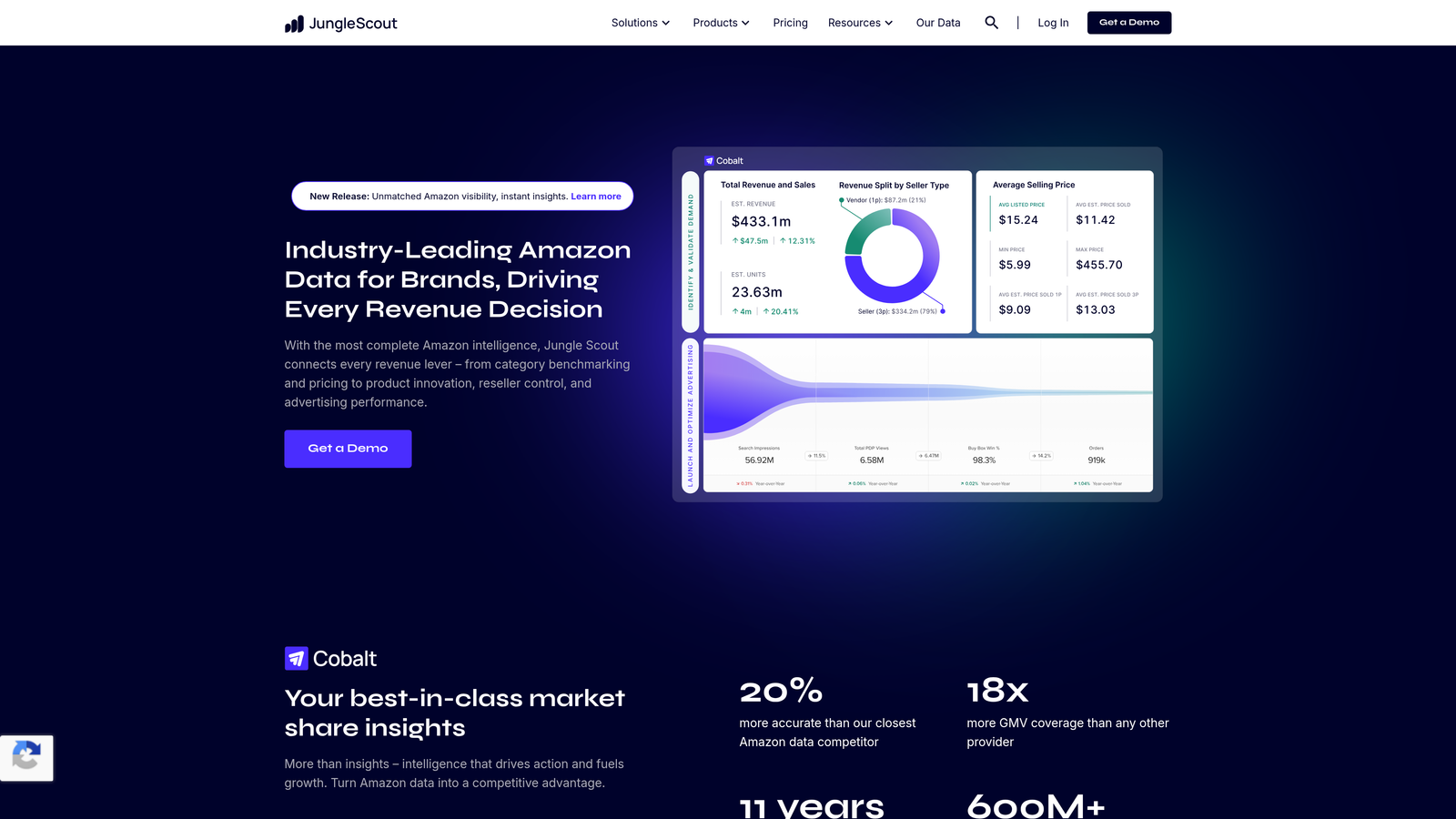
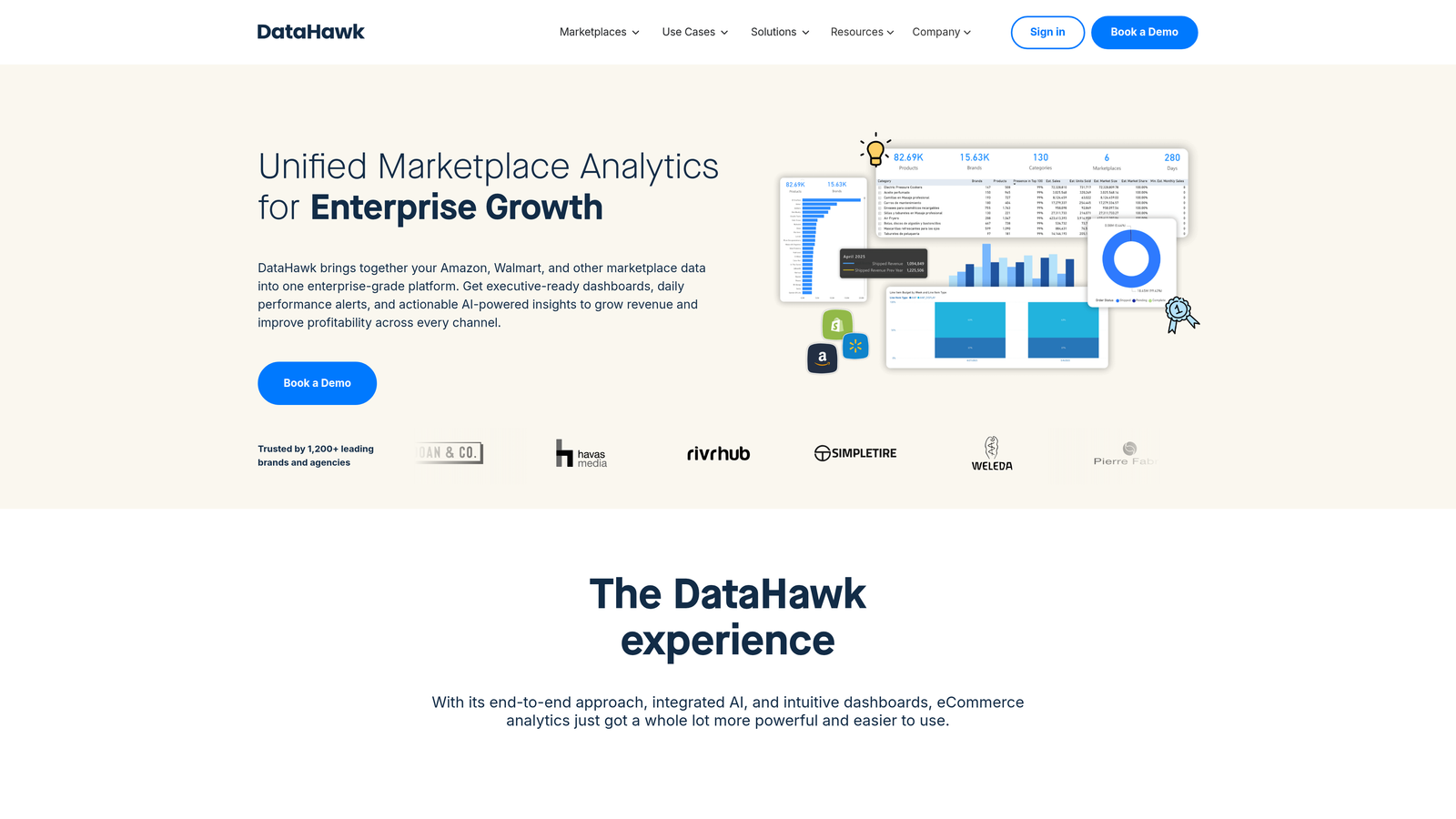
The most effective implementations combine marketplace-native data (like Amazon's Search Query Performance report) with third-party keyword intelligence. Tools like Helium 10 and Jungle Scout offer API integrations that can pull fresh keyword data daily, while platforms like DataHawk provide automated competitor keyword extraction that identifies gaps in your current optimization strategy. For a comprehensive overview of available options, explore the best SEO automation tools on the market today.

Implementation Steps
1. Connect your marketplace seller accounts to a keyword automation platform that offers continuous data extraction and automatic refresh cycles.
2. Set up automated keyword clustering rules based on your product taxonomy, grouping related search terms by product type, use case, and customer intent.
3. Configure automated mapping workflows that assign high-potential keywords to specific products based on relevance scores, search volume thresholds, and current ranking positions.
4. Establish weekly automated reports that highlight newly discovered keyword opportunities and flag products with outdated keyword targeting.
Pro Tips
Focus your initial automation on your top 20% revenue-generating products. These listings benefit most from continuous keyword discovery and typically have enough search term data to train your automation rules effectively. As your system matures, expand coverage to mid-tier and long-tail products where automation delivers the biggest time savings.
2. Dynamic Title and Bullet Point Optimization
The Challenge It Solves
Marketplace algorithms increasingly favor listings that demonstrate fresh content updates and respond to trending search terms. Static listings that never change gradually lose visibility as competitors adapt to shifting customer language and seasonal trends. Manually updating hundreds of product titles and bullet points to incorporate new keywords creates an unsustainable workload that most sellers simply can't maintain.
The Strategy Explained
Dynamic listing optimization systems automatically refresh your product content based on performance data and trending keywords. These tools identify underperforming listings, generate optimized title and bullet point variations that incorporate high-potential keywords, and systematically test different content approaches to find the highest-converting combinations.
The best implementations use template-based systems where you define content frameworks (title structure, bullet point format, key selling points) and the automation fills in variable elements like trending keywords, seasonal modifiers, and competitive differentiators. This maintains your brand voice while ensuring content stays algorithmically relevant. Many sellers find that SEO content automation tools dramatically reduce the time spent on these repetitive updates.
Implementation Steps
1. Create content templates for each product category that define your core structure while leaving placeholders for dynamic keyword insertion and seasonal variations.
2. Set up automated A/B testing workflows that generate title variations, deploy them to test products, and measure ranking and conversion impact over defined time periods.
3. Configure performance thresholds that trigger automatic content refreshes when listings show declining visibility or conversion rates below category benchmarks.
4. Implement approval workflows for high-value products where automation generates optimized content suggestions but requires human review before deployment.
Pro Tips
Amazon and other marketplaces often suppress listings temporarily after major content changes while they re-index and evaluate relevance. Schedule your automated content updates during low-traffic periods and limit the frequency of changes to avoid triggering suppression algorithms. Many sellers find that monthly optimization cycles strike the right balance between freshness and stability.
3. Intelligent Inventory-Based Visibility Management
The Challenge It Solves
Running out of stock on a high-ranking product wastes weeks of SEO effort and advertising spend. Conversely, maintaining maximum visibility for slow-moving inventory ties up capital in products that aren't converting. Manual coordination between inventory levels and visibility strategies creates constant firefighting as you scramble to adjust PPC budgets and listing prominence based on stock availability.
The Strategy Explained
Inventory-based visibility automation connects your inventory management system directly to your SEO and advertising platforms, creating dynamic rules that adjust visibility based on real-time stock levels. When inventory drops below defined thresholds, the system automatically reduces PPC spend, deprioritizes the listing in promotional campaigns, and shifts traffic to alternative products with healthy stock levels.
Advanced implementations go beyond simple on/off switches. They create graduated visibility tiers: full visibility for well-stocked items, moderate visibility for medium stock levels, and minimal visibility for low-inventory situations. This prevents sudden ranking drops from complete visibility shutdowns while protecting you from stockouts on trending products. Understanding the difference between SEO automation vs manual optimization helps you decide which inventory rules to automate.
Implementation Steps
1. Integrate your inventory management system with your marketplace advertising platform using native APIs or middleware tools like Zapier for real-time stock level synchronization.

2. Define inventory thresholds for each product tier (high-value versus commodity items) that trigger specific visibility adjustments, such as reducing PPC bids by 50% when stock drops below 30 days of supply.
3. Create automated workflows that shift promotional focus to alternative products when primary items reach low-stock status, maintaining overall catalog visibility while protecting margin.
4. Set up restocking alerts that automatically increase visibility and advertising spend when inventory replenishment arrives, capitalizing on the ranking momentum you've built.
Pro Tips
Build in lead time buffers based on your supply chain reliability. If your typical restock cycle takes three weeks, trigger visibility reductions when you hit four weeks of remaining inventory. This prevents the dreaded scenario where you're still driving maximum traffic to a listing that goes out of stock before your next shipment arrives.
4. Cross-Marketplace Listing Syndication
The Challenge It Solves
Selling on multiple marketplaces multiplies your SEO workload. Each platform has different character limits, prohibited terms, required attributes, and ranking factors. Manually adapting your core product content for Amazon, eBay, Walmart, Etsy, and other channels means recreating the same optimization work five or six times, with inconsistencies that dilute your brand message and waste valuable time.
The Strategy Explained
Automated listing syndication creates a single source of truth for your product content, then intelligently adapts it for each marketplace's specific requirements. You maintain master listings with comprehensive product data, and the automation system automatically reformats titles to fit character limits, adjusts bullet points to match platform conventions, and includes or excludes attributes based on each marketplace's allowed fields.
The most sophisticated implementations go beyond simple field mapping. They incorporate platform-specific keyword optimization, adjusting which terms get prioritized in titles based on each marketplace's search behavior. An all-in-one SEO automation platform can centralize these multi-channel optimizations in a single dashboard.
Implementation Steps
1. Establish a centralized product information management (PIM) system or use a multi-channel listing platform that serves as your master product database.
2. Create platform-specific content templates that define how your master data translates to each marketplace's format, including title structures, bullet point conventions, and required attribute mappings.
3. Configure automated syndication workflows that push updates from your master listings to all active marketplaces simultaneously, with platform-specific optimizations applied during the transformation process.
4. Set up exception handling for products that require unique positioning on specific platforms, allowing manual overrides while maintaining automation for the majority of your catalog.
Pro Tips
Don't assume identical content performs equally across all marketplaces. Run periodic audits comparing performance metrics across platforms to identify where platform-specific optimization might outperform your standardized approach. Some product categories convert dramatically better with different messaging on Etsy versus Amazon, and your syndication system should accommodate these strategic variations.
5. Automated Competitor Monitoring and Response
The Challenge It Solves
Marketplace rankings shift constantly as competitors adjust pricing, update content, or launch promotional campaigns. By the time you manually notice that a competitor has overtaken your position for a critical keyword, they've already captured days or weeks of sales. Tracking competitor movements across dozens or hundreds of products manually creates an impossible surveillance burden that leaves you perpetually reactive rather than strategic.
The Strategy Explained
Automated competitor monitoring systems track ranking positions, pricing changes, review velocity, and content updates for your key competitors across target keywords. When significant changes occur—a competitor jumps from position eight to position three, launches a lightning deal, or updates their listing with your brand keywords—the system triggers immediate alerts and suggests strategic responses based on predefined playbooks.
Advanced implementations include automated response capabilities: if a competitor drops their price below your threshold, the system can automatically adjust your pricing within defined parameters, update your PPC bids to maintain visibility, or flag the situation for human strategic review if the competitive move falls outside normal patterns. Teams looking to streamline these processes should consider SEO workflow automation software that integrates competitive intelligence.
Implementation Steps
1. Identify your top 3-5 direct competitors for each major product category and configure automated tracking for their listings on your priority keywords.
2. Set up ranking threshold alerts that notify you when competitors make significant position jumps (moving up or down three or more positions) or when new competitors enter the top 10 for your target keywords.
3. Create response playbooks that define specific actions for common competitive scenarios: pricing undercuts, content updates, promotional campaigns, or sudden ranking gains.
4. Implement automated data collection that builds historical competitor performance databases, enabling trend analysis that identifies seasonal patterns and long-term strategic shifts in competitive positioning.
Pro Tips
Focus your monitoring intensity on products where you hold top-three positions or where you're actively working to break into the top positions. Mid-tier and long-tail products rarely require real-time competitive monitoring. Concentrate your automation resources where ranking changes have the biggest revenue impact, and use less frequent batch monitoring for the rest of your catalog.
6. Review and Rating Automation
The Challenge It Solves
Review velocity and overall rating directly impact marketplace search rankings, yet manually tracking which customers should receive review requests, timing those requests optimally, and following up with non-responders creates enormous administrative overhead. Missing the optimal review request window—typically 5-7 days after delivery—means losing review opportunities that could boost your ranking and conversion rate.
The Strategy Explained
Review automation systems integrate with your marketplace order data to identify optimal review request timing based on estimated delivery dates, product type, and historical response patterns. The automation sends initial review requests at peak response times, follows up with non-responders using compliant messaging sequences, and monitors review submission to identify and address negative feedback quickly.
Critical consideration: All review automation must comply strictly with marketplace policies. Amazon, for example, prohibits incentivized reviews and limits seller-initiated review requests to specific formats. Your automation should work within these guidelines, using platform-approved request methods like Amazon's "Request a Review" button or automated follow-up sequences through compliant third-party tools. For sellers managing this alongside other optimization tasks, SEO automation for small business offers practical guidance on prioritization.
Implementation Steps
1. Connect your order management system to a review automation platform that tracks delivery confirmation and calculates optimal review request timing based on product category and shipping method.
2. Configure automated review request sequences that trigger at platform-compliant intervals, using approved messaging formats that encourage honest feedback without offering incentives or attempting to influence ratings.
3. Set up negative review alerts that immediately notify you when low ratings appear, enabling rapid customer service response to address issues and potentially resolve problems that led to negative feedback.
4. Implement review analytics dashboards that track review velocity, rating trends, and common feedback themes across your catalog, identifying products that need quality improvements or better customer education.
Pro Tips
Different product categories have dramatically different optimal review request timing. Electronics and household goods often generate reviews within a week of delivery, while supplements and beauty products may take 30-60 days as customers evaluate effectiveness. Segment your review automation by product type and adjust timing based on category-specific response patterns to maximize review capture rates.
7. Performance Analytics and Automated Reporting
The Challenge It Solves
Marketplace sellers juggle data from multiple platforms: Amazon Seller Central, eBay analytics, Etsy Stats, Walmart Seller Center, plus third-party tools for keywords, advertising, and inventory. Manually compiling this scattered data into actionable insights consumes hours each week, and by the time you've built your reports, you've missed critical trends that required immediate action. Without centralized visibility, you're flying blind across significant portions of your business.
The Strategy Explained
Automated analytics platforms pull data from all your marketplace accounts and third-party tools into unified dashboards that track the metrics that actually matter: organic ranking trends, conversion rate changes, keyword performance, advertising efficiency, and inventory turnover. The system automatically identifies anomalies—sudden ranking drops, conversion rate declines, or unexpected traffic spikes—and sends intelligent alerts that highlight issues requiring attention.
The best implementations go beyond simple data aggregation. They provide automated insights that connect cause and effect: "Product X ranking dropped 15 positions for keyword Y after Competitor Z updated their listing" or "Category conversion rates declined 8% following your recent title changes." Larger operations benefit from enterprise SEO automation solutions that handle complex multi-marketplace reporting at scale.
Implementation Steps
1. Select a centralized analytics platform that offers native integrations with your primary marketplaces and third-party tools, minimizing manual data import requirements.
2. Configure automated daily or weekly reports that track your critical KPIs: organic traffic trends, ranking positions for priority keywords, conversion rate changes, and review velocity across all active marketplaces.
3. Set up intelligent anomaly detection rules that automatically flag significant deviations from baseline performance: ranking drops exceeding five positions, conversion rate changes beyond 10%, or traffic declines that can't be explained by seasonal patterns.
4. Create executive summary dashboards that automatically compile monthly performance trends, competitive positioning changes, and ROI metrics for your SEO and advertising investments across all channels.
Pro Tips
Resist the temptation to track everything. Focus your automated reporting on leading indicators that predict future performance rather than lagging metrics that simply confirm what already happened. Ranking position changes and click-through rate trends predict future revenue shifts, while total sales figures only tell you about past performance. Build your dashboards around metrics that enable proactive optimization rather than reactive analysis.
Your Implementation Roadmap
Marketplace SEO automation isn't about replacing human judgment—it's about amplifying your strategic decisions across every product in your catalog simultaneously. The sellers who manually optimize a few hero products while neglecting the rest of their catalog will lose ground to competitors who deploy systematic automation that maintains consistent optimization across thousands of SKUs.
Start by automating your highest-impact bottleneck: for most sellers, that's keyword discovery and mapping. Once that foundation is solid, layer in dynamic listing optimization and competitor monitoring. These three strategies deliver the biggest visibility gains with the least implementation complexity, making them ideal starting points for building your automation stack.
The marketplace landscape in 2026 increasingly rewards sellers who treat SEO as a system to be engineered, not a task to be completed. Algorithms favor listings that demonstrate consistent optimization activity, fresh content updates, and strong customer engagement signals. Manual approaches simply can't maintain this level of continuous improvement at scale.
But here's where it gets interesting: the same AI-driven discovery that powers marketplace search is now influencing how customers find products through AI shopping assistants and recommendation engines. Start tracking your AI visibility today and see exactly where your brand appears across top AI platforms like ChatGPT and Claude. Understanding how AI models talk about your products gives you a competitive edge that goes far beyond traditional marketplace SEO, positioning you for the next evolution of product discovery.
Build your automation stack incrementally, measure relentlessly, and let intelligent tools handle the repetitive work while you focus on strategy and expansion. The sellers who win in 2026 and beyond will be those who master the balance between automated execution and strategic human oversight.