Google dominates search, but it's no longer the only game in town. And for many queries, it's not even the fastest.
A growing wave of AI-powered search engines, privacy-first platforms, and specialized tools now deliver answers faster than Google's increasingly ad-heavy, feature-cluttered results pages. Users are noticing. They're switching. And they're searching in places that most marketers haven't thought to optimize for yet.
For marketers, founders, and agencies chasing organic visibility, this shift matters enormously. If your brand only optimizes for Google, you're invisible on platforms where millions of users are already searching for recommendations, solutions, and comparisons. Worse, you're missing the AI-generated answers that are rapidly replacing the traditional ten-blue-links format entirely.
This guide breaks down seven faster search engine alternatives to Google, explains what makes each one quicker for specific use cases, and shows you exactly how to optimize your content so your brand surfaces across every one of them. Whether you're exploring AI search engines like Perplexity and ChatGPT Search, or privacy-focused options like DuckDuckGo and Brave, each platform represents a new frontier for organic traffic and AI visibility.
The brands that win the next era of search won't just rank on Google. They'll be visible everywhere their audience looks.
1. Perplexity AI: The Answer Engine That Skips the Click
The Challenge It Solves
Traditional search forces users through a frustrating loop: enter a query, scan ten results, click through, scan the page, hit the back button, repeat. For informational queries, this process is slow and inefficient. Perplexity eliminates it entirely by synthesizing a direct, cited answer from multiple sources in seconds, making it significantly faster for research-oriented searches.
The Strategy Explained
Perplexity operates as an AI-powered answer engine. It crawls the web in real time, pulls from authoritative sources, and presents a consolidated answer with inline citations. Users get the answer without visiting your site directly, which means your optimization goal shifts: you want to be one of the cited sources Perplexity references, not just a ranked result.
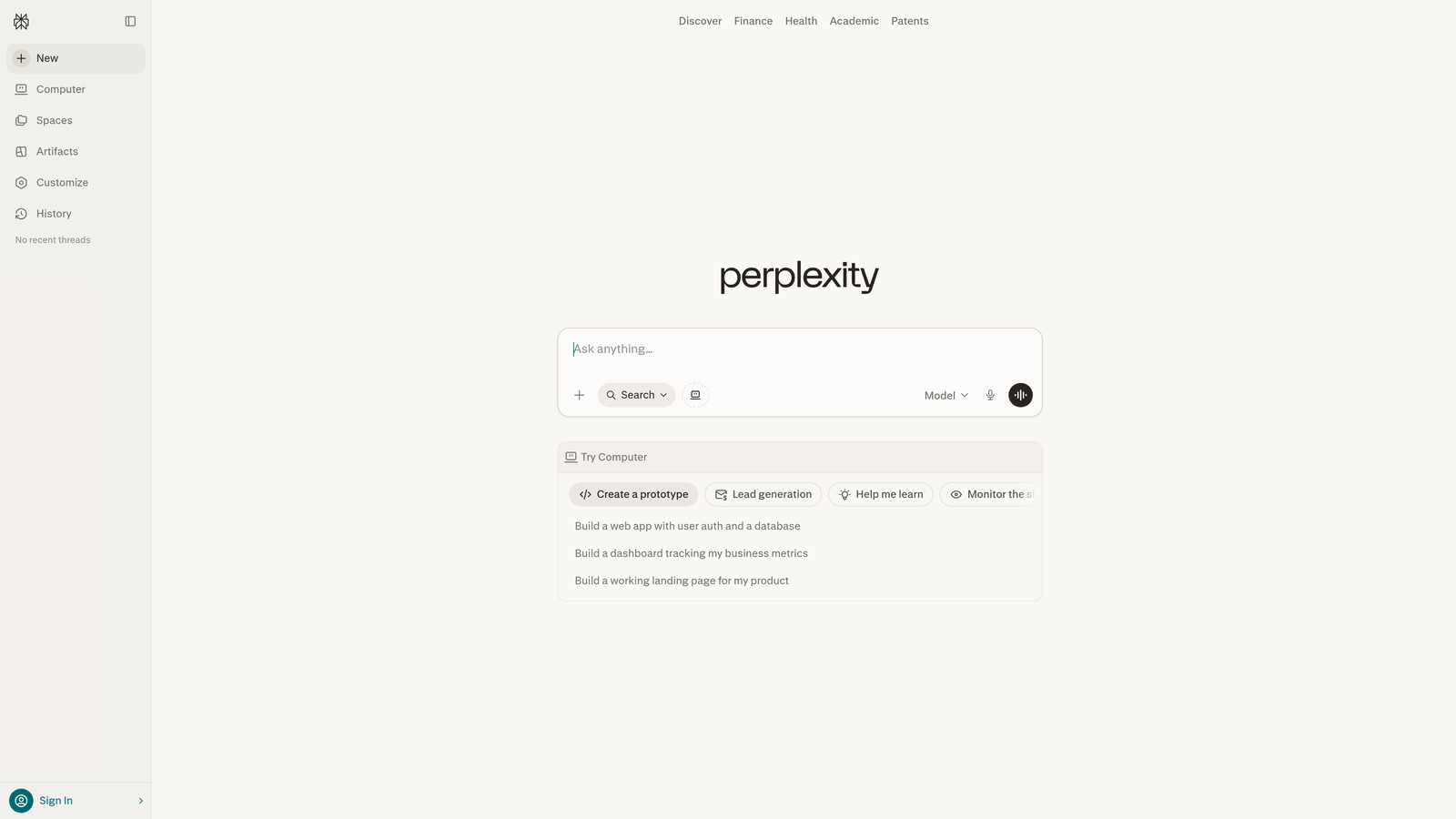
This is where Generative Engine Optimization (GEO) comes in. To appear in Perplexity's answers, your content needs to be factually precise, well-structured, and authoritative on specific topics. Perplexity tends to favor content that directly answers questions, uses clear headings, and cites verifiable information. Think of it as writing for a highly intelligent research assistant rather than a keyword algorithm. Understanding AI search engine ranking factors is essential for succeeding on this platform.
Implementation Steps
1. Structure content around specific questions: Use H2 and H3 headings that mirror how users phrase queries. "What is X?" and "How does Y work?" formats perform well as citation targets.
2. Prioritize factual depth over length: Perplexity favors concise, accurate answers. Include definitions, comparisons, and data points that can be extracted cleanly.
3. Build topical authority: Publish clusters of related content that establish your brand as a go-to resource in your niche, increasing the probability of repeated citations.
4. Ensure crawlability: Verify your pages are indexed and accessible. Perplexity's crawler needs to reach and read your content efficiently.
Pro Tips
Search for your target topics directly in Perplexity and examine which sources it currently cites. That's your competitive benchmark. If a competitor is being cited and you aren't, analyze their content structure and replicate the approach with better depth. Monitoring your brand mentions in Perplexity over time reveals whether your content strategy is working.
2. ChatGPT Search: Conversational Queries That Demand Contextual Content
The Challenge It Solves
Users increasingly ask questions in natural, conversational language rather than keyword fragments. ChatGPT Search, integrated directly into ChatGPT, handles this natively. It delivers real-time web results within a dialogue format, meaning users get contextual answers without ever leaving the conversation. For brands, this creates an entirely new visibility channel that traditional SEO doesn't address.
The Strategy Explained
ChatGPT Search blends conversational AI with live web browsing. When a user asks a question, the model retrieves current information from the web and synthesizes it into a coherent response, often attributing sources. This means your content can be surfaced not as a ranked link, but as the factual backbone of an AI-generated answer.
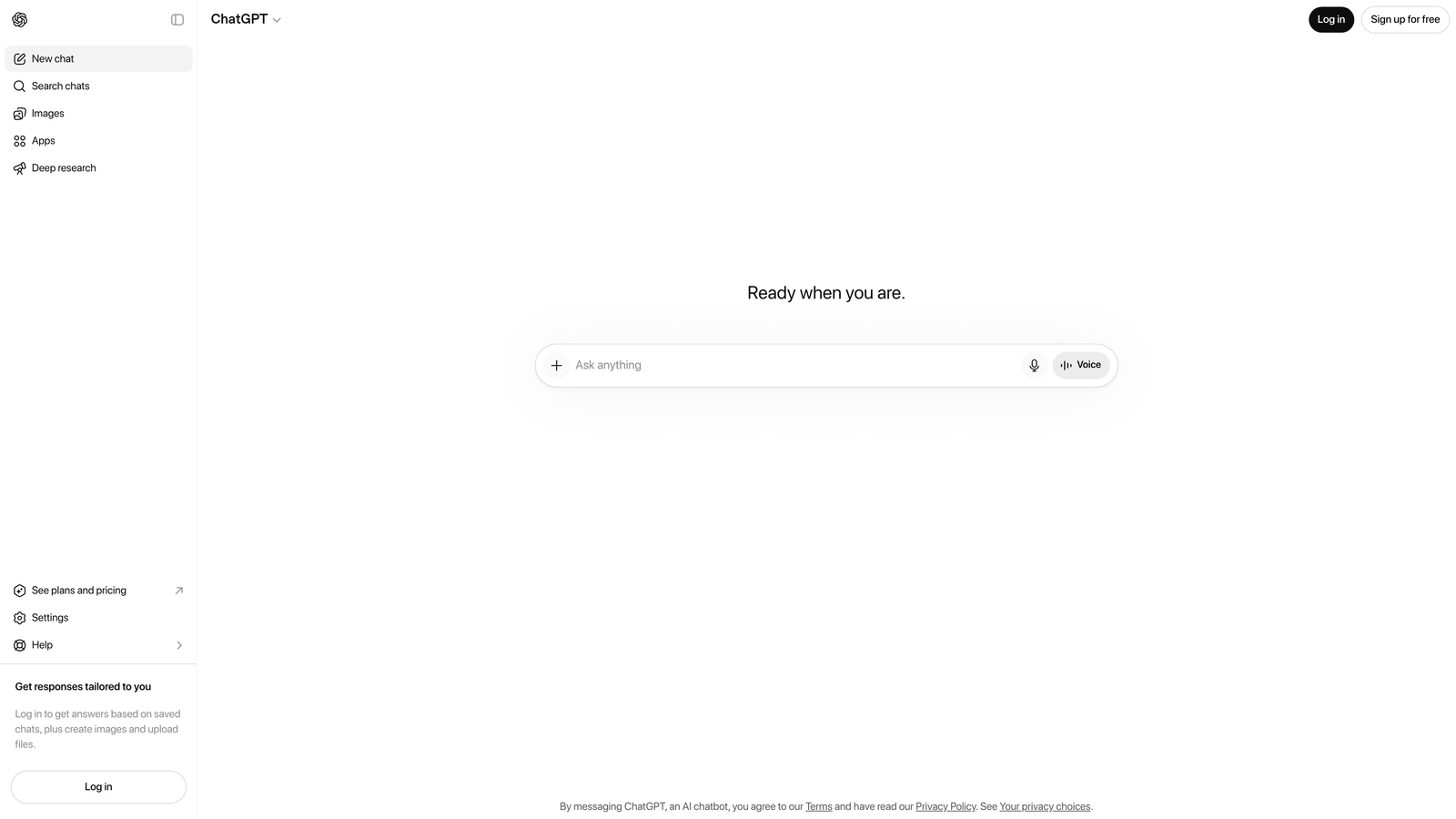
Optimizing for ChatGPT Search requires thinking about how your content reads as a source, not just how it ranks. Content that is clearly written, logically structured, and addresses specific user intents tends to be pulled more frequently. Mastering conversational search optimization is key to performing well on this platform.
Implementation Steps
1. Write in natural language: Avoid jargon-heavy or keyword-stuffed writing. ChatGPT's model responds well to content that reads naturally and directly answers questions.
2. Target conversational long-tail queries: Think about how someone would ask a question out loud, not just how they'd type it into a search bar. Build content around those phrasings.
3. Include clear, extractable summaries: Add TL;DR sections or introductory paragraphs that state your key point upfront. These are prime candidates for AI extraction.
4. Maintain content freshness: ChatGPT Search pulls real-time data. Regularly updating your content signals that it's current and relevant.
Pro Tips
Test your brand's visibility by asking ChatGPT Search questions in your niche and noting whether your content surfaces. Pay attention to how the model describes your brand or product when it does appear. Tracking these mentions consistently gives you a feedback loop for refining your content strategy across AI platforms.
3. Brave Search: Independent Index, Zero Tracking Overhead
The Challenge It Solves
Most alternative search engines are essentially Bing or Google under the hood, relying on their APIs and inheriting their speed limitations. Brave Search is different. It operates on its own independent search index, meaning it doesn't rely on Google or Bing data pipelines. Combined with its privacy-first architecture that strips tracking scripts, Brave delivers genuinely fast results for users who've grown frustrated with surveillance-heavy search experiences.
The Strategy Explained
Because Brave maintains its own index, appearing in Brave Search requires more deliberate optimization than simply ranking on Google and hoping the signal carries over. Brave's crawler, Brave Bot, needs to discover and index your content independently. The platform also integrates AI-powered summarization features, meaning your content can appear both as a traditional ranked result and as a source in AI-generated summaries.
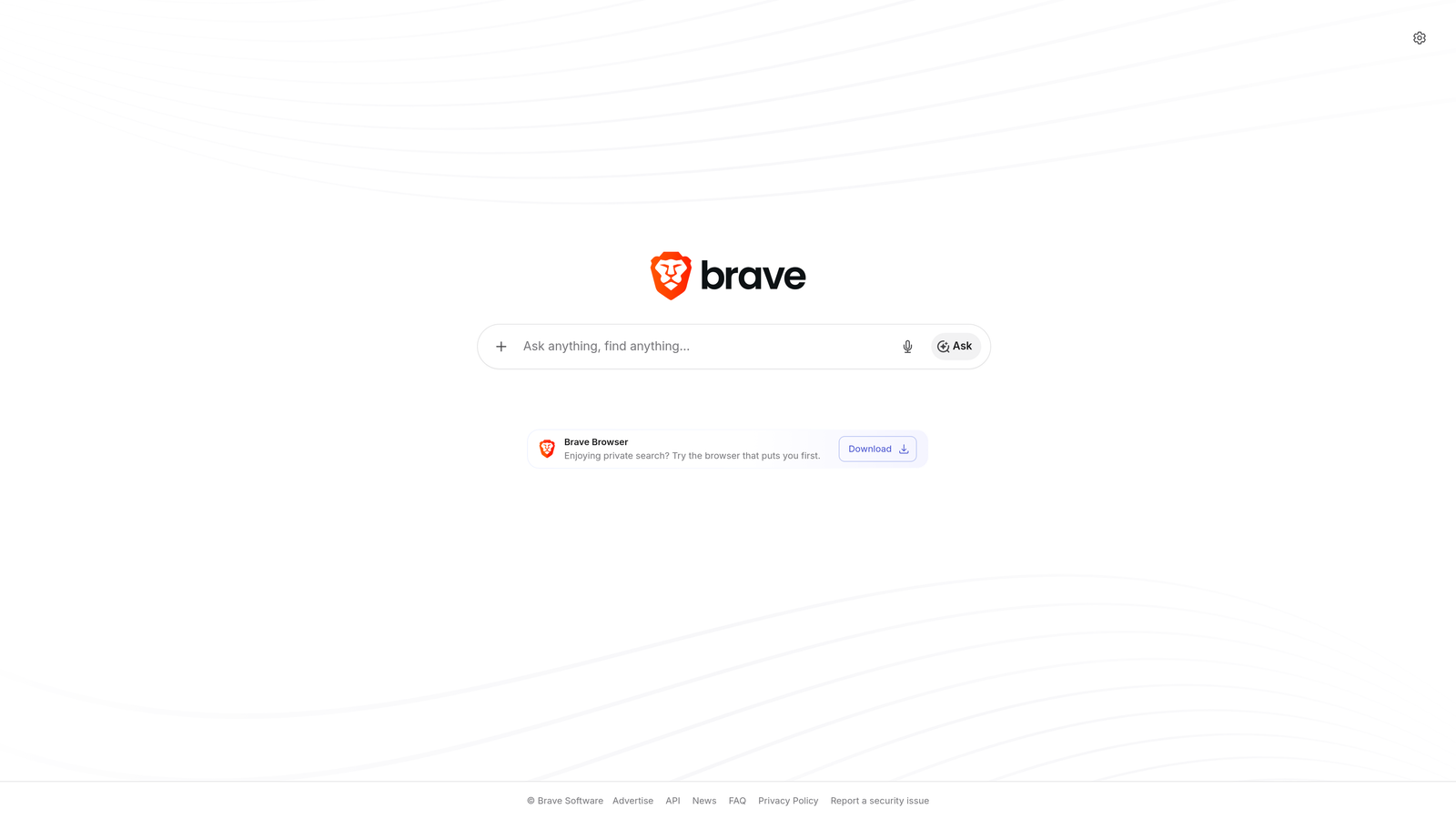
Brave's user base skews toward privacy-conscious, technically sophisticated users, including developers, security professionals, and early adopters. If your brand serves this audience, Brave Search visibility is particularly valuable.
Implementation Steps
1. Verify Brave Bot can crawl your site: Check your robots.txt file to ensure Brave's crawler isn't accidentally blocked. Review your server logs to confirm Brave Bot visits.
2. Submit your sitemap proactively: While Brave discovers content organically, ensuring your sitemap is updated and accessible accelerates indexing. Learning how to get indexed by search engines faster can significantly improve your Brave visibility.
3. Optimize for Brave's AI Summary feature: Structure content with clear headings and concise paragraphs that can be extracted for Brave's AI-generated answer boxes.
4. Prioritize page performance: Brave's users are speed-focused. Fast-loading, clean pages align with the platform's ethos and improve user experience signals.
Pro Tips
Regularly search your brand name and core topics in Brave Search to audit your current visibility. Because Brave's index is independent, gaps in your Brave visibility won't necessarily mirror your Google rankings, making direct platform testing essential.
4. DuckDuckGo: Streamlined Results Without the Personalization Bloat
The Challenge It Solves
Google's personalization algorithms create a paradox: results are tailored to individual users, but that tailoring adds computational overhead and can create filter bubbles. DuckDuckGo strips personalization entirely, delivering the same clean, unfiltered results to every user. This makes results faster to load and more predictable, which is exactly what a growing segment of privacy-aware users wants.
The Strategy Explained
DuckDuckGo primarily sources its results from Bing's index, supplemented by its own instant answers and vertical search integrations. This means strong Bing optimization translates directly to DuckDuckGo visibility. The platform also features "Instant Answers" boxes powered by partnerships with sources like Wikipedia and various APIs, offering a secondary visibility channel beyond traditional rankings.
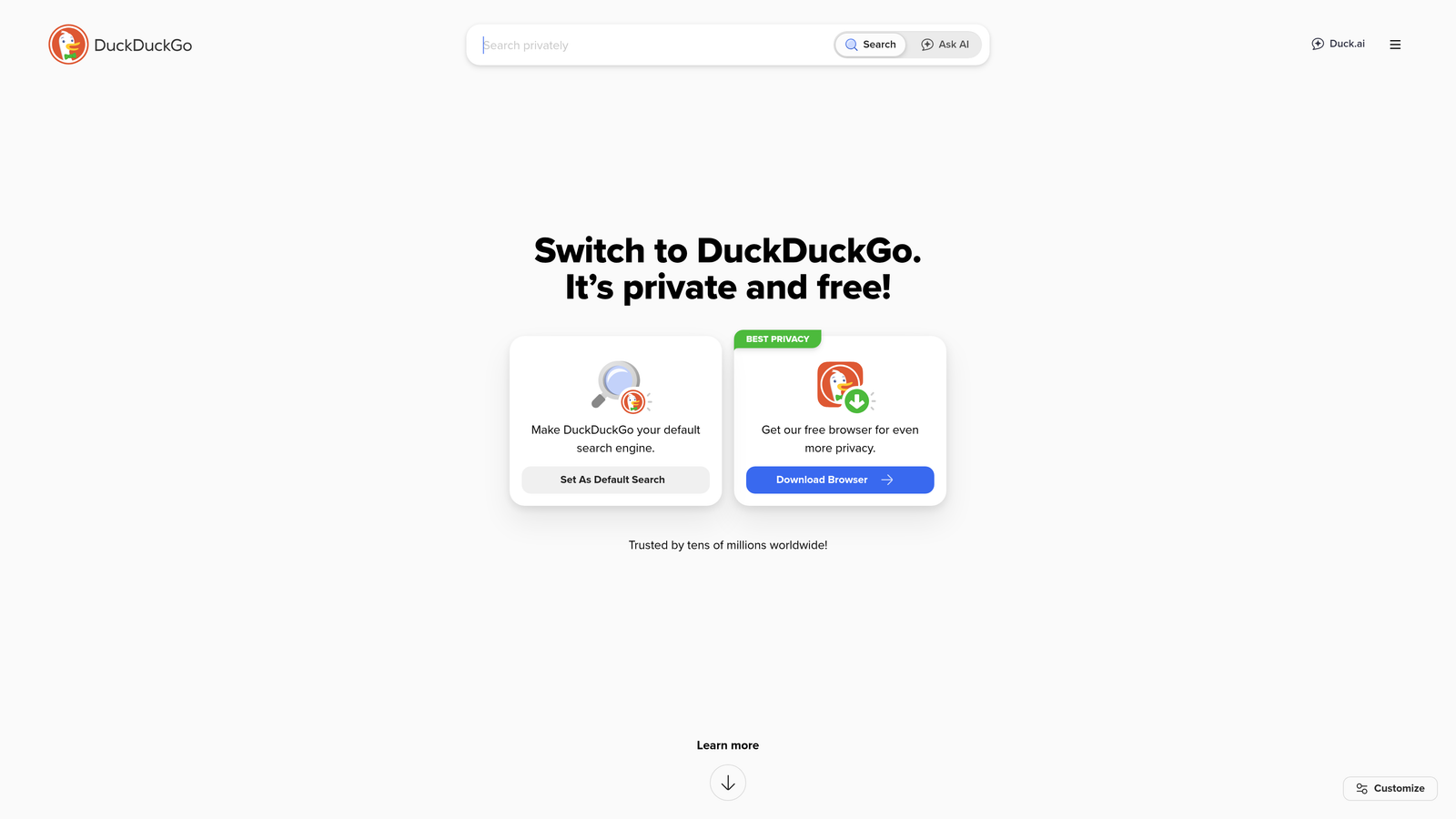
Because DuckDuckGo doesn't personalize results, rankings are more stable and predictable than on Google. What you see is what everyone sees, making it easier to audit and optimize your position.
Implementation Steps
1. Optimize for Bing Webmaster Tools: Since DuckDuckGo draws heavily from Bing's index, submitting your website to Bing and monitoring your Bing performance directly improves your DuckDuckGo visibility.
2. Target featured snippet-style content: DuckDuckGo's Instant Answers prioritize concise, definitive responses. Structure content with clear definitions, numbered lists, and direct answers to common questions.
3. Build clean, fast-loading pages: Without personalization overhead, DuckDuckGo's ranking signals lean heavily on technical quality and relevance. Core web vitals and page speed matter.
4. Claim and optimize your brand's knowledge panel presence: DuckDuckGo pulls from structured data sources. Ensure your brand information is accurate across directories and structured data markup.
Pro Tips
Use DuckDuckGo's bang commands (like !w for Wikipedia or !yt for YouTube) to understand how your content appears in specific verticals. This gives you insight into where your brand has gaps in the broader DuckDuckGo ecosystem beyond standard web results.
5. You.com: Multi-Modal Search for Different Intents and Speeds
The Challenge It Solves
Not every search has the same intent, and not every user wants the same experience. Some queries need a quick AI-generated answer; others require deep research mode with source comparison. You.com addresses this by offering multiple search modes, from fast AI summaries to detailed research outputs, letting users choose their preferred speed and depth. For brands, this creates multiple surfaces where content can appear.
The Strategy Explained
You.com blends traditional web search with AI-powered responses, offering modes that range from quick conversational answers to more exhaustive research compilations. The platform also integrates specialized apps for coding, writing, and research, making it particularly popular among knowledge workers and technical users.
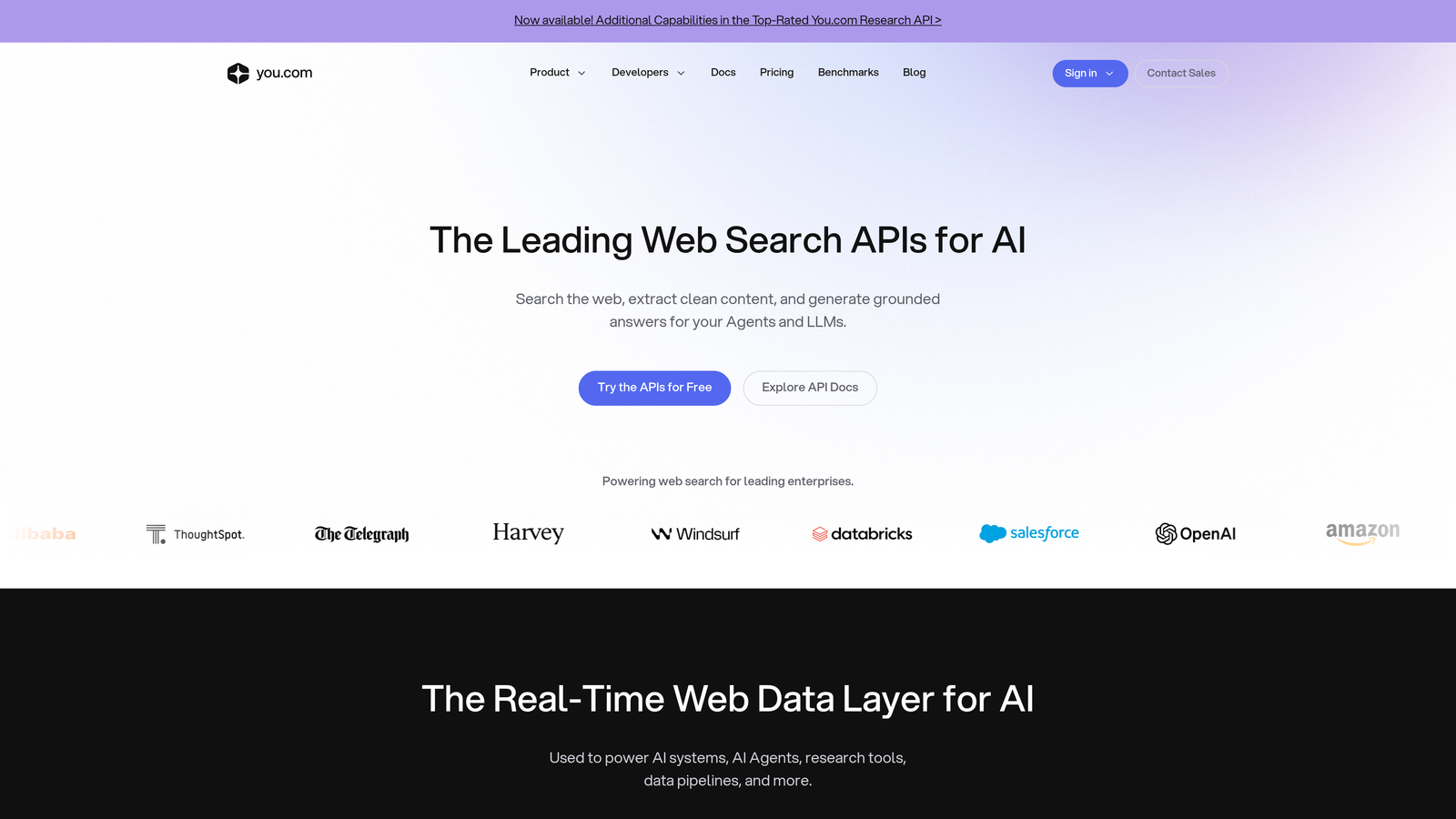
Appearing in You.com requires a dual approach: traditional SEO signals for the web search component, and GEO-style content optimization for the AI answer modes. Content that is well-structured, authoritative, and clearly addresses specific intents performs across both surfaces. Understanding search intent in SEO is critical for mapping your content to the right You.com modes.
Implementation Steps
1. Map your content to specific intents: You.com users often have clear, task-oriented goals. Create content that directly addresses "how to" queries, comparisons, and decision-making frameworks relevant to your niche.
2. Optimize for both Bing and independent discovery: You.com blends multiple data sources. Strong Bing optimization provides a foundation, while ensuring your content is crawlable by independent AI systems adds an additional layer.
3. Create content in multiple formats: You.com's multi-modal nature means that text content, structured data, and clearly formatted guides all have distinct visibility opportunities on the platform.
4. Focus on technical and professional topics: You.com's user base skews toward technical and professional audiences. If your brand serves these segments, prioritize content that speaks to their specific challenges.
Pro Tips
Test your content across You.com's different search modes for the same query. You may find your brand appears prominently in one mode but not another, revealing targeted optimization opportunities that a single-mode audit would miss.
6. Kagi: Ad-Free Search Where Relevance Wins
The Challenge It Solves
Ad-supported search engines carry a hidden speed cost: ad auctions, tracking scripts, and sponsored result processing all add latency before the first organic result even loads. Kagi eliminates this entirely through a subscription model. No ads, no tracking, no auction overhead. The result is a search experience that many users describe as noticeably faster and cleaner, with rankings driven purely by relevance rather than advertiser spend.
The Strategy Explained
Kagi operates on a paid subscription model, which fundamentally changes its incentive structure. Because Kagi earns revenue from subscribers rather than advertisers, its ranking signals are oriented entirely around user satisfaction and result quality. This makes it a fascinating platform for brands that genuinely produce high-quality content, since there's no ad-budget shortcut to visibility.

Kagi also offers users the ability to boost or block specific domains, meaning brands that earn user trust can receive elevated visibility through community signals. It blends results from multiple sources including its own index, creating a layered approach to relevance.
Implementation Steps
1. Double down on content quality: Kagi's audience is paying for better search results. They have high expectations. Content that is genuinely useful, well-researched, and clearly written performs disproportionately well here.
2. Earn editorial links and citations: Because Kagi weighs quality signals heavily, backlinks from authoritative sources carry significant weight. A focused link-building strategy toward high-quality publications pays dividends on Kagi.
3. Avoid over-optimization: Kagi's relevance-first approach means keyword stuffing and thin content actively hurt your visibility. Prioritize substance over SEO mechanics.
4. Build a brand that users actively seek out: Kagi users can manually boost domains they trust. Investing in your brand reputation in AI search engines benefits you across Kagi and similar quality-focused platforms.
Pro Tips
Kagi's user base, while smaller than mainstream engines, is highly engaged and often influential in technical, professional, and creative fields. Visibility here can drive outsized word-of-mouth and referral traffic relative to raw search volume, making it worth monitoring even if it's not your primary optimization target.
7. Claude and AI Assistants: Direct Answer Engines That Bypass Search Entirely
The Challenge It Solves
An increasing number of users never open a search engine at all. Instead, they ask Claude, ChatGPT, Gemini, or other AI assistants directly for recommendations, explanations, and solutions. These assistants bypass traditional search entirely, drawing on their training data and, in some cases, real-time retrieval to generate answers. For brands, this creates an invisible visibility gap: if AI assistants don't mention your brand in relevant contexts, you simply don't exist for these users.
The Strategy Explained
AI assistants like Claude form opinions about brands based on what they've learned during training and what they retrieve during conversations. Brands that are well-documented across authoritative sources, frequently mentioned in industry publications, and clearly associated with specific solutions are more likely to surface in AI-generated recommendations. If you suspect AI search engines are missing your website, this is the channel where the gap is most likely occurring.
This is the core challenge of AI visibility: it's not about ranking in a traditional sense. It's about being part of the information ecosystem that AI models draw from when answering questions in your category. The concept of AI search engine optimization addresses this directly, focusing on how brands appear in AI-generated responses rather than traditional search rankings.
Implementation Steps
1. Publish authoritative, citation-worthy content: AI models favor brands that are referenced across multiple credible sources. Guest articles, press coverage, and industry report inclusions all contribute to your AI visibility footprint.
2. Define your brand clearly in your own content: Use consistent language to describe what your brand does, who it serves, and what problems it solves. AI models learn from this definitional clarity.
3. Track how AI models currently describe your brand: Use AI visibility monitoring tools to understand what ChatGPT, Claude, Perplexity, and others say about your brand today. This baseline reveals gaps and opportunities.
4. Build presence in the sources AI models trust: Wikipedia, industry publications, analyst reports, and well-known review platforms are disproportionately represented in AI training and retrieval. Prioritize visibility in these channels.
Pro Tips
Ask AI assistants directly about your brand, your competitors, and your category. Note which brands get mentioned, how they're described, and what language is used. This qualitative audit is one of the most revealing exercises a marketer can do in the current search landscape, and it costs nothing but time.
Your Implementation Roadmap: Building Visibility Beyond Google
The search landscape is fragmenting. Users are spreading their queries across AI assistants, privacy-focused engines, subscription platforms, and conversational tools. Brands that treat Google as their only optimization target are leaving significant visibility on the table.
Here's how to approach this practically, without overwhelming your team:
Start with your baseline: Before optimizing for anything, understand where you currently stand. Test your brand across Perplexity, ChatGPT Search, Brave, and DuckDuckGo. Ask AI assistants what they know about you. This audit reveals your biggest gaps immediately.
Prioritize by audience fit: Not every platform matters equally for every brand. If your audience skews technical, Brave, Kagi, and You.com deserve more attention. If you're in a research-heavy category, Perplexity and ChatGPT Search are critical. Match your effort to where your users actually search.
Invest in GEO-optimized content: Traditional SEO gets you ranked. GEO-optimized content gets you cited by AI systems. The overlap is significant, but the differences matter: clear structure, factual precision, question-based formatting, and topical authority are all amplified in AI-driven environments.
Ensure technical discoverability: Use indexing tools with IndexNow integration to push new content to Bing and other independent indexes quickly. Faster indexing means faster visibility across DuckDuckGo, Brave, and other Bing-adjacent platforms.
Monitor continuously: AI visibility isn't a set-and-forget channel. How models reference your brand can shift as their training updates and as competitors publish new content. Regular monitoring keeps you informed and ahead.
The brands that win the next era of search will be those visible everywhere their audience looks, not just on Google. That requires a new kind of strategy, one that combines traditional SEO with AI visibility tracking, GEO content optimization, and multi-platform discoverability.
Start tracking your AI visibility today and see exactly where your brand appears across top AI platforms. Stop guessing how ChatGPT, Claude, and Perplexity talk about your brand, and start optimizing based on real data.