Content intelligence is the use of AI and data analysis to work out what content to create, how to optimize it, and how it performs. It covers competitor coverage, topic gaps, search intent, and, increasingly, how AI assistants such as ChatGPT and Perplexity mention your brand. A content intelligence platform brings those signals together so teams can decide what to publish next and measure whether it worked.
These platforms are now core infrastructure for marketing teams that rely on organic growth across traditional search and AI-powered discovery. This guide evaluates nine leading platforms on four criteria: AI capabilities, content optimization features, ease of use, and value. It also includes a comparison table and guidance on matching a tool to your team.
What a content intelligence platform should do
Products in this category vary widely. Before you compare vendors, check which of these jobs you actually need covered:
- Research and planning: Topic modeling, keyword clustering, and gap analysis against competitors and against your own content library.
- Optimization: Real-time guidance on term coverage, structure, and readability while drafting or refreshing pages.
- Creation: AI briefs and drafts grounded in SERP and competitor data rather than generic model output.
- Measurement: Rankings, traffic, and conversions. For AI search, this also means brand mentions, citations, and sentiment in AI-generated answers.
- Operations: Workflow, publishing, indexing, and integrations with your CMS and analytics stack.
Quick comparison
| Platform | Primary strength | AI search visibility | Starting price |
|---|---|---|---|
| Sight AI | AI visibility tracking and automated content | Yes, across multiple AI models | Contact for pricing |
| Clearscope | Writer-friendly optimization | Limited | $170/month |
| MarketMuse | Topic clusters and content planning | Limited | Free tier; $149/month |
| Surfer SEO | SERP-based on-page optimization | Limited | $89/month |
| Semrush ContentShake AI | Drafting within the Semrush ecosystem | Via the wider Semrush suite | $60/month |
| Frase | Research and question mining | Limited | $15/month |
| Conductor | Enterprise workflows and business impact | Enterprise add-ons | Custom |
| BrightEdge | Large-scale tracking and market share | Enterprise add-ons | Custom |
| Contently | Intelligence plus creator network | No | Custom |
Pricing and feature sets change often, so confirm current plans with each vendor before you buy.
1. Sight AI
Best for: Brands prioritizing AI visibility tracking alongside SEO/GEO-optimized content creation
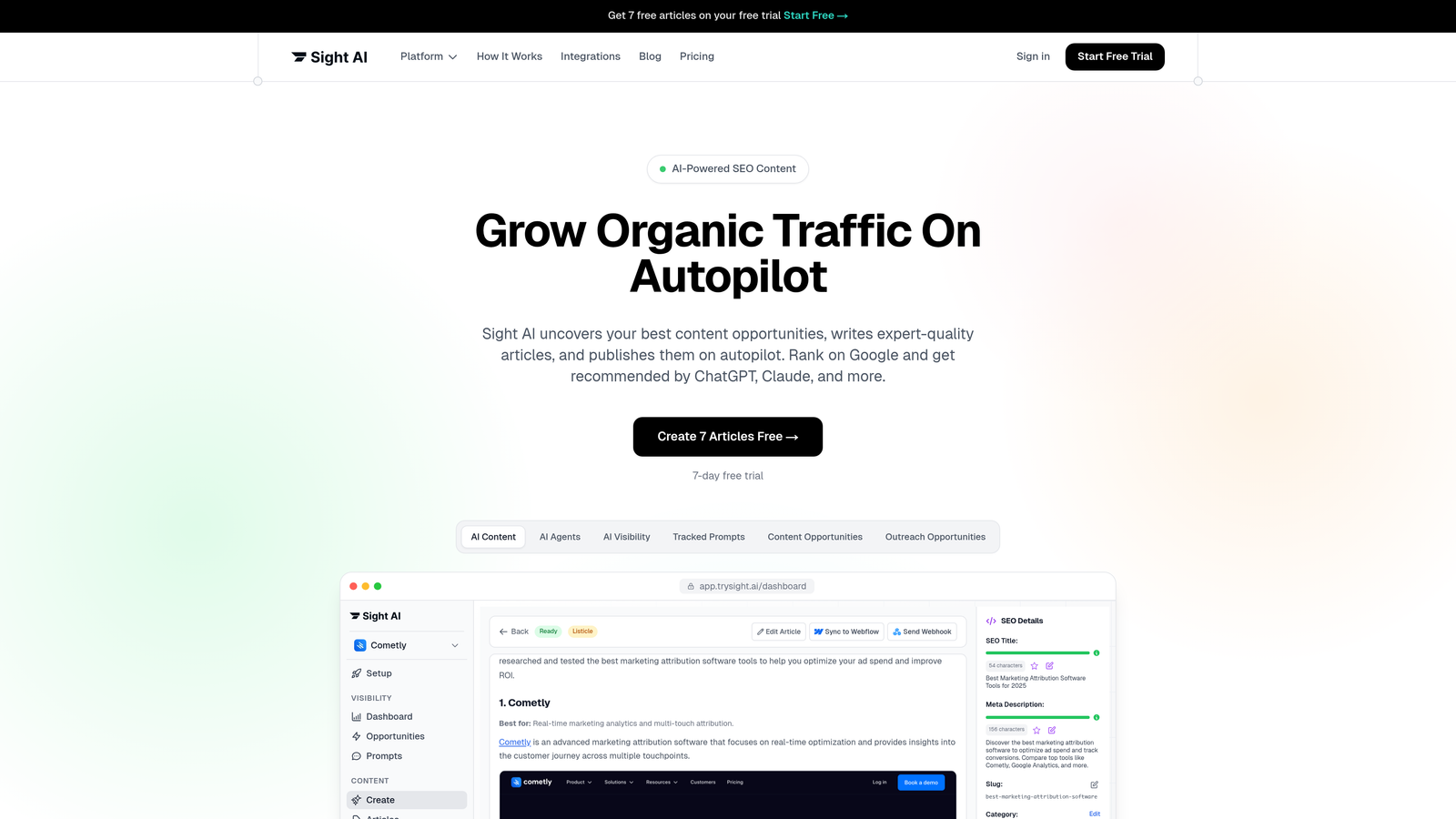
Sight AI is a content intelligence platform that monitors how AI models talk about your brand and automates content generation.
Where This Tool Shines
Sight AI addresses a gap that traditional content intelligence platforms miss: visibility in AI-powered search. Most tools focus only on Google rankings. Sight AI tracks brand mentions across ChatGPT, Claude, Perplexity, and six other AI platforms.
The platform pairs this AI visibility tracking with content generation through 13 specialized AI agents. You can see where your brand appears in AI responses and create optimized content to improve those mentions in the same workflow. Its content opportunities feature highlights the topics where competitors are covered and you are not.
Key Features
AI Visibility Score: Tracks the sentiment and frequency of brand mentions across multiple AI models, with detailed prompt analysis.
13+ Content AI Agents: Generate listicles, guides, and explainers optimized for both traditional search and AI discovery channels.
IndexNow Integration: Automatically submits new and updated content to participating search engines for faster discovery.
Autopilot Mode: Automates content workflows from generation through publishing with minimal manual intervention.
CMS Auto-Publishing: Publishes directly to your website, with automated sitemap updates and content distribution.
Best For
Marketing teams and agencies focused on organic growth that need to optimize for both traditional search and AI-powered discovery. It is particularly useful for brands that want to understand and improve how ChatGPT and similar models represent their products or services.
Pricing
Contact for pricing. Tiered plans range from startup to enterprise and scale with content volume and AI visibility tracking needs.
2. Clearscope
Best for: Writers and content teams focused on creating comprehensive, search-optimized content
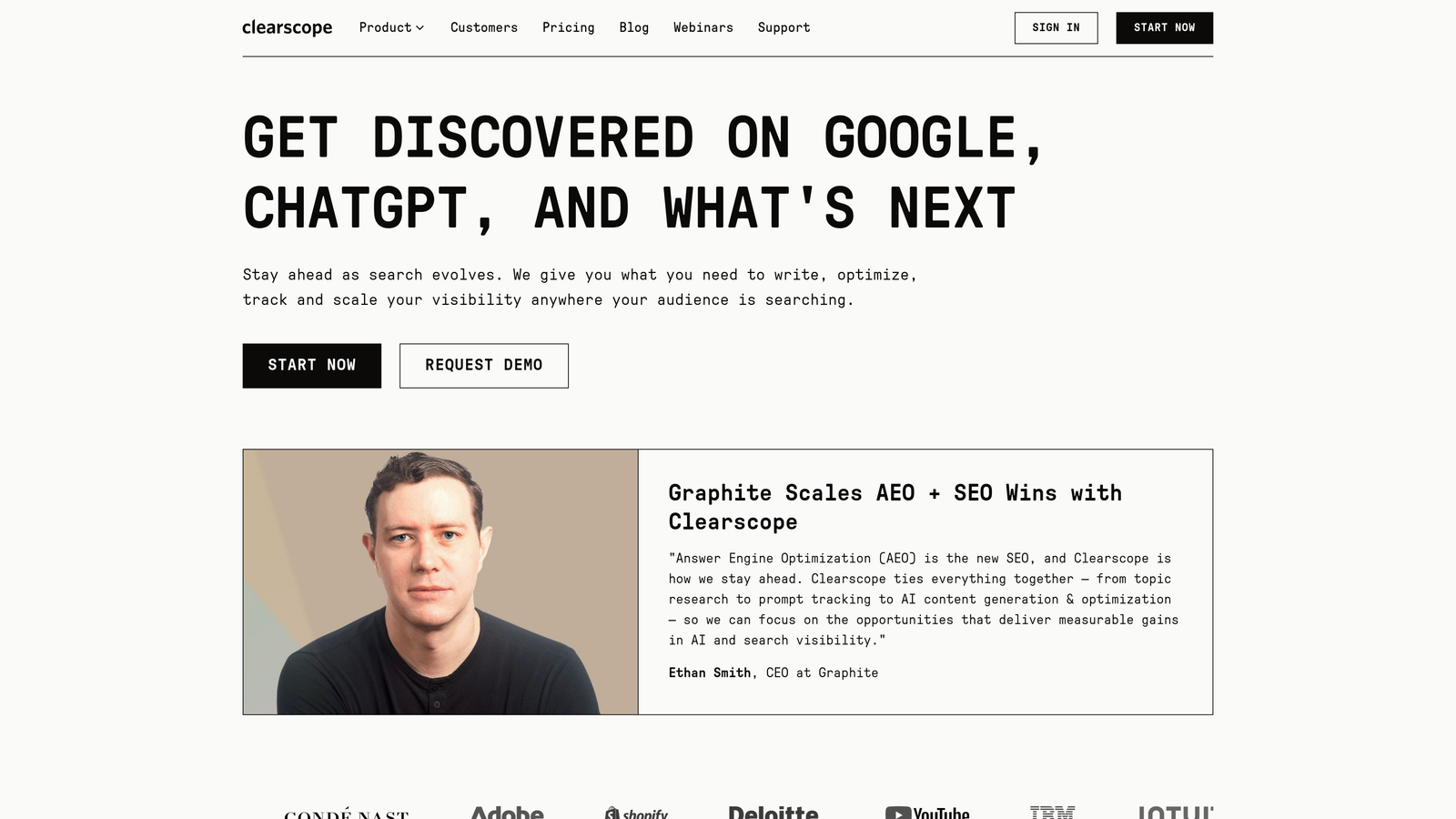
Clearscope is a content optimization platform that uses natural language processing to help writers create high-performing content.
Where This Tool Shines
Clearscope makes content optimization accessible to non-technical writers. Its real-time grading system gives instant feedback as you write and shows how your content compares to top-ranking competitors.
The interface is clean and focused. Clearscope surfaces only the most important terms and concepts to cover, so optimization feels like writing guidance rather than technical SEO.
Key Features
A++ Grading System: Real-time content scoring that updates as you write.
NLP-Driven Recommendations: Keyword and term suggestions based on what top-ranking content covers.
Google Docs Integration: Optimize content inside your existing writing workflow without switching platforms.
Competitive Analysis: Shows how competitor content covers a topic, with readability and comprehensiveness metrics.
WordPress Publishing: Direct integration that publishes content with optimization data intact.
Best For
Content writers and small marketing teams that want straightforward optimization guidance without complex setup. A good fit for blogs and content teams that prioritize quality over volume.
Pricing
Starts at $170/month for the Essentials plan with a limited number of reports. Higher tiers add more monthly optimizations and team collaboration features.
3. MarketMuse
Best for: Content strategists building comprehensive topic clusters and content plans
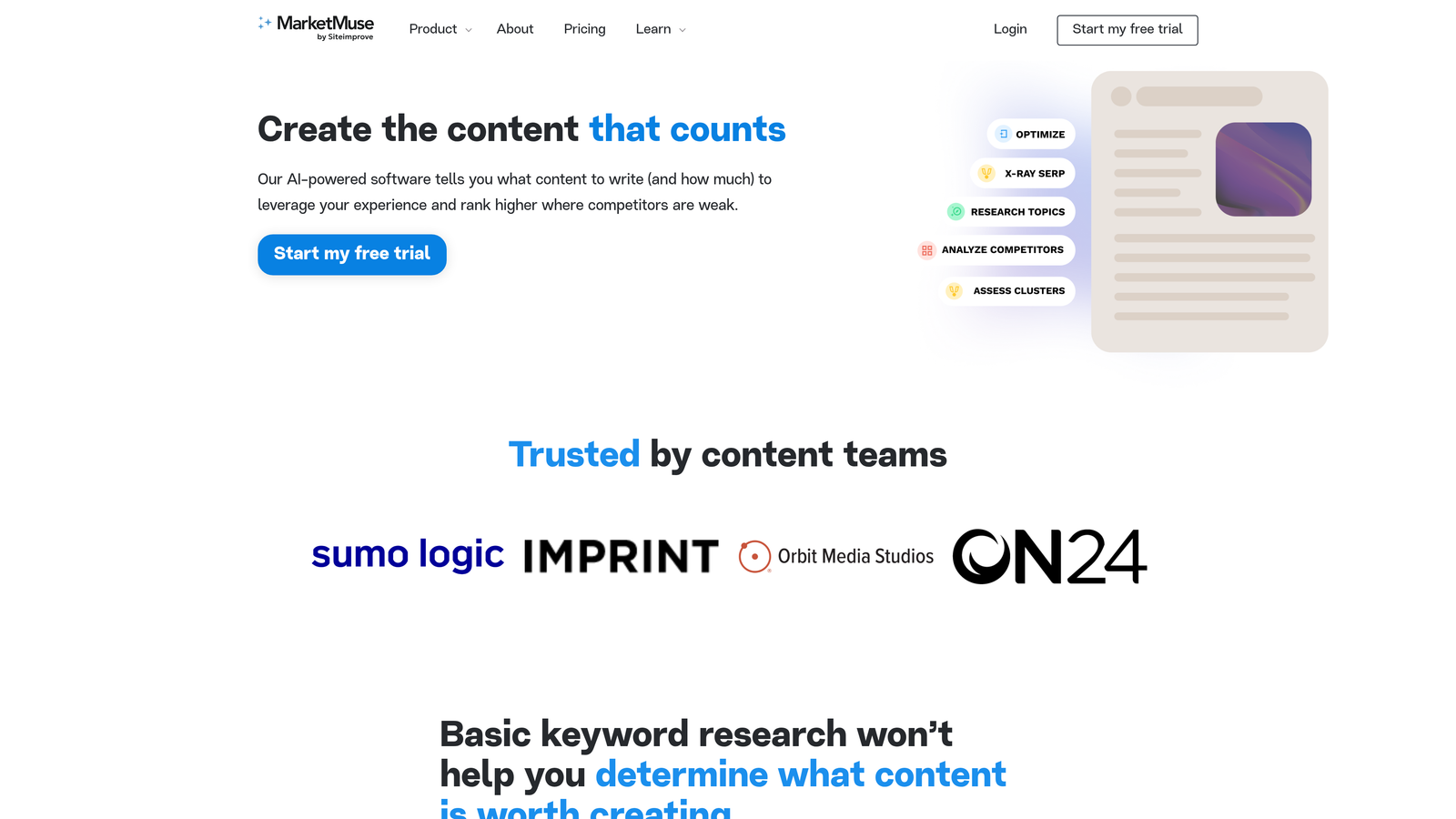
MarketMuse is an AI-powered content strategy platform specializing in topic modeling and competitive content analysis.
Where This Tool Shines
MarketMuse approaches content intelligence from a strategic planning perspective. Instead of optimizing articles one at a time, it helps you build entire content ecosystems around topic clusters.
Its personalized difficulty scores are particularly useful. MarketMuse analyzes your domain authority and existing content to show which topics you can realistically rank for. This keeps teams from spending resources on keywords that are too competitive.
Key Features
AI Content Briefs: Automatically generated outlines with recommended topic coverage and structure, based on competitive analysis.
Content Inventory: Site-wide audits that identify gaps, redundancies, and optimization opportunities.
Personalized Difficulty: Keyword difficulty scores customized to your domain's authority and topical relevance.
Topic Cluster Analysis: Identifies related content opportunities so you can build full coverage around core topics.
First Draft Generation: AI writing assistance that creates initial drafts from brief specifications and competitive research.
Best For
Content strategists and SEO managers running long-term content programs who need planning tools beyond single-article optimization. Works well for established sites with large existing content libraries.
Pricing
A free tier with limited features is available. Paid plans start at $149/month for Standard and scale with content volume and team size.
4. Surfer SEO
Best for: On-page optimization with real-time, SERP-based content recommendations
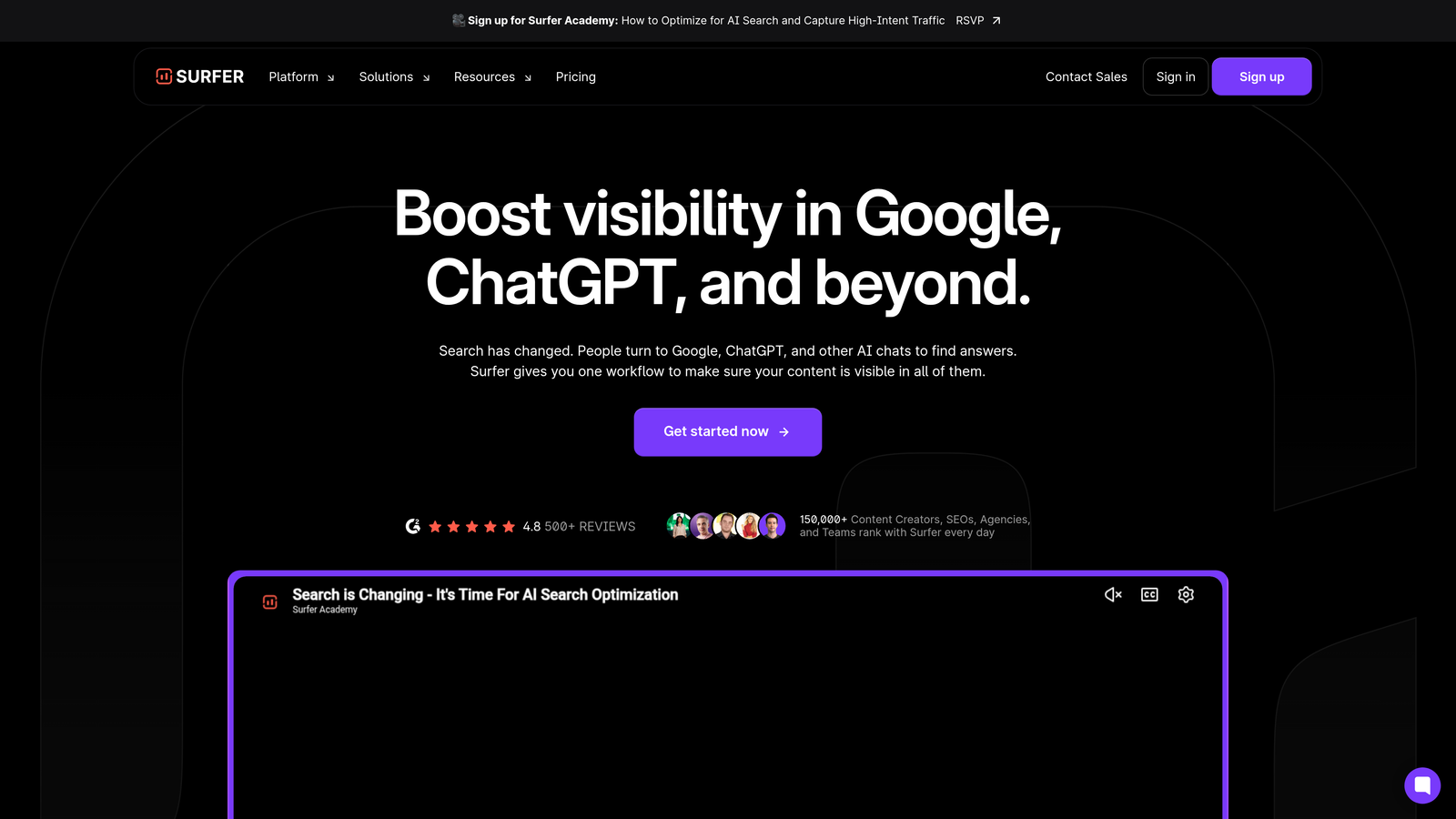
Surfer SEO is an on-page optimization tool that provides real-time editing guidance based on search engine results page analysis.
Where This Tool Shines
Surfer SEO delivers immediate, actionable feedback through its Content Editor. The tool analyzes top-ranking pages for your target keyword and turns that analysis into specific recommendations on word count, headings, images, and term usage.
The SERP Analyzer goes deeper than basic keyword research. It breaks down what makes top-ranking content successful, including structural elements, readability metrics, and semantic keyword usage.
Key Features
Content Editor: Real-time optimization scoring with visual indicators of content quality as you write.
SERP Analyzer: Detailed breakdown of top-ranking pages, including structure, word count, and keyword usage patterns.
Keyword Research: Search intent clustering that groups related keywords and identifies content opportunities.
Content Audit: Analyzes existing pages and gives specific improvement recommendations.
Surfer AI: AI writing assistant that generates drafts based on SERP analysis and optimization guidelines.
Best For
SEO specialists and content creators who want detailed, data-driven guidance without enterprise complexity. Particularly strong for teams producing high volumes of search-optimized content.
Pricing
Starts at $89/month for the Essential plan with a limited number of articles per month. Higher tiers add more content credits and advanced features.
5. Semrush ContentShake AI
Best for: Semrush users who want content creation inside their existing SEO toolkit
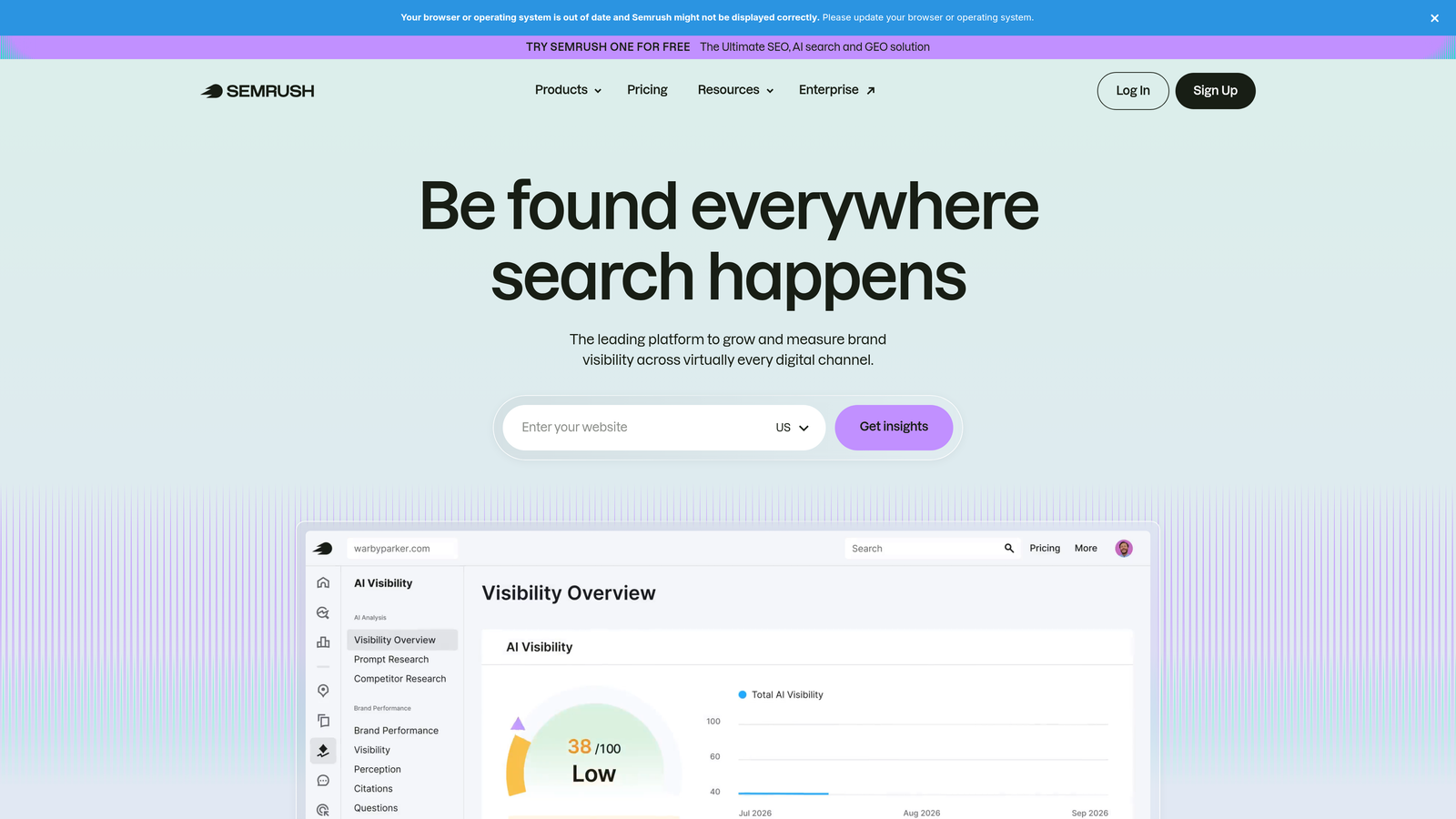
Semrush ContentShake AI is an AI-powered content creation tool that integrates with the broader Semrush ecosystem.
Where This Tool Shines
ContentShake AI's main advantage is its integration with Semrush's competitive intelligence data. It can generate content ideas based on gaps it finds in competitors' content strategies.
Its one-click drafting draws on Semrush's keyword data and competitor analysis. As a result, drafts already include strategic SEO elements rather than generic AI copy.
Key Features
AI Content Ideas: Generates article topics from competitive data and keyword opportunities in Semrush's database.
One-Click Drafting: Creates full article drafts with SEO optimization built in from the start.
WordPress Integration: Publishes directly to WordPress with proper formatting and metadata.
Brand Voice Customization: Trains the AI to match your tone and style guidelines.
Semrush Ecosystem: Access to the full suite of SEO tools, including keyword research, backlink analysis, and competitive intelligence.
Best For
Existing Semrush subscribers who want to add content creation to their SEO workflow. Most valuable for teams that already use Semrush for competitive research and keyword planning.
Pricing
Included with some Semrush subscription plans. Standalone ContentShake AI starts at $60/month with limited article generation credits.
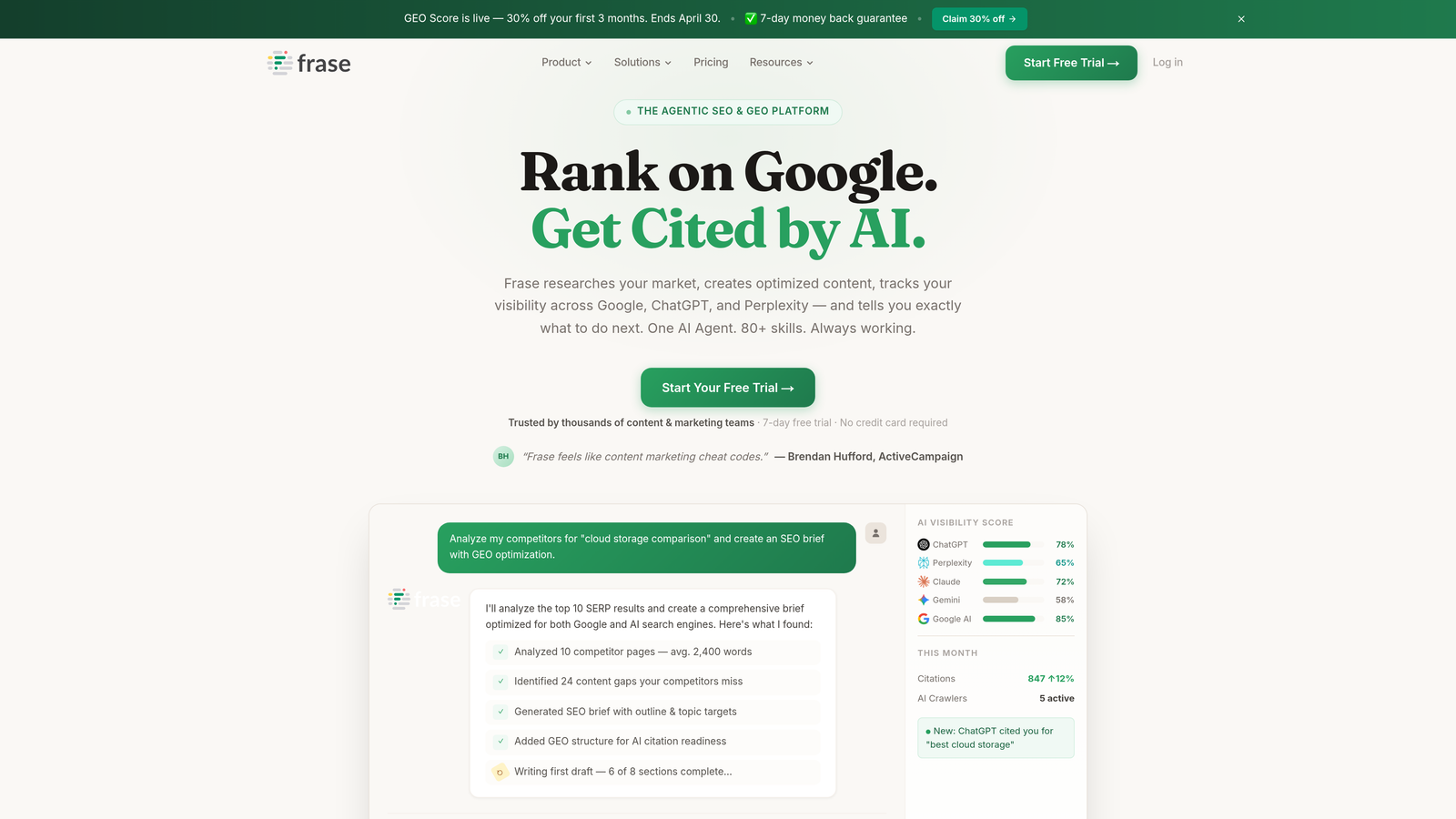
6. Frase
Best for: Research-driven content creation with detailed SERP analysis and question mining
Frase is a content platform that combines search engine results page analysis with AI writing assistance and question research.
Where This Tool Shines
Frase takes a research-first approach that suits writers who want to understand a topic before writing about it. It automatically pulls questions from People Also Ask and related searches, so writers can address what audiences actually want to know.
Its SERP analysis is immediately actionable. You can see both which topics competitors cover and how they structure that coverage, which makes it easier to write a more complete alternative.
Key Features
SERP Analysis: Competitor content breakdown showing topic coverage, structure, and optimization elements.
AI Outlines: Automatically generated content briefs based on analysis of top-ranking content.
Question Research: Mines People Also Ask and related questions to help you cover a topic fully.
Optimization Scoring: Real-time grading of how well your draft covers the target topic.
AI Writing Assistant: Generates content sections and tracks topic coverage for completeness.
Best For
Content creators and small teams that prioritize thorough research and full topic coverage. Particularly useful for informational content, where answering user questions is critical.
Pricing
Starts at $15/month for the Solo plan with one user and limited features. The Team plan, with collaboration tools, costs $115/month.
7. Conductor
Best for: Enterprise organizations that need deep workflow integrations and cross-channel content intelligence
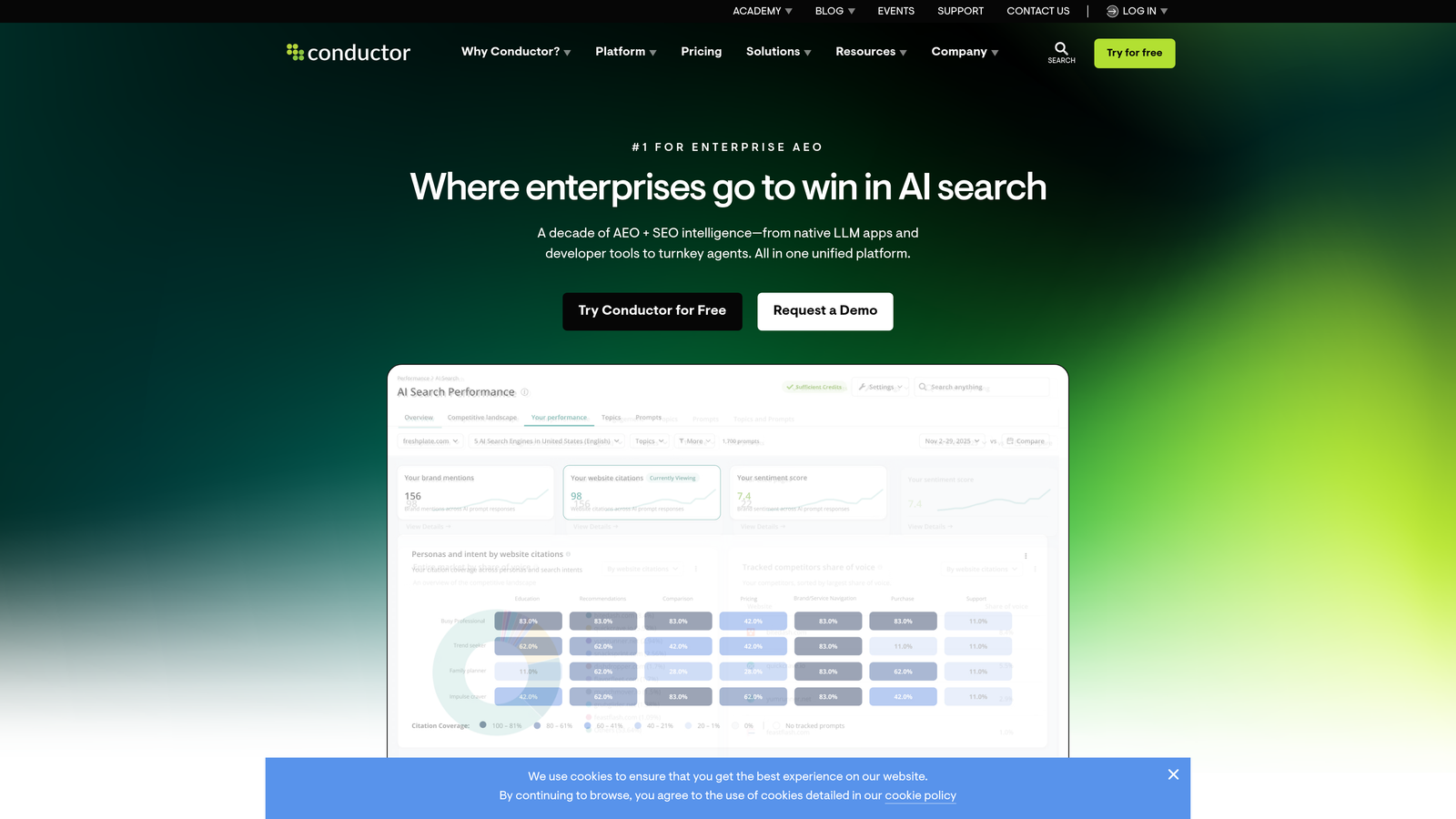
Conductor is an enterprise SEO and content intelligence platform with extensive workflow integration capabilities.
Where This Tool Shines
Conductor is built for enterprise complexity. It integrates with tools such as Salesforce, Adobe Experience Manager, and enterprise analytics platforms, so you can connect content performance directly to business outcomes.
Its dashboard goes beyond SEO metrics to show business impact. Marketing leaders can see rankings and traffic alongside pipeline, revenue, and other KPIs that matter to executives.
Key Features
Enterprise Dashboard: Content intelligence with customizable views for different stakeholders.
Cross-Channel Tracking: Monitors content performance across search, social, and other discovery channels in one platform.
Business Impact Data: Connects content metrics to revenue, pipeline, and other business outcomes.
Workflow Integrations: Deep connections with enterprise marketing technology stacks and CMS platforms.
Market Monitoring: Tracks competitor content strategies and market trends with enterprise-scale data collection.
Best For
Large marketing organizations whose content operations span multiple teams, regions, or brands. Most valuable when integration with existing enterprise systems is a priority.
Pricing
Custom enterprise pricing based on organization size, feature requirements, and integration needs. Contracts are typically annual and include implementation services.
8. BrightEdge
Best for: Enterprise SEO programs that require large-scale keyword tracking and competitive intelligence
BrightEdge is an enterprise SEO platform with robust content performance analytics and market intelligence capabilities.
Where This Tool Shines
BrightEdge's DataCube technology supports tracking at a scale smaller platforms cannot match. Enterprise brands can monitor hundreds of thousands of keywords across multiple markets and languages.
Its competitive intelligence goes beyond rank tracking. BrightEdge provides market share data, industry-wide content gap analysis, and predictive insights about emerging opportunities.
Key Features
DataCube: Large-scale keyword and content tracking across markets, languages, and devices.
ContentIQ: Technical SEO auditing with automated recommendations for on-page optimization.
Market Share Analysis: Compares your content visibility with competitors across entire industries.
Recommendations Engine: AI-powered content suggestions based on performance data and competitive gaps.
Enterprise Reporting: Customizable dashboards and reports for stakeholders at different levels of the organization.
Best For
Enterprise brands with significant SEO budgets that need broad market intelligence and large-scale tracking. Best suited to organizations with dedicated SEO teams managing complex, multi-market strategies.
Pricing
Custom enterprise pricing on annual contracts. Pricing typically scales with keyword tracking volume, number of domains, and feature requirements.
9. Contently
Best for: Content marketing programs that combine intelligence tools with talent management and operations
Contently is a content marketing platform that integrates intelligence tools with creator network access and workflow management.
Where This Tool Shines
Contently takes a holistic approach to content operations. Beyond analytics and optimization, it connects brands with vetted freelance creators and manages the full content lifecycle, from strategy through production and performance tracking.
Its strength is solving the operational problems that intelligence tools alone do not address. You can identify content opportunities, assign them to qualified creators, manage editorial workflows, and track performance in one system.
Key Features
Strategy Analytics: Performance tracking that shows which topics and formats drive business results.
Creator Network: Access to vetted freelance writers, designers, and video producers.
Editorial Workflow: Calendar management, assignment tracking, and approval workflows.
Brand Voice Tools: Style guide enforcement and brand consistency checks across all content.
ROI Tracking: Connects content performance to engagement metrics and business outcomes.
Best For
Brands producing high volumes of content that need both intelligence tools and operational infrastructure. Particularly valuable for companies without in-house creative teams that rely on freelancers.
Pricing
Custom pricing based on content volume, creator network access, and platform features. Plans are typically structured around annual content production commitments.
Making the Right Choice
The right content intelligence platform depends on your team's primary focus and operational needs. The category has changed significantly as AI-powered discovery channels have grown alongside traditional search.
For brands prioritizing AI visibility alongside content creation, Sight AI combines AI model monitoring with automated content generation. This addresses the growing need to optimize for how ChatGPT, Claude, and Perplexity represent your brand, not just for Google. To set targets and report on this channel, follow our 6-step framework for measuring AI visibility performance.
If you're specifically evaluating platforms built for monitoring brand mentions in AI responses, our comparison of the top AI visibility software tools walks through the dedicated options in detail.
Teams focused purely on search optimization will find that Clearscope and Surfer SEO deliver excellent on-page guidance with a minimal learning curve. Both make optimization accessible to writers without deep SEO expertise. Frase offers a middle ground, with strong research capabilities for teams that prioritize full topic coverage.
If you work within the Semrush ecosystem, ContentShake AI fits naturally into your existing competitive intelligence and keyword research workflows. MarketMuse stands out for strategic content planning, particularly when you are building topic clusters and long-term content programs.
Enterprise organizations with complex content operations should evaluate Conductor and BrightEdge for their depth of analysis and integrations. Conductor excels when stakeholders need content performance tied to business outcomes. BrightEdge provides unmatched scale for brands tracking performance across multiple markets and languages. Contently solves a different problem: it combines intelligence with talent management for brands producing high volumes of content through freelance networks.
Start by deciding whether your priority is AI visibility tracking, content optimization, or full-scale content operations. Then weigh team size, technical expertise, and integration requirements. Most importantly, consider where your audience discovers content today and where that discovery is likely to happen next.
Frequently asked questions
What is content intelligence?
Content intelligence is the practice of using AI, natural language processing, and performance data to decide what content to create and how to improve it. Typical inputs include competitor coverage, search intent, topic gaps, engagement metrics, and, more recently, mentions in AI assistants. The output is practical guidance: which topics to target, what each page must cover, and which existing pages need a refresh or consolidation.
Is content intelligence software the same as a content optimization tool?
Not quite. Content optimization tools such as Clearscope or Surfer focus on improving individual drafts against the current search results. Content intelligence is broader. It adds planning, site-wide inventory and gap analysis, performance measurement, and sometimes AI visibility tracking. Many platforms combine both, so compare vendors using the capability checklist near the top of this guide rather than relying on category labels.
How big is the content intelligence market?
Market-size estimates vary widely between analyst firms, because each one defines the category differently. Some count only content analytics, while others include SEO suites and AI writing tools. Most reports agree that the category is growing, driven by generative AI and the shift toward AI-powered search. When you budget, compare price against the specific jobs you need covered rather than against headline market figures.
Which platforms detect topical gaps across blog, video, and help center content?
Site-wide inventory tools such as MarketMuse, and enterprise suites such as Conductor and BrightEdge, can audit multiple content sections for gaps when those sections are crawlable. Video gaps usually depend on transcripts or page text. Sight AI adds a different lens: it shows the topics and prompts where AI models mention competitors but not your brand.
The shift toward AI-powered search is accelerating. Stop guessing how AI models like ChatGPT and Claude talk about your brand: get visibility into every mention, track content opportunities, and automate your path to organic traffic growth. Start tracking your AI visibility today and see exactly where your brand appears across top AI platforms.