The market for AI content generation tools has matured rapidly. What once required entire content teams — keyword research, drafting, optimization, publishing — can now be handled by specialized AI platforms. But not all tools are built the same. Some focus purely on writing volume. Others layer in SEO optimization, GEO (Generative Engine Optimization) targeting, or AI visibility tracking to ensure your content actually gets discovered by both search engines and AI models like ChatGPT, Claude, and Perplexity.
This guide covers the best AI content generation tools worth buying in 2026, selected for their real-world utility for marketers, founders, and agencies focused on organic growth. We evaluated each tool on content quality, SEO/GEO capabilities, workflow automation, and overall value. Whether you're scaling a content operation or just getting started, there's a right tool for your stage.
1. Sight AI
Best for: Marketers and agencies who want content generation and AI visibility tracking in one platform.
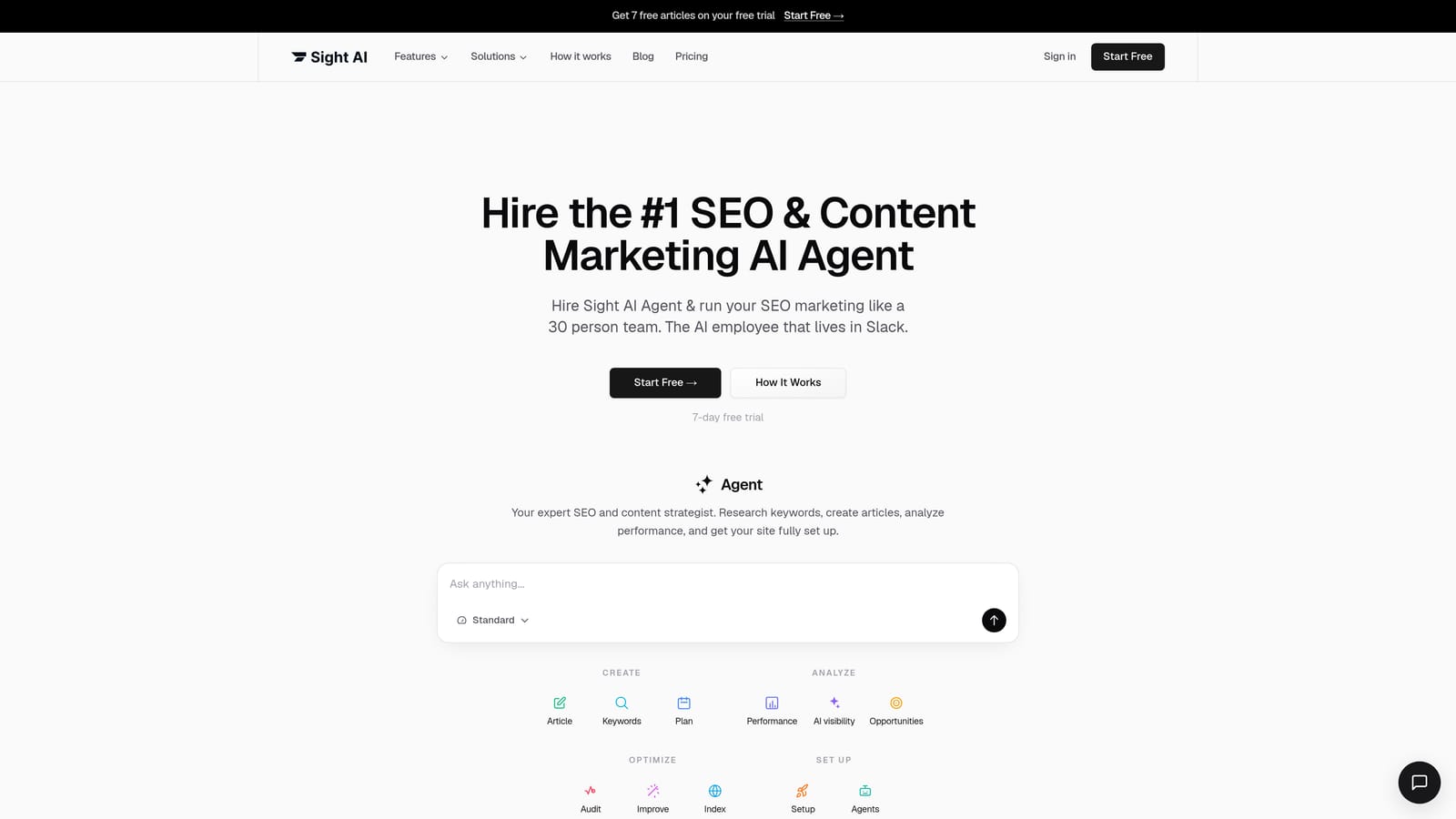
Sight AI is an all-in-one AI content generation and AI visibility platform built for marketers, founders, and agencies who want to create SEO/GEO-optimized content and track how AI models mention their brand within a single workflow.
Where This Tool Shines
Most AI writing tools stop at content production. Sight AI closes the loop by combining content generation with AI visibility tracking, so you can see whether the articles you publish are actually resulting in brand mentions across ChatGPT, Claude, Perplexity, and other major LLM platforms. That feedback cycle is something you simply cannot replicate by stitching together separate tools.
The Autopilot Mode is particularly useful for agencies and lean marketing teams. Once your content strategy is configured, the platform can run hands-off content production continuously, handling everything from generation to indexing to publishing without manual intervention at each step.
Key Features
13+ Specialized AI Agents: Purpose-built agents for generating listicles, guides, and explainer articles optimized for both search engines and AI models, rather than a single generic writing model.
AI Visibility Score: Tracks brand mentions and sentiment across ChatGPT, Claude, Perplexity, and 6+ AI platforms, giving you a concrete measure of your AI search presence.
Autopilot Mode: Enables hands-off, continuous content production for teams that need to scale without proportionally scaling headcount.
IndexNow Integration: Automated sitemap updates and IndexNow-powered indexing push new content to search engines faster than standard discovery timelines.
CMS Auto-Publishing: Streamlines the full production-to-publish pipeline, eliminating manual copy-paste steps between content generation and your website.
Best For
Sight AI is best suited for marketers, founders, and agency teams who want a single platform rather than a fragmented stack. It's particularly valuable if AI search visibility is a strategic priority — teams who want to know not just whether they rank on Google, but whether ChatGPT and Perplexity are mentioning their brand when users ask relevant questions.
Pricing
Sight AI offers tiered pricing plans. Visit trysight.ai for current plan details and to find the tier that fits your content volume and team size.
2. Writesonic
Best for: Teams needing high-volume content across diverse formats with built-in SEO features.
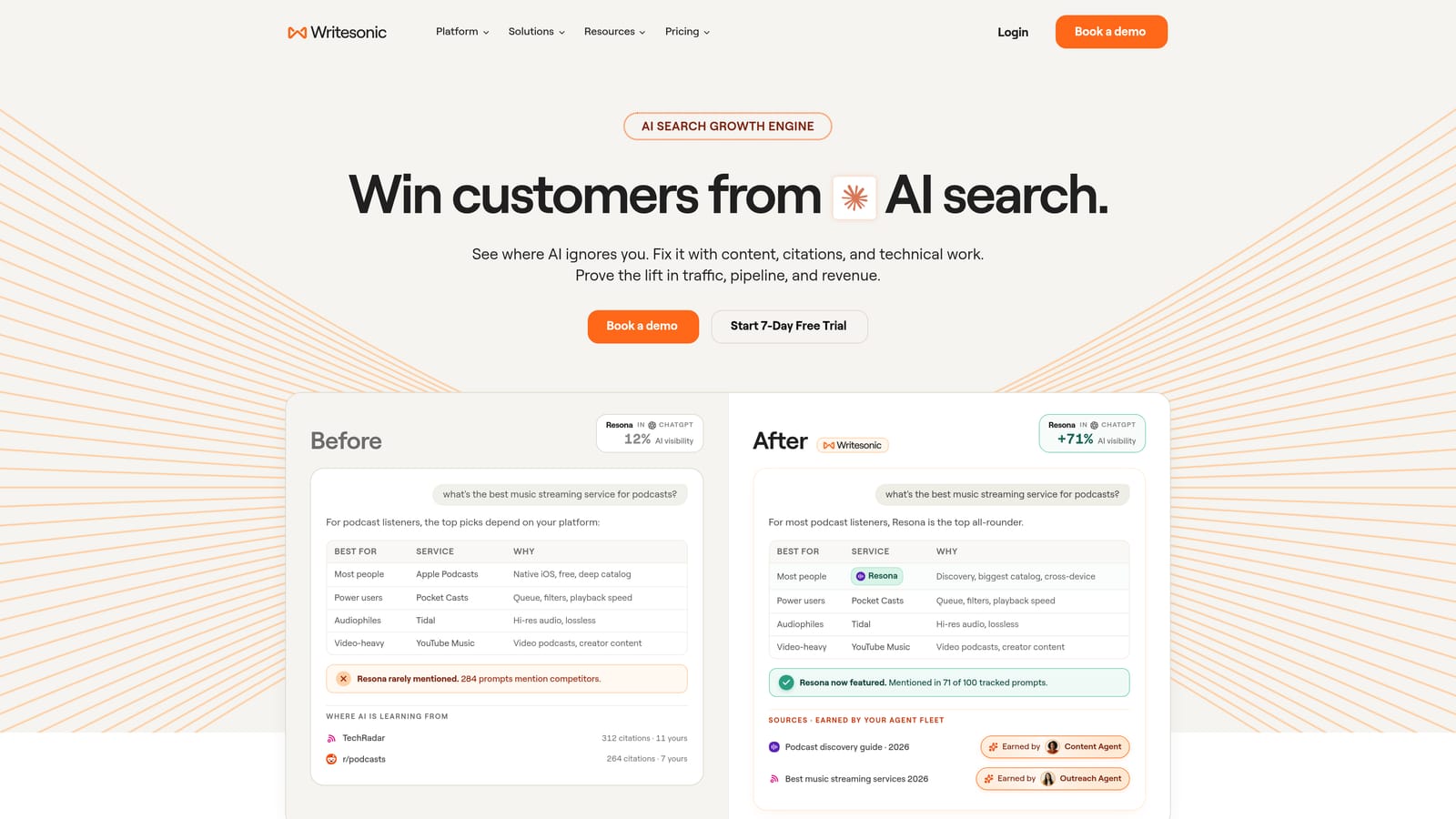
Writesonic is a broad-purpose AI writing platform covering blog posts, ads, social content, and product copy, with built-in SEO features and brand voice customization.
Where This Tool Shines
Writesonic's strength is format breadth. If your team needs to produce blog articles, landing page copy, social posts, and product descriptions from a single platform, it handles the range without requiring separate tools for each content type. That versatility makes it a practical choice for content teams managing diverse channel requirements.
The brand voice training feature is genuinely useful for agencies managing multiple clients. Rather than manually editing outputs to match each client's tone, you can train the platform on existing content and maintain consistency at scale.
Key Features
Wide Content Format Support: Covers blogs, ads, social posts, landing pages, and product descriptions within a single platform.
Chatsonic AI Chatbot: A conversational interface for content creation that goes beyond simple prompt-and-output workflows.
Brand Voice Training: Allows teams to train the platform on existing content to maintain consistent tone across all outputs.
Built-in SEO Mode: Keyword targeting and SEO optimization integrated directly into the writing workflow.
Team Collaboration Features: Shared workspaces and workflow tools for content teams working across multiple projects.
Best For
Writesonic works well for content teams and agencies that need to produce a high volume of content across multiple formats and channels. It's a strong fit if your primary need is writing capacity rather than AI visibility tracking or advanced workflow automation.
Pricing
A free tier is available. Paid plans start at approximately $16 per month, though pricing changes frequently. Verify current plans at writesonic.com.
3. AirOps
Best for: Content operations teams building repeatable, automated AI content pipelines.
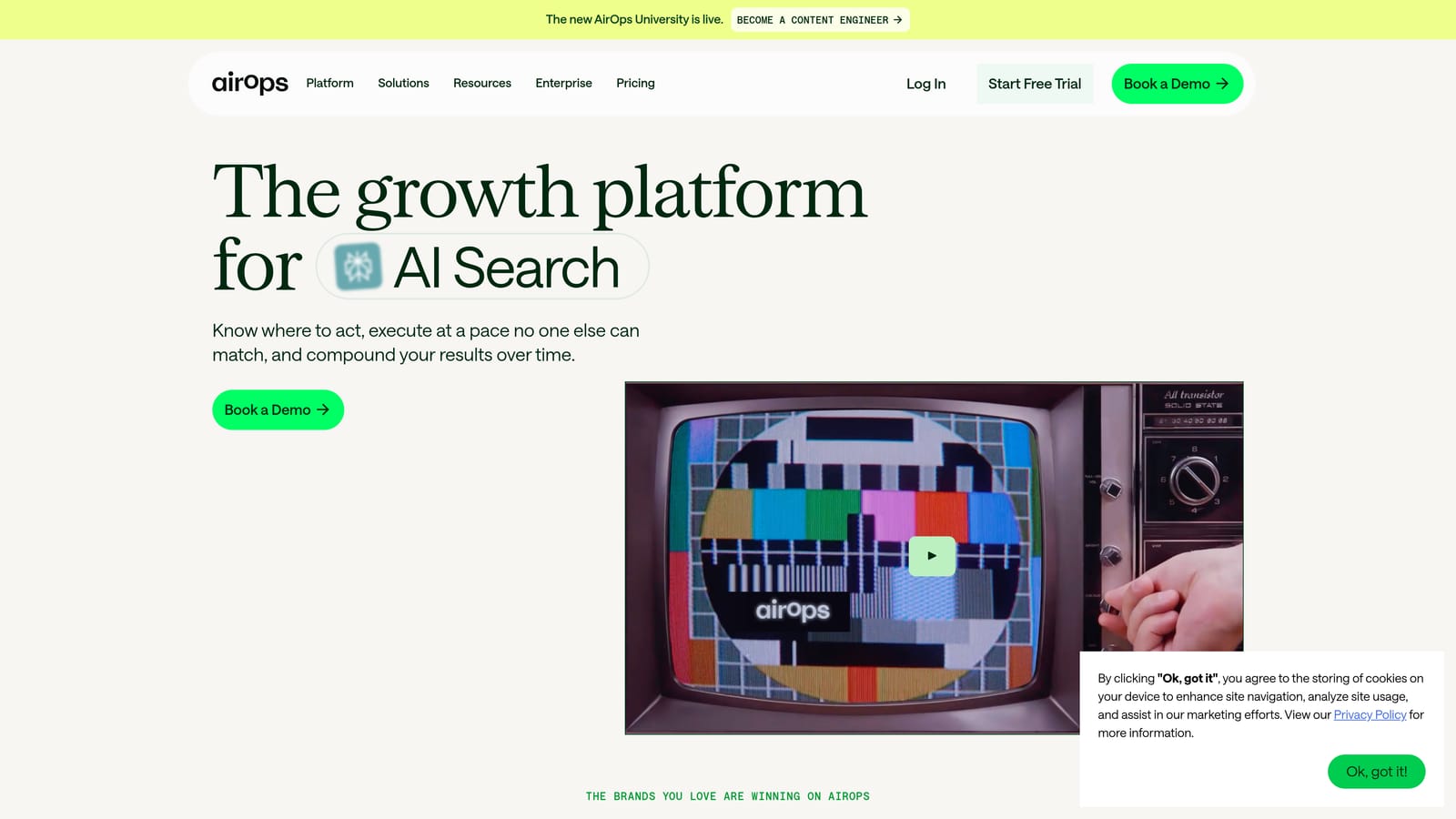
AirOps is an AI workflow builder designed for content operations teams that need to chain AI tasks, integrate data sources, and build repeatable content production pipelines.
Where This Tool Shines
AirOps is less of a traditional writing tool and more of an infrastructure layer for AI content operations. Think of it as the connective tissue between your data sources, AI models, and publishing destinations. If your team runs complex content workflows — pulling from databases, enriching with external data, and pushing to multiple CMSs — AirOps gives you the orchestration layer to do that systematically.
The ability to chain multiple LLMs within a single workflow is a meaningful differentiator. You're not locked into one model's strengths; you can route different tasks to whichever model performs best for that specific step.
Key Features
Visual Workflow Builder: A drag-and-drop interface for chaining AI content tasks without requiring engineering resources.
CMS and Database Integrations: Connects to content management systems, databases, and third-party data sources to enrich content workflows.
Custom AI Apps and Templates: Build reusable templates for repeatable content processes, reducing setup time for recurring content types.
Multi-LLM Support: Route different workflow steps to different AI models within a single pipeline for optimized output quality.
Team Collaboration and Workflow Management: Shared workflow environments with permissions and management features for operations teams.
Best For
AirOps is best suited for agencies and in-house content operations teams that have outgrown simple one-click generation tools and need customizable, scalable pipelines. It requires more setup investment than plug-and-play writing tools but delivers significantly more flexibility in return.
Pricing
A free plan is available. Paid plans vary based on usage and team size. Verify current pricing at airops.com.
4. Promptwatch
Best for: AI content teams that want to systematically monitor and improve prompt performance over time.
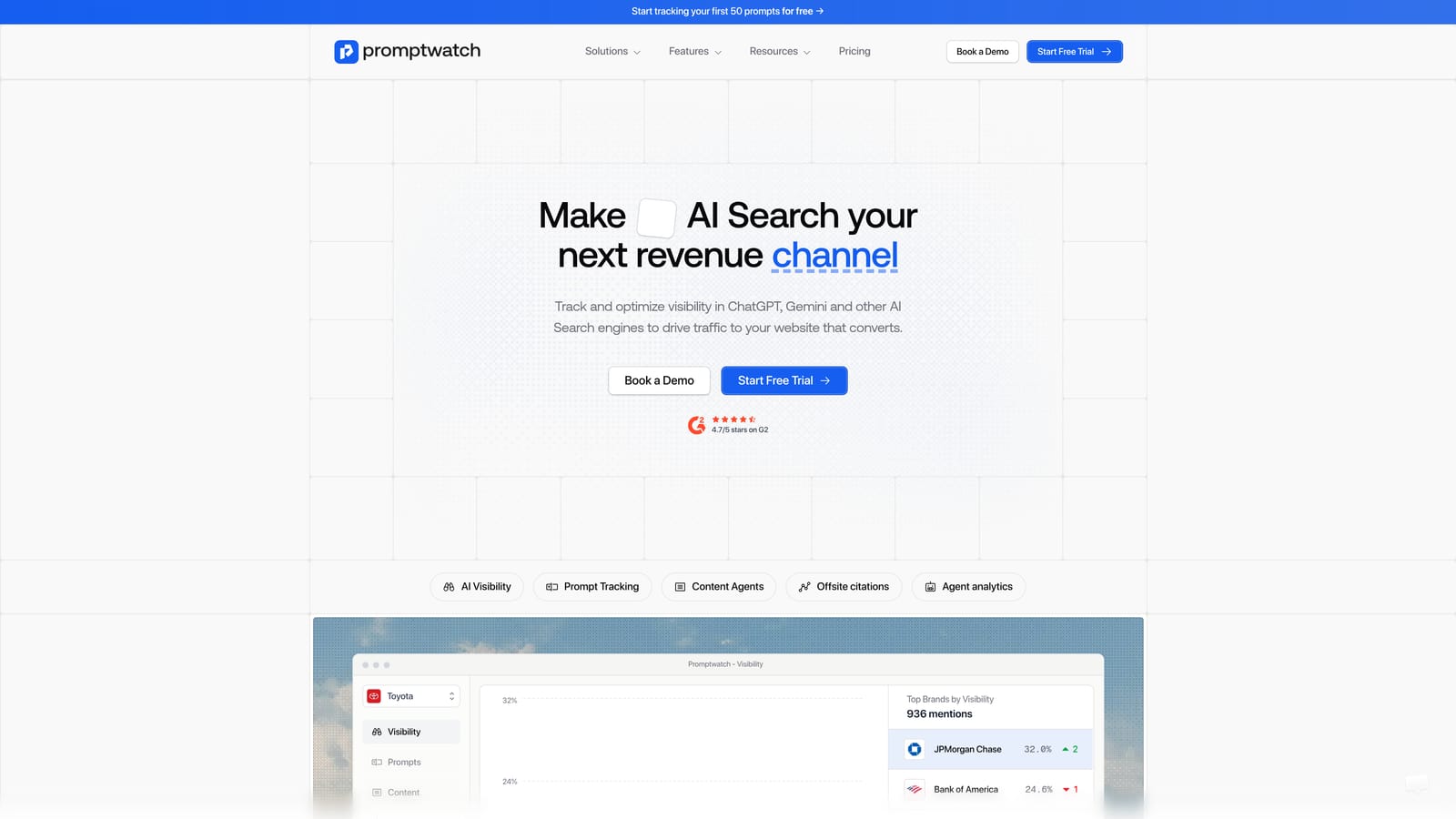
Promptwatch is a prompt monitoring and performance tracking tool for teams running AI-driven content workflows who want to systematically measure and improve output quality.
Where This Tool Shines
Here's the problem Promptwatch solves: most teams treat prompts as throwaway text. They write something, get a result, and move on. Over time, they have no idea which prompts produce the best outputs, which have drifted in quality, or where to focus improvement efforts. Promptwatch adds the observability layer that serious AI content operations need.
It functions less as a standalone content generator and more as a quality and performance layer that sits alongside your primary generation tools. If your team is running high-volume, prompt-driven content workflows, the ability to version-track and compare prompt performance becomes genuinely valuable.
Key Features
Prompt Version Tracking: Maintains a history of prompt versions so teams can compare performance across iterations rather than working from memory.
Output Quality Monitoring: Tracks content quality metrics across AI generation runs to surface degradation or improvement patterns.
Performance Analytics: Identifies which prompts consistently produce the strongest outputs across different content types and use cases.
Iterative Improvement Support: Structures the process of refining AI content generation workflows rather than leaving it ad hoc.
Integration with Existing Workflows: Designed to complement primary content generation tools rather than replace them.
Best For
Promptwatch is most useful for technical content teams and AI-forward agencies that are running systematic, prompt-driven content operations and want to treat prompt engineering as a managed discipline rather than guesswork.
Pricing
Verify current pricing directly at promptwatch.io, as plans may have changed since publication.
5. Profound
Best for: Enterprise brand and marketing teams focused on understanding their AI search presence.
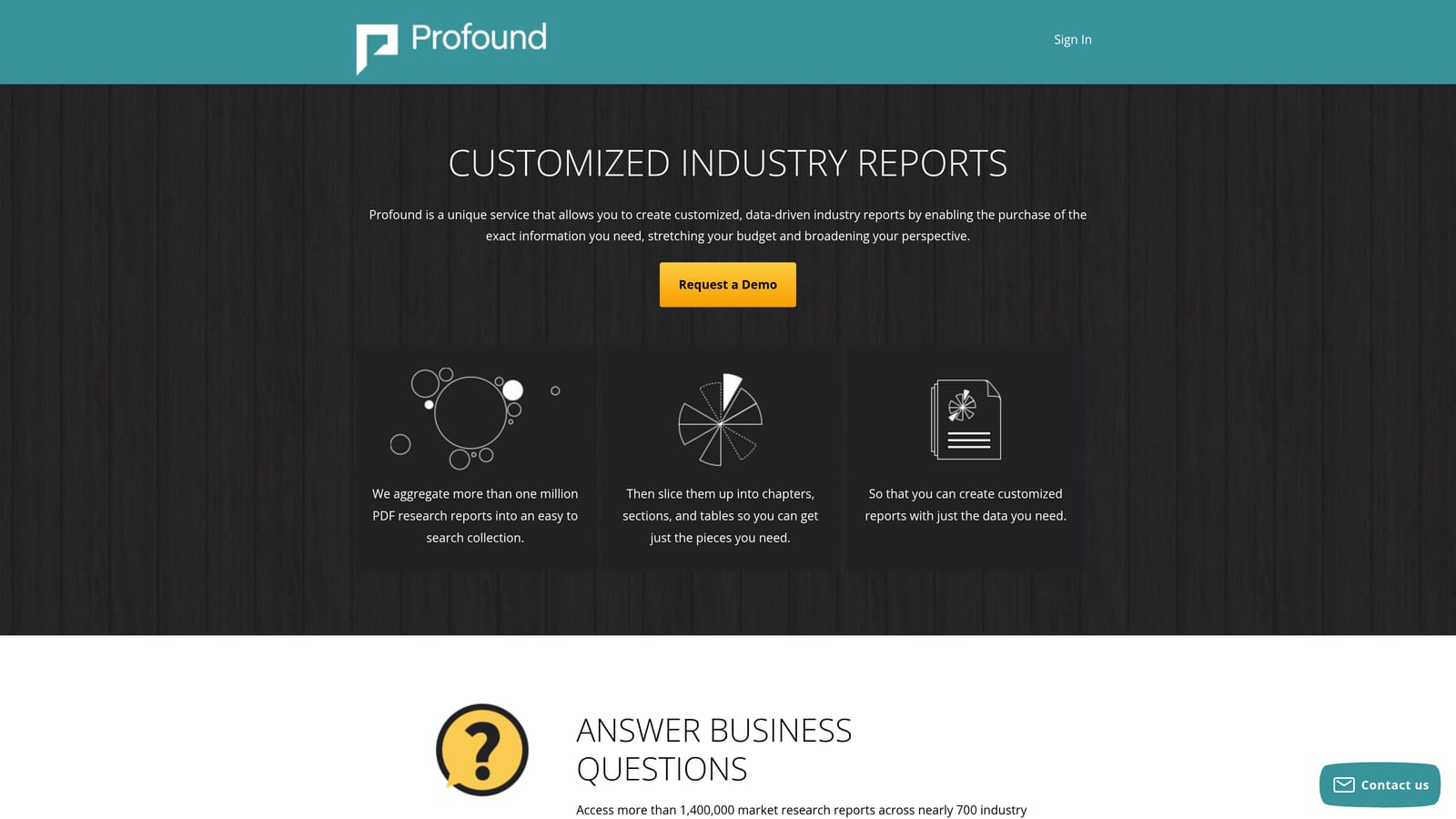
Profound is a brand intelligence platform focused on understanding and improving how brands appear within AI-generated answers across major LLM platforms.
Where This Tool Shines
Profound sits at the intersection of brand strategy and AI search visibility. Rather than focusing on content generation volume, it focuses on the outcome question: when users ask AI models about topics relevant to your brand, what are those models actually saying? That intelligence can directly inform content strategy decisions in ways that traditional SEO analytics cannot.
For enterprise teams managing brand perception across multiple markets and product lines, the ability to surface content gaps that affect AI-driven brand perception is a meaningful capability. It connects the dots between what you publish and how AI models represent your brand.
Key Features
AI Brand Mention Tracking: Monitors how and how often your brand appears within AI model responses across major LLM platforms.
Sentiment Analysis: Evaluates the tone and framing of brand mentions in AI-generated content, not just presence or absence.
Content Strategy Connections: Links content decisions to AI search presence outcomes, helping teams prioritize what to create next.
Multi-Platform Monitoring: Covers brand visibility across multiple LLM platforms rather than a single AI source.
Content Gap Identification: Surfaces areas where missing or weak content is limiting brand presence in AI-generated answers.
Best For
Profound is designed for enterprise brand and marketing teams with established content operations who want strategic intelligence on their AI search footprint. It's less a tool for content production and more a tool for content strategy informed by AI visibility data.
Pricing
Verify current pricing at profound.com, as enterprise platform pricing varies based on scope and team size.
6. Peec
Best for: SEO strategists who want competitive benchmarking for AI-generated search results.
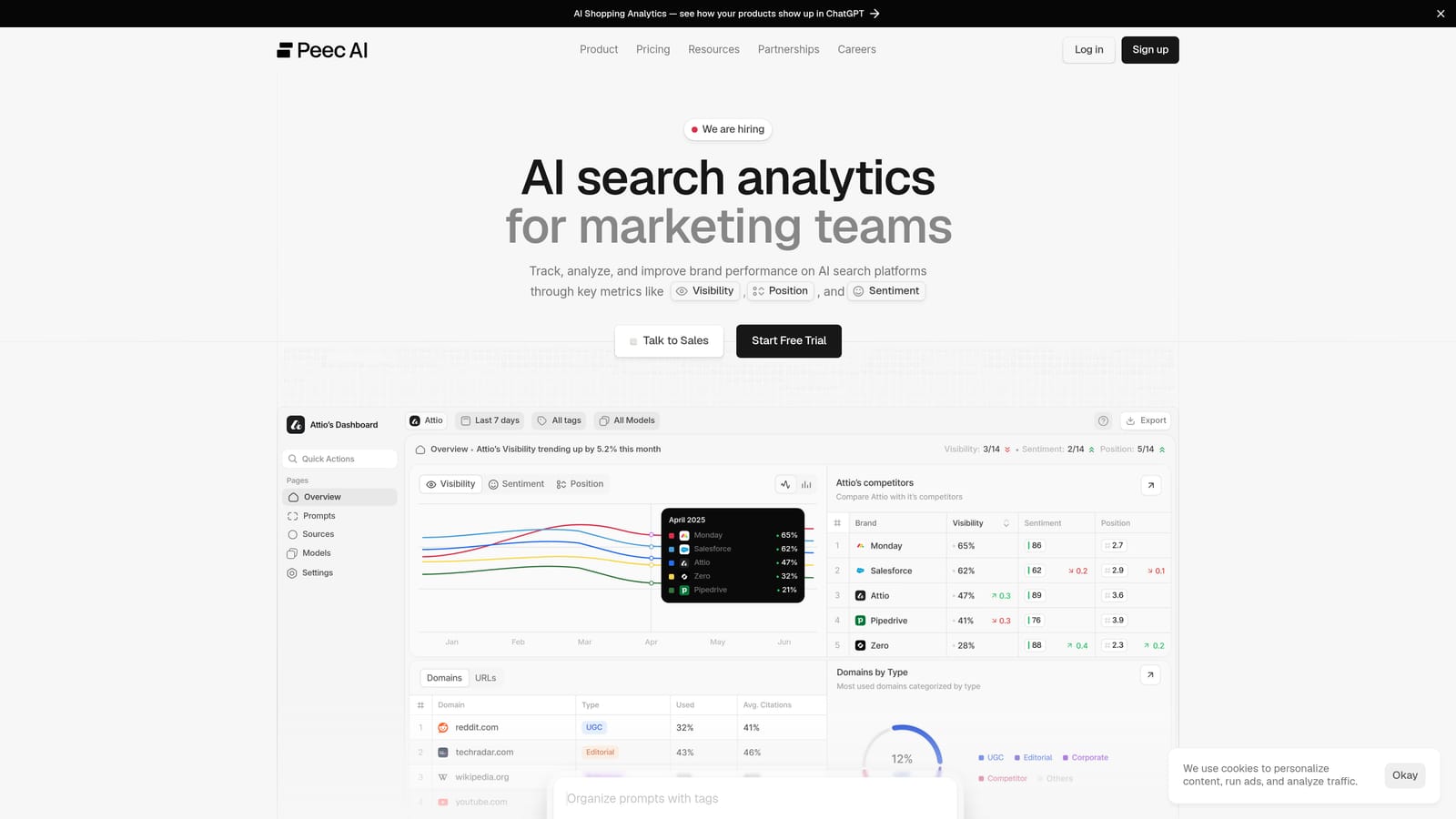
Peec is an AI search monitoring tool with competitive benchmarking capabilities, helping SEO strategists track how their brand and competitors appear in LLM-generated responses.
Where This Tool Shines
Peec fills a specific gap that traditional SEO tools leave open: competitive intelligence in AI-generated search. You might know how you rank on Google relative to competitors, but do you know whether ChatGPT recommends your brand or a competitor's when someone asks a relevant question? Peec is built to answer exactly that.
The competitive benchmarking angle makes it particularly useful for SEO teams that are beginning to expand their strategy beyond traditional search rankings. Understanding your relative position in AI-generated results — not just your absolute visibility — adds a competitive dimension that most monitoring tools don't provide.
Key Features
Brand Mention Tracking: Monitors how frequently and favorably your brand appears across AI search platforms.
Competitive Benchmarking: Compares your AI search visibility against competitor brands in LLM-generated results, not just your own performance in isolation.
Keyword and Prompt Monitoring: Tracks specific keywords and prompts relevant to your category to understand where you appear and where you don't.
Trend Analysis and Reporting: Surfaces performance trends over time to identify whether your AI search presence is improving or declining.
SEO Strategy Integration: Designed for SEO teams expanding their measurement framework to include AI-generated search alongside traditional rankings.
Best For
Peec is best for SEO strategists and digital marketing teams who already have content production covered and want dedicated competitive intelligence on how their brand performs in AI-generated search results. It's a specialist tool for a specific but increasingly important measurement problem.
Pricing
Verify current pricing at peec.ai.
Which Tool Is the Right Fit for You?
The right AI content generation tool depends entirely on where your biggest gap is right now. Here's a quick breakdown to point you in the right direction.
If you want a single platform that handles content generation, SEO/GEO optimization, AI visibility tracking, and publishing automation, Sight AI is the strongest all-in-one option. It's built for exactly the workflow that modern content marketers need: produce content that gets discovered by both search engines and AI models, then measure whether it's actually working.
If your primary need is writing volume across diverse content formats, Writesonic delivers broad format support with solid SEO integration and a lower starting price point. It's a practical choice for teams focused on output capacity.
If you're running complex, multi-step content operations and need workflow orchestration rather than simple generation, AirOps provides the infrastructure flexibility that plug-and-play tools can't match.
For teams already running AI content workflows who want to improve output quality systematically, Promptwatch adds the observability layer that most operations are missing. And for brand and SEO teams focused specifically on AI search visibility, Profound and Peec each offer targeted intelligence on how your brand appears across LLM platforms — with Profound leaning toward enterprise brand strategy and Peec toward competitive SEO benchmarking.
The broader trend is clear: AI search visibility is no longer optional for content marketers. The tools that close the loop between content creation and AI mention tracking will define the next generation of content marketing stacks. Stop guessing how AI models like ChatGPT and Claude talk about your brand. Start tracking your AI visibility today and see exactly where your brand appears across top AI platforms.