For B2B websites managing thousands of product pages, knowledge base articles, and programmatically generated landing pages, manual sitemap management is a liability. When new pages go live but never reach your sitemap, search engines miss your most valuable content. When deprecated URLs linger, you burn crawl budget on pages that no longer exist.
Sitemap automation tools solve this by dynamically generating, updating, and submitting sitemaps whenever your site changes. We evaluated nine tools across different scales and complexity levels, using these criteria: automated sitemap generation and updates, IndexNow or Search Console API integration, support for large B2B site architectures, and transparent pricing.
Whether you're running a SaaS platform with hundreds of feature pages or an enterprise site with complex subdomain structures, here are the top tools worth your attention.
1. Sight AI
Best for: Teams that want content generation, sitemap automation, and AI visibility tracking in one platform.
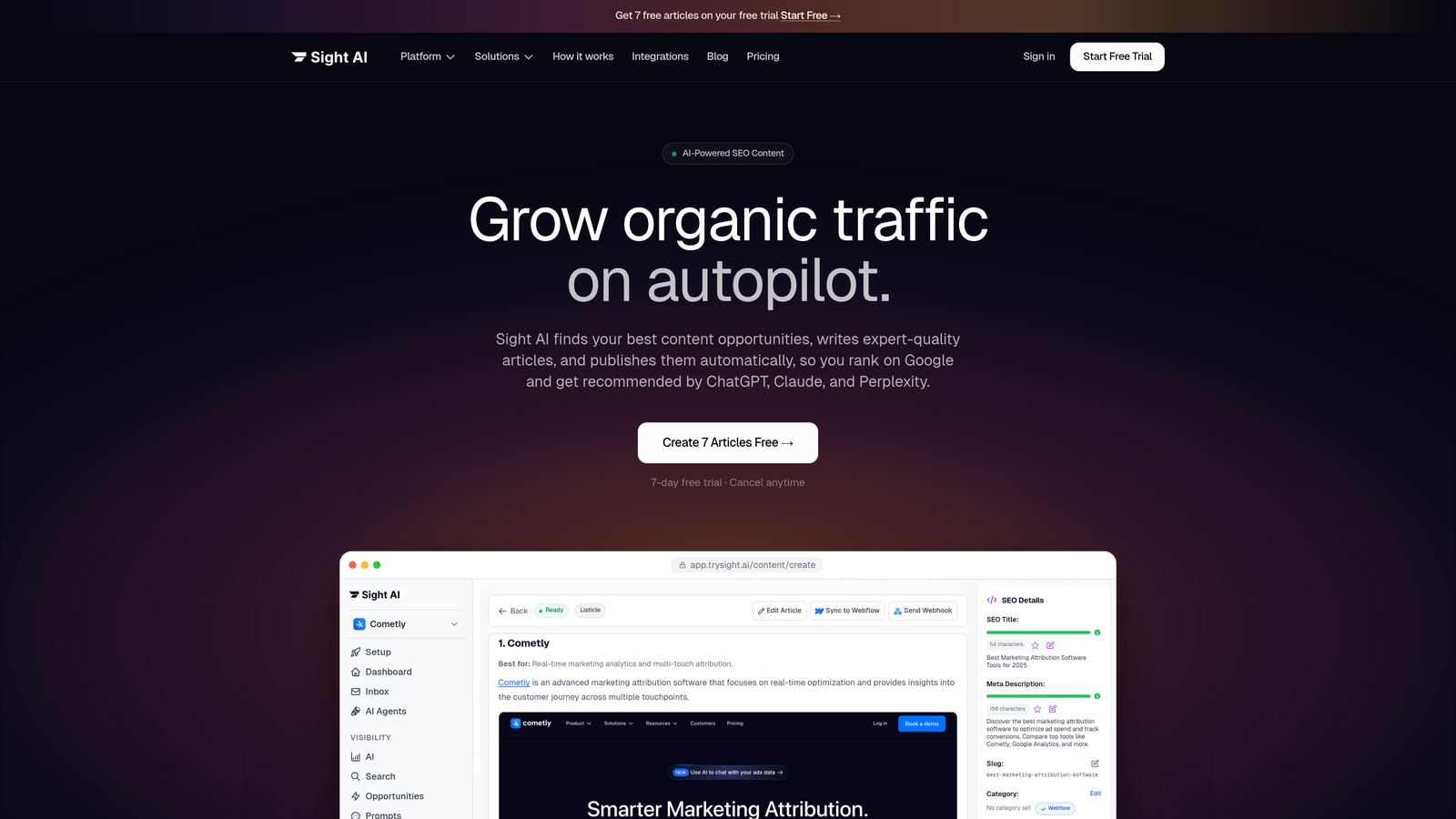
Sight AI is an all-in-one AI-powered platform that connects content publishing, automated sitemap updates, and IndexNow integration into a single workflow.
Where This Tool Shines
Most sitemap tools are reactive: they update after you manually trigger a crawl or publish content through a separate system. Sight AI is built differently. When you publish content through its AI Content Writer or CMS auto-publishing feature, sitemap updates and IndexNow submissions happen automatically as part of the same workflow. There's no separate step, no manual ping, no waiting.
For B2B teams that are actively producing SEO and GEO-optimized content, this tight integration means new pages get discovered faster. Pair that with AI Visibility tracking across ChatGPT, Claude, and Perplexity, and you have a platform that doesn't just help search engines find your content but also monitors how AI models talk about your brand.
Key Features
Automated Sitemap Updates: Sitemap syncs automatically whenever new content is published through the platform, eliminating manual update steps.
IndexNow Integration: Instantly notifies search engines of new or updated URLs, reducing the gap between publishing and indexing.
AI Content Writer: Includes 13+ specialized agents for generating SEO and GEO-optimized articles, listicles, guides, and explainers at scale.
CMS Auto-Publishing: Publishes content directly to your CMS with built-in sitemap sync, keeping everything current without manual intervention.
AI Visibility Tracking: Monitors brand mentions across ChatGPT, Claude, Perplexity, and other AI platforms, with sentiment analysis and prompt tracking.
Best For
Marketers, founders, and agencies that want to connect content production directly to indexing workflows. Particularly valuable for teams investing in GEO content strategies who need both sitemap automation and AI brand visibility in one place, without stitching together multiple tools.
Pricing
Visit trysight.ai for current plans and pricing. Custom options are available depending on content volume and team size.
2. Screaming Frog SEO Spider
Best for: Technical SEO professionals who need granular control over sitemap configuration and crawl-based generation.
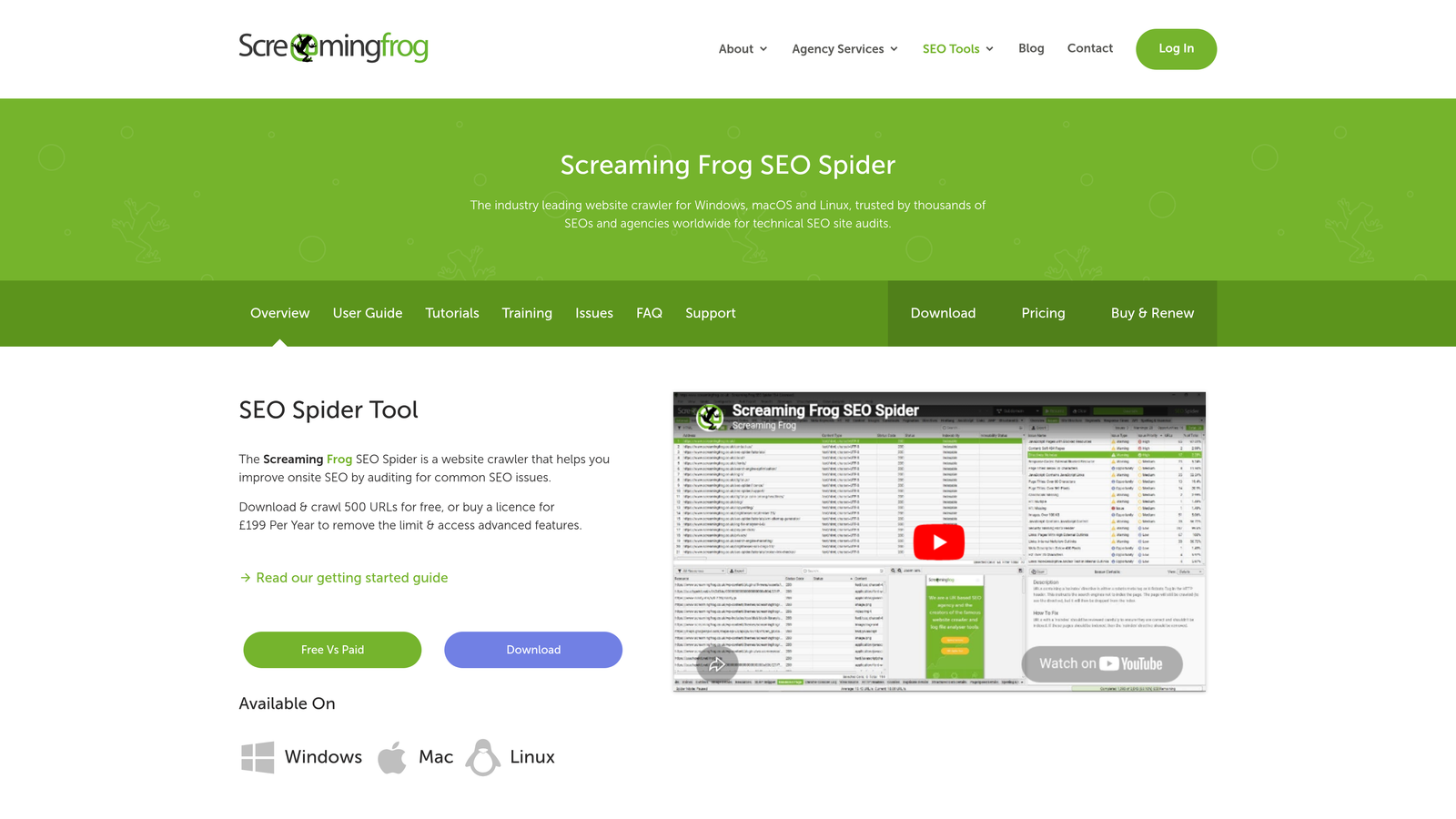
Screaming Frog SEO Spider is a desktop-based crawler that generates XML sitemaps from crawl data with deep configuration options for B2B site complexity.
Where This Tool Shines
Screaming Frog gives technical SEOs more control over sitemap generation than almost any other tool. You can configure change frequency, priority values, and URL inclusion or exclusion rules using regex, making it well-suited for B2B sites with complex URL structures, parameterized pages, or content that should be excluded from sitemaps entirely.
Scheduled crawls add a layer of automation: you can set Screaming Frog to crawl your site on a regular cadence and regenerate the sitemap automatically. It's not real-time, but for teams that want precision over immediacy, this tradeoff is often worth it.
Key Features
Crawl-Based Sitemap Generation: Builds sitemaps from live crawl data with configurable rules for change frequency and priority.
Scheduled Crawls: Automates sitemap refreshes on a set schedule without manual intervention.
Image and Hreflang Sitemap Support: Generates specialized sitemaps for image indexing and international B2B operations.
Advanced URL Filtering: Regex-based inclusion and exclusion rules for precise control over what enters your sitemap.
Google Analytics and Search Console Integration: Overlays performance data onto crawl results for richer analysis.
Best For
Technical SEO specialists and agencies managing complex B2B sites who need precise control over sitemap configuration. Less suited for teams that need real-time updates or a fully cloud-based workflow.
Pricing
Free for up to 500 URLs. Paid license at £259/year, which unlocks unlimited URL crawling and scheduled crawl automation.
3. Yoast SEO
Best for: WordPress-based B2B sites that want automatic sitemap management with zero configuration.
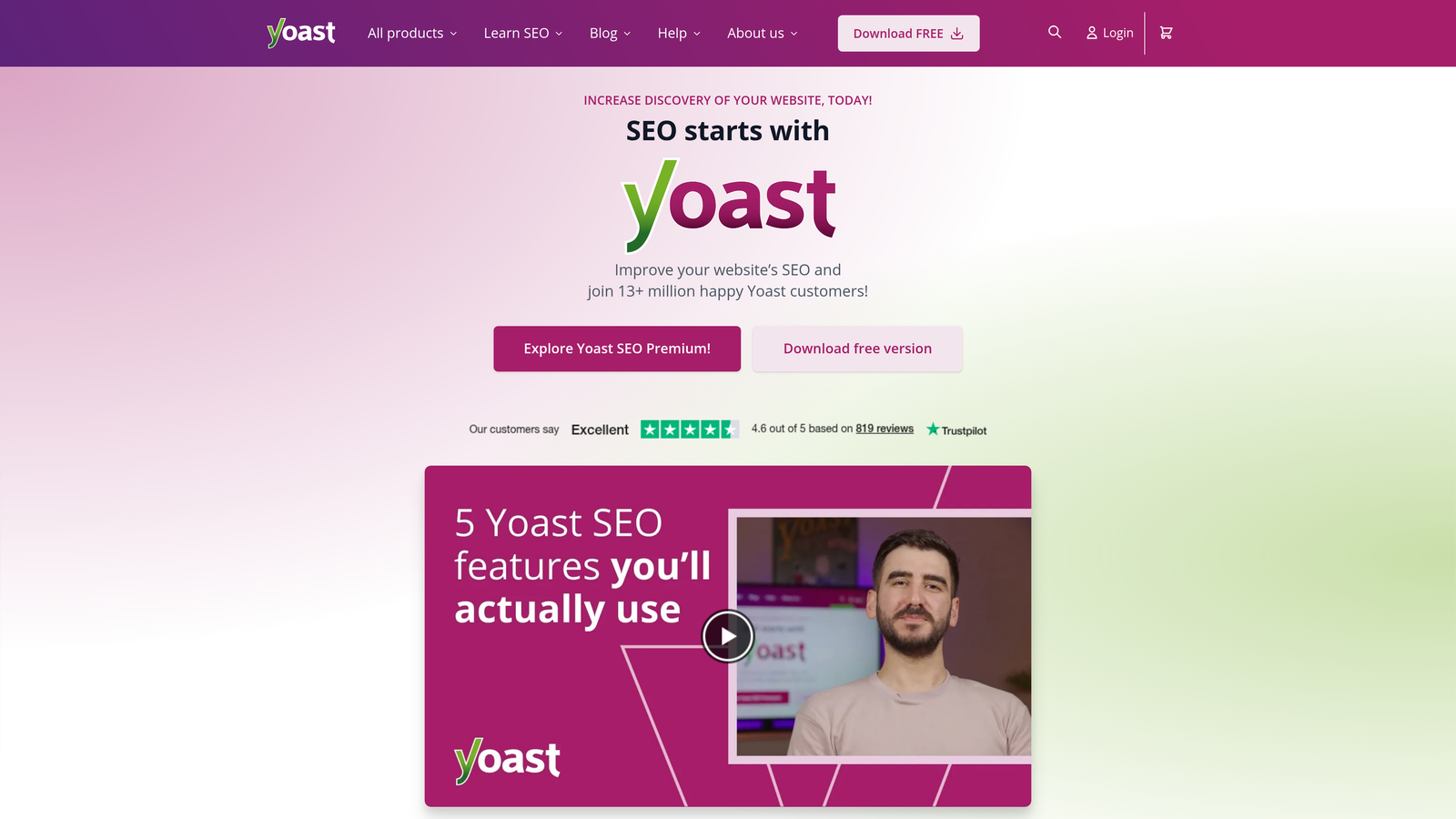
Yoast SEO is a WordPress plugin that automatically generates and updates XML sitemaps in real time as content is published, updated, or deleted.
Where This Tool Shines
For B2B teams running on WordPress, Yoast SEO is often the fastest path to reliable sitemap automation. The plugin generates a sitemap the moment it's activated and keeps it updated without any manual steps. When a new blog post, landing page, or product page goes live, the sitemap reflects it immediately.
Yoast SEO Premium adds IndexNow support, which means search engines are notified the moment your sitemap changes. For B2B content teams publishing frequently, this can meaningfully reduce the time between publishing and indexing.
Key Features
Automatic XML Sitemap Generation: Creates and maintains your sitemap with zero configuration required after installation.
Real-Time Sitemap Updates: Sitemap reflects content changes the moment they're published, updated, or removed.
Automatic Search Engine Ping: Notifies search engines of sitemap changes on every update.
Post Type and Taxonomy Segmentation: Separates sitemaps by content type for cleaner organization and crawl efficiency.
IndexNow Support: Available in Yoast SEO Premium for instant URL submission to compatible search engines.
Best For
B2B marketing teams on WordPress who want reliable sitemap automation without technical overhead. Not the right fit for headless CMS setups, custom-built platforms, or sites outside the WordPress ecosystem.
Pricing
Free version available with core sitemap features. Premium plan at $99/year per site, which includes IndexNow integration and additional SEO features.
4. Sitebulb
Best for: SEO auditors who need to identify sitemap gaps and generate optimized replacements from crawl data.
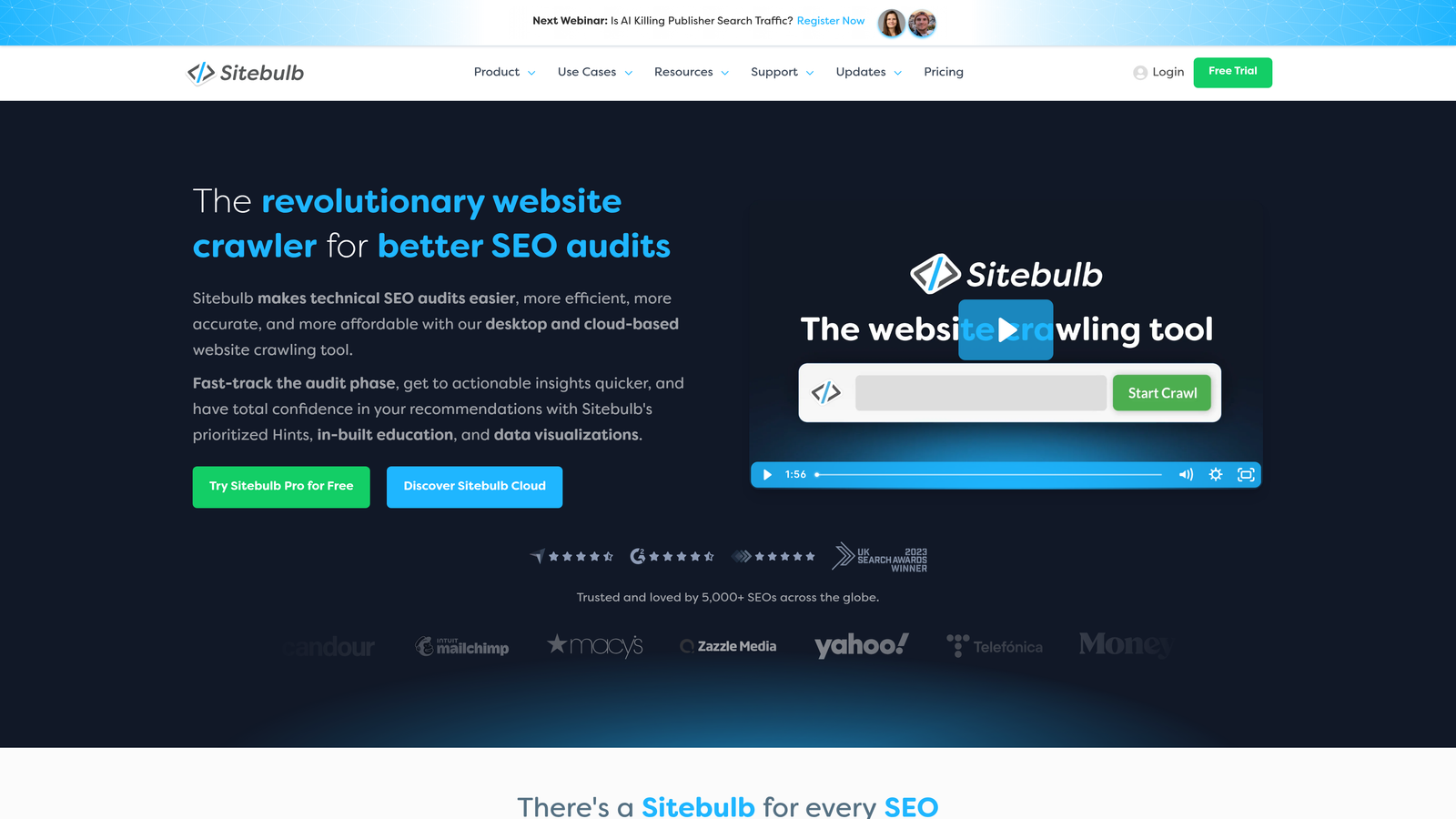
Sitebulb is a desktop SEO auditing tool that analyzes existing sitemaps, surfaces issues, and generates optimized replacement sitemaps based on what it finds during a crawl.
Where This Tool Shines
Sitebulb's strength isn't just sitemap generation: it's sitemap diagnosis. The tool identifies orphan pages that should be in your sitemap but aren't, flags URLs that are included but shouldn't be (non-indexable pages, redirects, broken links), and presents findings through visual reports that make it easy to prioritize fixes.
For B2B sites that have grown organically over time and accumulated sitemap debt, Sitebulb is a strong starting point for a cleanup. Both cloud and desktop versions are available, giving teams flexibility depending on their workflow preferences.
Key Features
Sitemap Audit with Visual Reporting: Surfaces sitemap issues in clear, actionable visual dashboards rather than raw data exports.
Orphan Page Detection: Identifies important pages missing from your sitemap that search engines may be missing.
Optimized Sitemap Generation: Produces a clean XML sitemap based on crawl findings and issue resolution.
Actionable Hints: Provides specific recommendations for sitemap and indexability improvements, not just issue lists.
Cloud and Desktop Versions: Supports both local and team-based workflows depending on how your SEO function is structured.
Best For
SEO consultants, agencies, and in-house technical SEO teams conducting periodic audits on B2B sites. Less suited for teams needing continuous real-time sitemap monitoring.
Pricing
Starts at $13.50/month for the Lite plan. Higher tiers unlock more crawl capacity, cloud features, and team collaboration options.
5. JetOctopus
Best for: Large B2B sites that need to understand how search engines actually interact with their sitemaps using log file data.
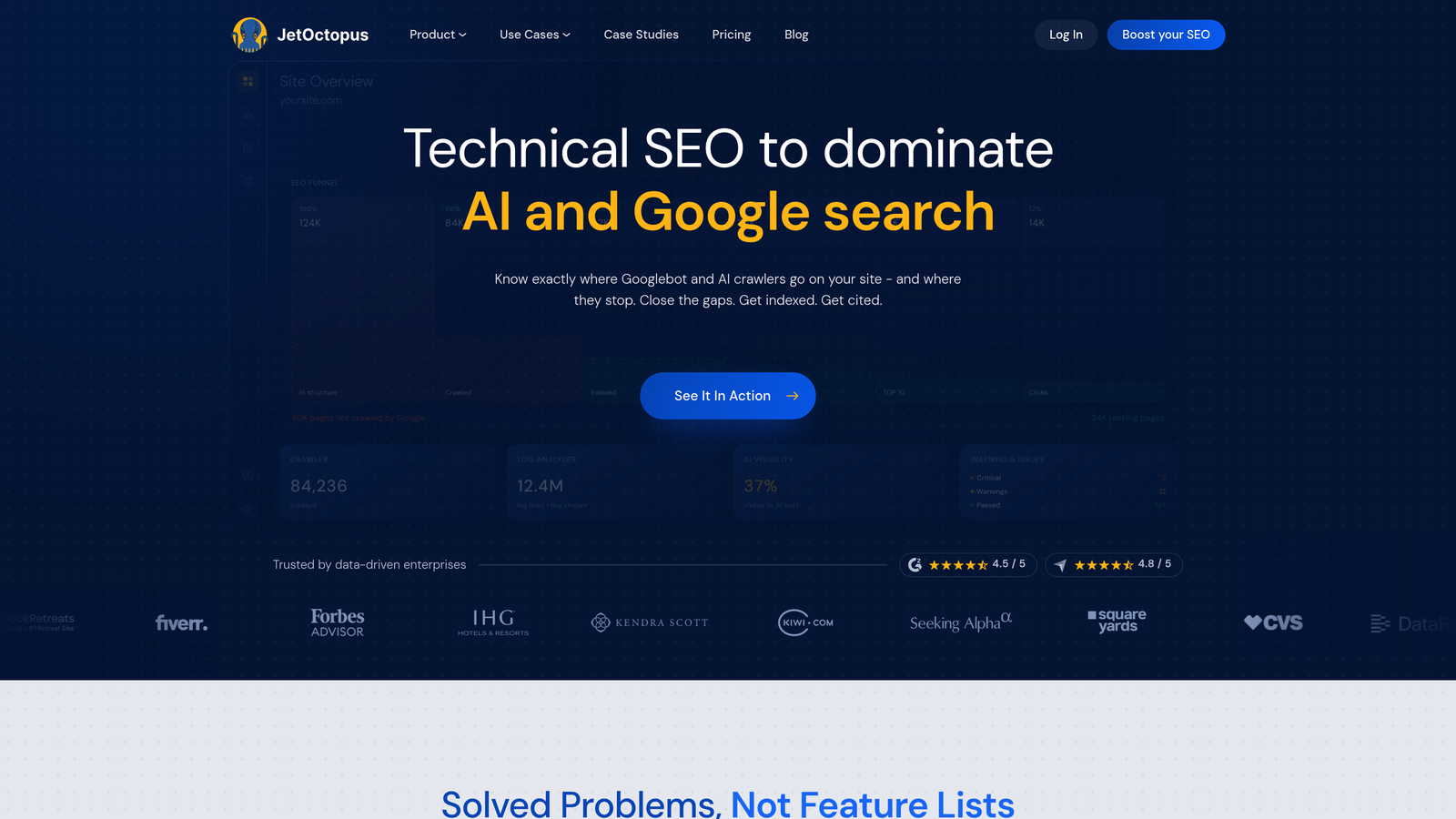
JetOctopus is a cloud-based technical SEO platform that combines log file analysis with sitemap monitoring to reveal real crawl behavior at scale.
Where This Tool Shines
Most sitemap tools tell you what's in your sitemap. JetOctopus tells you what search engine bots are actually doing with it. By combining log file analysis with sitemap data, you can see which sitemap URLs are being crawled, how often, and which are being ignored entirely. This is critical intelligence for B2B sites with deep architectures where crawl budget is a real constraint.
The sitemap vs. crawl overlap visualization is particularly useful: it shows you which pages are in your sitemap but not being crawled, which are being crawled but aren't in your sitemap, and where the two align. At scale, this kind of insight drives meaningful crawl budget optimization.
Key Features
Log File Analysis: Shows exactly which sitemap URLs search engine bots are crawling and at what frequency.
Sitemap vs. Crawl Overlap Visualization: Maps the relationship between your sitemap and actual bot behavior in one view.
Large-Scale URL Support: Built to handle sites with millions of URLs without performance degradation.
Automated Crawl Scheduling: Runs crawls and sitemap monitoring on a set schedule for ongoing visibility.
Google Search Console Integration: Layers index coverage data onto crawl and log insights for a complete picture.
Best For
Enterprise B2B sites and large-scale SaaS platforms where crawl budget efficiency is a strategic priority. Also well-suited for technical SEO teams that regularly work with log files and need a purpose-built platform for the analysis.
Pricing
Starts at $50/month for up to 100K URLs. Higher tiers scale with URL volume and feature access.
6. XML-Sitemaps.com
Best for: Small B2B sites or teams that need a quick, no-setup sitemap without installing software.
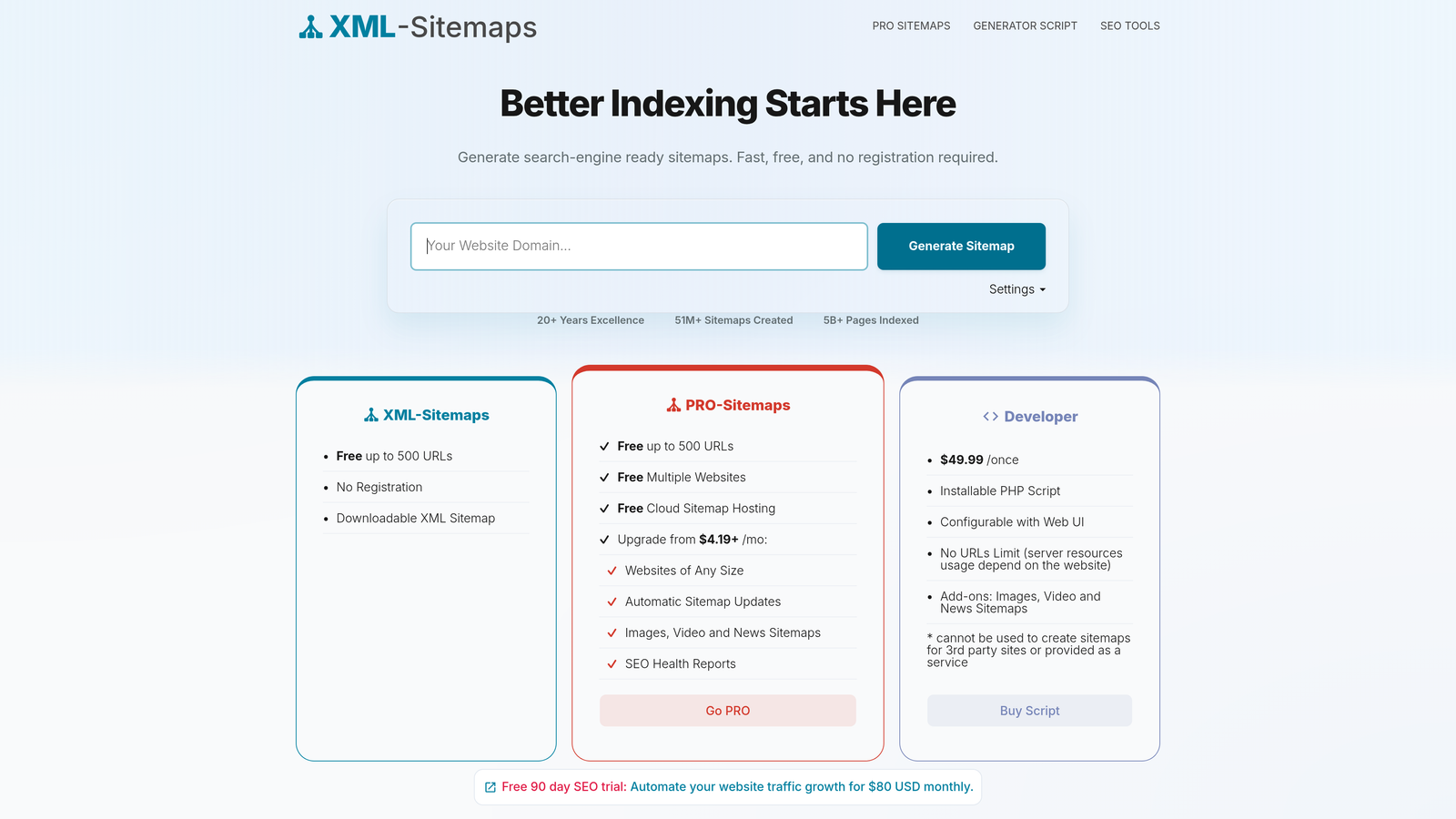
XML-Sitemaps.com is a browser-based sitemap generator that crawls your site and produces a downloadable XML sitemap with no software installation required.
Where This Tool Shines
Not every B2B site needs an enterprise-grade sitemap platform. For smaller sites, early-stage startups, or teams that need a one-off sitemap without committing to a paid tool, XML-Sitemaps.com covers the basics cleanly. Enter your URL, configure a few settings, and download a ready-to-submit sitemap in minutes.
It won't replace a proper automation workflow for complex B2B sites, but as a lightweight utility or a starting point before implementing a more robust solution, it's genuinely useful. The paid Pro plans add scheduled crawls for basic automation, which extends its usefulness for smaller teams.
Key Features
Browser-Based Generation: No software to install; runs entirely in your browser from any device.
Multiple Sitemap Formats: Supports XML, HTML, and plain text sitemap outputs depending on your needs.
Configurable Crawl Settings: Lets you set change frequency and priority values before generating the sitemap.
Scheduled Crawls (Pro): Adds basic automation for teams that need regular sitemap refreshes without manual effort.
Free Tier: Handles sites up to 500 pages at no cost, making it accessible for small B2B sites and testing.
Best For
Small B2B websites, early-stage companies, or teams that need a quick sitemap without a tool investment. Not appropriate for sites with tens of thousands of URLs or dynamic content that changes frequently.
Pricing
Free for up to 500 URLs. Pro plans start at $3.49/month, adding larger crawl limits and scheduled sitemap generation.
7. ContentKing (Conductor)
Best for: B2B teams that need continuous, real-time monitoring of sitemap health and indexability changes.
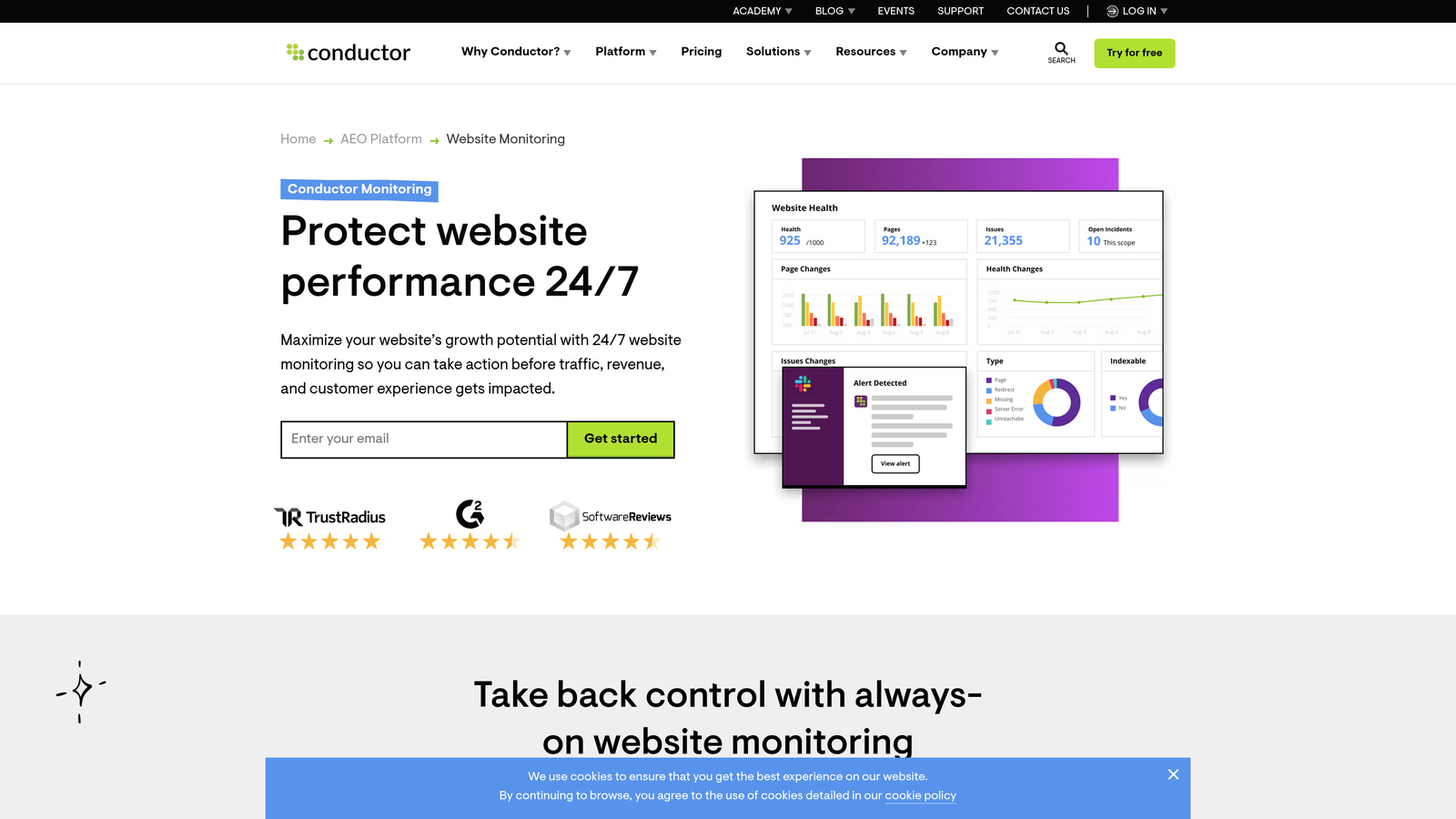
ContentKing, now part of Conductor, is a real-time SEO monitoring platform that tracks sitemap changes, indexability shifts, and on-page issues as they happen around the clock.
Where This Tool Shines
ContentKing's core differentiator is speed. While most SEO tools check your site periodically, ContentKing monitors continuously. If a page drops out of your sitemap, becomes non-indexable, or changes in a way that affects crawlability, you get an alert immediately rather than discovering the problem days later during a routine audit.
For B2B sites where a CMS update, a developer pushing a robots.txt change, or a misconfigured redirect can quietly break indexing for dozens of pages, this kind of real-time visibility is genuinely valuable. The historical comparison features also make it easy to understand exactly when a change happened and what it affected.
Key Features
24/7 Real-Time Monitoring: Continuously watches your site and sitemap for changes, with no waiting for scheduled crawl windows.
Instant Alerts: Notifies your team immediately when pages drop from sitemaps or become non-indexable.
Change Tracking with Historical Comparison: Maintains a history of changes so you can pinpoint exactly when and how issues occurred.
Sitemap Health Scoring: Provides structured issue detection and prioritization for sitemap-related problems.
Team Collaboration: Role-based access controls make it practical for larger marketing and SEO teams to work together on issue resolution.
Best For
Mid-market and enterprise B2B teams where site changes happen frequently and indexing issues can have significant revenue impact. Strong fit for organizations with dedicated SEO or marketing ops functions.
Pricing
Custom pricing based on site size and team needs. Contact Conductor directly for a quote tailored to your organization.
8. Botify
Best for: Enterprise B2B sites with billions of pages that need crawl budget optimization and automated sitemap strategy at scale.
Botify is an enterprise SEO platform that unifies crawl data, server logs, and search analytics to automate sitemap strategy and prioritize high-value URLs at massive scale.
Where This Tool Shines
Botify operates at a level of scale that most other tools simply can't match. For enterprise B2B sites with millions or billions of URLs, the platform's ability to combine crawl data, log file analysis, and search performance data into a unified view is what sets it apart. Sitemap generation isn't just about listing URLs: Botify helps you decide which URLs deserve to be in your sitemap based on actual performance data.
The SpeedWorkers feature takes this further by proactively submitting high-value URLs to search engines for faster indexing, functioning as a more sophisticated alternative to basic IndexNow implementations. For organizations where organic search drives significant revenue, this level of automation and intelligence is difficult to replicate with lighter tools.
Key Features
Automated Sitemap Generation: Builds sitemaps based on combined crawl, log, and analytics data rather than simple URL enumeration.
SpeedWorkers: Proactively submits priority URLs to search engines to accelerate indexing for high-value content.
Crawl Budget Optimization: Uses sitemap prioritization to direct search engine crawlers toward pages that matter most.
Billion-Page Scale Support: Infrastructure designed for the largest enterprise B2B websites without performance limitations.
Revenue-Focused Analytics: Ties sitemap performance and indexing outcomes to business metrics for executive-level reporting.
Best For
Large enterprise B2B organizations with complex site architectures, significant organic search investment, and dedicated technical SEO teams. The platform's depth and price point make it most appropriate for organizations where SEO is a core growth channel.
Pricing
Enterprise pricing only. Contact Botify directly for a custom quote based on your site's scale and requirements.
9. Dynomapper
Best for: B2B teams that need visual sitemap planning, content governance, and site architecture documentation alongside XML generation.
Dynomapper is a visual sitemap generator and content inventory tool designed for website planning, governance, and content audits.
Where This Tool Shines
Dynomapper occupies a slightly different niche than the other tools on this list. Rather than focusing purely on XML sitemap automation, it's built for teams that need to visualize site architecture, manage content inventories, and plan structural changes before they happen. For B2B organizations going through a website redesign, migration, or content governance initiative, this visual layer is genuinely useful.
The Google Analytics integration adds a practical dimension: you can overlay traffic data on your visual sitemap to quickly identify high-performing pages, content gaps, and structural inefficiencies. It won't replace a dedicated technical SEO tool for ongoing automation, but as a planning and governance layer it fills a gap that other tools leave open.
Key Features
Interactive Visual Sitemap Creation: Generates visual representations of your site architecture from crawl data, making structure easy to communicate across teams.
Content Inventory with Metadata Tracking: Maintains a structured inventory of pages with associated metadata for governance and auditing purposes.
Google Analytics Integration: Overlays traffic and engagement data on visual sitemaps for performance-informed planning decisions.
Workflow and Content Governance Features: Supports content review workflows, making it practical for larger editorial teams managing B2B content at scale.
Export Options: Exports sitemaps and content inventories in XML, CSV, and PDF formats for use across different tools and stakeholders.
Best For
B2B marketing teams, web strategists, and content managers involved in site migrations, redesigns, or ongoing content governance. Works best as a complement to a technical SEO tool rather than a standalone sitemap automation solution.
Pricing
Starts at $49/month for the Standard plan. Higher tiers add more pages, users, and advanced governance features.
Which Tool Is Right for Your B2B Site?
The right choice depends on what your site actually needs, not just the scale you're operating at today.
For teams that want content production, sitemap automation, and AI visibility tracking working together without stitching multiple tools together, Sight AI is the most integrated starting point. Publishing triggers sitemap updates, IndexNow submissions happen automatically, and you can monitor how AI models like ChatGPT and Claude reference your brand, all from one platform.
For technical depth and crawl-based precision, Screaming Frog remains the go-to for experienced SEO professionals. Yoast SEO is the simplest path for WordPress-based B2B sites. Sitebulb is strongest when you need to audit and fix an existing sitemap rather than build from scratch.
At enterprise scale, JetOctopus and Botify both bring log file intelligence that lighter tools can't match. ContentKing is the right choice when real-time monitoring and instant alerting are non-negotiable. Dynomapper fills the visual planning and governance gap for teams managing site migrations or content audits. And XML-Sitemaps.com covers the basics for smaller sites that just need a clean sitemap without a platform commitment.
Whatever tool you choose, the underlying goal is the same: make sure every valuable page on your site gets discovered, indexed, and credited. Sitemap automation is one piece of that. Knowing how AI models discover and reference your brand is increasingly the other.
Start tracking your AI visibility today and see exactly where your brand appears across ChatGPT, Claude, Perplexity, and other top AI platforms, alongside the indexing automation that keeps your content discoverable in the first place.