You've published three blog posts this week. Your team spent hours researching keywords, crafting outlines, writing drafts, optimizing for SEO, and scheduling publication. Two weeks later, you check the analytics. Crickets. The content isn't ranking in Google, and worse, when you ask ChatGPT about your industry topic, your brand doesn't get mentioned at all. Your competitors do.
This is the new reality of content marketing in 2026. Success isn't just about ranking on page one of Google anymore. It's about being cited by Claude when someone asks for recommendations. It's about appearing in Perplexly's answer cards. It's about ChatGPT mentioning your brand when users search for solutions in your space.
An AI powered content strategy platform addresses this dual challenge by automating the entire content pipeline while optimizing for both traditional search engines and AI discovery systems. These platforms don't just help you write faster. They transform how you identify opportunities, create optimized content, distribute it effectively, and measure whether AI models are actually talking about your brand.
The Building Blocks of Intelligent Content Automation
Think of traditional content creation as cooking from scratch every single time. You gather ingredients, follow a recipe, taste-test, adjust seasoning, and hope the final dish turns out well. An AI powered content strategy platform is more like having a professional kitchen with prep stations, specialized chefs, and quality control systems all working in harmony.
At the foundation, these platforms combine three core components that work together rather than in isolation. First, specialized AI writing agents handle different content formats. You're not using a single generic AI tool to write everything. Instead, one agent specializes in listicles, another in comprehensive guides, and a third in technical explainers. Each agent understands the structural requirements and optimization needs of its content type.
Second, SEO optimization engines analyze search intent and competitor content in real-time. These aren't static keyword tools that give you a list and send you on your way. The platform continuously evaluates what's ranking, identifies content gaps your competitors haven't filled, and determines the optimal approach for each topic. It's like having a research analyst who never sleeps.
Third, content workflow automation connects every step from ideation to publication. When you approve a topic, the platform doesn't just generate a draft and leave you to figure out the rest. It handles formatting, internal linking suggestions, meta descriptions, and can even push directly to your CMS. The entire pipeline runs with minimal manual intervention.
This is fundamentally different from basic AI writing tools that simply generate text when you feed them a prompt. Those tools are single-purpose utilities. A comprehensive strategy platform is an integrated system that makes decisions about what to create, how to optimize it, and where to distribute it based on data analysis and strategic goals. For a deeper dive into how these systems compare, explore our AI content platform comparison guide.
The machine learning models powering these platforms learn from millions of high-performing articles across the web. They identify patterns in content structure, keyword density, readability scores, and engagement metrics. When you create content through the platform, you're leveraging insights from this massive dataset rather than relying solely on your team's experience or intuition.
The result? Content that's strategically sound from the moment it's published rather than requiring multiple revision cycles to get right. You're not guessing what might work. You're following data-driven recommendations that increase your probability of ranking and getting cited by AI models.
From Keyword Research to Published Article: The Automated Pipeline
Let's say you operate in the project management software space. Traditional content creation means manually researching keywords, analyzing search volume, checking competitor articles, outlining your piece, writing it, optimizing it, and finally publishing. This process takes days or weeks for a single article.
An AI powered content strategy platform compresses this timeline dramatically through gap analysis and trend detection. The platform scans your competitors' content libraries, identifies topics they're ranking for that you haven't covered, and surfaces opportunities where search demand exists but competition is manageable. You wake up to a dashboard showing exactly what content to create next, prioritized by potential impact.
Here's where it gets interesting. The platform doesn't just suggest topics. It analyzes the intent behind each keyword cluster. Someone searching "project management best practices" wants a comprehensive guide. Someone searching "project management tools comparison" wants a detailed listicle. The platform matches each opportunity to the appropriate content type and assigns it to the specialized AI agent best equipped to handle it.
When you approve a topic, the automation kicks into high gear. The listicle agent structures comparison articles with consistent formatting, feature breakdowns, and pros/cons analysis. The guide agent creates step-by-step instructional content with clear progression and actionable takeaways. The explainer agent breaks down complex concepts into digestible sections with relatable analogies.
Each agent doesn't just write. It optimizes as it creates. The content includes natural keyword integration, proper heading hierarchy, internal linking opportunities, and formatting that enhances readability. You're not receiving a raw draft that needs extensive editing. You're getting publication-ready content that already follows SEO best practices. Learn more about AI powered content generation tools and how they streamline this process.
The workflow automation extends to distribution. Once you approve the final content, the platform can automatically format it for your CMS, schedule publication based on your content calendar, and even handle meta descriptions and social sharing snippets. What used to require coordination between writers, editors, and web administrators now happens through a single approval click.
This automated pipeline means your content team shifts from execution to strategy. Instead of spending hours writing individual articles, they're reviewing AI-generated drafts, making strategic decisions about content direction, and focusing on high-value activities like brand voice refinement and campaign planning. The platform handles the repetitive, time-consuming work that doesn't require human creativity.
The efficiency gains compound over time. As the platform learns your preferences, approval rates, and performance patterns, it gets better at generating content that aligns with your standards. The feedback loop between what you approve and what the AI produces creates continuous improvement without additional training or configuration.
Optimizing for AI Search and Traditional SEO Simultaneously
Picture this scenario. Your comprehensive guide to project management methodologies ranks on page one of Google for your target keyword. Success, right? But when someone asks ChatGPT "What are the best project management methodologies?" your brand doesn't appear in the response. Claude recommends your competitors. Perplexity cites other sources. You're winning the old game while losing the new one.
This is why modern content platforms optimize for both traditional search engines and AI discovery systems simultaneously. The technical term for this dual optimization is GEO—Generative Engine Optimization—and it's becoming just as critical as SEO for organic visibility.
Traditional SEO focuses on signals that help Google's crawlers understand and rank your content. Keywords in titles, meta descriptions, structured data, backlinks, and page speed all contribute to search rankings. These signals remain important, and AI powered content strategy platforms continue optimizing for them. But they're no longer sufficient.
AI models like ChatGPT, Claude, and Perplexity evaluate content differently. They prioritize authoritative citations, clear explanations, and comprehensive coverage of topics. When these models generate responses, they're more likely to reference content that demonstrates expertise, provides specific examples, and offers unique insights rather than generic information.
Content platforms address this by building GEO principles directly into the creation process. Articles include citation-worthy statistics with proper attribution, real-world examples that add credibility, and unique perspectives that differentiate your content from generic competitors. The AI agents structure information in ways that make it easier for language models to extract and reference. Platforms that combine these capabilities with robust AI powered SEO content tools deliver the best results.
But here's the critical piece most marketers miss: you need to know whether this optimization is actually working. Are AI models mentioning your brand? When users ask questions in your industry, does your company appear in the responses? This is where AI visibility tracking becomes essential.
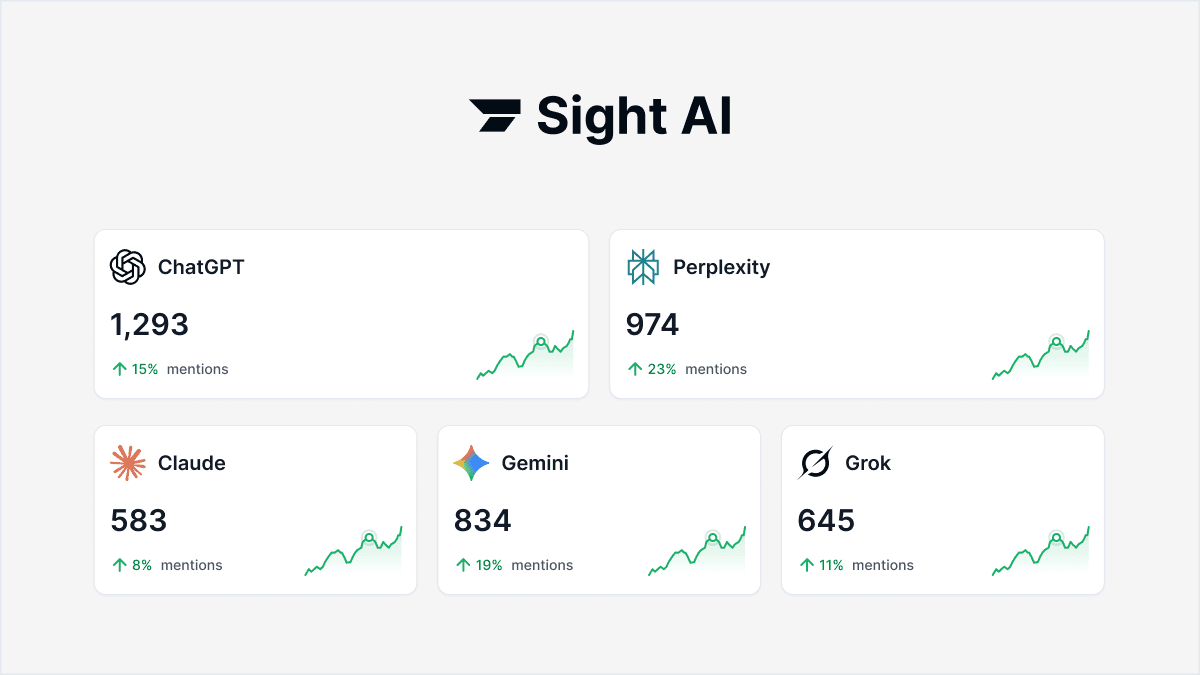
Advanced platforms monitor how your brand appears across multiple AI models. They track sentiment, context, and frequency of mentions. You can see exactly what prompts trigger references to your brand, what competitors appear alongside you, and whether the AI's characterization aligns with your positioning. This visibility reveals whether your content strategy is succeeding in the AI discovery channel.
The strategic advantage here is profound. While your competitors focus solely on traditional SEO, you're building presence in the channel that's increasingly becoming the first stop for information discovery. Users ask AI assistants questions before they even open Google. If your brand appears in those AI responses, you're capturing attention at the earliest stage of the buyer journey.
Accelerating Discovery: Indexing and Distribution Features
You've created the perfect article. It's optimized for both traditional search and AI discovery. Now comes the waiting game. Google's crawlers might find it in days, weeks, or even months depending on your site's crawl budget and authority. Every day your content sits undiscovered is a day you're not generating traffic.
This is where indexing and distribution features separate basic content tools from comprehensive strategy platforms. The best platforms don't just create content—they actively accelerate its discovery and distribution across the web.
IndexNow integration is the foundation of faster discovery. This protocol allows your site to notify search engines immediately when you publish new content or update existing pages. Instead of waiting for crawlers to eventually find your changes, you're proactively telling Bing, Yandex, and other participating search engines "Hey, new content here—come index it now." The result is often indexing within hours instead of days or weeks.
Automated sitemap updates work in tandem with IndexNow. Every time you publish content through the platform, your XML sitemap updates automatically to include the new URL. Search engines checking your sitemap see the fresh content flagged for crawling. This combination of push notification through IndexNow and pull discovery through sitemaps creates multiple pathways for rapid indexing.
The platform also handles crawl prioritization through technical optimization. It ensures your most important content has proper internal linking, appropriate canonical tags, and clean URL structures that search engines can easily process. These technical factors might seem minor, but they significantly impact how quickly and effectively search engines index your content. An all in one SEO content platform handles these technical details automatically.
Why does faster indexing matter so much? In competitive markets, being first to rank for emerging topics can establish your content as the authoritative source. If you publish a comprehensive guide about a new industry trend and it gets indexed within hours while your competitor's similar content takes two weeks to appear, you've captured two weeks of traffic and established early ranking signals that are hard to displace.
The distribution features extend beyond search engines. Many platforms can automatically share content to social channels, notify email subscribers, and even integrate with content syndication networks. Your article doesn't just sit on your blog hoping people find it. It gets actively distributed across multiple channels to maximize initial visibility and engagement signals.
Measuring Success: Analytics and Performance Tracking
Traditional content analytics tell you how many people visited your article, how long they stayed, and what actions they took. These metrics matter, but they're incomplete. They don't tell you whether AI models are citing your content or how your brand is being characterized in AI-generated responses.
AI powered content strategy platforms introduce a new layer of performance measurement centered on AI visibility. The most sophisticated platforms track your brand's presence across ChatGPT, Claude, Perplexity, and other AI models. They generate AI visibility scores that quantify how frequently and favorably your brand appears in AI responses.
These scores go beyond simple mention counting. The platform analyzes sentiment—is the AI model recommending your product enthusiastically or mentioning it neutrally alongside competitors? It tracks context—what questions or topics trigger mentions of your brand? It monitors positioning—are you cited as a leader, an alternative, or barely mentioned?
This data reveals patterns you can't see through traditional analytics. You might discover that AI models mention your brand frequently for one product category but ignore you entirely for another where you also compete. This insight directs your content strategy toward filling gaps in AI visibility rather than just chasing traditional search rankings. Platforms with built-in SEO content platform analytics make this tracking seamless.
The platforms also track which specific pieces of content drive AI citations. You can see that your comprehensive guide on topic X gets referenced frequently by Claude, while your listicle on topic Y appears often in ChatGPT responses. Understanding what content types and topics generate AI visibility helps you refine your content strategy over time.
Performance tracking creates feedback loops that continuously improve output. When the platform identifies that certain content structures or optimization approaches generate better AI visibility, it incorporates those patterns into future content creation. The system learns from what works and applies those lessons automatically.
Content performance metrics extend to traditional SEO as well. The platform tracks rankings, organic traffic, engagement rates, and conversion metrics. But it presents these alongside AI visibility data, giving you a complete picture of content performance across both discovery channels. You're not choosing between optimizing for search engines or AI models—you're tracking success in both simultaneously.
Choosing the Right Platform for Your Content Goals
Not all AI powered content strategy platforms are created equal. Some are glorified writing assistants with basic automation. Others are comprehensive systems that handle everything from opportunity identification to performance tracking. Choosing the right platform requires evaluating capabilities against your specific needs.
Start with agent specialization. Does the platform use different AI models or approaches for different content types, or does it use a one-size-fits-all writing engine? Specialized agents produce better results because they understand the unique requirements of listicles versus guides versus explainers. Ask to see examples of each content type the platform can generate.
Integration capabilities determine how well the platform fits into your existing workflow. Can it connect directly to your CMS for automated publishing? Does it integrate with your analytics tools to track performance? Can it pull data from your keyword research tools or does it have built-in research capabilities? The more seamlessly it integrates, the less manual work your team performs. Our guide to best content automation platforms covers integration considerations in depth.
Automation depth separates basic tools from true strategy platforms. Does the platform just generate content, or does it also handle optimization, formatting, internal linking, meta descriptions, and distribution? Can it automatically identify content opportunities or do you still need to manually research and input topics? The deeper the automation, the more time your team saves.
AI model coverage is critical for visibility tracking. Which AI platforms does the system monitor? If it only tracks ChatGPT but your audience heavily uses Claude or Perplexity, you're missing important visibility data. Look for platforms that monitor multiple AI models and provide comparative analysis across them.
Ask specific questions about visibility tracking capabilities. How frequently does the platform check for brand mentions? Can it track specific prompts or topics? Does it provide sentiment analysis or just mention counting? Can you see historical trends in AI visibility or only current snapshots? The more granular the tracking, the better insights you'll gain.
Match platform capabilities to your team size and content volume needs. A solo founder or small marketing team needs different features than an agency managing content for multiple clients. Consider whether the platform supports team collaboration, client reporting, and multi-site management if those capabilities matter for your situation. Agencies should specifically review options for AI content marketing platforms for agencies.
Evaluate the platform's approach to quality control. Does it provide human review workflows before publication, or does it encourage fully automated publishing? While automation saves time, maintaining brand voice and accuracy requires human oversight. The best platforms balance automation efficiency with quality control mechanisms.
The New Content Marketing Stack
The fragmented approach to content marketing is ending. Teams are tired of juggling separate tools for keyword research, content creation, SEO optimization, publishing, and analytics. They're exhausted from manually checking whether AI models mention their brands. They're frustrated by slow indexing that delays traffic generation.
AI powered content strategy platforms represent the convergence of these fragmented tools into unified systems. Instead of moving data between five different applications, you're working within a single platform that handles the entire content lifecycle. The efficiency gains are substantial, but the strategic advantage is even more significant.
These platforms give you visibility into both traditional search performance and AI discovery channels. You're not optimizing blindly for Google while ignoring how ChatGPT characterizes your brand. You're not creating content without knowing whether it will get cited by Claude. You're making strategic decisions based on comprehensive data about how your content performs across all organic discovery channels.
The competitive landscape is shifting rapidly. Early adopters of AI-powered content platforms are publishing more consistently, ranking faster, and building AI visibility while their competitors are still figuring out how to use ChatGPT for basic writing tasks. This gap will widen as AI search becomes more prevalent and users increasingly rely on AI assistants for information discovery.
Looking forward, these platforms will become even more sophisticated. Expect deeper integration with AI models, more granular visibility tracking, and increasingly intelligent automation that requires less human intervention while maintaining quality. The platforms that combine content creation, optimization, indexing, and AI visibility tracking into seamless workflows will define the next era of content marketing.
The question isn't whether you need an AI powered content strategy platform. The question is whether you can afford to compete without one. While you're manually creating content and hoping it eventually ranks, your competitors are automating the pipeline, accelerating indexing, and monitoring their AI visibility. They're playing a different game with better tools.
Stop guessing how AI models like ChatGPT and Claude talk about your brand—get visibility into every mention, track content opportunities, and automate your path to organic traffic growth. Start tracking your AI visibility today and see exactly where your brand appears across top AI platforms.