You've mapped out the editorial calendar. Your keyword research is solid. You know exactly what content needs to go live this week. But here you are, staring at a blank document at 11 PM, trying to squeeze in writing time between strategy meetings, campaign reviews, and the dozen other priorities competing for your attention. Tomorrow, you'll publish something—maybe. Or you'll push it to next week. Again.
This cycle plays out in marketing teams everywhere. The gap between content strategy and execution keeps widening, not because marketers lack ideas or skill, but because manual content workflows simply can't keep pace with modern demands. Every article requires hours of research, outlining, writing, editing, optimizing, formatting, and publishing. Multiply that by the volume needed to compete in organic search, and you're looking at a capacity problem with no easy solution.
Enter content autopilot: AI-orchestrated systems that handle the entire content pipeline from ideation through publication. These aren't simple scheduling tools that post pre-written drafts. They're sophisticated platforms where specialized AI agents coordinate to research topics, generate optimized content, and publish directly to your site—all while you focus on strategic decisions rather than execution minutiae. As AI search engines like ChatGPT and Perplexity reshape how people discover information, content autopilot has evolved from a nice-to-have efficiency tool into a competitive necessity for teams serious about organic growth.
How AI Agents Orchestrate Your Content Pipeline
Think of content autopilot like an assembly line, but instead of workers at stations, you have specialized AI agents handling distinct phases of content creation. One agent focuses on keyword research and topic validation. Another structures outlines based on search intent. A third generates the actual content, while others handle SEO optimization, fact-checking, and formatting. The magic happens in how these agents work sequentially, each building on the previous agent's output.
This multi-agent approach differs fundamentally from basic content tools that simply generate text from a prompt. Traditional AI writing assistants give you a draft—then you're on your own for optimization, formatting, and publishing. Autopilot systems coordinate the entire workflow. The research agent identifies content gaps and trending topics. The outline agent structures articles for both human readers and AI comprehension. The writing agents produce content in your brand voice. The optimization agents ensure proper keyword placement, meta descriptions, and internal linking. Finally, the publishing agent pushes finished articles directly to your CMS.
The technical infrastructure behind this coordination involves sophisticated prompt chains and quality gates. Each agent receives specific instructions tailored to its role, along with context from previous agents in the sequence. If the outline agent structures a guide with five sections, the writing agent knows to develop each section thoroughly. If the SEO agent flags keyword density issues, the revision agent adjusts accordingly before publication.
What makes this truly autopilot rather than just automated is the decision-making capability built into the system. Modern platforms don't just follow rigid templates. They evaluate content performance data, adjust approaches based on what's working, and refine their output over time. If long-form explainers consistently outperform listicles for your audience, the system learns to prioritize that format. If certain topics drive more engagement, those themes get weighted more heavily in future topic selection.
The publishing component completes the automation loop. Once content passes quality checks, the system formats it for your CMS, adds proper meta tags, schedules publication, and triggers indexing protocols. No manual copy-pasting, no formatting fixes, no forgotten meta descriptions. The article goes from concept to live on your site without human hands touching the keyboard. Proper CMS integration for content publishing ensures this handoff happens seamlessly every time.
The Capacity Crisis Facing Modern Marketing Teams
Content demands have exploded while team sizes haven't. A few years ago, publishing two or three articles weekly put you ahead of competitors. Today, that volume barely maintains visibility. The rise of AI search engines has intensified this pressure—these platforms consume massive amounts of content to train their models and inform their responses. If your brand isn't consistently publishing, you're invisible when users ask ChatGPT or Claude for recommendations in your space.
Manual workflows create predictable bottlenecks. The writer finishes a draft, but the editor is swamped reviewing other pieces. The edited version sits waiting for the SEO specialist to optimize it. Once optimized, it needs formatting for the CMS. Then someone has to actually publish it and handle the indexing. Each handoff introduces delay. Each delay means missed ranking opportunities and content gaps your competitors fill instead.
The math simply doesn't work anymore. If each article requires 6-8 hours of combined team effort, and you need to publish 15-20 pieces monthly to stay competitive, you're looking at 90-160 hours of content production time. That's two to four full-time positions dedicated solely to execution, not strategy. Most teams don't have that capacity, so they make painful choices: publish less frequently, sacrifice quality for speed, or burn out trying to maintain both volume and standards.
This scaling problem hits especially hard for teams targeting multiple audience segments or managing several content types simultaneously. You need thought leadership pieces for executives, tactical guides for practitioners, comparison content for buyers, and educational resources for beginners. Each content type requires different research, structure, and optimization approaches. Manual workflows force you to prioritize some audiences while neglecting others, fragmenting your content strategy. Understanding AI content generation for marketers becomes essential for breaking through these capacity constraints.
The emergence of Generative Engine Optimization adds another layer of complexity. It's no longer enough to optimize for traditional search engines. Your content also needs to be structured so AI models can understand, extract, and cite your information when responding to user queries. This requires additional formatting considerations, clearer data presentation, and more explicit context—all adding to the production workload without adding team capacity.
What Separates True Autopilot From Basic Automation
Not all automation is created equal. Basic content tools might help you write faster, but they still leave most of the workflow in your hands. True content autopilot systems handle the entire pipeline with minimal human intervention, and they do it through three core capabilities that work together seamlessly.
Multi-Agent Specialization: The most sophisticated autopilot platforms deploy 10-15 specialized AI agents, each trained for specific tasks within the content pipeline. You're not getting generic AI writing—you're getting a research agent that validates topics against search trends, an outline agent that structures content for optimal engagement, writing agents specialized in different content formats, an SEO agent that optimizes for traditional search, a GEO agent that structures content for AI model comprehension, and a quality agent that checks for accuracy and brand consistency. This specialization ensures each phase of content creation receives expert-level attention. Exploring the best AI content tools for marketers reveals how these specialized capabilities stack up across platforms.
GEO Integration: Here's where modern autopilot systems diverge sharply from older automation tools. Generative Engine Optimization focuses on making your content discoverable and citable by AI models. When someone asks ChatGPT for marketing automation recommendations, you want your brand mentioned in that response. GEO-optimized content includes clear definitions, structured data presentation, explicit context about use cases, and authoritative statements that AI models can confidently cite. Learning how to optimize content for AI models has become a core competency for modern content teams. Autopilot systems with GEO capabilities automatically format content with these elements, increasing the likelihood that AI search engines will reference your brand when answering relevant queries.
Automated Indexing Acceleration: Publishing content means nothing if search engines don't discover it quickly. Traditional indexing relies on search engine crawlers eventually finding your new pages, which can take days or weeks. Modern autopilot systems integrate protocols like IndexNow, which immediately notifies search engines when content publishes or updates. This cuts indexing time from days to hours, getting your content into search results—and AI training data—exponentially faster. The competitive advantage is significant: your content starts ranking and getting cited while competitors' manually-published pieces still wait in the indexing queue.
The integration of these three capabilities creates a compounding effect. Specialized agents produce higher-quality content. GEO optimization makes that content more discoverable by AI models. Accelerated indexing gets it into circulation faster. Together, they create a content engine that not only matches manual workflow quality but often exceeds it while operating at 10x the speed.
Quality control mechanisms separate professional autopilot systems from basic automation tools. Advanced platforms include configurable guardrails—rules that ensure content meets your standards before publication. These might include minimum word counts, required keyword inclusion, brand voice consistency checks, fact verification against your knowledge base, and plagiarism screening. Content that doesn't pass these gates gets flagged for human review rather than auto-publishing, maintaining quality standards without requiring manual review of every piece.
Configuring Your Automated Content Engine
Setting up content autopilot isn't about flipping a switch and hoping for the best. It requires thoughtful configuration that aligns automation with your strategic goals. The initial setup determines everything from content quality to publishing frequency, so getting these parameters right matters.
Start by defining your content parameters clearly. What topics should the system prioritize? Feed it your keyword research, competitor content gaps, and strategic focus areas. Specify your brand voice—formal or conversational, technical or accessible, authoritative or friendly. Set target keyword lists for different content categories. Establish publishing frequency based on your capacity to review and your audience's content consumption patterns. These parameters guide the AI agents' decision-making throughout the content pipeline.
CMS integration forms the technical backbone of true autopilot functionality. Modern platforms connect directly to WordPress, Webflow, HubSpot, and other major content management systems through APIs. This connection enables the system to publish formatted content, add proper meta tags, insert internal links, upload featured images, and schedule posts—all without manual intervention. During setup, you'll authenticate the connection, map content fields between the autopilot system and your CMS, and configure publishing workflows that match your approval processes.
Quality guardrails prevent autopilot from becoming autopilot chaos. Configure minimum standards that content must meet before publication. Set word count ranges appropriate for different content types—guides might require 2,000+ words while news updates might target 500-800. Establish keyword density parameters that optimize for search without over-optimizing. Create brand voice consistency rules that flag content deviating from your established tone. Build in fact-checking protocols that verify claims against your knowledge base or require human review for statistical statements. Reviewing content automation tools for marketers helps identify which platforms offer the most robust guardrail configurations.
Review workflows balance automation efficiency with strategic oversight. You might configure full autopilot for certain content types—like weekly industry news roundups—while requiring human approval for cornerstone content pieces. Some teams implement a tiered system: routine content publishes automatically after passing quality gates, while strategic pieces enter a review queue for final approval before going live. The key is matching automation levels to content importance and risk tolerance.
Testing and calibration shouldn't be skipped. Run your autopilot system in preview mode initially, generating content without publishing it. Review several pieces to assess whether output matches your quality expectations and brand voice. Adjust parameters based on what you observe. If content feels too generic, refine your brand voice instructions. If keyword optimization feels forced, adjust density targets. This calibration phase helps you dial in settings before content goes live automatically.
Tracking Performance Beyond Traditional Metrics
Content autopilot changes what you measure and how you measure it. Traditional content metrics still matter, but they tell an incomplete story when your content strategy targets both search engines and AI models. Your measurement framework needs to evolve alongside your content production approach.
Organic traffic growth remains foundational. Track how automated content performs compared to manually-created pieces. Monitor which topics drive the most traffic, which formats generate the highest engagement, and which keyword targets deliver actual conversions versus vanity traffic. Many teams find that autopilot content performs comparably or better than manual content for informational queries, while strategic cornerstone pieces still benefit from human crafting. This insight helps you allocate autopilot versus manual effort more effectively.
Indexing speed improvements become visible quickly with autopilot systems that integrate IndexNow or similar protocols. Measure the time between publication and first appearance in search results. Before automation, this might average 3-7 days. After implementing accelerated indexing, it often drops to hours. Faster indexing means faster traffic, faster feedback on content performance, and faster iteration on your content strategy. Track this metric monthly to quantify the velocity advantage autopilot provides. Implementing sitemap automation for content sites further accelerates discovery by ensuring search engines always have current information about your published pages.
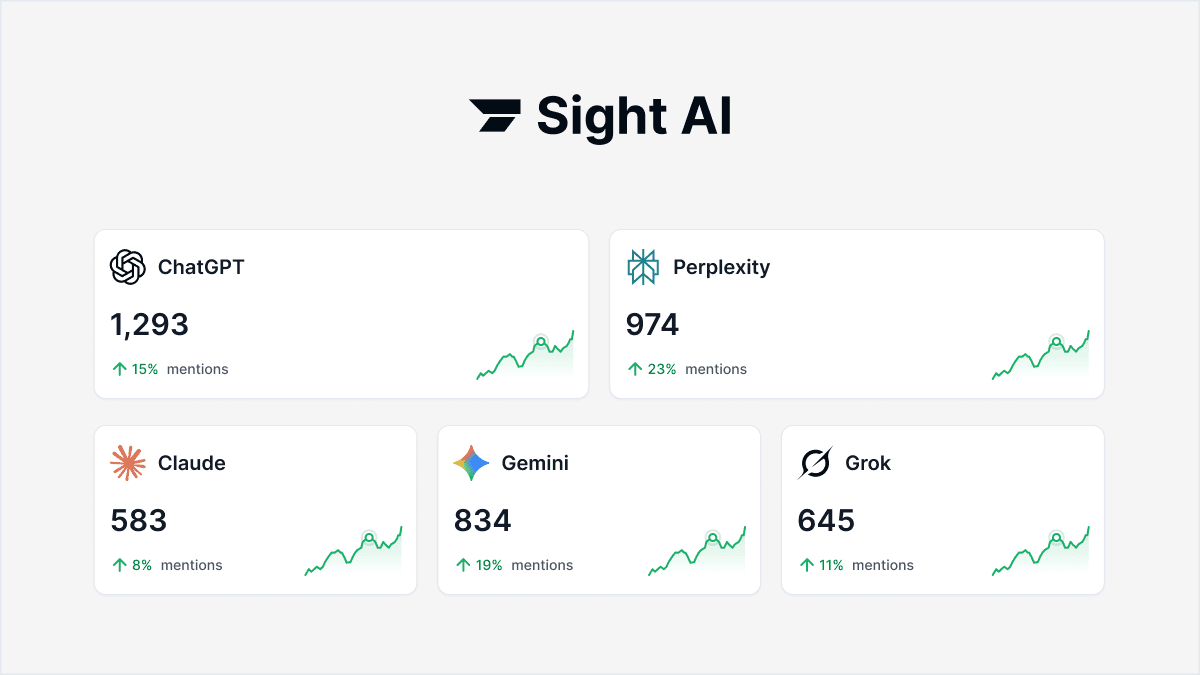
AI Visibility Tracking: This emerging metric category measures how often AI models mention or recommend your brand when responding to relevant queries. When someone asks ChatGPT about marketing automation tools, does your brand appear in the response? When Claude answers questions about content strategy, does it cite your articles? AI visibility tracking monitors your brand mentions across major AI platforms, providing a sentiment score and tracking which topics generate the most AI citations. This metric directly correlates with GEO-optimized content performance.
Content velocity metrics help you understand autopilot efficiency gains. Track articles published per week, time from topic selection to publication, and the percentage of content requiring human intervention before publishing. These operational metrics quantify the capacity gains autopilot delivers. If you've gone from publishing 8 articles monthly with a full-time writer to publishing 25 articles with the same resource allocation, that's a 3x efficiency improvement worth measuring and celebrating.
Refinement indicators show how well your autopilot system learns over time. Monitor quality gate pass rates—what percentage of generated content meets your standards without revision? Track the types of edits required when human review is needed. Watch for patterns in which content parameters produce the best results. Leveraging an SEO content platform with analytics provides the dashboards needed to monitor these refinement indicators systematically. This data informs ongoing optimization of your autopilot configuration, creating a continuous improvement cycle that makes the system more effective with each passing month.
From Pilot to Production: Your Autopilot Roadmap
Rolling out content autopilot across your entire content operation overnight is tempting but risky. A phased approach lets you build confidence, refine configurations, and demonstrate value before full deployment.
Start with a contained pilot focused on one content type where volume matters more than individual piece perfection. Weekly industry news roundups, FAQ content, or product comparison guides work well for initial autopilot deployment. These content types have clear structures, established formats, and lower risk if something goes wrong. Run the pilot for 4-6 weeks, publishing 10-15 pieces. Measure performance against your baseline metrics and gather feedback from your team about quality and efficiency gains.
Expand gradually based on pilot results. If your news roundups performed well, add another content category—perhaps how-to guides or beginner tutorials. Each expansion phase should include configuration refinement based on lessons learned. Maybe you discovered that longer content performs better, so you adjust word count targets. Perhaps certain topics consistently required human editing, so you add those to your review queue rather than full autopilot. This iterative approach prevents the system from becoming a black box you don't understand or trust. Agencies managing multiple clients often find that AI content autopilot for agencies requires additional configuration layers to maintain distinct brand voices across accounts.
Balance automation with strategic human input. Content autopilot should handle volume and execution, freeing your team for higher-value activities. Let autopilot manage routine content production while your writers focus on cornerstone pieces, original research, and thought leadership content that requires unique insights. Let autopilot handle SEO optimization while your strategists analyze performance data and identify new content opportunities. The goal isn't replacing human creativity—it's amplifying it by removing execution bottlenecks.
Build feedback loops between automated output and strategic decisions. Review autopilot content performance monthly. Which topics are AI models citing most frequently? Which formats drive the most engagement? Which keyword targets deliver actual business results? Use these insights to refine your content parameters, adjust topic priorities, and evolve your overall content strategy. Autopilot generates data at scale, giving you faster, clearer signals about what works than manual workflows ever could.
Future-proof your approach by staying informed about AI search evolution. As models like ChatGPT and Perplexity continue advancing, the factors that make content discoverable and citable will evolve. Understanding how to optimize content for ChatGPT recommendations today positions you to adapt as these platforms refine their citation criteria. Platforms with strong autopilot capabilities typically update their GEO optimization features regularly, ensuring your content stays aligned with current best practices. But you should also monitor industry discussions, test how AI models respond to different content structures, and be ready to adjust your autopilot parameters as the landscape shifts.
The Strategic Shift That Changes Everything
Content autopilot represents more than workflow efficiency. It's a fundamental shift in how marketing teams approach content strategy—from reactive, capacity-constrained execution to proactive, AI-orchestrated systems that scale with your ambitions rather than your headcount.
The competitive advantage compounds over time. While competitors struggle with manual workflows, publishing sporadically and falling behind on content calendars, your autopilot system maintains consistent output. While they optimize solely for traditional search, your content gets structured for AI visibility. While their new articles sit in indexing queues for days, yours appear in search results within hours. These advantages accumulate into significant market position differences over quarters and years.
The teams winning in organic content aren't necessarily those with the biggest budgets or largest staffs. They're the ones who've recognized that manual content workflows can't scale to meet modern demands, and who've implemented intelligent automation that handles execution while humans focus on strategy. They're tracking not just search rankings but AI visibility. They're measuring not just traffic but how quickly their content gets discovered and cited. They're building content engines, not just content calendars.
Your content strategy either evolves to embrace these capabilities, or it falls further behind competitors who already have. The gap between teams using content autopilot and those still managing everything manually will only widen as AI search continues reshaping how people discover information. The question isn't whether to adopt these systems—it's how quickly you can implement them effectively.
Stop guessing how AI models like ChatGPT and Claude talk about your brand—get visibility into every mention, track content opportunities, and automate your path to organic traffic growth. Start tracking your AI visibility today and see exactly where your brand appears across top AI platforms, then use that intelligence to power a content autopilot system that gets you mentioned more often, in more contexts, driving the organic growth your team has been chasing manually for too long.