Your SaaS marketing team just published another comprehensive guide. The research took weeks. The writing was meticulous. The design is beautiful. You hit publish, share it across channels, and wait for the organic traffic to roll in.
Three months later, you're competing with 50 other companies for the same keywords. Your content sits on page two of Google. Meanwhile, your competitor's brand gets mentioned in ChatGPT responses while yours doesn't appear at all.
This is the reality for SaaS marketers in 2026. Creating quality content has never been harder, and the rules of visibility have fundamentally changed. Traditional SEO alone isn't enough when potential customers are asking AI platforms for product recommendations instead of clicking through search results.
AI content marketing represents a strategic shift in how SaaS companies approach content creation and distribution. It's not about replacing your marketing team with robots. It's about augmenting human expertise with AI tools that help you scale production, optimize for new visibility channels, and compete effectively in markets where content volume matters as much as content quality.
This guide breaks down what AI content marketing means specifically for SaaS companies, why the traditional manual-only approach is becoming unsustainable, and how to implement AI-powered workflows that actually deliver results across both traditional search and AI platforms.
The Unique Content Challenge Facing SaaS Companies
SaaS content marketing operates under constraints that don't exist in other industries. Your buyers aren't making impulse purchases. Enterprise deals often take six to twelve months from first touch to signed contract. During that journey, multiple stakeholders need different types of content—technical documentation for developers, ROI calculators for finance teams, case studies for executives.
Think about what this means for your content calendar. You need bottom-of-funnel comparison articles for buyers ready to evaluate solutions. You need mid-funnel educational guides for prospects still understanding their problems. You need top-of-funnel awareness content to capture attention before competitors do. Each piece requires research, subject matter expertise, and strategic positioning.
The volume problem becomes impossible to ignore when you map it out. To compete effectively, you'd need to publish multiple comprehensive articles per week, update existing content regularly, create supporting materials for each piece, and maintain consistency across all of it. Most marketing teams simply don't have the bandwidth.
Here's where it gets more complicated. The visibility landscape has expanded beyond Google. When potential customers ask ChatGPT "What's the best analytics platform for SaaS companies?" or query Claude about "marketing automation tools worth considering," your brand either gets mentioned or it doesn't. Traditional SEO optimization doesn't guarantee AI platform visibility.
AI content marketing addresses these challenges by augmenting human expertise rather than replacing it. Your team still provides the strategic direction, industry knowledge, and brand voice. AI tools for SaaS companies handle the scaling—producing first drafts faster, generating variations for different audiences, and optimizing content for multiple visibility channels simultaneously. The combination lets you compete on volume without sacrificing the quality that actually converts prospects.
Essential Tools in Your AI Content Marketing Stack
Building an effective AI content marketing operation requires more than just a writing assistant. You need integrated tools that handle the entire workflow from ideation through distribution and performance tracking.
Content Generation Layer: Modern AI writing tools have evolved beyond simple text completion. Specialized agents now exist for different content formats, each trained on the specific structure and requirements of that type. A listicle agent understands how to structure comparison points and maintain consistent evaluation criteria. A guide agent knows how to break complex topics into logical steps with appropriate depth at each stage. An explainer agent focuses on clarity and comprehensive coverage of concepts.
This specialization matters because SaaS content serves different purposes. Your product comparison listicle needs different optimization than your implementation guide. Using format-specific agents produces better results than forcing one tool to handle everything. Look for platforms that offer multiple specialized agents rather than one-size-fits-all approaches.
Autopilot capabilities: The most sophisticated AI content tools now offer varying levels of automation. Hands-on mode gives you control over every section, useful for high-stakes content where brand voice precision matters. Autopilot mode handles end-to-end generation based on your outline and guidelines, ideal for scaling content production across multiple topics simultaneously. The key is matching automation level to content risk and strategic importance.
Distribution and Indexing Tools: Publishing content is only valuable if search engines and AI platforms actually discover it. IndexNow protocol integration lets you notify search engines immediately when new content goes live or existing articles get updated. This reduces the lag between publication and indexing from days or weeks down to hours.
Automated publishing capabilities connect your content generation directly to your CMS. Once your team approves a piece, it can flow automatically to your website with proper formatting, metadata, and internal linking. This removes the manual bottleneck that often delays content from reaching your audience.
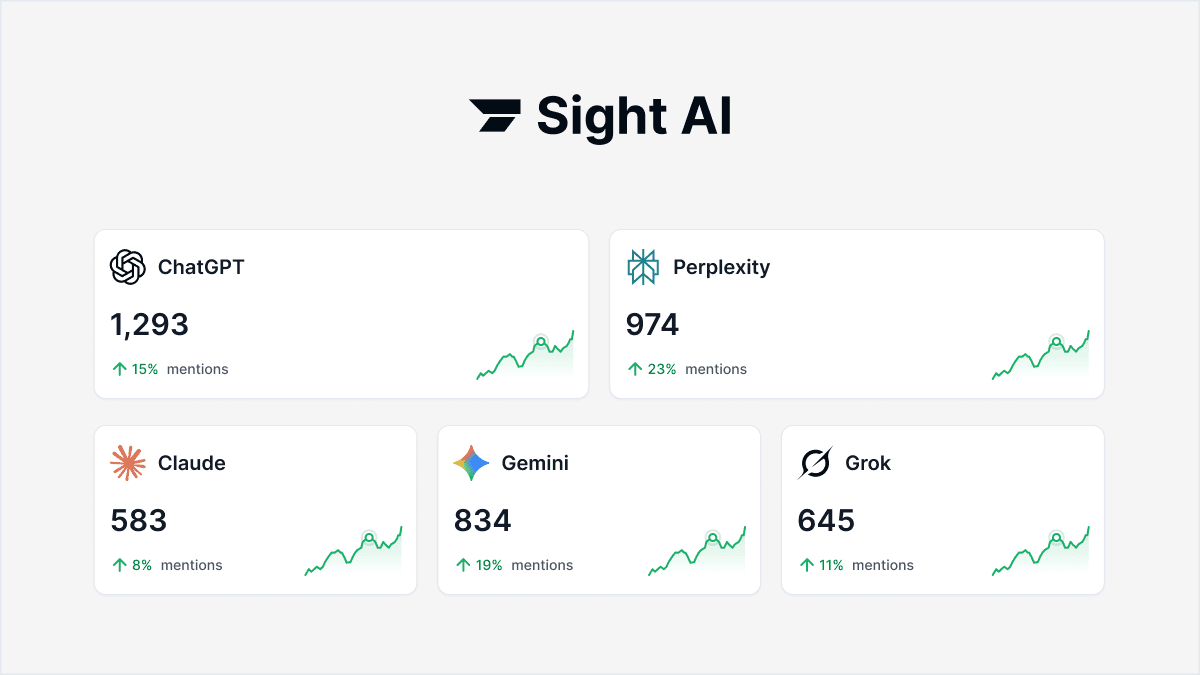
Performance Tracking Systems: You need visibility into how your content performs across both traditional search and AI platforms. Traditional analytics show organic traffic, engagement metrics, and conversion data. AI visibility tracking reveals which prompts trigger mentions of your brand across ChatGPT, Claude, Perplexity, and similar platforms. Sentiment analysis shows whether those mentions are positive, neutral, or negative.
The most effective stacks integrate these components so data flows between them. Your performance tracking informs your content strategy, which guides your generation tools, which feed your distribution systems, which create new performance data. This closed loop lets you continuously refine your approach based on what's actually working. For a deeper dive into available options, explore our SaaS content marketing tools comparison.
Optimizing Content for AI Platform Visibility
When someone asks ChatGPT for SaaS tool recommendations, the model draws from its training data to formulate a response. Your brand either appears in that response or it doesn't. Traditional SEO optimization focused on Google's algorithms won't guarantee visibility in AI-generated answers.
This is where GEO—Generative Engine Optimization—becomes critical. GEO focuses specifically on optimizing content so AI models are more likely to reference and recommend your brand when responding to relevant queries. It's not about gaming the system. It's about structuring your content in ways that AI models naturally favor when synthesizing information.
Authoritative Structure Matters: AI models tend to reference content that demonstrates clear expertise and comprehensive coverage. This means going deeper than surface-level overviews. When you write about a topic, cover it thoroughly. Define key concepts explicitly. Provide context that helps the model understand why your perspective matters.
Think of it like this: if an AI model is synthesizing information about marketing automation for SaaS companies, it needs clear, definitive statements it can reference. Content that hedges with "some experts believe" or "it depends" is less useful than content that confidently explains "here's how this works and why it matters." Authority comes from depth and clarity, not from vague generalness.
Clear Definitions and Comprehensive Coverage: AI models perform well when they can extract clean information. Start articles with explicit definitions of key terms. Use headers that clearly signal what each section covers. Break complex topics into logical components that the model can reference independently.
For example, if you're explaining customer acquisition cost for SaaS companies, don't just assume readers know what CAC means. Define it clearly. Explain the calculation. Provide context about why it matters specifically for subscription businesses. This comprehensive approach helps AI models understand and reference your content accurately.
Tracking Your AI Visibility: You can't optimize what you don't measure. Monitoring how AI platforms talk about your brand requires systematic tracking across multiple models. Test relevant prompts regularly—the questions your prospects actually ask. Track whether your brand gets mentioned, in what context, and with what sentiment.
This visibility data reveals content gaps. If competitors get mentioned for certain use cases while you don't, that signals an opportunity to create authoritative content addressing that specific angle. If your brand appears but with neutral sentiment, you might need stronger differentiation in your messaging. The insights from AI visibility tracking should directly inform your content strategy. Understanding generative AI for content marketing helps you stay ahead of these visibility trends.
Maintaining Quality in AI-Assisted Workflows
The biggest concern about AI content marketing is quality degradation. Companies worry that scaling production with AI tools will result in generic, unhelpful content that damages their brand rather than building it. This concern is valid when AI is implemented poorly.
The solution isn't avoiding AI tools. It's implementing them within a framework that preserves quality while enabling scale. Think of it as a human-AI collaboration model where each side contributes what it does best.
Strategic Direction Stays Human: Your subject matter experts and strategists should guide what gets created and why. They identify content gaps, understand customer questions, know which topics matter for your business goals. AI tools don't replace this strategic thinking—they execute on it faster.
Start with human-created outlines. Your team determines the angle, the key points that must be covered, the examples that will resonate with your audience. This strategic framework ensures AI-generated content serves your business objectives rather than just filling space on your website.
Quality Control Checkpoints: Implement editorial review before anything goes live. Your reviewers should check for factual accuracy, brand voice consistency, and strategic alignment. This isn't about rewriting everything—it's about catching issues before they reach your audience.
Fact-checking becomes especially important with AI-generated content. The tools can occasionally produce plausible-sounding claims that aren't accurate. Your review process should verify any statistics, case study references, or technical claims. If something can't be verified, remove it or reframe it as general observation rather than specific fact.
Brand voice consistency requires attention because AI tools default to generic professional tone. Your review process should ensure the content sounds like your brand. Add personality where appropriate. Adjust formality levels to match your audience. Include specific terminology your customers use.
Choosing Your Automation Level: Not all content deserves the same level of automation. High-stakes pieces like product positioning pages or executive thought leadership might warrant hands-on creation with AI assistance for specific sections. Educational blog content or comparison articles might work well in autopilot mode with editorial review. Explore how content marketing automation for SaaS can help you find the right balance for your team.
Match your approach to the content's strategic importance and risk profile. Content that directly influences buying decisions deserves more human involvement. Content designed for top-of-funnel awareness can often be produced more automatically with appropriate quality checks in place.
Metrics That Actually Matter in AI Content Marketing
Traditional Metrics Still Drive Business: Organic traffic growth shows whether your content is reaching more people over time. Engagement metrics like time on page and scroll depth indicate whether that traffic finds your content valuable. Conversion tracking connects content consumption to actual business outcomes—demo requests, trial signups, qualified leads.
These metrics matter because they tie directly to revenue. A comprehensive guide that ranks well but never converts visitors into leads isn't doing its job. Your content needs to both attract the right audience and move them toward becoming customers.
AI Visibility Metrics Reveal New Opportunities: AI visibility scores show how frequently your brand appears in responses from ChatGPT, Claude, Perplexity, and similar platforms. This matters because an increasing portion of research happens through AI chat interfaces rather than traditional search.
Track which prompts trigger mentions of your brand. If you appear when prospects ask about "best project management tools for remote teams" but not when they ask about "collaboration software for distributed companies," that's actionable intelligence. You need content that positions your solution for the second query too.
Sentiment analysis shows whether AI mentions are positive, neutral, or negative. Positive mentions reinforce your brand positioning. Neutral mentions suggest opportunities to strengthen your differentiation. Negative mentions signal problems that need immediate attention—either fixing actual issues or addressing misconceptions in your content.
Prompt tracking across AI models reveals patterns in how prospects research solutions. The questions they ask, the comparisons they make, the features they prioritize—all of this informs your content strategy. You're essentially getting visibility into the research process that used to happen invisibly.
Creating Unified Visibility: The most valuable approach combines traditional and AI metrics in one dashboard. You want to see how content performs across all channels simultaneously. An article might rank well in Google while getting zero AI mentions, or vice versa. Understanding both dimensions helps you optimize more effectively. A robust AI content marketing platform can unify these metrics for clearer decision-making.
Connect these metrics back to business outcomes. Track which content pieces contribute most to pipeline generation. Identify patterns in what works—certain topics, formats, or optimization approaches that consistently deliver results. Use these insights to refine your strategy continuously.
Avoiding Common AI Content Marketing Mistakes
The Volume Without Strategy Trap: AI tools make it tempting to publish massive amounts of content quickly. Companies sometimes fall into the trap of optimizing for quantity over strategic value. They produce dozens of articles that technically rank for keywords but don't actually help prospects make decisions or move toward purchase.
Content that ranks but doesn't convert is a vanity metric. Every piece you publish should serve a specific strategic purpose—answering a question prospects actually have, addressing an objection that stalls deals, or positioning your solution for a particular use case. Volume matters, but only when each piece contributes to your business goals.
Ignoring the AI Visibility Channel: Some companies continue optimizing exclusively for traditional search while competitors capture visibility across AI platforms. This creates a blind spot where prospects research solutions through ChatGPT or Claude, get recommendations that don't include your brand, and never visit your website at all.
The solution is parallel optimization. Your content should work for both traditional SEO and GEO simultaneously. Structure articles with clear definitions and authoritative coverage that AI models favor. Use the same content to rank in Google and get referenced by AI platforms. This dual-channel approach maximizes your visibility across how prospects actually research solutions.
Set-and-Forget Automation: AI content tools aren't magic solutions you implement once and ignore. The most successful companies treat them as systems that require continuous refinement. They analyze performance data, adjust their approaches, test new formats, and iterate based on what works. Learning from content automation for SaaS companies that have scaled successfully can help you avoid this pitfall.
Your content strategy should evolve as you gather more data about what resonates with your audience. The topics that drive conversions might surprise you. The AI platforms where your brand gets mentioned most might differ from your assumptions. Use this feedback to continuously improve your content operations rather than running the same playbook indefinitely.
Your Path Forward with AI Content Marketing
AI content marketing for SaaS companies isn't about replacing the creativity and strategic thinking that makes great content work. It's about amplifying those human capabilities so you can compete effectively in markets where both quality and volume matter.
The strategic shifts are clear. Move from manual-only workflows to AI-augmented processes where your team guides strategy while tools handle scaling. Expand your optimization beyond traditional SEO to include AI platform visibility through GEO practices. Measure success across both channels—traditional search and AI model mentions—to understand your complete visibility picture.
Start by auditing your current content operations honestly. Where are the bottlenecks? Which content types take longest to produce? Where do you lack visibility into performance? These pain points indicate where AI tools could have the highest impact for your specific situation.
The companies winning with AI content marketing aren't necessarily the ones with the biggest budgets or largest teams. They're the ones who strategically implement AI tools within quality-focused workflows, optimize for both traditional and AI visibility channels, and continuously refine their approach based on performance data.
Stop guessing how AI models like ChatGPT and Claude talk about your brand—get visibility into every mention, track content opportunities, and automate your path to organic traffic growth. Start tracking your AI visibility today and see exactly where your brand appears across top AI platforms.