Your SaaS marketing team just shipped three blog posts this week. Your content calendar shows twelve more drafts in progress. Meanwhile, your competitors are publishing daily, your product roadmap keeps accelerating, and your CEO keeps asking why organic traffic isn't growing faster.
Sound familiar?
The content treadmill has become unsustainable for most SaaS companies. You need consistent, high-quality content to compete for organic visibility, but traditional content production simply doesn't scale. Writing, editing, optimizing, and publishing each piece manually consumes hours your team doesn't have.
This is where content automation transforms the game—not by replacing your team's expertise, but by amplifying what they can accomplish. Modern content automation handles the repetitive, time-consuming tasks that slow down production, freeing your marketers to focus on strategy, creativity, and the unique insights that actually differentiate your brand.
In this guide, we'll explore what content automation actually looks like for SaaS companies in 2026, which workflows benefit most from automation, how to maintain quality while scaling production, and how to implement automation strategically. Whether you're publishing twice a month and want to reach twice a week, or you're already producing high volumes but struggling with consistency, you'll learn practical approaches to accelerate your content engine without sacrificing the quality your technical audience expects.
Beyond Scheduling: What Modern Content Automation Actually Looks Like
When most marketers hear "content automation," they think of scheduling tools that post your pre-written content at optimal times. That's automation from 2015. Modern content automation in 2026 operates at a fundamentally different level.
Today's content automation uses AI and specialized software to handle substantive content tasks—research aggregation, outline generation, first draft creation, SEO optimization, and multi-platform distribution. Think of it as having a team of specialized assistants who handle the groundwork while your human experts focus on strategy, refinement, and adding the unique perspective that makes content valuable.
Here's the distinction that matters: basic automation schedules existing content. Intelligent automation helps create, optimize, and distribute that content in the first place.
What Intelligent Content Automation Actually Does: It analyzes top-performing content in your niche and identifies patterns in structure, topics, and keyword usage. It generates comprehensive outlines based on search intent and competitive analysis. It produces initial drafts that incorporate SEO best practices, relevant terminology, and logical flow. It optimizes content for both traditional search engines and emerging AI platforms like ChatGPT and Perplexity. It automatically publishes to your CMS, updates sitemaps, and triggers indexing to accelerate content discovery.
For SaaS companies specifically, this level of automation addresses three critical challenges you face that other industries don't encounter as intensely.
First, SaaS content velocity requirements are uniquely demanding. Your product evolves constantly—new features launch, integrations expand, use cases multiply. Each change creates content needs: updated documentation, announcement posts, how-to guides, comparison pages. Manual content production simply cannot keep pace with modern SaaS development cycles.
Second, your audience expects technical depth and accuracy. Generic content doesn't work for SaaS buyers who research extensively before purchasing. They want detailed explanations, real implementation guidance, and content that demonstrates genuine product understanding. Automation must preserve this depth while accelerating production through AI content for SaaS companies that maintains quality standards.
Third, you need consistent brand presence across multiple channels simultaneously. Your prospects discover you through organic search, AI platforms, social media, email, community forums, and review sites. Each channel requires adapted content, and maintaining presence everywhere manually is impossible. Intelligent automation handles multi-channel distribution while preserving your core message.
The companies winning at SaaS content marketing in 2026 aren't choosing between quality and quantity. They're using automation strategically to achieve both—producing more content faster while maintaining the expertise and accuracy that builds trust with technical audiences.
The SaaS Content Workflows That Benefit Most From Automation
Not every content workflow benefits equally from automation. Some tasks genuinely require human creativity and strategic thinking. Others consume enormous time while following predictable patterns—these are your highest-value automation opportunities.
Let's look at the three SaaS content workflows where automation delivers the most significant impact.
Blog Content Production: Your blog is your organic growth engine, but producing comprehensive, SEO-optimized articles consistently is resource-intensive. Automation transforms this workflow dramatically. Research aggregation tools can analyze top-ranking content for your target keywords, identifying common topics, structural patterns, and content gaps your article should address. AI-powered outline generation creates logical article structures based on search intent and competitive analysis. First draft creation handles the heavy lifting of getting ideas into coherent paragraphs, incorporating relevant keywords naturally and maintaining consistent flow. SEO optimization ensures proper heading hierarchy, meta descriptions, internal linking opportunities, and keyword distribution without manual checking.
The result? What previously took your team eight hours per article—research, outlining, drafting, optimizing—now takes two hours of strategic refinement and expertise addition. You're not publishing AI-generated content verbatim. You're using automation to handle the groundwork so your team focuses on adding unique insights, real examples, and brand voice that differentiates your content. Explore the best content automation tools for marketers to find solutions that fit your workflow.
Documentation and Help Center Updates: This workflow might be your biggest hidden time sink. Every product update, feature launch, or UI change requires corresponding documentation updates. Miss these updates, and you frustrate users with outdated help content. Handle them manually, and your team spends more time updating docs than creating new content.
Automation helps by monitoring product changes and flagging documentation that needs updates. AI tools can draft initial revisions based on release notes and product specifications, which your team then reviews for accuracy. For new features, automation can generate initial how-to guides and FAQ sections based on product descriptions, creating starting points rather than blank pages. This doesn't eliminate the need for technical writers who understand your product—it eliminates the repetitive work of reformatting, restructuring, and rewriting similar content for every update.
Multi-Channel Distribution: You've invested hours creating a comprehensive blog post. Now you need to adapt it for LinkedIn, Twitter, your newsletter, community forums, and potentially video scripts or podcast talking points. Each platform requires different formatting, length, and tone. Doing this manually means each piece of core content requires hours of additional adaptation work.
Intelligent automation handles platform-specific adaptation automatically. It can extract key points from your blog post and reformat them as LinkedIn posts, Twitter threads, email newsletter sections, or social media snippets. It adjusts tone and length for each platform while maintaining your core message. It can even generate meta descriptions, social media preview text, and promotional copy variations for testing.
The strategic advantage here isn't just time savings—it's consistency. When you can efficiently distribute content across channels, you maintain brand presence everywhere your prospects spend time. You're not choosing between LinkedIn and your blog, or between email and social. You're showing up consistently across all channels because automation makes multi-channel distribution practical.
Building Your Automation Stack: Essential Tools and Integrations
The right automation stack makes the difference between content automation that accelerates growth and automation that creates new problems. Your stack needs three core capabilities: intelligent content generation, efficient publishing and indexing, and seamless integration with your existing tools.
AI Content Generation Tools: The foundation of your automation stack is AI-powered content generation that understands SaaS terminology and produces SEO-optimized articles. Look for tools that go beyond basic text generation—you need systems that can research topics, analyze competitor content, generate comprehensive outlines, and produce drafts that incorporate relevant keywords naturally. The best tools use multiple specialized AI agents for different content tasks: one for research, another for outline generation, another for SEO optimization. This multi-agent approach produces higher-quality results than single-model systems. Review the AI content tools for SaaS companies to find platforms designed for your specific needs.
Critical capability: Your content generation tool should optimize for both traditional search engines and AI platforms like ChatGPT and Perplexity. The content landscape has shifted—your articles need to be structured so AI models can extract and reference your information accurately. This means clear heading hierarchy, factual accuracy, proper citation of sources, and content structured for AI retrieval.
CMS Auto-Publishing and Indexing Solutions: Content sitting in drafts doesn't drive traffic. You need tools that automatically publish finished content to your CMS and trigger immediate indexing. Look for solutions that integrate with IndexNow, the protocol that notifies search engines about new content instantly rather than waiting for crawlers to discover it organically. Automated sitemap updates ensure search engines always have current information about your content structure.
The efficiency gain here is substantial. Manual publishing involves logging into your CMS, formatting content, adding images, setting metadata, updating navigation, and submitting URLs for indexing. Automation handles all of this in seconds, and your content starts getting indexed and potentially ranking within hours instead of days or weeks. Learn more about content publishing automation for CMS to streamline your workflow.
Integration Requirements: Your automation tools must connect with your existing tech stack, not create new silos. Essential integrations include your analytics platform (so you can track automated content performance), your CRM (to understand which content influences conversions), and your marketing automation system (to trigger content-based workflows).
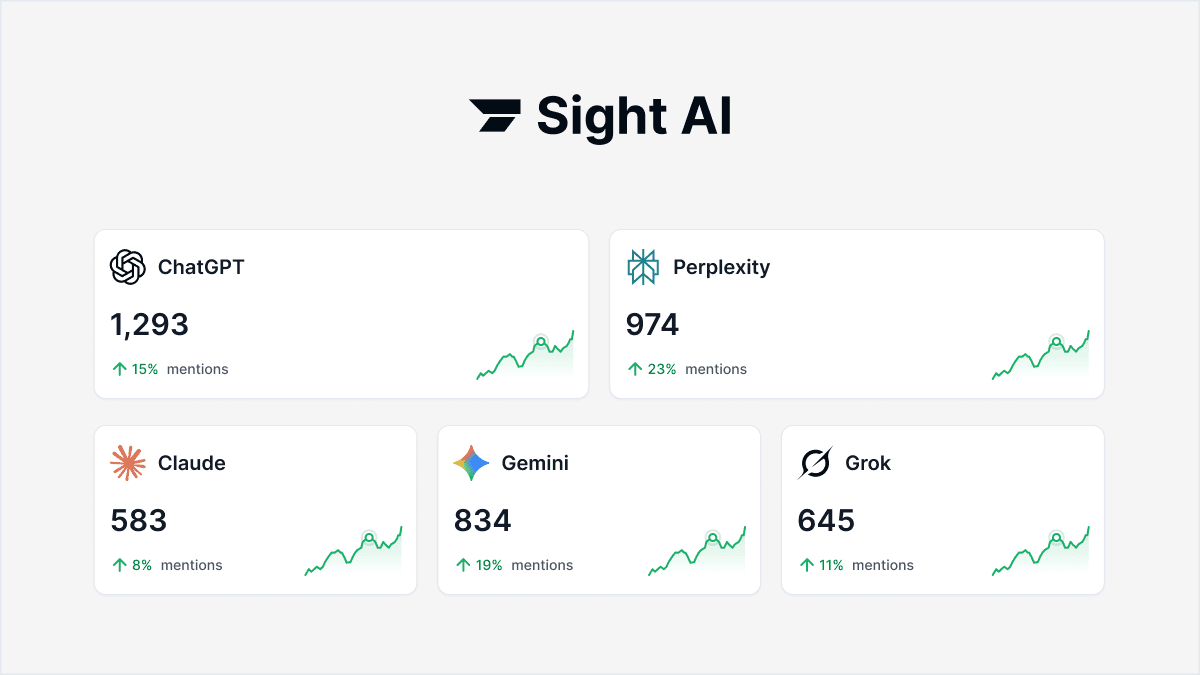
The integration that matters most? Connecting your content automation with your AI visibility tracking. You need to see how AI models like ChatGPT and Claude reference your brand and content. This feedback loop shows which content successfully positions your brand in AI responses, helping you understand what content strategies actually work in the new AI-powered search landscape.
When evaluating tools, prioritize platforms that offer all-in-one capabilities over assembling multiple single-purpose tools. The coordination overhead of managing five separate tools often negates the efficiency gains from automation itself.
Maintaining Quality When You Scale: The Human-AI Balance
Here's the uncomfortable truth about content automation: many SaaS companies have tried it and produced mediocre content. They automated everything, removed human oversight, and published AI-generated articles that were technically accurate but utterly generic. The result? Content that ranks poorly, engages nobody, and damages brand credibility.
Quality at scale requires getting the human-AI balance right. Automation should handle repetitive tasks and accelerate production, but humans must own strategy, expertise, and brand voice. Understanding the tradeoffs between AI content platforms vs manual writing helps you find the right balance for your team.
Editorial Workflows That Preserve Quality: Establish clear roles for AI and humans in your content workflow. AI handles research aggregation, outline generation, first draft creation, and SEO optimization. Humans handle strategic decisions about which topics to cover, unique insights and examples to include, brand voice refinement, and final accuracy verification. This division ensures you get automation's efficiency benefits without sacrificing the expertise that differentiates your content.
Think of AI as your research assistant and first draft writer, not your final author. The AI draft gives your team a strong starting point—comprehensive structure, relevant information, proper keyword usage—but your human editors transform that foundation into content worth reading. They add real customer examples, industry-specific insights, your brand's unique perspective, and the nuanced understanding that comes from actually working with your product daily.
Quality Checkpoints That Matter Most: Not every part of automated content needs equal human review. Focus your team's attention on these critical checkpoints: factual accuracy of technical claims, relevance and value of examples used, natural incorporation of brand voice, strategic alignment with your positioning, and proper citation of any statistics or data points.
The checkpoint that often gets overlooked? Ensuring your content actually answers the question your target keyword implies. AI can produce comprehensive content about a topic while missing the specific intent behind why someone searched for that term. Human editors catch this disconnect and refocus content accordingly.
Avoiding Common Pitfalls: Generic content is automation's biggest risk. AI models are trained on vast amounts of existing content, so they naturally produce articles that sound like everything else in your niche. Combat this by requiring your team to add specific elements that AI cannot generate: proprietary data from your customer base, unique methodologies you've developed, specific customer success stories, contrarian perspectives based on your experience, and technical depth that requires genuine product expertise.
Another pitfall: factual errors that sound plausible. AI models sometimes generate statistics, case studies, or claims that seem reasonable but aren't real. Your editorial workflow must include verification of any specific claims, especially numerical data. If you cannot verify a statistic with a real source, remove it or replace it with general language.
The companies succeeding with content automation aren't using it to eliminate their content team. They're using it to multiply what their team can accomplish—producing more content while maintaining the quality standards that build authority with technical audiences.
Measuring Success: KPIs for Automated Content Programs
You cannot optimize what you do not measure. Effective content automation requires tracking both production efficiency metrics and content performance metrics. Together, these measurements show whether automation is actually improving your content marketing results.
Production Metrics: Start by measuring content velocity—how many articles you publish per month before and after implementing automation. For most SaaS companies, automation increases velocity by 3-5x once workflows are established. Track time-to-publish as well: how long from topic selection to live article? Automation should reduce this dramatically, from weeks to days. Finally, measure resource allocation improvements: how many hours does your team spend on content production, and how has that changed? The goal isn't necessarily fewer total hours—it's more strategic hours spent on high-value activities rather than repetitive tasks.
Performance Metrics: Production efficiency means nothing if your content doesn't perform. Track organic traffic growth month-over-month and year-over-year. Monitor keyword rankings for your target terms—are you ranking for more keywords, and are those rankings improving? Measure engagement rates: time on page, scroll depth, and bounce rate indicate whether your automated content actually engages readers or just exists.
Pay particular attention to conversion metrics. Track how automated content performs compared to manually created content in terms of newsletter signups, demo requests, or trial starts. If automated content drives similar or better conversions, you have clear evidence that quality hasn't suffered. If conversions drop, you need to adjust your human oversight process. Implementing SEO content automation for enterprises requires robust measurement frameworks to track these outcomes.
Emerging Metrics for 2026: Traditional SEO metrics remain important, but the emergence of AI search platforms creates new measurement requirements. You need to track AI visibility—how often and how accurately AI models like ChatGPT, Claude, and Perplexity mention your brand when users ask relevant questions. This metric indicates whether your content is structured effectively for AI retrieval and whether you're building brand presence in the new search landscape.
Monitor brand mentions across AI platforms and track sentiment—are mentions positive, neutral, or negative? Analyze which prompts trigger brand mentions and which content pieces get referenced most frequently. This data reveals what content strategies successfully position your brand in AI responses, helping you optimize future content accordingly.
Track content opportunities identified through AI platform analysis. When AI models mention competitors but not your brand, that signals a content gap worth addressing. When AI models provide incomplete or outdated information about topics in your domain, that represents an opportunity to create authoritative content that becomes the reference source.
The key is establishing baseline metrics before implementing automation, then tracking changes consistently. This data-driven approach shows exactly what's working, what needs adjustment, and whether your automation investment is delivering the growth you need.
Getting Started: A Practical Implementation Roadmap
Content automation sounds compelling in theory. The challenge is implementation—where do you actually start, and how do you avoid the common mistake of trying to automate everything at once?
Step One: Audit Current Workflows: Before automating anything, map your existing content workflows from idea to publication. Identify which tasks consume the most time, which tasks follow predictable patterns, and which tasks genuinely require human creativity and expertise. Your highest-value automation opportunities are tasks that are time-consuming, repetitive, and don't require strategic decision-making. For most SaaS companies, this means blog research and first draft creation, SEO optimization and formatting, and multi-channel content distribution.
Step Two: Start With One Workflow: Resist the temptation to automate everything simultaneously. Choose your highest-impact workflow—typically blog content production—and implement automation there first. Set up your tools, establish your editorial process, and run the automated workflow alongside your existing process for comparison. Measure results: production time, content quality, and performance metrics. Once you have a workflow that consistently produces quality content faster, expand to additional workflows systematically. Many teams find success starting with content generation for SaaS blogs before expanding to other content types.
This incremental approach has two advantages. First, you learn what works for your specific team and content needs without risking your entire content program. Second, you build internal confidence in automation by demonstrating real results before asking your team to change additional workflows.
Step Three: Set Realistic Expectations: Content automation accelerates growth, but it requires initial setup investment. You'll spend time configuring tools, establishing editorial processes, training your team on new workflows, and refining your approach based on early results. Plan for a 2-3 month ramp-up period where you're still learning and optimizing. The efficiency gains compound over time—month one might show modest improvements, but month six typically shows dramatic acceleration as your team masters the workflows and your tools learn your preferences.
Expect to iterate on your process. Your first automated articles might require heavy human editing. That's normal. As you refine prompts, adjust editorial checkpoints, and optimize your workflow, the ratio of AI efficiency to human refinement improves steadily.
Step Four: Build Feedback Loops: Create regular review sessions where your team discusses what's working and what needs adjustment in your automated workflows. Track specific issues: Are AI-generated outlines missing key topics? Are drafts consistently requiring the same types of edits? Is your brand voice getting lost? Each pattern you identify represents an opportunity to refine your automation configuration and improve results. Reviewing content automation platform reviews can help you benchmark your results against industry standards.
The most successful implementations treat content automation as an evolving system, not a one-time setup. Your content needs change, your product evolves, your market shifts—your automation should adapt accordingly.
Putting It All Together
Content automation for SaaS companies isn't about removing the human element from content marketing. It's about removing the barriers that prevent your team from focusing on what actually matters—strategy, expertise, and the unique insights that differentiate your brand.
The SaaS content landscape in 2026 demands both quality and quantity. Your technical audience expects depth, accuracy, and genuine expertise. Your competitors are publishing consistently. AI platforms are reshaping how prospects discover solutions. Traditional manual content production cannot keep pace with these demands.
Intelligent content automation solves this challenge by handling the repetitive, time-consuming tasks that slow down production—research aggregation, outline generation, first draft creation, SEO optimization, and multi-channel distribution. This frees your team to focus on the strategic work that automation cannot replicate: deciding which topics matter most, adding proprietary insights and real examples, refining brand voice and positioning, and ensuring factual accuracy and relevance.
The companies succeeding with content automation aren't choosing between human creativity and AI efficiency. They're combining both strategically—using automation to multiply what their team can accomplish while maintaining the quality standards that build authority with technical buyers.
Start by identifying your biggest content bottleneck. For most SaaS companies, that's the sheer time required to produce comprehensive, SEO-optimized blog content consistently. Implement automation for that workflow first, measure results, refine your approach, and expand systematically. Track both production metrics and performance metrics to ensure automation is actually improving your content marketing outcomes.
Remember that content automation is an evolving system, not a one-time implementation. Your first automated articles will require more human refinement than your fiftieth. Your tools will learn your preferences. Your team will master the workflows. The efficiency gains compound over time.
The real question isn't whether to automate your content workflows—it's how quickly you can implement automation strategically to compete effectively in a landscape where consistent, high-quality content has become table stakes for SaaS growth.
Stop guessing how AI models like ChatGPT and Claude talk about your brand—get visibility into every mention, track content opportunities, and automate your path to organic traffic growth. Start tracking your AI visibility today and see exactly where your brand appears across top AI platforms.