White label blog content is articles and blog posts produced by one provider (a writing service or a software platform) and delivered under your agency's or your client's brand, with no attribution to the producer. For agencies, the most scalable way to deliver it in 2026 is an AI content platform that offers client workspaces, brand voice controls, and either full rebranding (custom domain, logo, reports) or automated publishing straight to client CMSs. Below are nine tools compared on exactly those criteria, plus a workflow for producing white label blog posts that actually rank.
We evaluated each tool on four things: how deep the white labeling goes, output quality, scalability across many clients, and agency features such as client workspaces, approval flows, and branded reporting. Prices are entry points and change often, so confirm them on each vendor's site.
Quick comparison: white label depth at a glance
| Tool | White label type | Best for | Entry price |
|---|---|---|---|
| Sight AI | Agency multi-client accounts, auto-publishing to client CMS | SEO + GEO content and AI visibility tracking | Custom |
| Jasper | Brand voices per client; rebranding on higher tiers | Brand voice consistency | $49/seat/mo |
| Copy.ai | API lets you build your own branded front end | Workflow automation | Free / $49/mo |
| Writesonic | Reseller program | Budget bulk content | Free tier |
| ContentBot | Full rebrand with custom domain | Selling content tools as your own product | $99/mo (white label) |
| Scalenut | None (output only) | SEO-led long-form | $39/mo |
| Frase | None (output only) | Research briefs for human writers | $15/mo |
| Narrato | Branded client workspaces | Multi-client management | $36/mo |
| Article Forge | None (output only, API) | High-volume automated articles | $27/mo |
"Output only" means the content itself carries no vendor branding, so it is white label by default. Clients just never see the tool. If clients need to log in or receive reports, you need a tool from the first group.
1. Sight AI
Best for: Agencies optimizing content for both traditional search and AI-powered answer engines
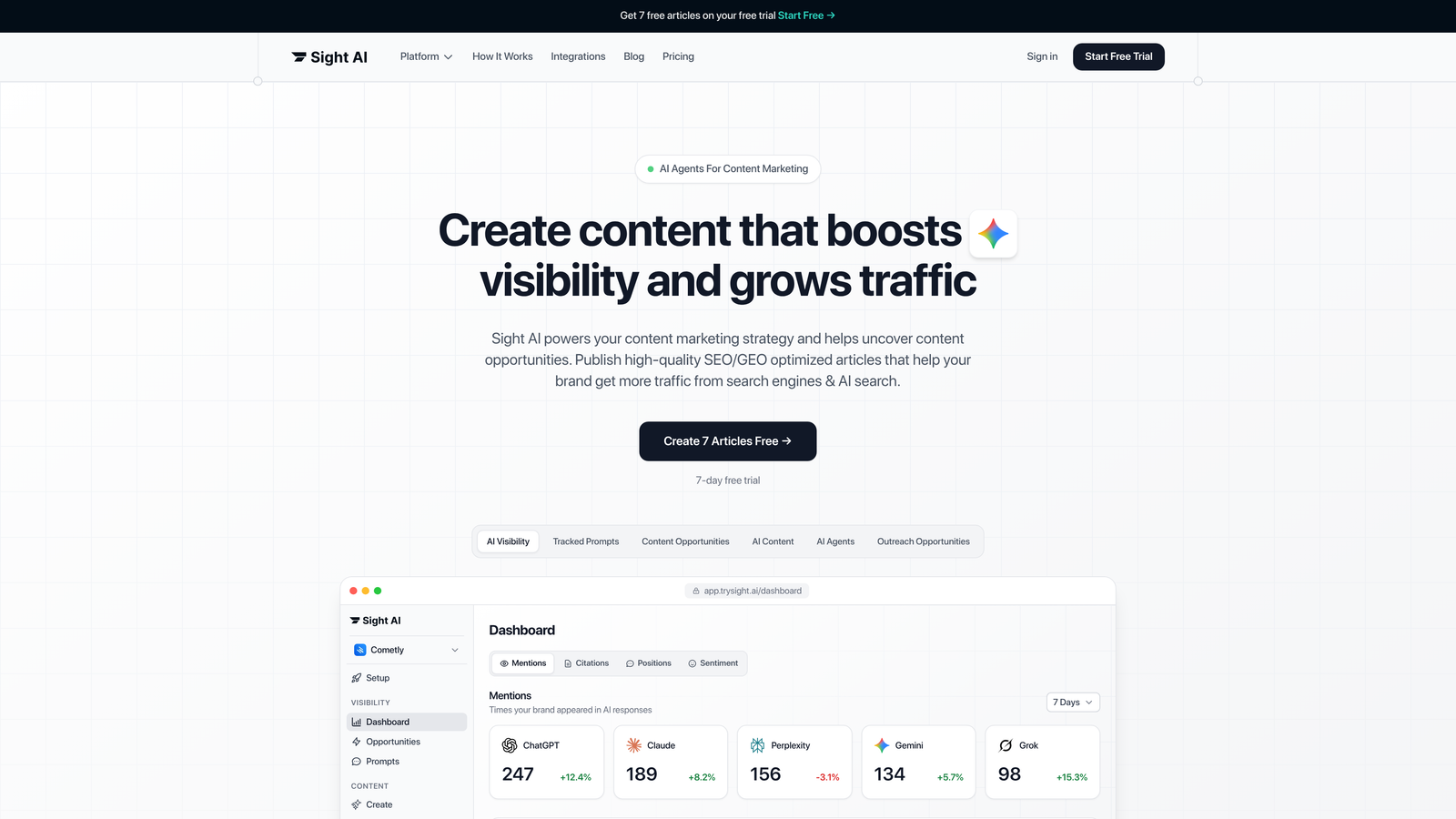
Sight AI is an AI-powered content generation platform with 13+ specialized agents, AI visibility tracking, and automated publishing workflows designed for agencies scaling SEO and GEO content.
Where This Tool Shines
Sight AI addresses a gap most content tools ignore: optimizing for how AI models like ChatGPT, Claude, and Perplexity talk about your brand. While competitors focus solely on traditional search rankings, Sight AI tracks brand mentions across six AI platforms and generates content specifically engineered to appear in AI-generated responses.
The platform's 13+ specialized AI agents handle different content formats (listicles, guides, explainers), with dedicated algorithms for each type. Autopilot Mode lets agencies set content parameters once and let the system generate, optimize, and publish without manual intervention. IndexNow integration notifies participating search engines the moment content goes live, which shortens the typical discovery lag.
Key Features
13+ Specialized AI Agents: Each agent is trained for a specific content type, producing format-appropriate output without generic templates.
AI Visibility Tracking: Monitor how ChatGPT, Claude, Perplexity, and other AI models mention your brand, with sentiment analysis and prompt tracking.
Autopilot Mode: Configure content parameters once and automate the generation-to-publishing pipeline.
IndexNow Integration: Automatically notify search engines when new content publishes.
CMS Auto-Publishing: Direct publishing to WordPress, Webflow, and other platforms without manual file transfers or copy-pasting.
Best For
Agencies managing multiple client brands who need to track AI visibility alongside traditional SEO performance. Particularly valuable for teams producing high-volume content where manual publishing creates bottlenecks, and for brands in competitive niches where appearing in AI-generated answers drives significant traffic.
Pricing
Contact for agency pricing. The platform offers custom packages based on content volume and the number of client accounts managed.
2. Jasper
Best for: Enterprise agencies managing multiple brand voices with strict consistency requirements
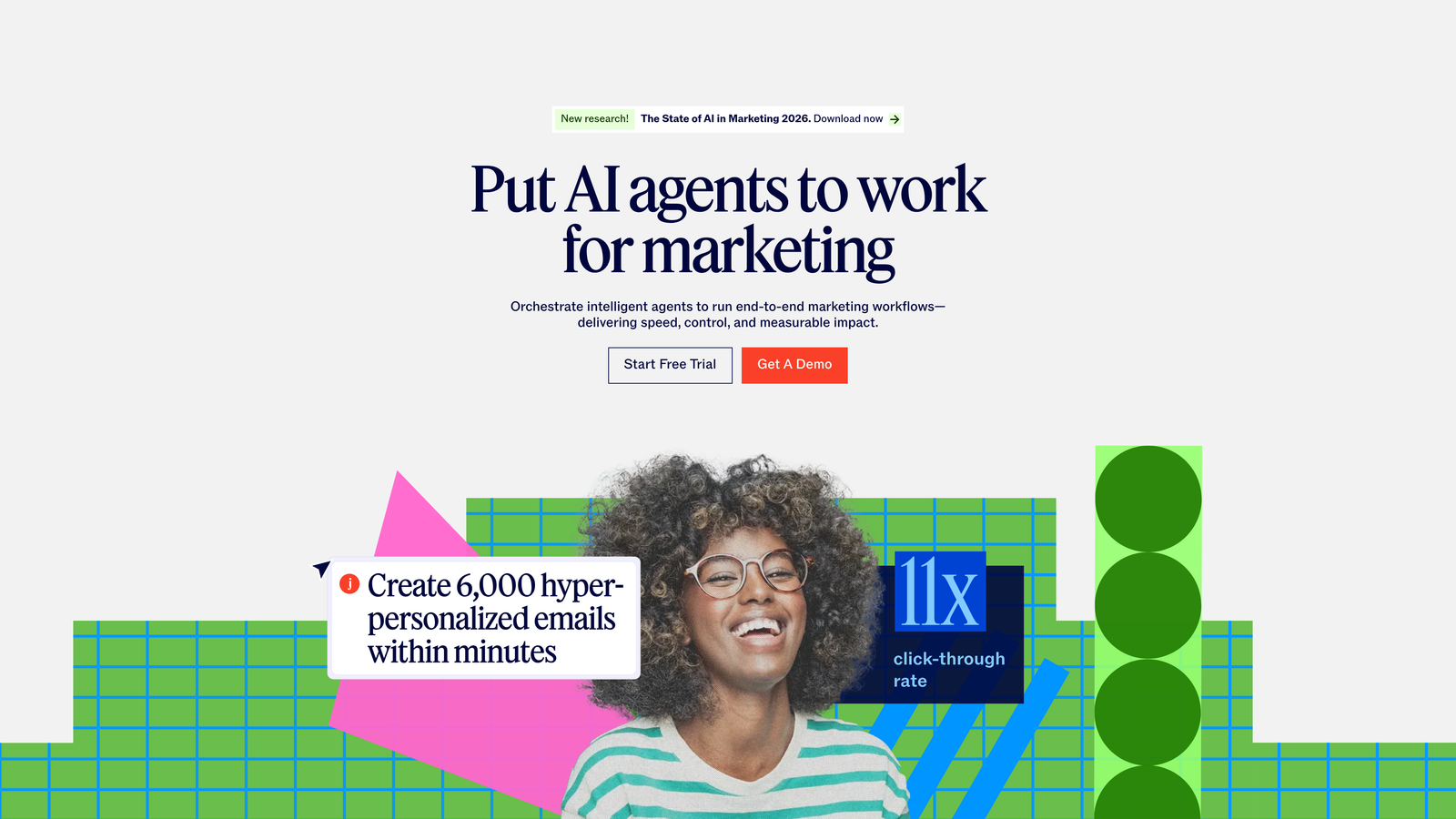
Jasper is an enterprise AI content platform with advanced brand voice training, team collaboration features, and white label options for agencies managing multiple brand identities.
Where This Tool Shines
Jasper excels at keeping brand voice consistent across large teams and multiple client accounts. The brand voice feature analyzes existing content samples and builds a custom style guide that the AI follows closely. This matters when you're managing ten client brands and each needs a distinct personality.
The collaboration features include approval workflows that stop content from going live before stakeholder review. Teams can leave inline comments, suggest edits, and track revision history. That is critical for agencies where several people touch each piece before publication.
Key Features
Brand Voice Training: Upload existing content samples, and Jasper builds a voice profile that matches that writing style and tone.
Team Collaboration Workflows: Built-in approval processes, inline commenting, and revision tracking for multi-person content teams.
50+ Content Templates: Pre-built frameworks for blog posts, social media, email campaigns, and ad copy with customizable parameters.
Chrome Extension: Write AI-assisted content directly inside Gmail, Google Docs, and other web applications without switching tabs.
Enterprise White Labeling: Rebranding options are negotiated on higher-tier business plans. Confirm the scope with sales before committing.
Best For
Agencies with established client relationships where brand voice consistency is non-negotiable. Works well for teams that blend AI assistance with human editing rather than fully automated content production.
Pricing
Starts at $49 per month per seat for Creator plans. Business plans with white label features require custom quotes based on team size and usage volume.
3. Copy.ai
Best for: Agencies building repeatable content workflows with API integration needs
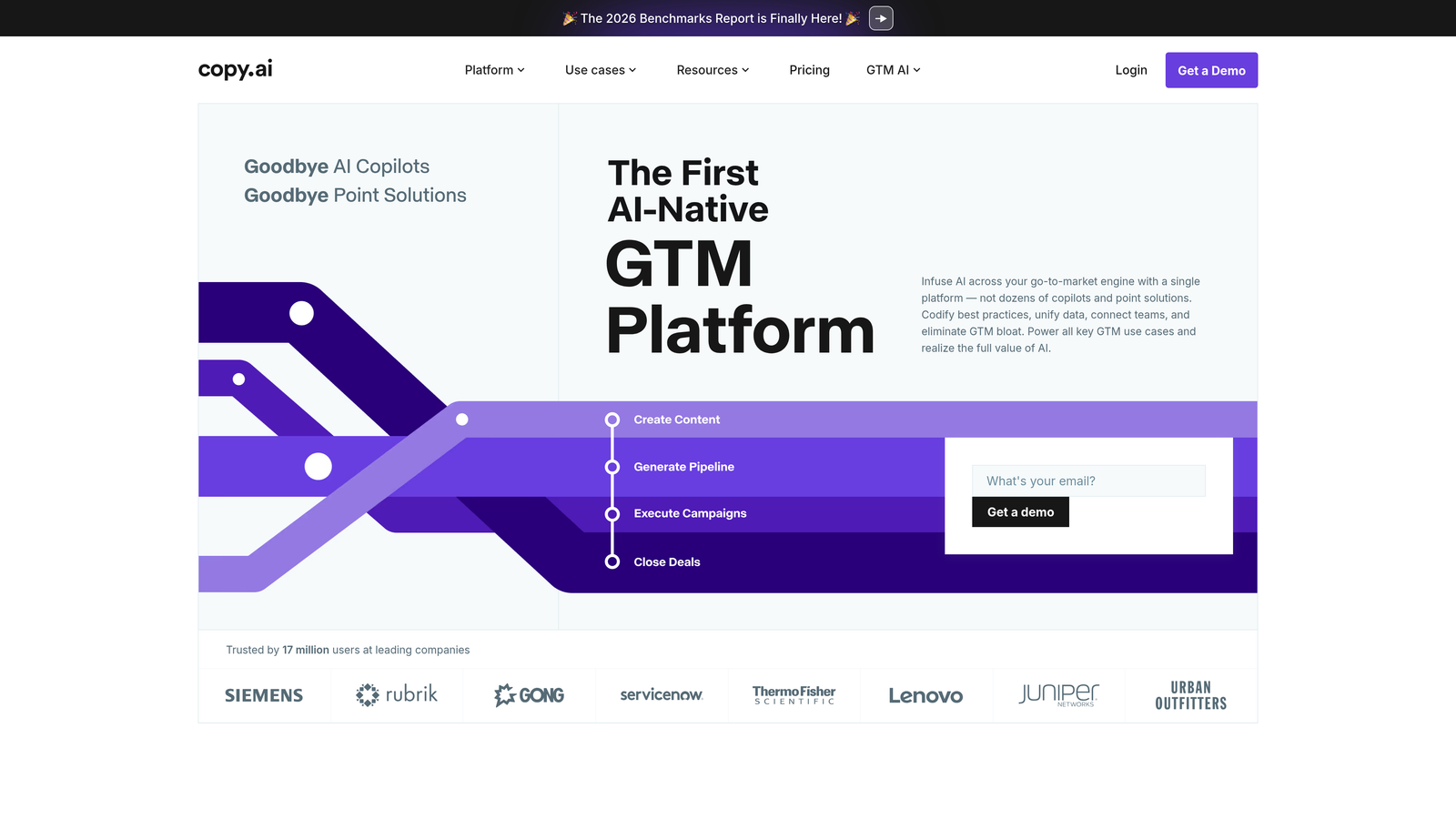
Copy.ai is a workflow-focused AI writing platform with automation capabilities, API access, and team features suited to agencies building repeatable content processes.
Where This Tool Shines
Copy.ai treats content generation as a workflow problem rather than a one-off writing task. The Workflows feature lets you chain multiple steps (research, outline generation, first draft, optimization) and run them as a single automated sequence. This approach scales better than running each step manually.
API access on Enterprise plans means agencies can integrate Copy.ai into existing tools and dashboards. You can build custom interfaces for clients, trigger content generation from your project management system, or populate content calendars automatically without manual exports and imports.
Key Features
Multi-Step Workflows: Chain research, writing, and optimization steps into automated sequences that run without manual intervention between stages.
API Access: Available on Enterprise plans, enabling custom integrations with agency tools and client-facing dashboards.
Infobase Knowledge Training: Upload company documents, brand guidelines, and product information to ground the AI in a specific knowledge base.
Role-Based Team Permissions: Control who can create, edit, approve, or publish content with granular permission settings.
90+ Content Templates: Pre-built frameworks covering blog posts, social media, email sequences, and landing page copy.
Best For
Agencies with technical resources who want to build custom content production systems. Ideal for teams managing high content volumes where workflow automation creates significant time savings.
Pricing
Free tier available with limited features. Pro plans start at $49 per month. Enterprise plans with API access require custom quotes.
4. Writesonic
Best for: Budget-conscious agencies needing bulk content generation with reseller program options
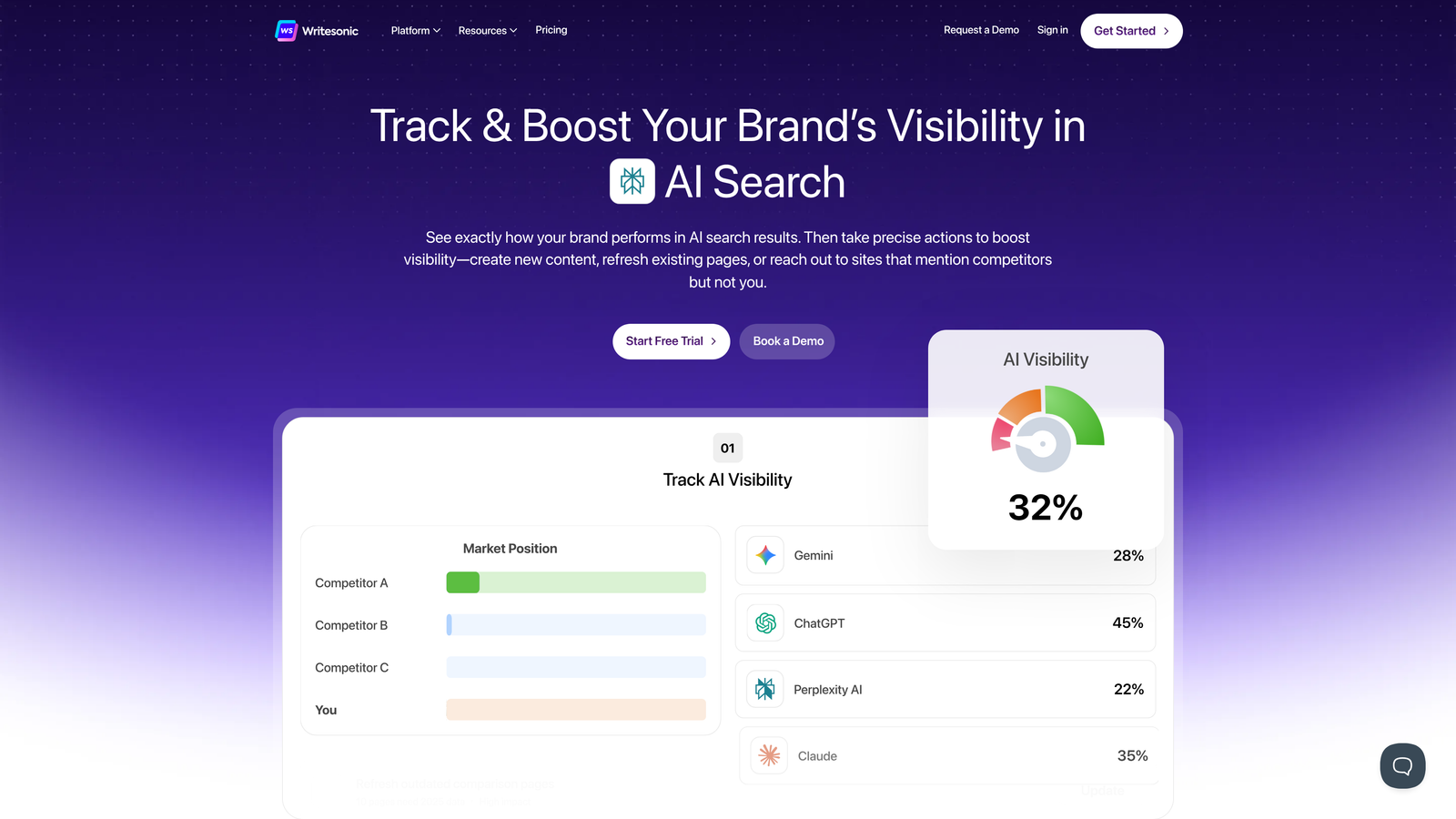
Writesonic is a budget-friendly AI content generator with bulk creation capabilities, Chatsonic for research-backed writing, and a white label reseller program for agencies.
Where This Tool Shines
Writesonic's pricing makes it accessible for agencies testing AI content generation without a major upfront investment. Its low-cost plans have historically offered generous generation limits, though tiers change frequently, so check current caps. Chatsonic integrates real-time web research into content generation, pulling current data and statistics rather than relying solely on training data.
The white label reseller program lets agencies rebrand Writesonic and resell it to clients under their own pricing structure. This creates a recurring revenue stream beyond project-based content fees.
Key Features
Chatsonic with Real-Time Research: AI writing assistant that pulls current web data during generation for up-to-date statistics and references.
Bulk Content Generation: Create multiple articles at once from keyword lists or topic clusters instead of processing each individually.
White Label Reseller Program: Rebrand the platform and resell it to clients under custom pricing models.
Brand Voice Customization: Train the AI on specific writing styles and tone preferences for a consistent brand voice across content.
WordPress Integration: Direct publishing to WordPress sites without manual content transfers or formatting adjustments.
Best For
Agencies exploring AI content generation without large budget commitments, or those interested in reselling content tools as a separate revenue stream alongside their services.
Pricing
Free tier available with limited features. Paid plans start at a low monthly entry point. Reseller program pricing is available on request based on volume and feature requirements.
5. ContentBot
Best for: Agencies wanting complete white label deployment with custom domain branding
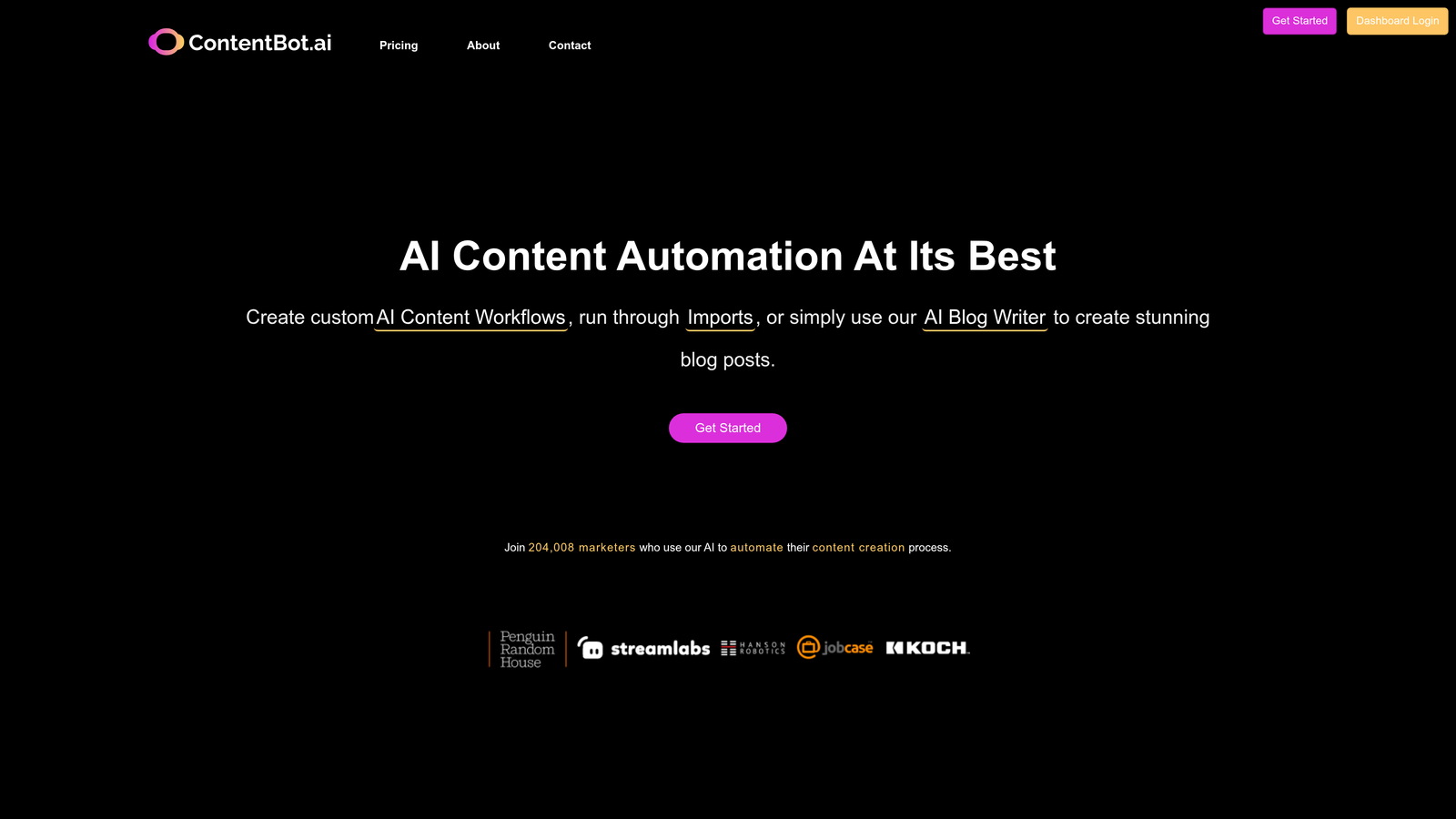
ContentBot is a full white label content solution that lets agencies deploy the platform under their own domain with custom branding and client management dashboards.
Where This Tool Shines
ContentBot offers the deepest white labeling in this category. It does more than remove the vendor logo: the entire platform runs under your custom domain with your branding throughout. Clients log into your-agency.com rather than a third-party tool, so the product presents as your own technology.
The reseller dashboard handles client billing, usage tracking per account, and custom pricing tiers. This infrastructure lets agencies package content generation as a standalone product rather than just a service component.
Key Features
Complete White Label with Custom Domain: Deploy the entire platform under your domain with full branding control throughout the interface.
Automated Blog Post Workflows: Set parameters for topic, length, and style, then schedule automatic generation and publishing without manual triggers.
Reseller Dashboard: Manage multiple client accounts, track usage per client, and handle billing from a central control panel.
Paraphrase and Content Rewriter: Tools for refreshing existing content or creating variations from source material.
AI Detection Optimization: Rewriting options aimed at more natural-sounding output. Treat these as a style aid, not a substitute for human editing and original insight.
Best For
Agencies positioning content generation as a proprietary technology offering rather than a service. Works well for teams with multiple clients who each need a separate branded portal.
Pricing
Starter plans begin at $19 per month for basic features. White label reseller plans start at $99 per month with custom domain support and client management features.
6. Scalenut
Best for: SEO-focused agencies requiring comprehensive keyword research and content optimization
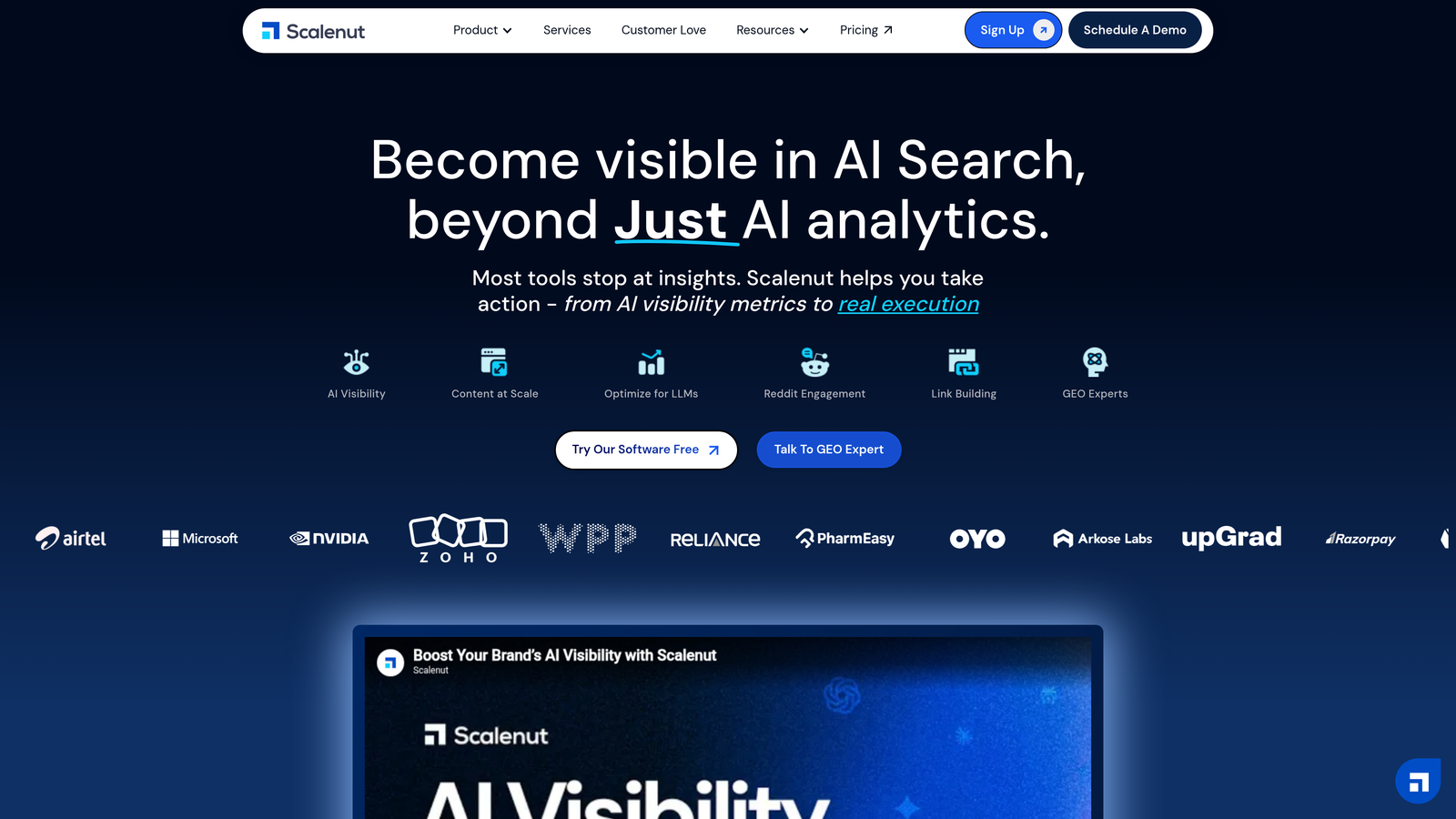
Scalenut is an SEO-focused content platform with Cruise Mode for automated long-form content, topic cluster planning, and NLP optimization for search performance.
Where This Tool Shines
Scalenut treats SEO as the foundation of content generation rather than an afterthought. Cruise Mode analyzes top-ranking content for target keywords, identifies the NLP terms search engines expect to see, and generates articles that incorporate those semantic signals. This research-first approach gives drafts a stronger starting point than generic AI writing.
The topic cluster planning feature helps agencies build content strategies around pillar pages and supporting articles. This matters for clients in competitive niches, where isolated blog posts rarely rank and you need interconnected content.
Key Features
Cruise Mode for Long-Form Articles: Automated generation of comprehensive articles based on SERP analysis and competitor content structure.
Topic Cluster Planning: Visual mapping of pillar content and supporting articles with internal linking recommendations.
NLP Term Optimization: Identifies the semantic keywords and phrases search engines expect, based on analysis of top-ranking content.
SERP Analysis Integration: Real-time competitor analysis showing content gaps and opportunities for target keywords.
Content Grading and Optimization: A scoring system that evaluates content against top-ranking pages and gives specific improvement recommendations.
Best For
Agencies managing SEO campaigns where content needs to rank competitively from publication. Particularly valuable in crowded niches where content quality directly affects search visibility.
Pricing
Essential plan at $39 per month for basic features. Growth plan at $79 per month adds advanced SEO tools. Pro plan at $149 per month includes full feature access and higher usage limits.
7. Frase
Best for: Agencies blending AI assistance with human writers through research-driven briefs
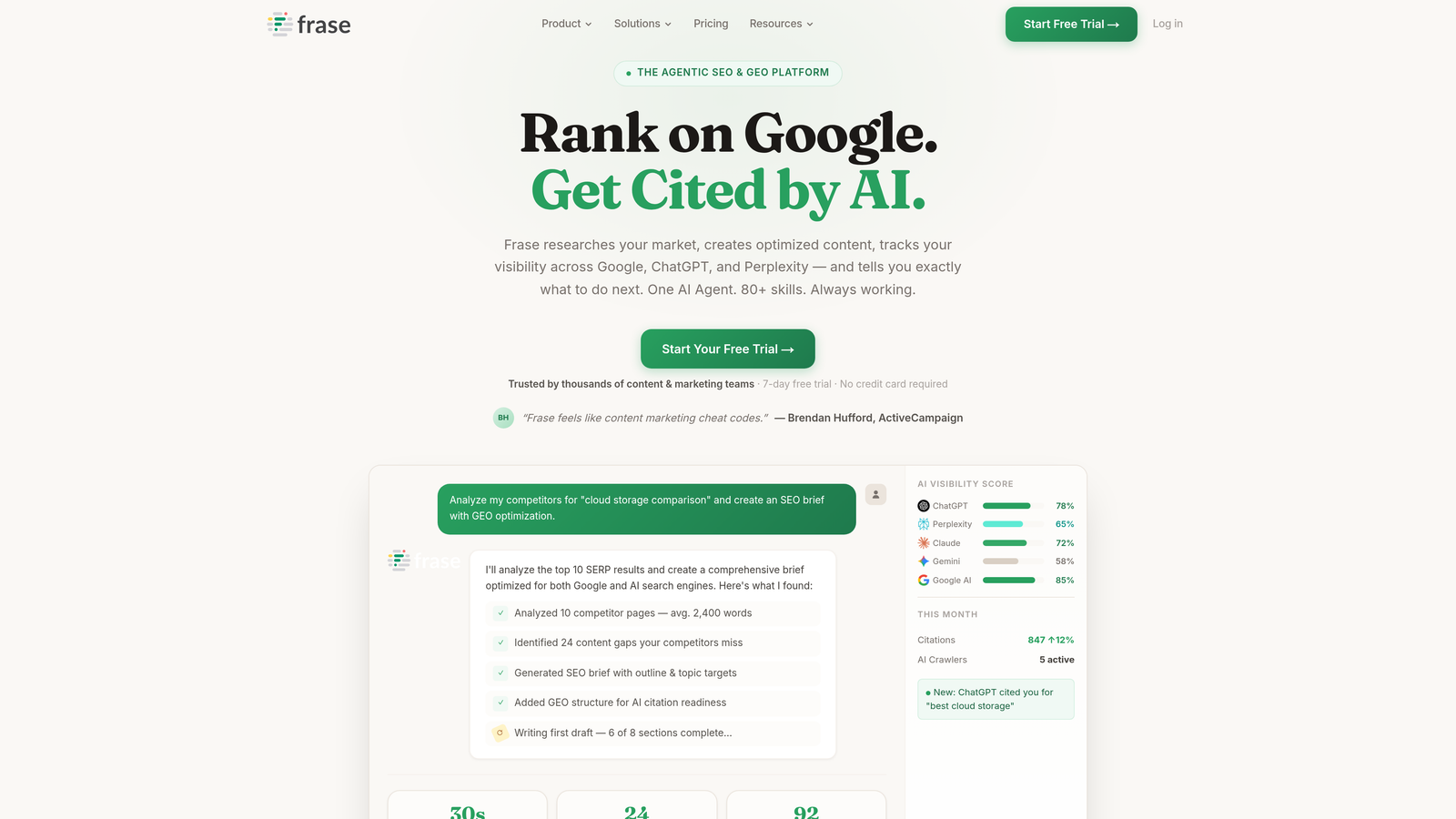
Frase is a research-first content tool that generates comprehensive briefs from SERP analysis, ideal for agencies that blend AI assistance with human writers.
Where This Tool Shines
Frase excels at the research phase that comes before writing. It analyzes the top 20 search results for target keywords, extracts common topics and questions, and generates detailed content briefs that human writers can follow. This hybrid approach suits agencies that want AI efficiency without fully automated content.
Its answer engine optimization tools help content appear in featured snippets and AI-generated answers. As search shifts toward direct answers rather than link lists, this capability becomes more valuable for client visibility.
Key Features
SERP-Based Content Brief Generation: Analyzes top-ranking pages and creates detailed outlines with the topics, questions, and semantic keywords to cover.
AI Writing with Research Integration: Generates content sections from research briefs rather than generic prompts, for better factual accuracy.
Answer Engine Optimization: Identifies opportunities to structure content for featured snippets and AI-powered answer boxes.
Content Optimization Scoring: Real-time scoring against top-ranking content with specific recommendations for improvement.
Team Collaboration Features: Share briefs with writers, track progress, and manage content projects from research through publication.
Best For
Agencies working with freelance writers or in-house content teams who need research support more than full automation. Ideal for brands where content accuracy and depth matter more than production speed.
Pricing
Solo plan at $15 per month for individual users. Basic plan at $45 per month adds team features. Team plan at $115 per month includes advanced collaboration and higher usage limits.
8. Narrato
Best for: Agencies managing multiple client accounts with distinct branding and workflow requirements
Narrato is a content workspace platform with dedicated client portals, workflow automation, and optional access to a freelancer marketplace for hybrid AI-human content production.
Where This Tool Shines
Narrato treats client management as a core feature rather than an add-on. Each client gets a dedicated workspace with custom branding, a separate content calendar, and isolated team access. This structure avoids the chaos of managing ten client projects in one shared interface.
The freelancer marketplace integration adds flexibility when AI-generated content needs human refinement. You can assign pieces to vetted freelancers inside the platform without managing separate contractor relationships.
Key Features
Client Workspaces with Custom Branding: A separate portal for each client, with their logo and brand colors throughout the interface.
Content Workflow Automation: Set up approval chains, review stages, and publishing schedules that run automatically without manual task management.
Freelancer Marketplace Integration: Access to vetted writers for human editing or creation when AI output needs refinement.
AI Writing Assistant Built-In: Generate drafts, optimize existing text, and create variations without switching to separate tools.
Content Calendar and Planning: Visual planning tools for scheduling content across multiple clients, with deadline tracking and status updates.
Best For
Agencies juggling multiple client accounts where organization and client-facing professionalism matter as much as generation speed. Works well for teams that mix AI assistance with human writers.
Pricing
Pro plan at $36 per month for small teams. Business plan at $76 per month adds advanced client management features. Custom enterprise pricing is available for larger agencies.
9. Article Forge
Best for: Bulk content production with minimal human intervention for high-volume projects
Article Forge is an automated article generation tool built for bulk content production with minimal input, featuring WordPress integration and API access for programmatic workflows.
Where This Tool Shines
Article Forge prioritizes volume over customization. You input a keyword, set the article length, and the system generates complete articles with minimal configuration. This suits agencies producing hundreds of articles a month, but plan for an editing pass: unedited bulk output is the content type most exposed to Google's scaled content abuse policy.
API access enables programmatic content generation. That is useful for populating new websites, creating location-specific landing pages at scale, or maintaining content velocity without manual intervention.
Key Features
Fully Automated Article Generation: Creates complete articles from a single keyword, without detailed prompts or outlines.
Bulk Article Scheduling: Queue hundreds of articles for generation and publishing across days or weeks without manual triggers.
WordPress Auto-Posting: Direct publishing to WordPress sites with automatic formatting, category assignment, and scheduling.
API for Programmatic Creation: Generate content through API calls for integration with custom systems or automated workflows.
Automatic Image and Video Insertion: Finds and embeds relevant media in articles. Still verify licensing for client sites.
Best For
Agencies managing high-volume content projects where speed and scale outweigh customization of individual articles. Works for programmatic SEO campaigns or for maintaining content velocity across multiple client sites.
Pricing
Starts at $27 per month for 25,000 words. Business plans with higher word limits and additional features are available at higher tiers.
How to produce white label blog posts that rank
The tool is only half the job. Agencies that resell white label blog writing without a process tend to ship interchangeable content that neither ranks nor gets cited by AI assistants. A workable pipeline looks like this:
- Build a brand file per client. Include voice samples, banned claims, product facts, target personas, and competitors. Load it into the tool's brand voice or knowledge base feature so every draft starts grounded.
- Pick topics from data, not guesses. Use keyword research and the client's Search Console to target queries where the site already has impressions but a weak position.
- Generate, then add what AI can't. An editor should add first-hand details: client data, screenshots, quotes, pricing, and named examples. This is what separates helpful content from scaled content in Google's eyes.
- Structure for answer engines. Open with a direct answer, use descriptive H2s, and add tables and FAQs so ChatGPT, Perplexity, and Google AI Overviews can extract and cite passages.
- Publish and report under your brand. Auto-publish to the client CMS, submit for indexing, and report rankings plus AI visibility in your own branded format. For the publishing step, see our comparison of content publishing automation tools.
Making the Right Choice
Choosing the right white label content generation tool depends on your agency's primary workflow and bottlenecks. For agencies prioritizing AI visibility and GEO-optimized content that performs in both traditional search and AI platforms, Sight AI combines content generation with brand monitoring in a way that fits the current search landscape.
Jasper and Copy.ai excel for teams needing brand consistency and workflow automation, respectively. If maintaining distinct brand voices across multiple clients is your main challenge, Jasper's voice training gives you the control you need. Copy.ai suits technically oriented agencies that want to build custom content systems through API integration.
Budget-conscious agencies should explore the reseller programs from Writesonic or ContentBot. Both offer paths to white label deployment at lower price points than enterprise platforms. For SEO-heavy operations where content needs to rank competitively from publication, Scalenut and Frase provide the research depth that competitive niches demand.
Narrato suits agencies juggling multiple client accounts with distinct branding requirements. Its dedicated client workspaces prevent the organizational chaos of managing ten brands in a single interface.
Start by identifying whether your bottleneck is content quality, production speed, or client management, then match the tool to that challenge. Many agencies find that a combination of tools works better than relying on a single platform for every content need.
Frequently asked questions
What is white label blog content?
White label blog content is articles written by a third party (a freelance team, a content agency, or an AI platform) that you publish or resell under your own or your client's brand. The producer is never credited, and you own the delivered copy. Agencies use it to offer content marketing without hiring a full in-house writing team, typically adding strategy, editing, and reporting on top.
Is white label blog writing the same as using an AI writing tool?
Not quite. White label blog writing services deliver finished posts written by people, often with AI assistance. AI tools give you the production engine, and your team handles strategy and editing. Tools are cheaper per article and faster, while services cost more but need less internal labor. Many agencies combine both, as described in the workflow section above.
Which white label tools offer a custom domain for clients?
In this list, ContentBot offers the most complete option: the whole platform runs on your domain with your branding and reseller billing. Writesonic's reseller program and Narrato's branded client workspaces are lighter alternatives. Tools like Scalenut, Frase, and Article Forge have no client-facing rebranding. Their output simply carries no vendor attribution.
Are there white label GEO or AI visibility tools with client reports?
Yes. A growing set of AI visibility platforms track how ChatGPT, Claude, Perplexity, and Google AI Overviews mention a brand, and several support multi-client agency setups with exportable or scheduled reports. Sight AI tracks mentions, sentiment, and prompts across six AI platforms. For a broader comparison, see our guide to AI visibility software tools.
Will Google penalize AI-generated white label blog posts?
Google does not penalize content for being AI-generated. It targets content that is unhelpful or mass-produced primarily to manipulate rankings, which its spam policies call scaled content abuse. White label posts that are edited, fact-checked, and enriched with real expertise and data rank normally. Publishing hundreds of unedited, near-identical articles is the real risk, whichever tool produced them.
The shift toward AI-powered search means agencies need visibility into how AI models talk about their brands, not just traditional search rankings. Start tracking your AI visibility today and see exactly where your brand appears across top AI platforms like ChatGPT, Claude, and Perplexity. Then optimize your content strategy based on real data about AI-generated mentions.