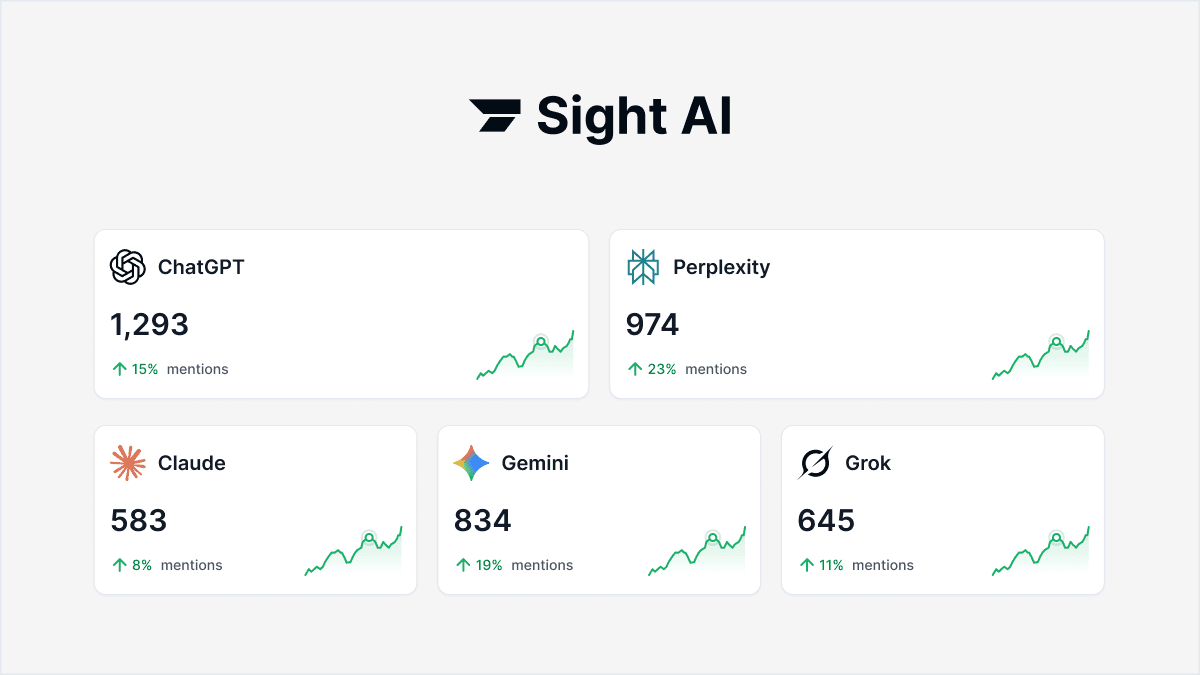
Real estate professionals face a new challenge: getting their listings, expertise, and brand mentioned when homebuyers ask AI assistants questions like "What are the best neighborhoods in Austin?" or "How do I find a reliable real estate agent near me?" Traditional SEO alone no longer guarantees visibility.
Generative Engine Optimization (GEO) represents the evolution of content strategy—creating content specifically designed to be referenced, cited, and recommended by AI models like ChatGPT, Claude, and Perplexity. For real estate businesses, this means rethinking how property descriptions, market analyses, and neighborhood guides are structured.
This guide delivers seven actionable GEO content strategies tailored specifically for real estate professionals who want their brand to appear in AI-generated responses about local markets, property types, and buying decisions.
1. Structure Neighborhood Guides as AI-Readable Knowledge Bases
The Challenge It Solves
When homebuyers ask AI assistants about neighborhoods, they receive generic responses pulled from fragmented sources. AI models struggle to provide comprehensive neighborhood insights because most real estate content uses inconsistent formats and marketing-heavy language that's difficult to parse systematically.
Your neighborhood guides likely focus on selling rather than informing—making them less useful for AI models seeking factual, structured information to answer buyer questions.
The Strategy Explained
Transform your neighborhood content into structured knowledge bases that AI models can easily interpret and cite. This means organizing information into consistent sections with clear headers: Demographics, Schools, Transportation, Amenities, Housing Market Data, and Local Culture.
Use standardized terminology across all neighborhood guides. If you describe walkability in one guide, use the same framework for every neighborhood. This consistency helps AI models recognize patterns and confidently reference your content when comparing areas.
Include specific, verifiable data points rather than subjective descriptions. Instead of "great schools," provide school names, ratings sources, and proximity. Instead of "vibrant nightlife," list specific entertainment districts and venue types. Understanding what GEO optimization for content means helps you structure information AI models prefer.
Implementation Steps
1. Create a neighborhood guide template with standardized sections: Overview, Demographics, Education, Transportation, Shopping & Dining, Parks & Recreation, Housing Market Snapshot, and Community Character.
2. Populate each section with structured data using consistent formatting—bullet points for amenities, tables for school information, and clear subheadings that match across all guides.
3. Add schema markup using the Place schema type to help AI models identify geographic entities, boundaries, and relationships between neighborhoods and key landmarks.
4. Update guides quarterly with fresh market data to maintain relevance, since AI models prioritize current information when generating responses about dynamic real estate markets.
Pro Tips
Create comparison-friendly content by using identical section structures across neighborhoods. When AI models need to compare two areas, they can pull parallel information from your guides. Include walking scores, transit accessibility ratings, and median home prices in every guide—these are frequently requested data points in conversational queries.
2. Build Question-Answer Content Around Buyer Intent Signals
The Challenge It Solves
Homebuyers ask AI assistants conversational questions that traditional real estate content doesn't directly address. Questions like "What should I know before buying a condo in Miami?" or "How do I choose between suburbs and city living?" require specific, actionable answers rather than property listings or generic advice.
Most real estate websites bury answers within long-form content, making it difficult for AI models to extract and present concise responses.
The Strategy Explained
Develop dedicated FAQ pages and Q&A content that mirrors the exact phrasing homebuyers use when consulting AI assistants. Structure each answer to stand alone—AI models often extract individual Q&A pairs rather than full articles.
Focus on decision-making questions that reveal buyer intent: financing options, neighborhood selection criteria, property type comparisons, and buying process steps. These queries signal serious interest and position you as a helpful resource before buyers even contact an agent.
Use FAQPage schema markup to explicitly signal question-answer relationships to AI systems. This structured data helps models identify your content as authoritative answers to specific queries. Leveraging content generation for GEO optimization can streamline creating these Q&A resources at scale.
Implementation Steps
1. Research conversational queries by analyzing "People Also Ask" boxes in Google, monitoring real estate forums, and reviewing questions clients ask during consultations.
2. Create dedicated FAQ pages organized by topic: First-Time Homebuyer Questions, Selling Process FAQs, Neighborhood Selection Questions, and Financing & Mortgage FAQs.
3. Format each Q&A pair with the question as an H3 heading followed by a 75-150 word answer that directly addresses the query without requiring additional context.
4. Implement FAQPage schema markup to help AI models identify and extract your Q&A content when generating responses to similar questions.
Pro Tips
Write answers in second person ("you should consider") to match the conversational tone AI models use when presenting information. Include follow-up questions at the end of each answer to create natural linking opportunities and demonstrate comprehensive coverage of related topics.
3. Develop Authoritative Market Analysis Content with Cited Data
The Challenge It Solves
AI models hesitate to cite sources that make claims without verifiable data. Real estate content filled with opinions like "the market is heating up" or "now is a great time to buy" lacks the credibility AI systems need to confidently reference your analysis in responses.
Homebuyers asking AI about market conditions receive generic national trends because local market analysis often lacks the specific, sourced data that AI models require for citation.
The Strategy Explained
Create monthly or quarterly market reports that incorporate verifiable data from MLS systems, census information, economic indicators, and local government sources. Present this information with clear attribution—AI models favor content that cites its sources.
Structure market analysis around specific metrics: median sale prices, days on market, inventory levels, price per square foot trends, and absorption rates. Use consistent metrics across time periods so AI models can track changes and provide historical context in responses. Implementing a solid GEO content strategy for SEO ensures your market reports gain visibility across both search engines and AI platforms.
Develop market reports for specific property types and price ranges, not just overall market summaries. This granularity helps AI models answer targeted questions like "What's happening in the luxury condo market in downtown Seattle?"
Implementation Steps
1. Establish a monthly publishing schedule for market reports covering your primary service areas, using a consistent template that tracks the same metrics over time.
2. Source data from verifiable sources like your local MLS, census data, Federal Reserve economic indicators, and municipal planning departments—cite each source explicitly.
3. Create separate reports for different segments: single-family homes, condos, luxury properties, and first-time buyer price ranges to address specific query types.
4. Include year-over-year comparisons and trend analysis with clear data visualizations that AI models can reference when explaining market direction.
Pro Tips
Publish market reports on a consistent schedule so AI models recognize you as a reliable source of current information. Include a "Last Updated" date prominently—freshness signals significantly impact whether AI models cite your analysis over older content.
4. Create Entity-Rich Property Descriptions That AI Can Parse
The Challenge It Solves
Traditional property descriptions use flowery marketing language that AI models struggle to convert into structured information. Phrases like "sun-drenched oasis" or "chef's dream kitchen" don't translate into the specific attributes homebuyers request when asking AI about property features.
When AI assistants need to describe properties matching specific criteria, they can't extract meaningful data from poetic descriptions—they need structured attributes and clear specifications.
The Strategy Explained
Develop property descriptions that balance marketing appeal with structured, AI-parseable information. Lead with specific attributes using consistent terminology: square footage, bedroom/bathroom counts, lot size, year built, architectural style, and key features using standardized categories.
Use entity recognition by naming specific features AI models understand: hardwood floors, granite countertops, stainless steel appliances, central air conditioning. Avoid creative synonyms—consistency helps AI models categorize and compare properties accurately. Exploring geo optimized content writing techniques can help you balance marketing appeal with AI-friendly structure.
Implement RealEstateListing schema markup to explicitly define property attributes in machine-readable format. This structured data helps AI models understand relationships between properties, neighborhoods, and buyer requirements.
Implementation Steps
1. Create a property description template that includes a structured features section: Property Type, Size Specifications, Interior Features, Exterior Features, Systems & Utilities, and Parking & Storage.
2. Use a controlled vocabulary for features—maintain a list of standardized terms for finishes, appliances, and amenities that you use consistently across all listings.
3. Add RealEstateListing schema markup to every property page, defining key attributes like price, address, property type, number of rooms, and square footage.
4. Include proximity information to key entities AI models recognize: distance to schools, public transportation, shopping districts, and major employers.
Pro Tips
Structure descriptions so the first paragraph contains the most searchable attributes—AI models often extract opening content when summarizing properties. Create separate sections for features versus lifestyle descriptions, making it easy for AI to pull factual data while maintaining marketing appeal for human readers.
5. Establish Topical Authority Through Interconnected Content Hubs
The Challenge It Solves
AI models favor sources that demonstrate comprehensive expertise on topics rather than scattered individual articles. Real estate sites with isolated blog posts about random topics don't signal the depth of knowledge AI systems look for when determining authoritative sources to cite.
Without strategic content organization, AI models can't recognize your comprehensive coverage of geographic areas, property types, or buying processes—reducing the likelihood of citations and mentions.
The Strategy Explained
Build content hubs organized around geographic areas and buyer topics, with strategic internal linking that demonstrates comprehensive coverage. Each hub should include a pillar page that provides an overview, supported by detailed articles covering specific subtopics.
For geographic authority, create a hub structure: a main city guide linking to neighborhood profiles, which link to school guides, amenity spotlights, and market analyses for that area. This interconnected structure signals deep local expertise to AI models. A well-planned GEO content strategy for brands helps you build these authoritative content clusters systematically.
For topical authority, develop hubs around buyer journeys: a comprehensive home buying guide linking to financing options, inspection checklists, negotiation strategies, and closing process explanations. This demonstrates complete coverage of the topic.
Implementation Steps
1. Identify your core geographic markets and create a pillar page for each city or region you serve, providing an overview of the market, neighborhoods, and buying considerations.
2. Develop 8-12 supporting articles for each geographic hub: individual neighborhood guides, school district analyses, commute and transportation guides, and local market trend reports.
3. Create topical hubs for key buyer journeys: First-Time Homebuyer Hub, Luxury Property Hub, Investment Property Hub, and Selling Your Home Hub—each with comprehensive supporting content.
4. Implement strategic internal linking using descriptive anchor text that connects related content within each hub, signaling topical relationships to AI models.
Pro Tips
Update pillar pages quarterly to maintain freshness and add links to new supporting content as you publish. Use breadcrumb navigation to reinforce hub structure—this helps AI models understand content hierarchy and relationships within your expertise areas.
6. Optimize for Voice and Conversational AI Query Patterns
The Challenge It Solves
Homebuyers phrase questions to AI assistants differently than they type into search engines. Voice queries tend to be longer, more conversational, and framed as complete questions rather than keyword phrases. Content optimized only for traditional search misses these conversational patterns.
AI models generate responses using natural language, so content written in stiff, keyword-stuffed prose doesn't flow naturally when AI systems incorporate it into conversational answers.
The Strategy Explained
Write content using natural language patterns that match how people speak to AI assistants. Instead of targeting "best Austin neighborhoods families," optimize for "What are the best neighborhoods in Austin for families with young children?"
Structure content to answer questions directly in the first paragraph, then provide supporting details. This format aligns with how AI models extract information—they often pull opening paragraphs as direct answers to user queries. Using long form AI content writing for SEO helps you create comprehensive guides that address multiple conversational queries within a single resource.
Focus on question-based headings that mirror conversational queries: "How Long Does It Take to Buy a House in Denver?" rather than "Denver Home Buying Timeline." This helps AI models match your content to similar user questions.
Implementation Steps
1. Research conversational query patterns by reviewing voice search data, analyzing AI assistant interactions, and noting how clients phrase questions during consultations.
2. Rewrite existing content headings as questions, ensuring each section directly answers the question posed in the heading within the first 50-75 words.
3. Create content that addresses common follow-up questions—when someone asks about neighborhoods, they typically want to know about schools, commute times, and home prices next.
4. Optimize for featured snippet capture by providing concise, direct answers in 40-60 word paragraphs that can stand alone as complete responses.
Pro Tips
Read your content aloud to ensure it sounds conversational—if it feels awkward to speak, it won't flow naturally when AI models incorporate it into responses. Include transition phrases like "Let's look at" and "Here's what you need to know" that mirror how AI assistants present information.
7. Monitor and Iterate Based on AI Visibility Performance
The Challenge It Solves
Most real estate professionals create GEO content without knowing whether AI models actually mention their brand or cite their resources. Without visibility into AI-generated responses, you're optimizing blindly—unable to identify what works and what needs refinement.
Traditional analytics don't capture AI visibility, leaving you without data on how ChatGPT, Claude, or Perplexity reference your brand when homebuyers ask real estate questions.
The Strategy Explained
Implement systematic monitoring of how AI models mention your brand, cite your content, and respond to queries related to your service areas. Track which types of content generate citations, what geographic areas show strong AI visibility, and where gaps exist in your coverage.
Analyze the context of AI mentions—are models citing your market data, recommending your neighborhood guides, or referencing your expertise when buyers ask for agent recommendations? Understanding citation patterns reveals what content types deliver the strongest GEO performance. Investing in the right GEO optimization tools for content makes tracking and improving your AI visibility significantly more efficient.
Use AI visibility insights to prioritize content creation. If AI models frequently cite your neighborhood guides but rarely mention your market analysis, double down on geographic content while refining your data presentation approach.
Implementation Steps
1. Establish baseline AI visibility by testing how major AI models respond to queries about your service areas, property types, and real estate topics you cover.
2. Track brand mentions across multiple AI platforms monthly, documenting which content gets cited and in what context—market data, neighborhood information, or buying advice.
3. Identify content gaps by analyzing queries where AI models don't mention your brand despite your expertise in that area, then create targeted content to fill those gaps.
4. Iterate your GEO strategy based on performance data—expand content types that generate citations, refine approaches that underperform, and continuously test new formats.
Pro Tips
Test variations of the same query across different AI platforms to understand how each model prioritizes sources—citation patterns vary between ChatGPT, Claude, and Perplexity. Document successful content patterns and create templates based on what generates consistent AI visibility.
Your Implementation Roadmap
Implementing GEO content strategies for real estate requires a systematic approach: start with your highest-value geographic markets and build comprehensive neighborhood guides first. These structured knowledge bases form the foundation of your AI visibility strategy.
Layer in Q&A content addressing common buyer questions—this conversational format aligns perfectly with how homebuyers interact with AI assistants. Then develop ongoing market analysis content that positions you as the authoritative local source with verifiable data AI models can confidently cite.
The real estate professionals who adapt their content strategies for AI visibility today will capture the growing segment of homebuyers who begin their property search by asking AI assistants for recommendations. These early adopters establish topical authority before competitors recognize the shift.
Track your progress by monitoring how AI models reference your brand, and continuously refine your approach based on what generates mentions and citations. Start tracking your AI visibility today and see exactly where your brand appears across top AI platforms—stop guessing how ChatGPT and Claude talk about your real estate expertise.
GEO represents the evolution of real estate content strategy. The agents and brokerages who master these techniques won't just rank in search engines—they'll become the trusted sources AI assistants recommend when homebuyers ask where to live, what to buy, and who to work with.