The SEO landscape has fundamentally shifted. AI content writers have evolved from experimental tools to essential components of competitive content strategies. Yet most marketers use these tools incorrectly—treating them as simple article generators rather than strategic assets.
The difference between brands ranking on page one and those buried in obscurity often comes down to how intelligently they deploy AI writing capabilities.
This guide reveals seven battle-tested strategies that transform AI content writers from basic text generators into powerful SEO engines. Whether you're scaling content production for an agency, building organic traffic for a startup, or optimizing an enterprise content operation, these approaches will help you leverage AI writing tools for measurable search visibility gains.
1. Build Topic Clusters with AI-Assisted Content Mapping
The Challenge It Solves
Most content strategies suffer from scattered, disconnected articles that fail to establish topical authority. Search engines reward comprehensive coverage of subjects, not random one-off pieces. When your content lacks clear thematic relationships, you're competing on individual article strength rather than building domain expertise that compounds over time.
Traditional content mapping takes weeks of manual research and planning. By the time you've identified gaps and planned your cluster architecture, market dynamics have shifted.
The Strategy Explained
AI content writers excel at rapidly analyzing topic relationships and identifying content gaps within subject areas. The approach involves using AI to generate comprehensive topic maps that connect pillar content with supporting articles in logical hierarchies.
Start by identifying your core pillar topics—the broad subjects where you want to establish authority. Then deploy your AI content writer to generate supporting subtopics, related questions, and content angles that branch from each pillar. This creates the spider-web structure search engines recognize as comprehensive topical coverage.
The key is treating your AI writer as a research assistant first, content generator second. Use it to map the terrain before writing begins. Many teams find success with long form SEO content creation approaches that build comprehensive pillar pages.
Implementation Steps
1. Define 3-5 pillar topics aligned with your business objectives and search volume data, then use your AI writer to generate 15-20 subtopic suggestions for each pillar with specific keyword variations and user intent categories.
2. Create comprehensive pillar content (2,500-4,000 words) that provides high-level coverage of the main topic, using AI to draft sections while maintaining strategic control over structure and positioning.
3. Generate 8-12 supporting articles per pillar that dive deep into specific subtopics, ensuring each piece links back to the pillar and to related cluster content with contextual anchor text.
4. Implement internal linking schemas that connect all cluster content bidirectionally, using AI to suggest relevant linking opportunities based on semantic relationships between articles.
Pro Tips
Don't publish all cluster content simultaneously. Roll out supporting articles over 4-6 weeks to create a sustained publishing rhythm that signals active content development to search engines. Use your AI writer to identify which subtopics have the weakest competition, then prioritize those for quick wins while building toward more competitive terms.
2. Optimize for AI Search Engines, Not Just Google
The Challenge It Solves
Traditional SEO focuses exclusively on Google's algorithm, ignoring the growing ecosystem of AI-powered search platforms. Users increasingly turn to ChatGPT, Claude, and Perplexity for research and discovery. If your content isn't structured to appear in AI-generated responses, you're missing a rapidly expanding channel for brand visibility.
AI search engines evaluate content differently than traditional search. They prioritize clear information architecture, direct answers, and citation-worthy sources rather than keyword density and backlink profiles.
The Strategy Explained
Generative Engine Optimization represents the next evolution of search visibility. AI content writers can structure articles specifically to increase citation probability in AI-generated responses. This means formatting content for both traditional search crawlers and the language models that power conversational search experiences.
The approach involves creating content with clear semantic structure, definitive statements that AI models can confidently cite, and information density that provides value in both full-article and extracted-snippet formats. Understanding AI generated content SEO performance helps you measure what actually works.
Think of it as writing for two audiences: human readers who want comprehensive coverage, and AI models that need extractable, citation-worthy information blocks.
Implementation Steps
1. Structure every article with clear topic sentences that can stand alone as complete thoughts, making it easy for AI models to extract and cite specific claims without requiring surrounding context.
2. Include explicit definitions, step-by-step processes, and direct answers to common questions within the first 200 words of each section, formatted as self-contained information units.
3. Add attribution and sourcing for any claims or statistics to increase content credibility signals that AI models use when determining citation-worthiness.
4. Create comparison tables, numbered frameworks, and structured methodologies that AI models can reference when users ask for systematic approaches to topics.
Pro Tips
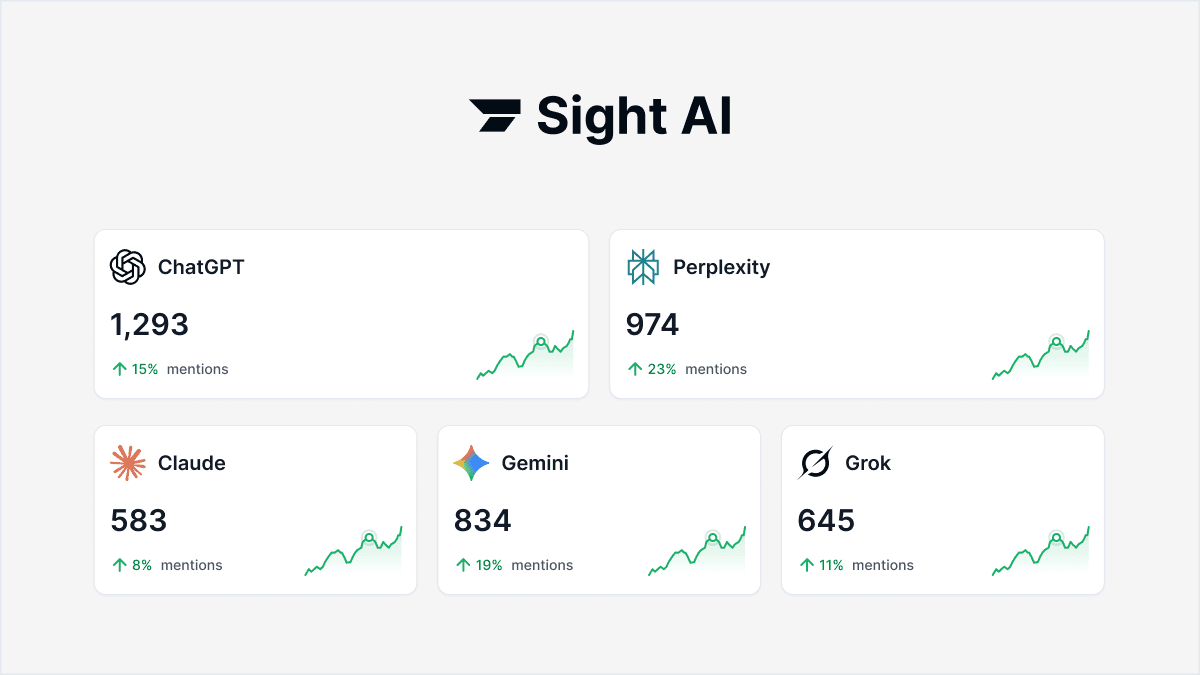
Test your content by asking AI platforms direct questions related to your topic and analyzing which competitors get cited. Reverse-engineer the content patterns that appear in AI responses, then use your AI content writer to incorporate those structural elements. Platforms like Sight AI can track exactly how AI models reference your brand, closing the feedback loop between content creation and AI visibility.
3. Deploy Multi-Agent Workflows for Comprehensive Coverage
The Challenge It Solves
Single-prompt AI generation produces generic, surface-level content that lacks the depth and nuance required for competitive SEO. When you ask one AI agent to handle research, outlining, writing, and optimization simultaneously, you get mediocre results across all dimensions. The content reads flat, misses strategic angles, and fails to differentiate from competitor articles addressing the same topics.
The Strategy Explained
Advanced AI content systems use specialized agents for distinct content tasks. One agent handles competitive research and SERP analysis. Another builds strategic outlines based on content gaps. A third focuses on writing with specific tone and depth requirements. Additional agents handle fact-checking, SEO optimization, and readability enhancement.
This assembly-line approach mirrors how professional content teams operate, with each specialist contributing their expertise to the final product. The difference is speed and consistency—AI agents execute these specialized tasks in minutes rather than days.
Platforms like Sight AI implement this through their 13+ specialized AI agents, each trained for specific content creation tasks from research through final optimization. Teams looking for AI content optimization for SEO find multi-agent systems deliver significantly better results.
Implementation Steps
1. Deploy a research agent to analyze top-ranking content for your target keyword, identifying common themes, content gaps, unique angles, and structural patterns that define competitive benchmarks.
2. Use an outline agent to build strategic content architecture based on research findings, incorporating elements that competitors miss while maintaining comprehensive coverage of core topics.
3. Activate specialized writing agents for different article sections—one for engaging introductions, another for technical explanations, a third for practical examples—ensuring each component receives focused attention.
4. Run optimization agents for SEO elements (meta descriptions, heading structure, keyword distribution) and readability refinement as final quality gates before publication.
Pro Tips
Create agent prompt templates for each specialized task and refine them based on output quality over time. The most effective multi-agent workflows include a coordination layer that ensures consistency across agent outputs. Consider implementing an Autopilot Mode approach where agents automatically sequence their work based on predefined quality checkpoints.
4. Implement Real-Time Content Indexing Pipelines
The Challenge It Solves
Even exceptional AI-generated content delivers zero SEO value until search engines discover and index it. Traditional indexing relies on passive crawling, which can take days or weeks for new content. During this delay, your competitors publishing on similar topics may capture rankings first, and time-sensitive content opportunities expire before you gain visibility.
The gap between content publication and search visibility represents wasted potential, especially for news-driven topics or trending searches where first-mover advantage determines ranking outcomes.
The Strategy Explained
Modern content operations connect AI writing tools directly to automated indexing systems that notify search engines the moment new content publishes. The IndexNow protocol enables instant submission to participating search engines including Bing and Yandex, while automated sitemap updates ensure Google discovers new content through its next crawl cycle.
This transforms content deployment from a publish-and-wait process into an active indexing pipeline where every new article immediately enters search engine consideration. Teams using automated SEO content platforms can integrate indexing directly into their publishing workflows.
Implementation Steps
1. Integrate IndexNow protocol into your content management system to automatically ping search engines whenever you publish or update content, eliminating manual submission workflows.
2. Configure automatic sitemap regeneration that updates your XML sitemap within minutes of new content publication, ensuring crawlers always have current site architecture information.
3. Set up automated submission to Google Search Console's URL inspection tool for priority content that requires immediate indexing attention beyond standard sitemap discovery.
4. Implement monitoring systems that track indexing status and alert you to any content that remains unindexed beyond expected timeframes, enabling quick troubleshooting.
Pro Tips
Combine automated indexing with strategic publishing schedules that align with peak crawler activity periods for your site. Monitor your server logs to identify when search engine bots typically visit, then schedule AI-generated content publication to coincide with these windows. Some platforms offer built-in indexing automation—Sight AI includes IndexNow integration and automatic sitemap updates as part of their content workflow.
5. Create Content Briefs That Force Strategic Depth
The Challenge It Solves
Generic AI prompts produce generic content. When you simply ask an AI writer to "write an article about X," you get surface-level coverage that mirrors the same information available in dozens of competitor articles. The resulting content lacks unique insights, misses strategic positioning opportunities, and fails to address the specific gaps that would differentiate your article in search results.
Without detailed guidance, AI content writers default to the most common patterns in their training data—which means your content sounds exactly like everyone else's.
The Strategy Explained
Comprehensive content briefs transform AI writers from generic text generators into strategic content producers. A well-constructed brief includes SERP analysis showing what currently ranks, competitive gap identification highlighting what existing content misses, target audience pain points, required depth indicators, and specific angles that differentiate your approach.
The brief becomes the strategic layer that AI writing capabilities execute against. You're not asking the AI to figure out what to write—you're providing a detailed blueprint that ensures the AI produces content aligned with your competitive positioning. Exploring the best SEO tools for content creation can help streamline your brief development process.
Think of the brief as the difference between asking someone to "make dinner" versus providing a specific recipe with ingredient lists and step-by-step instructions.
Implementation Steps
1. Analyze the top 10 ranking articles for your target keyword, documenting common themes they all cover, unique angles that differentiate top performers, and notable gaps where no current content provides comprehensive coverage.
2. Build a structured brief that specifies required sections, minimum depth for each topic area, specific questions to answer, technical details to include, and examples or case study requirements.
3. Include competitive differentiation instructions that explicitly tell your AI writer how to position content differently from existing articles—whether through deeper technical coverage, more practical examples, or alternative frameworks.
4. Add quality checkpoints within the brief that the AI must satisfy, such as including specific data points, addressing particular objections, or incorporating certain content formats like comparison tables or decision frameworks.
Pro Tips
Develop brief templates for common content types in your strategy—product comparisons, how-to guides, concept explainers—and refine them based on performance data. The best briefs include negative instructions that tell AI what not to include, preventing generic filler content. Invest time in brief creation proportional to content importance—pillar content deserves 60-90 minute brief development, while supporting articles may need only 15-20 minutes.
6. Scale Content Refresh Cycles for Sustained Rankings
The Challenge It Solves
Content decay is inevitable. Articles that rank well today gradually lose visibility as competitors publish fresher content, search intent evolves, and information becomes outdated. Many content teams focus exclusively on new article production while their existing content library slowly deteriorates in search performance, creating a treadmill effect where you must constantly publish just to maintain current traffic levels.
Manual content audits and updates consume enormous resources, making systematic refresh cycles impractical for most teams.
The Strategy Explained
AI content writers enable systematic content refresh operations at scale. Rather than letting existing articles languish, you can implement automated update cycles that identify content requiring refreshes, generate updated sections incorporating new information, and republish improved versions that signal freshness to search engines.
The approach treats your content library as a living asset requiring ongoing maintenance rather than a static archive. AI tools can analyze existing articles against current SERP results, identify outdated sections, suggest new information to incorporate, and even draft updated content that maintains your original article structure while adding current relevance. Teams implementing SEO automation for content teams can systematize these refresh workflows.
Implementation Steps
1. Audit your content library quarterly to identify articles experiencing ranking declines, traffic drops, or outdated information, prioritizing updates based on current traffic value and ranking opportunity.
2. Use AI analysis to compare existing content against current top-ranking competitors, identifying specific sections where your coverage has become less comprehensive or where new information has emerged.
3. Deploy AI writers to generate updated sections, new examples, current statistics, and expanded coverage for identified gaps, maintaining your original article voice and structure while incorporating fresh elements.
4. Republish updated content with modified publication dates and updated timestamps, then resubmit to search engines through your indexing pipeline to accelerate re-crawling and ranking reconsideration.
Pro Tips
Establish a content refresh calendar that systematically cycles through your library rather than reactive updates when rankings drop. High-value content should refresh every 3-6 months, while evergreen supporting content may only need annual updates. Track which content updates generate the largest ranking improvements to refine your refresh prioritization criteria. Some AI content platforms offer automated content refresh workflows that can handle routine updates with minimal manual intervention.
7. Track AI Visibility to Close the Feedback Loop
The Challenge It Solves
Most content teams operate blind to how AI models actually reference their brand and content. You publish AI-optimized articles without knowing whether ChatGPT, Claude, or Perplexity actually cite your material when users ask relevant questions. This creates a feedback vacuum where you can't refine your content strategy based on what resonates with AI search platforms.
Without visibility into AI citations, you're optimizing for theoretical best practices rather than measured performance.
The Strategy Explained
AI visibility tracking monitors how language models reference your brand across conversational search platforms. This involves systematically testing relevant queries against multiple AI models, documenting when and how your brand appears in responses, analyzing the context and sentiment of mentions, and identifying content gaps where competitors receive citations instead of you.
This data transforms AI content optimization from guesswork into a measurable discipline. You can see which content formats, topic angles, and information structures actually earn AI citations, then replicate those patterns across your content library. Using an AI powered SEO content platform with built-in analytics simplifies this tracking process.
The feedback loop works like traditional SEO rank tracking, but for the emerging ecosystem of AI-powered search and research tools.
Implementation Steps
1. Identify 20-30 key queries relevant to your business where you want AI models to reference your brand, covering product categories, solution approaches, and industry topics central to your positioning.
2. Systematically test these queries across major AI platforms including ChatGPT, Claude, Perplexity, and others, documenting which platforms cite your brand, the context of mentions, and sentiment indicators.
3. Analyze patterns in successful citations to understand which content types, structural elements, and information formats AI models prefer when generating responses to your target queries.
4. Refine your AI content strategy based on visibility data, doubling down on content approaches that generate citations while adjusting tactics for queries where competitors dominate AI responses.
Pro Tips
Track AI visibility weekly rather than monthly—AI model behavior changes more rapidly than traditional search algorithms. Document not just whether you're cited, but how prominently and in what context, as AI models often reference multiple sources with varying levels of authority. Start tracking your AI visibility today with platforms designed specifically for monitoring brand mentions across AI models, providing the data foundation for strategic content optimization.
Putting It All Together
These seven strategies represent a fundamental shift from using AI content writers as shortcuts to deploying them as strategic multipliers. The brands winning SEO in 2026 aren't those producing the most content—they're those producing the most strategically deployed content with proper indexing, refresh cycles, and visibility tracking.
Start with strategy one—building topic clusters—as your foundation. This establishes the content architecture that everything else builds upon. Layer in AI search optimization and multi-agent workflows as you scale production. The combination of strategic content mapping and specialized AI agents produces content that stands out in both traditional and AI-powered search.
Implement real-time indexing pipelines early to ensure your AI-generated content enters search consideration immediately rather than languishing in publication limbo. Detailed content briefs prevent the generic output that plagues most AI content operations, while systematic refresh cycles protect the rankings you've worked to achieve.
Close the loop with AI visibility tracking. Stop guessing how AI models like ChatGPT and Claude talk about your brand—get visibility into every mention, track content opportunities, and automate your path to organic traffic growth. This feedback mechanism transforms your content operation from a production line into a learning system that improves with every article.
Your next step: audit your current content operation against these seven strategies and identify the highest-impact gap to address first. Most teams will find the greatest immediate value in either implementing multi-agent workflows for quality improvement or establishing AI visibility tracking for strategic direction. Both create compounding returns as your content library grows.
The competitive advantage in AI-powered content isn't about who has access to the best tools—everyone has access to capable AI writers. The advantage belongs to teams who deploy these tools with strategic discipline, systematic processes, and measurable feedback loops. These seven strategies provide that framework.