Content teams face a universal challenge: the gap between content demand and production capacity keeps widening. Whether it's approval delays, resource constraints, or inefficient workflows, bottlenecks silently kill momentum and drain budgets.
The good news? A new generation of tools specifically targets these friction points—from AI-powered content generation to automated publishing workflows.
This guide breaks down the most effective solutions for eliminating content production bottlenecks, helping you identify which tools match your specific constraints. We've evaluated each option based on bottleneck type addressed, ease of implementation, and real-world scalability.
1. Sight AI
Best for: Teams needing end-to-end content production automation with AI visibility tracking
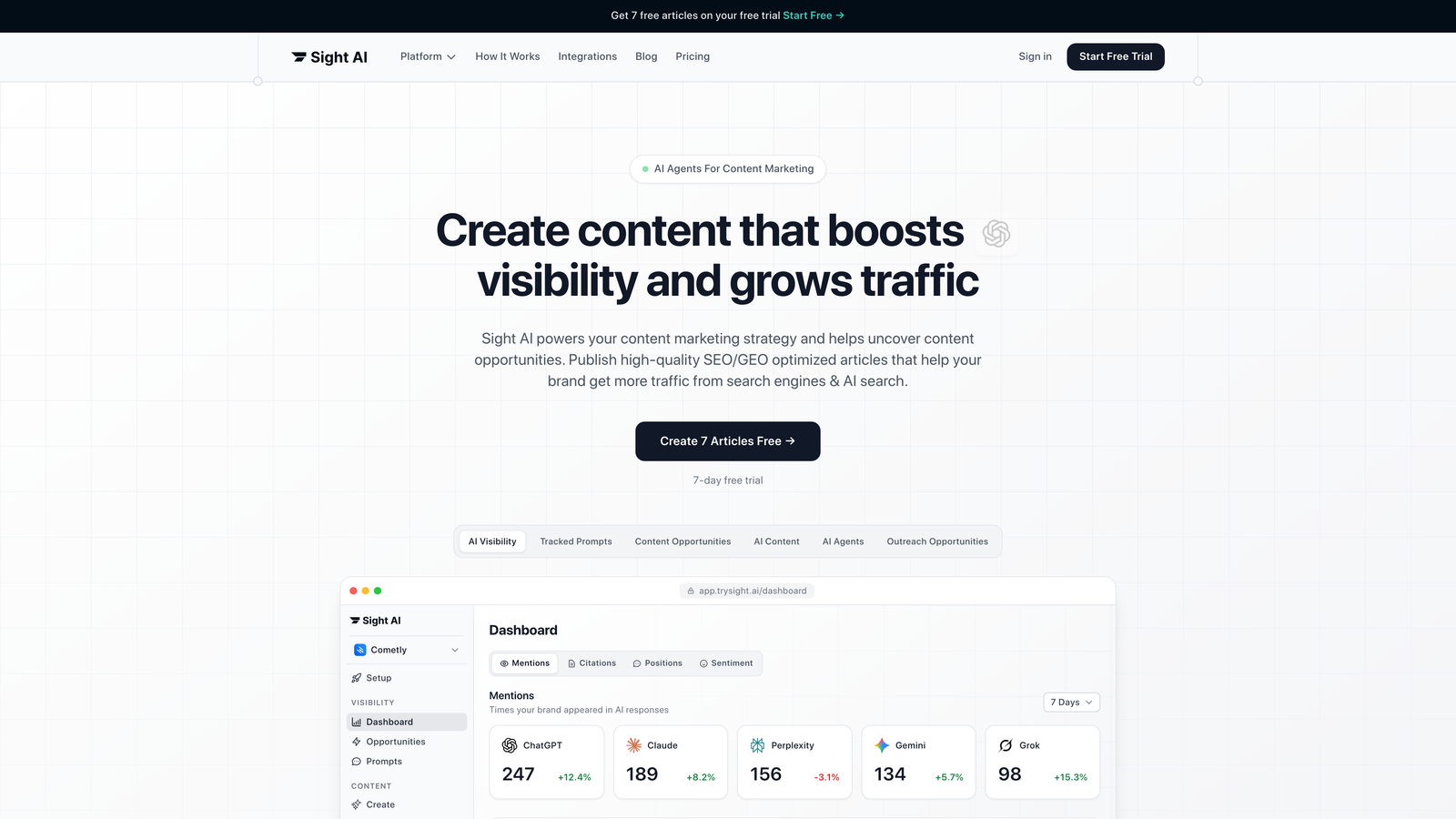
Sight AI is an AI-powered content production platform designed to eliminate creation bottlenecks through specialized agents and automated publishing workflows.
Where This Tool Shines
Sight AI tackles the entire content production chain in one platform. While most tools focus on either writing or publishing, this solution handles everything from AI-optimized article generation to automatic indexing.
The platform's Autopilot Mode removes the constant decision-making that slows teams down. You set parameters once, and the system handles content creation, optimization, and publishing without requiring approval at every step.
Key Features
13+ Specialized AI Agents: Different agents handle listicles, guides, explainers, and other content types with format-specific optimization.
Autopilot Mode: Hands-off content production that generates, optimizes, and schedules content based on your defined strategy.
IndexNow Integration: Automatically notifies search engines about new content for faster discovery and indexing.
CMS Auto-Publishing: Direct publishing to WordPress and other platforms eliminates manual upload steps.
AI Visibility Tracking: Monitors how ChatGPT, Claude, and Perplexity reference your brand to inform content strategy.
Best For
Marketing teams and agencies managing high-volume content calendars who need both creation capacity and distribution automation. Particularly valuable for teams focused on organic traffic growth through SEO and GEO optimization.
Pricing
Contact for pricing. Offers tiered plans designed for agencies and enterprises with varying content production volumes.
2. Jasper
Best for: Enterprise teams needing consistent brand voice across multiple content creators
Jasper is an enterprise AI content platform with brand voice training and team collaboration features for maintaining consistency at scale.

Where This Tool Shines
Jasper solves the consistency bottleneck that emerges when scaling content teams. Training new writers on brand voice typically takes weeks. Jasper compresses that timeline by learning your brand's tone, terminology, and style preferences.
The platform's campaign-level approach connects related content pieces, ensuring messaging alignment across blog posts, social updates, and email campaigns without manual cross-referencing.
Key Features
Brand Voice Training: Upload existing content to teach the AI your specific writing style and terminology preferences.
Campaign Management: Organize related content pieces under unified campaigns for consistent messaging.
Team Collaboration: Shared asset libraries and templates ensure everyone works from the same foundation.
Multi-Format Templates: Pre-built templates for blog posts, social media, ads, and email streamline creation.
Marketing Tool Integrations: Connects with major platforms to fit existing workflows rather than forcing tool switching.
Best For
Enterprise marketing teams with multiple content creators who struggle to maintain brand consistency. Teams running integrated campaigns across channels benefit most from the unified approach.
Pricing
Creator plan starts at $49/month for individual users. Teams plan at $125/month per seat adds collaboration features and brand voice capabilities.
3. Writer
Best for: Regulated industries requiring content compliance and terminology control
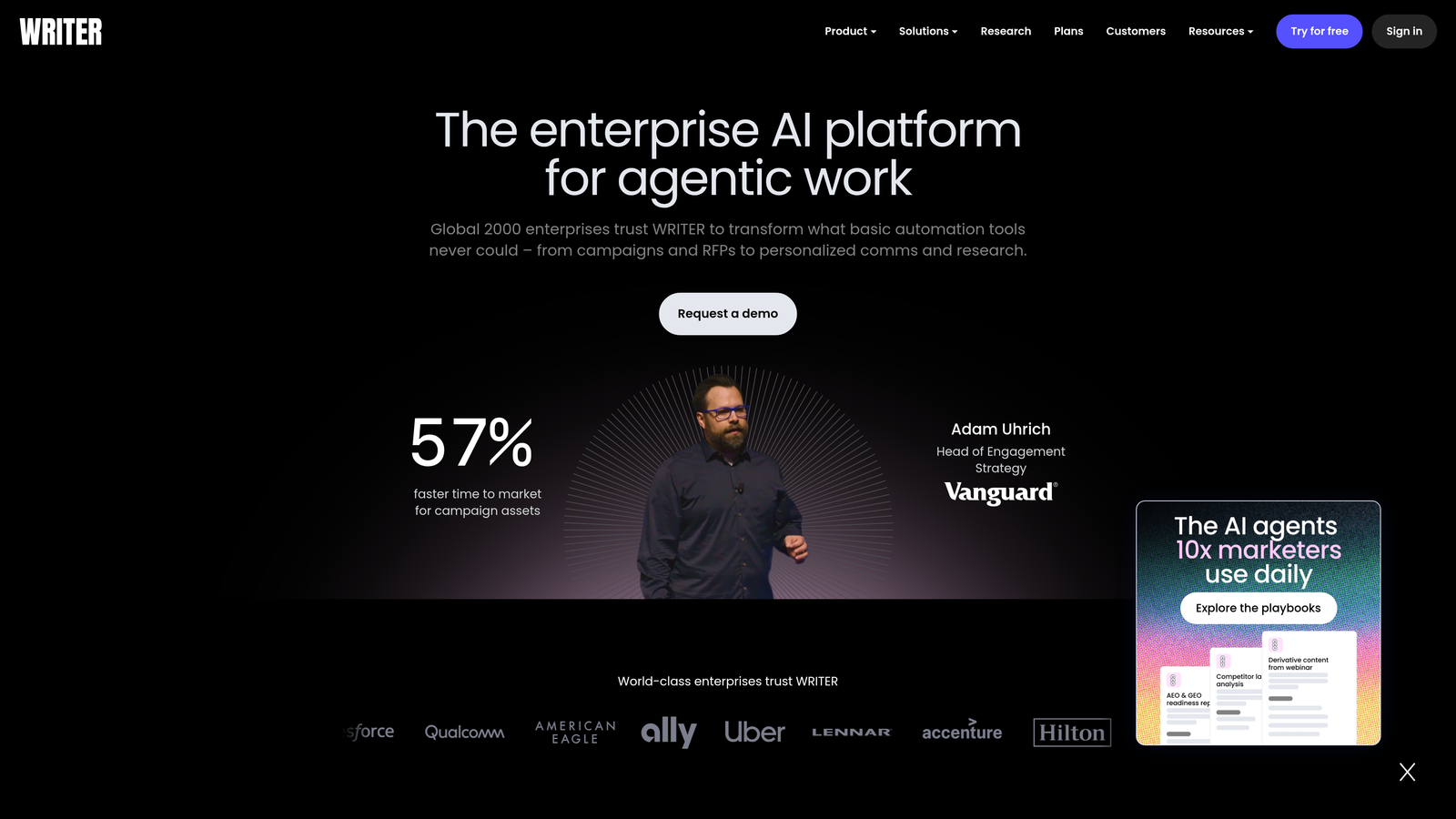
Writer is an enterprise content governance platform combining AI writing assistance with terminology management and compliance features.
Where This Tool Shines
Writer addresses a specific bottleneck that kills momentum in regulated industries: compliance review cycles. Legal and compliance teams often become production blockers because they must review every piece of content.
The platform's terminology enforcement prevents compliance issues before they reach review. Custom style guides and approved language databases ensure content stays within guardrails automatically, reducing review cycles from weeks to days.
Key Features
Custom Terminology Enforcement: Define approved terms, phrases, and style rules that the AI automatically follows.
Brand Guardrails: AI writing assistance stays within your defined compliance and brand parameters.
Compliance Automation: Flags potential legal or regulatory issues during creation rather than in review.
Content Recaps: Automatic summaries of long documents speed stakeholder review.
Enterprise Security: SSO, role-based permissions, and audit trails meet enterprise requirements.
Best For
Financial services, healthcare, legal, and other regulated industries where compliance review creates production delays. Teams with strict brand terminology requirements also benefit significantly.
Pricing
Team plan starts at $18/user/month for basic features. Enterprise pricing available for advanced compliance and security requirements.
4. Monday.com
Best for: Teams lacking visibility into content pipeline status and capacity
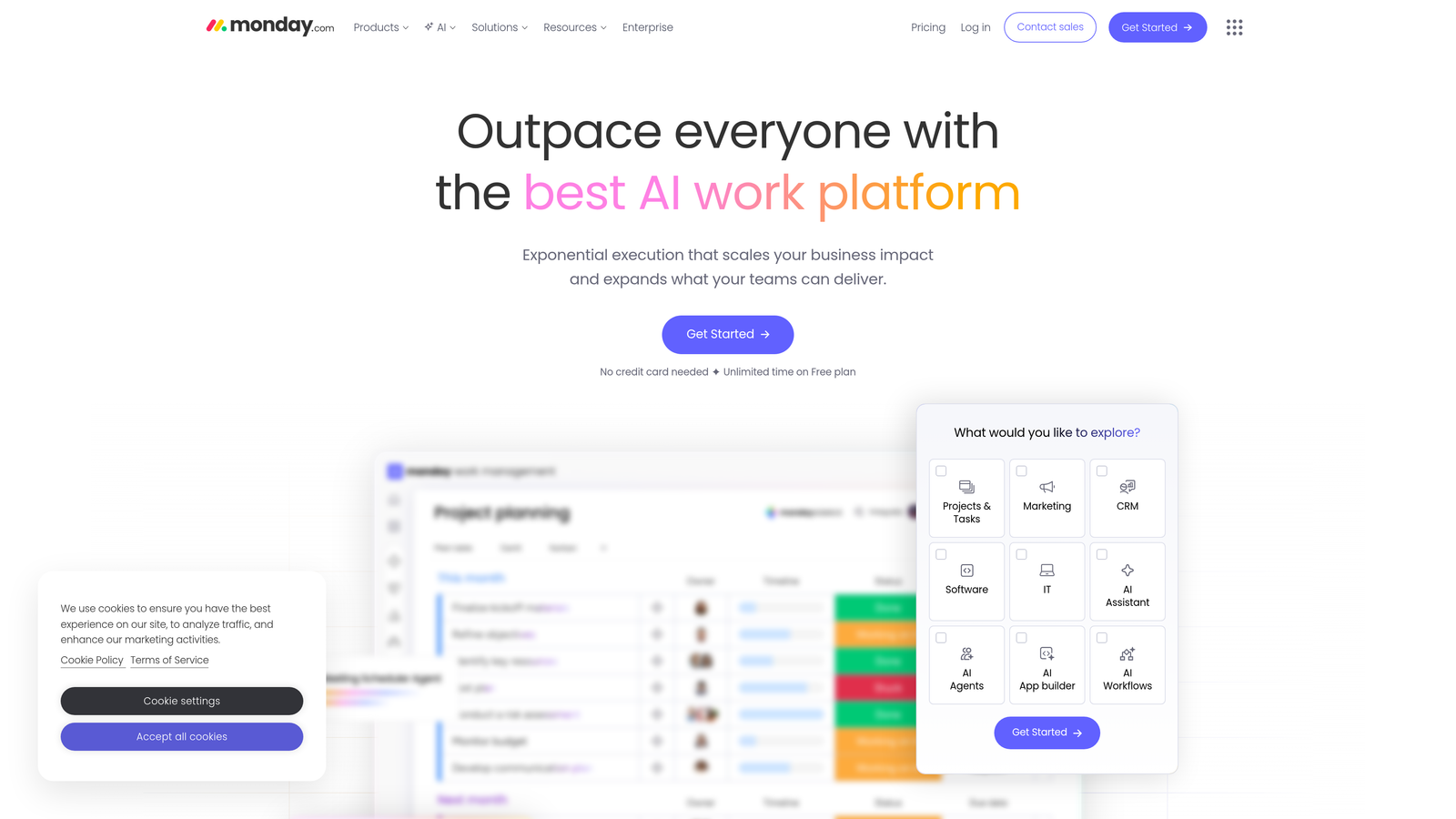
Monday.com is a work operating system with visual content workflows, automated status updates, and team capacity planning.
Where This Tool Shines
Monday.com eliminates the "where is this content?" bottleneck. When team members waste time hunting for status updates or wondering who owns the next step, production grinds to a halt.
The visual board approach makes every content piece's status instantly clear. Automated notifications eliminate the need for status meetings, while capacity views prevent overloading team members who become bottlenecks themselves.
Key Features
Visual Pipeline Boards: See every content piece's status at a glance with customizable columns and color coding.
Automated Notifications: Status changes trigger automatic updates to stakeholders without manual communication.
Capacity Planning: Workload views show who's overloaded and who has bandwidth for new assignments.
Custom Approval Workflows: Define multi-step approval processes with automatic routing to the right stakeholders.
Time Tracking: Monitor how long each production stage takes to identify process bottlenecks.
Best For
Content teams with multiple stakeholders and approval stages. Particularly valuable for agencies managing client content across different accounts with varying workflows.
Pricing
Basic at $9/seat/month for core features. Standard at $12/seat/month adds timeline views. Pro at $19/seat/month includes time tracking and advanced automations.
5. Notion AI
Best for: Teams wanting AI assistance integrated into existing documentation workflows
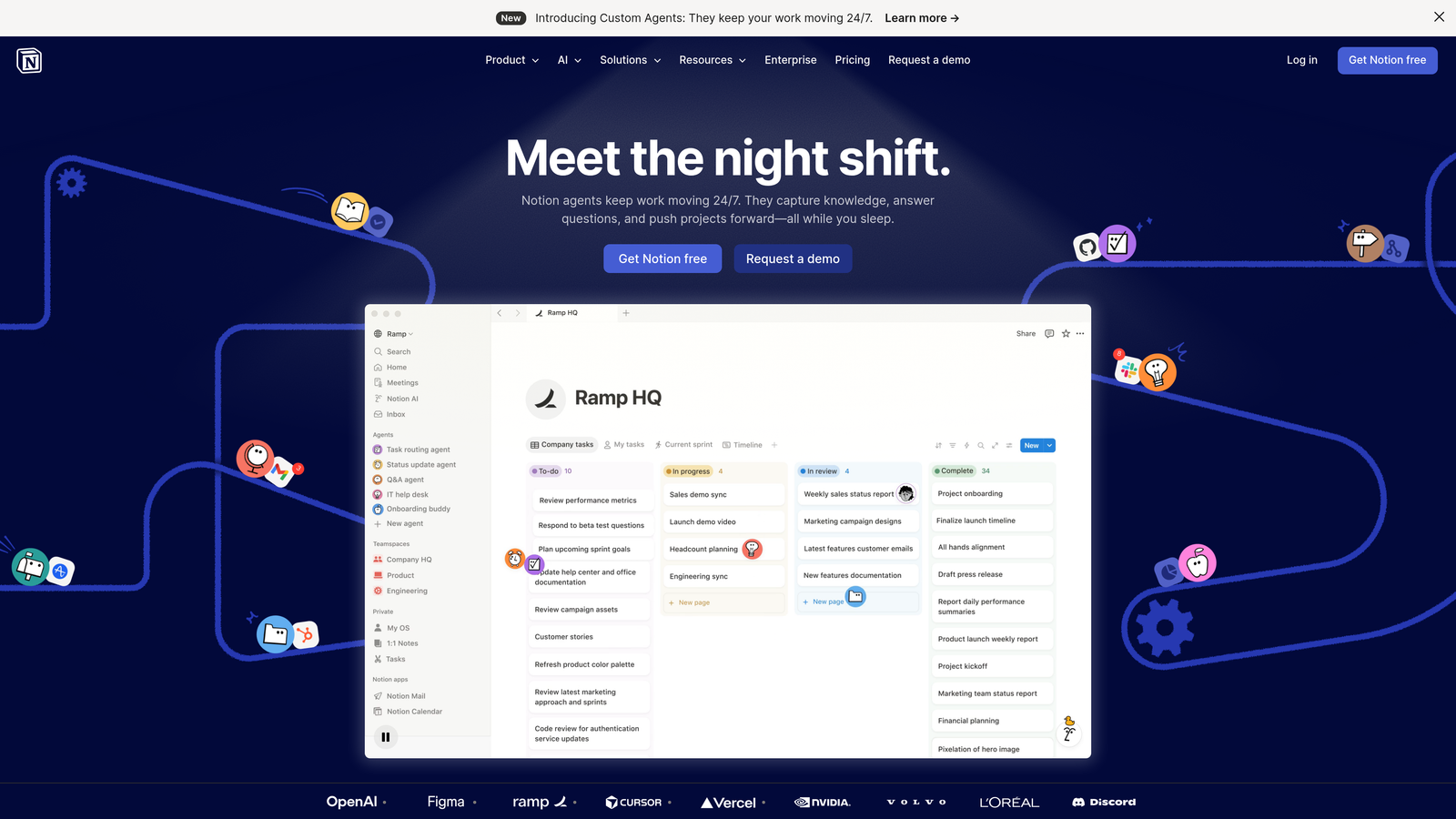
Notion AI is a connected workspace with AI-powered writing, editing, and summarization built directly into documentation and planning tools.
Where This Tool Shines
Notion AI solves the context-switching bottleneck. When your content calendar lives in one tool, drafts in another, and brand guidelines in a third, you lose time constantly switching between platforms.
The integrated approach means AI assistance appears exactly where you're already working. Need to draft an outline? The AI pulls from your connected strategy docs. Writing a brief? It references your existing content database without leaving the page.
Key Features
In-Document AI: Writing and editing assistance appears directly within your existing Notion pages and databases.
Content Database Templates: Pre-built structures for content calendars, asset libraries, and production tracking.
Team Wiki: Centralized knowledge management keeps brand guidelines and processes accessible.
Real-Time Collaboration: Multiple team members work simultaneously without version control issues.
Integration Ecosystem: API and native integrations connect with other content tools.
Best For
Teams already using Notion for documentation who want AI capabilities without adopting another platform. Small to mid-size teams benefit most from the all-in-one approach.
Pricing
Free tier available for individuals. Plus at $10/user/month adds collaboration features. AI add-on costs an additional $10/member/month.
6. Surfer SEO
Best for: Teams struggling with SEO optimization during content creation
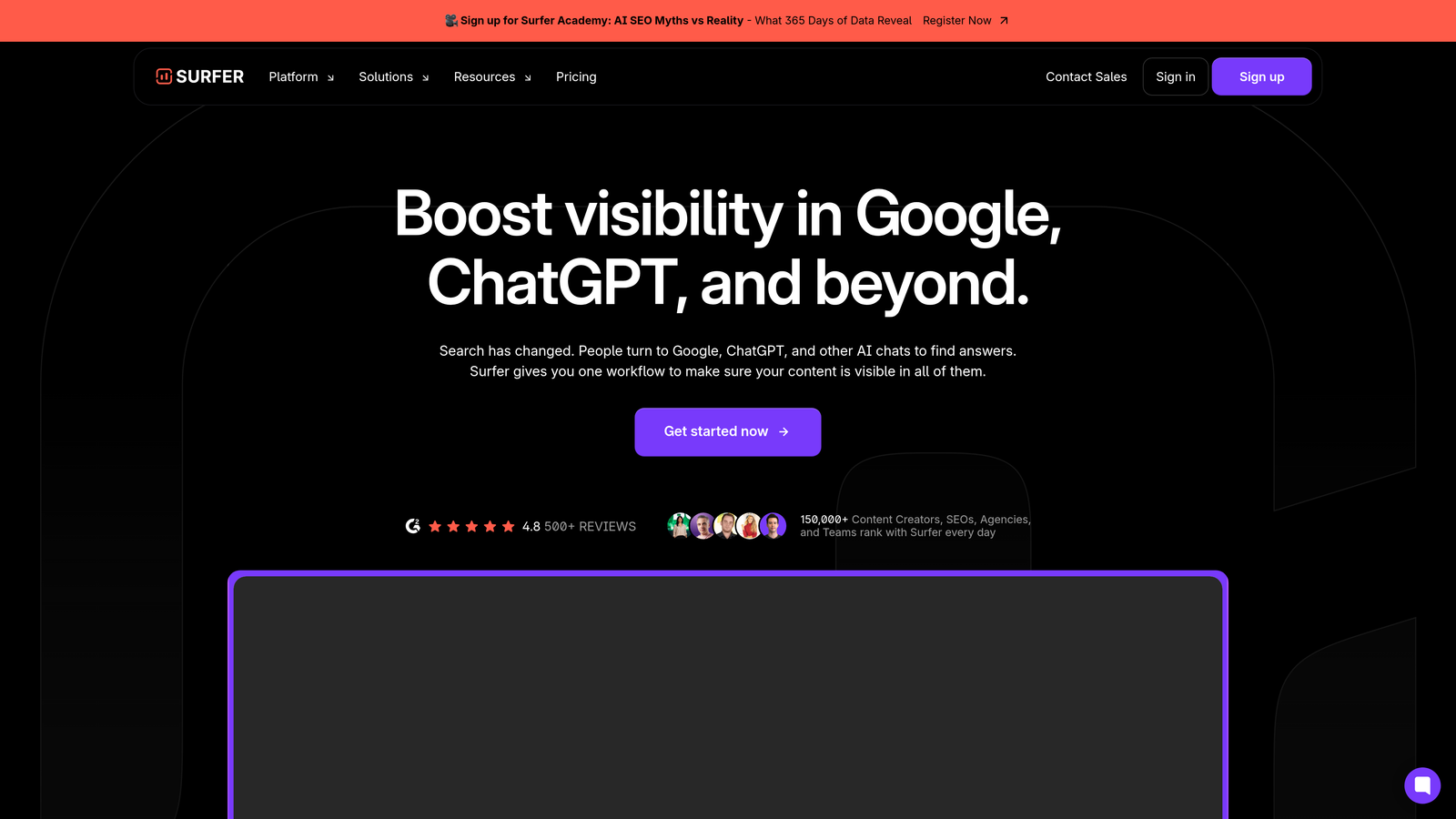
Surfer SEO is an SEO content optimization platform with real-time scoring, keyword research, and content audit capabilities.
Where This Tool Shines
Surfer SEO eliminates the back-and-forth bottleneck between writers and SEO specialists. Traditional workflows involve writers creating drafts, SEO teams providing feedback, and multiple revision rounds.
Real-time optimization scoring lets writers see exactly what needs adjustment as they write. The guesswork disappears when you can watch your content score improve with each paragraph, reducing revision cycles significantly.
Key Features
Real-Time Content Scoring: Live feedback on keyword usage, content structure, and optimization as you write.
SERP Analysis: Analyzes top-ranking pages to recommend content structure and topics to cover.
Content Audit: Reviews existing pages and identifies optimization opportunities for published content.
Keyword Research: Clustering and analysis tools identify related terms to include naturally.
Platform Integrations: Works directly in Google Docs and WordPress for seamless optimization.
Best For
Content teams where SEO optimization creates revision bottlenecks. In-house teams and agencies producing SEO-focused content benefit from the streamlined workflow.
Pricing
Essential at $89/month for basic optimization features. Scale at $129/month adds content audit and team collaboration. Enterprise pricing available for agencies.
7. Zapier
Best for: Eliminating manual handoffs between disconnected content tools
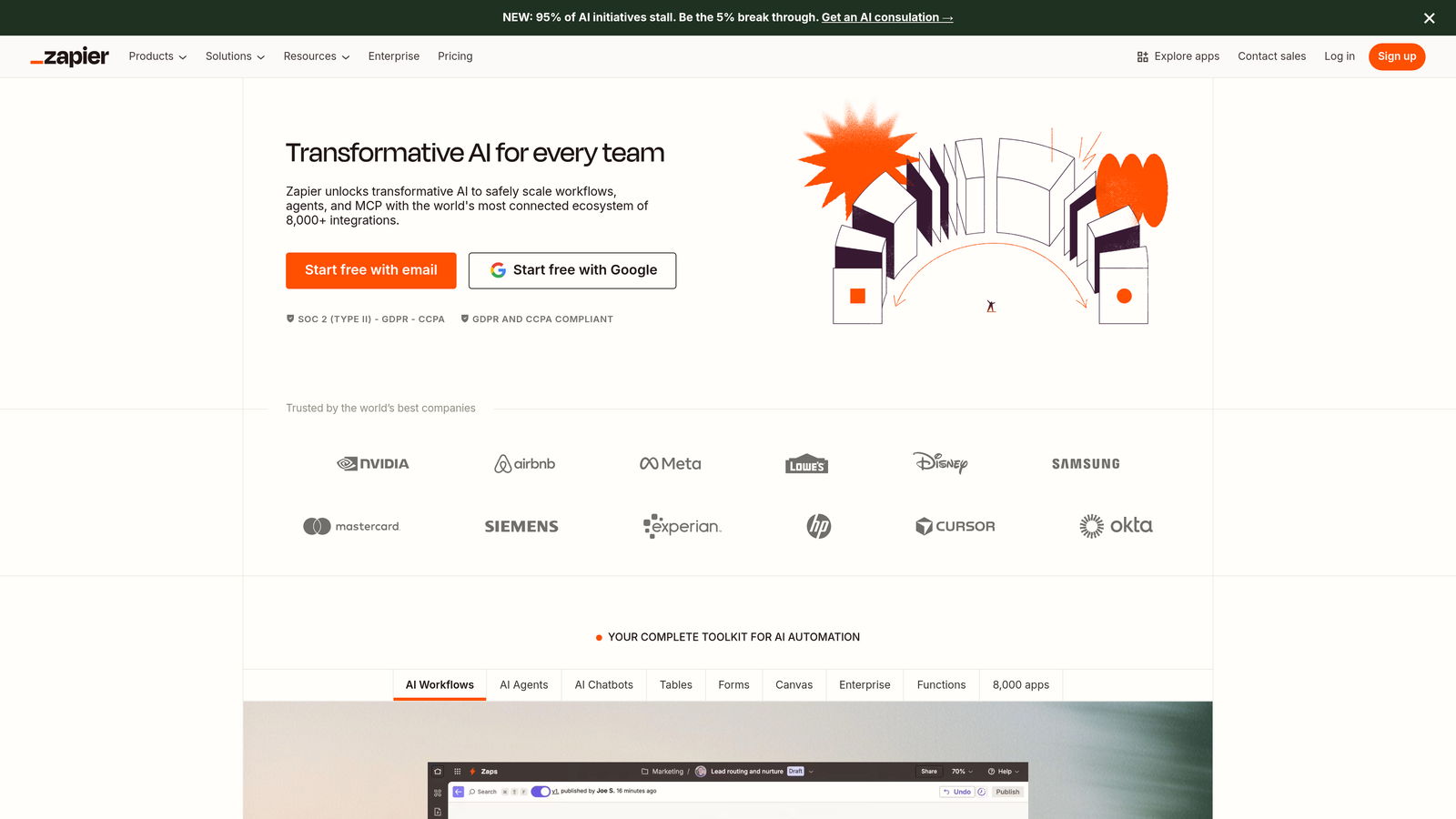
Zapier is an automation platform connecting content tools to trigger workflows across your tech stack without manual intervention.
Where This Tool Shines
Zapier attacks the handoff bottleneck that occurs when information must move between tools manually. Every time someone copies data from one platform to another, you create opportunities for delays and errors.
The platform's strength lies in connecting tools that were never designed to work together. When a content piece moves to "approved" in your project management tool, Zapier can automatically create the WordPress draft, notify the publisher, and update your tracking spreadsheet.
Key Features
7,000+ App Integrations: Connects virtually every content and marketing tool in a single automation platform.
Multi-Step Workflows: Chain multiple actions together so one trigger initiates an entire sequence.
Conditional Logic: Add filters and branching paths based on specific conditions or data values.
Scheduled Triggers: Run automations on schedules rather than waiting for manual triggers.
Tables Feature: Store and manipulate data within Zapier for lightweight database needs.
Best For
Teams using multiple specialized tools that don't integrate natively. Marketing operations professionals who manage complex tech stacks benefit most from the automation possibilities.
Pricing
Free tier includes 100 tasks/month for testing. Starter at $19.99/month for 750 tasks. Professional at $49/month adds premium integrations and multi-step workflows.
8. Airtable
Best for: Flexible content calendar and asset management without rigid structure
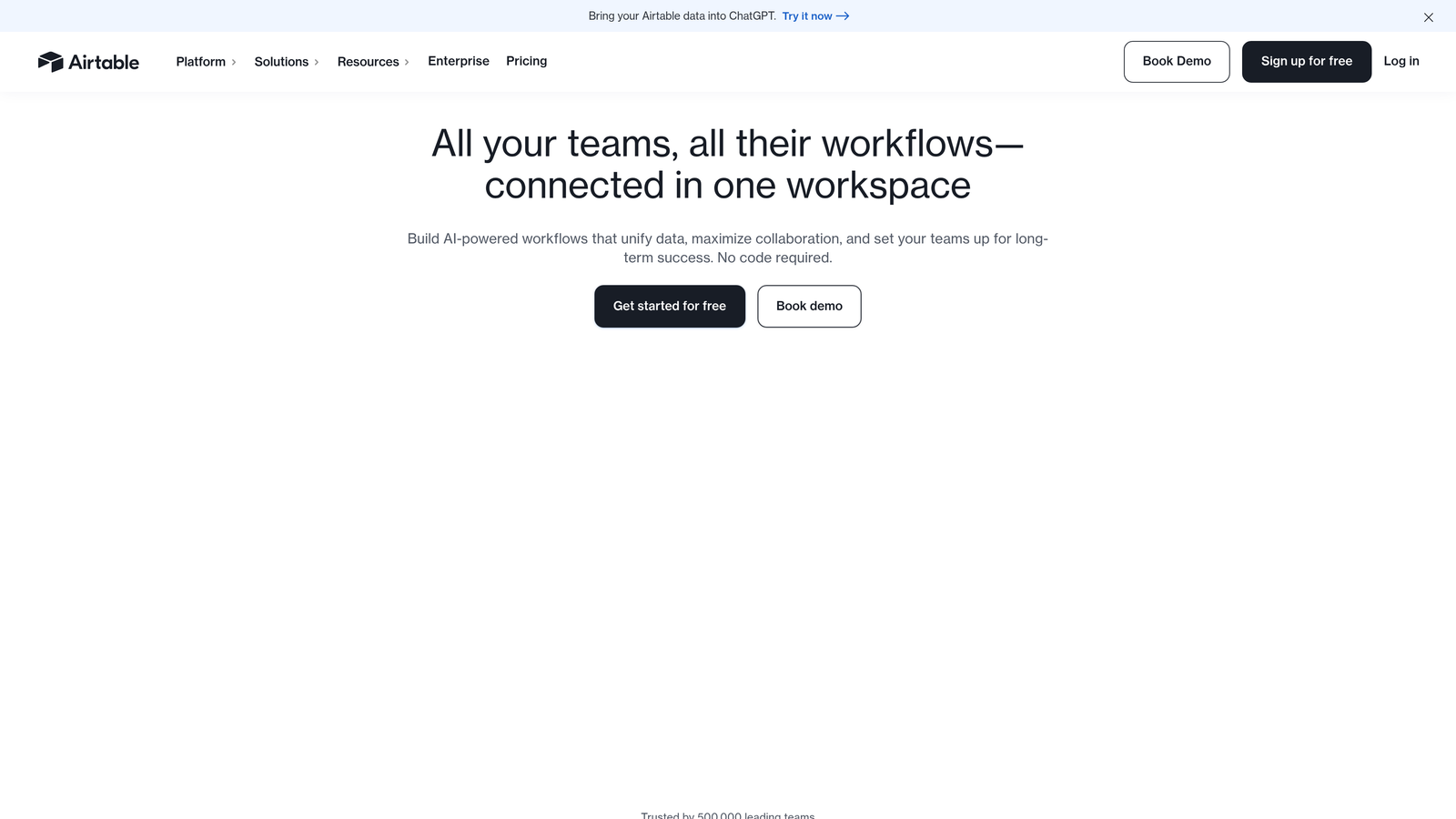
Airtable is a flexible database platform for content calendars, asset management, and production tracking with custom views and automations.
Where This Tool Shines
Airtable solves the rigidity bottleneck that emerges when content workflows don't fit standard project management templates. Every team has unique metadata needs—content types, audience segments, distribution channels, asset relationships.
The database approach lets you design exactly the structure you need. One team might track SEO keywords and target personas, while another focuses on content clusters and internal linking. Airtable adapts to your process rather than forcing you into predetermined workflows.
Key Features
Customizable Calendar Views: Switch between grid, calendar, kanban, and gallery views of the same data.
Asset Management: Attach files directly to records and preview images without downloading.
Built-In Automations: Trigger actions when records meet specific criteria or status changes occur.
Form Views: Create content request forms that populate your database automatically.
Sync Capabilities: Connect multiple bases or sync with external data sources for unified tracking.
Best For
Content teams with unique workflow requirements that standard tools can't accommodate. Teams managing complex asset libraries with multiple content types and relationships benefit from the database flexibility.
Pricing
Free tier available for basic use. Team at $20/seat/month adds sync and automations. Business at $45/seat/month includes advanced features and admin controls.
9. Loom
Best for: Reducing feedback and approval delays caused by scheduling conflicts
Loom is an async video messaging platform for faster feedback, approvals, and stakeholder communication without scheduling meetings.
Where This Tool Shines
Loom eliminates the meeting bottleneck that kills content velocity. When stakeholders need to review content but can't align schedules for days, production stalls waiting for a 15-minute conversation.
Async video feedback breaks this cycle. Reviewers watch content walkthroughs on their schedule, leave timestamped comments exactly where changes are needed, and creators implement feedback immediately without waiting for meeting availability.
Key Features
Screen and Camera Recording: Capture your screen while explaining content changes or demonstrating issues.
Timestamped Comments: Viewers leave feedback at specific moments rather than general notes.
Automatic Transcriptions: Searchable text makes it easy to find specific feedback points later.
Video Editing: Trim recordings and remove mistakes without re-recording entire videos.
Engagement Analytics: See who watched your video and how much they viewed.
Best For
Distributed teams across time zones where scheduling synchronous reviews creates delays. Teams with stakeholders who struggle to articulate feedback in writing benefit from the visual explanation format.
Pricing
Free tier allows 25 videos per person. Business at $12.50/creator/month removes limits and adds advanced features. Enterprise pricing available for larger organizations.
Matching Solutions to Your Specific Bottleneck
Content production bottlenecks typically fall into four distinct categories, and the most effective solution depends on accurate diagnosis of your primary constraint.
Creation capacity bottlenecks occur when you simply don't have enough writers or creators to meet demand. If your backlog grows despite everyone working at full capacity, tools like Sight AI and Jasper directly augment human output. These platforms don't just speed up writing—they handle entire content formats from research through optimization, multiplying what each team member can produce.
Approval delays represent a different challenge entirely. When stakeholders take days to review content or feedback requires multiple clarification rounds, your bottleneck is communication. Loom transforms this dynamic by replacing email threads and scheduling conflicts with async video feedback. Writer tackles approval delays from another angle by embedding compliance guardrails directly into creation, reducing the review burden on legal and compliance teams.
Technical constraints slow teams who struggle with SEO optimization, publishing logistics, or indexing delays. Surfer SEO eliminates the revision cycles between writers and SEO specialists by providing real-time optimization feedback. Sight AI's IndexNow integration and auto-publishing capabilities remove the manual steps that turn content completion into a multi-day publishing process.
Workflow inefficiencies emerge when handoffs between tools create delays and information gets lost in translation. Zapier connects disconnected platforms so content moves automatically between stages. Monday.com and Airtable provide the visibility that prevents "where is this content?" questions from consuming hours of productive time each week.
The most sophisticated content operations combine solutions across categories rather than expecting one platform to solve everything. A workflow problem won't disappear by adding more AI writing capacity. Similarly, the fastest AI content generator won't help if approval cycles take three weeks.
Start by measuring where time actually disappears in your current process. Track how long content spends in each stage: drafting, review, revision, optimization, approval, publishing. The stage consuming the most calendar time reveals your primary bottleneck. Then select tools that specifically address that constraint.
Stop guessing how AI models like ChatGPT and Claude talk about your brand—get visibility into every mention, track content opportunities, and automate your path to organic traffic growth. Start tracking your AI visibility today and see exactly where your brand appears across top AI platforms.