Content marketing software pricing ranges from free tools with limited features to enterprise platforms costing thousands monthly. For marketers, founders, and agencies trying to grow organic traffic, understanding what you actually get at each price point matters more than finding the cheapest option.
The landscape has shifted dramatically in 2026. AI capabilities are now table stakes rather than premium add-ons. But here's what most comparison guides miss: the emergence of AI search optimization as a critical category. When ChatGPT, Claude, and Perplexity influence purchase decisions as much as Google does, tracking how these models mention your brand becomes essential—not optional.
This guide breaks down top content marketing software options across different budget tiers. We've organized these by value proposition rather than just sticker price, helping you find the right fit for your team's needs and growth stage.
1. Sight AI
Best for: Teams serious about AI visibility alongside traditional SEO content creation
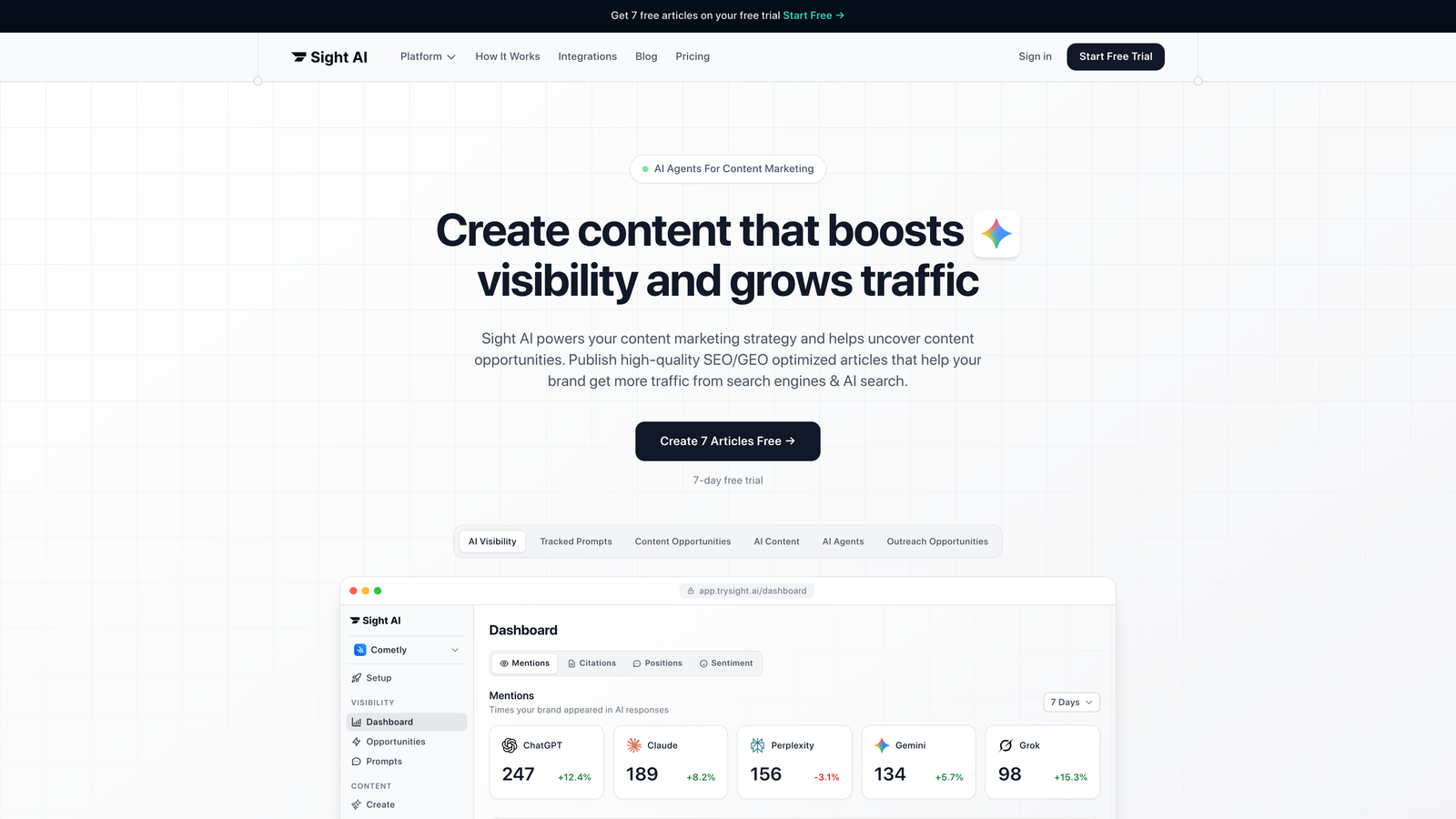
Sight AI combines three capabilities most platforms treat as separate products: tracking how AI models mention your brand, generating SEO/GEO-optimized content, and automating the indexing process.
Where This Tool Shines
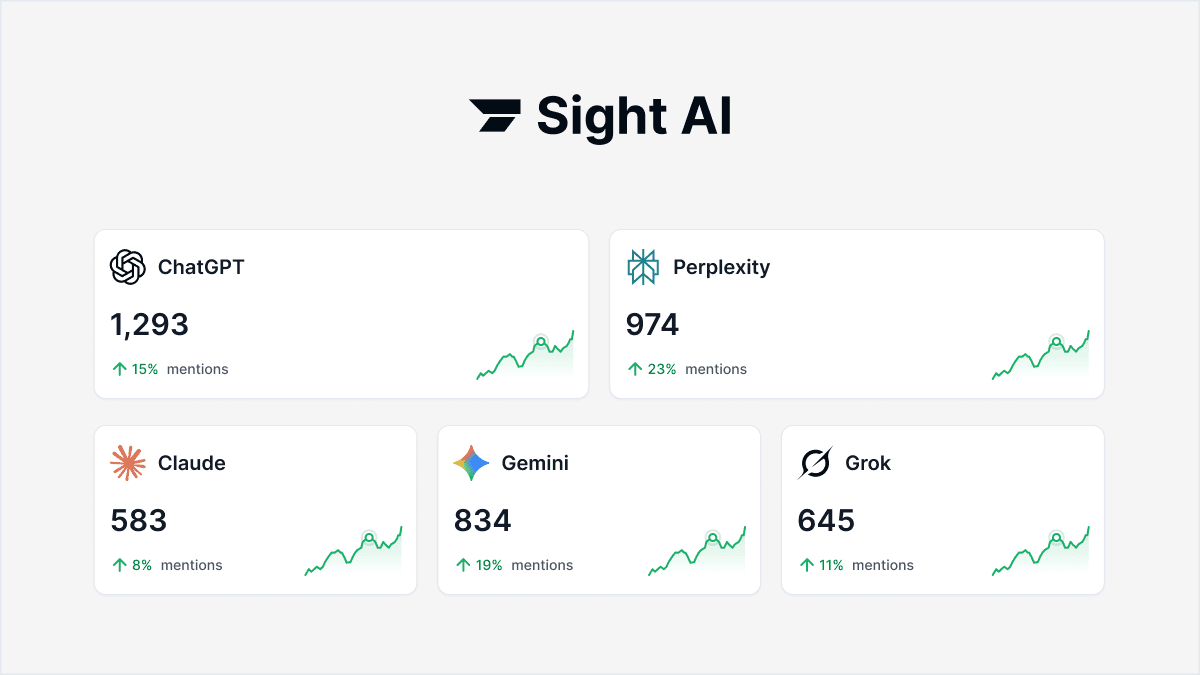
The AI Visibility Score gives you something competitors can't: actual data on how ChatGPT, Claude, Perplexity, and other AI platforms talk about your brand. You see sentiment analysis, prompt tracking, and mention frequency across six AI platforms. This matters because AI-generated recommendations increasingly drive purchase decisions.
The content generation side runs on 13 specialized AI agents working in Autopilot Mode. These agents handle everything from listicles to explainer guides, optimizing for both traditional search and AI model citations. The IndexNow integration means your content gets discovered faster by search engines without manual submission workflows.
Key Features
AI Visibility Tracking: Monitor brand mentions across ChatGPT, Claude, Perplexity, and other AI models with sentiment scoring.
13+ AI Content Agents: Specialized agents for different content types (listicles, guides, explainers) with SEO/GEO optimization built in.
Autopilot Mode: Hands-off content production that maintains quality while scaling output.
IndexNow Integration: Automatic content indexing for faster search engine discovery without manual sitemap submissions.
CMS Auto-Publishing: Direct publishing to your content management system with automated workflow management.
Best For
Marketing teams and agencies focused on organic traffic growth who need visibility into both traditional search and AI-driven discovery. Particularly valuable if you're tracking how AI models influence your category or if you're scaling content production without sacrificing optimization quality.
Pricing
Check trysight.ai/pricing for current plans. The platform combines multiple tools into one subscription, which often delivers better value than piecing together separate visibility tracking, content generation, and indexing solutions.
2. Semrush Content Marketing Platform
Best for: SEO-focused teams needing comprehensive research and competitive analysis
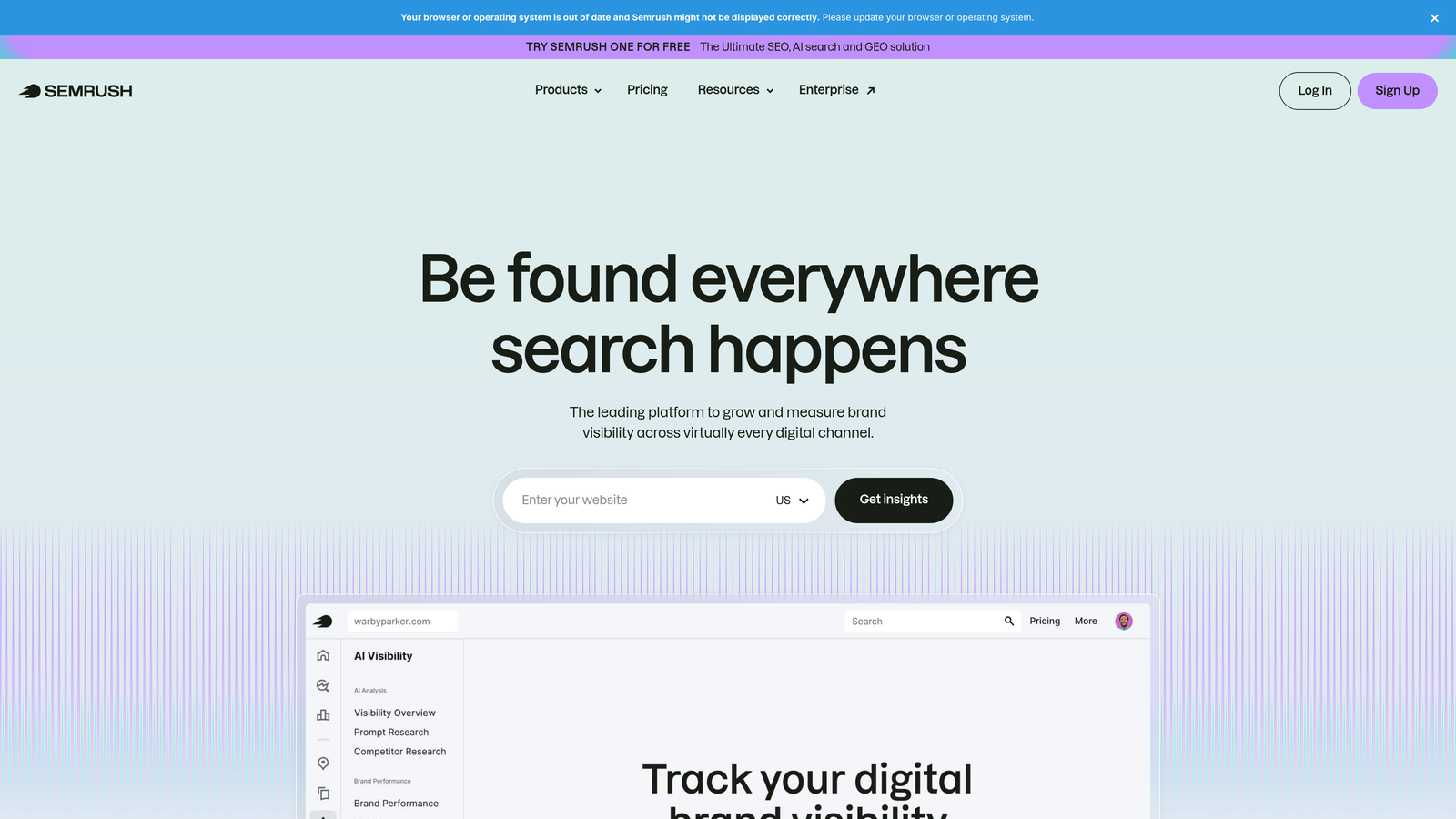
Semrush built its reputation on SEO data, and the Content Marketing Platform extends that strength into content creation and optimization workflows.
Where This Tool Shines
The depth of competitive intelligence here is hard to match. Topic research pulls from massive keyword databases, showing you exactly what competitors rank for and where content gaps exist. The SEO Writing Assistant provides real-time optimization as you write, checking readability, keyword usage, and tone against top-ranking content.
Content audit capabilities let you inventory existing content, identify underperformers, and prioritize refresh opportunities. The brand monitoring tools track mentions across the web, though they focus on traditional search rather than AI model citations.
Key Features
Topic Research Tool: Discover content ideas based on search volume, difficulty, and competitive gaps.
SEO Writing Assistant: Real-time optimization suggestions as you write, with integration for Google Docs and WordPress.
Content Audit: Analyze existing content performance with recommendations for updates or consolidation.
Brand Monitoring: Track brand mentions and competitor activity across the web.
Marketing Calendar: Plan and schedule content with team collaboration features.
Best For
SEO teams that live in keyword data and competitive analysis. Works best when you need deep research capabilities and already have writers who can execute on the insights. Less ideal if you need AI-native content generation or tracking beyond traditional search.
Pricing
Pro plan starts at $139.95/month but lacks content marketing features. You'll need Guru at $249.95/month or Business at $499.95/month to access the full Content Marketing Platform. Enterprise pricing available for larger teams.
3. HubSpot Marketing Hub
Best for: Teams wanting content marketing integrated with CRM and sales workflows
HubSpot Marketing Hub positions content as part of a complete inbound marketing system rather than a standalone capability.

Where This Tool Shines
The integration with HubSpot CRM changes how you think about content ROI. You can track which blog posts generate leads, which landing pages convert best, and how content touches influence deal progression. Marketing automation workflows trigger based on content engagement, personalizing follow-up without manual intervention.
The blog and landing page builder handles publishing without requiring separate CMS tools. Social media scheduling, email marketing, and lead tracking all live in the same platform, reducing context switching for marketing teams.
Key Features
Blog and Landing Page Builder: Create and publish content with drag-and-drop editing and SEO recommendations.
Marketing Automation: Trigger workflows based on content engagement with lead scoring and nurturing sequences.
Lead Attribution: Track which content pieces contribute to conversions and revenue.
Social Media Tools: Schedule posts and monitor engagement alongside content performance.
CRM Integration: Connect content engagement to contact records and deal stages.
Best For
Marketing teams that need tight alignment with sales and want all-in-one platform simplicity. Makes sense if you're already using or planning to adopt HubSpot CRM. Less compelling if you only need content tools without the broader marketing automation capabilities.
Pricing
Free tier offers basic blog and form tools. Starter at $20/month adds email marketing. Professional at $890/month unlocks automation and attribution. Enterprise at $3,600/month provides advanced customization and reporting. Pricing scales with contact database size.
4. Clearscope
Best for: Content teams obsessed with search performance optimization
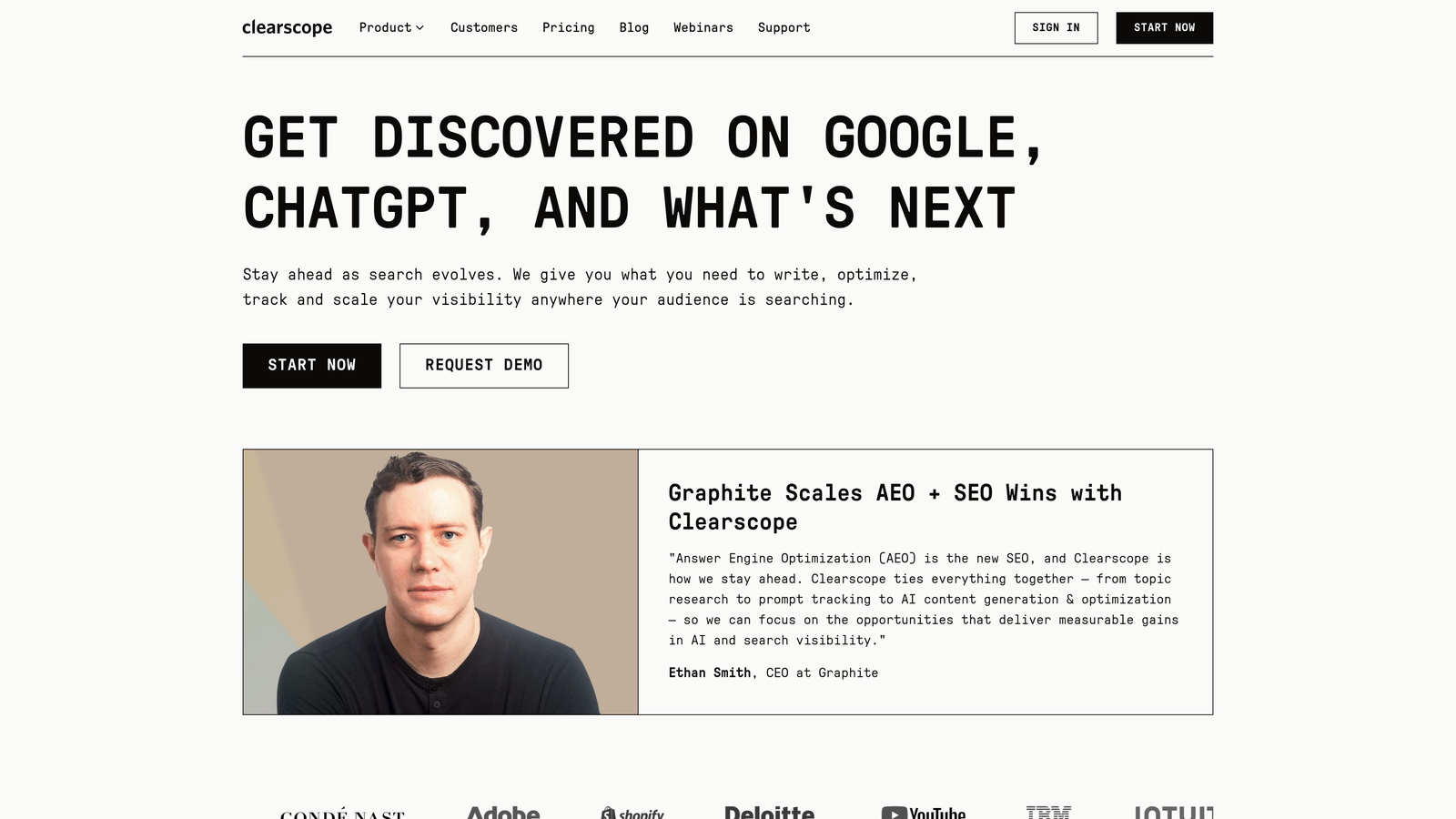
Clearscope takes a laser-focused approach: optimize every piece of content for maximum search visibility using AI-powered competitive analysis.
Where This Tool Shines
The content grading system gives writers immediate feedback on optimization quality. As you draft, Clearscope analyzes top-ranking competitors and suggests keywords, topics, and questions to include. The A-F scoring system makes it easy for editors to set quality standards and for writers to hit them consistently.
Google Docs integration means writers optimize in their preferred environment rather than copying content between platforms. The content inventory tracks all your published pieces with performance metrics, making it easy to identify refresh opportunities.
Key Features
Content Grading: A-F scoring based on keyword coverage, readability, and competitive benchmarking.
Keyword Recommendations: AI-powered suggestions for terms and topics to include based on SERP analysis.
Competitive Analysis: See exactly what top-ranking content covers and how your draft compares.
Google Docs Integration: Optimize content directly in Google Docs without platform switching.
Content Inventory: Track all published content with performance metrics and optimization scores.
Best For
Content teams with dedicated writers who need clear optimization guidelines and quality standards. Works best when you're producing high-value content where ranking improvements directly impact business results. Less useful for teams that need content generation rather than just optimization.
Pricing
Essentials starts at $189/month for up to three users. Business and Enterprise tiers offer custom pricing with additional seats, API access, and advanced reporting features.
5. Surfer SEO
Best for: Writers who want real-time optimization without leaving their editor
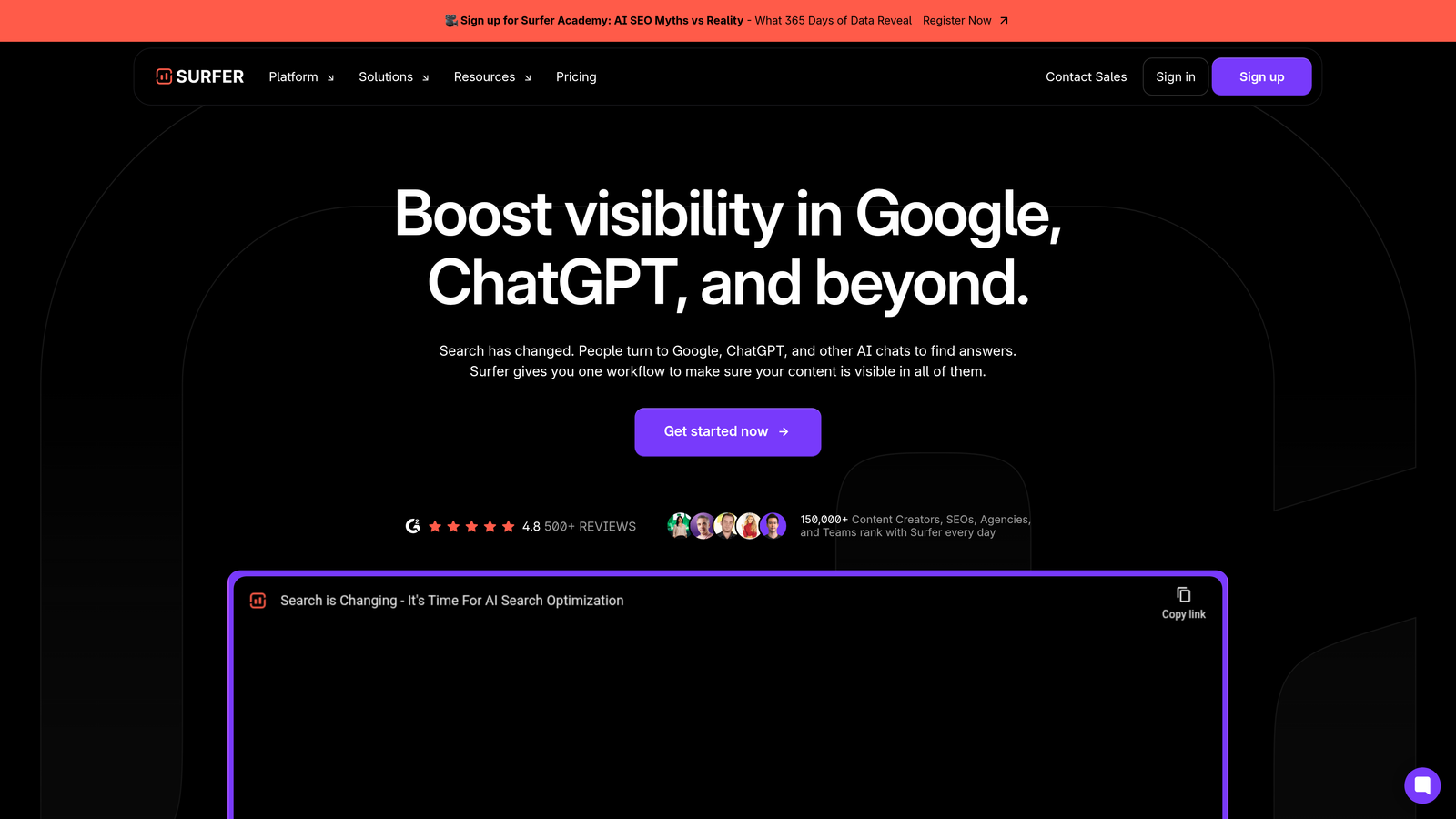
Surfer SEO combines SERP analysis with a content editor that scores your writing as you type, making optimization feel less like guesswork and more like following a recipe.
Where This Tool Shines
The Content Editor provides live feedback on content structure, keyword usage, and readability. You see exactly how many times to mention terms, where to add headings, and how your content length compares to top-ranking pages. The SERP Analyzer breaks down what's working for competitors, from keyword density to content structure.
Surfer AI generates first drafts based on your target keyword, though quality varies and usually requires significant editing. The content planner helps identify keyword clusters and topic opportunities, organizing your content strategy around search intent.
Key Features
Content Editor: Real-time optimization scoring with keyword, structure, and readability recommendations.
SERP Analyzer: Detailed competitive analysis showing what top-ranking content includes.
Surfer AI: AI writing assistant for generating first drafts based on keyword targets.
Content Planner: Keyword clustering and topic discovery for strategic content planning.
Audit Tool: Analyze existing content with actionable optimization recommendations.
Best For
Individual writers and small content teams who want straightforward optimization guidance without complex workflows. The entry-level pricing makes it accessible for freelancers and agencies managing multiple client sites. Less ideal for enterprise teams needing advanced collaboration features.
Pricing
Essential at $89/month includes Content Editor and basic features. Scale at $129/month adds Content Planner and Audit. Scale AI at $219/month includes Surfer AI for automated content generation.
6. MarketMuse
Best for: Content strategists planning large-scale content operations
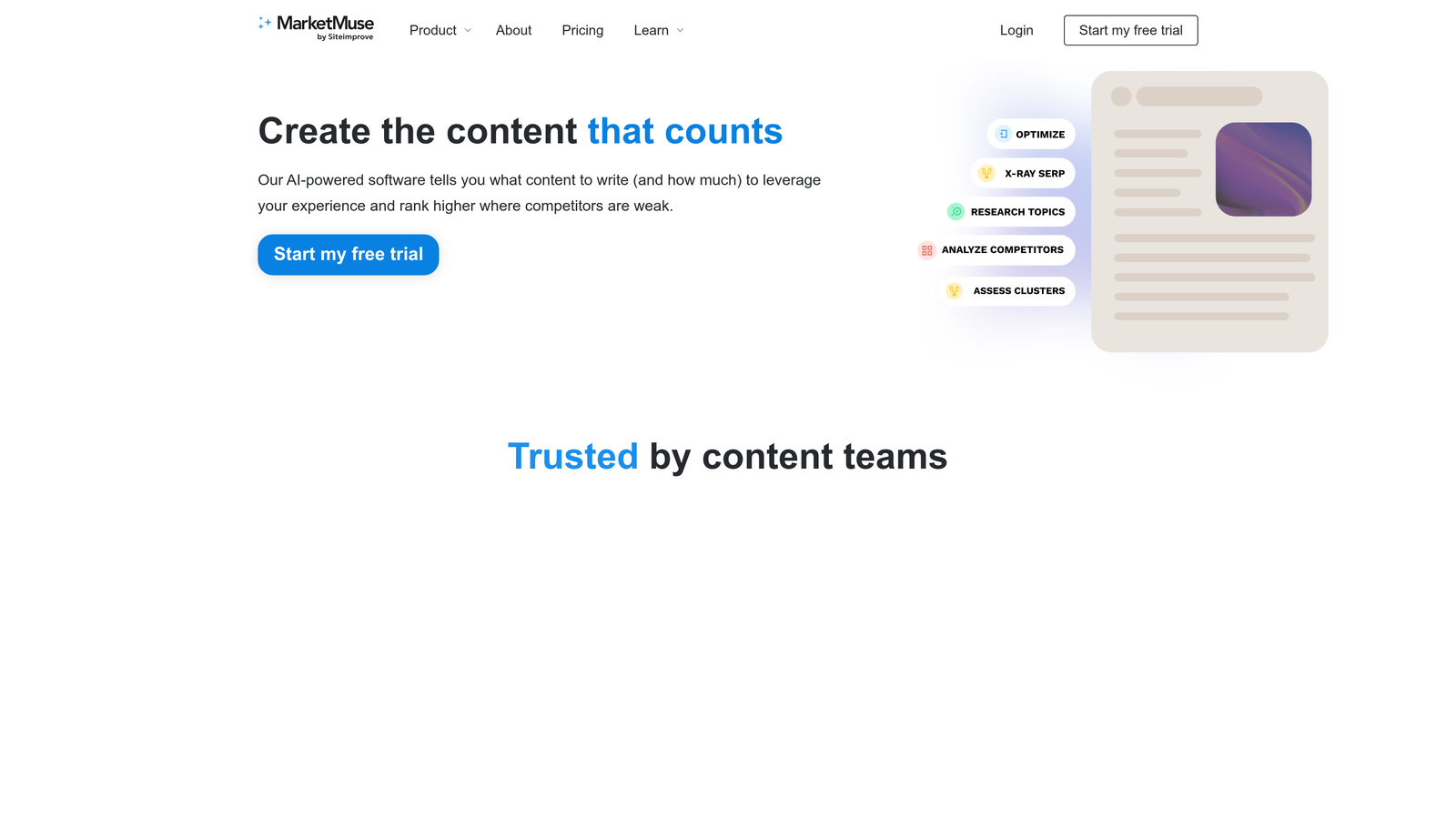
MarketMuse approaches content marketing as a strategic planning problem, using AI to identify gaps, prioritize topics, and create detailed content briefs.
Where This Tool Shines
The content brief generation stands out for depth and strategic thinking. MarketMuse analyzes your existing content, identifies topical authority gaps, and creates briefs that specify exactly what to cover. Personalized difficulty scores help you prioritize topics where you can realistically compete rather than chasing impossible keywords.
The content inventory and audit capabilities go beyond simple performance tracking. MarketMuse identifies content clusters, shows topical coverage gaps, and recommends which pieces to update, consolidate, or create from scratch. The first draft generation provides AI-written content, though it typically requires substantial editing.
Key Features
Content Briefs: Detailed topic modeling with recommended sections, questions, and related concepts.
Competitive Gap Analysis: Identify topics where competitors have coverage and you don't.
Content Inventory: Audit existing content with topical authority scoring and optimization recommendations.
Personalized Difficulty Scores: See which topics you can realistically rank for based on your domain authority.
First Draft Generation: AI-written content based on brief specifications and competitive analysis.
Best For
Content strategists and editorial directors managing large content libraries who need data-driven prioritization. Makes sense when you're building topical authority systematically rather than creating one-off pieces. The learning curve and price point make it less suitable for small teams or beginners.
Pricing
Free tier offers limited queries for testing. Standard at $149/month provides core features for individual users. Team at $399/month adds collaboration capabilities. Premium tier requires custom pricing for enterprise needs.
7. CoSchedule
Best for: Marketing teams drowning in content calendar chaos
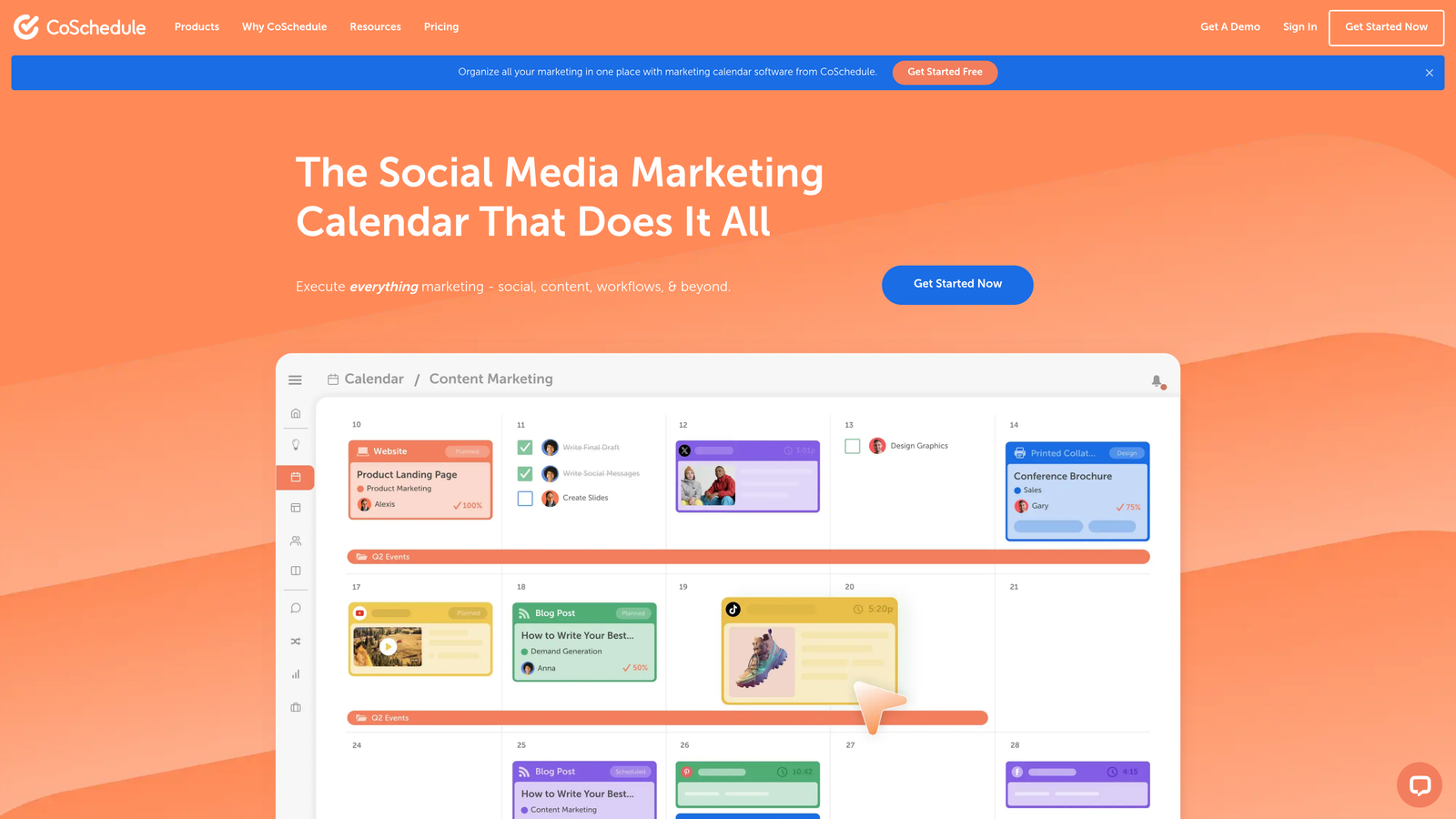
CoSchedule solves the workflow and coordination problems that plague content teams, organizing everything from blog posts to social promotion in one unified calendar.
Where This Tool Shines
The marketing calendar provides a single source of truth for what's publishing when, who's responsible, and what stage each piece is in. Workflow automation handles approval processes, task assignments, and deadline reminders without manual project management overhead. Social media scheduling integrates directly with content publishing, ensuring promotion happens automatically when posts go live.
The Headline Analyzer tool helps writers craft better titles using data on emotional impact, word balance, and length. Team task management keeps everyone aligned on responsibilities and deadlines, reducing the coordination burden on content managers.
Key Features
Unified Marketing Calendar: See all content, social posts, and campaigns in one visual timeline.
Workflow Automation: Automated task assignments, approvals, and deadline management.
Social Media Scheduling: Plan and publish social content alongside blog posts and campaigns.
Headline Analyzer: Score headlines for effectiveness with improvement suggestions.
Team Task Management: Assign responsibilities, track progress, and manage deadlines.
Best For
Content teams and marketing departments that struggle with coordination and visibility across multiple channels. Particularly valuable for agencies managing content for multiple clients or in-house teams juggling numerous campaigns simultaneously. Less useful if you're a solo creator or primarily need content optimization rather than workflow management.
Pricing
Free calendar available with basic scheduling features. Pro at $29/user/month adds workflow automation and social scheduling. Marketing Suite requires custom pricing for enterprise teams needing advanced integrations and capabilities.
8. Contently
Best for: Enterprise content operations with freelancer networks and complex workflows
Contently targets large organizations that need to manage content at scale, combining strategy tools, freelancer marketplaces, and workflow management in one platform.
Where This Tool Shines
The freelancer talent network gives you access to vetted writers, designers, and videographers without managing recruiting yourself. Contently handles matching, contracting, and payment while you focus on content strategy. Workflow and approval management scales to complex organizational structures with multiple stakeholders and review stages.
Performance analytics connect content to business outcomes, tracking ROI and engagement across channels. Brand voice and style guide enforcement ensures consistency even when working with dozens of freelancers. The content strategy tools help plan quarterly roadmaps aligned with business objectives.
Key Features
Content Strategy Tools: Plan content roadmaps aligned with business goals and audience needs.
Freelancer Network: Access vetted creative talent with managed contracting and payment.
Workflow Management: Handle complex approval processes with multiple stakeholders and review stages.
Performance Analytics: Track content ROI, engagement, and business impact across channels.
Brand Voice Enforcement: Maintain consistency with style guides and automated quality checks.
Best For
Enterprise marketing organizations producing high volumes of diverse content types across multiple channels. Makes sense when you need managed freelancer networks and complex workflow capabilities. The price point and feature set make it impractical for small businesses or teams with straightforward content needs.
Pricing
Custom enterprise pricing only. Typically starts at several thousand dollars monthly depending on content volume, freelancer usage, and feature requirements. Contact their sales team for specific quotes based on your organization's needs.
9. Notion + AI Add-ons
Best for: Budget-conscious content teams building custom workflows
Notion wasn't built specifically for content marketing, but its flexibility and AI capabilities make it a surprisingly effective option for teams willing to invest setup time.
Where This Tool Shines
The customizable database approach lets you build exactly the content management system you need. Create content calendars, editorial workflows, research repositories, and performance tracking dashboards tailored to your process. Notion AI adds writing assistance, editing suggestions, and summarization capabilities directly in your workspace.
Team collaboration features support commenting, task assignment, and real-time editing. The template library provides starting points for common content workflows, though you'll likely customize them significantly. Integration with publishing tools and project management platforms extends functionality without leaving the Notion environment.
Key Features
Customizable Databases: Build content calendars, tracking systems, and workflows exactly how you want them.
Notion AI: Writing assistance, editing suggestions, and content summarization integrated into your workspace.
Team Collaboration: Real-time editing, commenting, and task management for distributed teams.
Template Library: Pre-built content workflow templates you can customize for your needs.
Platform Integrations: Connect with publishing tools, project management systems, and automation platforms.
Best For
Startups and small content teams with limited budgets who can invest time in building custom workflows. Works best when you have someone who enjoys system design and can maintain your Notion workspace. Less suitable for teams wanting out-of-the-box content optimization or those without technical setup capability.
Pricing
Free tier available with basic features. Plus at $10/user/month adds unlimited file uploads and version history. Notion AI requires an additional $10/user/month add-on for writing assistance and AI capabilities.
Making the Right Choice
Let's cut through the noise with practical budget guidance.
For bootstrapped startups working under $100/month, Notion with AI add-ons delivers surprising value at $20/user. Surfer SEO's Essential plan at $89/month gives you solid optimization without enterprise complexity. These options work when you're producing moderate content volumes and can handle manual workflows.
Mid-market teams with $200-500 monthly budgets should look at Clearscope or CoSchedule. Clearscope at $189/month excels when content quality directly impacts revenue. CoSchedule's workflow automation justifies the $29/user cost when coordination problems slow your team down more than optimization challenges.
Here's where it gets interesting for agencies and growth-focused companies. Sight AI addresses something competitors ignore: how AI models like ChatGPT and Claude actually talk about your brand. Traditional SEO tools track Google rankings, but they can't tell you if Perplexity recommends you or if Claude mentions competitors instead. As AI search becomes a larger traffic source, this visibility matters more than most teams realize. The combination of AI visibility tracking with SEO/GEO content generation and automated indexing consolidates three separate tool categories into one platform.
Enterprise operations with complex workflows may justify Semrush's $249+/month tiers, HubSpot's $890/month Professional plan, or Contently's custom enterprise pricing. These make sense when you need deep competitive intelligence, CRM integration, or managed freelancer networks. The higher costs buy you capabilities smaller tools can't match, but only if you actually use them.
The key is matching your current content volume and growth goals to the right tier. If you're publishing 4-8 articles monthly, enterprise platforms are overkill. If you're scaling to 50+ pieces, budget tools create bottlenecks. Factor in implementation time and learning curves—switching tools six months from now costs more than choosing right initially.
One final consideration most guides skip: AI search optimization is no longer optional. Whether you choose a platform with built-in AI visibility tracking or piece together separate tools, you need visibility into how AI models represent your brand. Start tracking your AI visibility today and see exactly where your brand appears across top AI platforms—because organic traffic increasingly comes from conversations with ChatGPT, not just clicks from Google.