Content marketing software pricing can feel like navigating a maze blindfolded. You've got platforms charging per seat, per feature, per AI credit—some starting free, others requiring a call with sales before you even see a number. The real challenge isn't just finding something affordable. It's understanding what you're actually paying for and whether those features will move the needle on your organic growth.
Here are the top content marketing platforms across every budget tier, from AI-powered all-in-one solutions to specialized tools that excel in specific areas.
1. Sight AI
Best for: Teams wanting AI visibility tracking combined with SEO/GEO content generation in one platform
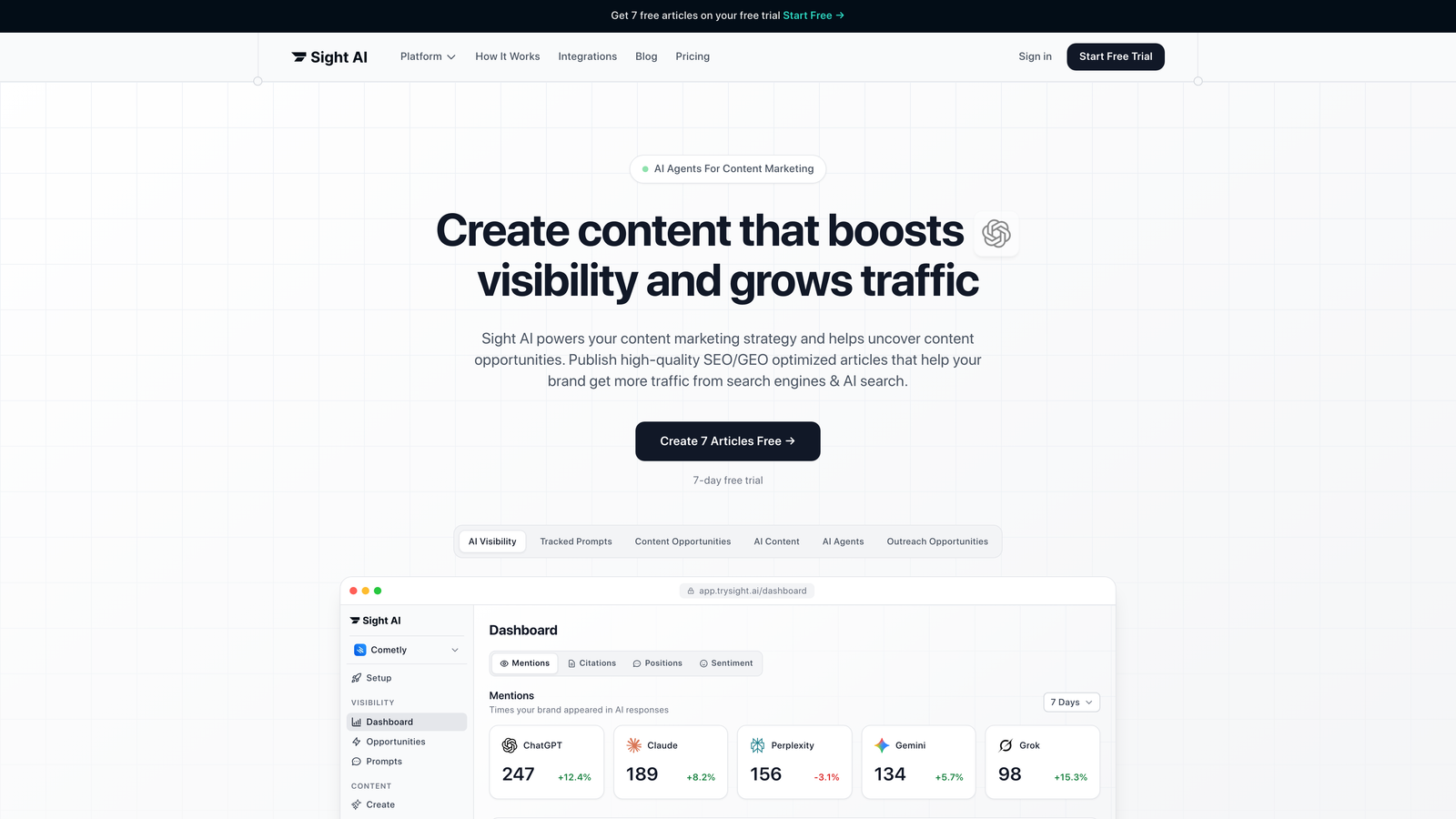
Sight AI combines three critical functions that most teams handle with separate tools: tracking how AI models mention your brand, generating content optimized for both search engines and AI platforms, and automatically indexing that content for faster discovery.
Where This Tool Shines
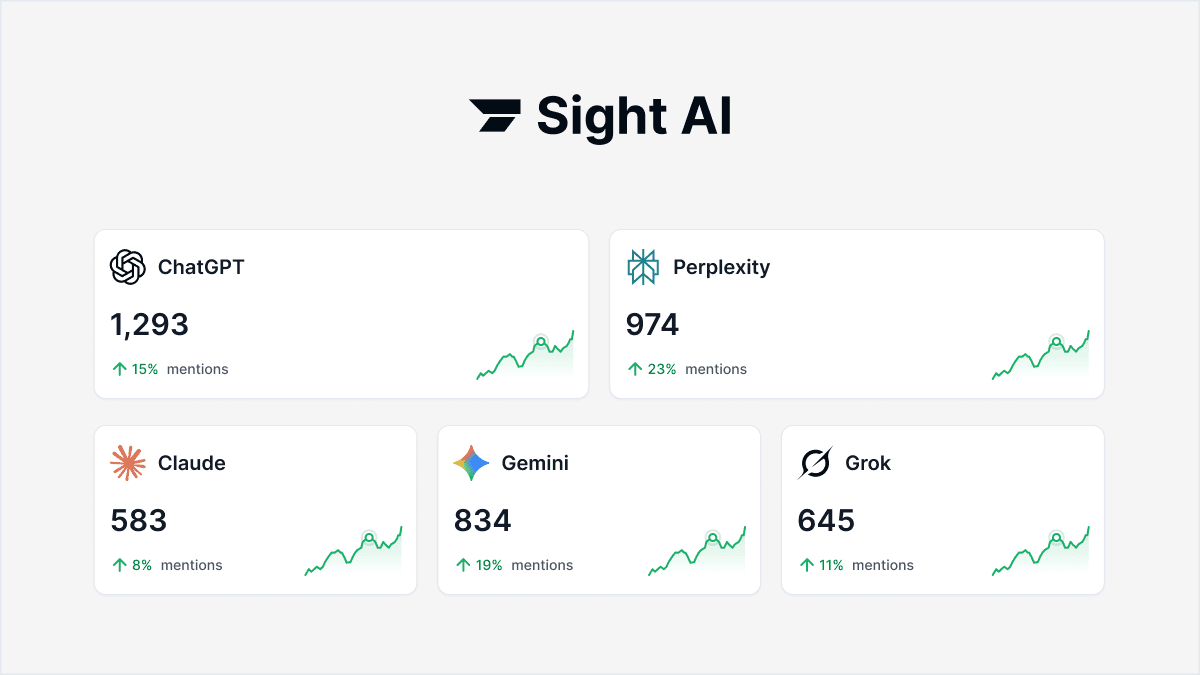
The AI Visibility Score gives you something most platforms don't: real insight into how ChatGPT, Claude, Perplexity, and other AI models actually talk about your brand. You're not guessing whether your content strategy works in the AI era—you're seeing exactly where you appear, what sentiment surrounds your brand, and which prompts trigger mentions.
The content generation side uses 13+ specialized AI agents that understand different content formats. When you need a listicle, a how-to guide, or an explainer, you're working with agents trained specifically for those formats. The Autopilot Mode handles the heavy lifting while you maintain control over brand voice and accuracy.
Key Features
AI Visibility Tracking: Monitor brand mentions across 6+ AI platforms with sentiment analysis and prompt tracking to understand context.
13+ Specialized AI Agents: Each agent trained for specific content types (listicles, guides, explainers) with SEO/GEO optimization built in.
IndexNow Integration: Automatic content indexing that pushes updates to search engines immediately rather than waiting for crawlers.
CMS Auto-Publishing: Generate content and publish directly to your website without manual copy-paste workflows.
Content Opportunity Discovery: Identify gaps where competitors appear in AI responses but you don't, revealing strategic content angles.
Best For
Marketing teams and agencies managing multiple clients who need visibility into AI platform performance alongside content production. Particularly valuable if you're trying to consolidate tools—replacing separate solutions for AI monitoring, content writing, and indexing with one integrated platform.
Pricing
Transparent pricing tiers available on the website, allowing teams to evaluate costs upfront without sales calls. Pricing scales based on feature access and usage volume.
2. HubSpot Marketing Hub
Best for: Companies wanting content marketing integrated with full CRM and sales workflows
HubSpot Marketing Hub positions content management as part of a broader marketing ecosystem, connecting blog posts and landing pages directly to lead tracking and customer journeys.

Where This Tool Shines
The real value emerges when you need content performance tied to actual business outcomes. You're not just tracking page views—you're seeing which blog posts generate leads, how those leads move through your funnel, and what content influences deals. That connection between content and revenue makes budget conversations significantly easier.
The free tier gives small teams genuine functionality, not just a teaser. You can publish blog content, manage basic SEO, and track performance without paying anything. As you scale, the Professional and Enterprise tiers add automation workflows that turn content into systematic lead generation.
Key Features
Integrated CRM Connection: Every content interaction links to contact records, showing exactly how prospects engage with your content throughout the buyer journey.
Marketing Automation Workflows: Trigger email sequences, lead scoring, and sales notifications based on specific content interactions.
SEO Recommendations: Built-in suggestions for optimizing content, though less comprehensive than dedicated SEO platforms.
Social Media Scheduling: Plan and publish social content alongside blog posts from one calendar view.
Analytics Dashboard: Track performance across all marketing channels with attribution reporting that connects content to revenue.
Best For
Companies already using HubSpot CRM or planning to adopt it. The pricing makes most sense when you're leveraging the full ecosystem rather than using Marketing Hub in isolation.
Pricing
Free tier available with basic features. Starter at $20/month, Professional at $890/month, Enterprise at $3,600/month. Annual contracts typically required for paid tiers.
3. Semrush Content Marketing Platform
Best for: SEO-focused teams needing content creation integrated with keyword research and competitive analysis
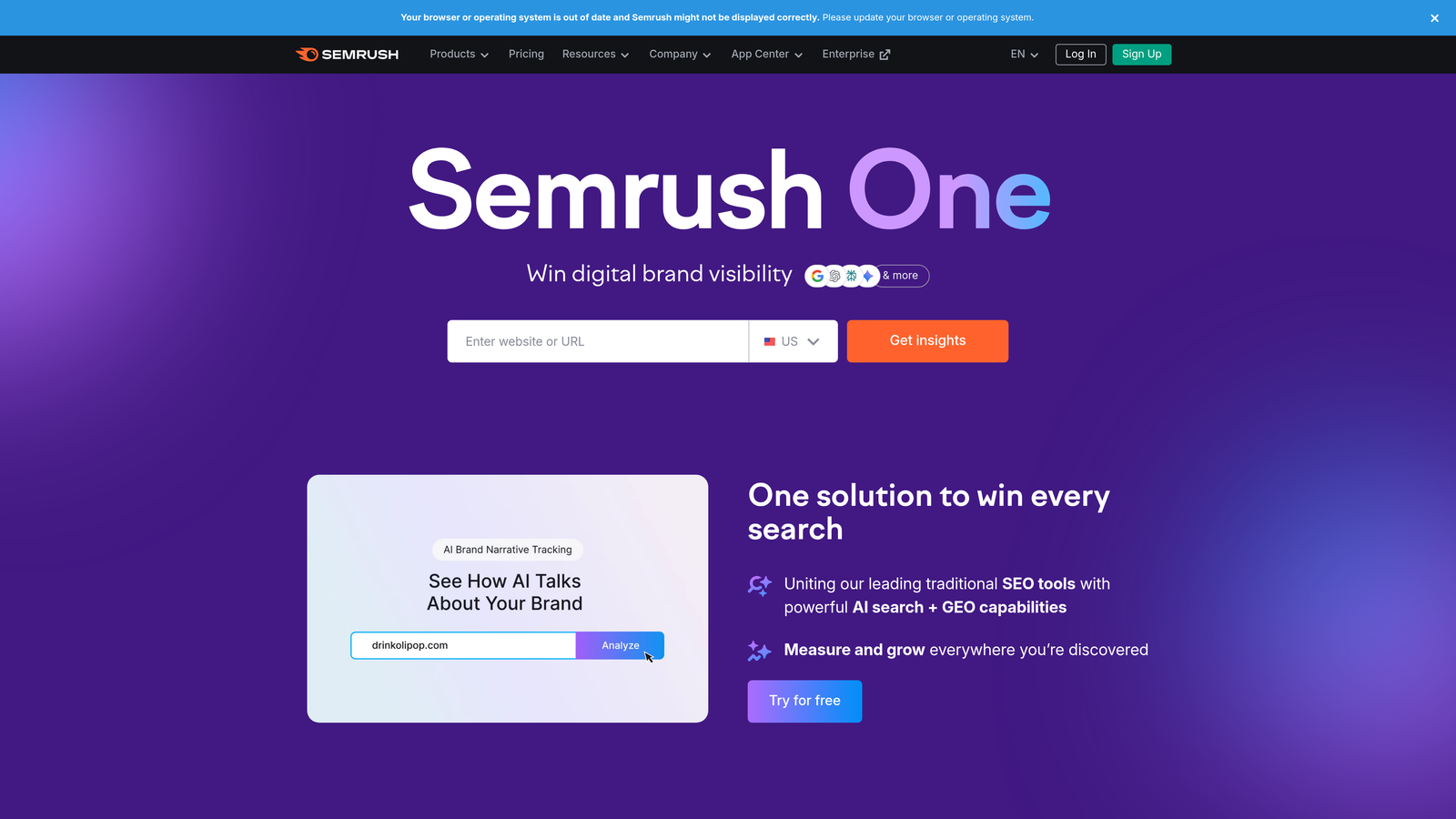
Semrush Content Marketing Platform extends Semrush's SEO foundation into content production, treating every article as an opportunity to capture specific search rankings.
Where This Tool Shines
The topic research tools dig deeper than most platforms. You're seeing content gaps where competitors rank but you don't, questions people actually ask about your topics, and related keywords that expand your reach. The SEO Writing Assistant scores your content in real-time as you write, flagging missing keywords and readability issues before you publish.
If you're already paying for Semrush's core SEO tools, adding the Content Marketing Platform creates a seamless workflow from keyword research through content creation to performance tracking. You're working in one ecosystem rather than jumping between disconnected tools.
Key Features
Topic Research Tool: Discover content ideas based on competitor analysis, trending topics, and question-based queries your audience searches.
SEO Writing Assistant: Real-time content scoring with recommendations for keyword usage, readability, and tone consistency.
Content Audit: Analyze existing content performance and identify optimization opportunities across your entire site.
Post Tracking: Monitor how published content performs in search results with ranking updates and traffic metrics.
Brand Monitoring: Track mentions across the web to identify content opportunities and reputation management needs.
Best For
SEO professionals and content teams where search rankings drive strategy. Less valuable if you're focused primarily on social media or email content rather than organic search.
Pricing
Requires base Semrush subscription ($139.95-$499.95/month) plus Content Marketing Platform as add-on. Total investment typically starts around $200/month for meaningful functionality.
4. Contentful
Best for: Enterprises and development teams needing API-first content infrastructure across multiple channels
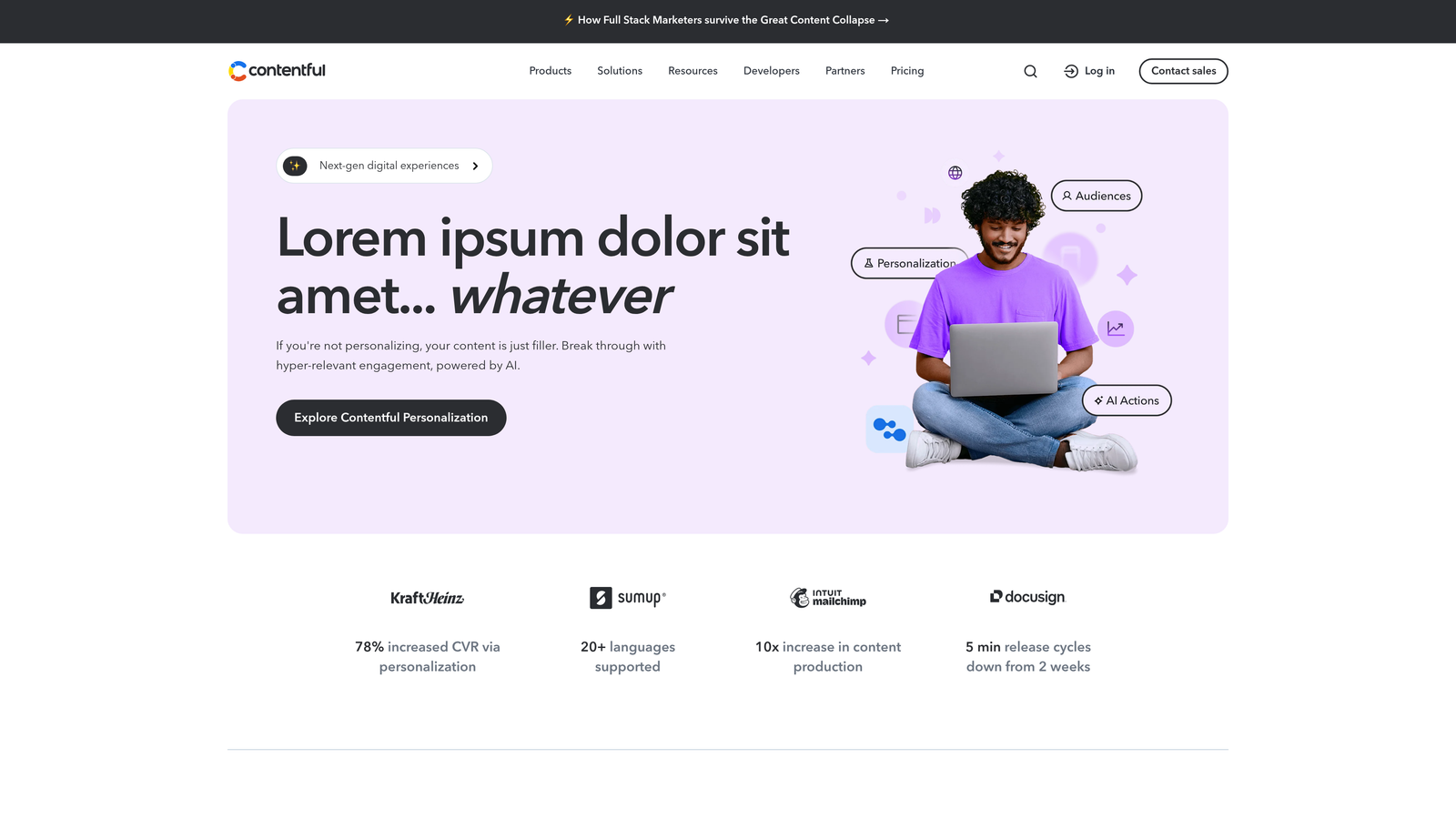
Contentful approaches content as structured data that flows through APIs to websites, mobile apps, digital displays, and any other channel requiring dynamic content.
Where This Tool Shines
Traditional CMSs lock content into specific templates and page structures. Contentful separates content from presentation entirely, storing everything as structured data that developers can query and display however they need. If you're publishing the same content across web, iOS, Android, and smart displays, you're maintaining one content source rather than duplicating work across platforms.
The developer experience focuses on flexibility and control. Your engineering team can build exactly the content workflows they need rather than adapting to someone else's assumptions about how content should work.
Key Features
Headless Architecture: Content exists independently from presentation, accessible via GraphQL and REST APIs for maximum flexibility.
Multi-Channel Delivery: Publish identical content across web, mobile, IoT devices, and digital experiences without duplication.
Custom Content Modeling: Define exactly how content is structured rather than conforming to preset templates and fields.
Developer SDKs: Libraries for JavaScript, Ruby, Python, PHP, and other languages that streamline integration with existing tech stacks.
Enterprise Security: SOC 2 Type II compliance, GDPR readiness, and role-based access controls for large organizations.
Best For
Companies with development resources and multi-platform content needs. Overkill for simple blog publishing, but powerful when content feeds multiple digital experiences simultaneously.
Pricing
Free tier for small projects with limited API calls. Team plan at $489/month. Enterprise pricing requires custom quotes based on API usage and feature requirements.
5. CoSchedule
Best for: Marketing teams coordinating content across multiple channels with complex approval workflows
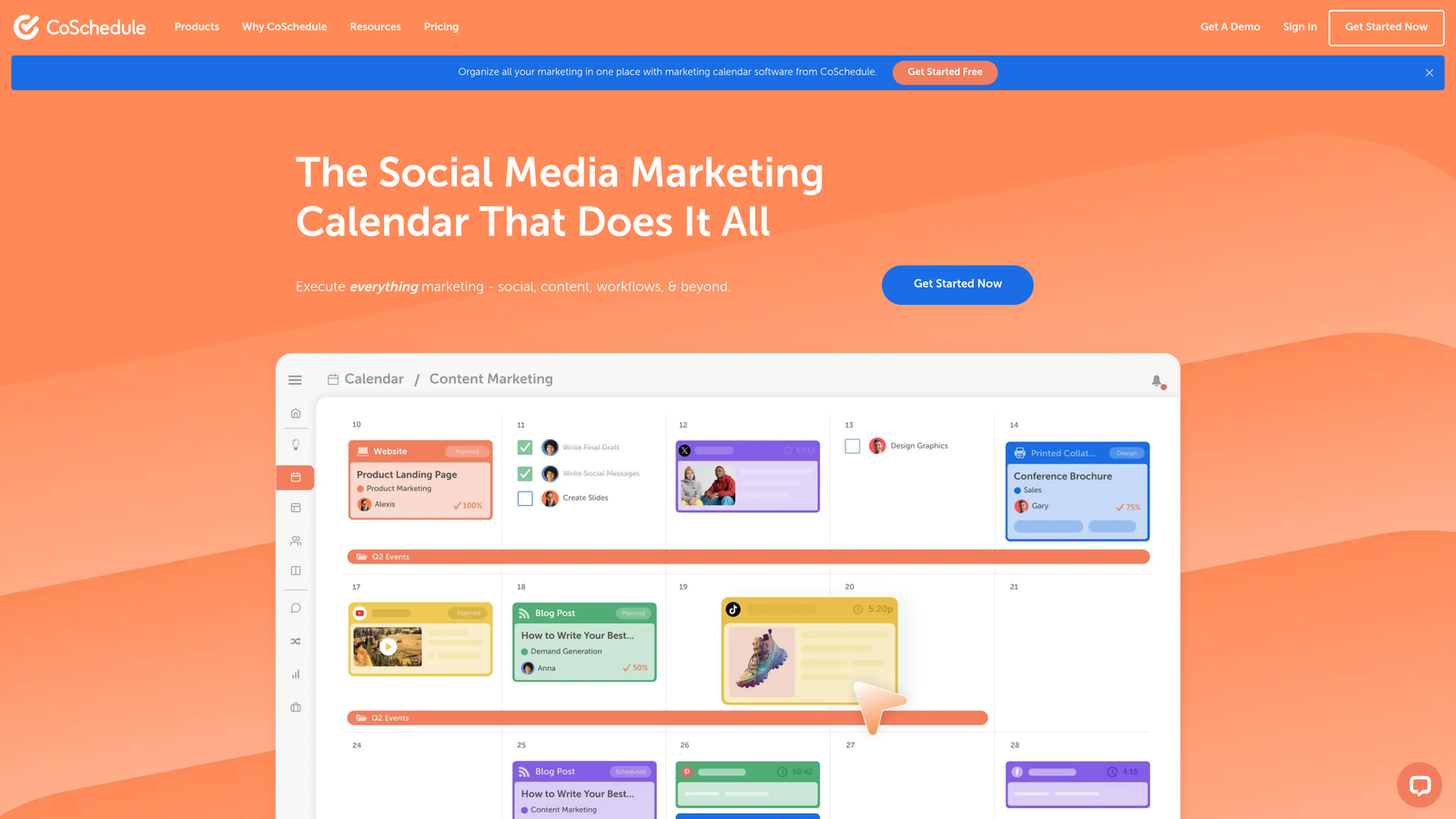
CoSchedule treats the marketing calendar as the central organizing principle, giving teams one view of everything happening across content, social media, email, and campaigns.
Where This Tool Shines
The unified calendar solves the chaos that happens when different team members schedule blog posts in one tool, social media in another, and email campaigns in a third. You're seeing conflicts before they happen—noticing when three major initiatives launch the same week or identifying gaps where nothing publishes for days.
Workflow management handles the reality of content production: drafts need reviews, stakeholders want approval rights, and nothing publishes until legal signs off. CoSchedule builds those approval chains directly into the calendar rather than forcing teams to manage them through email threads.
Key Features
Marketing Calendar: Centralized view of all content, campaigns, and marketing activities with drag-and-drop scheduling.
Social Media Automation: Schedule posts across platforms with best-time recommendations and bulk upload capabilities.
Approval Workflows: Define review chains and approval requirements that prevent premature publishing.
Headline Analyzer: Score headlines for emotional impact, word balance, and search optimization before publishing.
Team Collaboration: Assign tasks, set deadlines, and communicate within projects rather than scattering discussions across email.
Best For
Marketing teams of 5+ people managing multiple content types where coordination and approval processes matter more than advanced analytics or AI features.
Pricing
Free calendar with basic features. Pro at $29/user/month. Marketing Suite requires custom pricing based on team size and feature needs.
6. Jasper
Best for: Content teams prioritizing AI-generated drafts and high-volume content production
Jasper focuses specifically on using AI to generate marketing copy, blog posts, and creative content at scale, positioning itself as a writing assistant rather than a full content management platform.

Where This Tool Shines
The template library covers specific marketing use cases: product descriptions, ad copy, email subject lines, blog outlines. You're not starting from a blank prompt—you're selecting the format you need and filling in key details. The AI generates options based on proven copywriting frameworks.
Brand voice customization learns how your company communicates, then applies that style consistently across everything generated. Teams producing dozens of blog posts monthly appreciate the speed, though human editing remains essential for accuracy and strategic positioning.
Key Features
Long-Form Content Generation: Create blog posts, articles, and guides with AI assistance that maintains context across thousands of words.
Brand Voice Training: Upload existing content to teach Jasper your company's tone, terminology, and communication style.
Template Library: Pre-built frameworks for ads, emails, social posts, product descriptions, and other common marketing formats.
Chrome Extension: Generate content directly in Google Docs, Gmail, or any web-based editor without switching tools.
Team Workspaces: Collaborate on content with shared brand voices, templates, and approval workflows for larger teams.
Best For
Content teams needing first drafts quickly, particularly for repetitive formats like product descriptions or social media posts. Less valuable for technical content requiring deep subject matter expertise.
Pricing
Creator at $49/month for individual users. Pro at $69/month with additional features. Business tier requires custom pricing for teams with advanced collaboration needs.
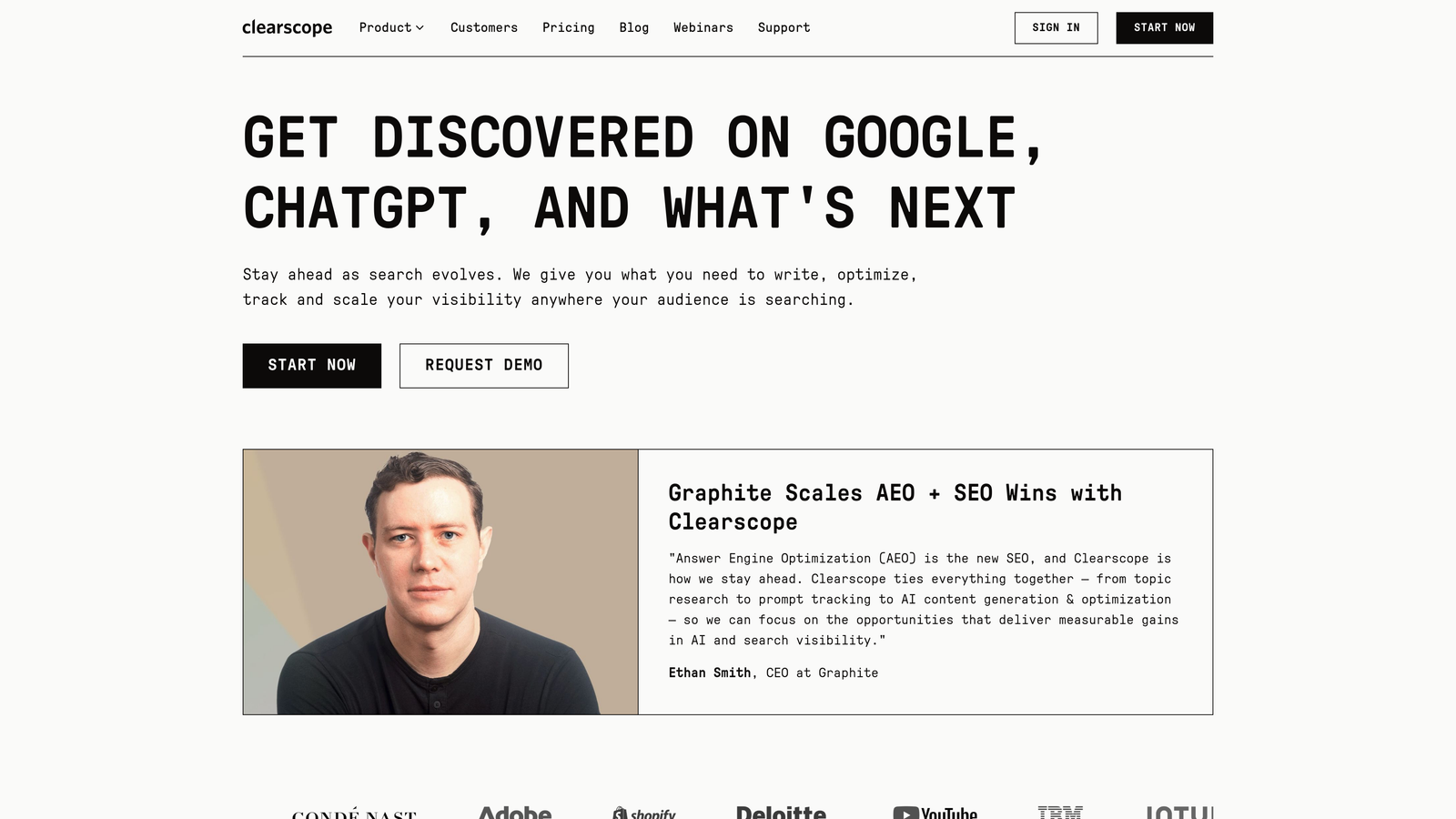
7. Clearscope
Best for: Content teams optimizing specifically for search rankings through competitive content analysis
Clearscope analyzes top-ranking content for any keyword, then provides detailed recommendations for matching or exceeding competitor quality in search results.
Where This Tool Shines
The content grading system removes guesswork from optimization. You're seeing exactly which topics, keywords, and semantic terms appear in top-ranking content, with a real-time score showing how your draft compares. The integration with Google Docs and WordPress means you're optimizing as you write rather than making changes after drafts are complete.
Competitive analysis goes beyond simple keyword density. Clearscope identifies related concepts and questions that comprehensive content should address, helping you create articles that genuinely answer user intent rather than just stuffing keywords.
Key Features
AI Content Grading: Real-time scoring that compares your content against top-ranking competitors with specific improvement recommendations.
Competitive Analysis: Detailed breakdown of what makes competitor content rank, including topics covered, content depth, and readability.
Keyword Recommendations: Identify related terms and semantic keywords that strengthen topical relevance without keyword stuffing.
Google Docs Integration: Optimize content directly in Docs with live scoring and suggestions visible as you write.
Content Inventory: Track optimization status across all content with reporting on which pieces need updates or improvements.
Best For
SEO-focused content teams where search rankings directly impact business results. The pricing reflects a tool built for teams producing high-value content rather than high volume.
Pricing
Essentials at $170/month for small teams. Business at $1,200/month for larger operations. Enterprise requires custom pricing based on content volume and team size.
8. Notion
Best for: Small teams wanting flexible content planning without specialized marketing software costs
Notion provides a customizable workspace that teams adapt for content calendars, editorial planning, and collaboration—though it wasn't built specifically for marketing.
Where This Tool Shines
The flexibility means you're not locked into someone else's assumptions about how content workflows should operate. Build databases that track exactly the fields you care about, create calendar views that show what matters to your team, and link related content however makes sense for your process.
Many small teams appreciate avoiding the complexity and cost of dedicated marketing platforms when they primarily need organization and collaboration rather than advanced automation or analytics. The learning curve exists, but the payoff is a system that works exactly how you need.
Key Features
Custom Databases: Create content calendars, editorial trackers, and project management systems tailored to your specific workflow needs.
Editorial Calendar Views: Switch between calendar, kanban, table, and gallery views of the same content data depending on what you need to see.
Team Collaboration: Comment on specific content blocks, assign tasks, and track changes with full revision history.
AI Writing Assistant: Optional add-on that provides AI-powered writing help, though less specialized than dedicated content platforms.
Integration Ecosystem: Connect with 50+ tools including Slack, Google Drive, and Figma to centralize work across platforms.
Best For
Startups and small teams (under 10 people) managing straightforward content workflows who value flexibility and cost savings over specialized marketing features.
Pricing
Free for individuals with unlimited pages and blocks. Plus at $10/user/month. Business at $18/user/month with advanced admin and security features.
9. WordPress with Yoast SEO
Best for: Teams wanting full content ownership and control with minimal ongoing software costs
WordPress remains the most widely used content management system, particularly when combined with Yoast SEO for optimization guidance and technical SEO implementation.
Where This Tool Shines
You own everything completely. The content lives on your server, in your database, with no vendor controlling access or charging based on usage. The plugin ecosystem means you can add virtually any functionality you need—from advanced analytics to membership systems to e-commerce—without switching platforms.
Yoast SEO brings professional optimization features to the free WordPress foundation. You're getting readability analysis, keyword optimization, schema markup, and XML sitemaps without the recurring costs of SaaS platforms. The Premium version adds advanced features for $99/year—still dramatically cheaper than most alternatives.
Key Features
Complete Content Control: Full ownership of content, data, and infrastructure with no platform lock-in or usage restrictions.
Extensive Plugin Ecosystem: Over 60,000 plugins covering everything from SEO to security to advanced functionality.
SEO Analysis: Yoast provides real-time optimization suggestions, readability scoring, and technical SEO implementation.
Schema Markup: Automatic structured data implementation that helps search engines understand your content better.
Community Support: Massive user base means extensive documentation, tutorials, and community forums for troubleshooting.
Best For
Companies with technical resources who prioritize content ownership and long-term cost control over managed platform convenience. Also ideal for agencies managing multiple client sites.
Pricing
WordPress core is free and open-source. Hosting costs vary ($5-$100+/month depending on traffic and performance needs). Yoast SEO offers free version with core features or Premium at $99/year per site.
Finding Your Right Fit
The pricing landscape breaks into three distinct tiers, each serving different team needs and growth stages.
Budget-conscious teams under $100/month should look at WordPress with Yoast SEO for full content control, Notion for flexible planning, or HubSpot's free tier if CRM integration matters. These options provide genuine functionality without recurring software costs eating into marketing budgets.
Mid-market teams spending $200-$1,000/month typically need specialized capabilities beyond basic publishing. Sight AI delivers AI visibility tracking combined with content generation and indexing—three functions most teams otherwise handle with separate subscriptions. CoSchedule makes sense when coordination across multiple channels creates workflow bottlenecks. Semrush Content Marketing Platform fits teams where SEO drives strategy and keyword research directly informs content production.
Enterprise operations above $1,000/month are usually paying for scale, advanced automation, or multi-channel complexity. Contentful serves companies publishing across numerous digital touchpoints from one content source. HubSpot Marketing Hub at Professional or Enterprise tiers connects content directly to revenue attribution. Clearscope justifies its pricing when search rankings translate to significant business impact.
The real cost consideration goes beyond monthly fees. Implementation time, training requirements, and integration complexity add hidden expenses. Platforms requiring developer resources (like Contentful) may have lower software costs but higher total ownership expenses. All-in-one solutions like Sight AI reduce integration complexity by handling multiple functions natively rather than requiring teams to connect separate tools.
Consider your primary content goal when evaluating options. If you're focused on understanding how AI platforms mention your brand while simultaneously producing optimized content, you need visibility tracking and content generation working together. If you're managing complex approval workflows across distributed teams, calendar and collaboration features matter more than AI capabilities. If search rankings drive revenue, optimization tools justify premium pricing through measurable ROI.
Most teams benefit from starting with clear requirements: How many people need access? What channels require content? Do you need AI features or just solid fundamentals? Does your workflow require approval chains? The answers determine whether you need enterprise complexity or whether simpler tools deliver better value.
Start tracking your AI visibility today and see exactly where your brand appears across top AI platforms—while generating the SEO/GEO-optimized content that helps you earn more mentions. Stop guessing how ChatGPT and Claude talk about your brand and get visibility into every mention, uncover content opportunities, and automate your path to organic traffic growth.