Publish a great piece of content and watch it sit invisible for days. Sound familiar? For marketers, founders, and agencies betting on organic traffic, slow indexing is more than a technical inconvenience — it's lost momentum, lost rankings, and lost revenue.
Modern content indexing software has evolved well beyond submitting an XML sitemap and hoping for the best. Today's leading platforms combine technical indexing acceleration, AI visibility tracking, and content generation capabilities — because getting discovered by Google is only half the battle when AI models like ChatGPT, Claude, and Perplexity are increasingly where your audience is finding answers.
This comparison covers the top content indexing and AI visibility platforms available in 2026, evaluated on indexing speed, AI search coverage, content generation capabilities, and ease of use. Whether you're a solo founder managing your own site or an agency running content at scale, here are the top tools worth knowing.
1. Sight AI
Best for: Teams that want indexing, AI visibility tracking, and content generation in one platform.
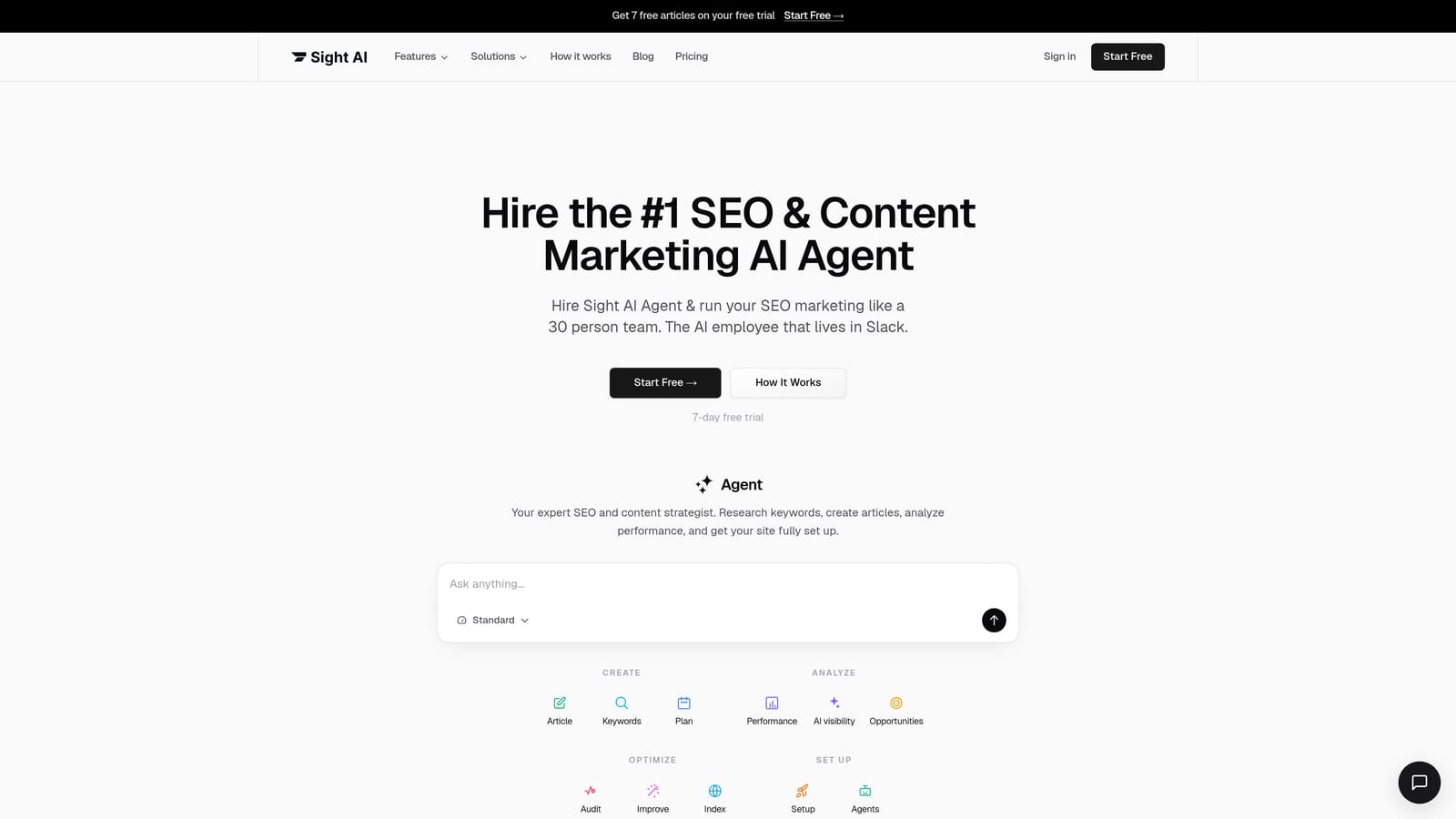
Sight AI is an all-in-one platform that covers every stage of the content discovery pipeline: from generating SEO and GEO-optimized content, to getting it indexed fast, to monitoring how AI models represent your brand across six or more platforms.
Where This Tool Shines
Most tools in this space solve one piece of the puzzle. Sight AI is built around the idea that indexing, visibility, and content creation are interconnected problems that deserve a unified solution. If your content isn't optimized for AI-generated responses, it won't get cited. If it isn't indexed quickly, it won't rank. Sight AI addresses all three layers simultaneously.
The platform's Autopilot Mode is particularly valuable for agencies and growth teams. Once your content workflows are configured, the system handles generation, optimization, and publishing without requiring constant manual intervention — making it easier to maintain consistent output without expanding headcount.
Key Features
AI Visibility Score: Tracks how your brand is mentioned across ChatGPT, Claude, Perplexity, and three or more additional AI platforms, giving you a consolidated view of your AI search presence.
Sentiment Analysis and Prompt Tracking: Goes beyond raw mention counts to analyze the tone and context of AI model responses about your brand, so you understand not just if you're being mentioned, but how.
13+ Specialized AI Agents: The content writer deploys more than thirteen purpose-built agents to produce listicles, guides, and explainers optimized for both traditional SEO and generative engine optimization (GEO).
IndexNow Integration and Automated Sitemap Updates: Automatically notifies search engines of new or updated content via IndexNow, accelerating the discovery process without manual submission.
CMS Auto-Publishing with Autopilot Mode: Connects content generation directly to your publishing workflow, enabling hands-off content operations at scale.
Best For
Sight AI is the strongest fit for in-house marketing teams, growth-focused founders, and digital agencies that need to manage content creation, technical indexing, and AI visibility from a single dashboard. If you're currently juggling three or four separate tools to cover these functions, consolidating onto Sight AI can meaningfully simplify your stack.
Pricing
Sight AI offers tiered SaaS plans. Visit trysight.ai for current pricing details, as plans and features are updated regularly.
2. Writesonic
Best for: High-volume content teams needing versatile AI writing across multiple formats.
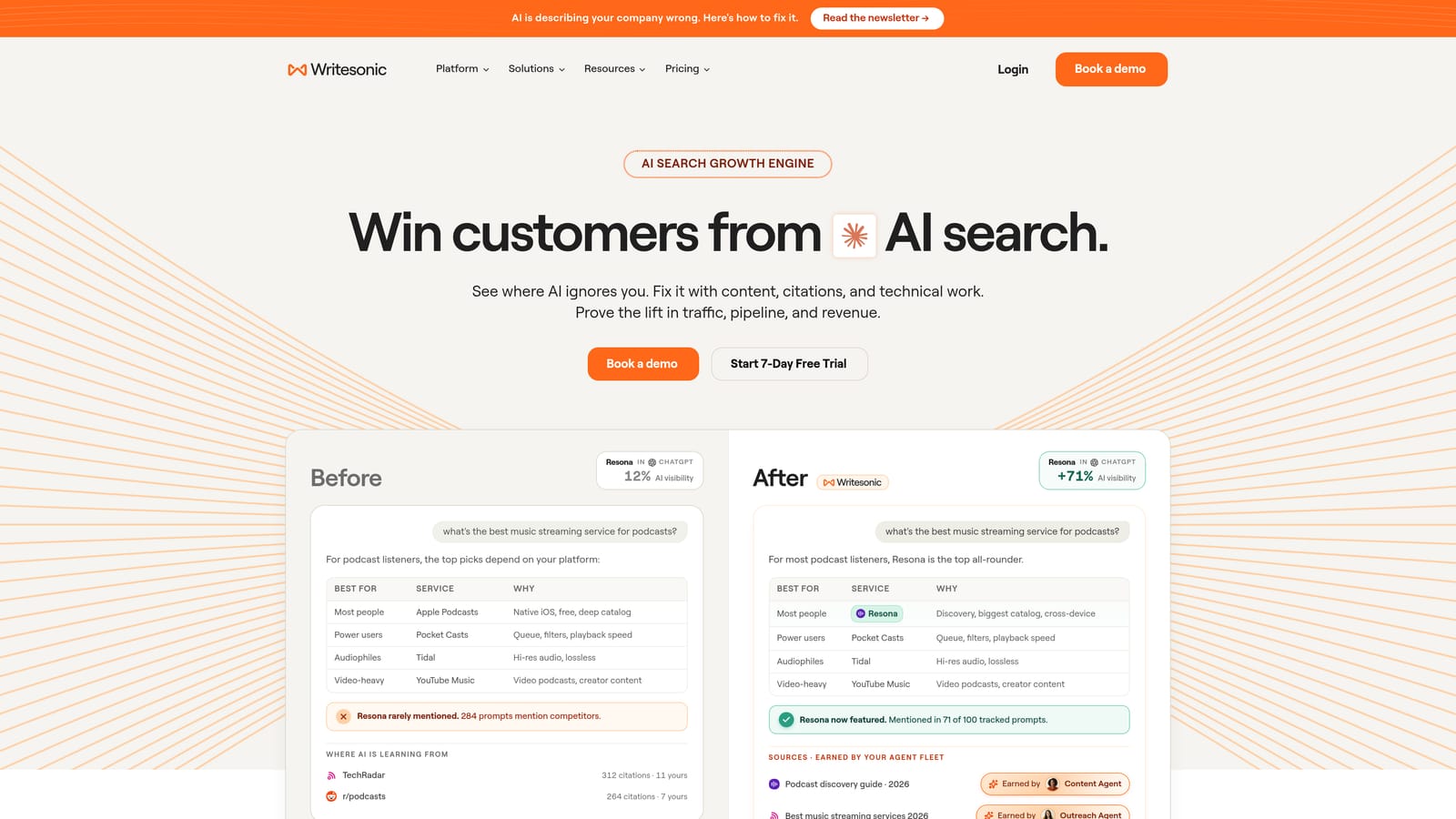
Writesonic is an established AI content generation platform with a broad suite of writing tools designed for marketers, bloggers, and content teams producing content at scale.
Where This Tool Shines
Writesonic's strength is the sheer breadth of content formats it supports. From long-form blog articles to ad copy, landing pages, and product descriptions, the platform covers a wide range of use cases under one roof. For teams that need to produce varied content types quickly, this versatility is a genuine advantage.
The Chatsonic conversational interface also makes it a useful research and ideation companion — you can use it to explore topics, generate outlines, or brainstorm angles before committing to a full draft. The SEO integrations help ensure that content produced within the platform is structured with search visibility in mind.
Key Features
AI Article Writer: Generates long-form content with structured outlines, headings, and SEO-aware formatting for blog posts and editorial content.
Chatsonic: A conversational AI interface for research, ideation, and drafting that functions as an interactive writing assistant.
SEO Integrations: Built-in connections to search optimization workflows help align content output with keyword and ranking goals.
Multi-Format Templates: Covers ads, landing pages, email copy, social posts, and more — useful for teams managing diverse content channels.
Team Collaboration Features: Supports shared workspaces and collaborative content workflows for distributed teams.
Best For
Writesonic suits content marketing teams and agencies that prioritize volume and format variety. It's worth noting that Writesonic does not natively offer technical indexing acceleration or AI visibility monitoring — it is primarily a content creation tool. Teams that need those capabilities will need to pair it with additional platforms.
Pricing
Writesonic offers a free tier for getting started, with paid plans at varying price points. Visit writesonic.com for current plan details.
3. AirOps
Best for: Agencies and growth teams building custom AI-powered content pipelines at scale.
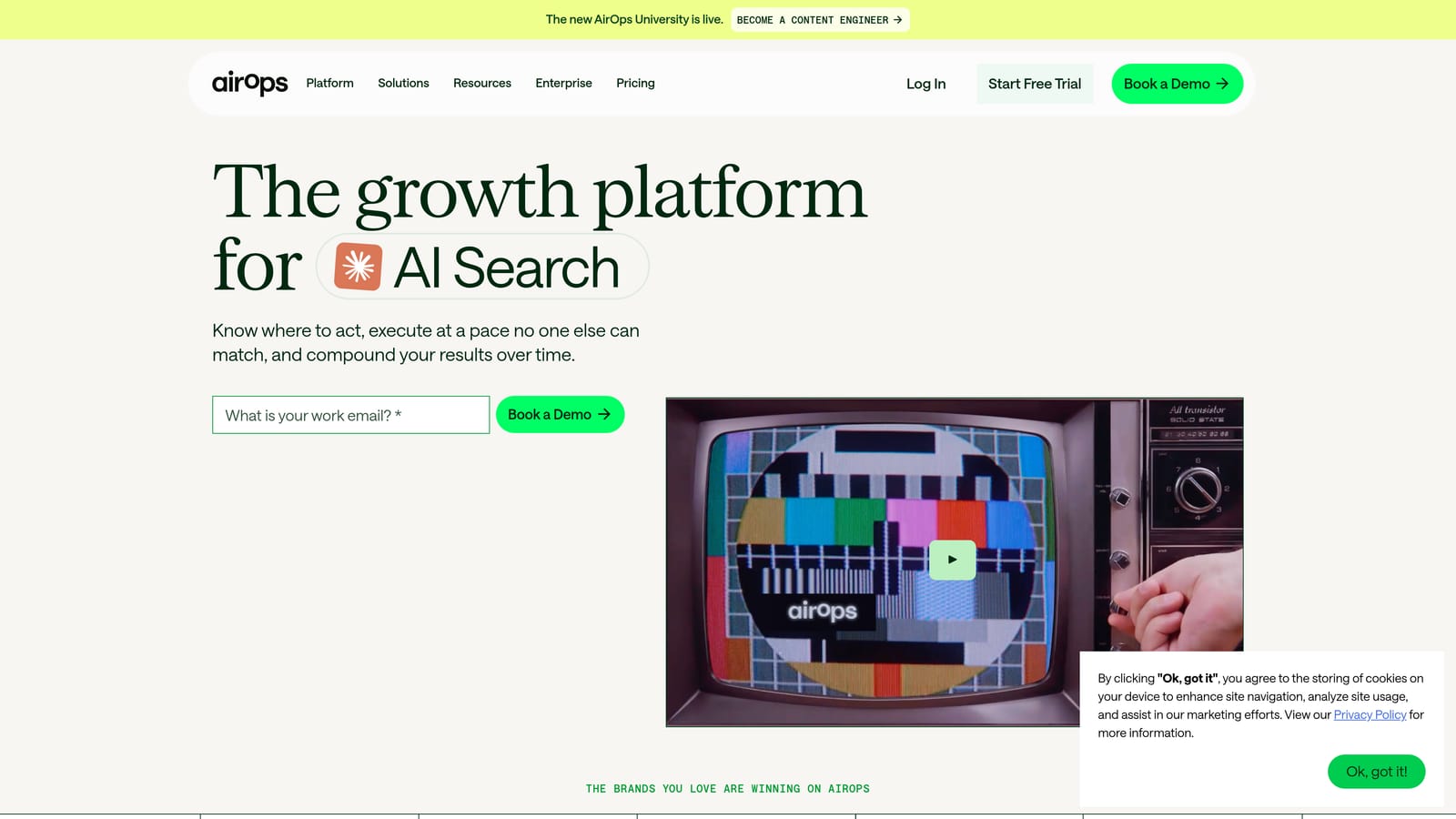
AirOps is an AI workflow automation platform that allows teams to design and run custom content operations by connecting large language models to internal data sources, briefs, and publishing systems.
Where This Tool Shines
AirOps is less of a plug-and-play writing tool and more of a content operations infrastructure layer. If your team has specific workflows — pulling from a product database, applying brand guidelines, transforming existing content, or routing drafts through approval steps — AirOps gives you the flexibility to build those pipelines with AI at the core.
For agencies running content production at scale, this level of customization can be transformative. Rather than adapting your workflow to fit a tool's limitations, AirOps lets you design the workflow and plug in the right models and data sources to power it.
Key Features
Custom AI Workflow Builder: A visual interface for designing multi-step content pipelines that connect LLMs, data inputs, and output destinations.
LLM-to-Data Connections: Bridges large language models to internal data sources, product feeds, and content briefs for contextually accurate output.
Bulk Content Generation: Supports high-volume content tasks, making it practical for programmatic SEO and large-scale content transformation projects.
CMS and Publishing Integrations: Connects to downstream publishing systems so content flows directly from generation to deployment.
Agency-Scale Architecture: Designed with the complexity of multi-client, multi-workflow content operations in mind.
Best For
AirOps is best suited for technical marketers, content operations leads, and agencies that need fine-grained control over AI-assisted content workflows. Teams looking for a simpler, more turnkey solution may find the setup investment steeper than alternatives.
Pricing
AirOps offers team-based plans. Visit airops.com for current pricing information.
4. Profound
Best for: Enterprise marketing teams tracking brand presence and share-of-voice in AI-generated answers.
Profound is an AI visibility analytics platform focused on helping brands understand how — and how often — they appear in responses generated by major AI models.

Where This Tool Shines
Profound approaches the AI visibility problem from an enterprise analytics angle. Rather than offering content creation or indexing tools, it focuses on giving brand and marketing teams a clear picture of their AI search presence relative to competitors. Think of it as share-of-voice measurement, reimagined for the generative AI era.
For large organizations where brand perception and competitive positioning are board-level concerns, Profound's reporting depth and dashboard capabilities make it a credible analytics layer. It helps teams understand which topics they own in AI-generated responses and where competitors are outperforming them.
Key Features
Brand Mention Tracking: Monitors how and when AI models reference your brand in generated responses across major platforms.
Share-of-Voice Analytics: Benchmarks your AI visibility against competitors, showing relative presence across categories and topics.
Topic and Category Coverage Analysis: Identifies which subject areas your brand owns in AI-generated content and where gaps exist.
Enterprise Dashboards and Reporting: Provides structured reporting suitable for executive stakeholders and cross-functional teams.
GEO Strategy Support: Helps teams build generative engine optimization strategies grounded in real AI model behavior data.
Best For
Profound is designed for enterprise marketing and brand teams with dedicated resources for analytics and strategy. Smaller teams or those looking for content generation and indexing capabilities alongside monitoring will need to supplement it with additional tools.
Pricing
Profound uses enterprise-oriented pricing. Visit profound.co for current plan details.
5. Peec
Best for: SMBs and agencies starting to measure their brand's performance in AI search results.
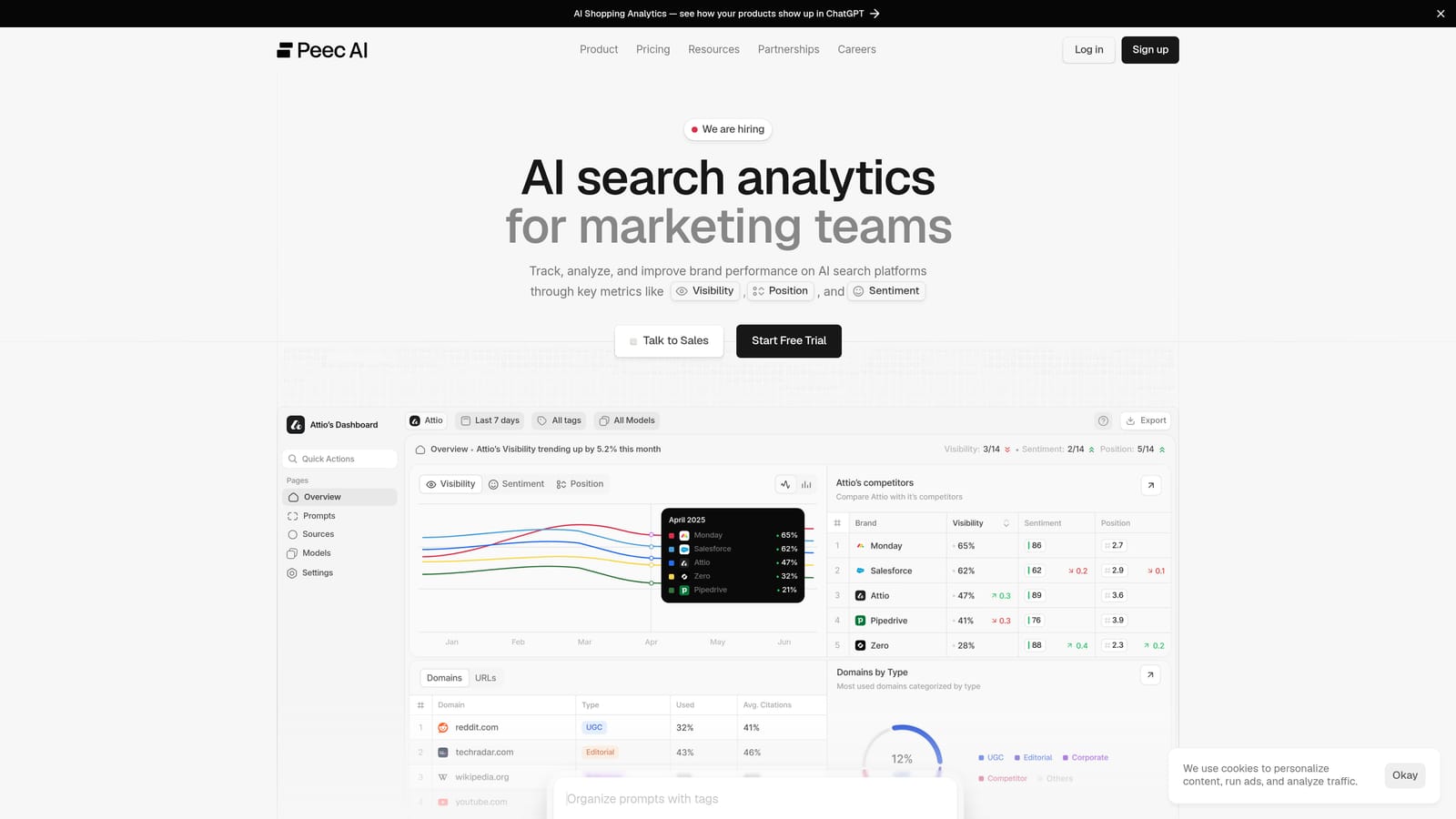
Peec is an AI visibility monitoring tool that tracks how brands appear in AI search results and generative engine outputs, with prompt-level insights designed to be accessible for teams without dedicated analytics resources.
Where This Tool Shines
Where enterprise platforms like Profound are built for large teams with complex reporting needs, Peec positions itself as a more accessible entry point into AI visibility monitoring. The interface is designed to reduce the learning curve, making it practical for smaller marketing teams or agencies that are just beginning to incorporate GEO into their strategy.
The prompt-level tracking is a useful feature for teams that want to understand exactly which queries trigger brand mentions in AI responses. This granularity helps prioritize content and optimization efforts around the prompts that actually matter for your category.
Key Features
Brand Mention Monitoring: Tracks where and how your brand surfaces in AI-generated search results across generative engine outputs.
Prompt-Level Tracking: Provides insight into which specific prompts and queries produce brand mentions in AI model responses.
Competitive Visibility Comparisons: Shows how your AI visibility stacks up against named competitors across relevant queries.
Accessible Interface: Designed for teams without deep technical or analytics expertise, lowering the barrier to getting started with GEO measurement.
GEO Performance Baseline Reporting: Establishes a baseline of AI visibility performance to track progress over time.
Best For
Peec is well-suited for SMBs, boutique agencies, and early-stage teams that want to begin tracking AI visibility without committing to enterprise-level tooling. Like Profound, it is a monitoring and analytics platform — not a content generation or indexing tool.
Pricing
Visit peec.ai for current pricing details.
6. Promptwatch
Best for: SEO professionals and GEO practitioners who need granular prompt-level monitoring of AI model outputs.
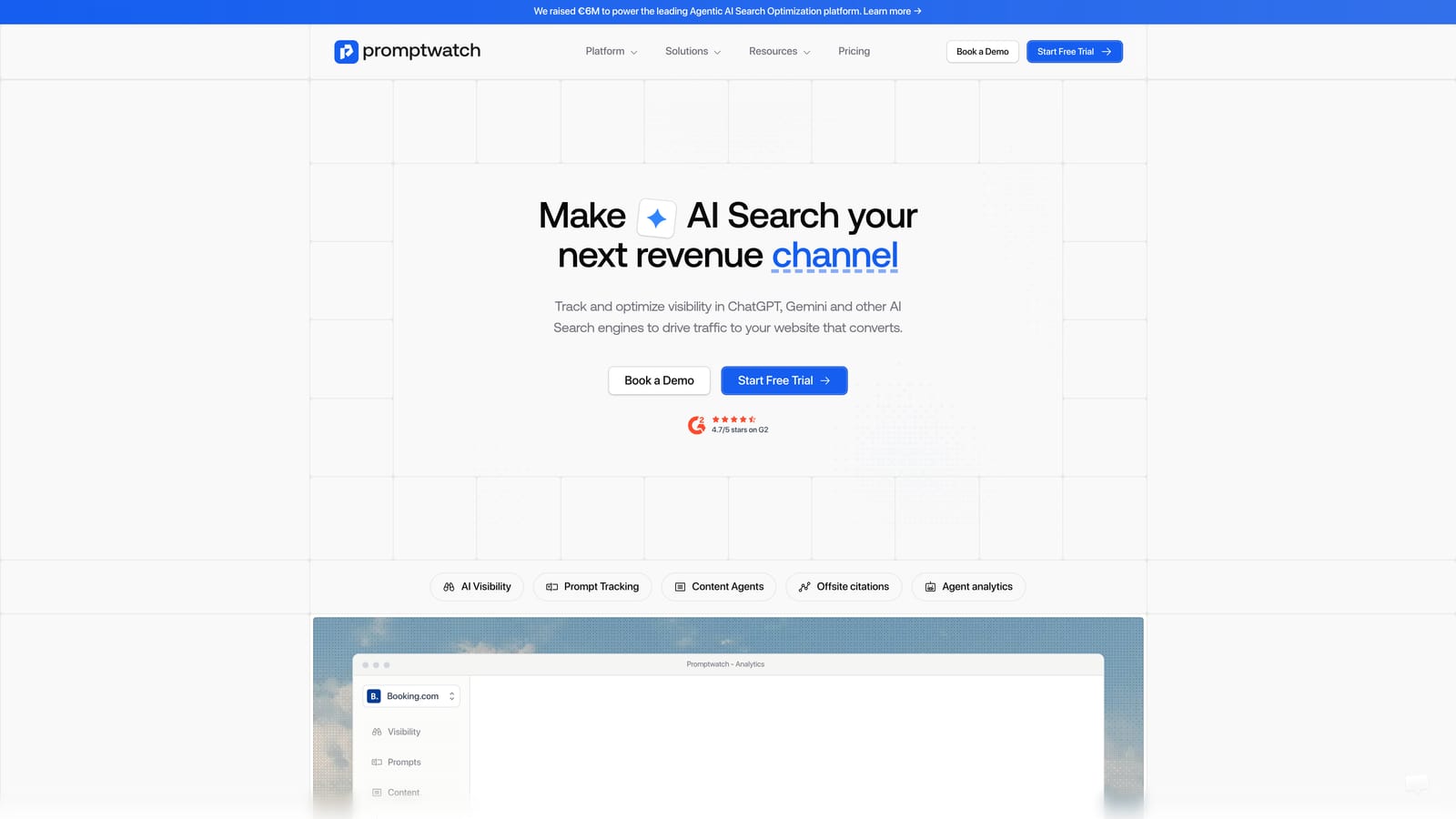
Promptwatch is a prompt-tracking platform that monitors how AI language models respond to brand-related and category-level queries, with a focus on giving SEO professionals the insights they need to optimize for generative engine results.
Where This Tool Shines
Promptwatch sits at the intersection of traditional SEO thinking and the emerging discipline of generative engine optimization. Its core value proposition is helping practitioners understand how AI model responses change over time — which is a genuinely important question as models are updated, retrained, and adjusted with increasing frequency.
For SEO professionals making the transition into GEO, Promptwatch offers a familiar mental model: instead of tracking keyword rankings, you track prompt responses. This makes it a relatively intuitive tool for practitioners who already understand the logic of monitoring search visibility, but want to extend that monitoring into AI-generated results.
Key Features
Prompt-Centric Brand Monitoring: Tracks AI model outputs for specific brand-related and category-level prompts, giving you a direct view of how your brand is represented in generative responses.
Response Change Tracking: Monitors how AI model answers evolve over time, helping teams detect shifts in brand representation or competitive positioning.
Category and Competitor Prompt Analysis: Analyzes how competitors appear in AI responses for shared category queries, supporting competitive GEO strategy.
SEO-to-GEO Transition Design: Built with the workflows of SEO professionals in mind, making it approachable for teams expanding their measurement into generative search.
Prompt Library Management: Lightweight tools for organizing and managing the prompt sets used in ongoing monitoring campaigns.
Best For
Promptwatch is best suited for SEO practitioners, content strategists, and digital marketing consultants who want to add AI response monitoring to their existing analytics toolkit. It is a specialized monitoring tool and does not include content generation or technical indexing capabilities.
Pricing
Visit promptwatch.io for current pricing details.
Which Tool Is Right for Your Workflow?
The right choice depends on where your biggest bottleneck actually lives. Here's a quick way to think through it.
If you need a single platform that handles content creation, technical indexing, and AI visibility tracking without stitching together multiple tools, Sight AI is the clear standout. It's the only platform in this comparison that covers all three pillars — and its Autopilot Mode makes it particularly well-suited for agencies and growth teams managing content at scale.
If your primary need is high-volume content production across diverse formats, Writesonic is a capable and established option — just be prepared to add separate tooling for indexing and AI visibility. If you need custom AI-powered content pipelines with deep workflow flexibility, AirOps gives you the infrastructure to build exactly that.
For teams focused specifically on AI visibility analytics, the choice comes down to scale. Profound is built for enterprise teams that need deep reporting and competitive share-of-voice data. Peec offers a more accessible entry point for SMBs and agencies just beginning to measure GEO performance. And Promptwatch serves SEO practitioners who want granular, prompt-level monitoring as they expand into generative engine optimization.
The broader trend is clear: content that isn't indexed quickly and isn't optimized for AI-generated responses is increasingly invisible to a growing share of your potential audience. The tools in this comparison help you close that gap — each from a different angle.
Stop guessing how AI models like ChatGPT and Claude talk about your brand. Start tracking your AI visibility today and see exactly where your brand appears across top AI platforms — alongside the indexing and content tools to do something about it.