Publishing content at scale creates a problem most teams underestimate: getting all of it discovered quickly. Search engines don't crawl every page the moment it goes live. For large sites with thousands of URLs, crawl budget constraints mean freshly published or updated pages can sit invisible for days or even weeks, costing you rankings and traffic you've already earned.
The good news is that the tooling around bulk indexing has matured significantly. Between direct submission APIs, the open IndexNow protocol, and platforms that automate the entire workflow, there are now solid options for every type of team and content operation.
This list covers the top bulk content indexing tools available in 2026, selected based on search engine coverage, IndexNow support, automation depth, and reporting quality. It spans everything from all-in-one SEO platforms to dedicated indexing APIs and WordPress plugins. If you want deeper context on why indexing speed matters for organic growth, check out Sight AI's resources on AI-powered content and indexing automation.
1. Sight AI
Best for: Teams that want indexing automation, AI content generation, and AI visibility tracking in one platform.
Sight AI is an all-in-one AI-powered SEO and content platform that combines bulk indexing automation with content generation and brand monitoring across AI models.

Where This Tool Shines
Most indexing tools solve one piece of the puzzle. Sight AI connects the entire content pipeline: generate SEO and GEO-optimized content using 13+ specialized AI agents, publish it automatically via CMS integrations, and trigger IndexNow pings the moment content goes live. There's no manual submission step sitting between your publish button and search engine discovery.
What makes Sight AI genuinely different is the AI visibility layer. Beyond indexing, it tracks how AI models like ChatGPT, Claude, and Perplexity mention your brand, giving you an AI Visibility Score with sentiment analysis and prompt tracking across six or more AI platforms. For teams optimizing for both traditional search and AI-driven discovery, this is a meaningful advantage.
Key Features
IndexNow Integration: Automatically pings participating search engines the moment content is published, eliminating the crawl wait.
Automated Sitemap Updates: Keeps your sitemap current without manual intervention, so search engines always have an accurate map of your content.
CMS Auto-Publishing: Removes manual submission workflows entirely by connecting content generation directly to publication and indexing.
13+ AI Agents for Content at Scale: Generates listicles, guides, and explainers optimized for both SEO and generative engine optimization (GEO).
AI Visibility Score: Tracks brand mentions across ChatGPT, Claude, Perplexity, and other AI platforms with sentiment and prompt-level analysis.
Best For
Marketers, founders, and agencies running high-volume content operations who want indexing automation bundled with content generation and AI brand monitoring. Particularly valuable for teams investing in GEO alongside traditional SEO.
Pricing
Paid plans are available. Visit trysight.ai for current pricing tiers and plan details.
2. Google Search Console
Best for: Managing and monitoring Google-specific indexing at the URL level.
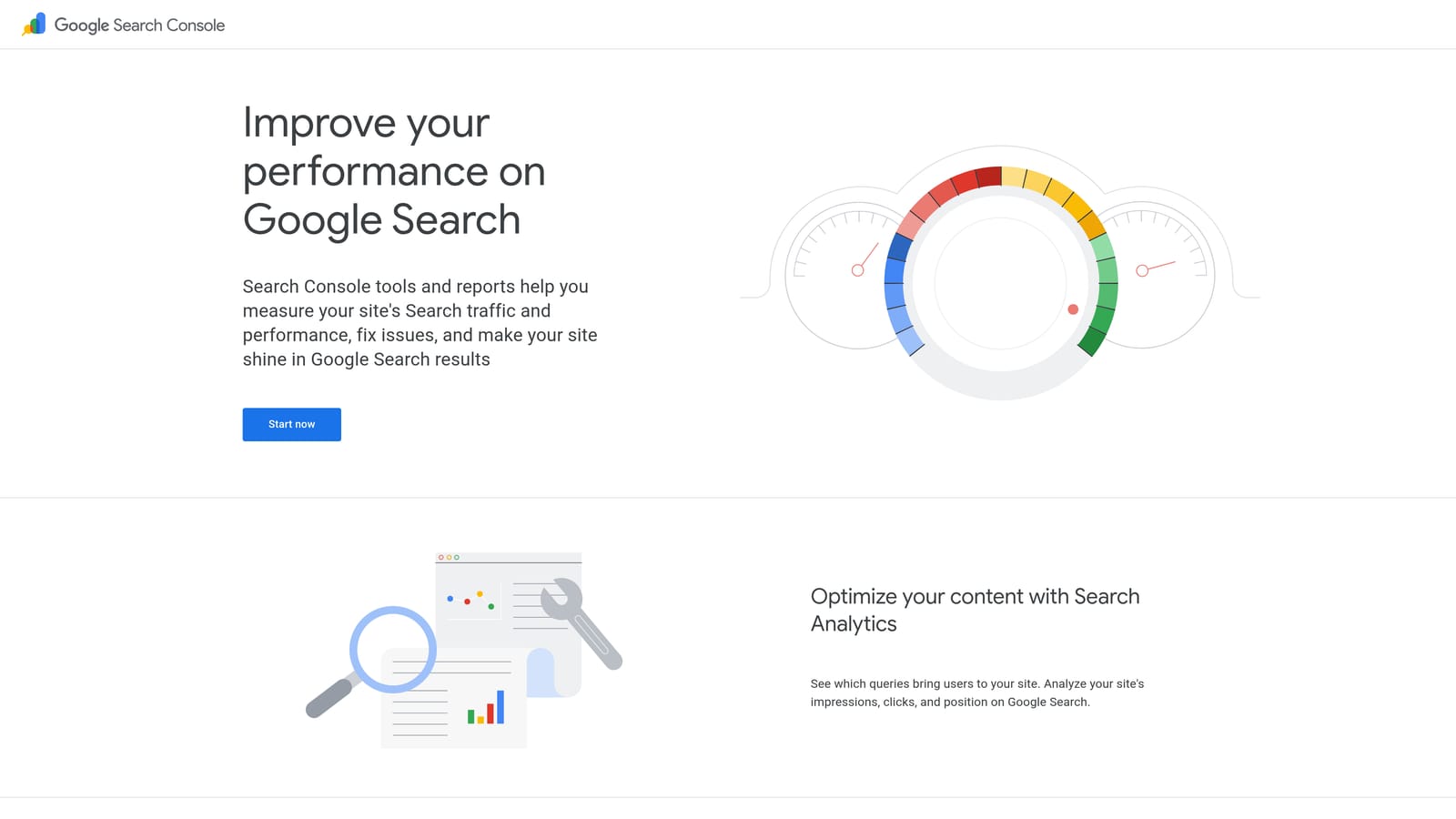
Google Search Console is Google's free official platform for monitoring your site's presence in Google Search and submitting URLs for indexing review.
Where This Tool Shines
Google Search Console is the authoritative source for understanding how Google sees your site. The URL Inspection tool lets you request indexing for individual pages and, via the API, allows programmatic requests at scale. The Index Coverage report surfaces crawl errors, excluded pages, and indexability blockers across your entire property in one view.
It's worth noting that Google's Indexing API is technically scoped to specific structured content types like JobPosting and BroadcastEvent. For general bulk submission, the URL Inspection API is the practical route, though quota limits apply based on your site's verification status and authority.
Key Features
URL Inspection Tool: Allows individual and programmatic indexing requests directly through Google's systems.
Index Coverage Report: Identifies crawl errors, noindex issues, and excluded pages across your full site inventory.
Sitemap Submission Dashboard: Submit and monitor XML sitemaps with status reporting on discovered and indexed URLs.
Core Web Vitals and Crawl Stats: Provides performance and crawl frequency data to diagnose indexing bottlenecks.
Best For
Any team managing a Google-indexed property. It's non-negotiable as part of a technical SEO stack, though it works best as a monitoring and diagnostic layer rather than a standalone bulk submission solution.
Pricing
Free.
3. IndexNow (Protocol and API)
Best for: Developers and platform builders who want to notify multiple search engines with a single API call.
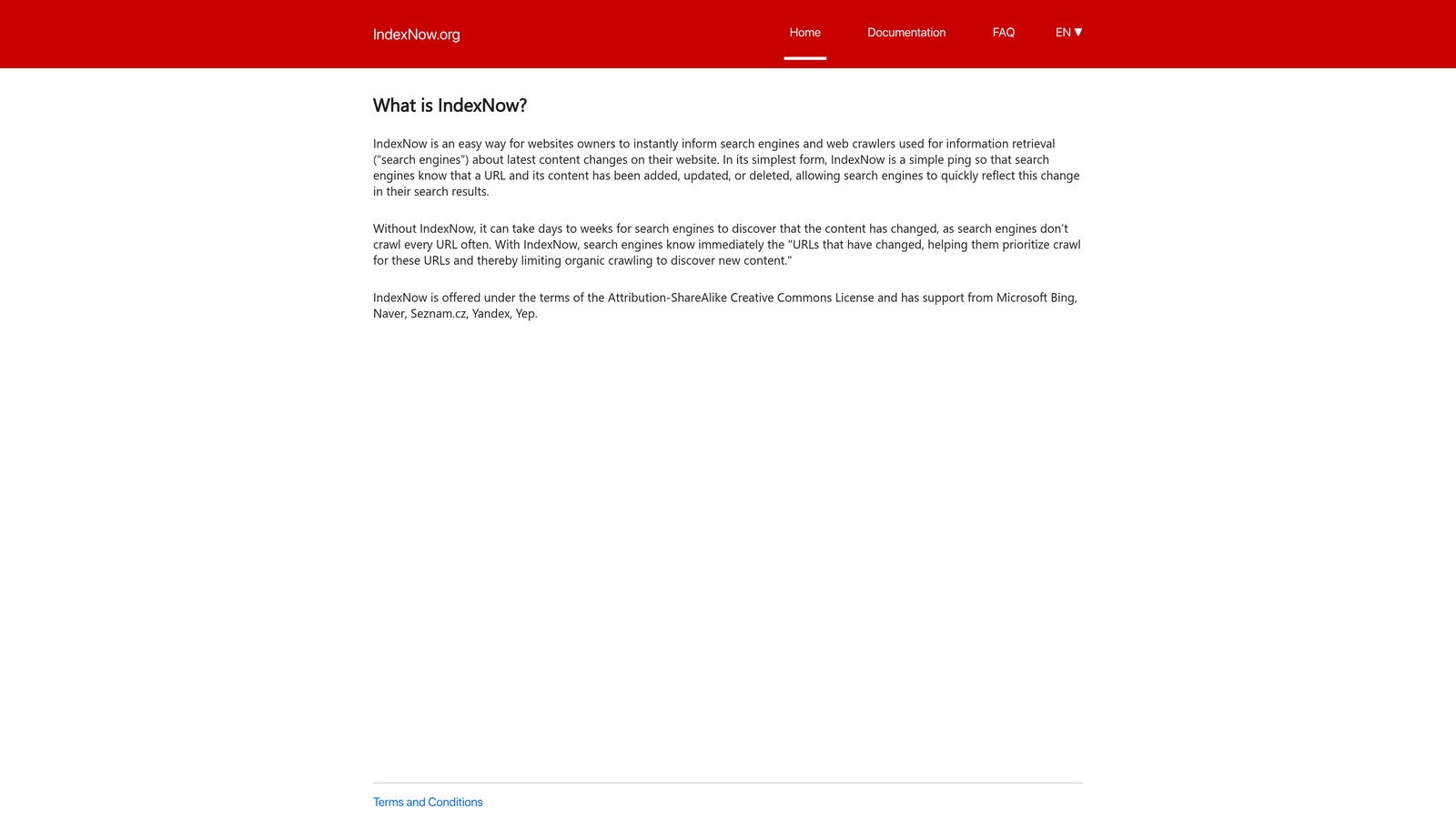
IndexNow is an open indexing protocol co-developed by Microsoft, Yandex, and others that lets publishers notify multiple participating search engines of new or updated URLs simultaneously.
Where This Tool Shines
The elegance of IndexNow is its simplicity. One API ping to any participating endpoint notifies Bing, Yandex, Seznam, and other protocol members at once. For high-volume publishers pushing out dozens or hundreds of URLs daily, this eliminates the need to manage separate submission workflows for each search engine.
It's important to note that Google does not natively participate in IndexNow. Google uses its own systems for crawl prioritization. IndexNow is most impactful for Bing-ecosystem visibility, which is increasingly relevant as AI-powered search surfaces like Microsoft Copilot draw on Bing's index.
Key Features
Multi-Engine Notification: A single API call reaches Bing, Yandex, Seznam, and other participating engines simultaneously.
Bulk URL Submission: Supports submitting multiple URLs in a single request, making it efficient for large content operations.
No Account or Quota Restrictions: The protocol itself is free and open with no submission caps imposed by IndexNow.
Wide CMS and Platform Support: Natively supported by Bing Webmaster Tools, Rank Math, Yoast, and many other SEO platforms.
Best For
Development teams integrating indexing into custom publishing pipelines, and any team using CMS plugins that support IndexNow natively. Essential for anyone prioritizing Bing and AI-adjacent search discovery.
Pricing
Free and open protocol. No cost to implement.
4. Bing Webmaster Tools
Best for: Bulk URL submission and crawl diagnostics specifically for Bing's search index.
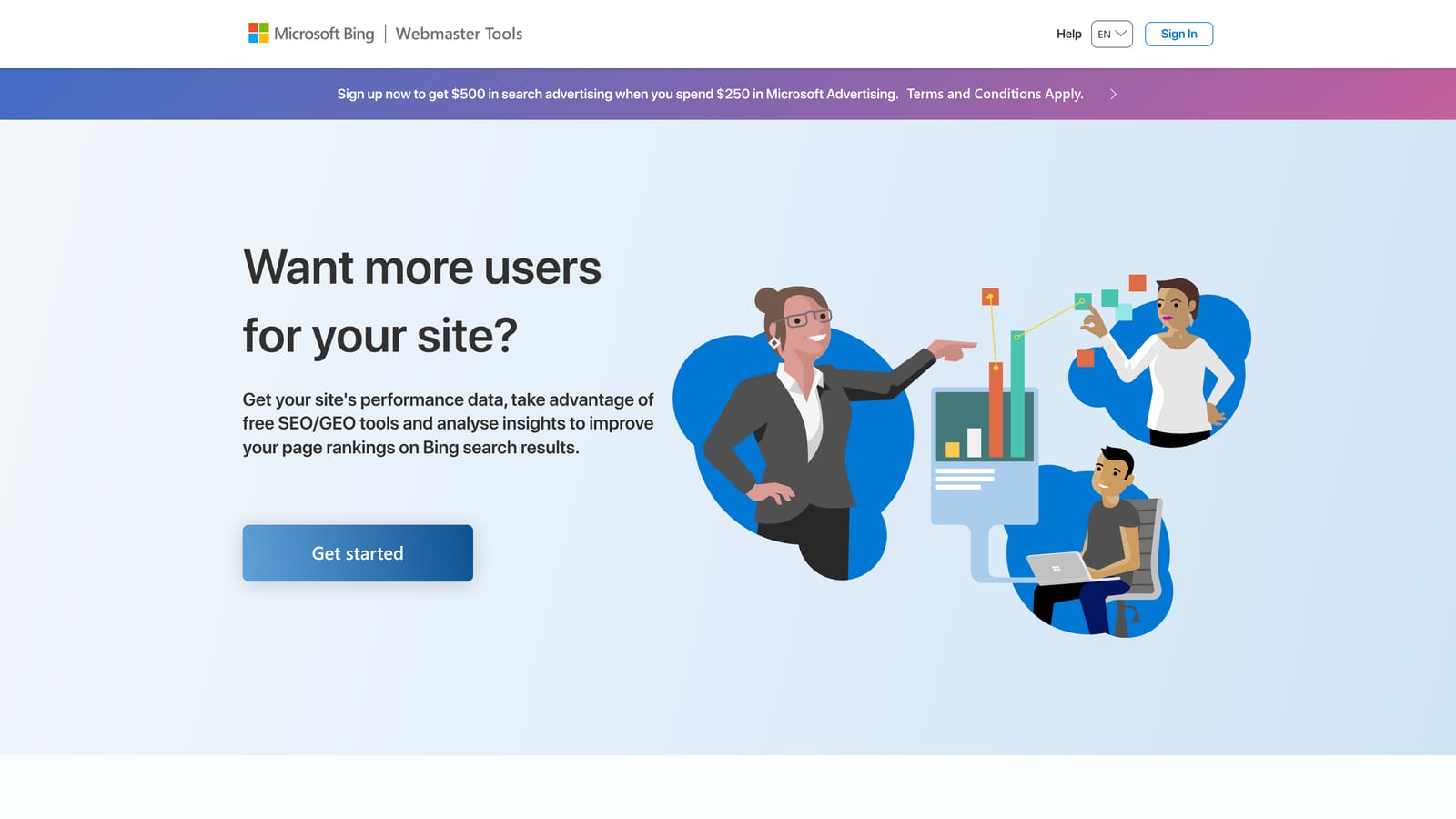
Bing Webmaster Tools is Microsoft's free webmaster platform offering bulk URL submission, native IndexNow support, and site diagnostics for Bing indexing.
Where This Tool Shines
Bing Webmaster Tools is consistently underutilized by SEO teams focused exclusively on Google. That's a missed opportunity, particularly as Microsoft's AI-powered search experiences pull from Bing's index. The platform supports bulk URL submission via API at up to 10,000 URLs per day, which is genuinely useful for large-scale content operations.
The native IndexNow integration means that when you ping IndexNow, Bing receives that signal automatically. The site scan and SEO report features also help surface indexability issues specific to Bing's crawling behavior, which can differ from Google's.
Key Features
Bulk URL Submission API: Supports submitting up to 10,000 URLs per day programmatically.
Native IndexNow Integration: Receives real-time URL notifications through the IndexNow protocol without additional configuration.
Site Scan and SEO Reports: Flags indexability issues, broken links, and crawl blocks specific to Bing's crawler.
Keyword Research and Backlink Data: Provides supplementary SEO intelligence beyond indexing workflows.
Best For
Any team that wants comprehensive search engine coverage beyond Google. Especially relevant for publishers targeting audiences using Bing or Microsoft's AI search products.
Pricing
Free.
5. Screaming Frog SEO Spider
Best for: Technical SEOs auditing large sites for indexability blockers before bulk submission.
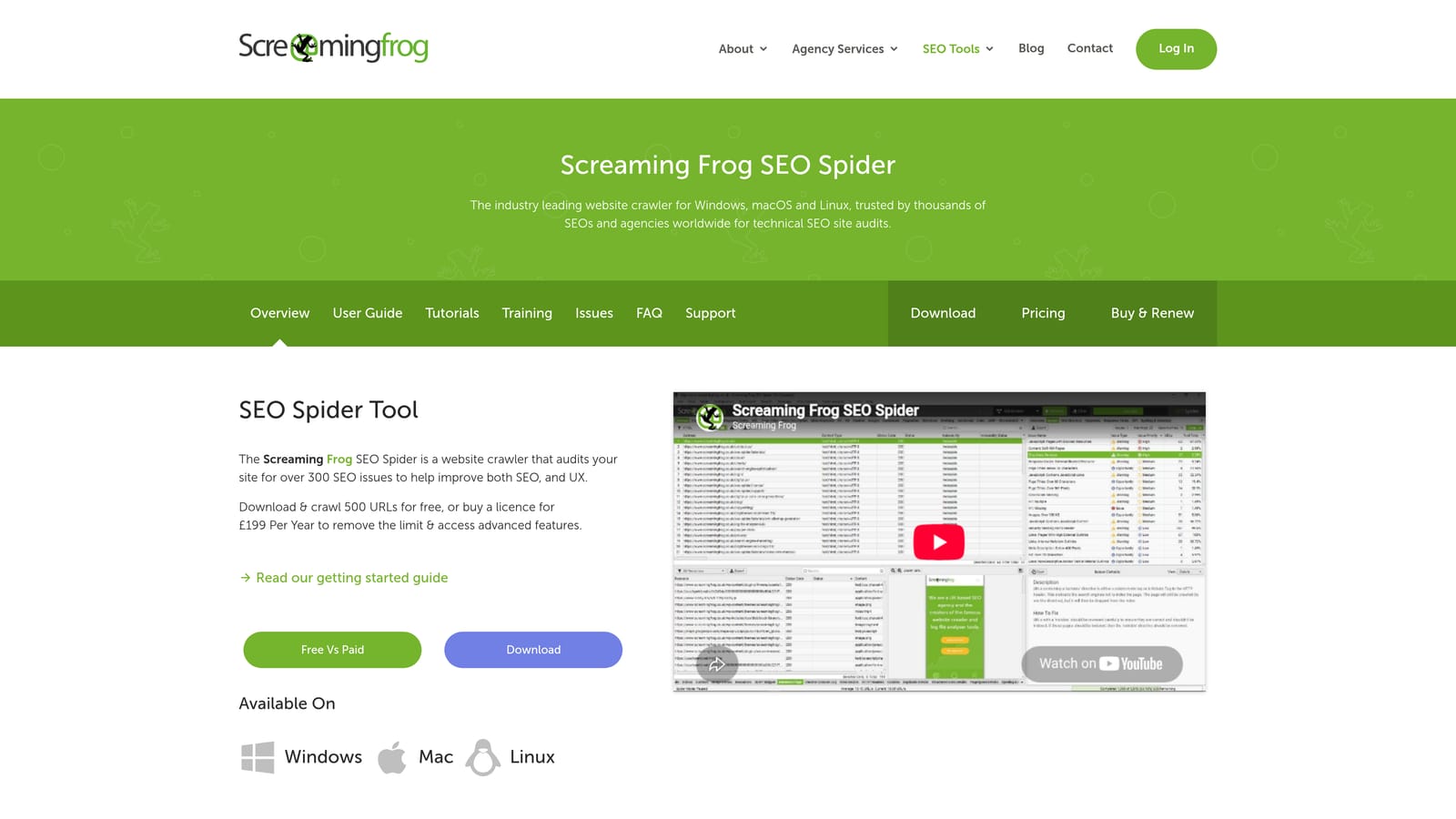
Screaming Frog SEO Spider is a desktop-based website crawler used to surface indexability issues across large sites before URLs enter a bulk submission workflow.
Where This Tool Shines
Screaming Frog doesn't submit URLs to search engines. What it does is make sure the URLs you're about to submit are actually worth submitting. It crawls your site and surfaces noindex tags, canonical mismatches, redirect chains, and blocked resources that would prevent pages from being indexed even after submission.
For teams running bulk indexing at scale, submitting broken or misconfigured URLs wastes crawl budget and submission quotas. Screaming Frog functions as the quality gate before your indexing tools take over. Its integration with Google Search Console lets you overlay live indexing status directly on crawl data.
Key Features
Large-Scale Crawling: Crawls unlimited URLs on the paid license to surface indexability blockers across your entire site.
Indexability Issue Detection: Identifies noindex directives, canonical conflicts, redirect chains, and robots.txt blocks.
Google Search Console Integration: Overlays live indexing status on crawl results for direct comparison.
URL List Export: Exports clean URL lists ready for use in bulk submission tools and APIs.
Best For
Technical SEOs and agencies managing large or complex sites who need to audit content before committing to bulk submission. A pre-submission audit step rather than a submission tool itself.
Pricing
Free for up to 500 URLs. Paid license required for unlimited crawling. Check the Screaming Frog website for current license pricing.
6. Omega Indexer
Best for: High-volume SEO workflows that need a dedicated third-party indexing service.
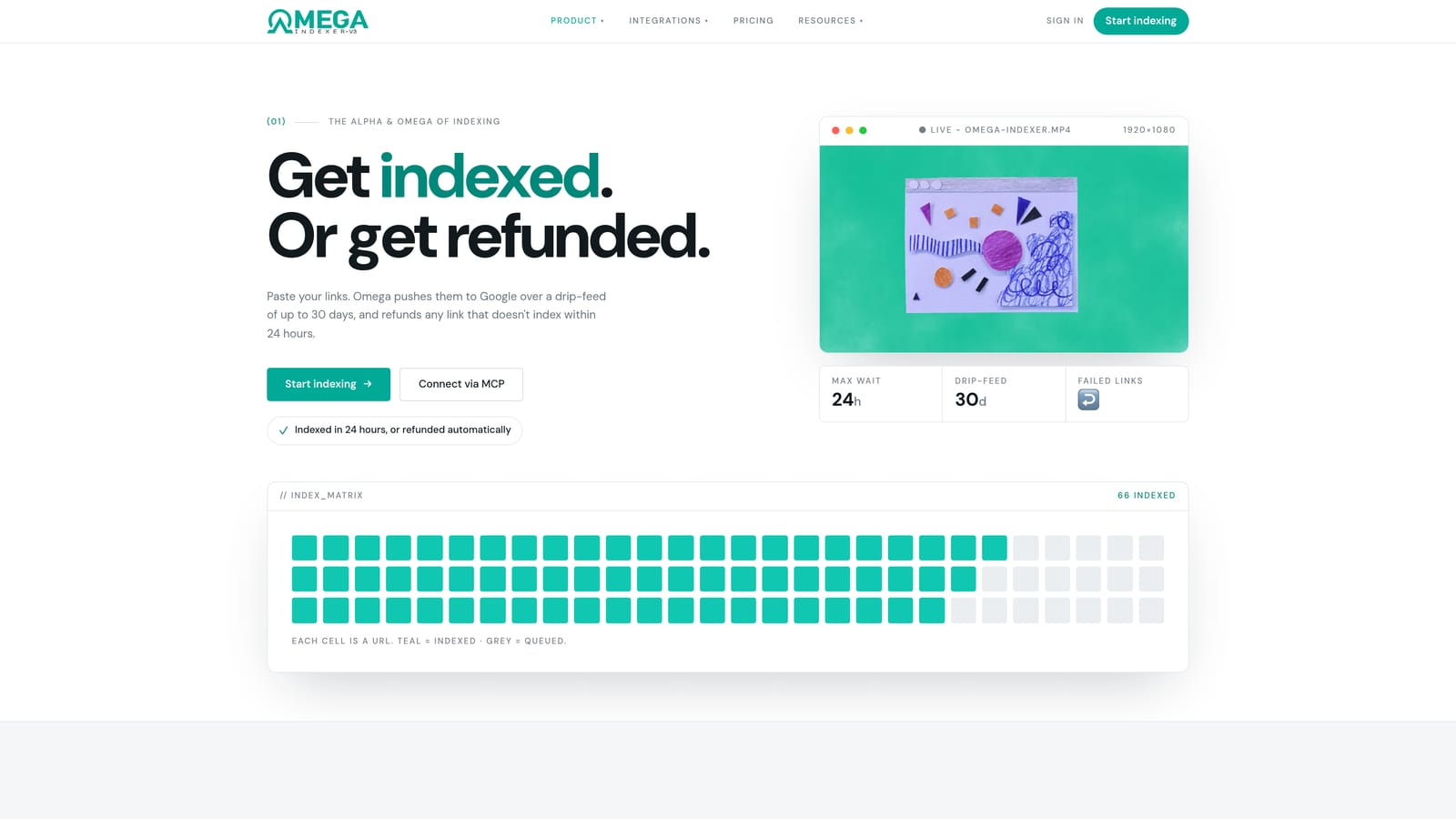
Omega Indexer is a dedicated bulk URL indexing service that submits URLs through multiple signals to accelerate discovery across Google and other search engines.
Where This Tool Shines
Omega Indexer is built specifically for volume. It's popular in affiliate SEO and programmatic content communities where teams are publishing at scale and need accelerated discovery beyond what standard sitemap pings provide. The credit-based model means you can scale submission volume up or down based on your publishing cadence without a long-term commitment.
As with all third-party indexing services, it's worth setting realistic expectations. Results depend on your site's authority, content quality, and how search engines assess the submitted pages. Omega Indexer accelerates the discovery signal; it doesn't guarantee indexing for pages that wouldn't otherwise qualify.
Key Features
Batch URL Submission: Handles large volumes of URLs in a single campaign, suited for high-frequency publishing operations.
API Access: Integrates into existing SEO toolchains and automated workflows via API.
Credit-Based Volume Scaling: Purchase credits as needed, allowing flexible scaling without subscription lock-in.
Submission Tracking Dashboard: Monitors submission history and status across campaigns.
Best For
Affiliate SEOs, programmatic publishers, and agencies managing high-volume content portfolios who need a dedicated indexing layer beyond native search engine tools.
Pricing
Credit-based pricing. Visit the Omega Indexer website for current package options and volume tiers.
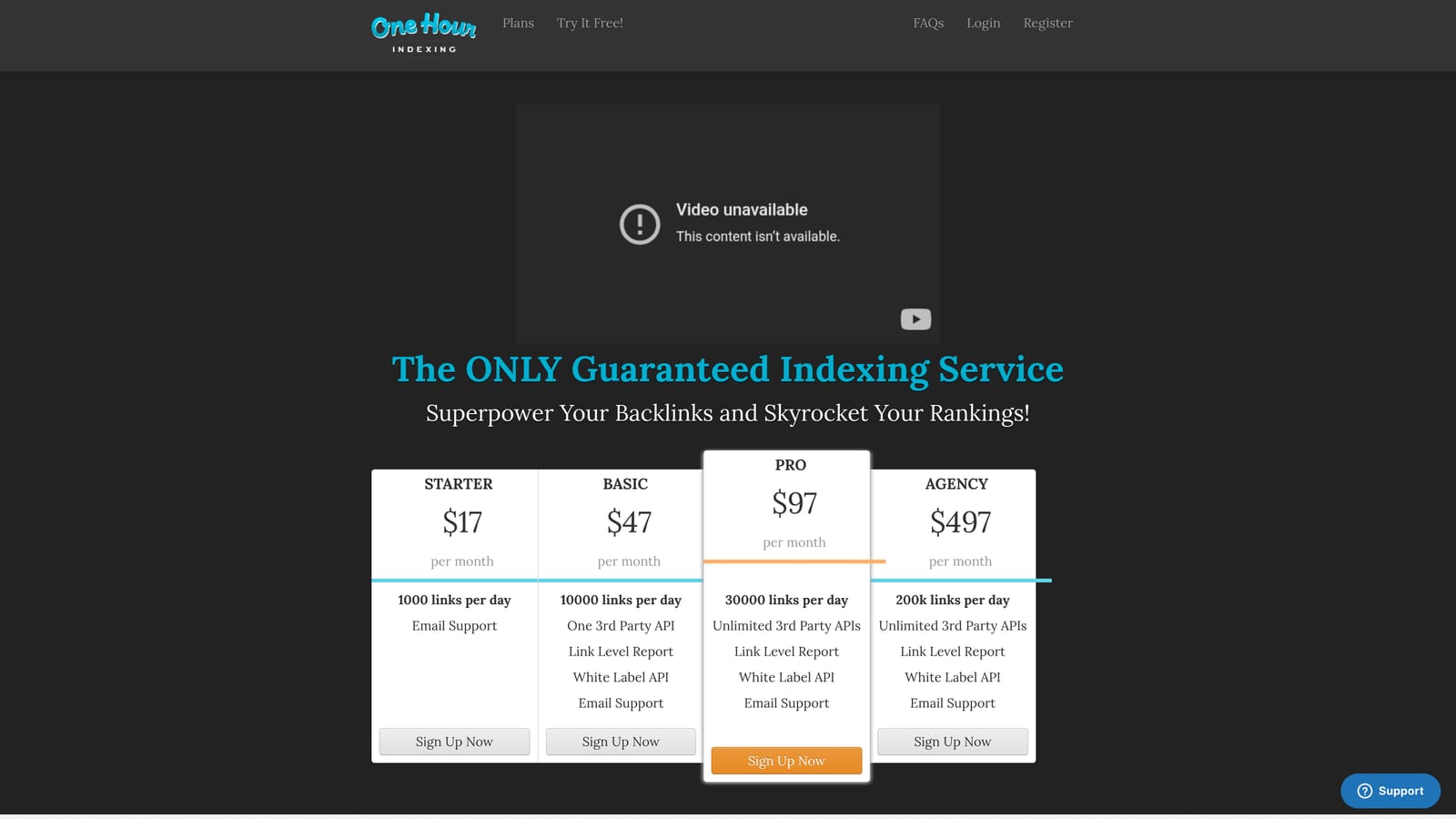
7. One Hour Indexing
Best for: Bloggers and smaller publishers who need fast-turnaround indexing for time-sensitive content.
One Hour Indexing is a third-party indexing service focused on rapid content discovery using proprietary submission methods to reduce the time between publication and indexing.
Where This Tool Shines
One Hour Indexing appeals to publishers who need speed for time-sensitive content: news articles, promotional pages, product launches, or event-driven posts where being indexed quickly has direct business value. The no-contract credit model keeps the barrier to entry low, which suits smaller operations that don't need enterprise-scale tooling.
The same caveat applies here as with any third-party indexing service: the tool accelerates the discovery signal, but indexing outcomes depend on the quality and authority of the content being submitted. It's a useful accelerant, not a guarantee.
Key Features
Bulk URL Submission Interface: Supports batch submissions for fast-turnaround indexing campaigns.
Credit-Based System: No long-term contract required; purchase credits as needed for flexible use.
Time-Sensitive Content Focus: Designed for news, promotions, and product launches where discovery speed matters.
Submission History Dashboard: Tracks submission status and history for ongoing monitoring.
Best For
Bloggers, small publishers, and content teams running time-sensitive campaigns who want a lightweight, no-commitment indexing service without the complexity of API integrations.
Pricing
Credit-based pricing. Visit the One Hour Indexing website for current package details.
8. Rank Math SEO
Best for: WordPress sites that want automated IndexNow pings and sitemap management built into their publishing workflow.
Rank Math SEO is a feature-rich WordPress SEO plugin that automates XML sitemap generation and pings IndexNow automatically on every publish and update event.
Where This Tool Shines
Rank Math handles indexing automation passively. Once configured, every time you publish or update a post, Rank Math triggers an IndexNow ping without any manual action. For WordPress-based content operations publishing frequently, this removes the indexing step from your workflow entirely.
Beyond indexing, Rank Math includes schema markup, on-page SEO analysis, and Google Search Console integration, making it a comprehensive SEO layer for WordPress rather than a single-purpose tool. The free tier is genuinely capable, which makes it accessible for smaller publishers as well as larger operations on Pro plans.
Key Features
Automatic IndexNow Pings: Triggers IndexNow notifications on every publish and update without manual intervention.
Automated XML Sitemap Generation: Creates and updates sitemaps with granular control over included content types.
Google Search Console Integration: Monitors indexing status and coverage directly within the WordPress dashboard.
Schema Markup and On-Page SEO: Provides a full on-page optimization layer alongside indexing automation.
Best For
WordPress publishers of all sizes who want indexing automation handled natively within their CMS. Particularly strong for teams publishing at high frequency who want zero-touch IndexNow integration.
Pricing
Free tier available. Pro plans start at approximately $6.99 per month. Verify current pricing at rankmath.com.
9. Yoast SEO
Best for: WordPress sites looking for a widely supported SEO plugin with automated sitemaps and IndexNow integration.
Yoast SEO is one of the most widely installed WordPress SEO plugins, offering automated XML sitemap generation, Google Search Console integration, and IndexNow support for streamlined indexing workflows.
Where This Tool Shines
Yoast's strength is its ubiquity and reliability. It's been a foundational WordPress SEO tool for years, and its IndexNow support means existing Yoast users can benefit from faster multi-engine discovery without switching plugins or adding new tools to their stack. The automatic sitemap generation keeps search engines updated as content is added or modified.
Yoast also integrates with Google Search Console to surface index coverage data directly within WordPress, giving publishers a unified view of their indexing health. The readability analysis and on-page SEO tools round out the package for teams that want content quality guidance alongside technical SEO automation.
Key Features
Automatic XML Sitemap Creation: Generates and updates sitemaps in real time as content is published or modified.
Google Search Console Integration: Surfaces index coverage and performance data within the WordPress admin.
IndexNow Support: Pings participating search engines automatically for faster multi-engine discovery.
Readability and On-Page SEO Analysis: Provides content quality guidance alongside technical indexing automation.
Best For
WordPress teams already using Yoast for on-page SEO who want to layer in indexing automation without adding another tool. Also a strong choice for teams that prioritize plugin stability and wide community support.
Pricing
Free tier available. Yoast SEO Premium starts at approximately $99 per year. Verify current pricing at yoast.com.
Which Tool Is Right for Your Operation?
The right choice depends on your setup, scale, and what you're optimizing for. Here's a quick decision guide to cut through the options.
If you're on WordPress: Rank Math and Yoast both handle IndexNow automation natively and require almost no configuration. Either works well; Rank Math's free tier is more feature-rich, while Yoast offers broader community support and a long track record.
If you're a technical SEO or agency: Start with Screaming Frog to audit for indexability blockers, then use Google Search Console and Bing Webmaster Tools for direct submission. Add the IndexNow protocol to your pipeline for multi-engine coverage without additional overhead.
If you're running high-volume or programmatic content: Omega Indexer gives you a dedicated bulk submission layer that scales with your output. Pair it with Bing Webmaster Tools and Google Search Console for full coverage across engines.
If you want an all-in-one platform: Sight AI is the only option on this list that combines bulk indexing automation with AI content generation and AI visibility tracking. For teams investing in both traditional SEO and generative engine optimization, it eliminates the need to stitch together separate tools for content, indexing, and brand monitoring.
Bulk indexing gets your content discovered. But getting discovered is only the first step. The brands winning in search in 2026 are also tracking how AI models like ChatGPT and Claude reference them, and actively creating content that earns those mentions. Start tracking your AI visibility today and see exactly where your brand appears across top AI platforms, alongside the indexing automation that gets your content found in the first place.