Google commands the lion's share of global search traffic, but building your entire organic strategy around a single platform is a fragile approach. Alternative search engines collectively serve hundreds of millions of queries every day, and they often represent far less competitive landscapes where a well-executed strategy can deliver outsized visibility gains.
The stakes have grown considerably higher in 2026. The rise of AI-powered search engines has fundamentally changed how brands get discovered. When someone asks Perplexity or ChatGPT a question, the answer they receive is shaped by which brands have established authority across the broader web, not just Google rankings. This makes diversifying your search presence not just a traffic strategy, but a brand visibility imperative.
This guide covers eight of the best search engines beyond Google, paired with actionable strategies to optimize your presence on each. Whether you're capturing privacy-conscious users on DuckDuckGo, reaching professional audiences through Bing, or getting your brand cited by AI engines like Perplexity, each section gives you a concrete path forward. We'll also show how tools like Sight AI can help you track where your brand is being mentioned across AI platforms and identify content gaps your competitors haven't yet filled.
1. Bing: The Underestimated Giant Worth Optimizing For
The Challenge It Solves
Most SEO strategies treat Bing as an afterthought, which is precisely why it represents an opportunity. Bing is far more than a standalone search engine. It powers organic results for DuckDuckGo, Yahoo Search, and AOL Search, and it serves as the backbone of Microsoft Copilot's web grounding. Ignoring Bing means leaving traffic from multiple platforms on the table simultaneously.
The Strategy Explained
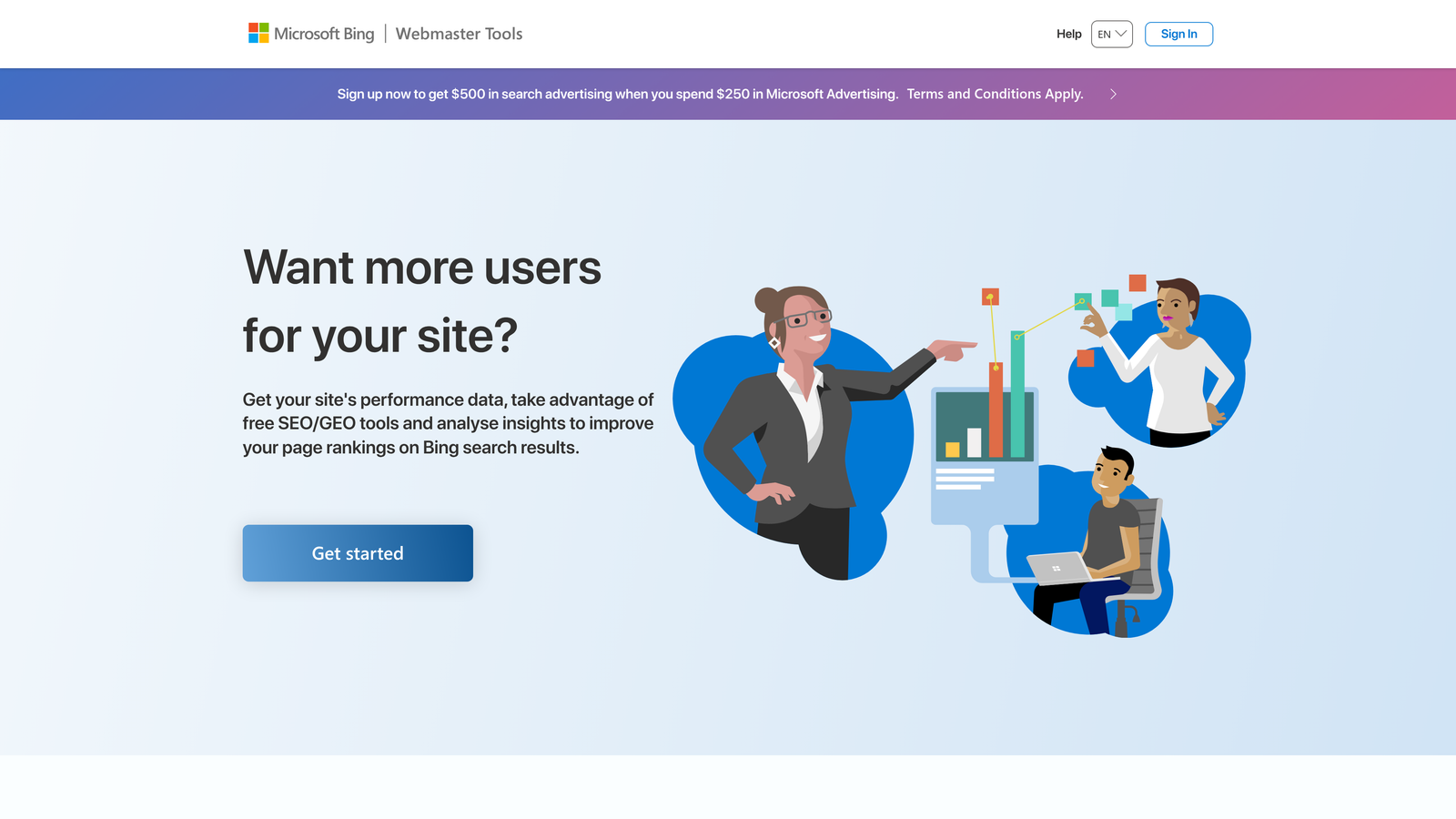
Bing Webmaster Tools is your starting point. It's a free platform that provides keyword research, backlink analysis, crawl diagnostics, and SEO reports specific to Bing's ranking signals. Unlike Google Search Console, Bing Webmaster Tools gives you direct access to keyword data that can surface queries your Google-focused strategy has overlooked.
Bing also co-developed the IndexNow protocol alongside Yandex, an open standard that lets you notify search engines the moment new content is published. Bing adopted IndexNow as a primary indexing signal, meaning content submitted via IndexNow gets crawled and indexed significantly faster than content waiting to be discovered organically. This is a structural advantage for publishers who move quickly.
Implementation Steps
1. Verify your site in Bing Webmaster Tools and run a full site scan to identify crawl errors, missing metadata, and indexing gaps that may not appear in Google Search Console.
2. Integrate IndexNow into your publishing workflow. Most modern CMS platforms support IndexNow natively or via plugin. Tools like Sight AI include IndexNow integration, so new content is pinged to Bing automatically at the moment of publication.
3. Submit an XML sitemap directly to Bing Webmaster Tools and set up automatic sitemap updates so Bing always has an accurate picture of your content inventory.
4. Review Bing's keyword data for queries where you rank on Google but not Bing, and identify on-page signals that may need adjustment, such as exact-match title tags, which Bing weighs more heavily than Google.
Pro Tips
Bing places significant weight on social signals and domain age compared to Google. Ensuring your brand has consistent NAP (name, address, phone) data across the web and active social profiles can meaningfully influence Bing rankings. Since Bing optimization cascades to DuckDuckGo and Yahoo, every improvement here creates a multiplier effect across multiple platforms at once. Learn more about submitting your website to Bing to ensure your content is fully indexed from the start.
2. DuckDuckGo: Capturing the Privacy-First Audience
The Challenge It Solves
DuckDuckGo's audience is not just privacy-conscious; they are actively ad-resistant and highly skeptical of tracking-based marketing. This means organic trust signals carry more weight here than on almost any other platform. Reaching these users requires earning their click through genuinely helpful, authoritative content rather than paid placement or aggressive retargeting.
The Strategy Explained
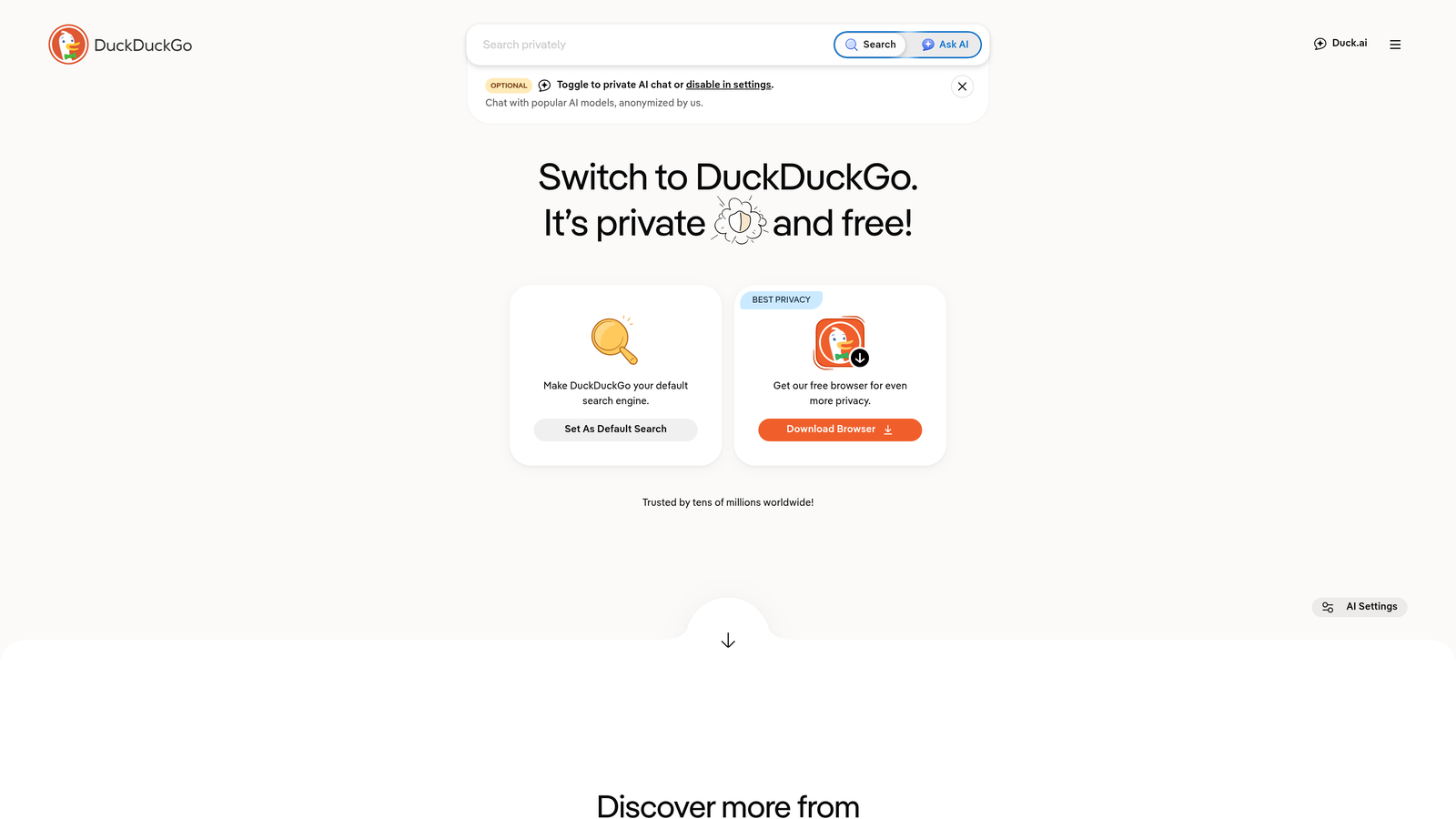
DuckDuckGo sources its results from Bing, its own DuckDuckBot crawler, Wikipedia, and dozens of specialized vertical sources. This means solid Bing optimization transfers directly, but there are independent levers worth pulling. DuckDuckGo prominently features instant answers and structured data responses at the top of results pages, making schema markup and featured snippet targeting particularly valuable here.
DuckDuckGo users also respond strongly to content that respects their values: no tracking, no data collection, transparency about how your product works. Brands that align their messaging with these values in their meta descriptions and on-page content tend to see stronger click-through rates from this audience.
Implementation Steps
1. Optimize for featured snippets by structuring content with clear question-and-answer formatting, concise definition paragraphs, and well-organized headers that DuckDuckGo can pull into its instant answer boxes.
2. Implement structured data markup (schema.org) for FAQs, how-tos, and product information. DuckDuckGo's instant answers draw heavily from structured sources, and this markup increases your chances of surfacing above standard organic results.
3. Audit your privacy signals. If your site uses heavy tracking scripts, consider whether a privacy-first audience will bounce quickly. Faster, cleaner pages with transparent data practices align with what DuckDuckGo users expect.
Pro Tips
DuckDuckGo publishes its traffic statistics on its official website, making it one of the more transparent alternative engines to benchmark against. Check their traffic page periodically to understand volume trends. Since DuckDuckGo pulls from Bing's index, any IndexNow submissions you make will accelerate content discovery here as well.
3. Perplexity AI: The New Frontier of Answer Engine Optimization
The Challenge It Solves
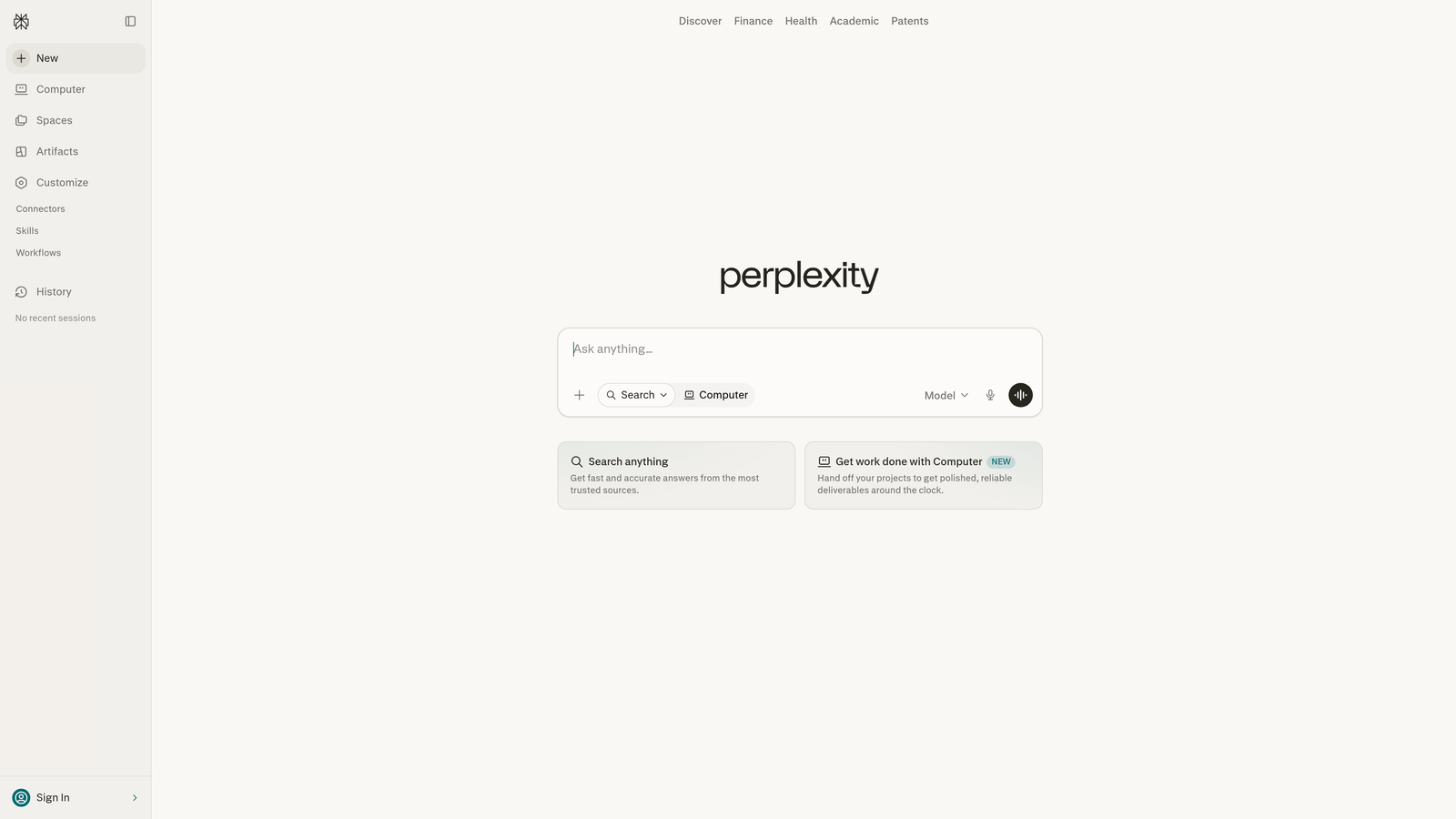
Perplexity AI doesn't just rank your content; it either cites you or it doesn't. When Perplexity generates an answer, it surfaces a small number of cited sources directly alongside the response. Being cited by Perplexity is the functional equivalent of holding a top organic ranking, but the signals that drive citation are different from traditional SEO. Most brands have no strategy for this yet, which makes it one of the highest-leverage opportunities in search right now.
The Strategy Explained
Perplexity prioritizes sources that demonstrate topical authority, provide direct and specific answers to questions, and are cited by other credible sources across the web. This maps closely to the emerging discipline of Generative Engine Optimization (GEO), which focuses on structuring content so AI answer engines can extract and attribute it confidently.
The key difference from traditional SEO is intent alignment at the sentence level. Perplexity is looking for content that directly answers the specific question being asked, not content that broadly covers a topic. This means structuring your articles with explicit question-and-answer sections, clear factual claims, and concise definitions that an AI can quote directly.
Implementation Steps
1. Build topical authority through content clusters. Publish comprehensive coverage of your core topics across multiple interconnected articles. Perplexity rewards sources that demonstrate depth across a subject area, not just a single well-written post.
2. Structure content as direct answers. Use H2 and H3 headers phrased as questions, followed by concise, quotable answers in the first one to two sentences of each section. This format is highly compatible with how AI engines extract citations.
3. Earn citations in high-authority publications. Perplexity's sourcing is influenced by where content is referenced across the web. Getting your brand, data, or insights cited in industry publications, research roundups, and authoritative blogs increases the likelihood Perplexity will surface your original source.
4. Monitor your Perplexity citation frequency using tools like Sight AI, which tracks how AI models reference your brand across platforms and identifies which content pieces are generating mentions versus which topics you're invisible on.
Pro Tips
Avoid burying your key claims in long paragraphs. Perplexity needs to extract a quotable, accurate statement quickly. Lead with your most important point, then provide supporting detail. Think of it as writing for both a human reader and an AI summarizer simultaneously.
4. Yahoo Search: A Surprisingly Viable Traffic Channel
The Challenge It Solves
Yahoo Search is frequently dismissed as irrelevant, but it retains a meaningful user base, particularly among older demographics who have used Yahoo as their default for decades. These users represent real purchasing power and are often underserved by brands focused exclusively on younger, tech-forward audiences. The barrier to capturing this traffic is low because few competitors are actively optimizing for it.
The Strategy Explained
Yahoo's organic search results are powered by Bing, which means your Bing optimization work directly improves your Yahoo rankings. But Yahoo's ecosystem extends well beyond standard search results. Yahoo Finance, Yahoo News, and Yahoo Mail represent additional brand visibility channels that can drive awareness independently of search rankings.
Getting your brand featured in Yahoo Finance or Yahoo News, whether through press releases, earned media, or content syndication, puts your brand in front of Yahoo's audience in contexts they already trust. This is especially relevant for financial services, healthcare, and consumer brands targeting established demographics.
Implementation Steps
1. Ensure Bing Webmaster Tools is fully configured and your site is indexed cleanly on Bing, since this is the direct driver of Yahoo organic rankings. Any technical issues on Bing will mirror directly to Yahoo.
2. Distribute press releases through services that syndicate to Yahoo News. Newsworthy announcements, product launches, and research findings published via PR distribution channels frequently appear in Yahoo News, reaching a distinct audience segment.
3. Explore Yahoo Finance opportunities if your brand operates in finance, investing, or business. Contributing expert commentary, being quoted in financial news, or ensuring your company profile is accurate on Yahoo Finance builds brand presence in this ecosystem.
Pro Tips
Yahoo's audience skews toward users who are comfortable with a more traditional web experience. Content that performs well here tends to be straightforward, authoritative, and clearly structured rather than experimental or highly stylized. Match your tone to the audience and you'll see stronger engagement metrics that reinforce your organic search rankings.
5. Brave Search: Building Authority on an Independent Index
The Challenge It Solves
Most alternative search engines are ultimately derivative of Google or Bing. Brave Search is different. It operates its own fully independent index, documented on its official help pages, meaning it does not rely on Google or Bing for its primary results. This makes Brave a genuinely distinct optimization target, and its user base, which skews toward privacy-focused, technically sophisticated individuals, is one of the most valuable audiences in tech.
The Strategy Explained
Because Brave's index is independent, the traditional signals of authority still apply: high-quality backlinks from credible sources, well-structured technical SEO, and content that earns genuine engagement. However, Brave also offers a unique feature called Goggles, which allows users and communities to create custom ranking filters that reorder results based on specific criteria. Being compatible with popular Goggles can surface your content to highly targeted segments of Brave's audience.
Brave's users are also particularly receptive to brands that demonstrate genuine respect for privacy. If your product or content marketing emphasizes data transparency, open-source principles, or user control, this messaging resonates strongly with the Brave community.
Implementation Steps
1. Prioritize link acquisition from authoritative, independent sources. Brave's algorithm rewards genuine editorial backlinks. Focus on earning coverage in respected industry publications, being cited in research, and building relationships with communities that link naturally.
2. Review Brave Goggles at brave.com/goggles to understand which community-created filters exist in your industry. Ensure your content structure and metadata are compatible with how these Goggles rank and filter results.
3. Optimize technical SEO fundamentals including page speed, mobile performance, and clean crawlability. Brave's independent crawler rewards technically sound sites that load efficiently. Understanding AI search engine ranking factors can help you align your technical foundations with what independent indexes prioritize.
Pro Tips
Brave's audience is early-adopter oriented, which means they are often the first to try new products and share recommendations within their communities. Content that earns genuine engagement from Brave users can have an outsized influence on word-of-mouth and organic link acquisition, creating a compounding benefit beyond direct search traffic.
6. ChatGPT Search: Optimizing for AI-Powered Discovery
The Challenge It Solves
OpenAI's ChatGPT Search feature allows the model to retrieve and reference live web content when answering user queries. When ChatGPT cites a source, it exposes that brand to millions of users who trust the model's judgment implicitly. Most brands have no systematic approach to influencing which sources ChatGPT surfaces, leaving this channel entirely to chance.
The Strategy Explained
ChatGPT Search surfaces brands that appear in authoritative web sources because the model's retrieval process prioritizes content from credible, well-referenced domains. The mechanism is logical: if your brand is consistently mentioned, cited, and linked to by high-authority sources across the web, the probability that ChatGPT retrieves and references your content increases substantially. Understanding how AI search engines rank content is essential for building a strategy that works across these platforms.
Entity clarity is equally important. ChatGPT needs to understand unambiguously what your brand is, what it does, and why it is authoritative on a given topic. Structured factual content, consistent brand mentions across the web, and clear on-page signals about your expertise all contribute to stronger entity recognition within the model's knowledge and retrieval systems.
Implementation Steps
1. Earn mentions in high-authority publications. Industry roundups, expert commentary, product reviews in respected outlets, and citations in research all increase the surface area of authoritative web content that references your brand. This is the single highest-leverage action for ChatGPT visibility.
2. Create structured factual content that answers specific questions directly. Content formatted as clear, factual statements is easier for retrieval-augmented generation systems to extract and attribute accurately.
3. Strengthen your entity signals. Ensure your brand name, description, and core attributes are consistent across your website, social profiles, Wikipedia (if applicable), and major industry directories. Inconsistency creates ambiguity that reduces citation likelihood.
4. Track your ChatGPT visibility using Sight AI's AI Visibility Score, which monitors how AI models describe and reference your brand across platforms including ChatGPT, Claude, and Perplexity, giving you a clear baseline and measurable progress over time.
Pro Tips
ChatGPT Search is more likely to surface content that has been recently indexed and is actively referenced by other current sources. Combining a strong content publication cadence with IndexNow integration ensures your newest content is discoverable by web-connected AI models as quickly as possible after publication.
7. Ecosia and Niche Search Engines: Tapping Audience-Specific Platforms
The Challenge It Solves
Niche search engines like Ecosia (which plants trees with ad revenue) and Startpage (a privacy-focused engine that proxies Google results) serve distinct communities with strong value alignment. Users who choose these platforms are making a deliberate statement about their priorities. Brands that authentically align with those values earn disproportionate trust and click-through rates compared to generic competitors.
The Strategy Explained
Most niche search engines rely on Google or Bing for their underlying results, meaning standard SEO practices apply and transfer directly. The differentiation opportunity lies not in technical optimization but in message-market fit. Ecosia's users are environmentally motivated; they are far more likely to click on a result from a brand that visibly shares those values than from a generic competitor with identical rankings.
This means your meta descriptions, brand positioning, and on-page messaging become the primary lever for improving performance on these platforms. A result that ranks fifth but speaks directly to an Ecosia user's values can outperform a result ranking first that communicates nothing relevant to them.
Implementation Steps
1. Audit your meta descriptions for the queries where you appear on Bing (and therefore on Ecosia and Startpage). Rewrite them to surface value-aligned messaging that resonates with the specific audience of each platform, without creating separate pages for each engine.
2. Identify whether your brand has genuine alignment with the values of niche engine audiences. Sustainability practices, privacy commitments, and community contributions are worth highlighting explicitly in your content if they are authentic to your brand.
3. Explore advertising options on Ecosia if your brand has a genuine environmental angle. Ecosia's ad inventory is less competitive than Google's, and their audience's value alignment with mission-driven brands can produce strong conversion rates for the right product categories.
Pro Tips
Authenticity is non-negotiable with niche engine audiences. Greenwashing or superficial privacy claims will generate negative sentiment among users who are specifically motivated to research brands carefully before clicking. If your alignment with these values is genuine, make it central to your content. If it isn't, focus your energy on the other engines in this list where value alignment is less critical to performance. Monitoring your brand reputation in AI search engines can help you understand how your messaging is being perceived across these platforms.
8. A Unified Multi-Engine Strategy: Tracking and Scaling Across Platforms
The Challenge It Solves
Managing visibility across seven or eight distinct search and AI platforms without centralized infrastructure quickly becomes unmanageable. Without a systematic approach, you end up with fragmented efforts, no baseline data, and no way to measure which optimizations are actually moving the needle. A unified strategy solves this by creating shared infrastructure that benefits all platforms simultaneously.
The Strategy Explained
The most efficient multi-engine strategy is built on four layers of infrastructure that compound on each other. First, technical indexing: ensuring content is discovered quickly across all platforms. Second, content quality: publishing authoritative, GEO-optimized content that performs across both traditional and AI search engines. Third, AI visibility monitoring: tracking how AI models describe and cite your brand. Fourth, continuous iteration: using data to identify gaps and prioritize new content investments.
This layered approach means that each piece of content you publish works across multiple platforms simultaneously rather than being optimized for a single engine. A well-structured article with proper schema markup, submitted via IndexNow, and covering a topic with genuine topical authority can rank on Bing, surface on DuckDuckGo, get cited by Perplexity, and be referenced by ChatGPT Search, all from a single publication effort.
Implementation Steps
1. Implement IndexNow integration across your publishing workflow. Sight AI includes built-in IndexNow support and automated sitemap updates, meaning every new article is pinged to Bing (and through it, DuckDuckGo and Yahoo) immediately upon publication.
2. Set up AI visibility monitoring using Sight AI's tracking dashboard, which monitors how your brand is described and cited across six or more AI platforms including ChatGPT, Claude, and Perplexity. Establish a baseline visibility score before making changes so you can measure progress objectively.
3. Use Sight AI's content gap analysis to identify topics where your competitors are being cited by AI engines but you are not. These gaps represent high-priority content opportunities where a single well-executed article can capture citations across multiple AI platforms simultaneously.
4. Publish GEO-optimized content at scale using Sight AI's AI Content Writer, which uses 13+ specialized AI agents to generate articles structured for both traditional SEO and generative engine optimization. Autopilot Mode allows you to maintain consistent publication cadence without proportionally increasing your team's workload.
5. Review your AI visibility score monthly and correlate changes with specific content publications, backlink acquisitions, and technical improvements. This creates a feedback loop that makes each subsequent content investment more targeted and effective.
Pro Tips
Prioritize content formats that serve multiple engines simultaneously: comprehensive guides with clear question-and-answer sections, structured how-to content with schema markup, and data-driven articles that earn editorial citations. These formats perform well in traditional search, surface in featured snippets, and get cited by AI answer engines, giving you the highest return per piece of content published.
Your Multi-Engine Implementation Roadmap
The search landscape in 2026 is more fragmented than ever, and that fragmentation is an opportunity. While Google remains dominant, each alternative search engine and AI platform represents an audience segment that is underserved by brands still running Google-only strategies.
The most effective approach is layered. Start by ensuring your Bing optimization is solid, since it cascades directly to DuckDuckGo and Yahoo. Then invest in structured, authoritative content that AI engines like Perplexity and ChatGPT Search will cite. Finally, implement the technical infrastructure including proper indexing, XML sitemaps, and IndexNow integration to ensure your content gets discovered quickly across all platforms.
Here's a practical starting sequence:
Week 1-2: Verify your site in Bing Webmaster Tools, implement IndexNow, and submit your XML sitemap. This single step improves your visibility across Bing, DuckDuckGo, Yahoo, and AOL simultaneously.
Week 3-4: Audit your top ten content pieces for GEO compatibility. Add question-and-answer sections, tighten your opening paragraphs to lead with direct answers, and implement FAQ schema markup.
Month 2: Establish your AI visibility baseline using Sight AI. Identify which AI platforms are citing your brand, which competitors are being cited instead of you, and which topic clusters represent your highest-priority content gaps.
Month 3 and beyond: Publish GEO-optimized content systematically targeting your identified gaps, monitor citation frequency across AI platforms, and expand your presence on Brave Search and niche engines as your authority grows.
Tracking your progress across this fragmented landscape requires more than a standard rank tracker. Start tracking your AI visibility today and see exactly where your brand appears across top AI platforms, which content pieces are generating citations, and where your competitors have a head start you can close. The brands building multi-engine presence now will have a significant compounding advantage as AI search continues to reshape how audiences discover and trust brands.