Search engines can only index what they can find. When your sitemap is outdated—missing new pages, containing broken URLs, or failing to reflect content changes—crawlers waste their budget on dead ends while your fresh content sits undiscovered.
Automated sitemap updates software solves this by keeping your XML sitemap synchronized with your actual site structure in real-time. This means faster indexing, better crawl efficiency, and quicker organic traffic to new content.
We evaluated these tools based on update frequency, IndexNow integration, CMS compatibility, and ease of setup. Whether you're managing a small blog or an enterprise site with thousands of pages, here's what actually works in 2026.
1. Sight AI
Best for: Marketing teams who want content creation, indexing automation, and AI visibility tracking in one platform.
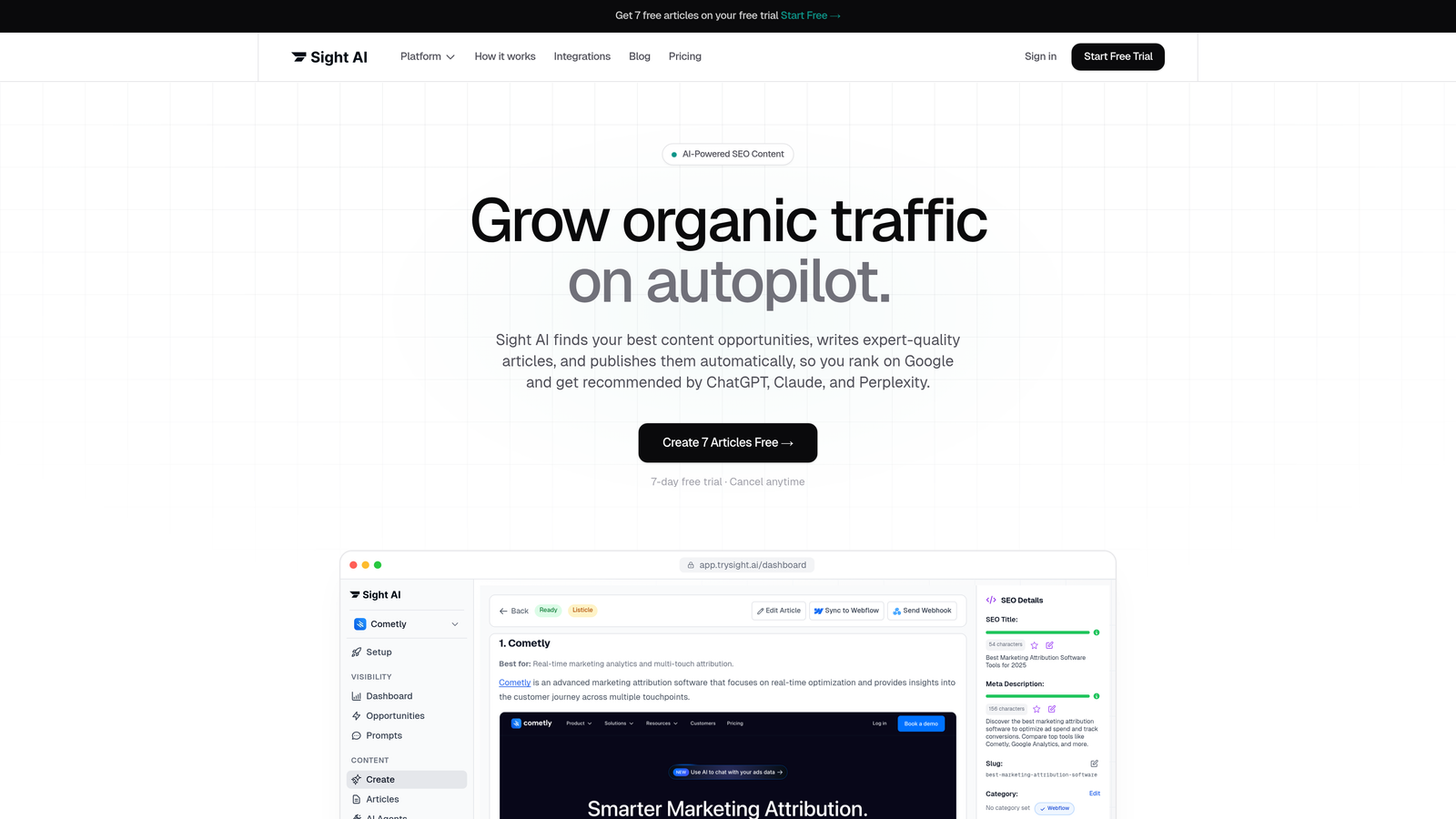
Sight AI is an all-in-one platform that combines AI content generation with automated sitemap updates and AI visibility tracking across major language models.
Where This Tool Shines
The real power here is workflow integration. When you publish content through Sight AI's CMS auto-publishing feature, it automatically updates your sitemap and pings search engines via IndexNow—no separate tools or manual steps required.
This tight integration means your content workflow directly triggers your indexing workflow. You're not juggling a content tool, a sitemap plugin, and a separate IndexNow service. It's all connected, which matters when you're publishing frequently and need immediate indexing.
Key Features
IndexNow Integration: Automatically pings search engines when new content is published, enabling instant indexing notifications to Bing and other supporting engines.
Real-Time Sitemap Updates: Sitemap regenerates immediately when content is published or modified through the CMS auto-publishing system.
AI Content Generation: 13+ specialized AI agents create SEO and GEO-optimized articles (listicles, guides, explainers) designed to get mentioned by AI models.
AI Visibility Tracking: Monitor how ChatGPT, Claude, Perplexity, and other AI platforms mention your brand, with sentiment analysis and prompt tracking.
CMS Auto-Publishing: Schedule and publish content directly to your website with automatic sitemap and indexing updates triggered on publish.
Best For
Marketing teams and agencies focused on organic traffic growth who want to connect their content creation directly to their indexing strategy. Particularly valuable if you're publishing regularly and need to track how AI models reference your brand alongside traditional search performance.
Pricing
Visit the Sight AI pricing page for current plan options and features.
2. Screaming Frog SEO Spider
Best for: Technical SEO professionals who need granular control over sitemap generation and scheduling.
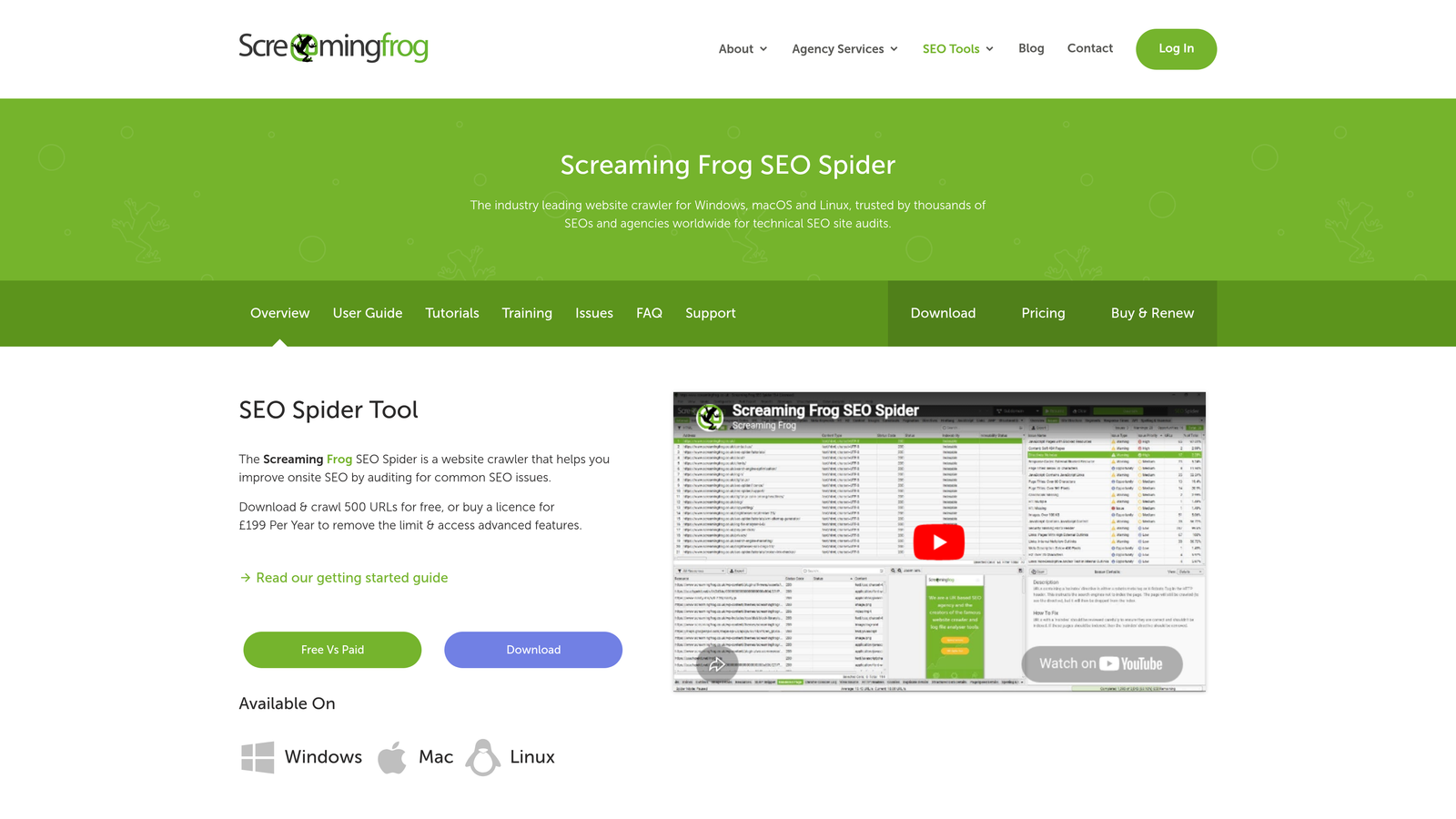
Screaming Frog SEO Spider is the industry-standard desktop crawler with advanced sitemap generation, scheduling capabilities, and extensive customization options.
Where This Tool Shines
This is the power user's choice. You get complete control over what goes into your sitemap, how it's prioritized, and when it updates. The command-line interface allows integration into CI/CD pipelines, making it ideal for development teams who want sitemap generation as part of their deployment process.
The scheduled crawl feature means you can set it to crawl your site daily, weekly, or on whatever schedule matches your publishing cadence. Each crawl generates a fresh sitemap automatically, which you can then upload or submit programmatically.
Key Features
Scheduled Crawls: Automate crawls at set intervals with automatic sitemap generation after each run, ensuring your sitemap stays current without manual intervention.
Advanced Filtering: Granular control over which URLs appear in your sitemap, with regex filtering, priority settings, and change frequency customization.
Command-Line Automation: Integrate sitemap generation into build processes and CI/CD workflows using command-line parameters.
Multiple Sitemap Types: Generate standard XML sitemaps plus image and video sitemaps with proper formatting for each content type.
Bulk Processing: Crawl and generate sitemaps for multiple domains in batch mode, useful for agencies managing numerous client sites.
Best For
Technical SEO consultants, development teams, and agencies who need maximum flexibility and control. Best suited for users comfortable with desktop software and those who want to integrate sitemap generation into automated workflows.
Pricing
Free version allows crawling up to 500 URLs. Unlimited crawling requires a license at £199 per year.
3. Yoast SEO
Best for: WordPress users who want automatic sitemap updates with zero technical configuration.
Yoast SEO is the most widely-used WordPress SEO plugin, with automatic XML sitemap generation that updates instantly when content is published or modified.

Where This Tool Shines
The beauty of Yoast is simplicity. Install it, and your sitemap just works. Every time you publish a post, update a page, or modify content, the sitemap regenerates automatically. No configuration, no manual triggers, no technical knowledge required.
It also pings search engines when your sitemap changes, notifying them to recrawl. For WordPress users who want "set it and forget it" sitemap automation, this is the standard solution that millions of sites rely on.
Key Features
Automatic Updates on Publish: Sitemap regenerates instantly whenever you publish, update, or delete content—no manual intervention needed.
Search Engine Ping: Automatically notifies search engines when your sitemap changes, prompting faster crawling of new content.
Content Type Controls: Choose which post types, taxonomies, and archives appear in your sitemap through simple toggles.
Zero Configuration: Works out of the box with sensible defaults—most users never need to adjust sitemap settings.
Breadcrumb Integration: Sitemap structure aligns with your breadcrumb navigation for consistent site architecture signals.
Best For
WordPress site owners who want reliable, automatic sitemap management without technical complexity. Ideal for bloggers, small businesses, and content creators who need it to just work.
Pricing
Free version includes full sitemap functionality. Premium version starts at $99 per year and adds features like redirect management and internal linking suggestions.
4. Rank Math
Best for: WordPress users who want instant sitemap updates with built-in IndexNow support.
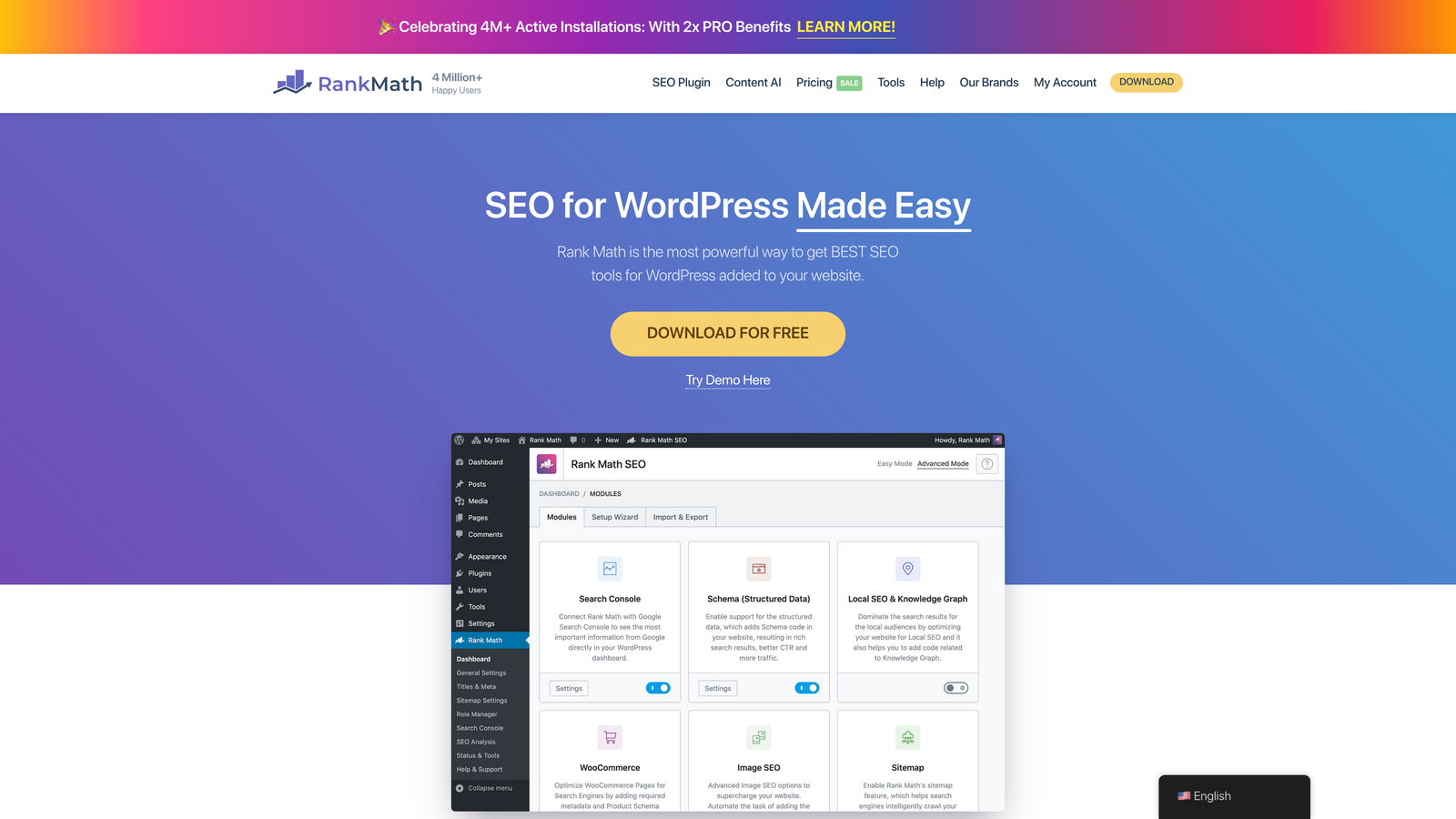
Rank Math is a feature-rich WordPress SEO plugin with instant sitemap regeneration, native IndexNow integration, and granular control over what appears in your sitemaps.
Where This Tool Shines
Rank Math takes Yoast's automatic approach and adds IndexNow support, which means your content gets indexed faster. When you publish, it not only updates your sitemap but also pings IndexNow-supporting search engines (Bing, Yandex, and others) for immediate crawling.
The per-post controls are particularly useful. You can exclude specific posts from your sitemap without changing global settings, giving you flexibility when you have content that shouldn't be indexed or is still being refined.
Key Features
Instant Regeneration: Sitemap updates the moment you publish or modify content—no delay, no caching issues.
Native IndexNow: Built-in IndexNow integration pings supporting search engines immediately when your sitemap changes, enabling faster indexing than traditional submission methods.
Per-Post Control: Include or exclude individual posts from your sitemap without affecting global settings, useful for draft content or pages you're testing.
Specialized Sitemaps: Generate news sitemaps for Google News and video sitemaps for video content with proper schema markup.
Sitemap Splitting: Automatically splits large sitemaps into multiple files to stay within search engine limits and improve crawl efficiency.
Best For
WordPress users who publish frequently and want the fastest possible indexing through IndexNow integration. Particularly valuable for news sites, blogs with daily updates, and anyone competing in fast-moving niches.
Pricing
Free version includes all sitemap features and IndexNow support. Pro version starts at $59 per year and adds advanced schema, rank tracking, and other SEO tools.
5. Sitebulb
Best for: Agencies managing multiple client sites who need visual sitemap analysis and batch processing.
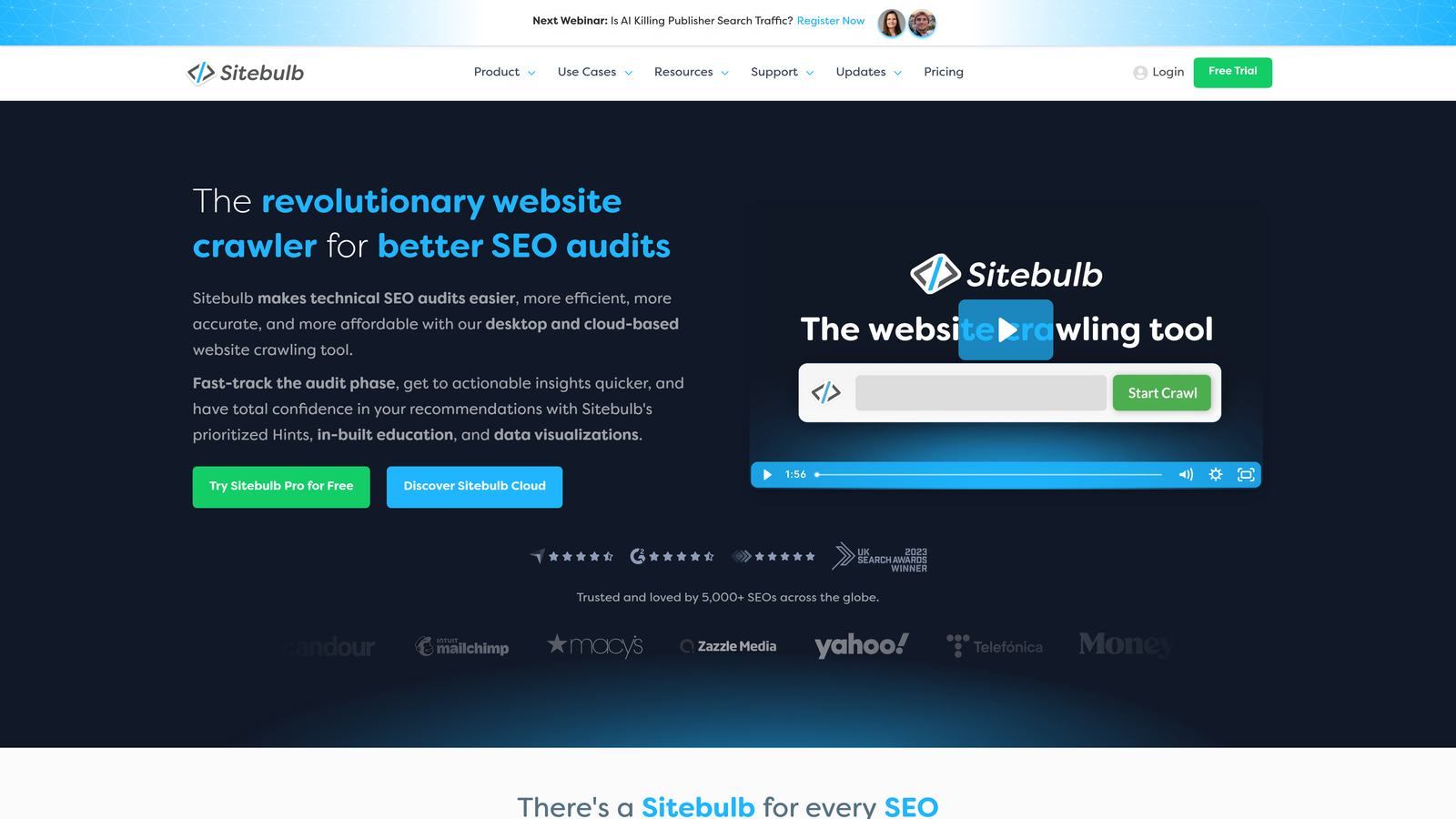
Sitebulb is a desktop and cloud-based website auditor with automated sitemap generation, visual structure analysis, and batch crawling capabilities.
Where This Tool Shines
The visual sitemap analysis is what sets Sitebulb apart. You don't just get a list of URLs—you see your site structure visually, making it easy to spot architecture problems, orphaned pages, or content that's buried too deep.
For agencies, the batch crawling feature is invaluable. Schedule crawls for all your client sites, generate fresh sitemaps for each, and review sitemap vs actual crawl discrepancies in one dashboard. It's designed for managing multiple sites efficiently.
Key Features
Scheduled Audits: Automate crawls at set intervals with sitemap export after each audit, ensuring client sitemaps stay current without manual work.
Visual Structure Analysis: See your sitemap visually with depth levels, internal linking patterns, and architectural issues highlighted graphically.
Batch Crawling: Crawl multiple domains simultaneously and generate sitemaps for each, streamlining agency workflows.
Comparison Reports: Compare your sitemap against actual crawl results to identify URLs missing from your sitemap or sitemap URLs that don't exist.
Cloud and Desktop Options: Run audits on your desktop for full control or use cloud-based crawling for scheduled automation without keeping your computer running.
Best For
SEO agencies and consultants managing multiple client websites who need visual analysis tools and batch processing. Also excellent for in-house teams who want to understand site architecture beyond just generating sitemaps.
Pricing
Lite plan starts at $13.50 per month for smaller sites. Pro plan is $35 per month with unlimited crawls and all features.
6. XML-Sitemaps.com
Best for: Small sites without CMS integration needs who want simple cloud-based automation.
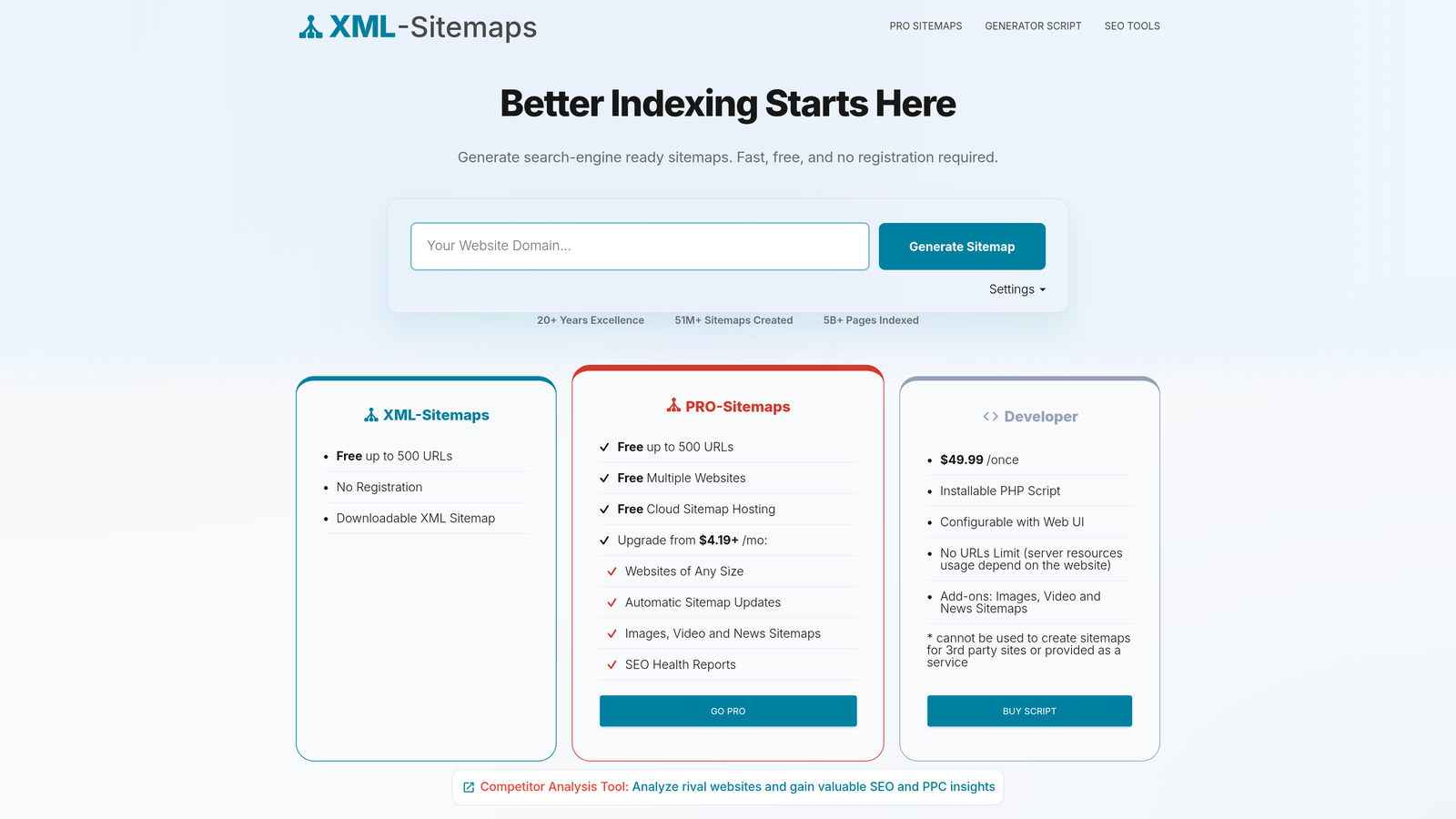
XML-Sitemaps.com is a straightforward cloud-based sitemap generator with scheduled crawls and automatic updates, designed for users who need basic automation without complexity.
Where This Tool Shines
This is the no-frills option that just works. You enter your URL, set a crawl schedule, and it generates your sitemap automatically. Email notifications alert you when your sitemap updates, and you can submit directly to search engines from the dashboard.
It's ideal for static sites, small business websites, or situations where you don't have access to CMS plugins but still want automated sitemap management. The cloud-based approach means nothing to install or maintain.
Key Features
Cloud-Based Generation: No software to install—everything runs in the cloud with scheduled crawls that generate fresh sitemaps automatically.
Scheduled Crawls: Set daily, weekly, or monthly crawl schedules to keep your sitemap current based on your publishing frequency.
Email Notifications: Receive alerts when your sitemap updates or when crawl issues are detected, keeping you informed without checking manually.
Direct Submission: Submit your sitemap to Google, Bing, and other search engines directly from the platform after each update.
Change Detection: Identifies new, modified, and removed pages between crawls, helping you understand what's changing on your site.
Best For
Small business owners, static site managers, and anyone without CMS access who needs basic automated sitemap generation. Perfect for sites under 500 pages that update occasionally rather than constantly.
Pricing
Free for sites up to 500 pages. Paid plans start at $3.49 per month for larger sites with more frequent crawl schedules.
7. Slickplan
Best for: Teams who need collaborative site planning with XML sitemap export capabilities.
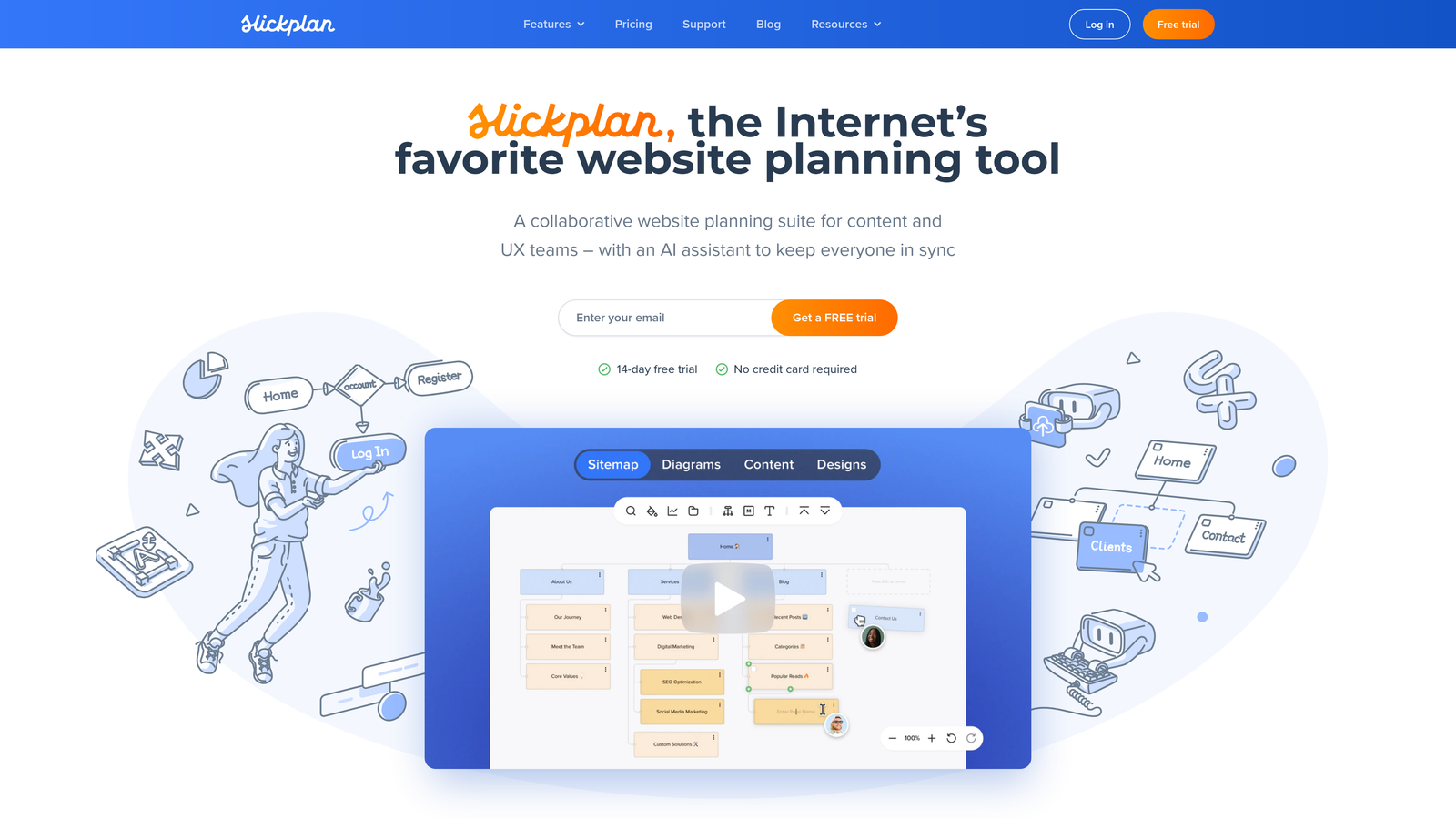
Slickplan is a visual sitemap planning tool with XML export, designed for teams who collaborate on site architecture and need to maintain updated sitemaps.
Where This Tool Shines
Slickplan approaches sitemaps from a planning perspective rather than a technical SEO angle. You build your site structure visually with drag-and-drop, collaborate with team members through comments and annotations, then export to XML when ready.
This is particularly useful during site redesigns or when planning new sections. Your team can map out the architecture, get stakeholder approval, then generate a sitemap that reflects the agreed-upon structure. It bridges the gap between planning and implementation.
Key Features
Visual Builder: Drag-and-drop interface for creating site structure visually, making it easy to plan architecture before building.
XML Export: Export your visual sitemap to XML format for submission to search engines or import into development workflows.
Team Collaboration: Multiple team members can work on the same sitemap with commenting, version history, and approval workflows.
CMS Integration: Connect with WordPress and other platforms to sync your planned structure with your actual site.
Content Planning: Add notes, metadata, and content requirements to each page in your sitemap for comprehensive project planning.
Best For
Web development teams, UX designers, and content strategists who need to plan site architecture collaboratively before implementation. Best when sitemap generation is part of a larger site planning workflow rather than an ongoing maintenance task.
Pricing
Basic plan starts at $9.99 per month for individual users. Team plan is $89.99 per month with collaboration features and unlimited projects.
8. Dyno Mapper
Best for: Enterprise teams who need content inventory management alongside automated sitemap generation.
Dyno Mapper is an enterprise content inventory and sitemap management platform with scheduled crawling, governance features, and accessibility compliance checking.
Where This Tool Shines
Dyno Mapper treats sitemaps as part of a larger content governance strategy. You get automated crawling and sitemap generation, but also content inventory management, accessibility audits, and analytics integration.
This matters for large organizations where sitemap management intersects with content governance, compliance requirements, and multi-stakeholder workflows. You can track who owns each section, flag accessibility issues, and ensure your sitemap reflects both technical requirements and organizational content standards.
Key Features
Automated Crawling: Schedule regular crawls that generate fresh sitemaps while also building a complete content inventory of your site.
Content Inventory: Track metadata, ownership, last update dates, and content status for every page alongside sitemap management.
Accessibility Checking: Audit for WCAG compliance and accessibility issues during crawls, ensuring your sitemap includes only compliant content.
Visual Sitemaps: Generate visual representations of your site structure with analytics data overlaid, showing traffic and engagement by section.
Analytics Integration: Connect Google Analytics to see how content in your sitemap performs, identifying high-value pages and orphaned content.
Best For
Enterprise organizations, universities, and large publishers who need content governance and accessibility compliance alongside sitemap automation. Particularly valuable when multiple teams manage different site sections and coordination is required.
Pricing
Personal plan starts at $49 per month. Agency plan is $459 per month with advanced features and higher crawl limits.
9. JetOctopus
Best for: Enterprise sites that need log file analysis to optimize sitemap efficiency at scale.
JetOctopus is an enterprise technical SEO platform that combines log file analysis with crawl data to optimize sitemap efficiency and identify indexing gaps.
Where This Tool Shines
JetOctopus goes beyond generating sitemaps—it analyzes how search engines actually use your sitemap. By combining log file analysis with crawl data and Google Search Console integration, you see which sitemap URLs get crawled, which get ignored, and where crawl budget is wasted.
This level of insight is critical for large sites where crawl budget matters. You can identify URLs in your sitemap that never get crawled, remove them, and prioritize URLs that drive actual traffic. It's sitemap optimization based on real crawler behavior, not assumptions.
Key Features
Log File Analysis: Analyze server logs to see exactly how Googlebot and other crawlers interact with your sitemap, identifying patterns and inefficiencies.
Sitemap vs Indexing Comparison: Compare your sitemap against actual indexing status in Google Search Console to find gaps and opportunities.
Large-Scale Crawling: Crawl millions of URLs efficiently with segmentation capabilities for different site sections or content types.
GSC Integration: Pull indexing data directly from Google Search Console to see which sitemap URLs are indexed, which are excluded, and why.
Crawl Budget Optimization: Identify which URLs consume crawl budget without delivering value, allowing you to refine your sitemap for maximum efficiency.
Best For
Enterprise sites with millions of pages where crawl budget optimization directly impacts indexing and organic traffic. Ideal for large e-commerce sites, publishers, and marketplaces where sitemap efficiency is a competitive advantage.
Pricing
Pricing starts at $180 per month and scales based on crawl volume and log file processing needs. Custom enterprise plans available for very large sites.
Finding the Right Fit for Your Indexing Needs
Your choice depends on your platform, scale, and how deeply you need to integrate sitemap management into your content workflow.
For WordPress users, Yoast SEO and Rank Math deliver automatic updates with minimal setup. Rank Math edges ahead if you want IndexNow support for faster indexing. Both handle the essentials reliably for most sites.
Technical SEO professionals and agencies should look at Screaming Frog for granular control and CI/CD integration, or Sitebulb for visual analysis and batch processing across multiple client sites.
If you're managing an enterprise site where crawl budget matters, JetOctopus provides the log file analysis needed to optimize sitemap efficiency based on actual crawler behavior rather than best practices alone.
For teams who want their content creation directly connected to their indexing workflow, Sight AI combines automated sitemap updates with AI content generation and visibility tracking. When you publish content through the platform, it automatically updates your sitemap and triggers IndexNow—no separate tools or manual steps required. This integration matters when you're publishing frequently and need to track both traditional search performance and how AI models reference your brand.
The trend toward IndexNow adoption continues to accelerate in 2026. Tools that support instant indexing notifications deliver measurably faster indexing compared to traditional sitemap submission methods. If you're in a competitive niche where being first matters, prioritize tools with native IndexNow integration.
Start tracking your AI visibility today and see exactly where your brand appears across top AI platforms while automating your sitemap updates and content publishing workflow in one connected system.