The landscape of content creation has fundamentally shifted. Marketing teams that once spent weeks producing a handful of articles now leverage automated SEO article writers to scale their output while maintaining quality. But here's what separates successful implementations from disappointing ones: strategy.
Simply turning on an AI writing tool and hoping for results is like buying a professional camera and expecting to become a photographer overnight. The tool matters, but how you wield it matters more.
This guide breaks down the strategies that consistently drive organic traffic growth when using automated SEO article writers—from initial setup to ongoing optimization. Whether you're a founder looking to build topical authority, a marketer scaling content operations, or an agency managing multiple client campaigns, these approaches will help you extract maximum value from AI-powered content generation.
1. Build a Strategic Keyword Foundation Before You Automate
The Challenge It Solves
Many teams activate their automated SEO article writer and immediately start generating content around whatever keywords seem relevant. Three months later, they're sitting on dozens of articles that don't connect to each other or support their business goals. The content exists, but it doesn't compound.
Without a strategic foundation, you create isolated articles instead of building topical authority. Search engines reward comprehensive coverage of related topics, not random assortments of content.
The Strategy Explained
Before generating your first automated article, map your content universe. Start with your core business topics and branch outward into supporting subtopics that your audience actually searches for.
Think of it like building a neighborhood rather than scattering houses randomly across a landscape. Your pillar content serves as the main streets, with cluster content creating the connected blocks around them. Each piece should link naturally to related articles, creating a web of topical relevance that search engines recognize.
Prioritize keywords based on search intent alignment with your funnel stages. Top-of-funnel informational content brings awareness, middle-funnel comparison content builds consideration, and bottom-funnel solution content drives conversions. Your automated writer should tackle all three, but in the right sequence.
Implementation Steps
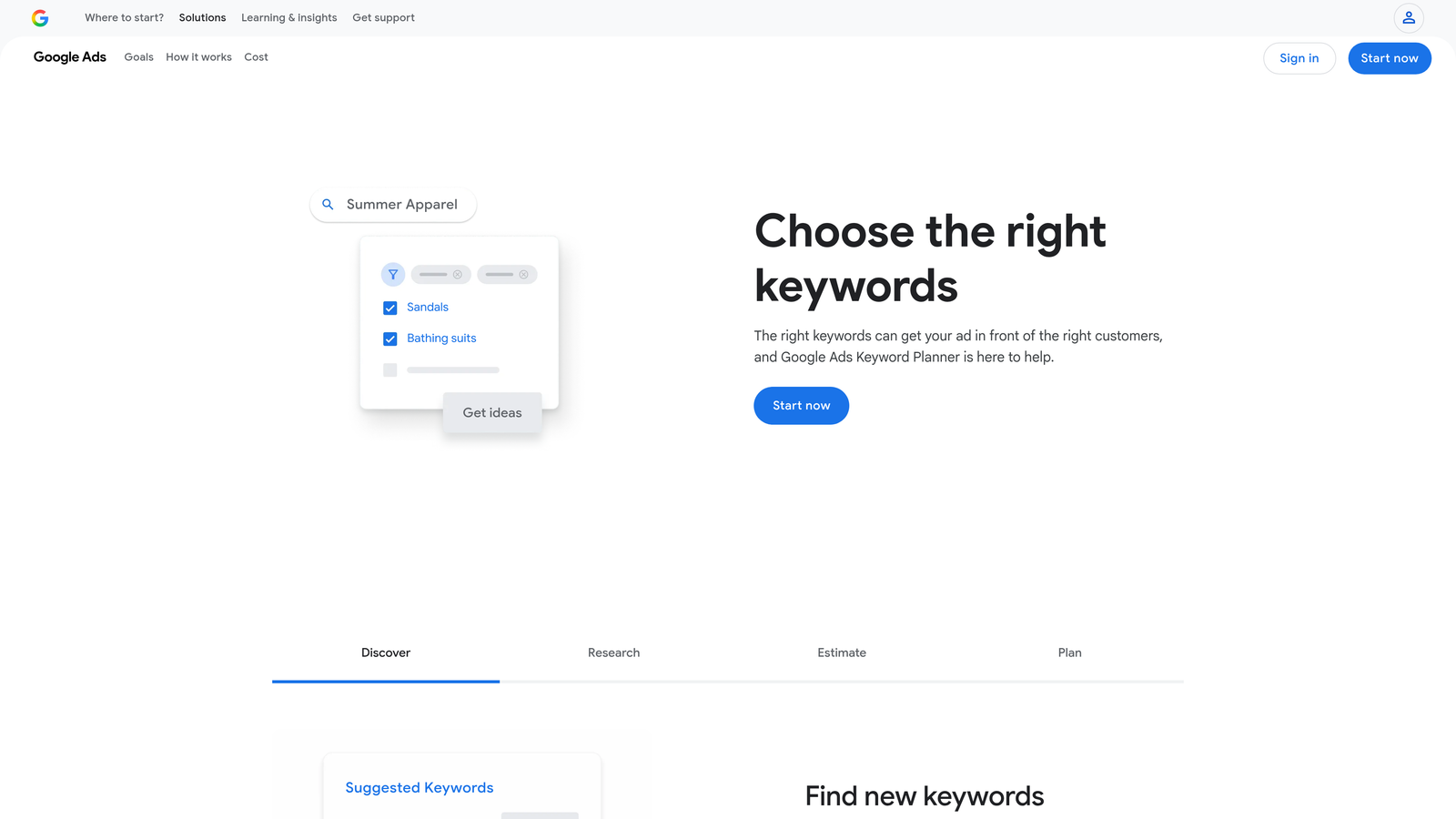
1. Conduct comprehensive keyword research using tools like Ahrefs, SEMrush, or Google Keyword Planner to identify your primary topics and supporting keywords with realistic search volume and competition levels.


2. Organize keywords into topic clusters with one pillar topic supported by 8-12 related subtopics, ensuring each cluster addresses different stages of your customer journey.
3. Create a content calendar that sequences article generation strategically, starting with foundational pillar content before expanding into supporting cluster articles.
4. Document internal linking opportunities between planned articles so your automated writer can incorporate relevant links as content gets published.
Pro Tips
Don't chase high-volume keywords with impossible competition when starting out. Target the "Goldilocks zone" of keywords with moderate volume and achievable rankings. As your domain authority grows through consistent publishing, expand into more competitive terms. Also, leave room in your keyword plan for trending topics and timely content opportunities that emerge throughout the year.
2. Train Your Automated Writer with Brand Voice Guidelines
The Challenge It Solves
Generic AI-generated content sounds like it came from nowhere and speaks to no one in particular. Readers can sense the difference between content that reflects a distinct brand personality and content that could have been written for any company in your industry.
Without voice training, your automated SEO article writer produces technically correct but soulless content that fails to build the brand recognition and audience connection that drives long-term success.
The Strategy Explained
Your automated writer is remarkably adaptable, but it needs clear direction. Think of brand voice training like teaching a new team member your company's communication style—you wouldn't hand them a keyboard and say "write stuff." You'd provide examples, explain your tone preferences, and clarify what makes your brand distinct.
Create comprehensive style guidelines that cover tone, vocabulary preferences, sentence structure tendencies, and the specific phrases or approaches your brand uses consistently. The more specific you get, the more your automated content will sound distinctly yours rather than generically professional.
Advanced AI-powered SEO content writers can absorb example content and replicate stylistic patterns. Feed it your best-performing human-written articles so it learns what resonates with your audience.
Implementation Steps
1. Document your brand voice characteristics across multiple dimensions including formality level, technical depth, humor usage, and perspective (first person, second person, or third person).
2. Compile 5-10 examples of your best existing content that exemplifies your desired voice, annotating specific passages that capture your brand personality perfectly.
3. Create a "never use" list of phrases, jargon, or approaches that conflict with your brand positioning or alienate your target audience.
4. Configure your automated writer's parameters to reflect these guidelines, testing output against your examples and refining settings until the voice alignment feels natural.
Pro Tips
Voice consistency matters more than perfection. It's better to have a slightly simplified version of your brand voice that remains consistent across all automated content than to chase perfect replication that requires extensive editing. Also, update your voice guidelines quarterly as your brand evolves—what worked when you were a scrappy startup might not fit once you're an established industry player.
3. Implement Human-AI Collaboration Checkpoints
The Challenge It Solves
Two extremes plague automated content operations. Some teams review every AI-generated sentence, creating bottlenecks that eliminate the efficiency gains. Others publish everything automatically, occasionally releasing content with factual errors, awkward phrasing, or missed opportunities for strategic positioning.
The challenge is finding the sweet spot where human expertise adds maximum value without becoming a constraint on your content velocity.
The Strategy Explained
Strategic checkpoints focus human attention where it matters most while letting automation handle the heavy lifting. Not every article needs the same level of review, and not every section within an article requires equal scrutiny.
High-stakes content—articles targeting your most important keywords, content that makes specific claims about your product, or pieces that address sensitive industry topics—deserves thorough human review. Informational content targeting long-tail keywords can often proceed with lighter oversight focused on factual accuracy and brand alignment.
Create a tiered review system based on content importance and risk level. Your automated SEO article writer handles the first draft, but humans make strategic decisions about positioning, add unique insights competitors can't replicate, and verify claims that could damage credibility if incorrect. Understanding the nuances of AI SEO writer vs human writer capabilities helps you design these checkpoints effectively.
Implementation Steps
1. Categorize your content into review tiers such as high-priority (full human review), medium-priority (spot-check key sections), and low-priority (automated quality checks only).
2. Design review checklists specific to each tier that focus reviewer attention on the elements that matter most for that content type.
3. Establish clear turnaround time expectations for each review tier to maintain content velocity while ensuring quality standards.
4. Track which types of edits reviewers make most frequently and feed those patterns back into your automated writer's training to reduce future review needs.
Pro Tips
Schedule review time in blocks rather than interrupting other work for individual articles. Batch reviewing similar content types helps you spot patterns and make consistent decisions. Also, empower your reviewers to create "approved automatically" templates for content formats that consistently meet quality standards—over time, more content should graduate to lighter review tiers.
4. Optimize for Both Search Engines and AI Platforms
The Challenge It Solves
Your audience isn't just using Google anymore. They're asking ChatGPT for recommendations, querying Claude for explanations, and turning to Perplexity for research. If your content only optimizes for traditional search engines, you're invisible to a rapidly growing segment of how people discover information.

Traditional SEO and what's emerging as GEO (Generative Engine Optimization) share principles but differ in execution. Content that ranks well in search doesn't automatically get cited by AI models. Understanding the differences between AI search optimization vs traditional SEO is essential for modern content strategy.
The Strategy Explained
AI models select content to cite based on clarity, authority signals, and comprehensive topic coverage. They favor content that directly answers questions, provides clear explanations, and demonstrates subject matter expertise through depth rather than keyword density.
Structure your automated content to serve both discovery channels. Use clear headings that work as standalone answers to common questions. Include comprehensive explanations that AI models can confidently cite. Maintain the technical SEO fundamentals that help search engines understand your content while adding the clarity and depth that makes AI models trust your information.
Think of it as writing for the smartest possible reader—one who values substance over keyword repetition and appreciates when you directly address their actual question rather than dancing around it for SEO purposes.
Implementation Steps
1. Structure articles with clear H2 and H3 headings that could stand alone as answers to specific questions your audience asks.
2. Front-load key information in the first 2-3 sentences of each section so AI models can quickly identify whether your content addresses the query.
3. Include authoritative explanations rather than surface-level overviews—AI models prefer citing sources that demonstrate genuine expertise and comprehensive understanding.
4. Add relevant context and supporting details that help AI models understand when your content is the appropriate answer to cite for specific queries.
Pro Tips
Don't abandon traditional SEO fundamentals like title tags, meta descriptions, and internal linking—these still matter enormously for search engine visibility. Instead, layer in the clarity and depth that appeals to AI models. Also, monitor which of your articles get cited by AI platforms and analyze what made them citation-worthy to refine your approach.
5. Automate the Full Publishing Pipeline
The Challenge It Solves
You've generated amazing content with your automated SEO article writer, but it sits in draft status for days or weeks waiting for someone to manually upload it to your CMS, format it properly, add images, configure SEO settings, and submit it for indexing. By the time it goes live, competing content has already claimed the rankings you were targeting.
Manual publishing steps create delays that undermine the speed advantage automation provides. In competitive niches, being first to comprehensively cover a trending topic can mean the difference between page one visibility and page three obscurity.
The Strategy Explained
True content automation extends beyond writing to encompass the entire publishing workflow. Your automated SEO article writer should connect directly to your CMS, automatically formatting content according to your templates, applying appropriate categories and tags, and triggering indexing protocols the moment articles go live.
Modern platforms support auto-publishing capabilities that maintain quality controls while eliminating manual busywork. You define the rules—required elements, formatting standards, SEO configurations—and the system ensures every article meets those standards before publication. Exploring automated SEO workflow solutions can help you identify the right tools for your needs.
IndexNow integration accelerates search engine discovery by immediately notifying search engines when new content publishes rather than waiting for their next crawl cycle. This can reduce time-to-indexing from days to hours, giving you a competitive advantage in time-sensitive topics.
Implementation Steps
1. Connect your automated SEO article writer to your CMS through native integrations or API connections that enable direct publishing without manual file transfers.
2. Configure automated formatting rules that apply your site's styling, insert required elements like author bios and CTAs, and structure content according to your templates.
3. Set up IndexNow integration to automatically notify search engines whenever new content publishes or existing content updates, accelerating discovery and indexing.
4. Create automated sitemap updates that reflect new content immediately, ensuring search engines can find and crawl your latest articles without delay.
Pro Tips
Start with semi-automated publishing where content stages for final approval before going live. Once you're confident in your quality controls, graduate to fully automated publishing for appropriate content tiers. Also, maintain a content calendar that spaces out publication timing—publishing 20 articles simultaneously looks suspicious to search engines, but spreading them across the week appears natural.
6. Track Performance and Iterate on Content Templates
The Challenge It Solves
Many teams generate content consistently but never systematically analyze what's working. They produce article after article without understanding which formats drive traffic, which topics resonate with their audience, or which structural approaches lead to better engagement and conversions.
Without performance tracking, you're flying blind—unable to replicate successes or course-correct failures. Your automated SEO article writer keeps producing content based on initial settings that might not align with what actually performs.
The Strategy Explained
Treat your automated content operation like a laboratory where every article is an experiment generating data about what works. Track performance across multiple dimensions including organic traffic growth, keyword rankings, time on page, conversion rates, and social sharing patterns.
Look for patterns in your top performers. Do listicles consistently outperform how-to guides for your audience? Do longer articles generate more backlinks while shorter pieces drive faster traffic? Does including specific types of examples or data points correlate with better engagement? Using automated SEO reporting tools can streamline this analysis significantly.
Use these insights to refine your content templates and automated writer parameters. If articles with clear implementation steps consistently outperform theoretical explanations, adjust your templates to emphasize actionable advice. If certain heading structures improve readability metrics, make them standard across future content.
Implementation Steps
1. Establish baseline metrics for content performance including organic traffic at 30, 60, and 90 days post-publication, average ranking position for target keywords, and engagement metrics like time on page and scroll depth.
2. Tag articles with metadata about their format, structure, and approach so you can segment performance analysis by content characteristics rather than just topics.
3. Conduct monthly performance reviews identifying your top 10% and bottom 10% performing articles, analyzing what differentiates them beyond topic selection.
4. Create and test variations of your content templates based on performance insights, measuring whether changes improve results before rolling them out broadly.
Pro Tips
Give content time to mature before judging performance—some articles build momentum slowly while others spike quickly then fade. Track performance over at least 90 days before drawing conclusions. Also, don't just analyze your own content; study what's ranking for your target keywords and identify patterns in competitor content that you can adapt to your approach.
7. Monitor Your AI Visibility Alongside Traditional Metrics
The Challenge It Solves
Your analytics dashboard shows solid organic traffic growth and improving keyword rankings, but you have no idea whether AI platforms like ChatGPT, Claude, or Perplexity are mentioning your brand when users ask relevant questions. You're measuring half the visibility picture while missing an increasingly important discovery channel.
As more people turn to AI platforms for research and recommendations, brands that only track traditional search metrics are blind to a significant portion of their digital presence and missing opportunities to improve how AI models represent them.
The Strategy Explained
AI visibility tracking reveals how generative AI platforms talk about your brand, what context they mention you in, and whether they're citing your content as authoritative sources. This intelligence helps you understand whether your content strategy is successfully positioning your brand for AI-powered discovery.
Track brand mentions across major AI platforms to identify patterns. Are you mentioned positively when users ask about your product category? Do AI models cite your content when explaining concepts in your industry? Are competitors mentioned more frequently or more favorably?
Use AI visibility data to inform content strategy decisions. If AI platforms rarely mention your brand for certain topics despite strong traditional search rankings, it signals an opportunity to create more citation-worthy content in those areas. If sentiment analysis shows mixed or negative mentions, you can address the underlying issues in your content and positioning. A solid automated SEO content strategy should incorporate both traditional and AI visibility metrics.
Implementation Steps
1. Establish baseline AI visibility by manually querying major AI platforms with relevant questions about your industry, products, and topics to see current mention frequency and context.
2. Implement systematic tracking that monitors brand mentions across ChatGPT, Claude, Perplexity, and other emerging AI platforms, capturing both frequency and sentiment of mentions.
3. Identify content gaps where competitors receive AI citations but your brand doesn't appear, prioritizing these topics for new content creation.
4. Track which of your published articles get cited by AI models and analyze their characteristics to understand what makes content citation-worthy for generative AI.
Pro Tips
AI visibility isn't just about volume of mentions—context and sentiment matter enormously. Being mentioned frequently in negative contexts hurts more than helps. Focus on creating genuinely valuable, authoritative content that AI models can confidently recommend. Also, remember that AI model training data has cutoff dates; recent content might not appear in mentions until models update, so track trends over time rather than expecting immediate results.
Putting It All Together
Implementing an automated SEO article writer isn't a set-it-and-forget-it solution—it's the beginning of a more sophisticated content operation. Start with strategy one: build your keyword foundation before generating a single article. Then layer in brand voice training and human checkpoints.
As your system matures, expand into full pipeline automation and dual-platform optimization. The marketers and agencies seeing the strongest results treat their automated writing tools as force multipliers for human expertise, not replacements for strategic thinking. Comparing automated SEO content creation platforms can help you find the right fit for your workflow.
Track both traditional SEO metrics and emerging AI visibility signals to stay ahead of how search behavior continues to evolve. The opportunity is significant: scale your content output, maintain quality, and position your brand where your audience is increasingly looking—both in traditional search results and AI-powered recommendations.
The teams winning with automated content generation share a common approach. They combine strategic planning with systematic optimization, using data to continuously refine their approach rather than hoping their initial settings produce results indefinitely.
Stop guessing how AI models like ChatGPT and Claude talk about your brand—get visibility into every mention, track content opportunities, and automate your path to organic traffic growth. Start tracking your AI visibility today and see exactly where your brand appears across top AI platforms.