Your content calendar is packed. Your team is stretched thin. And somewhere between the Monday morning strategy meeting and Friday's publishing deadline, you're supposed to produce high-quality SEO content that ranks, converts, and somehow maintains your brand's unique voice.
Sound familiar?
Marketing teams today face an impossible equation: search engines reward consistent, comprehensive content coverage, but creating that content manually requires resources most teams simply don't have. The answer isn't working longer hours or hiring an army of writers. It's rethinking how content gets created in the first place.
SEO content creation automation bridges the gap between what search visibility demands and what your team can realistically deliver. It's not about replacing human expertise with robots—it's about amplifying your strategic thinking with systems that handle the repetitive, time-consuming tasks that bog down your workflow. Think of it as giving your team superpowers: the ability to research faster, draft smarter, optimize consistently, and publish at scale without sacrificing the quality that makes your content worth reading.
This guide breaks down exactly how SEO content creation automation works, where it fits in your existing processes, and how to implement it without losing the human touch that makes your content connect with readers. Whether you're drowning in content requests or looking to scale beyond your current output, here's your roadmap to working smarter.
The Real Power Behind Automation
SEO content creation automation uses AI and specialized software to streamline every stage of your content workflow—from initial keyword research through final publishing and indexing. But here's what it's not: a magic button that spits out perfect articles while you sleep.
The most effective automation systems function as intelligent assistants. They handle the heavy lifting of data analysis, research compilation, and structural formatting, freeing your team to focus on strategy, creativity, and the nuanced decisions that truly impact results.
Think of automation in two distinct flavors. Full automation operates hands-off—you input parameters, the system generates and publishes content with minimal human intervention. This works well for data-driven content like product descriptions, local landing pages, or technical documentation where consistency matters more than creative flair.
Augmented automation takes a different approach. AI handles specific workflow components while humans maintain creative control and final approval. Your research agent might analyze competitor content and identify gaps, your writing agent generates a structured first draft, and your optimization agent ensures technical SEO elements are in place—but your team shapes the strategy, refines the voice, and validates accuracy.
The core components work together like a well-coordinated team. Keyword research automation analyzes search intent, identifies content opportunities, and maps semantic relationships between topics. Content generation agents create outlines and drafts based on your briefs and brand guidelines. On-page optimization tools handle meta descriptions, header structures, internal linking suggestions, and schema markup. Publishing workflows connect directly to your CMS, automating the final push from draft to live.
What makes modern automation different from earlier attempts? Specialized AI agents. Instead of one generic system trying to do everything, you get purpose-built agents trained for specific tasks. A research agent understands SERP analysis differently than a writing agent approaches paragraph structure. This specialization produces better results than asking a single AI to be good at everything. Teams exploring SEO content creation with multiple AI agents often see dramatic improvements in output quality.
The real advantage emerges when these components work in concert. Your research agent identifies a content gap, passes structured data to your writing agent, which creates a draft that your optimization agent enhances with SEO elements, before your publishing agent pushes it live and triggers indexing protocols. The entire pipeline operates with consistency that manual processes struggle to match.
Mapping Automation to Your Content Process
Every content team follows roughly the same journey, even if the specific tools and handoffs vary. Understanding where automation adds value—and where human judgment remains essential—determines whether your implementation succeeds or creates more problems than it solves.
Let's walk through a typical content creation workflow. It starts with ideation: identifying topics worth covering based on business goals, audience needs, and search opportunity. Then comes research—analyzing what already ranks, understanding user intent, gathering supporting data and examples. Outlining structures that research into a logical flow. Writing transforms the outline into readable content. Editing refines voice, accuracy, and clarity. Optimization adds SEO elements and ensures technical standards. Publishing moves content live. Indexing signals search engines to discover and evaluate the new content.
Here's where it gets strategic: not every stage benefits equally from automation.
Research automation shines brightest. AI can analyze hundreds of top-ranking pages in minutes, identify common themes and gaps, extract relevant statistics, and compile competitor approaches faster than any human researcher. The time savings here are massive—what might take a content strategist three hours of manual analysis becomes a five-minute automated report.
First draft generation offers substantial value when approached correctly. AI writing agents excel at creating structured content from detailed briefs, maintaining consistent formatting, and covering all required talking points. They struggle with nuanced brand voice, creative storytelling, and the kind of unexpected insights that make content memorable. The sweet spot? Use AI for the structural heavy lifting, then have human writers inject personality and strategic thinking.
Technical SEO optimization is automation's natural habitat. Generating meta descriptions that hit character limits, structuring headers properly, suggesting internal links based on topical relevance, implementing schema markup—these tasks follow clear rules that AI handles flawlessly. There's no reason for humans to spend time on mechanical SEO tasks when automation does them faster and more consistently.
Indexing automation might be the most underrated component. Tools that integrate with IndexNow can notify search engines about new content immediately, dramatically reducing the time between publishing and discovery. Manual sitemap updates and waiting for search engines to crawl your site become unnecessary delays.
Now consider where human oversight remains critical. Content strategy—deciding what topics to cover, how they align with business goals, and what makes your approach unique—requires human judgment. Brand voice consistency needs a human ear. Fact-checking and accuracy validation demand human verification, especially given AI's tendency to generate plausible-sounding but incorrect information. Final editorial approval ensures content meets your standards before it represents your brand publicly.
The concept of automation layers helps teams implement gradually rather than attempting everything at once. Start with one workflow component—maybe research automation or technical optimization. Measure the impact. Refine the process. Then add the next layer. This approach builds confidence, allows your team to adapt, and prevents the chaos of trying to automate everything simultaneously. Understanding the differences between SEO content automation vs manual approaches helps teams make smarter decisions about where to start.
Many successful teams begin with research automation, move to draft generation, add optimization tools, then finally implement automated publishing and indexing. Each layer compounds the efficiency gains of the previous one.
Critical Capabilities Your Automation Stack Needs
Not all automation platforms are created equal. The difference between tools that amplify your team's effectiveness and those that create more work than they save often comes down to a few essential capabilities.
Multi-agent AI systems represent the current state of the art. Instead of a single AI trying to handle research, writing, and optimization with equal competency, specialized agents focus on what they do best. A research agent trained on SERP analysis and content gap identification operates differently than a writing agent optimized for creating engaging paragraphs or an optimization agent focused on technical SEO elements.
This specialization matters because content creation involves fundamentally different cognitive tasks. Analyzing search intent requires different capabilities than crafting compelling introductions. The best automation platforms coordinate multiple specialized agents, each handling their domain of expertise, then combining outputs into cohesive content.
Integration requirements determine whether automation actually saves time or creates new bottlenecks. Your automation platform should connect directly with your CMS—WordPress, Webflow, HubSpot, or whatever system you use. Manual copy-paste between systems defeats the purpose of automation. Look for native integrations or robust API connections that allow content to flow from generation through publishing without manual intervention.
IndexNow integration has become increasingly important. This protocol allows you to notify search engines about new or updated content immediately, rather than waiting for them to discover changes through regular crawling. Platforms that automatically trigger IndexNow notifications when publishing new content can dramatically reduce the time between creation and indexing.
Analytics connections close the feedback loop. Your automation system should integrate with Google Analytics, Search Console, or your preferred analytics platform. This allows you to track which automated content performs well, identify patterns in successful topics, and refine your automation parameters based on actual results rather than assumptions.
Quality controls separate professional-grade automation from tools that create more problems than they solve. Plagiarism detection should be built-in, automatically checking generated content against existing web content to ensure originality. Factual accuracy checks help catch AI-generated claims that sound plausible but aren't verifiable. Brand voice consistency tools analyze whether generated content matches your established tone and style guidelines.
The ability to customize and train the system on your specific requirements matters enormously. Generic automation produces generic content. The best platforms allow you to input brand guidelines, preferred writing styles, industry-specific terminology, and examples of your best content. The AI learns from these inputs, producing drafts that require less editing and better match your standards from the start. A thorough SEO content creation tools comparison can help you evaluate which platforms offer the customization your team needs.
Content brief capabilities determine how well the system understands what you want. Robust platforms let you specify target keywords, required word count, content type (listicle, guide, explainer), tone preferences, specific points to cover, and examples to reference. The more detailed your brief, the better the initial output—but only if the platform can actually process and act on that level of detail.
Your Step-by-Step Automation Implementation
Building an automated content pipeline that actually works requires more than choosing good tools. It demands thoughtful workflow design that balances efficiency with quality control.
Start with content briefs. These become the foundation of your automation system. A comprehensive brief includes your target keyword, related semantic terms, desired content format, required sections or talking points, target word count, tone and style preferences, competitive content to reference, and specific claims or data points to include. The more structured and detailed your briefs, the better your automated outputs. Teams looking to streamline this process should explore SEO content brief automation as a starting point.
Think of briefs as instructions to a talented but literal-minded assistant. Vague directions produce vague results. Specific, actionable briefs produce content that requires minimal revision.
The AI generation phase takes your brief and produces a structured first draft. Modern multi-agent systems typically work through several steps: research agents analyze top-ranking content and compile relevant information, outline agents structure that research into a logical flow, writing agents generate paragraphs following the outline, and optimization agents add SEO elements like meta descriptions and header tags.
This happens in minutes rather than hours. A comprehensive 2,500-word article that might take a human writer four to six hours to research and draft can be generated in under ten minutes. The time savings compound dramatically when you're producing multiple pieces of content.
Human review checkpoints ensure quality doesn't suffer in pursuit of speed. Establish clear review stages: initial draft review for factual accuracy and brand alignment, editorial refinement for voice and readability, final approval before publishing, and post-publish monitoring for performance and reader feedback.
The key is making review efficient without becoming a bottleneck. Use checklists that reviewers can quickly verify: Does this match our brand voice? Are all factual claims accurate or appropriately qualified? Does the content provide genuine value? Is the SEO optimization appropriate without being excessive?
Auto-publishing capabilities move approved content live without manual intervention. Connect your automation platform to your CMS with appropriate permissions. Set up approval workflows so content only publishes after human sign-off. Configure publishing parameters like publish date, category assignments, tag applications, and featured image selection.
Automated indexing ensures search engines discover your new content immediately. Platforms with IndexNow integration automatically notify Google, Bing, and other supporting search engines when new content publishes or existing content updates. This eliminates the traditional waiting period for search engines to crawl your site and discover changes organically.
Scaling your pipeline requires thinking beyond individual articles. Batch processing allows you to queue multiple content briefs and let the system work through them systematically. Content calendars integrate with automation to schedule content production and publishing across weeks or months. Topical authority building becomes feasible when you can efficiently produce comprehensive coverage of a subject area rather than isolated articles. For teams ready to scale, bulk SEO content creation strategies can dramatically accelerate output.
The beauty of a well-designed automated pipeline is predictability. You know exactly how long each stage takes, where bottlenecks might occur, and how much content your team can realistically produce. This predictability enables better planning and more reliable content marketing execution.
Tracking What Actually Matters
Automation makes producing more content easier. But more content isn't the goal—better results are. Measuring success requires looking beyond simple output metrics to understand whether your automated content actually drives organic growth.
Organic traffic growth remains the ultimate indicator. Track traffic to automated content specifically, not just site-wide metrics. Are these pages attracting visitors? Which topics and formats perform best? How does traffic to automated content compare with manually created pieces? These comparisons reveal whether your automation is producing content that genuinely serves user needs or just filling space.
Indexing speed tells you how quickly your content enters the competition for rankings. With IndexNow integration, you should see new content indexed within hours rather than days or weeks. Track the time between publishing and first appearance in search results. Faster indexing means faster feedback on what's working and quicker returns on your content investment.
Content quality scores help maintain standards at scale. Establish metrics like average time on page, scroll depth, bounce rate, and pages per session for automated content. Set minimum thresholds—if automated content consistently underperforms these benchmarks, your automation parameters need adjustment.
Time savings quantify efficiency gains. Calculate the hours saved per article by comparing manual creation time with automated workflow time. Multiply by the number of articles produced to understand total time savings. This metric justifies automation investment and helps optimize where human time gets allocated. Teams struggling with time-consuming SEO content writing often see the most dramatic improvements from automation.
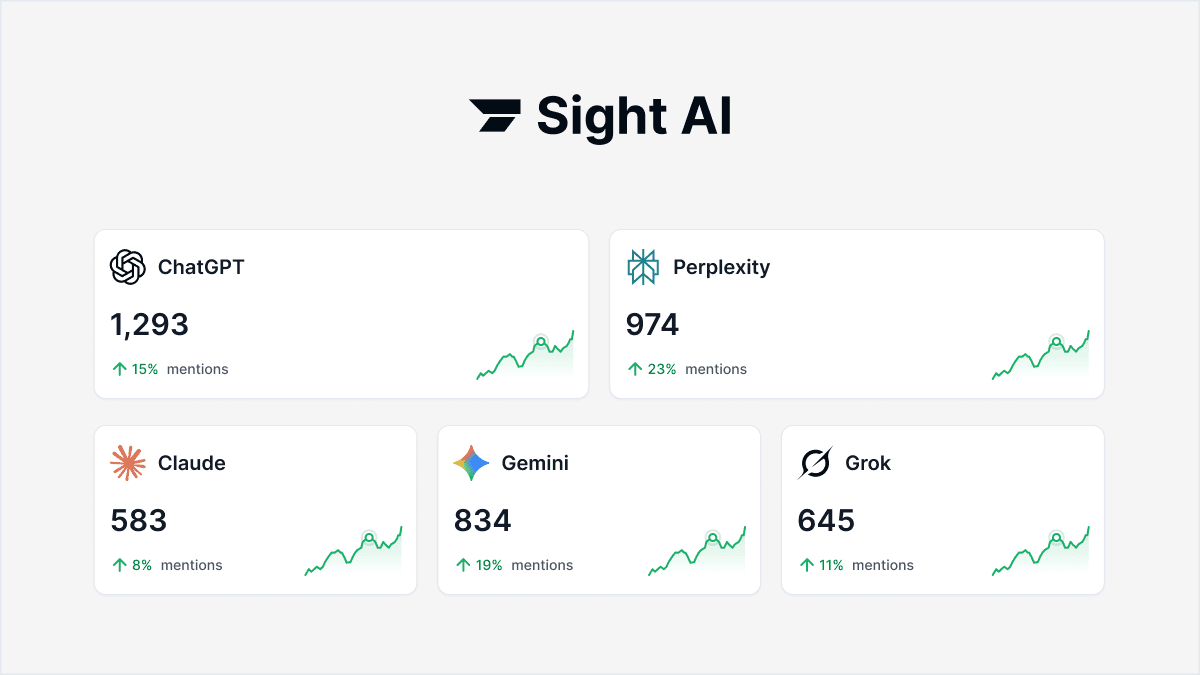
Here's where it gets interesting: AI visibility tracking reveals whether your automated content gets mentioned by AI models like ChatGPT, Claude, and Perplexity. As generative AI becomes a primary research and discovery tool, appearing in AI responses matters as much as traditional search rankings. Track which automated content AI models cite, how they describe your brand, and what prompts trigger mentions.
This dual optimization requirement—traditional SEO and generative engine optimization—reshapes how you evaluate automated content success. Content might rank well in Google but never get cited by AI models, or vice versa. Comprehensive measurement tracks both.
Balancing quantity with quality prevents the trap of producing more content that performs worse. Set quality minimums that automated content must meet. If a piece doesn't hit those standards, it doesn't publish—even if automation made it faster to create. This discipline ensures your automation amplifies quality rather than just volume.
Conversion metrics close the loop between content and business results. Track whether automated content drives desired actions—newsletter signups, demo requests, product purchases, whatever matters for your business. Content that ranks well but doesn't convert isn't pulling its weight.
Avoiding Automation Pitfalls
Automation done poorly creates problems faster than it solves them. Understanding common failure modes helps you design systems that avoid these traps from the start.
Over-automation represents the biggest risk. When teams try to automate everything—strategy, research, writing, editing, publishing—without human oversight, the results are predictably bad. Generic content that sounds like every other AI-generated article. Loss of brand voice and unique perspective. Factual errors that slip through without human verification. Content that technically covers topics but provides no genuine insight or value.
The fix is simple in concept, harder in execution: maintain human involvement at strategic decision points. Automate the mechanical tasks, but keep humans in the loop for strategy, final review, and quality validation. Understanding SEO automation for content teams helps establish the right balance between efficiency and oversight.
Brand voice erosion happens gradually. The first few automated articles might sound reasonably on-brand. But without active voice management, automated content drifts toward generic, neutral language that could come from any company. Your unique perspective—the thing that makes your content worth reading beyond just information delivery—disappears.
Combat this by training your automation system on your best content. Provide clear voice guidelines. Have editors specifically review for brand voice consistency, not just factual accuracy. Consider creating a brand voice checklist that every piece of automated content must pass before publishing.
Factual accuracy demands constant vigilance. AI systems generate plausible-sounding content with impressive confidence, even when making up statistics, misattributing quotes, or creating fake case studies. These fabrications can damage credibility and trust when readers discover them.
Implement strict fact-checking protocols. Any statistical claim needs a verifiable source. Any case study must name real companies with cited references. Any "according to" statement must specify the actual study or report. If the AI can't provide verification, the claim doesn't make it into published content.
E-E-A-T signals—Experience, Expertise, Authoritativeness, Trustworthiness—become harder to maintain with automated content. Search engines increasingly prioritize content demonstrating genuine expertise and first-hand experience. Purely automated content often lacks these signals.
Strengthen E-E-A-T by having subject matter experts review automated drafts and add insights from their experience. Include author bios that establish expertise. Cite authoritative sources. Add original data or case studies when possible. Use automation for structure and coverage, but inject human expertise to elevate the content beyond generic information. Teams focused on AI content creation with SEO optimization must prioritize these quality signals.
The temptation to publish without review grows as automation makes content production effortless. Resist it. Every piece of automated content should pass through human review before going live. The review might be quick for straightforward topics, more thorough for complex or sensitive subjects, but it should always happen.
Set up approval workflows that make review the default, not optional. Content sits in draft status until a human explicitly approves it for publishing. This small friction point prevents the worst automation failures from reaching your audience.
Building Your Automated Content Future
SEO content creation automation isn't about replacing the strategic thinking, creativity, and expertise your team brings to content marketing. It's about amplifying those human capabilities by removing the repetitive, time-consuming tasks that prevent you from operating at your full potential.
The teams seeing the best results approach automation as a force multiplier. AI handles research compilation, structural drafting, technical optimization, and publishing mechanics. Humans focus on strategy, quality control, brand voice, and the creative insights that make content genuinely valuable. This division of labor plays to each side's strengths.
Start small and expand deliberately. Pick one workflow component where automation can make an immediate impact—maybe research automation to speed up your content planning, or technical optimization to ensure consistent SEO standards. Implement it well. Measure the results. Learn what works. Then add the next layer.
This gradual approach builds confidence and competence. Your team learns how to write better briefs, what review checkpoints catch problems efficiently, and how to maintain quality while increasing output. These skills compound as you expand automation across more workflow components.
The organic growth landscape is evolving rapidly. Traditional search engines continue rewarding comprehensive, well-optimized content. But AI search engines—ChatGPT, Perplexity, Claude—are reshaping how people discover information and evaluate brands. Your content needs to work in both environments.
This is where automation combined with visibility tracking creates a complete system. Automated content production ensures you can cover topics comprehensively and consistently. Start tracking your AI visibility today and see exactly where your brand appears across top AI platforms, which content gets cited, and what opportunities exist to strengthen your presence in AI responses.
The future belongs to teams that can produce high-quality content at scale while maintaining the strategic thinking and brand authenticity that makes content worth consuming. Automation makes that possible. The question isn't whether to automate, but how to do it in a way that amplifies your strengths rather than replacing them.
Your content calendar is still packed. Your team is still stretched. But now you have a path forward that doesn't require impossible choices between quality and quantity, between strategic thinking and execution speed. Automation handles the mechanics. Your team focuses on what humans do best. And your organic growth accelerates accordingly.