Your content calendar is overflowing. Your team is stretched thin. And somewhere between the pressure to publish daily and the need to maintain quality, you're wondering whether automation is the answer or the beginning of a slippery slope toward generic, soulless content.
Here's the reality: The debate between SEO content automation and manual creation isn't about picking a side. It's about building a strategic framework that leverages both approaches at the right moments.
Modern marketers face an impossible equation. Search algorithms reward consistent publishing velocity. AI models favor comprehensive, authoritative content. Your audience demands authentic expertise. And your budget has limits.
The solution isn't choosing automation over manual work or vice versa. It's understanding exactly when each approach delivers maximum value—and how to combine them into a workflow that scales without sacrificing the quality signals that drive rankings and AI visibility.
Whether you're a founder building your first content operation or an agency managing dozens of client portfolios, these seven strategies will help you construct a production system that balances efficiency with excellence.
1. Map Your Content Types to the Right Production Method
The Challenge It Solves
Not all content carries equal weight. A comprehensive buying guide requires different expertise than a product comparison table. Yet many teams apply the same production approach across their entire content mix, wasting manual effort on straightforward pieces while rushing through content that demands deep expertise.
This misalignment creates two problems: your team burns hours on content that automation could handle efficiently, while complex topics that need human insight get treated like assembly-line work.
The Strategy Explained
Create a content matrix that categorizes every piece you publish based on two dimensions: complexity and brand differentiation requirements. High-complexity, high-differentiation content (thought leadership, original research, expert perspectives) stays manual. Low-complexity, low-differentiation content (product roundups, FAQ compilations, definition articles) becomes automation candidates.
The middle ground—moderate complexity with standard industry knowledge—works best with hybrid approaches where automation generates initial structure and research while human editors add expertise and refinement. This approach mirrors the principles outlined in content automation vs manual writing comparisons.
This mapping exercise transforms vague "quality concerns" into concrete production decisions. You'll know immediately whether a new content brief should route to your automation workflow, your expert writers, or a hybrid process.
Implementation Steps
1. Audit your last 50 published articles and categorize them by complexity (simple/moderate/complex) and brand voice requirements (generic/standard/distinctive)
2. Create a 3x3 matrix plotting these dimensions, then assign production methods to each quadrant based on your team's capacity and expertise
3. Build intake forms or content brief templates that automatically route new assignments to the appropriate workflow based on their matrix position
Pro Tips
Review your matrix quarterly as your automation tools evolve. What required manual work six months ago might now be automation-ready. Similarly, as your brand voice strengthens, you might shift more content toward manual production to maintain differentiation. The matrix isn't static—it's a living framework that adapts with your capabilities.
2. Implement a Hybrid Workflow with Clear Handoff Points
The Challenge It Solves
The all-or-nothing approach creates unnecessary friction. Teams either automate entire articles and publish without review, or they manually craft everything from scratch. Both extremes waste resources—automation without oversight produces generic content, while manual creation from blank pages ignores efficiency gains.
The real opportunity lies in the middle: using automation for what it does best while preserving human judgment where it matters most.
The Strategy Explained
Design workflows with defined handoff points where automation completes specific phases before human editors take over. Automation handles research aggregation, outline generation, and initial draft creation. Human editors focus on adding original insights, refining voice, fact-checking claims, and ensuring E-E-A-T signals.
Think of it like construction: automation pours the foundation and frames the structure, while manual work handles the finishing touches that make the house livable. Each phase plays to its strengths without duplicating effort.
The key is documenting exactly what automation delivers and what human editors must verify. Without clear handoff specifications, editors waste time second-guessing automated work or miss gaps that need attention. Implementing SEO content workflow automation helps standardize these handoff points.
Implementation Steps
1. Define your automation phase deliverables (keyword research, competitive analysis, outline with H2/H3 structure, initial draft with cited sources)
2. Create an editor checklist specifying what they must verify (factual accuracy, source credibility, brand voice alignment, original insight addition, E-E-A-T signal strength)
3. Build a review template that tracks which sections received manual enhancement versus which sections passed through automation unchanged, creating data for future optimization
Pro Tips
Start with a 70/30 split: let automation handle 70% of the heavy lifting while reserving 30% of production time for human refinement. As your team develops trust in your automation tools, you can adjust this ratio based on content performance data. Track which handoff points create bottlenecks and refine your process accordingly.
3. Automate Repetitive SEO Tasks While Preserving Creative Control
The Challenge It Solves
SEO content production involves numerous repetitive tasks that consume valuable time without requiring creative judgment. Keyword research, competitor analysis, meta description formatting, internal link suggestions, and schema markup generation all follow predictable patterns. Yet many teams have writers manually performing these tasks, leaving less time for the strategic thinking that differentiates content.
The Strategy Explained
Separate SEO tasks into two categories: mechanical optimization and strategic positioning. Mechanical tasks—keyword density analysis, readability scoring, technical SEO checks, link insertion—become automation candidates. Strategic tasks—angle selection, unique value proposition, expert perspective integration, brand voice—remain human-driven.
This separation ensures your team spends creative energy on differentiation rather than checkbox optimization. Exploring the best SEO content automation tools can help identify which mechanical tasks to automate first.
The result is content that satisfies both search algorithms and human readers without forcing your team to choose between technical optimization and creative excellence.
Implementation Steps
1. List every SEO task in your current workflow and classify each as either mechanical (follows rules) or strategic (requires judgment)
2. Select automation tools that handle your mechanical tasks—keyword research platforms, SEO content analyzers, internal linking tools, schema generators
3. Create a pre-writing automation sequence that delivers all mechanical SEO requirements to writers before they begin drafting, allowing them to focus entirely on strategic content creation
Pro Tips
Don't automate away your competitive advantage. If your brand's differentiation comes from unique data analysis, keep that process manual even if parts could be automated. Automation should amplify your strengths, not homogenize your content into the same output competitors produce.
4. Build Quality Gates That Catch Automation Gaps
The Challenge It Solves
Automation tools occasionally produce content with factual errors, outdated information, or claims lacking proper attribution. Without systematic quality checks, these gaps slip into published content, damaging credibility and creating compliance risks—especially for YMYL topics where accuracy directly impacts reader welfare.
Manual review alone isn't sufficient because human editors develop blind spots when reviewing high volumes of automated content. You need structured checkpoints that force verification of common automation weaknesses.
The Strategy Explained
Implement a multi-stage quality gate system where automated content passes through specific verification checkpoints before publication. Each gate targets known automation limitations: factual accuracy verification, source credibility checks, claim attribution requirements, brand voice alignment scoring, and E-E-A-T signal presence.
These gates aren't subjective quality reviews—they're systematic checks with pass/fail criteria. Understanding AI generated SEO content quality standards helps you build more effective verification checkpoints.
The system protects your brand reputation while building data about which automation processes need refinement.
Implementation Steps
1. Create a quality gate checklist with specific verification requirements: all statistics have cited sources with publication dates, all company examples name real organizations with verifiable information, all expert claims include proper attribution, brand voice matches approved style guide
2. Assign gate ownership to specific team members or roles, ensuring accountability for each verification checkpoint rather than diffusing responsibility across general "review"
3. Track failure rates at each gate to identify which automation processes need improvement—if 40% of automated content fails source verification, your automation needs better citation protocols
Pro Tips
Build your gates based on actual failures, not theoretical concerns. Start with basic fact-checking and attribution requirements, then add gates as you discover specific automation weaknesses in your production. Over-engineering quality checks upfront creates bottlenecks without addressing real issues.
5. Scale Content Production Without Sacrificing Indexing Speed
The Challenge It Solves
Automation enables publishing velocity that manual processes can't match. But increased output creates a new problem: getting all that content discovered and indexed by search engines quickly enough to capture traffic opportunities. Publishing 50 articles monthly means nothing if they sit in indexing queues for weeks.
Many teams focus exclusively on production speed while ignoring the indexing bottleneck, creating a content backlog that delays ROI and wastes the competitive advantage that automation provides.
The Strategy Explained
Pair your automation-driven content production with systematic indexing protocols that ensure rapid discovery. This means implementing IndexNow integration for real-time indexing notifications, maintaining automatically updated XML sitemaps, and establishing internal linking patterns that help search engines discover new content through crawl paths.
The goal is creating a publish-to-index pipeline where content moves from draft to searchable results as quickly as possible. Learning how to automate SEO content creation includes understanding these technical distribution requirements.
When production and indexing operate at the same velocity, you maximize the competitive advantage that automation provides.
Implementation Steps
1. Implement IndexNow protocol to notify search engines immediately when you publish new content, reducing the discovery delay from days to hours
2. Set up automatic sitemap generation and submission that updates within minutes of new content publication rather than waiting for manual updates
3. Create internal linking automation that connects new content to existing high-authority pages, establishing crawl paths that help search engines discover and prioritize indexing
Pro Tips
Monitor your indexing velocity as closely as your publication velocity. If you're publishing 10 articles weekly but only 60% are indexed within seven days, your indexing infrastructure needs attention. Use Search Console data to identify indexing delays and optimize your technical setup accordingly.
6. Optimize for AI Visibility Across Both Production Methods
The Challenge It Solves
Search engine optimization is no longer enough. AI models like ChatGPT, Claude, and Perplexity are becoming primary research tools, and they cite sources differently than traditional search engines. Content that ranks well in Google might never get mentioned by AI models if it lacks the signals these platforms prioritize.
Whether you're using automation or manual creation, you need to ensure your content meets Generative Engine Optimization standards that increase the likelihood of AI model citations and brand mentions.
The Strategy Explained
Build GEO principles into both your automated and manual workflows. This means structuring content with clear, quotable insights that AI models can extract and cite. It means including authoritative sources and data that AI platforms trust. It means optimizing for the question-answer patterns that conversational AI favors.
Track how AI models reference your brand across different platforms. When you publish content—whether automated or manual—monitor whether it generates new AI citations. Implementing AI content optimization for SEO principles helps ensure visibility across both traditional search and AI platforms.
The key insight: AI models reward helpful, accurate content whether it came from automation or manual creation. Your production method matters less than your content structure and authority signals.
Implementation Steps
1. Add GEO requirements to your content briefs: include quotable expert insights, cite authoritative sources, structure information as clear question-answer pairs, provide specific data points that AI models can reference
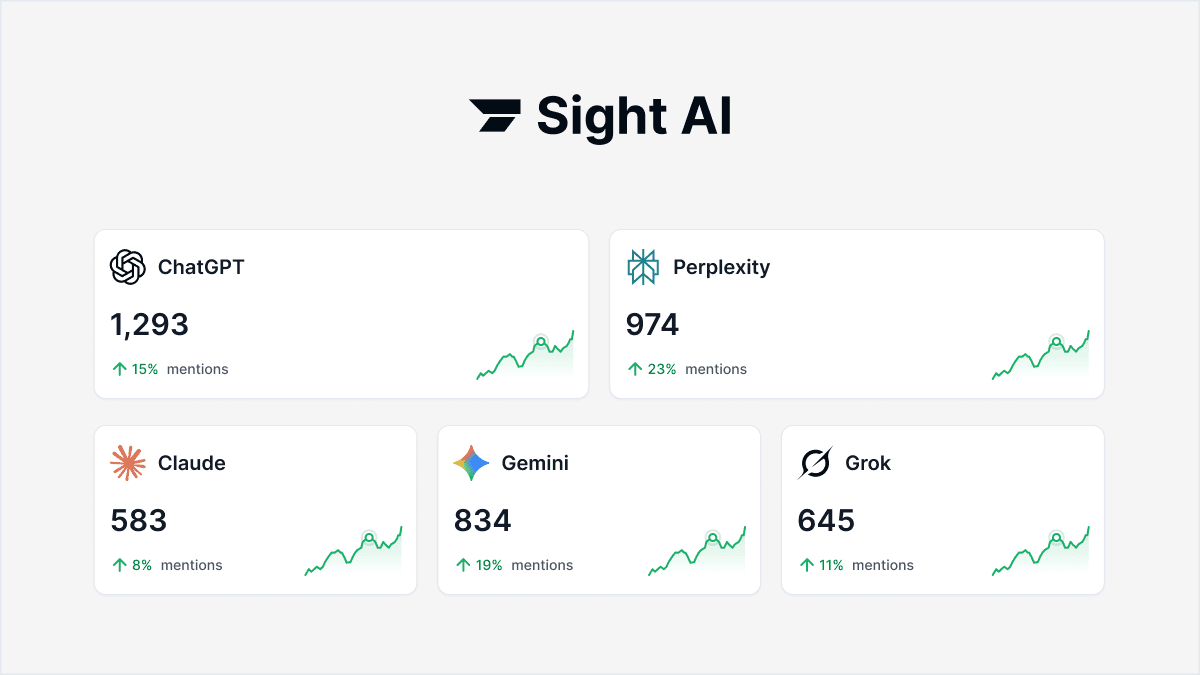
2. Start tracking your AI visibility today to monitor how ChatGPT, Claude, Perplexity, and other AI platforms mention your brand across different prompts and topics
3. Compare AI citation rates between automated and manual content to identify which production method better supports AI visibility for different content types, then optimize accordingly
Pro Tips
AI models favor content that directly answers questions with cited evidence. Whether using automation or manual creation, structure your content around the questions your audience asks AI platforms. Use tools that track AI visibility to see which content formats generate the most AI citations, then replicate those patterns across your production workflow.
7. Measure ROI to Continuously Refine Your Balance
The Challenge It Solves
Without performance data, the automation versus manual debate becomes philosophical rather than practical. Teams argue about quality concerns or efficiency gains without measuring actual outcomes. This leads to either over-investing in manual production that doesn't justify the cost or over-automating to the point where content performance suffers.
The solution requires tracking specific metrics that reveal which approach delivers better ROI for different content categories.
The Strategy Explained
Establish clear performance metrics for both automated and manual content: organic traffic growth, ranking velocity, engagement rates, conversion performance, and production costs. Tag content by production method in your analytics so you can compare performance across approaches.
This data-driven framework removes guesswork. If automated product comparisons generate 80% of the traffic of manual versions at 30% of the cost, automation wins for that content type. If manual thought leadership drives 3x the conversions despite higher production costs, manual creation justifies the investment. Understanding SEO content automation pricing helps you calculate accurate cost comparisons.
The goal isn't proving one approach superior—it's optimizing resource allocation based on measurable outcomes.
Implementation Steps
1. Create content tags or custom dimensions in your analytics platform identifying production method (automated, manual, hybrid) for every published piece
2. Track production costs including tool subscriptions, writer fees, editor time, and overhead for each method to calculate true cost-per-article
3. Build a monthly dashboard comparing performance metrics (traffic, rankings, conversions) against production costs for each method, identifying which approaches deliver the best ROI for different content categories
Pro Tips
Give content sufficient time to perform before drawing conclusions. Compare 90-day performance windows rather than week-to-week fluctuations. Look for patterns across multiple articles rather than making decisions based on individual outliers. The data will reveal optimization opportunities you couldn't predict through theory alone.
Your Implementation Roadmap
The automation versus manual creation debate dissolves when you stop treating it as a binary choice. The most successful content operations use both approaches strategically, applying each method where it delivers maximum value.
Start with your content matrix. Map your existing content types to production methods based on complexity and brand requirements. This single exercise will immediately reveal where you're wasting manual effort and where automation is creating quality gaps.
Next, implement hybrid workflows with clear handoff points. Let automation handle research, structure, and initial drafts while your team focuses on adding expertise, refining voice, and ensuring accuracy. Build quality gates that catch automation weaknesses before they reach publication.
As you scale production, pair increased velocity with proper indexing protocols. Automation's speed advantage disappears if content sits unindexed for weeks. Use IndexNow integration and automatic sitemap updates to ensure rapid discovery.
Don't forget AI visibility. Whether you're automating or writing manually, structure content to maximize citations from ChatGPT, Claude, Perplexity, and other AI platforms. Start tracking your AI visibility today to see exactly where your brand appears across top AI platforms and identify content opportunities that drive both search rankings and AI mentions.
Finally, let performance data guide your optimization. Track ROI across production methods, identify which approaches work best for different content types, and continuously refine your balance based on measurable outcomes rather than assumptions.
The future of content production isn't automation replacing humans or humans resisting automation. It's intelligent integration where each approach amplifies the other, creating content operations that scale efficiently without sacrificing the quality signals that drive organic growth.