When customers ask ChatGPT about your brand, what does it say? This question has become critical for marketers and founders as AI-powered search reshapes how people discover and evaluate businesses. Unlike traditional search where you can track rankings and clicks, AI models like ChatGPT synthesize information from across the web—and you often have no idea what narrative they're presenting about your company.
ChatGPT brand reputation monitoring is the practice of tracking, analyzing, and influencing how AI language models discuss your brand in their responses. This matters because AI recommendations increasingly drive purchase decisions, partnership evaluations, and talent acquisition. A single misleading or outdated response from ChatGPT can undermine months of brand-building work.
This guide walks you through seven actionable strategies to monitor your brand's presence in ChatGPT responses, identify reputation risks before they escalate, and create content that shapes how AI models perceive and present your company.
1. Establish Baseline AI Brand Mentions Through Systematic Prompt Testing
The Challenge It Solves
You can't improve what you don't measure. Most brands have no systematic understanding of how ChatGPT currently discusses them. Without a baseline, you're flying blind—unable to identify whether changes you make actually improve your AI visibility or whether reputation issues are getting worse over time.
Think of it like launching a marketing campaign without knowing your starting conversion rate. The baseline gives you context for every future decision.
The Strategy Explained
Systematic prompt testing means creating a standardized library of questions that mirror how real customers ask about your brand, then documenting exactly how ChatGPT responds to each one. This isn't about asking "What is [Your Company]?" once and calling it done.
You need to test comparison queries ("What's the difference between [Your Brand] and [Competitor]?"), recommendation queries ("What's the best tool for [problem you solve]?"), and problem-based queries ("How do I [achieve outcome your product delivers]?"). Each query type reveals different aspects of your AI reputation. Understanding how ChatGPT responds to brand queries helps you design more effective tests.
The goal is to understand not just whether ChatGPT mentions you, but in what context, alongside which competitors, and with what tone or sentiment.
Implementation Steps
1. Build a prompt library with 15-20 queries across different categories: direct brand queries, competitive comparison queries, problem-solution queries, and industry overview queries that should naturally mention your brand.
2. Test each prompt across multiple AI models (ChatGPT, Claude, Perplexity, Gemini) and document the full response, noting whether your brand appears, where it ranks among mentioned alternatives, and the sentiment of the mention.
3. Create a scoring system that tracks mention frequency, positioning (are you mentioned first, third, or not at all?), and context quality (is the information accurate and current?).
Pro Tips
Involve team members from different departments when creating your prompt library. Sales teams know how prospects actually phrase questions. Customer success teams understand the problems that drive people to search. Marketing knows the competitive landscape. Their combined perspective creates a more comprehensive baseline than any single person could develop alone.
2. Deploy Automated AI Visibility Tracking Across Multiple Models
The Challenge It Solves
Manual spot-checking doesn't scale. Checking twenty prompts across four AI platforms once per month means you're testing just 240 data points annually. That's nowhere near enough to catch sudden reputation shifts, identify emerging patterns, or understand how different AI models present your brand differently.
Manual monitoring also introduces inconsistency. Different team members might phrase prompts differently, test at different times, or interpret results subjectively.
The Strategy Explained
Automated AI visibility tracking means deploying software that systematically queries multiple AI models with your standardized prompt library, captures the responses, and analyzes patterns over time. This approach transforms AI reputation monitoring from an occasional audit into continuous intelligence. Explore the best LLM brand monitoring tools to find the right solution for your needs.
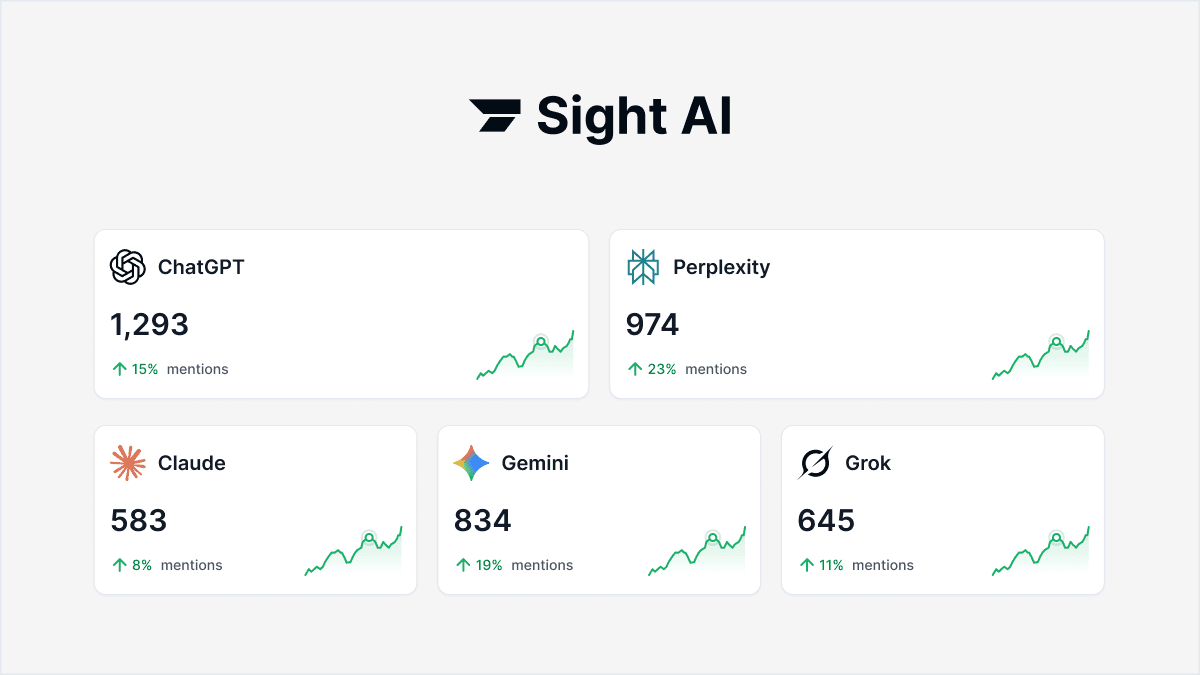
The best systems track not just whether your brand appears, but also sentiment analysis, competitor co-mentions, and how responses change across different prompt variations. They alert you when significant changes occur, like a sudden drop in mention frequency or the appearance of negative framing you haven't seen before.
This is fundamentally different from traditional brand monitoring tools that track social media or news mentions. Those tools can't see inside AI model responses, which increasingly matter more than traditional search results for purchase decisions.
Implementation Steps
1. Select an AI visibility tracking platform that monitors multiple models (at minimum ChatGPT, Claude, and Perplexity), allows custom prompt libraries, and provides historical tracking so you can identify trends.
2. Configure your standardized prompt library in the platform, setting appropriate tracking frequency based on your industry velocity (daily for fast-moving tech sectors, weekly for more stable industries).
3. Establish alert thresholds for significant changes: drops in mention frequency beyond normal variation, appearance of new negative sentiment patterns, or competitor mentions that weren't previously appearing alongside your brand.
Pro Tips
Don't just track your own brand. Monitor 3-5 direct competitors using the same prompt library. This competitive context reveals whether changes in your visibility reflect industry-wide AI model shifts or brand-specific issues. If all brands in your category see reduced mentions, that's an AI model update. If only your brand drops, that's a content or reputation problem you need to address.
3. Audit Your Content for AI Model Discoverability
The Challenge It Solves
AI models can only present information they can find and understand. Many brands have comprehensive content that explains their value proposition, but it's structured in ways that make it difficult for AI models to extract and synthesize. The result? ChatGPT presents incomplete or outdated information simply because your current content isn't optimized for AI consumption.
This is different from traditional SEO. Google's crawlers and ranking algorithms work differently than how ChatGPT synthesizes information from training data and retrieval-augmented generation.
The Strategy Explained
A content audit for AI discoverability means systematically reviewing your existing content to identify gaps, structural issues, and outdated information that prevent AI models from accurately representing your brand. You're looking for specific patterns that limit AI visibility.
Common issues include critical information buried in dense paragraphs where AI models struggle to extract key facts, important brand differentiators explained only in video or image content that AI models can't process, and outdated content that still ranks well in traditional search but presents an obsolete version of your offering. Learning about brand visibility in ChatGPT responses can help you identify what's working and what needs improvement.
The audit reveals what you need to fix, add, or restructure to improve how AI models understand and present your brand.
Implementation Steps
1. Map your core brand narrative elements (what you do, who you serve, how you differ from competitors, key results or outcomes) and identify which existing content pages should communicate each element.
2. Review each page for AI-friendly structure: clear headings that signal content hierarchy, concise paragraphs that state facts directly, structured data that makes key information machine-readable, and recent publication dates that signal currency.
3. Compare what your content says against what ChatGPT actually presents about your brand (from your baseline testing), identifying specific gaps where the AI model's understanding differs from your intended narrative.
Pro Tips
Pay special attention to your About page, product pages, and any content that appears in your main navigation. AI models often weight these pages more heavily when synthesizing brand information. If these pages use vague marketing language instead of clear, factual statements, you're making it harder for AI models to accurately represent what you actually do.
4. Create AI-Optimized Brand Narrative Content
The Challenge It Solves
Generic content marketing doesn't effectively shape AI model understanding. You need content specifically designed to communicate your brand narrative in formats that AI models can easily extract and synthesize. Without this targeted approach, you're hoping AI models somehow piece together your story from scattered mentions—and they often get it wrong.
This is about being intentional. You wouldn't let your brand narrative be defined by random customer tweets, so why let it be defined by whatever content AI models happen to encounter?
The Strategy Explained
AI-optimized brand narrative content means creating pages and articles that directly address the queries you identified in your baseline testing, structured specifically for AI model comprehension. This includes clear, factual statements about what you do, who you serve, and how you differ from alternatives.
The content should answer questions in the exact format people ask them. If your baseline testing showed that people ask "What's the difference between [Your Brand] and [Competitor]?", you need content that directly addresses that comparison with clear, structured information. Understanding how ChatGPT chooses brands to recommend helps you craft content that positions your brand favorably.
Think of this as creating the source material you want AI models to reference when someone asks about your brand. You're essentially writing the script for how ChatGPT should discuss your company.
Implementation Steps
1. Create dedicated comparison pages for your top 3-5 competitors, using clear headings like "How [Your Brand] Compares to [Competitor]" and structured sections that address specific differentiators with factual evidence.
2. Develop comprehensive guides that position your brand as the solution to specific problems, using the exact language from your prompt testing to ensure you're matching how real people ask questions.
3. Publish regular content updates that keep your brand narrative current, including new product features, customer results, and industry recognition that AI models should incorporate into their understanding of your company.
Pro Tips
Include clear, quotable statements that AI models can easily extract. Sentences like "Unlike traditional tools that require manual setup, [Your Brand] automates the entire process" give AI models specific, factual claims they can reference. Avoid marketing fluff like "We're passionate about transforming the industry" which provides no concrete information AI models can use.
5. Monitor and Respond to AI-Surfaced Reputation Risks
The Challenge It Solves
Reputation issues that appear in AI model responses can spread quickly and persist long after you've addressed the underlying problem. Unlike a negative review you can respond to or a critical article you can address through PR, AI model outputs are synthesized from multiple sources, making them harder to influence directly.
The longer an inaccurate or negative narrative persists in AI responses, the more it becomes the default story about your brand. Early detection is critical.
The Strategy Explained
This strategy means building systems that flag potential reputation risks the moment they appear in AI model responses, then executing a rapid response protocol to address the underlying issue. Implementing AI brand reputation tracking creates an early warning system that catches problems before they become entrenched narratives.
Reputation risks in AI responses typically fall into categories: outdated information that no longer reflects your current offering, inaccurate claims sourced from unreliable content, negative framing that emphasizes problems over solutions, or missing context that makes your brand appear less capable than competitors.
The goal is systematic detection and rapid remediation, not reactive panic when someone happens to notice an issue.
Implementation Steps
1. Configure automated alerts in your AI visibility tracking system for reputation risk indicators: sudden appearance of negative sentiment, mentions of problems or limitations that weren't previously surfacing, or drops in mention frequency for queries where you should appear.
2. Create a response protocol that includes identifying the likely source of inaccurate information (old content on your site, outdated third-party articles, competitor claims), developing corrective content that addresses the issue directly, and amplifying that content through channels AI models are likely to access.
3. Document each reputation issue and your response in a tracking system, noting how long it takes for AI model responses to reflect the corrected information and what content approaches proved most effective.
Pro Tips
When you identify inaccurate information in AI responses, don't just create new content addressing it. Update or remove the outdated content that likely caused the issue in the first place. AI models may continue referencing old content if it's still publicly accessible, even if you've published newer, more accurate information elsewhere.
6. Build Strategic Third-Party Mentions That AI Models Trust
The Challenge It Solves
AI models don't just reference your owned content. They synthesize information from across the web, often weighting third-party sources more heavily than brand-published content when making recommendations or comparisons. If authoritative external sources don't mention your brand, or mention you only in passing, AI models may present you as less established than competitors with stronger third-party validation.
This creates a chicken-and-egg problem. You need AI visibility to drive awareness, but you need third-party mentions to improve AI visibility.
The Strategy Explained
Strategic third-party mention building means earning coverage and citations from sources that AI models demonstrably trust and reference. This isn't traditional PR focused on reach or domain authority for SEO. You're specifically targeting publications, directories, and platforms that frequently appear in AI model responses within your industry.
The approach requires identifying which external sources ChatGPT and other AI models actually cite when discussing your category, then systematically earning mentions from those specific sources. A mention in a publication that AI models never reference provides zero AI visibility benefit, regardless of its traditional authority. Using ChatGPT citation monitoring tools helps you identify which sources matter most.
You're essentially building citations that AI models will encounter and weight when synthesizing information about your brand.
Implementation Steps
1. Analyze AI model responses for competitive queries to identify which third-party sources appear most frequently—these are the publications and platforms AI models trust in your space.
2. Prioritize earning mentions from these specific sources through contributed content, case studies, product reviews, or inclusion in comparison articles and industry roundups.
3. Create content assets specifically designed to earn third-party mentions: original research that publications want to cite, comprehensive guides that become reference material, or unique data that fills gaps in industry coverage.
Pro Tips
Focus on quality over quantity. A single mention in a publication that ChatGPT frequently cites for your category provides more AI visibility value than dozens of mentions in sources AI models ignore. Use your automated tracking to identify exactly which sources drive the most impact, then double down on earning mentions from those specific platforms.
7. Implement Continuous Feedback Loops for AI Reputation Management
The Challenge It Solves
One-time audits and sporadic content updates don't maintain AI visibility over time. AI models evolve, competitors publish new content, and industry narratives shift. Without systematic feedback loops connecting monitoring insights to content decisions, your AI reputation management becomes reactive and inconsistent.
Most brands treat AI visibility as a project with a beginning and end, not an ongoing process. That approach fails because the AI landscape changes constantly.
The Strategy Explained
Continuous feedback loops mean establishing regular review cycles where monitoring data directly informs content strategy decisions. You're creating a system where insights from AI visibility tracking automatically trigger specific content actions, rather than requiring someone to manually connect the dots. Implementing real-time brand monitoring across LLMs ensures you catch changes as they happen.
This includes scheduled reviews of tracking data to identify trends, standardized processes for translating insights into content briefs, and clear ownership for executing on opportunities or addressing risks. The feedback loop ensures that what you learn from monitoring actually changes what you publish.
Think of it like a flywheel: monitoring reveals opportunities, content addresses those opportunities, improved AI visibility validates the approach, and the cycle continues with increasingly refined strategy.
Implementation Steps
1. Establish a monthly AI visibility review meeting where stakeholders from content, product marketing, and leadership review tracking data, identify the top 3-5 opportunities or risks, and assign specific content initiatives to address them.
2. Create standardized content brief templates that connect monitoring insights to content requirements, specifying which AI visibility gaps the content should address, which queries it should target, and how success will be measured.
3. Build a feedback dashboard that tracks leading indicators (content published to address AI visibility gaps, third-party mentions earned) and lagging indicators (changes in mention frequency, sentiment improvements, competitive positioning shifts) to validate that your strategy is working.
Pro Tips
Don't wait for perfect data to take action. If monitoring reveals that AI models consistently mention three competitors but not your brand for a specific query type, that's enough signal to create targeted content addressing that gap. You can refine your approach as you gather more data, but waiting for comprehensive analysis before acting means missing opportunities while competitors strengthen their AI visibility.
Putting Your ChatGPT Monitoring Strategy Into Action
Start with baseline measurement—you can't improve what you don't track. Spend this week creating your standardized prompt library and documenting exactly how ChatGPT and other AI models currently discuss your brand. This foundation makes everything else possible.
Then move to automated monitoring across multiple AI platforms, not just ChatGPT. Manual spot-checks won't catch the patterns and shifts that matter for strategic decisions. Audit your existing content for AI discoverability gaps, identifying specific pages that need restructuring or updating to improve how AI models extract information.
Create targeted content that shapes how AI models understand your brand. This isn't about producing more content—it's about producing the right content that directly addresses gaps in AI model knowledge. Build systems to catch and address reputation risks quickly, before inaccurate narratives become entrenched.
Invest in earning authoritative third-party mentions from sources AI models demonstrably trust and cite. One strategic mention often provides more AI visibility value than dozens of random backlinks. Establish feedback loops that connect monitoring insights to content decisions through systematic review and optimization cycles.
The brands that master AI reputation monitoring now will have significant advantages as AI-driven discovery becomes the default. Begin with strategy one this week, and build your monitoring infrastructure incrementally. Each strategy reinforces the others, creating compound improvements in how AI models understand and present your brand.
Stop guessing how AI models like ChatGPT and Claude talk about your brand—get visibility into every mention, track content opportunities, and automate your path to organic traffic growth. Start tracking your AI visibility today and see exactly where your brand appears across top AI platforms.